

Note: This article contains affiliate links. If you click on these links and make a purchase, I may earn a small commission at no extra cost to you. This helps support my research and content. Read my full affiliate disclosure here.
What You’ll Need
A quick look at the tools and supplies commonly used for this job.
Tools
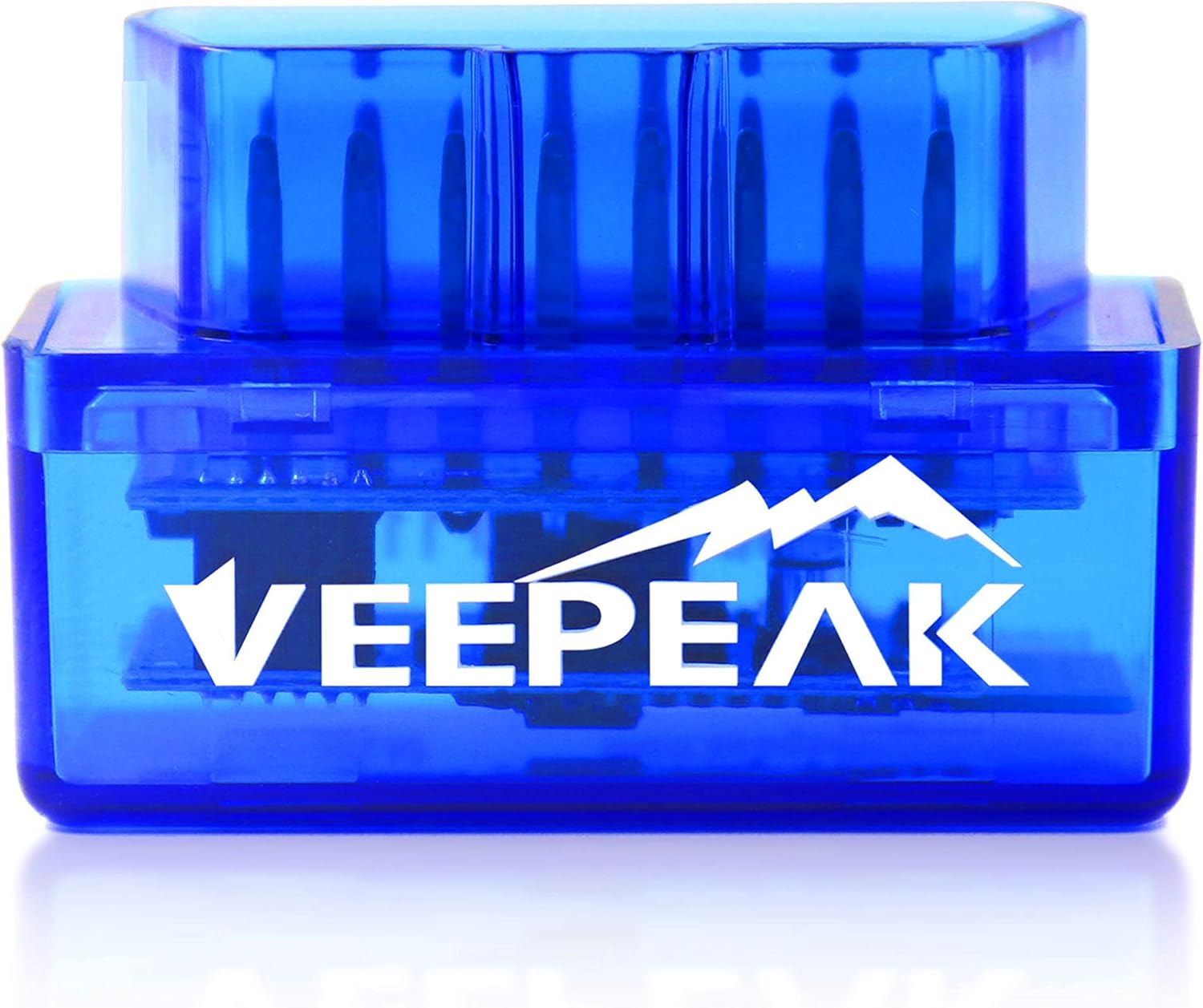
- OBD-II scan tool with live data
- Digital multimeter
- Flashlight
- Carburetor cleaner or smoke machine
- Fuel pressure gauge
- Vacuum gauge
- Basic hand tools
- Safety glasses and gloves
Parts & Supplies
- Mass air flow sensor cleaner
- Replacement vacuum hose
- Throttle body cleaner
- Shop rags
This article is part of our Engine Maintenance & Repair Guides.
Fuel trim problems are a sign that the engine computer is making unusually large corrections to the air-fuel mixture. When those corrections get too high in the positive or negative direction, you can end up with rough idle, poor fuel economy, hesitation, failed emissions tests, or a check engine light.
The good news is that fuel trim data can point you toward the real fault if you read it the right way. Instead of guessing and replacing parts, you can use short-term and long-term fuel trim numbers, operating conditions, and a few basic tests to narrow the issue down to unmetered air, fuel delivery, sensor errors, or engine mechanical problems.
This guide walks through a practical DIY diagnostic process for common fuel trim issues on gasoline engines. The exact specs vary by vehicle, but the overall logic stays the same: confirm the complaint, read the trim pattern, compare idle versus load, and test the systems most likely to cause that pattern.
What Fuel Trim Means
Fuel trim is the adjustment the engine control module makes to keep the air-fuel mixture near the target ratio. The computer uses sensor feedback, mainly from the oxygen or air-fuel ratio sensors, to add or subtract fuel from the base calculation.
Short-term Vs. Long-term Fuel Trim
Short-term fuel trim, or STFT, reacts quickly to sensor feedback and constantly moves up and down. Long-term fuel trim, or LTFT, is the slower correction the computer learns over time. When diagnosing a problem, look at both together because the total correction often tells the real story.
- Positive fuel trim means the computer is adding fuel because it believes the engine is running lean.
- Negative fuel trim means the computer is subtracting fuel because it believes the engine is running rich.
- A small amount of movement is normal, especially in STFT.
- Large corrections, especially combined STFT and LTFT beyond about 10% to 15%, usually point to a problem worth testing.
When Fuel Trim Becomes a Fault
Many vehicles will set lean or rich diagnostic trouble codes when fuel trim exceeds the computer’s correction limits. Common examples include P0171 and P0174 for lean conditions, or P0172 and P0175 for rich conditions. Even without a code, abnormal trims can still cause drivability complaints.
Common Symptoms of Fuel Trim Problems
Fuel trim issues do not always feel the same. A vacuum leak may cause a rough idle and lean code, while excessive fuel pressure may create a rich smell and poor mileage. Start by matching the symptom to the scan data instead of assuming one cause.
- Check engine light with lean or rich mixture codes
- Rough idle or unstable idle speed
- Hesitation on acceleration
- Reduced fuel economy
- Black smoke or strong fuel smell
- Hard starting, especially hot or cold
- Failed emissions or readiness monitor issues
Safety and Preparation
You will be working around a running engine, fuel vapors, and electrical components. Use eye protection, keep loose clothing away from belts and fans, and avoid spraying flammable cleaner near hot exhaust parts or ignition sources.
Before you start testing, make sure the battery is fully charged, the engine has enough fuel in the tank, and the air filter is not severely restricted. If the vehicle has obvious maintenance issues such as cracked intake hoses or disconnected vacuum lines, repair those first.
Check Trouble Codes and Freeze Frame Data
Begin with a full scan, not just a code read. Record all stored, pending, and history codes, then review freeze frame data for the conditions when the fault set. Fuel trim problems often depend on temperature, engine load, or RPM, and freeze frame data helps you duplicate those conditions.
What to Record
- Engine coolant temperature
- RPM
- Vehicle speed
- STFT and LTFT for each bank
- Mass air flow readings if available
- Oxygen sensor or air-fuel sensor activity
- Engine load and fuel system status
If both banks are lean or rich by a similar amount, suspect a problem affecting the whole engine, such as a MAF sensor issue, fuel pressure problem, or large intake leak ahead of the manifold split. If only one bank is affected, look more closely for a bank-specific vacuum leak, injector problem, exhaust leak, or sensor issue.
Read Live Fuel Trim Data the Right Way
The most useful fuel trim test is not a single number at idle. You want to compare trims at idle, at 2,500 RPM in park or neutral, and during a light road test if it is safe to do so. Pattern recognition is what helps separate an air leak from a fuel delivery issue.
Helpful Rules of Thumb
- High positive trims at idle that improve when RPM rises often point to a vacuum leak.
- High positive trims at idle and under load often point to low fuel pressure, restricted injectors, or bad airflow data.
- High negative trims on both banks can point to excess fuel pressure, leaking injectors, evaporative purge issues, or incorrect sensor input.
- A trim problem on only one bank often points to a localized leak, injector fault, or exhaust leak on that side.
As a general DIY guideline, combined STFT plus LTFT near zero is ideal, within about plus or minus 5% is usually fine, and sustained correction beyond roughly 10% deserves attention. Some engines are more sensitive than others, so use service information if you have it.
Tools That Make This Job Easier


Do a Visual Inspection First
A careful visual inspection often finds the fault faster than advanced testing. Look for cracked intake boots, split PCV hoses, disconnected vacuum lines, damaged air ducts between the air filter and throttle body, loose clamps, and signs of recent repairs that may have left something unplugged.
- Inspect the air intake tube for cracks after the MAF sensor.
- Check PCV hoses and elbows for splits, especially on older engines.
- Look for leaking intake manifold gaskets or missing vacuum caps.
- Verify the oil cap and dipstick are fully seated on engines sensitive to crankcase leaks.
- Inspect exhaust manifolds and front pipe connections for leaks ahead of the oxygen sensors.
If the vehicle recently had intake, spark plug, or fuel system work, pay extra attention to connectors, hoses, and grounds that may have been disturbed.
Test for Vacuum Leaks and Unmetered Air
Unmetered air is one of the most common causes of positive fuel trims, especially at idle. The engine takes in extra air that the computer did not measure, so it adds fuel to compensate.
How to Test
- Warm the engine and watch STFT and LTFT at idle.
- Inspect and gently move vacuum hoses, intake ducts, and PCV connections while watching trim changes.
- Use a smoke machine if available to find leaks around hoses, intake gaskets, throttle body seals, and EVAP purge plumbing.
- If using spray cleaner as a basic test, apply it carefully in small amounts around suspected leak points and watch for RPM or trim changes.
If positive trim is much higher at idle than at 2,500 RPM, that pattern strongly supports a vacuum leak. Small leaks have their biggest effect at idle because the engine is pulling high manifold vacuum and moving relatively little air overall.
Do Not Overlook the Purge Valve
A purge valve stuck open can act like a vacuum leak or a rich source depending on conditions. If fuel trims are unstable or the engine runs rough at idle, pinch off the purge hose briefly as a test if the hose design allows it safely. A major trim change can point to a purge system fault.
Check the Mass Air Flow Sensor
A contaminated or underreporting MAF sensor can make the computer think less air is entering the engine than actually is, which usually creates positive fuel trims. An overreporting MAF can push trims negative.
What to Look For
- Air filter housing not sealed correctly
- Aftermarket oiled filter contamination on the sensor element
- Damaged or loose intake duct after the MAF
- MAF readings that seem too low or too high for engine size and RPM
- Fuel trims that improve when the MAF is unplugged on systems that default to backup values
If the sensor is dirty, clean it only with MAF sensor cleaner and let it dry fully before restarting the engine. Do not touch the sensing element. If the sensor data is clearly inaccurate and wiring checks are good, replacement may be necessary.
Verify Fuel Pressure and Fuel Delivery
If fuel trims stay positive at idle and under load, low fuel delivery becomes more likely. Weak pumps, restricted filters, failing pressure regulators, voltage drop to the pump, or partially clogged injectors can all cause a lean correction.
Fuel System Checks
- Measure fuel pressure against factory specification at idle and, if possible, under load.
- Watch for pressure that drops during snap throttle or road test conditions.
- Check fuel pump electrical supply if pressure is low.
- Consider injector balance or flow issues if pressure is correct but trims remain lean.
For negative trims, do not ignore excessive fuel pressure. A stuck regulator or restricted return system on older return-style setups can make the engine run rich. On some engines, leaking injectors can also push trims negative and cause hard hot starts.
Recommended Tools for This Job


Evaluate Oxygen and Air-Fuel Ratio Sensor Data
Fuel trim is based on sensor feedback, so bad feedback can create misleading corrections. A lazy upstream oxygen sensor, wiring issue, heater fault, or exhaust leak ahead of the sensor may cause false lean or rich indications.
What Sensor Behavior Can Tell You
- A conventional upstream O2 sensor should switch actively in closed loop on many systems.
- A sensor stuck lean may drive positive trims even if fuel delivery is normal.
- A sensor stuck rich may drive negative trims.
- An exhaust leak ahead of the sensor can pull in oxygen and mimic a lean condition.
- Heater circuit issues can delay sensor operation and skew cold-start trims.
Do not replace an oxygen sensor based on fuel trim alone. First confirm the engine really is lean or rich, check for exhaust leaks, and verify sensor power, ground, and signal operation.
Consider Engine Mechanical and Airflow Problems
If the usual intake, fuel, and sensor checks do not explain the numbers, step back and consider mechanical causes. Low compression, valve timing issues, stuck EGR flow, or misfires can all distort fuel trim readings.
- A cylinder misfire can send extra oxygen into the exhaust and look lean to the sensor.
- A timing issue can reduce engine vacuum and alter airflow readings.
- An EGR valve stuck open can create rough idle and unusual trim behavior.
- Low compression on one bank can create a bank-specific trim issue.
If trims are strange but all basic checks pass, use misfire counters, vacuum readings, and compression or leak-down testing to rule out a deeper engine problem.
How to Interpret Common Fuel Trim Patterns
Positive Trims Mainly at Idle
This usually suggests a vacuum leak, PCV issue, intake gasket leak, or purge valve problem. Start with smoke testing and hose inspection.
Positive Trims at Idle and While Driving
This pattern often points to low fuel pressure, restricted injectors, underreporting MAF data, or a major unmetered air leak. Check MAF readings and fuel pressure next.
Negative Trims on Both Banks
Look for excess fuel delivery, leaking injectors, high fuel pressure, contaminated MAF data, or a stuck purge valve feeding fuel vapors. Rich-running engines may also show black exhaust or fuel odor.
One Bank Different From the Other
Focus on problems specific to that side: intake gasket leaks, injector faults, exhaust leaks, sensor issues, or bank-specific engine mechanical problems.
After the Repair: Clear, Recheck, and Confirm
Once you make a repair, clear the codes and adaptive memory if your scan tool and service information recommend it. Then run the engine through the same conditions that originally showed the fault and recheck fuel trim at idle, cruise, and light acceleration.
A successful repair usually brings the combined fuel trims much closer to zero and keeps them stable. The exact value does not need to be perfect, but the previous abnormal pattern should be gone. If the trims improved only partly, there may be more than one issue.
When DIY Diagnosis Should Stop
If you do not have safe access to fuel pressure testing, the engine has multiple unrelated codes, or the issue appears tied to direct injection, advanced sensor circuits, or internal engine damage, it may be time for a professional diagnosis. Fuel trim data is powerful, but it can also mislead you when several faults overlap.
A shop with a professional scan tool, smoke machine, lab scope, and service information can often isolate difficult trim problems much faster, especially intermittent ones.
Key Takeaways
- Compare fuel trim at idle and higher RPM because that pattern often separates vacuum leaks from fuel delivery problems.
- If both banks show similar trim numbers, suspect a shared cause like the MAF sensor, fuel pressure, or a major intake leak.
- Do not replace oxygen sensors based on trim alone until you check for actual lean or rich operation and exhaust leaks.
- Positive trims usually mean the computer is adding fuel, while negative trims usually mean it is taking fuel away.
- Always confirm the repair by rescanning and verifying that trims stay close to normal under the same conditions that set the fault.
FAQ
What Fuel Trim Numbers Are Considered Normal?
On many vehicles, combined short-term and long-term fuel trim within about plus or minus 5% is generally healthy, while numbers over roughly 10% may indicate a problem. Exact tolerances vary by engine and operating condition.
Can a Vacuum Leak Cause High Positive Fuel Trim?
Yes. A vacuum leak lets extra unmetered air into the engine, which usually makes the computer add fuel. This often shows up as high positive trims at idle that improve as RPM increases.
Can a Bad MAF Sensor Cause Lean or Rich Fuel Trims?
Yes. If the MAF underreports airflow, the engine may run lean and fuel trims go positive. If it overreports airflow, fuel trims can go negative because the computer commands too much fuel.
Why Are My Fuel Trims Only Bad on One Bank?
Bank-specific trim problems usually point to an issue affecting only one side of the engine, such as an intake gasket leak, injector problem, exhaust leak ahead of the sensor, or a mechanical problem on that bank.
Should I Replace Oxygen Sensors if I Have a Fuel Trim Code?
Not automatically. Fuel trim codes tell you the computer is making large corrections, not that the sensor itself is bad. Check for vacuum leaks, fuel pressure issues, exhaust leaks, and sensor wiring before replacing a sensor.
Can Low Fuel Pressure Cause Positive Long-term Fuel Trim?
Yes. If the fuel pump is weak or pressure is below specification, the engine may run lean under multiple conditions and the computer will add fuel, often raising both STFT and LTFT.
Do Fuel Trims Matter if the Car Seems to Run Fine?
Yes. Abnormal fuel trims can be an early warning of a developing problem even before strong symptoms appear. Catching the issue early can prevent worse drivability, emissions, or catalytic converter problems later.
Need Parts for This Repair?
The right parts and supplies vary by vehicle.
Select your make and model to find compatible parts and accessories for your car.
Exact Fit
Parts that fit your make and model
Quality You Can Trust
Top brands and OEM quality options
Fast Shipping
Get the parts you need, delivered fast