

Note: This article contains affiliate links. If you click on these links and make a purchase, I may earn a small commission at no extra cost to you. This helps support my research and content. Read my full affiliate disclosure here.
What You’ll Need
A quick look at the tools and supplies commonly used for this job.
Tools
- OBD-II scan tool
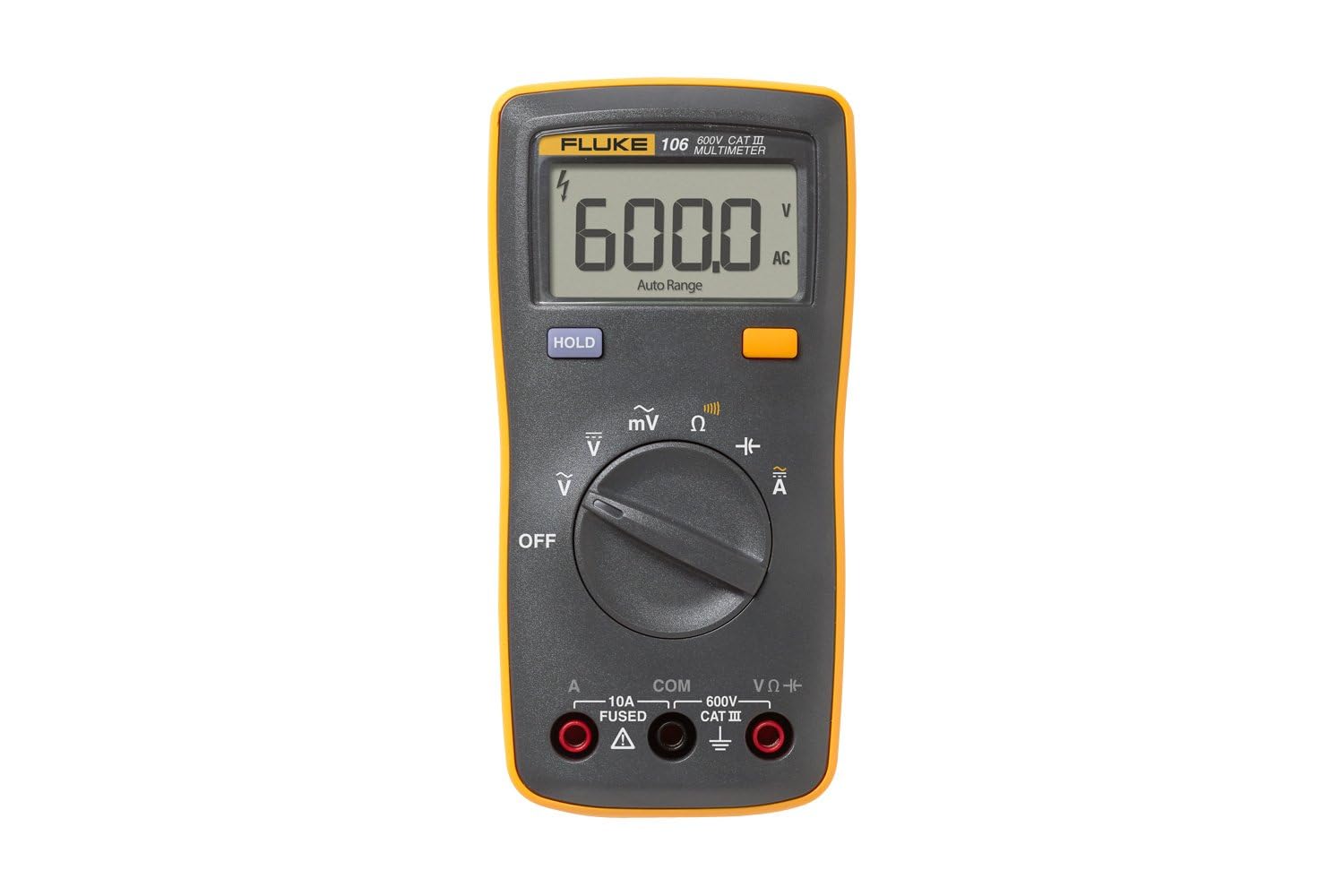
- Digital multimeter
- Basic socket and ratchet set
- Flashlight or work light
- Back-probe pins or test leads
- Repair manual or wiring diagram
Parts & Supplies
- Electrical contact cleaner
- Dielectric grease
- Replacement crankshaft position sensor
- Shop rags
This article is part of our Engine Maintenance & Repair Guides.
A bad crankshaft position sensor can cause anything from a random no-start to stalling, misfires, poor acceleration, or a tachometer that drops to zero while the engine is still spinning. Because the sensor tells the engine computer where the crankshaft is and how fast it is rotating, even a brief signal loss can disrupt spark timing, fuel injection, and engine operation.
The tricky part is that a failed crankshaft position sensor does not always set a clear code right away, and similar symptoms can also come from wiring faults, a bad camshaft sensor, weak battery voltage, ignition problems, or a damaged reluctor wheel. A good diagnosis means confirming the problem instead of replacing the sensor on a guess.
This guide walks through the most useful DIY checks: symptom patterns, scan tool clues, wiring and connector inspection, multimeter testing, and how to decide whether the sensor itself is bad or whether another issue is causing the same symptoms.
What the Crankshaft Position Sensor Does
The crankshaft position sensor monitors crankshaft speed and position by reading a tone ring or reluctor wheel attached to the crankshaft. The engine control module uses that signal to determine ignition timing, injector timing, misfire detection, and in many vehicles whether the engine is rotating at all.
On some engines, the crankshaft sensor is mounted near the crank pulley, timing cover, transmission bellhousing, or rear of the engine block. Depending on the design, it may be a two-wire magnetic sensor or a three-wire Hall-effect sensor. That matters because testing methods are different.
- A magnetic sensor usually creates its own AC voltage signal as the engine turns.
- A Hall-effect sensor usually needs a reference voltage, ground, and signal wire.
- If the crank signal drops out, the engine may crank normally but never start, or it may stall suddenly while driving.
Common Symptoms of a Bad Crankshaft Position Sensor
Crankshaft sensor failures often show up as intermittent problems first. Heat can affect the sensor internally, so the engine may start cold and fail after warming up, then restart after cooling down.
- Engine cranks but will not start.
- Stalling while idling or driving.
- Hard starting, especially when hot.
- Random misfires or bucking under load.
- Loss of tachometer signal while cranking or just before stall.
- Check engine light with crank or cam correlation codes.
- Long crank time before firing.
Symptoms alone do not prove the sensor is bad. For example, low fuel pressure can also cause hard starting, and an ignition module fault can mimic a bad crank signal. The best clue is a pattern where spark and injector pulse disappear at the same time, especially when RPM data also drops out on the scan tool.
Trouble Codes That Often Point in This Direction
A scan tool is one of the fastest ways to narrow the problem. Codes do not automatically mean the sensor itself failed, but they can point you to the affected circuit.
- P0335: Crankshaft position sensor A circuit malfunction.
- P0336: Crankshaft position sensor range or performance problem.
- P0337: Low input from the crank sensor circuit.
- P0338: High input from the crank sensor circuit.
- P0339: Intermittent crank sensor circuit problem.
- Cam/crank correlation codes can also appear if the crank signal is unstable or the reluctor wheel has moved.
If you have a crank sensor code plus a code related to low system voltage, fix the battery and charging issue first. Weak voltage can create false sensor and communication codes.
Before You Test, Rule Out Basic Problems
Battery and Starter Speed
The engine computer needs adequate cranking speed and voltage to detect and process sensor signals correctly. If the battery is weak and the engine cranks slowly, diagnose that first. A battery resting well below 12.4 volts or a major voltage drop during cranking can skew your results.
Connector and Harness Condition
Many crank sensor problems are really wiring problems. Inspect the connector closely for oil saturation, broken locking tabs, bent pins, green corrosion, rubbed-through insulation, and heat damage from exhaust components. Tug lightly on each wire near the connector to check for internal breaks.
Related Faults
If the engine has timing chain noise, recent engine work, or signs of mechanical damage, keep an open mind. A shifted reluctor wheel, excessive crankshaft end play, damaged timing components, or incorrect sensor air gap can all create a bad signal even when the sensor itself is new.
Tools That Make This Job Easier


Step-by-Step Diagnostic Procedure
Scan for Codes and Watch Live RPM While Cranking
Connect the scan tool and look at engine RPM during cranking. On many vehicles, you should see some RPM reading while the engine is cranking. If RPM stays at zero, that strongly suggests the computer is not seeing a crankshaft signal. It does not prove the sensor is bad, but it moves the crank sensor circuit to the top of the list.
If RPM appears briefly and then drops out, especially as the engine warms up, suspect an intermittent sensor or wiring fault. Record freeze-frame and pending codes before clearing anything.
Check for Spark and Injector Pulse
If the engine cranks but does not start, verify whether the ignition system and injectors are being triggered. On many engines, a missing crank signal will stop both spark and injector pulse. If both are absent and you also have no RPM signal, the crank sensor circuit becomes much more likely.
Inspect the Sensor and Mounting Area
Locate the sensor and inspect its mounting. Make sure it is seated correctly and not contacting the reluctor wheel. Look for metal debris stuck to the sensor tip on magnetic designs. Debris can weaken or distort the signal. Also check for oil leaks soaking the connector area.
Verify Power, Ground, and Reference Voltage if Equipped
For a three-wire Hall-effect sensor, back-probe the connector with the key on. You typically should find a reference voltage on one wire, a solid ground on another, and a signal wire that changes state as the engine turns. Exact values vary by manufacturer, so use a wiring diagram when possible.
If reference voltage or ground is missing, do not replace the sensor yet. The fault may be in the harness, ECM power supply, another shorted sensor sharing the same reference circuit, or a damaged connector.
Measure Resistance Only if the Service Information Calls for It
Some magnetic sensors can be checked for internal resistance with the sensor unplugged. An open circuit or a reading far outside specification can confirm failure. However, resistance testing is not valid for every sensor type, and many Hall-effect sensors cannot be judged this way. If you do not have manufacturer specs, treat resistance results as supporting evidence, not final proof.
Test Signal Output During Cranking
For a magnetic sensor, set the multimeter to AC voltage and measure across the sensor terminals while a helper cranks the engine. A healthy sensor usually produces an AC signal during cranking, though the exact amount varies by design. Very low or no AC output can indicate a bad sensor, excessive air gap, or reluctor wheel issue.
For a Hall-effect sensor, use the proper meter setting or preferably a lab scope if available. You are looking for a switching signal, not simple resistance. A scope is best because it shows dropouts and signal distortion that a basic meter can miss.
Perform a Wiggle Test for Intermittent Faults
If the engine starts or the RPM signal appears intermittently, gently move the sensor harness, connector, and nearby wiring while the engine idles or while monitoring live data. If the engine stumbles or RPM drops out when the harness moves, you may have found a broken conductor, loose terminal, or poor connection rather than a failed sensor.
Compare Cold and Hot Operation
A crankshaft sensor that fails with heat is common. If the car starts cold but stalls hot and loses RPM input, test it both before and after warm-up. A sensor that works cold and quits once hot is highly suspect, especially if power and ground remain stable.
Recommended Tools for This Job


How to Tell Whether the Sensor, Wiring, or Reluctor Wheel Is the Real Problem
Signs the Sensor Itself Is Likely Bad
- No signal output from the sensor even though power and ground are correct where required.
- Sensor output disappears when hot and returns when cool.
- Resistance is open or out of spec on a sensor type that can be resistance-tested.
- Physical damage to the sensor body, tip, or connector pins.
Signs the Wiring or Connector Is More Likely
- Reference voltage or ground is missing at the connector.
- Signal returns when the harness is moved.
- Corrosion, loose terminals, oil contamination, or rubbed-through insulation are present.
- The problem began after recent repair work near the harness.
Signs of a Reluctor Wheel or Mechanical Issue
- Repeated sensor failures with no wiring problem found.
- Cam/crank correlation codes after engine timing work.
- Signal is present but erratic, uneven, or inconsistent with engine speed.
- Unusual engine noise, timing chain slack, or evidence the tone ring has cracked or shifted.
If your tests point to a mechanical trigger wheel issue, sensor replacement alone will not solve the problem. That is when deeper inspection or professional testing becomes worthwhile.
Mistakes to Avoid During Diagnosis
- Do not replace the sensor based only on a P0335-series code without checking power, ground, and wiring condition.
- Do not measure resistance on a sensor type that the manufacturer says must be tested dynamically.
- Do not ignore battery voltage, poor grounds, or slow cranking speed.
- Do not assume a new aftermarket sensor is good out of the box if symptoms remain unchanged.
- Do not overlook the camshaft sensor, since some vehicles need both cam and crank signals to start properly.
When Replacement Makes Sense
Replacement is reasonable when you have confirmed good wiring integrity, proper power and ground where applicable, and weak or missing signal output from the sensor itself. It also makes sense when the sensor clearly fails when hot, or when inspection reveals physical damage, contamination, or internal failure supported by test results.
Before installing the new sensor, compare the old and new parts carefully. Check connector shape, mounting depth, and any spacer requirements. Clean the mounting area, inspect the harness routing, and make sure the wiring is clipped away from the exhaust and rotating parts.
After replacement, clear codes and verify repair by watching live RPM during cranking and road testing the vehicle under the conditions that originally caused the fault.
When to Stop and Get Professional Help
Some crank sensor problems need tools beyond a basic DIY setup. If you have an intermittent stall with no obvious code pattern, recurring cam/crank correlation codes, or suspicion of a damaged reluctor wheel or timing issue, a professional with a lab scope can often diagnose it much faster.
You should also consider outside help if the sensor is difficult to access near the transmission bellhousing, if live data is inconclusive, or if the vehicle still will not start after a confirmed sensor replacement.
Key Takeaways
- Watch live RPM during cranking, because a zero RPM reading is one of the strongest clues that the crank signal is missing.
- Check the connector, wiring, and sensor power or ground before replacing the sensor, since many crank sensor codes are circuit problems instead of bad parts.
- Test the sensor hot and cold if the problem is intermittent, because heat-related crank sensor failures are common.
- If signal output is missing but power, ground, and wiring are good, sensor replacement is usually justified.
- Suspect a reluctor wheel or timing problem if the signal is erratic, correlation codes persist, or a new sensor does not fix the issue.
FAQ
Can a Bad Crankshaft Position Sensor Cause a Car to Crank but Not Start?
Yes. If the engine computer does not receive a valid crankshaft signal, it may not trigger spark or fuel injection correctly, which can leave you with a crank-no-start condition.
Will a Bad Crankshaft Position Sensor Always Set a Code?
No. Intermittent failures may not set a code immediately, especially if the signal only drops out briefly. That is why live data and symptom patterns are important.
Can I Test a Crankshaft Position Sensor with a Multimeter?
Often yes, but the method depends on sensor type. A magnetic sensor may be checked for AC output during cranking, while a Hall-effect sensor usually needs power, ground, and signal testing. A lab scope is better for catching intermittent dropouts.
What RPM Should I See While Cranking?
The exact number varies by vehicle and scan tool, but you should usually see some RPM value while cranking. If RPM stays at zero, the computer may not be receiving a crank signal.
Can a Bad Camshaft Sensor Look Like a Bad Crankshaft Sensor?
Yes. Camshaft sensor faults can cause similar symptoms such as hard starting, stalling, and related trouble codes. Some engines rely on both signals, so diagnosis should consider both systems.
Why Does the Car Start Cold but Stall when Hot?
That pattern often points to a sensor or internal electronic fault that fails with heat. A crankshaft position sensor can work normally when cold and lose signal once it warms up.
Should I Replace the Crankshaft Sensor if I Have Code P0335?
Not immediately. First inspect the connector and wiring, verify power and ground where applicable, and check for RPM signal during cranking. P0335 means there is a circuit problem, but it does not prove the sensor itself is bad.
Need Parts for This Repair?
The right parts and supplies vary by vehicle.
Select your make and model to find compatible parts and accessories for your car.
Exact Fit
Parts that fit your make and model
Quality You Can Trust
Top brands and OEM quality options
Fast Shipping
Get the parts you need, delivered fast