

Note: This article contains affiliate links. If you click on these links and make a purchase, I may earn a small commission at no extra cost to you. This helps support my research and content. Read my full affiliate disclosure here.
Repair Snapshot
Use a mechanic if the sensor is hard to access, the connector or housing is damaged, or cleaning does not fix drivability issues. A professional is also the better choice if you need scan-tool diagnosis for persistent check engine codes.
This article is part of our Engine Maintenance & Repair Guides.
Cleaning a mass air flow sensor is a simple maintenance job that can help restore smooth idle, better throttle response, and more accurate air-fuel mixture calculations. When the sensor gets coated with dust, oil vapors, or debris, it may send incorrect airflow readings to the engine computer.
A dirty MAF sensor can cause rough idling, hesitation, poor fuel economy, or a check engine light. In many cases, careful cleaning is enough to bring it back to normal operation, but the job has to be done gently because the sensing element is delicate and easy to damage.
This guide walks you through when to clean the sensor, what products to use, how to remove and reinstall it, and when cleaning is not enough. The steps below are written for common U.S.-market vehicles, but always compare them with your owner’s manual or service information for your exact make and model.
What the Mass Air Flow Sensor Does
The mass air flow sensor, often called the MAF sensor, measures the amount of air entering the engine. The engine control module uses that data to calculate fuel delivery, ignition timing, and other operating adjustments.
Most MAF sensors are mounted in the intake tube between the air filter box and the throttle body. Because all incoming air passes through this point, the sensor can collect dirt over time, especially if the air filter is overdue for replacement or an over-oiled aftermarket filter has been used.
When the sensor reads low or erratically, the engine may run too rich or too lean. That is why a dirty MAF can mimic other problems like vacuum leaks, bad spark plugs, or failing oxygen sensors.
Signs Your MAF Sensor May Need Cleaning
Cleaning is worth trying when the engine shows airflow-related symptoms and the sensor is visibly dirty or maintenance history is unknown. It is inexpensive, fast, and often effective when contamination is the root cause.
- Rough idle, stalling, or unstable idle speed
- Hesitation or stumbling during acceleration
- Poor fuel economy without another obvious cause
- Reduced power or sluggish throttle response
- Check engine light with codes commonly linked to airflow or fuel trim, such as P0101, P0102, P0103, P0171, or P0174
These symptoms do not automatically prove the sensor is dirty. Intake leaks, wiring faults, clogged air filters, and engine misfires can create similar complaints, so think of MAF cleaning as one sensible diagnostic step rather than a guaranteed cure.
Before You Start
Use the Correct Cleaner
Use only a cleaner labeled for mass air flow sensors. Do not use brake cleaner, carburetor cleaner, throttle body cleaner, compressed shop air, or general-purpose solvents. Those products can leave residue, attack plastics, or damage the sensor element.
Work on a Cool Engine
Let the engine cool before you begin. You will be leaning over the intake area and handling plastic components and electrical connectors, so working on a hot engine raises burn risk and can make brittle parts more likely to crack.
Disconnect Power if Needed
Many DIYers clean the sensor with the ignition off and the key removed, but disconnecting the negative battery terminal adds an extra layer of safety if the connector is in a tight area or you are worried about accidental shorts. If you disconnect the battery, be aware that radio presets and idle memory may reset.
How to Locate the Sensor
Open the hood and follow the air intake path from the air filter housing toward the engine. On most vehicles, the MAF sensor is installed in or attached to the intake tube shortly after the air box. It will usually have an electrical connector and may be held in place by screws, Torx fasteners, or clamps.
Some vehicles use a cartridge-style sensor that bolts into the intake tube, while others use a complete sensor housing section. If you are not sure which component you are looking at, check for an electrical plug on the intake tract just downstream of the air filter.
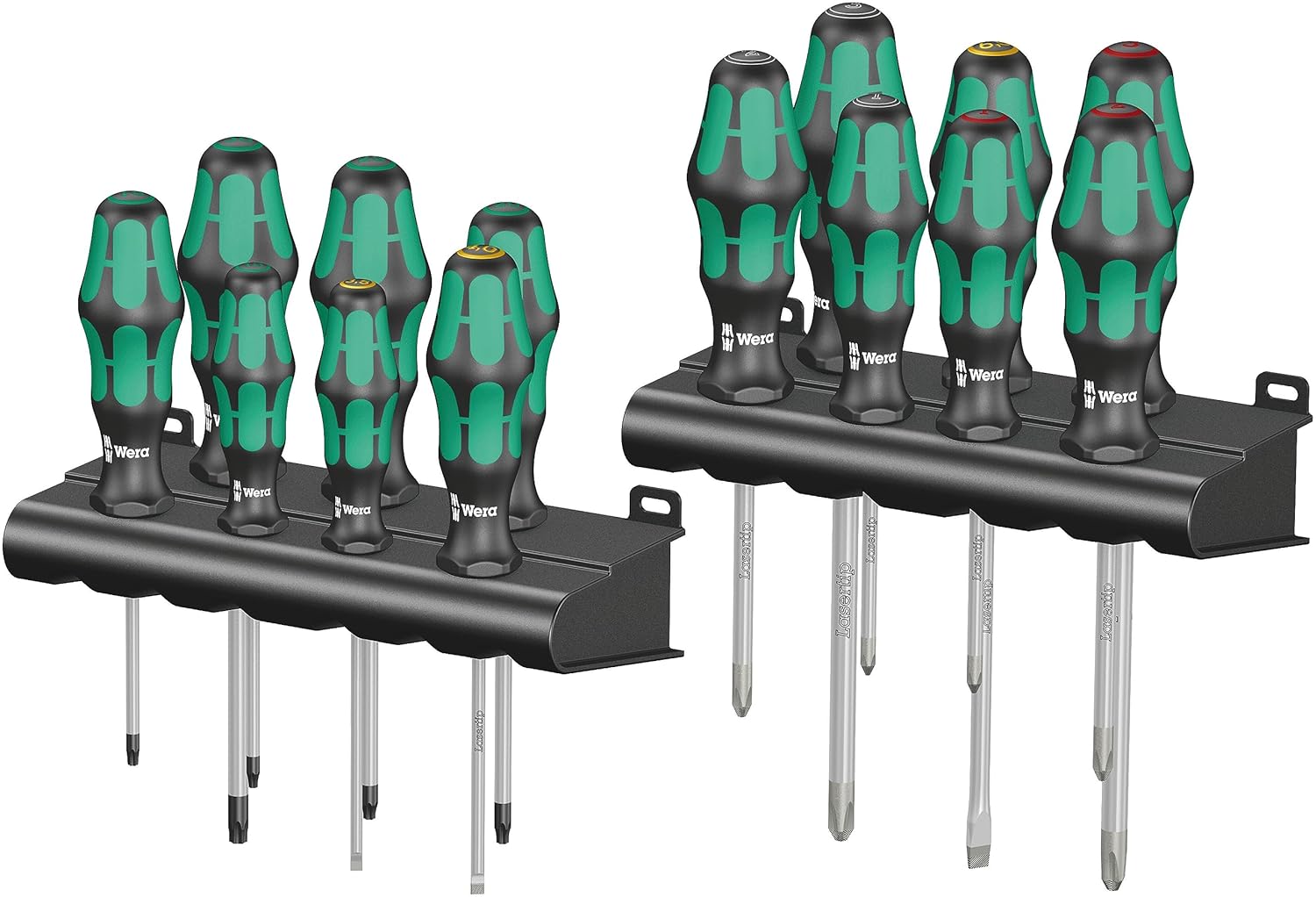
Tools That Make This Job Easier


Step-by-step Procedure
Prepare the Work Area
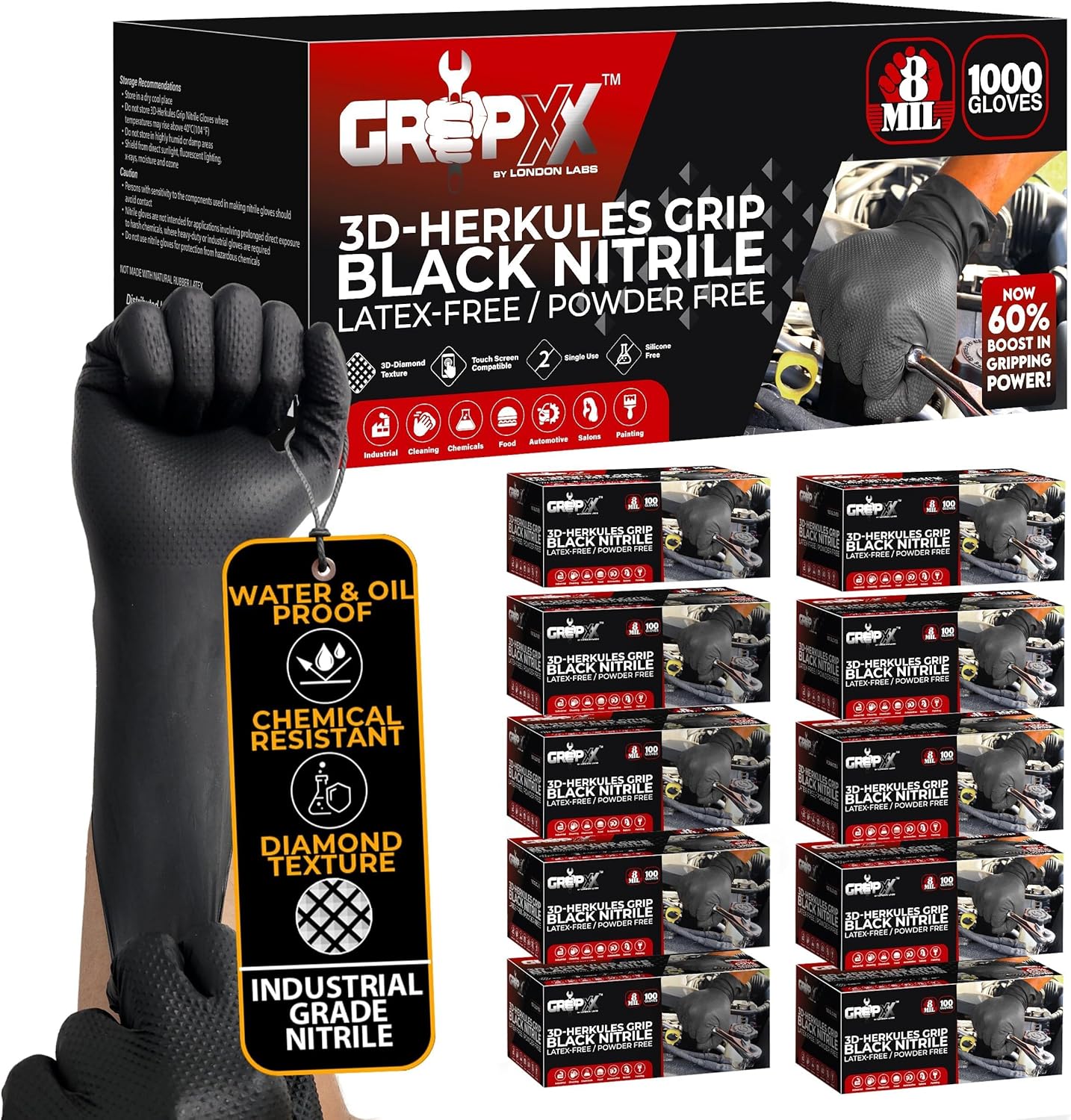
Park on a level surface, set the parking brake, turn the engine off, and allow it to cool. Put on gloves and safety glasses. Gather the cleaner, tools, and a clean towel before you start so the sensor is not left exposed longer than necessary.
Disconnect the Electrical Connector
Press or lift the locking tab on the MAF electrical connector and pull it straight off. Do not yank on the wires. If the connector is stubborn, inspect it for a secondary lock or dirt buildup rather than forcing it.
Remove the Sensor Carefully
Remove the screws or fasteners securing the sensor, or loosen the clamp if the housing section must be removed. Lift the sensor out gently. Avoid touching the thin sensing wire or film element inside the sensor body.
As you remove it, check the O-ring or seal for tears, flattening, or hardening. A bad seal can allow unmetered air into the intake system and create symptoms similar to a dirty sensor.
Inspect Before Cleaning
Look for dust, oily residue, insect debris, or contamination on the sensing element and inside the sensor bore. Also inspect the connector pins for corrosion, bent terminals, or looseness. If the sensor housing is cracked or the internal element is broken, replacement is the correct fix.
Spray the Sensor Element
Hold the sensor over a towel and spray the MAF cleaner onto the sensing wire, film, and air passage using short, controlled bursts. Keep the spray nozzle a reasonable distance away so you are washing the contamination off rather than blasting the element with excessive force.
Rotate the sensor slightly and spray from multiple angles. Most sensors need 10 to 15 light sprays total, enough to thoroughly rinse the element and surrounding area. Do not physically wipe the sensor or insert swabs, brushes, or rags into it.
Let It Air Dry Fully
Set the sensor on a clean towel in a safe spot and allow it to air dry completely. This usually takes about 10 to 20 minutes depending on the cleaner and ambient temperature. Do not use compressed air, a heat gun, or a hair dryer to speed the process.
Reinstall the Sensor
Once dry, reinstall the sensor in the same orientation it came out. Most MAF housings have an airflow direction arrow. Make sure that arrow points toward the engine. Tighten screws or clamps snugly, but do not overtighten small fasteners in plastic housings.
Reconnect the electrical plug until it clicks into place. If desired and appropriate for your connector style, a very small amount of dielectric grease can be used around the seal area, but avoid packing the terminals with grease unless the vehicle manufacturer specifically allows it.
Start the Engine and Verify Operation
Start the engine and let it idle for a few minutes. A brief adjustment period is normal while the computer re-evaluates airflow readings. Listen for intake leaks, check that the idle is stable, and take a short test drive to see whether acceleration and throttle response improve.
Common Mistakes to Avoid
- Do not touch the sensing wire or film with your fingers, a rag, or a brush.
- Do not use the wrong cleaner, even if it seems similar.
- Do not reinstall the sensor while it is still wet.
- Do not reverse the airflow direction during installation.
- Do not ignore a damaged O-ring, cracked intake tube, or loose clamp.
Many failed MAF sensors are not worn out at all; they were damaged during cleaning or reinstallation. The safest approach is slow, gentle handling and using only products made specifically for this job.
Recommended Tools for This Job


How Often to Clean a MAF Sensor
There is no universal interval for MAF cleaning on every vehicle. In general, it is a condition-based service rather than a fixed maintenance item. If the engine is running well and no contamination is present, routine cleaning is not always necessary.
A practical approach is to inspect the sensor when replacing the engine air filter, especially if you drive on dusty roads, in stop-and-go traffic, or with an oiled aftermarket filter. Many DIY owners check it every 15,000 to 30,000 miles and clean it only when buildup is visible or symptoms suggest inaccurate readings.
If the sensor gets dirty repeatedly, look for the cause. Common contributors include a missing or poorly sealed air filter, excessive crankcase vapors, intake leaks, or oil contamination from over-serviced reusable filters.
When Cleaning Will Not Fix the Problem
Cleaning helps only if contamination is causing false readings. If the internal circuitry has failed or another engine problem is present, symptoms will remain after cleaning.
- The check engine light returns immediately with MAF circuit codes
- The connector has broken pins, corrosion, or loose terminals
- The sensor element is physically damaged
- The intake tube or air box has a leak after the MAF sensor
- Fuel trim, vacuum leak, or misfire issues are the true cause of the drivability problem
If symptoms continue, scan data can help confirm the next step. A mechanic can compare live MAF readings, fuel trims, intake leaks, and sensor voltage behavior to determine whether the sensor needs replacement or another system is at fault.
Related Inspections Worth Doing at the Same Time
Since you already have the hood open and are working around the intake, this is a good time to inspect a few related items that often affect airflow readings and drivability.
- Check the engine air filter for heavy dirt, moisture, or damage
- Inspect the intake tube for cracks, loose clamps, or disconnected hoses
- Look for vacuum leaks around the intake duct and throttle body area
- Verify the air box closes properly and seals evenly
- Inspect the MAF connector wiring for rubbing, oil contamination, or brittle insulation
Fixing a dirty sensor while leaving an intake leak or damaged filter in place may only provide a temporary improvement. Clean airflow and a sealed intake tract are both necessary for accurate MAF operation.
DIY Cost Vs. Shop Service
For most DIY owners, this is one of the better value maintenance tasks. A can of MAF cleaner usually costs far less than a shop inspection or replacement part, and one can often lasts for multiple services.
A repair shop may charge diagnostic time, a cleaning service fee, or move straight to replacement depending on symptoms and access. That makes DIY cleaning a reasonable first step when the sensor is accessible and you can follow the procedure carefully.
However, if the check engine light stays on after cleaning, avoid guessing with more parts. That is the point where professional testing or a quality scan tool becomes worthwhile.
Key Takeaways
- Use only mass air flow sensor cleaner and never touch the sensing element with your hands or tools.
- Remove the sensor carefully, spray it gently from several angles, and let it air dry completely before reinstalling.
- Check the air filter, intake tube, clamps, and sensor seal at the same time so contamination or unmetered air does not return.
- Cleaning can help rough idle, hesitation, and airflow-related codes, but it will not fix broken wiring, intake leaks, or a failed sensor.
- If drivability problems or check engine codes remain after cleaning, move on to proper diagnosis instead of repeated cleaning attempts.
FAQ
Can I Clean a Mass Air Flow Sensor Without Removing It?
It is sometimes possible, but removing it is the safer and more effective method. With the sensor out, you can spray the element from multiple angles, inspect the seal and connector, and avoid overspray inside the intake tract.
What Cleaner Should I Use on a MAF Sensor?
Use a product specifically labeled as mass air flow sensor cleaner. Avoid brake cleaner, carb cleaner, throttle body cleaner, electrical cleaner unless explicitly approved, and any solvent not intended for MAF elements.
How Long Should I Let the Sensor Dry After Cleaning?
Allow it to air dry completely, usually about 10 to 20 minutes. Drying time can vary by product and temperature, but the sensor should be fully dry before reinstallation and startup.
Will Cleaning a MAF Sensor Turn Off the Check Engine Light?
It can if contamination was the actual cause, but not always immediately. Some vehicles need a few drive cycles for the light to clear, while others may require code clearing with a scan tool. If the light returns, additional diagnosis is needed.
How Do I Know if the MAF Sensor Needs Replacement Instead of Cleaning?
Replacement is more likely if the sensor has a broken element, damaged housing, wiring faults, corroded terminals, or persistent MAF-related trouble codes after cleaning. Incorrect live data and continued drivability issues also point toward replacement or another underlying problem.
Can a Dirty Air Filter Cause MAF Sensor Problems?
Yes. A neglected air filter can allow more dust and debris to reach the sensor, and a poor seal around the air box can do the same. Replacing a dirty filter and checking the air box seal helps prevent repeat contamination.
Is It Safe to Drive with a Dirty MAF Sensor?
The vehicle may still run, but performance, fuel economy, and emissions can suffer. Prolonged driving with incorrect airflow readings can also make diagnosis harder if other issues develop, so it is best to address the problem soon.
Need Parts for This Repair?
The right parts and supplies vary by vehicle.
Select your make and model to find compatible parts and accessories for your car.
Exact Fit
Parts that fit your make and model
Quality You Can Trust
Top brands and OEM quality options
Fast Shipping
Get the parts you need, delivered fast