

Note: This article contains affiliate links. If you click on these links and make a purchase, I may earn a small commission at no extra cost to you. This helps support my research and content. Read my full affiliate disclosure here.
Repair Snapshot
Use a mechanic if the cable runs through tight engine bay channels, under the vehicle, or to the starter where access is poor. Professional help is also smart if you see severe corrosion, damaged fuse links, or are working on a hybrid or start-stop system with battery monitoring sensors.
This article is part of our Electrical System Maintenance & Repair Guides.
Replacing battery cables is a straightforward repair when the terminals are accessible, but it needs to be done carefully because the battery can deliver very high current and the positive cable may feed the starter, fuse box, and other major electrical circuits.
If your car has green or white corrosion at the terminals, intermittent no-start problems, slow cranking, voltage drop issues, or a cable that feels stiff, swollen, or heat-damaged, replacing the cable assembly can restore reliable electrical performance. On many vehicles, the negative cable also includes body and engine grounds, while the positive cable may include multiple branch connections or a built-in fuse link.
The safest approach is to identify the exact cable routing before you remove anything, disconnect the battery in the correct order, and reinstall each cable so it cannot rub on metal edges, exhaust parts, steering components, or belts. Always check your repair manual for model-specific routing and torque specs, especially if the positive cable connects to a starter motor or battery current sensor.
When Battery Cables Need Replacement
Battery cables fail from corrosion, acid exposure, internal wire damage, loose terminal ends, collision damage, and heat. A cable can look acceptable from the outside but still have high resistance inside the insulation, especially near the terminal where acid and moisture collect.
Replace the cable rather than trying to patch it if the terminal is badly corroded, the copper strands are black or brittle, the insulation is melted, or the cable end is loose enough to rotate by hand. Universal clamp-on ends can work as a temporary fix on some older vehicles, but factory-style replacement cables are usually the better long-term repair.
- Slow cranking even with a tested-good battery
- Intermittent total power loss or random no-starts
- Visible corrosion creeping under the cable insulation
- Hot battery terminals or a burnt electrical smell after cranking
- Broken ground straps or frayed starter-feed wiring
Before You Start
Confirm the Correct Replacement Parts
Match the new cable by vehicle year, make, model, engine, and whether it is the positive or negative side. Some negative cables include a battery monitoring sensor or multiple branch grounds. Some positive cables include a main lead to the starter and a smaller lead to the underhood fuse box. Compare length, terminal style, gauge, branch connections, and mounting clips before installation.
Save Memory Settings if Needed
Disconnecting the battery may erase radio presets, clock settings, seat memory, and window or throttle adaptations. If your vehicle is sensitive to power loss, follow the manufacturer procedure for battery disconnect and relearn steps. On newer vehicles with battery sensors or charging system registration requirements, verify whether any scan tool procedures apply.
Work Safely Around the Battery
Wear eye protection and gloves. Remove jewelry, especially rings and watches. Keep metal tools away from both battery posts at the same time, and never let a tool bridge between the positive terminal and any grounded metal. If you need access from below to reach the starter or frame grounds, support the vehicle securely with jack stands on solid ground.
How to Inspect the Existing Cable Routing
Before disconnecting anything, trace the old cable end to end and take clear photos. This is especially important for the positive cable, which may pass through hold-down brackets, loom clips, splash shields, or heat sleeves on the way to the starter or fuse box.
Look for every attachment point: battery terminal, body ground, engine block ground, starter terminal, jump-start post, fuse block, and retaining clips. If the negative cable grounds to both the body and engine, note the order and location of each fastener so the new cable seats against clean bare metal in the same places.
- Photograph each terminal and bracket before removal
- Label branch leads with masking tape if the cable assembly has more than one end
- Check whether access requires air intake removal, battery tray removal, or splash shield removal
- Inspect nearby wiring for acid damage while everything is visible
Removing the Old Battery Cables
Disconnect the Negative Terminal First
Start with the negative battery cable. Loosen the terminal clamp nut and twist the clamp gently to free it. If it is stuck, use a battery terminal puller instead of prying against the battery case. Once the negative terminal is off, move it aside so it cannot spring back into contact with the battery.
Disconnect the Positive Terminal
Next remove the positive terminal and protect it from touching metal. Because the negative side is already disconnected, the risk of accidental shorting is lower, but you should still treat the positive cable carefully. If there is a protective red cover, open it fully and inspect for heat damage or melted plastic.
Unbolt the Cable From the Vehicle
Follow the cable to its other end or ends. For a negative cable, this may be a body ground near the battery and a second ground at the engine or transmission. For a positive cable, the main lead often goes to the starter solenoid stud, with one or more smaller leads going to a fuse box or jump post.
Remove fasteners carefully and keep track of nuts, bolts, and spacers. If the cable shares a stud with other wires, note the order they were stacked. Do not force connectors out of clips; release them with a trim tool or pliers so the new cable can be installed cleanly.
Inspect What You Find
After removal, inspect the old cable closely. Corrosion under the insulation, overheated eyelets, broken strands, and acid-soaked sections confirm the replacement was necessary. If the battery tray, hold-down, or nearby wiring is corroded too, clean and repair those issues now so the new cable does not fail early.
Tools That Make This Job Easier


Cleaning the Battery and Connection Points
Clean the battery posts and the cable mounting points before installing the new cable. Neutralize acid residue with a baking soda and water solution, but do not flood sensitive connectors. Use a wire brush or battery terminal cleaner on the posts until the contact surfaces are bright and free of crusty buildup.
Ground connections must contact clean metal. Remove rust, corrosion, paint, and dirt from the body or engine ground pad if needed. A dirty or painted ground location can cause the same voltage-drop problems as a bad cable.
- Clean battery posts without removing excess soft lead material
- Wipe mounting studs and eyelet surfaces dry before assembly
- Replace badly rusted hardware if the threads or clamping surfaces are damaged
- Do not apply heavy grease between a ground eyelet and the metal contact surface
Installing the New Battery Cables
Route the Cable Exactly Like the Original
Lay the new cable next to the old one and compare each bend, branch, clip location, and terminal angle. Route it through the same brackets and shields so it stays away from exhaust components, fans, pulleys, axles, and steering shafts. Avoid sharp bends that put stress on the terminal ends.
Attach Grounds and Remote Ends First
Install the cable at its remote attachment points before connecting to the battery. On the negative side, bolt the body and engine grounds in place first. On the positive side, connect the starter terminal, fuse block feed, or jump post connections first. Tighten fasteners to the manufacturer specification whenever possible.
If no exact torque spec is available, snug the connection firmly without over-tightening small studs. Over-tightening can strip threads, crack a battery terminal clamp, or damage a starter solenoid stud. Make sure eyelets sit flat and are not trapped on rust flakes, dirt, or bent washers.
Connect the Battery Positive Terminal First
Once the remote ends are secured and the cable is clipped in place, connect the positive battery terminal. Seat the clamp fully on the post before tightening. It should be low enough on the taper to grip securely without bottoming out or rocking. If equipped, close the protective cover over the positive terminal.
Connect the Battery Negative Terminal Last
Install the negative terminal last. This order reduces the chance of accidental shorting while working on the positive side. Tighten the clamp enough that it cannot be rotated by hand. If the clamp still turns, it is too loose and can cause hard starting, charging problems, or intermittent electrical faults.
Torque, Protection, and Routing Tips
Battery terminals and cable eyelets are simple connections, but they are high-current connections, so contact quality matters. Always use the vehicle service information for exact torque values. Some battery terminal clamp bolts require surprisingly light torque, while starter and ground fasteners may be tighter.
After tightening, apply terminal protectant or anti-corrosion spray to the outside of the battery connection. A light coating on the exposed terminal area helps slow future corrosion. Dielectric grease can be used around the outside of the connection and inside protective boots, but the metal-to-metal contact surfaces themselves need clean, solid clamping pressure.
- Do not let the cable sag against hot exhaust shields or manifolds
- Use the original retainers or zip ties so the cable cannot vibrate
- Keep the positive cable insulated and covered wherever the factory designed it that way
- Check that the hood closes without pressing on the new cable or terminal
Recommended Tools for This Job


Testing After Installation
Perform a Visual Check
Make sure every tool is out of the engine bay, all terminal covers are installed, and all cable clips and hold-downs are back in place. Confirm the battery is properly secured in its tray before you try to start the vehicle.
Start the Vehicle
Start the engine and listen for a strong, steady crank. The engine should turn over cleanly without clicking, hesitation, or sudden power dropouts. If the vehicle does not crank normally, recheck the terminal tightness and every remote cable connection point.
Check Charging Voltage
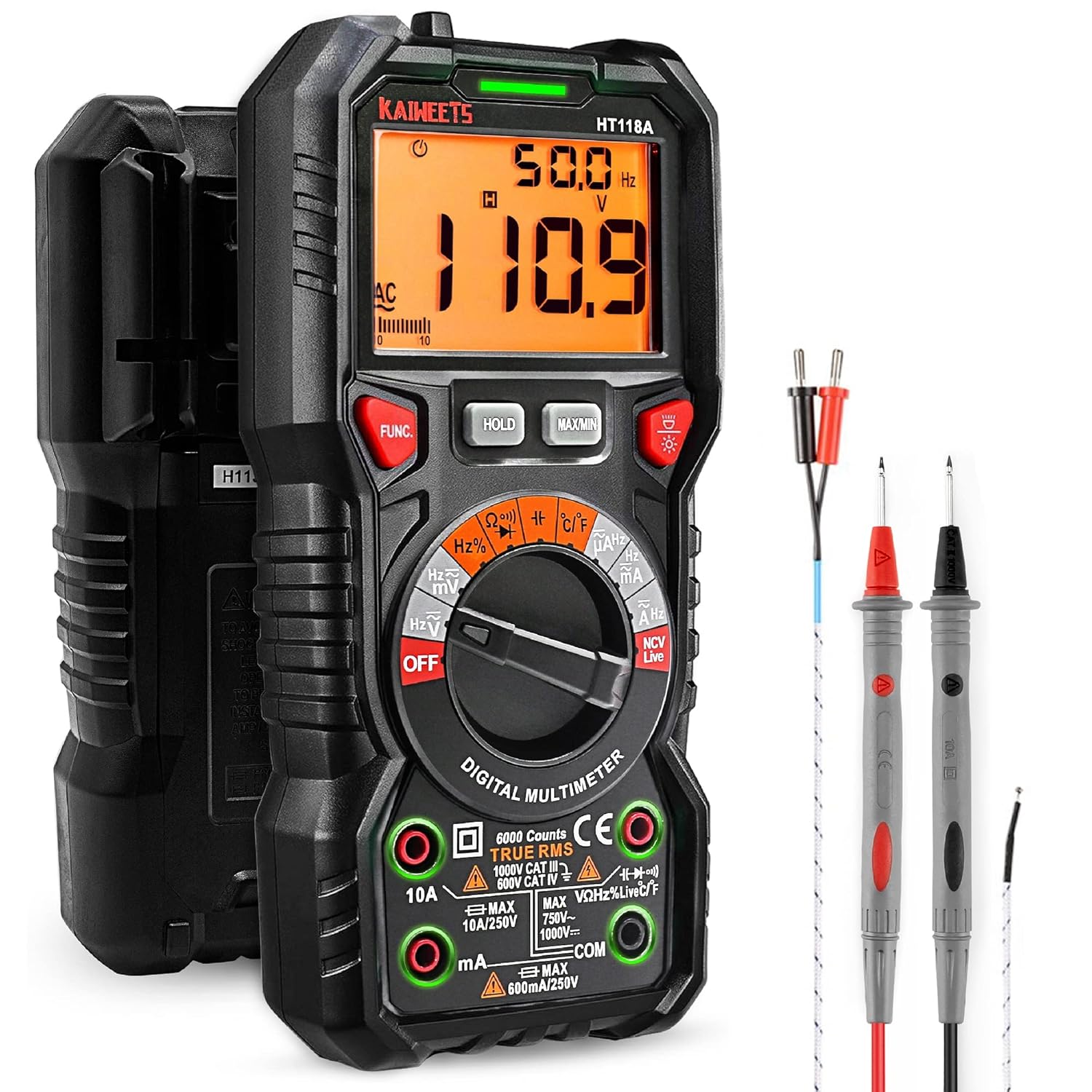
Use a multimeter across the battery terminals with the engine running. Most vehicles should show roughly 13.5 to 14.8 volts depending on operating conditions and charging strategy. If charging voltage is outside a normal range, the issue may involve the alternator, battery, sensor, or another wiring problem rather than the cable alone.
Check for Excessive Voltage Drop
If you still suspect resistance in the circuit, perform a voltage drop test during cranking. Check from the positive battery post to the starter feed connection, and from the negative battery post to the engine block. Excessive voltage drop points to a poor connection, damaged cable, or weak ground path.
Common Mistakes to Avoid
- Disconnecting the positive terminal first and accidentally shorting a tool to ground
- Installing a universal cable that is too small in gauge for starter current
- Leaving corrosion or paint under a ground eyelet
- Routing the cable differently so it rubs through on a bracket or shield
- Over-tightening battery clamps until they crack or deform
- Forgetting to reconnect smaller branch leads on the positive cable assembly
Many repeat battery and starter complaints come from small installation errors rather than bad parts. If the vehicle still has trouble starting after the repair, verify battery condition, alternator output, starter draw, and all engine and chassis grounds before replacing more components.
When Replacement Gets More Complicated
Some battery cable jobs are much more involved than a simple underhood swap. On certain vehicles, the positive cable runs under the battery tray, along the frame rail, or beneath the engine to the starter. Others use current sensors, mega fuses, intelligent battery sensors, or trunk-mounted batteries with long cable runs.
If your vehicle has a trunk battery, a start-stop system, a battery monitoring module, or a hybrid high-voltage system, stop and confirm the proper service procedure. High-voltage components are a separate safety issue and should not be approached like a standard 12-volt battery cable repair.
Also consider professional help if the starter terminal is buried behind other components, if corrosion has spread into the fuse box, or if the replacement cable includes molded fuse links that must match the original exactly.
Key Takeaways
- Disconnect the negative terminal first and reconnect it last to reduce the risk of accidental shorting.
- Match the new cable to the original gauge, length, branch leads, and routing instead of guessing with a universal replacement.
- Clean battery posts and ground mounting points to bright metal so the new cable does not inherit the old voltage-drop problem.
- Secure the cable in all factory clips and keep it away from exhaust heat, moving parts, and sharp edges.
- If the positive cable includes fuse links, battery sensors, or difficult starter access, a professional repair may be the safer choice.
FAQ
Should I Replace Both Battery Cables at the Same Time?
If both cables are original, heavily corroded, or the vehicle has chronic starting issues, replacing both is often smart. If only one cable is clearly damaged and the other tests and looks good, replacing just the failed cable is usually acceptable.
What Terminal Do I Disconnect First when Replacing Battery Cables?
Disconnect the negative terminal first, then the positive. When reinstalling, connect the positive terminal first and the negative terminal last.
Can I Use a Universal Battery Cable Instead of an Exact-fit Cable?
A universal cable may work on some older vehicles, but it is not ideal when the original cable has branch leads, specific routing, built-in fuse protection, or a battery sensor. Exact-fit cables are safer and usually more reliable.
Do I Need to Clean the Battery Posts if I Am Installing New Cables?
Yes. Dirty or corroded battery posts can create resistance even with new cables. Clean the posts and any ground attachment points before final installation.
Why Does My Car Still Crank Slowly After Replacing the Battery Cables?
The battery may be weak, the starter may be drawing too much current, the alternator may not be charging properly, or another ground connection may be poor. A voltage drop test during cranking is the best way to pinpoint where resistance remains.
Is It Safe to Put Grease on Battery Terminals?
Yes, but apply it after the connection is clean and tightened. Use protectant around the outside of the finished connection to fight corrosion rather than relying on grease between loose or dirty contact surfaces.
How Tight Should Battery Terminal Clamps Be?
Tight enough that the clamp cannot be rotated by hand and the connection is fully seated, but not so tight that the clamp cracks or deforms. Follow the manufacturer torque spec whenever available.
Need Parts for This Repair?
The right parts and supplies vary by vehicle.
Select your make and model to find compatible parts and accessories for your car.
Exact Fit
Parts that fit your make and model
Quality You Can Trust
Top brands and OEM quality options
Fast Shipping
Get the parts you need, delivered fast