

Note: This article contains affiliate links. If you click on these links and make a purchase, I may earn a small commission at no extra cost to you. This helps support my research and content. Read my full affiliate disclosure here.
What You’ll Need
A quick look at the tools and supplies commonly used for this job.
Tools
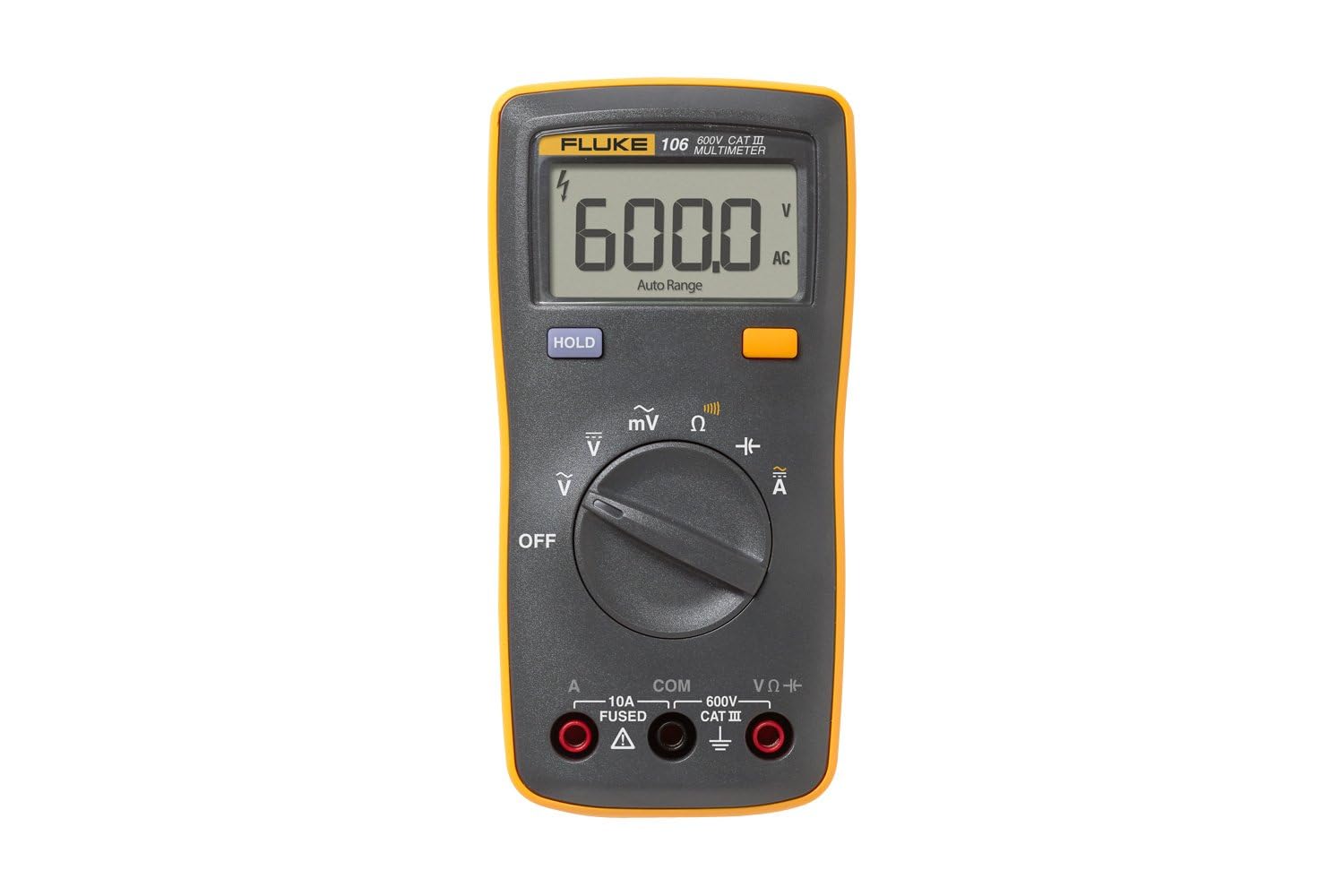
- Digital multimeter
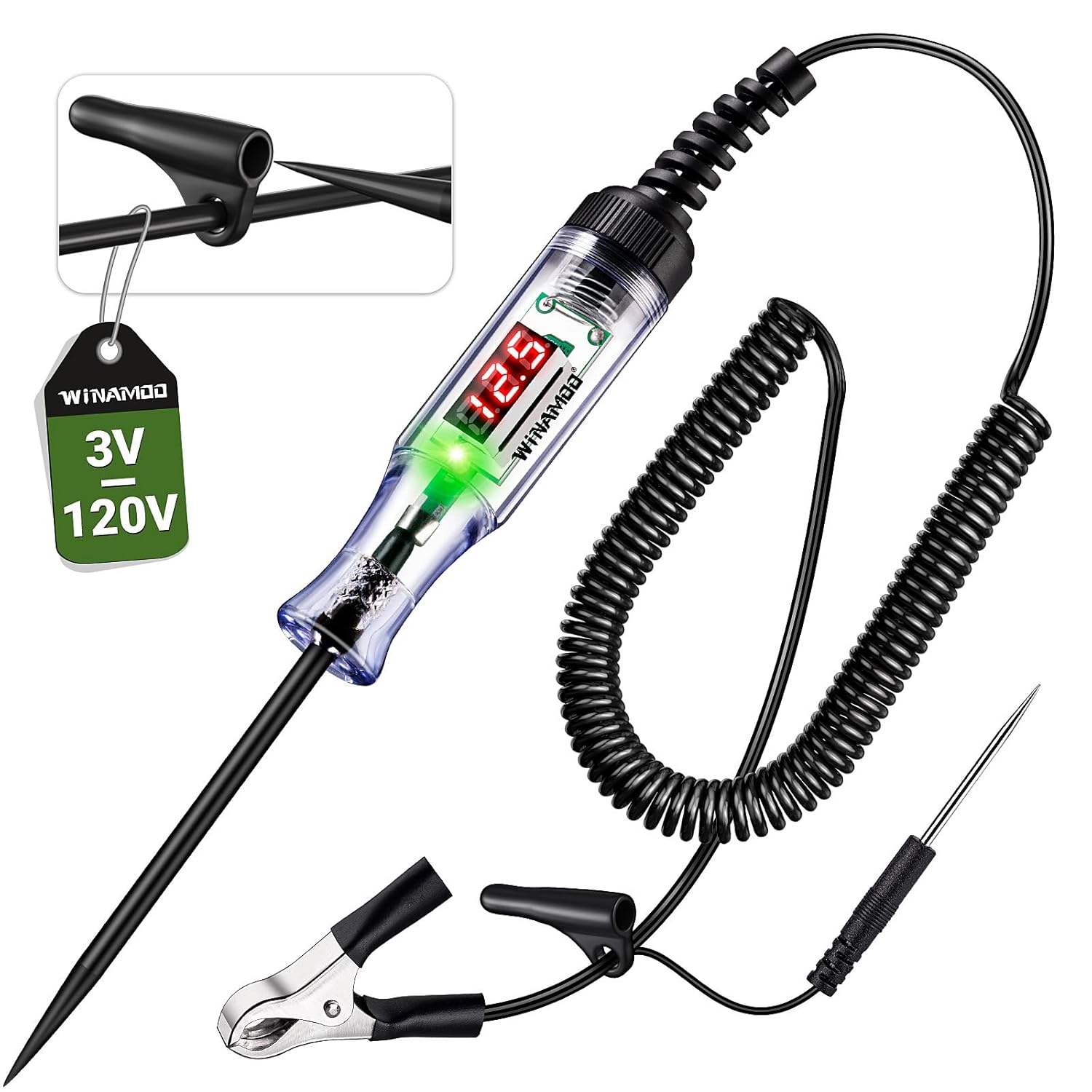
- Test light
- Socket and ratchet set
- Flashlight
- Battery terminal brush or wire brush
- Jumper wire or booster cable
- Back-probe pins or probe leads
- Safety gloves and eye protection
Parts & Supplies
- Dielectric grease
- Battery terminal cleaner
- Sandpaper or emery cloth
- Replacement ground strap or ground cable
- Star washers or new mounting hardware
- Electrical contact cleaner
This article is part of our Electrical System Maintenance & Repair Guides.
Bad electrical grounds can cause some of the strangest problems on a vehicle, including dim lights, slow cranking, false sensor readings, random warning lights, and modules that seem to fail for no clear reason. Because so many systems share common ground paths, one corroded or loose connection can create symptoms in several places at once.
The good news is that grounding problems are usually very testable with basic tools. Instead of guessing and replacing parts, you can use a visual inspection, a voltage drop test, and a few simple bypass checks to find whether the issue is at the battery, engine block, body, or a specific circuit ground.
This guide walks through what bad grounds look like, how to test them correctly, and how to tell the difference between a bad ground, a weak battery, and a failed component.
What a Bad Ground Does to Your Vehicle
Every electrical circuit in your vehicle needs a complete path back to the battery. On most cars, the negative battery terminal is connected to the engine block and body, and many components ground through the chassis instead of having a dedicated return wire all the way to the battery. When resistance builds up at a ground point, current flow is reduced or redirected, and the affected component may work poorly, intermittently, or not at all.
A bad ground can come from corrosion, rust under a ground eyelet, a loose fastener, a broken strap, paint between the terminal and metal surface, water intrusion, or internal cable damage. Heat and vibration make these problems worse over time.
Common Symptoms of Bad Electrical Grounds
- Slow cranking even when the battery tests good.
- Headlights or interior lights that dim, flicker, or brighten with engine speed.
- Electrical accessories that work intermittently or affect each other.
- Dash warning lights that appear randomly or multiple trouble codes with no obvious pattern.
- Sensors or modules showing erratic behavior, especially when loads like the blower motor or cooling fan switch on.
- Voltage readings that look normal at the battery but low at the component.
- Hot battery cables, hot ground straps, or visible sparking at a connection.
Ground issues often create voltage loss under load, which is why a circuit can seem fine with the key on but fail once the starter, blower motor, fuel pump, or radiator fan is running.
Where Ground Problems Usually Happen
Before testing, it helps to know the most common failure points. On many vehicles, the main grounds are the negative battery cable to body, the engine-to-body ground strap, and one or more local grounds near lighting assemblies, sensors, the PCM, fuse box, and dashboard harnesses.
- Battery negative terminal and cable connection.
- Battery negative cable where it bolts to the body or frame.
- Engine block or transmission case ground point.
- Braided engine-to-firewall or engine-to-body ground strap.
- Ground studs behind headlights or taillights.
- Ground points under the dash or near kick panels.
- Grounds near the radiator support, inner fenders, and fuse box.
If a symptom affects the whole vehicle, start with the battery and engine grounds. If only one system acts up, focus on that circuit’s local ground point.
Safety and Setup Before Testing
For most ground tests, the vehicle needs to be in a safe, stable condition because the circuit must be loaded to show resistance. Park on level ground, set the parking brake, and keep loose clothing away from belts and fans. If you are testing the starter circuit, make sure the transmission is in Park or Neutral.
Do not disconnect battery cables while the engine is running. That old shortcut can damage sensitive electronics. Use a multimeter and test under load instead.
What Makes a Good Test
The most reliable ground test is a voltage drop test. Resistance checks with the battery disconnected can miss real-world problems because a corroded connection may pass a tiny meter current but fail badly when a motor or module demands real amperage.
Start with a Visual Inspection
A careful visual inspection can save time before you touch the meter. Look for white, green, or blue corrosion at cable ends, rust under eyelets, loose bolts, frayed braided straps, swollen cable insulation, burnt terminals, or signs that the cable has been stretched or rubbed through.
What to Inspect First
- Inspect the battery negative terminal for looseness or corrosion.
- Follow the negative cable to the body and check for rust or paint under the terminal.
- Locate the engine or transmission ground strap and inspect for broken strands or loose ends.
- Check any ground points near the affected component for moisture, green corrosion, or a loose stud.
- Gently tug on cables and eyelets to see whether the crimp or terminal is weak.
If you find an obviously broken or heavily corroded ground strap, you may already have the answer. Still, confirm it with a quick voltage drop or bypass test before finishing the repair.
Tools That Make This Job Easier


How to Perform a Voltage Drop Test on Grounds
A voltage drop test measures how much voltage is being lost across the ground side of a circuit while that circuit is operating. In a healthy ground path, the reading should be very low. Higher readings mean excess resistance.
Main Battery-to-engine Ground Test
- Set your digital multimeter to DC volts.
- Place the black meter lead on the battery negative terminal itself, not the cable clamp.
- Place the red meter lead on a clean metal point on the engine block or starter housing.
- Have a helper crank the engine for a few seconds, or observe during engine start.
- Read the voltage during cranking.
For a main engine ground, a reading around 0.2 volts or less is generally good during cranking. Around 0.3 volts or more suggests growing resistance, and 0.5 volts or higher usually points to a significant ground problem. Exact acceptable numbers vary by vehicle and load, but lower is always better.
Battery-to-body Ground Test
- Keep the black lead on the battery negative terminal.
- Touch the red lead to a clean metal point on the body near the battery or near the affected circuit.
- Turn on a heavy electrical load such as headlights, blower motor on high, rear defroster, or hazards.
- Read the voltage with the load active.
For body grounds with accessories on, you usually want to see a very small drop, often under 0.1 to 0.2 volts. If the reading climbs noticeably, inspect the body ground connection and cable.
Testing the Ground Side of a Specific Component
If one component is acting up, test directly across its ground path. Put the black lead on battery negative. Put the red lead on the component’s ground wire terminal or metal housing if it grounds through the case. Then run the component.
Examples include turning on a headlight, operating a blower motor, or commanding a radiator fan on. A high voltage reading on the ground side means the component is trying to use the ground path, but resistance is blocking current flow.
How to Use a Temporary Bypass Ground
A temporary bypass is one of the fastest ways to confirm a suspected bad ground. You are not repairing the circuit yet; you are simply adding a known good ground path to see whether the symptom disappears.
- Use a jumper wire or booster cable long enough to reach safely.
- Connect one end to the battery negative terminal.
- Connect the other end to the engine block, body ground point, or component housing you suspect has a bad ground.
- Operate the affected circuit again and compare the symptom.
If the engine cranks faster, the light becomes brighter, or the module starts behaving normally with the jumper attached, the original ground path is likely faulty. This is especially useful for starter, engine block, and lighting ground diagnosis.
Use caution to avoid moving parts and do not allow the jumper to contact positive power points.
How to Tell a Bad Ground From Other Electrical Problems
Bad grounds can look like a failing battery, alternator, starter, or control module. The key is to test where voltage is being lost instead of assuming which part failed.
Bad Ground Vs. Weak Battery
A weak battery usually shows low battery voltage at rest or drops excessively at the battery itself during cranking. A bad ground may still show decent battery voltage, but the voltage drop between battery negative and the engine or body becomes excessive under load.
Bad Ground Vs. Bad Starter
A failing starter can draw too much current or fail internally, but a bad ground can make a good starter crank slowly. If starter performance improves dramatically with a temporary bypass ground, inspect the ground path before replacing the starter.
Bad Ground Vs. Bad Power Feed
Every circuit has a power side and a ground side. If you only check for battery voltage at the connector, you can miss a poor ground. Test both sides. The power side should have minimal voltage drop from battery positive to the component, and the ground side should have minimal drop back to battery negative.
Bad Ground Vs. Failed Module or Sensor
Modules and sensors need stable reference grounds. If multiple codes appear, values drift when loads switch on, or the problem comes and goes with bumps or moisture, check grounds before condemning electronics.
Recommended Tools for This Job


Interpreting Your Test Results
Your readings should point you toward one of three outcomes: the main grounds are healthy, the main grounds are weak, or a local ground for one system is faulty.
- Low voltage drop at battery-to-engine and battery-to-body, but high drop at one component: the issue is likely a local ground point or branch ground wire.
- High drop from battery negative to engine block during cranking: suspect the engine ground strap, negative cable, terminal corrosion, or loose block connection.
- High drop from battery negative to body with accessories on: suspect the battery-to-body connection or corrosion at the body ground stud.
- Normal voltage drop readings but the component still fails: check the power side, relay control, fuse, switch, or the component itself.
When in doubt, move the meter lead step by step along the ground path. For example, test battery negative to cable clamp, then clamp to cable end, then cable end to body stud, then stud to nearby sheet metal. The point where the reading jumps is where resistance lives.
Common Repair Methods After Confirming a Bad Ground
Once you confirm the fault, the fix is usually straightforward. Remove the connection, clean both mating surfaces to bright metal, inspect the cable and eyelet, then reinstall tightly. If the cable or strap is damaged internally or badly corroded, replacement is better than cleaning.
Best Practices for Repair
- Disconnect the battery before removing major ground cables.
- Clean rust, oxidation, paint, and dirt from both the terminal and mounting surface.
- Use a star washer where appropriate to improve metal-to-metal bite.
- Replace cracked, green, swollen, or stiff cables and straps.
- Apply a light protective coating after assembly to slow future corrosion, but do not insulate the actual contact surfaces before tightening.
- Retest voltage drop after the repair to verify the fix.
If the original ground location is rusted thin or unreliable, use the factory service information before relocating it. Modules and sensors can be sensitive to ground path changes.
When to Stop and Get Professional Help
Many ground repairs are DIY-friendly, but some situations call for more advanced diagnosis. Seek professional help if the issue involves airbag circuits, hybrid or EV high-voltage systems, repeated module communication faults, evidence of harness damage deep inside the dash, or a battery drain problem combined with intermittent grounding issues.
Also get help if your tests point to a hidden cable fault inside the harness. An internal break or corrosion wicking under insulation can be hard to locate without wiring diagrams and advanced test equipment.
Key Takeaways
- Use a voltage drop test under load instead of relying only on resistance checks or visual guesses.
- Start with the battery negative terminal, battery-to-body connection, and engine ground strap before chasing individual components.
- A temporary jumper from battery negative to the suspected ground is a quick way to confirm a grounding problem.
- If one circuit misbehaves, test that component’s local ground directly rather than assuming the whole vehicle has a bad ground.
- After any repair, retest the circuit to make sure the voltage drop is low and the original symptom is gone.
FAQ
What Is the Easiest Sign of a Bad Ground in a Car?
One of the most common signs is an electrical component that works weakly or inconsistently, especially when another load is turned on. Slow cranking, dim lights, and multiple strange electrical symptoms at once are classic clues.
Can a Bad Ground Cause a Car Not to Start?
Yes. If the engine block or starter ground path has too much resistance, the starter may crank slowly or not at all even with a charged battery. A voltage drop test during cranking is the best way to confirm it.
What Is an Acceptable Ground Voltage Drop?
For many circuits, you want to see as little voltage drop as possible. Around 0.1 to 0.2 volts is often acceptable on many ground paths, while main engine ground readings during cranking should still stay low. Higher readings indicate resistance that needs investigation.
Can I Test a Ground with a Test Light Instead of a Multimeter?
A test light can help with quick checks, but a multimeter is better because it shows exactly how much voltage is being lost. Ground problems are often about small but important voltage drops that a test light cannot measure precisely.
Will Cleaning Battery Terminals Fix a Ground Problem?
Sometimes, but not always. Cleaning the battery negative terminal helps if corrosion is at the terminal itself, but you also need to inspect the cable ends, the body connection, and the engine ground strap. The fault may be farther down the ground path.
Can a Bad Ground Trigger Warning Lights or Sensor Codes?
Yes. Weak or unstable grounds can distort sensor readings and module operation, which may trigger check engine lights, charging system warnings, ABS lights, or communication-related trouble codes.
Is It Okay to Add an Extra Ground Strap?
Adding an extra ground strap can help if a factory strap is weak or damaged, but it should not be used to hide a corroded or loose original connection. Repair the original ground path first whenever possible, then add supplemental grounding only if appropriate.
Need Parts for This Repair?
The right parts and supplies vary by vehicle.
Select your make and model to find compatible parts and accessories for your car.
Exact Fit
Parts that fit your make and model
Quality You Can Trust
Top brands and OEM quality options
Fast Shipping
Get the parts you need, delivered fast