

Note: This article contains affiliate links. If you click on these links and make a purchase, I may earn a small commission at no extra cost to you. This helps support my research and content. Read my full affiliate disclosure here.
Repair Snapshot
Use a mechanic if the vehicle has hard-to-access cooling components, active overheating damage, or integrated transmission and electronic cooling parts you are not comfortable disconnecting. Professional help is also smart if you cannot safely raise and support the vehicle.
This article is part of our Cooling System Maintenance & Repair Guides.
Replacing a clogged radiator is often the most reliable fix when internal blockage is causing overheating, poor heater performance, or repeated coolant flow problems.
A radiator can clog internally from old coolant, corrosion, stop-leak products, or contamination. Once enough passages are blocked, coolant cannot move and shed heat the way it should. Flushing may help a mildly restricted radiator, but a badly clogged unit usually needs replacement.
The exact layout varies by vehicle, but the basic job is the same: drain the coolant, remove the fan shroud or electric fans if needed, disconnect hoses and cooler lines, swap the radiator, refill with the correct coolant, and bleed trapped air. Taking your time matters, because cooling-system mistakes can lead to leaks, overheating, or engine damage.
Before You Start
Work only on a fully cold engine. Opening a hot cooling system can release scalding coolant under pressure. Park on a level surface, set the parking brake, and disconnect the negative battery cable if you will be removing electric cooling fans or working near exposed wiring.
Verify the new radiator matches the old one before disassembly. Compare hose neck locations, mounting tabs, fan mounting points, transmission cooler fittings if equipped, and radiator cap style. If your car uses separate seals, rubber cushions, brackets, or line clips, move them over carefully or replace them.
- Have enough drain-pan capacity for the full coolant volume.
- Use only the coolant type specified for your vehicle.
- Plan to replace brittle hoses, weak clamps, and an old radiator cap while access is easy.
- Keep coolant away from pets and children, because it is toxic even in small amounts.
Signs the Radiator Really Needs Replacement
A clogged radiator usually shows up as persistent overheating at speed, poor heat transfer, cold spots across the radiator core, repeated coolant discoloration, or restricted flow even after a proper flush. In some cases, the upper hose gets very hot while the lower hose stays much cooler because coolant is not circulating well through the core.
Replacement is the better choice when the radiator is both old and restricted, when fins are badly corroded, when the tanks or seams are seeping, or when prior flush attempts did not restore cooling performance. If the engine has overheated severely, inspect the thermostat, water pump, hoses, and cap too, because a new radiator will not fix other cooling-system failures.
Removal Preparation and Coolant Draining
Access the Radiator Safely
On many vehicles, you can reach the radiator from above. Others require removal of an undertray, splash shield, intake ducting, or upper support cover. If lower access is tight, raise the front of the vehicle with a jack and support it securely on jack stands placed at the correct lift points.
Drain the Cooling System
Place a large drain pan under the radiator drain valve or under the lower hose connection. Remove the radiator cap only after confirming the system is cool. Open the petcock if equipped, or loosen the lower radiator hose and direct coolant into the pan. Some engines also have block drains, but those are not always necessary for radiator replacement.
Expect some coolant to remain in the engine and heater core. Keep rags nearby and move slowly when loosening hoses. If the coolant is rusty, oily, full of debris, or mixed with stop-leak residue, plan on flushing the rest of the system before final refill.
Remove Fans, Shrouds, and Related Components
Most modern vehicles use electric cooling fans attached either to the radiator or mounted close to it. Older layouts may use a separate shroud and a belt-driven fan. Remove any top cover panels, air guides, intake snorkels, or brackets that block access.
Unplug the fan electrical connectors and release the wiring harness from clips before removing the fan assembly. Then remove the bolts or clips securing the shroud or fan module. Lift it straight up if the design allows. Be careful not to drag fan blades or shroud edges across the radiator fins or A/C condenser.
- Label connectors and fasteners if several components overlap.
- Keep bolts grouped by component so reassembly is easier.
- Do not force plastic tabs, because older fan shrouds crack easily.
Tools That Make This Job Easier


Disconnect Hoses and Cooler Lines
Upper and Lower Radiator Hoses
Use hose clamp pliers or standard pliers to compress spring clamps and slide them back on the hose. For worm-drive clamps, loosen them with a screwdriver or socket. Twist the hose gently to break it free before pulling it off. If a hose is stuck, avoid prying against the radiator neck, especially on plastic-tank radiators, because the neck can crack.
Inspect each hose as it comes off. If it feels hard, swollen, oil-soaked, cracked, or excessively soft, replace it now. A worn hose can quickly turn a successful radiator replacement into another overheating repair.
Overflow and Auxiliary Connections
Disconnect the overflow hose, coolant temperature sensor connectors if attached to the radiator, and any small bypass or return hoses. Some vehicles also have active grille shutters, shutter motors, or air deflectors near the radiator support. Move these aside carefully without pulling on the harness.
Automatic Transmission Cooler Lines
If your vehicle has an automatic transmission and the cooler is built into the radiator, disconnect the transmission cooler lines next. Place rags or a separate pan below the fittings. Depending on the design, you may need flare-nut wrenches, retaining clips, or quick-disconnect tools. Cap the lines if possible to reduce fluid loss and contamination.
Inspect seals, O-rings, and line clips. Reusing damaged seals can cause an automatic transmission fluid leak after the job. If the service manual specifies new seals or clips, install them.
Remove the Old Radiator
With hoses, lines, and fan components out of the way, remove the radiator mounting brackets or upper retainers. Many radiators sit in lower rubber isolators and simply lift out once the top mounts are removed. Others may need the A/C condenser separated from the radiator first. Do not disconnect refrigerant lines unless you are trained and equipped to recover refrigerant legally.
Lift the radiator straight up and out, watching the fins and side tanks. Keep the radiator upright as much as possible to avoid spilling trapped coolant. Once it is out, compare it side by side with the new unit. Transfer any rubber mounts, clips, fan brackets, lower cushions, sensors, or drain plugs that are not included with the replacement radiator.
Take a moment to inspect the condenser in front of the radiator, the fan assembly, and the surrounding support structure. Bent brackets, damaged foam seals, or heavy debris buildup can reduce airflow and should be corrected before reassembly.
Install the New Radiator
Set the Radiator in Place
Lower the new radiator into the engine bay carefully, making sure the lower locating pins seat fully in the rubber isolators. Reinstall the upper brackets or retainers and tighten the fasteners evenly. If you have torque specifications for the mounting bolts, use them. Over-tightening can crack plastic tanks, distort mounts, or damage support brackets.
Reconnect Cooler Lines and Hoses
Reconnect any transmission cooler lines first so they are easier to access. Tighten threaded fittings correctly and confirm quick-connect lines lock fully into place. Then reconnect the lower and upper radiator hoses, overflow hose, and any auxiliary hoses. Position clamps behind the bead on each radiator neck and verify no hose is kinked or rubbing nearby components.
Reinstall Fans and Removed Trim
Reinstall the fan shroud or electric fan assembly, reconnect all electrical plugs, and clip the harness back into its retainers. Then reinstall any upper covers, intake parts, splash shields, braces, or air guides you removed earlier. Air guides matter more than many DIYers realize; missing ducting can reduce cooling efficiency, especially at highway speeds.
Refill Coolant and Bleed Air From the System
Close the drain valve if you opened it, and double-check that all hoses, lines, sensors, and fan connectors are secured. Fill the radiator or pressure reservoir with the correct coolant mixture. If your coolant is concentrated, mix it with distilled water to the proper ratio unless the manufacturer requires a specific premix.
Some vehicles have one or more bleed screws near the thermostat housing, coolant outlet, or heater lines. Open them while filling until coolant flows without bubbles, then close them. If there are no bleed screws, fill slowly, squeeze the upper radiator hose by hand a few times, and top off as the level drops.
Start the engine with the heater set to full hot and the blower on low. Let the engine idle while monitoring coolant level and temperature. As the thermostat opens, the level may drop and air bubbles may purge from the filler neck or reservoir. Add coolant as needed, but keep hands and tools clear of fans because electric fans can start unexpectedly.
Once the engine reaches operating temperature, verify the upper and lower hoses warm up, the heater blows hot air, and the fan cycles normally. Install the radiator cap or reservoir cap only when the level is correct and the bleeding procedure for your vehicle is complete.
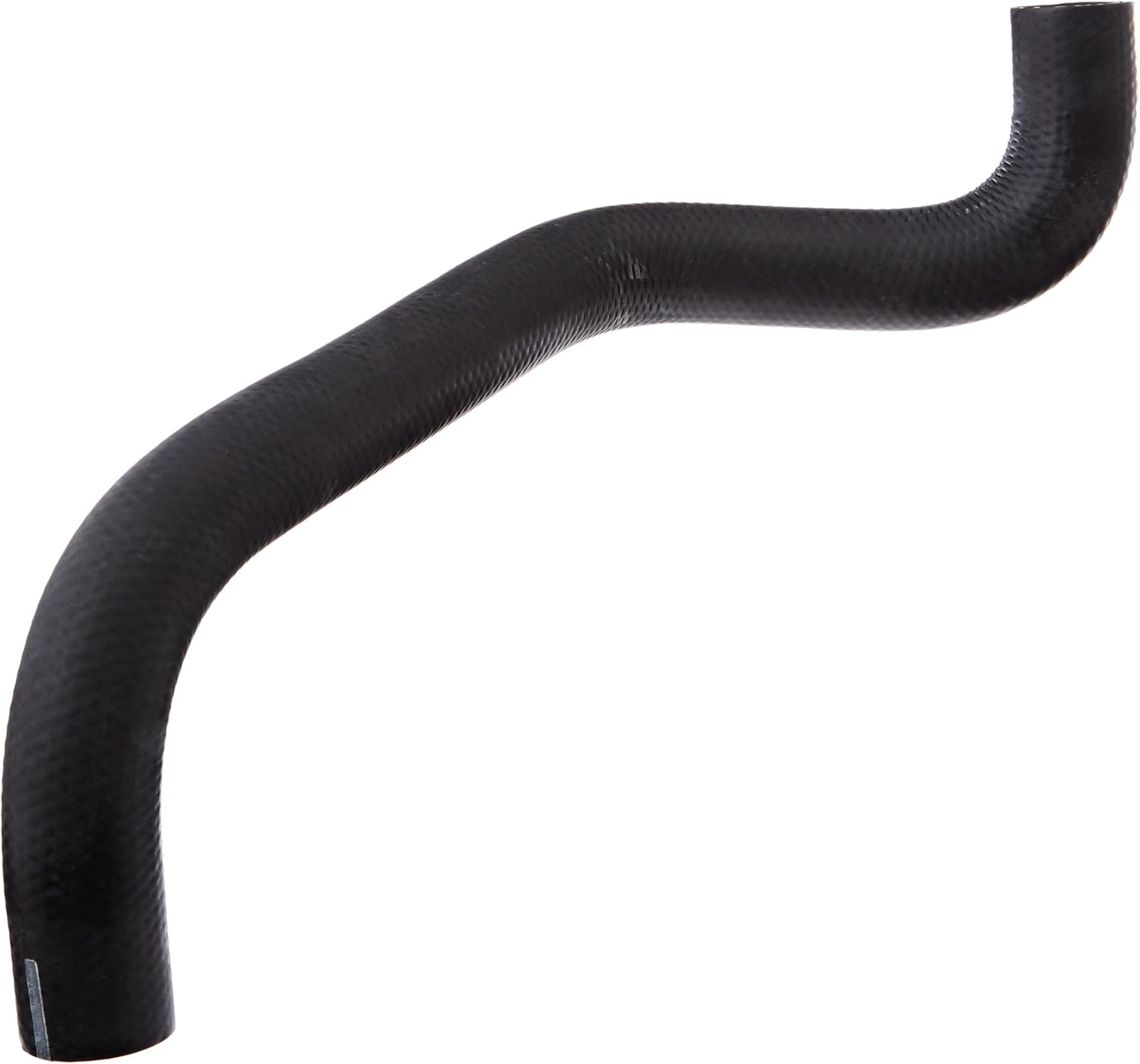
Recommended Tools for This Job


Final Checks and First Test Drive
Before driving, inspect every hose connection, the drain valve, the radiator seams, and any transmission cooler fittings for leaks. Look underneath the vehicle after idling for several minutes. If the radiator uses a separate cap, make sure the cap seals properly and matches the pressure rating required by the vehicle.
Take a short test drive while watching the temperature gauge closely. The gauge should rise to its normal position and remain stable. After the engine cools completely, recheck the coolant level in the radiator or overflow reservoir and top off if needed. It is common for the level to drop slightly after the first heat cycle as remaining air pockets purge.
- Reinspect for coolant leaks after the first drive and again the next morning.
- Check automatic transmission fluid level if cooler lines were disconnected and fluid was lost.
- Confirm the heater works normally and no gurgling sounds remain in the dash.
- Dispose of old coolant according to local regulations; never pour it on the ground or into a storm drain.
Common Mistakes to Avoid
One of the biggest mistakes is replacing the radiator without addressing related parts that caused or contributed to the clogging. Old hoses shedding internal material, a corroded thermostat housing, contaminated coolant, or repeated use of stop-leak products can shorten the life of the new radiator.
Another common error is failing to bleed air completely. Air pockets can cause sudden temperature spikes, poor cabin heat, and coolant overflow even when all parts are new. Follow your vehicle-specific bleed procedure whenever possible.
Also avoid mixing coolant types unless the manufacturer specifically allows it. Incorrect coolant chemistry can lead to sludge, corrosion, and seal damage. If the system was severely contaminated, a more complete flush may be necessary before the final fill.
When a Clogged Radiator Is Not the Only Problem
If the vehicle still overheats after radiator replacement, look beyond the radiator. A stuck thermostat, weak water pump, slipping belt, failed cooling fan, blocked condenser airflow, blown head gasket, or collapsed hose can create similar symptoms. If coolant repeatedly disappears or exhaust gases pressurize the system, stop driving and diagnose further before engine damage gets worse.
Likewise, if the old radiator was clogged with heavy rust or oily residue, the rest of the cooling system may need attention. Heater core restriction, contaminated overflow bottles, and scale buildup in engine passages can continue to cause poor cooling even with a new radiator installed.
Key Takeaways
- Always replace a radiator on a fully cold engine and capture all coolant safely before disconnecting hoses.
- Compare the new radiator to the old one before installation, including mounts, hose necks, fan points, and cooler line fittings.
- Replace weak hoses, damaged clamps, and cooler line seals during the job to prevent comeback leaks.
- Bleed air from the cooling system carefully, because trapped air can mimic a bad repair and cause overheating.
- If overheating continues after replacement, inspect the thermostat, water pump, fans, and possible engine-related cooling issues.
FAQ
Can I Drive with a Clogged Radiator?
It is not recommended. A clogged radiator can cause overheating, which can quickly lead to warped cylinder heads, head gasket failure, or other expensive engine damage.
Should I Flush the Radiator Instead of Replacing It?
A flush may help if the restriction is minor and the radiator is otherwise in good shape. If the core is heavily clogged, the radiator is old, or cooling problems return after flushing, replacement is usually the better fix.
Do I Need to Replace the Thermostat when Replacing the Radiator?
Not always, but it is worth considering if the thermostat is old, suspected of sticking, or easy to access during the job. A bad thermostat can cause overheating even with a new radiator.
How Do I Know if Air Is Trapped After Installing the New Radiator?
Common signs include fluctuating temperature readings, gurgling sounds, weak cabin heat, and coolant level dropping after the engine cools. Re-bleeding the system usually solves it if no other fault is present.
Do I Need to Add Transmission Fluid After Replacing a Radiator?
If your radiator has built-in transmission cooler lines and fluid leaked during removal, you may need to top off the transmission fluid. Check the level using the correct procedure for your vehicle.
Can I Reuse Old Coolant?
It is best not to. Old coolant may contain debris, corrosion, or mixed chemistry that can contaminate the new radiator and reduce cooling-system life.
Why Is My Car Still Overheating After I Replaced the Radiator?
The problem may be elsewhere in the cooling system, such as a failed thermostat, water pump, cooling fan, pressure cap, blocked heater core, or even engine issues like a head gasket leak.
Need Parts for This Repair?
The right parts and supplies vary by vehicle.
Select your make and model to find compatible parts and accessories for your car.
Exact Fit
Parts that fit your make and model
Quality You Can Trust
Top brands and OEM quality options
Fast Shipping
Get the parts you need, delivered fast