

Note: This article contains affiliate links. If you click on these links and make a purchase, I may earn a small commission at no extra cost to you. This helps support my research and content. Read my full affiliate disclosure here.
Repair Snapshot
Use a mechanic if the car is still overheating after wiring repair, if the fan control module or ECU circuit may be involved, or if you are not comfortable tracing live electrical faults.
This article is part of our Cooling System Maintenance & Repair Guides.
Cooling fan wiring repair usually comes down to finding where power, ground, or signal is being lost between the fuse box, relay or control module, and the radiator fan motor. If the fan does not run when the engine gets hot or when the A/C is turned on, damaged wiring is a common cause.
The good news is that many cooling fan wiring problems are repairable at home with basic electrical tools and careful testing. Melted connectors, rubbed-through insulation, corrosion, broken grounds, and poor prior repairs are all common failures, especially near the fan shroud, radiator support, and battery area.
This guide walks you through how to inspect the circuit, test for voltage and ground, repair damaged wires correctly, and confirm the fan operates normally again before the car is driven in traffic.
How the Cooling Fan Circuit Works
Most modern vehicles use one or two electric cooling fans mounted behind or in front of the radiator. The fan may be controlled by a relay, a fan control module, the powertrain control module, a temperature sensor input, or a combination of these parts.
In simple terms, the circuit needs four things to work: battery power, a good ground, a command signal to turn the fan on, and a working fan motor. If the fan motor itself is good but any part of the wiring path is open, shorted, corroded, or overheated, the fan may run intermittently, run all the time, or not run at all.
- Power usually comes through a high-amperage fuse and relay or fan control module.
- Ground may be provided directly to the body or switched through a control unit.
- The fan is often commanded on when coolant temperature rises or A/C pressure increases.
- Connector damage is common because fan circuits carry significant current and generate heat.
Signs the Wiring Is the Problem
Before cutting into the harness, make sure the symptoms point toward wiring and not just a failed motor or thermostat issue. Electrical faults often leave clues that are more specific than a general overheating complaint.
- The fan works if you tap the connector, move the harness, or wiggle the wires.
- The connector at the fan looks melted, discolored, loose, or corroded.
- A fuse blows repeatedly after the fan tries to turn on.
- The fan runs when powered directly from the battery but not through the vehicle harness.
- The fan works on one speed only if the system uses a two-speed setup.
- You see rubbed, pinched, oil-soaked, or rodent-damaged wiring near the radiator support.
If the engine is overheating severely, stop driving until the repair is complete. Cooling fan issues can quickly lead to coolant boil-over, head gasket damage, or engine failure in stop-and-go traffic.
Safety and Preparation
Cooling fans can start unexpectedly, even with the engine off, on some vehicles. Always work with the ignition off, keep fingers clear of the blades, and disconnect the negative battery cable before opening the harness or unplugging major connectors.
Let the engine cool completely before reaching around the radiator, hoses, and fan shroud. Hot coolant and spinning blades are the biggest hazards on this repair.
- Park on a level surface and set the parking brake.
- Disconnect the negative battery terminal before repairing wiring.
- Keep loose clothing and tools away from fan blades.
- Do not probe connectors carelessly and spread terminal contacts.
- Use automotive-grade wire and sealed connectors, not household wire nuts or speaker wire.
What to Inspect Before Testing
Check the Obvious Failure Points First
A careful visual inspection can save a lot of time. Follow the fan harness from the motor connector back toward the relay box or control module. Look for places where the harness rests against metal brackets, the radiator support, the fan shroud, or the serpentine belt path.
- Melted fan connector or softened plastic
- Green or white corrosion inside terminals
- Previous crimp repairs wrapped in old tape
- Wire insulation rubbed through to bare copper
- Broken retaining clips allowing the harness to sag into moving parts
- Loose or rusty body ground connection
Inspect Fuse and Relay Condition
Check the cooling fan fuse, maxi fuse, and fan relay location listed on the fuse box cover or owner information. A blown fuse may mean the motor is seized or the wiring is shorted to ground. If the fuse is intact, do not assume power is reaching the fan connector without testing.
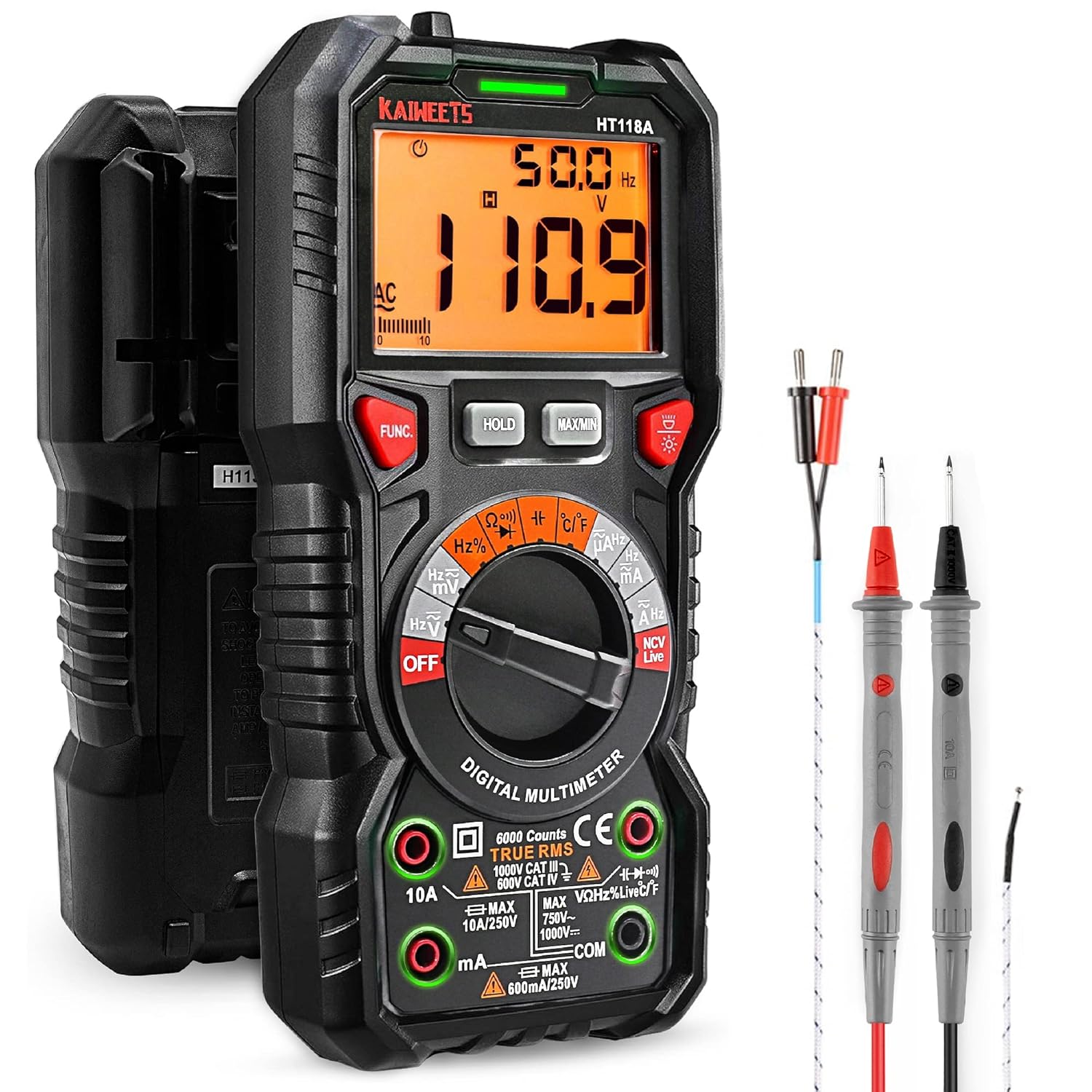
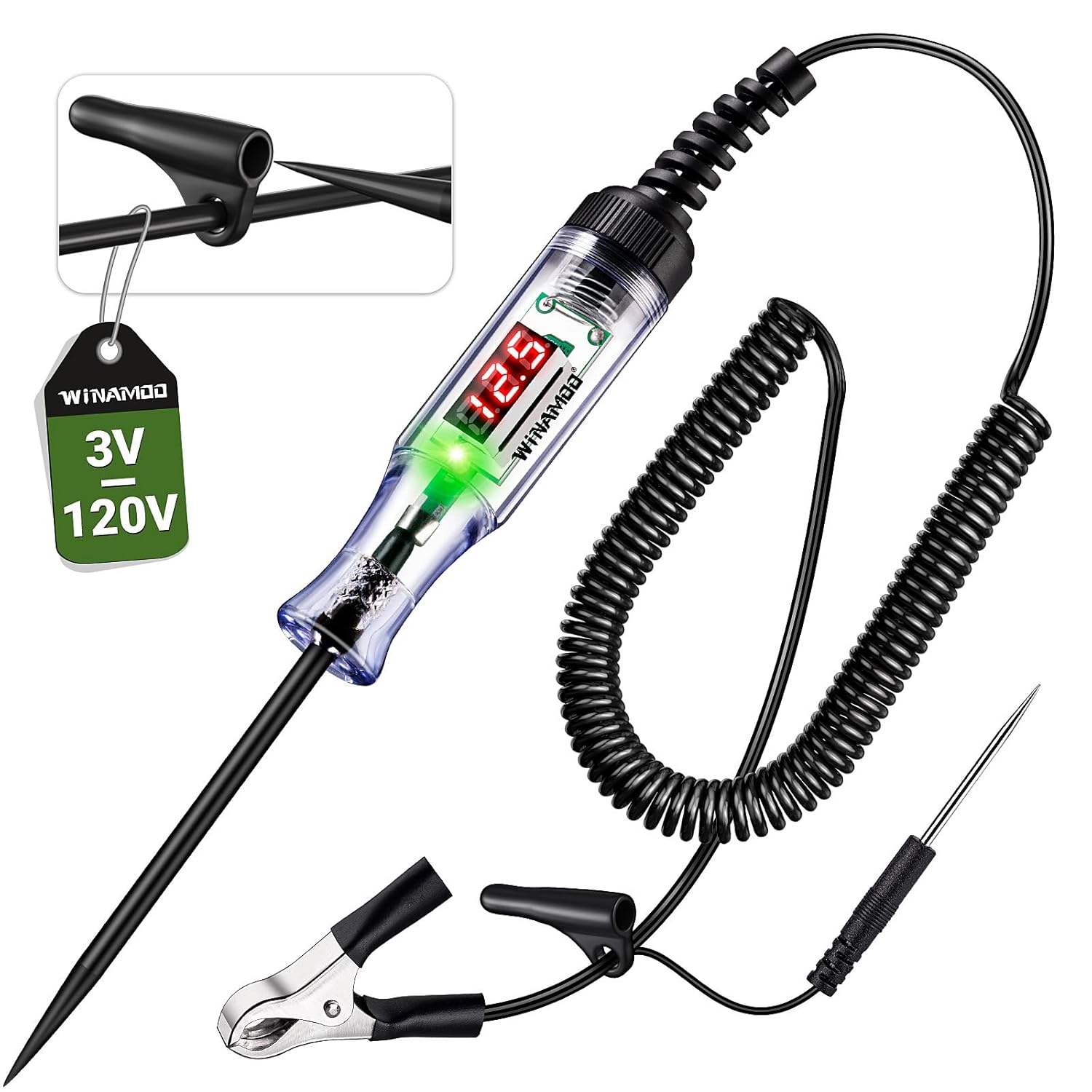
Tools That Make This Job Easier

How to Diagnose the Wiring Fault
The goal is to find out whether the fan is missing power, ground, or a control signal. A wiring diagram is ideal, but you can still make progress with a multimeter and careful tracing.
Test the Fan Motor First
Unplug the fan and apply battery power and ground directly to the motor using fused jumper leads if you have them. If the motor does not spin strongly, the motor itself may be bad. If it works normally, continue with harness testing.
Check for Voltage at the Fan Connector
Reconnect the battery, keep clear of the blades, and command the fan on if possible by turning on the A/C or allowing the engine to reach operating temperature. Back-probe the power wire at the connector. You should see battery voltage when the fan is commanded on.
- If voltage is present but the fan does not run, suspect a poor ground, weak connector, or failing fan motor.
- If no voltage is present, trace backward to the fuse, relay, or control module.
- If voltage appears and disappears when the harness is moved, the wire is likely broken internally or the terminal is loose.
Check the Ground Side
With the connector unplugged, measure continuity from the ground wire to a known good chassis ground, or perform a voltage drop test while the fan circuit is loaded. A poor ground may show continuity on a basic meter but still fail under load, so voltage drop testing is more reliable when possible.
As a rule of thumb, excessive voltage drop on the ground side points to corrosion, a loose eyelet, a broken wire strand bundle, or rust between the ground terminal and the body.
Inspect the Connector Terminals Closely
Many cooling fan issues come from heat-damaged terminals that look only slightly discolored. If a terminal is loose on the pin, darkened, or the plastic body is brittle, replace the connector pigtail instead of trying to reuse it.
How to Repair Damaged Cooling Fan Wiring
Once you find the bad section, repair it with the same or heavier gauge automotive wire. Cooling fans draw meaningful current, so the repair needs to be electrically sound and well protected from heat, water, and vibration.
Repairing a Broken or Chafed Wire
- Disconnect the negative battery cable.
- Cut out the damaged wire section back to clean, bright copper on both ends.
- Measure and cut a replacement section of matching gauge and similar insulation type.
- Strip only enough insulation for the connector or splice being used.
- Crimp with quality heat-shrink butt connectors or make a proper soldered splice if you are experienced and the repair will be strain-relieved.
- Seal the repair with heat shrink, then wrap or loom the harness for abrasion protection.
- Secure the harness away from fan blades, pulleys, and hot exhaust parts with clips or zip ties.
Repairing a Bad Ground
If the ground eyelet is rusty or loose, remove it and clean the body mounting point to bare metal. Replace the eyelet if needed, reinstall tightly, and protect the finished connection with dielectric grease or suitable corrosion protection. If the wire near the eyelet is stiff or green under the insulation, replace that section too.
Replacing a Melted Fan Connector
A melted connector should usually be replaced with a new pigtail. Cut the old connector off one wire at a time so you do not mix up polarity or speed-circuit positions. Stagger the splices slightly so the repaired section is not bulky in one spot, then seal and loom the harness.
If the connector melted because the fan motor is drawing too much current, replacing the connector alone will not last. The motor may also need replacement.
Recommended Tools for This Job


Common Mistakes to Avoid
- Do not use undersized wire for a high-current fan circuit.
- Do not twist wires together and cover them with tape only.
- Do not ignore a melted connector; heat damage usually means terminal resistance or excessive current draw.
- Do not route the repaired harness where it can touch the fan blade or belt.
- Do not replace blown fuses with larger ones.
- Do not assume the fan is fixed until it cycles on and off correctly at operating temperature.
Bad repairs often fail because of vibration and moisture, not because the splice was new. The best repair is one that restores electrical capacity, seals out corrosion, and keeps the harness securely supported.
How to Test the Repair
After the wiring is repaired, reconnect the battery and verify the fan works under real operating conditions. Do not stop at a quick spin test if the original problem happened only when the engine was fully warm or when the A/C was on.
- Start the engine and let it idle until normal operating temperature is reached.
- Turn the A/C on and watch for the fan to engage if your vehicle normally commands fan operation with A/C.
- Observe the repaired harness while the fan runs and make sure it does not move into any rotating parts.
- Check that no fuse blows and the connector does not get abnormally hot.
- Shut the engine off and recheck the repaired area for looseness, sharp edges, or exposed wire.
If you have a scan tool that can command the cooling fan on, use it to test low-speed and high-speed operation if applicable. Vehicles with two-speed fans or fan control modules may require both circuits to be verified.
When the Problem Is Not the Wiring
If the wiring checks out and the fan still does not work correctly, the fault may be elsewhere in the system. Cooling fan complaints are sometimes caused by a failed fan motor, faulty relay, bad temperature sensor input, defective control module, or an engine cooling problem unrelated to the fan.
- The fan motor is weak, noisy, or seized.
- The relay clicks but does not pass current under load.
- The fan control module has failed internally.
- The engine coolant temperature sensor is reporting incorrect data.
- The thermostat is stuck and causing overheating that mimics fan trouble.
- There is low coolant, trapped air, or another cooling system fault.
If the car overheats at highway speed as well as at idle, the fan is less likely to be the only problem. That symptom often points to broader cooling system issues such as low coolant flow, a clogged radiator, or thermostat problems.
When to Call a Professional
DIY repair is reasonable when the fault is visible and limited to a connector, ground, or short section of harness. It becomes more advanced when the circuit runs through a fan control module, integrated body harness, or computer-controlled PWM system.
- You cannot identify the correct power, ground, and signal wires confidently.
- The fan circuit has repeated fuse failure and you cannot locate the short.
- The vehicle uses a control module that requires advanced testing.
- Multiple overheating or electrical symptoms are happening at once.
- The harness damage extends deep into the main loom.
At that point, professional diagnosis may save time and prevent accidental damage to modules or harness branches that are expensive to replace.
Key Takeaways
- Test the fan motor, power feed, and ground separately so you know whether the fault is in the motor, connector, or harness.
- Replace melted connectors and damaged wire with automotive-grade parts of the correct gauge, not temporary household-style repairs.
- Clean and tighten any ground connection because a weak ground can mimic a bad fan motor or relay.
- Secure the repaired harness away from the fan blade, belt path, and hot components so the problem does not return.
- Stop driving the vehicle if it is overheating because a cooling fan wiring failure can lead to serious engine damage.
FAQ
Can I Drive with Bad Cooling Fan Wiring?
It is risky. If the fan cannot run when needed, the engine can overheat in traffic, while idling, or with the A/C on. Short trips in cool weather may seem fine, but it is best to repair the problem before regular driving.
How Do I Know if the Fan Motor or the Wiring Is Bad?
Directly powering the fan motor from the battery is the quickest check. If the fan runs strongly with direct power and ground, the motor is likely good and the issue is probably in the wiring, connector, fuse, relay, or control side.
Why Does My Cooling Fan Connector Keep Melting?
The most common causes are high resistance at loose or corroded terminals, a fan motor drawing too much current, or poor-quality prior repairs. Replacing only the connector may not solve the issue if the motor is failing.
What Gauge Wire Should I Use for a Cooling Fan Repair?
Use the same gauge as the original wire or heavier if appropriate for the circuit. Cooling fan circuits carry substantial current, so undersized wire can overheat and fail. If you are unsure, compare the original wire size carefully or consult a wiring diagram.
Is Soldering Better than Crimping for Cooling Fan Wiring?
A properly made sealed crimp repair is usually an excellent choice for under-hood wiring because it is quick, strong, and moisture-resistant. Solder can also work if done correctly, but poor solder joints or unsealed splices can crack or corrode over time.
Why Does the Fan Run when I Wiggle the Harness?
That usually points to a broken conductor inside the insulation, a loose terminal, or a corroded connector. Movement temporarily restores contact, but the fault will keep returning until the bad section is repaired.
Can a Bad Relay Look Like a Wiring Problem?
Yes. A failed relay can prevent power from reaching the fan even when the wiring is intact. That is why you should test for voltage at the fan connector and verify fuse and relay operation before repairing the harness.
Need Parts for This Repair?
The right parts and supplies vary by vehicle.
Select your make and model to find compatible parts and accessories for your car.
Exact Fit
Parts that fit your make and model
Quality You Can Trust
Top brands and OEM quality options
Fast Shipping
Get the parts you need, delivered fast