

Note: This article contains affiliate links. If you click on these links and make a purchase, I may earn a small commission at no extra cost to you. This helps support my research and content. Read my full affiliate disclosure here.
Repair Snapshot
Use a mechanic if the heater core is leaking inside the cabin, the hoses are inaccessible, or your vehicle requires complex bleeding procedures. Professional help is also safer if the engine has been overheating or coolant contamination is present.
This article is part of our Cooling System Maintenance & Repair Guides.
Flushing a heater core can restore weak cabin heat if the core is restricted by rust, scale, or old coolant deposits. On many vehicles, this job is much cheaper and easier than replacing the heater core, as long as the core is clogged rather than leaking.
The basic idea is simple: disconnect the two heater hoses at the firewall, force clean water through the core in both directions, then refill and bleed the cooling system correctly. Taking your time matters, because hot coolant, brittle plastic fittings, and trapped air can turn a straightforward maintenance job into a bigger repair.
This guide walks through when a heater core flush makes sense, how to do it safely, and how to tell whether the problem is actually the thermostat, blend door, low coolant, or a failing heater core.
When a Heater Core Flush Helps
A heater core flush is most useful when the heater core is partially clogged but still intact. The heater core acts like a small radiator under the dash. Hot coolant flows through it, and the blower motor pushes air across it to warm the cabin. If coolant flow is restricted, you may get little heat, uneven heat, or heat only at higher engine speeds.
Common Signs of a Restricted Heater Core
- Cabin heat is weak even after the engine reaches normal operating temperature.
- One heater hose is hot while the other is noticeably cooler.
- Heat improves when you rev the engine but drops at idle.
- The cooling system has rusty or dirty coolant history.
- The engine temperature is normal, but the cabin still stays cool.
Problems a Flush Will Not Fix
A flush will not repair a leaking heater core, a stuck thermostat, a malfunctioning water pump, a failed blend door actuator, low coolant caused by another leak, or a plugged radiator causing engine overheating. If you smell sweet coolant inside the cabin, see greasy film on the windshield, or find wet carpet on the passenger side, the heater core may be leaking and replacement is usually the correct repair.
Before You Start
Start with a fully cold engine. Never open the cooling system on a hot engine, since pressurized coolant can spray out and cause serious burns. Park on level ground, set the parking brake, and confirm which coolant type your vehicle requires before you plan to refill the system.
What to Inspect First
- Check the coolant level in the radiator or reservoir when the engine is cold.
- Make sure the engine actually warms up to normal operating temperature.
- Confirm the blower motor works on all needed speeds.
- Set the HVAC controls to full heat to verify the issue is not a control setting problem.
- Locate the two heater hoses where they pass through the firewall.
On many vehicles, the heater hoses are easy to access in the engine bay. On others, covers, intake tubing, or engine trim may need to be removed first. If the hoses connect to fragile plastic fittings or quick-connect couplers, work carefully to avoid breaking them.
How to Identify the Heater Core Hoses
The heater core usually has an inlet hose and an outlet hose passing through the firewall. With the engine warmed up before shutdown, both hoses should normally be hot if coolant is flowing correctly. A large temperature difference between them often points to restricted flow through the heater core.
Helpful Identification Tips
- Look for two smaller coolant hoses entering the firewall side by side.
- Use the vehicle service information if access is tight or hose routing is unclear.
- Mark each hose before removal so you can reinstall them in the original positions.
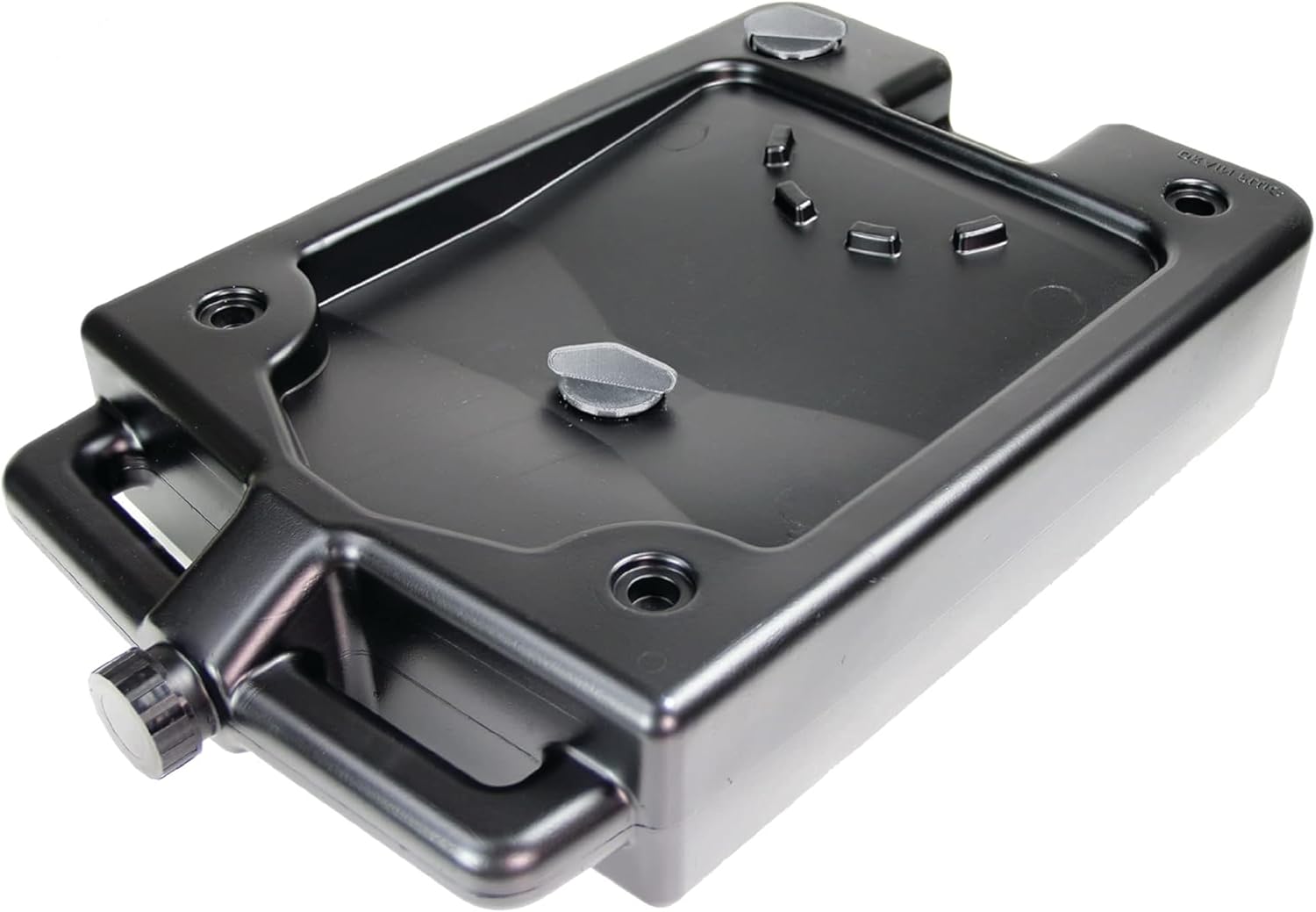
- Place a drain pan under the area before disconnecting anything.
If your vehicle uses a heater control valve in one of the hoses, inspect it for proper operation. A stuck valve can mimic a clogged heater core by limiting coolant flow before it even reaches the core.
Tools That Make This Job Easier


Step-by-Step Heater Core Flush Procedure
Disconnect the Heater Hoses
With the engine cold, remove the radiator cap only if the system is cool and no pressure remains. Position a catch pan underneath. Release the clamps and carefully twist the heater hoses free from the heater core tubes at the firewall. If a hose is stuck, do not pry hard against the heater core pipes. Gently rotate the hose to break it loose, or carefully slit an old hose if you are replacing it.
Attach a Hose to One Heater Core Tube
Slip a short utility hose over one heater core tube so you can direct discharge into a drain pan or away from painted surfaces. Attach your garden hose to the other tube by hand or hold it snugly in place. You do not need high water pressure. Moderate flow is safer and usually works better than blasting the core at full pressure.
Flush in the Reverse Direction First
Begin by flushing opposite the normal coolant flow direction if you know which side is inlet and outlet. Reverse flushing often loosens debris more effectively because it pushes sediment back out the way it entered. Turn the water on gradually and watch the discharge. At first, rusty, cloudy, or restricted flow may come out. Continue until the water runs clearer.
Flush in the Normal Direction
Switch the hoses and flush the heater core the other way. Alternate directions several times. Gently massaging the disconnected heater hoses by hand can help free soft deposits, but avoid bending or stressing the heater core tubes. Keep flushing until the water flows freely and cleanly in both directions.
Optional: Use Low-pressure Bursts Only
If the core still seems restricted, a few short pulses of water can help dislodge debris, but stay conservative. Excessive pressure can split an old heater core, especially on older vehicles. Avoid compressed air unless the service procedure specifically allows it and you can regulate the pressure very low.
Reconnect the Hoses
Once flow is clear, let excess water drain out. Reinstall the heater hoses to their original locations and secure the clamps fully behind the bead on each pipe. Replace weak or rusty clamps now rather than risk a coolant leak later. Check that the hoses are routed naturally and not kinked.
Refill and Bleed the Cooling System Correctly
Refilling the cooling system properly is just as important as the flush. Air pockets can cause no-heat complaints, erratic temperature gauge readings, or overheating. If you flushed the heater core with plain water, remember that some water will remain inside the system, so final coolant concentration matters.
Basic Refill Steps
- Close any drain points and make sure all hoses are reconnected.
- Add the correct coolant mixture for your vehicle through the radiator or designated fill point.
- Fill the overflow reservoir to the proper cold mark.
- Set the heater controls to full hot.
- Start the engine and let it warm up while monitoring coolant level and leaks.
- Bleed air using the vehicle’s bleed screw if equipped, or follow the manufacturer procedure.
Some vehicles are easy to self-bleed, while others require a vacuum fill tool or a specific warm-up and cool-down cycle. Watch for the thermostat opening, the upper radiator hose warming up, and stable coolant level. Top off as needed only after the system cools again if required by the service method.
After the Refill
Test drive the vehicle until fully warm. Then check that the heater produces steady heat at idle and during driving. Reinspect hose connections for seepage and verify the coolant level again after the engine cools completely.
Recommended Tools for This Job


How to Tell if the Flush Worked
A successful heater core flush usually produces stronger cabin heat, more even vent temperatures, and a smaller temperature difference between the two heater hoses. The best test is performance at idle, where weak coolant flow or trapped air often shows up first.
Signs of Improvement
- Both heater hoses feel hot once the engine is fully warmed up.
- Vent air gets noticeably hotter and stays hot at stoplights.
- The temperature gauge remains stable during the test drive.
- No coolant leaks appear at the firewall or hose joints.
If heat improves only briefly and then fades, debris may still be circulating in the cooling system, air may still be trapped, or the heater core may be heavily restricted internally. In that case, a second flush or a broader cooling system service may be needed.
Common Mistakes to Avoid
Most problems after a heater core flush come from excessive force, poor hose handling, or an incomplete refill. Staying methodical helps prevent leaks and overheating.
- Do not flush a hot engine or open a pressurized cooling system.
- Do not use full household water pressure on an old heater core.
- Do not mix incompatible coolant types unless the manufacturer explicitly allows it.
- Do not reinstall hoses on the wrong ports after disconnecting them.
- Do not ignore brittle hoses, cracked fittings, or weak clamps while everything is apart.
- Do not assume weak heat always means a clogged heater core.
When to Stop and Diagnose Something Else
If the flush does not restore heat, step back and check the rest of the system before repeating the same procedure. A heater core is only one part of cabin heat production.
Likely Alternate Causes
- Low coolant from an external or internal leak
- Thermostat stuck open, preventing full engine warm-up
- Blend door or actuator failure inside the HVAC box
- Water pump circulation problems
- Blocked radiator or generally contaminated cooling system
- Heater control valve not opening
If the passenger carpet is wet, the windows fog with a sweet smell, or coolant level keeps dropping, stop flushing and inspect for a leaking heater core. Replacement is more likely than cleaning at that point.
Maintenance Tips to Prevent Heater Core Clogs
Heater core restrictions usually build slowly from neglected coolant, corrosion, stop-leak products, or mixed coolant chemistry. Preventive cooling system care is the best way to avoid repeat heater problems.
- Change coolant at the interval recommended by the vehicle manufacturer.
- Use the exact coolant specification called for by the vehicle, not a guess.
- Mix concentrate with distilled water if premixed coolant is not used.
- Repair coolant leaks promptly so air and corrosion do not build up in the system.
- Avoid using stop-leak products unless it is a true emergency.
- Inspect coolant color and condition during routine maintenance.
If the coolant is heavily rusted or contaminated, consider a complete cooling system flush rather than only flushing the heater core. Cleaning just one component may give limited results if the rest of the system is still dirty.
Key Takeaways
- Flush a heater core only on a fully cold engine and use moderate water pressure to avoid damaging an aging core.
- If one heater hose is hot and the other is much cooler, restricted heater core flow is a strong possibility.
- Always refill with the correct coolant and bleed air completely, because trapped air can cause no heat even after a successful flush.
- Weak heat with wet carpet, coolant smell, or windshield film points more toward a leaking heater core than a clogged one.
- If heat still does not return, diagnose the thermostat, blend door, coolant level, and heater control valve before replacing parts.
FAQ
Can I Flush a Heater Core Without Removing It?
Yes. On most vehicles, the heater core can be flushed in place by disconnecting the two heater hoses at the firewall and running water through the core in both directions.
How Do I Know if My Heater Core Is Clogged or Leaking?
A clogged heater core usually causes weak heat with little or no coolant smell inside the cabin. A leaking heater core often causes sweet odor, foggy windows, oily film on the glass, wet passenger-side carpet, or unexplained coolant loss.
Should Both Heater Hoses Be Hot?
Yes, both are typically hot when the engine is fully warmed up and coolant is flowing properly. One much cooler hose often suggests restricted flow through the heater core or a flow-control issue.
Can a Heater Core Flush Fix No Heat at Idle?
It can if restricted coolant flow is the cause. But no heat at idle can also come from low coolant, trapped air, a weak water pump, or an HVAC blend door problem.
Is It Safe to Use High Water Pressure to Clear a Clogged Heater Core?
No. High pressure can rupture an old heater core or damage weak connections. Use gentle to moderate flow and alternate directions instead of forcing maximum pressure.
Do I Need to Replace Coolant After Flushing the Heater Core?
Yes. After flushing, refill the system with the correct coolant mixture for your vehicle and bleed out air. Do not leave plain water in the system long term unless the climate and service procedure specifically allow it temporarily.
What if the Heater Works for a Day and Then Turns Cold Again?
That usually means there is still air in the system, more debris circulating, or another fault such as low coolant, thermostat issues, or a blend door problem. Recheck coolant level and bleed procedure before assuming the core is clean.
Need Parts for This Repair?
The right parts and supplies vary by vehicle.
Select your make and model to find compatible parts and accessories for your car.
Exact Fit
Parts that fit your make and model
Quality You Can Trust
Top brands and OEM quality options
Fast Shipping
Get the parts you need, delivered fast