

Note: This article contains affiliate links. If you click on these links and make a purchase, I may earn a small commission at no extra cost to you. This helps support my research and content. Read my full affiliate disclosure here.
Repair Snapshot
Use a mechanic if the engine has active overheating, coolant contamination from a likely head gasket failure, broken drain fittings, or hard-to-bleed air pockets. A shop is also safer if access to the radiator drain or engine block drains is poor.
This article is part of our Cooling System Maintenance & Repair Guides.
Flushing a cooling system removes old coolant, rust particles, scale, and other debris that can reduce cooling performance and shorten the life of the radiator, heater core, water pump, and thermostat.
For many DIY owners, this job is manageable with basic hand tools and careful cleanup. The key is using the correct coolant for your vehicle, never opening the system while it is hot, and fully bleeding trapped air after refilling. A proper flush is more involved than a simple drain-and-fill, but it can restore cooling efficiency when old coolant is dirty or overdue for service.
Always check the owner’s manual or factory service information before you begin. Some vehicles have specific coolant types, bleed screws, vacuum-fill procedures, or engine block drain points that change the exact process.
When a Cooling System Flush Is Needed
A flush is usually needed when coolant service has been neglected, the coolant looks rusty or cloudy, or the system has contamination that a normal drain-and-fill may not remove. It is also common after replacing major cooling system parts such as a radiator, heater core, or water pump, especially if old debris may still be circulating.
- Coolant is brown, rusty, sludgy, or has floating debris.
- The maintenance interval for coolant replacement has passed.
- Heater performance is weak and restricted coolant flow is suspected.
- The radiator or overflow bottle has visible sediment buildup.
- A previous cooling system failure contaminated otherwise reusable components.
Do not assume a flush will fix every overheating problem. If the vehicle is losing coolant, overheating quickly, building excessive pressure, blowing white exhaust smoke, or mixing oil and coolant, diagnose those issues first. Flushing a system with a failed head gasket or clogged radiator may not solve the root cause.
Before You Start
Confirm the Correct Coolant Type
Modern vehicles use different coolant chemistries that should not be mixed casually. Check the owner’s manual or the label under the hood for the exact specification. Using the wrong coolant can reduce corrosion protection, damage seals, or create sludge.
Plan for Safe Disposal
Used coolant is toxic to people, pets, and wildlife. Ethylene glycol coolant has a sweet smell and taste that can attract animals. Catch every drop in a drain pan, transfer it to sealed containers, and take it to a local recycling center, parts store, or hazardous waste facility if accepted in your area.
Work Only on a Cold Engine
Never remove the radiator cap or open drains on a hot system. Pressurized hot coolant can spray out and cause serious burns. Let the engine cool completely, ideally for several hours, before starting the flush.
How to Flush a Cooling System Step by Step
Position the Vehicle and Open the System
Park on a level surface and set the parking brake. If needed for access, raise the front of the vehicle and support it securely on jack stands. Remove any engine covers or lower splash shields that block access to the radiator drain, lower radiator hose, or coolant reservoir. Once the engine is fully cool, remove the radiator cap or reservoir cap slowly.
Drain the Old Coolant
Place a large drain pan under the radiator drain cock or the lower radiator hose. Open the drain if equipped, or carefully loosen the lower hose and let coolant flow into the pan. Some vehicles also have engine block drain plugs that help remove more old coolant. If accessible and specified by service information, open them as well.
Watch the condition of the drained coolant. Clean, bright coolant that is only old may suggest routine service. Heavy rust, scale, oil sheen, or thick sludge can point to neglected maintenance or a deeper mechanical issue.
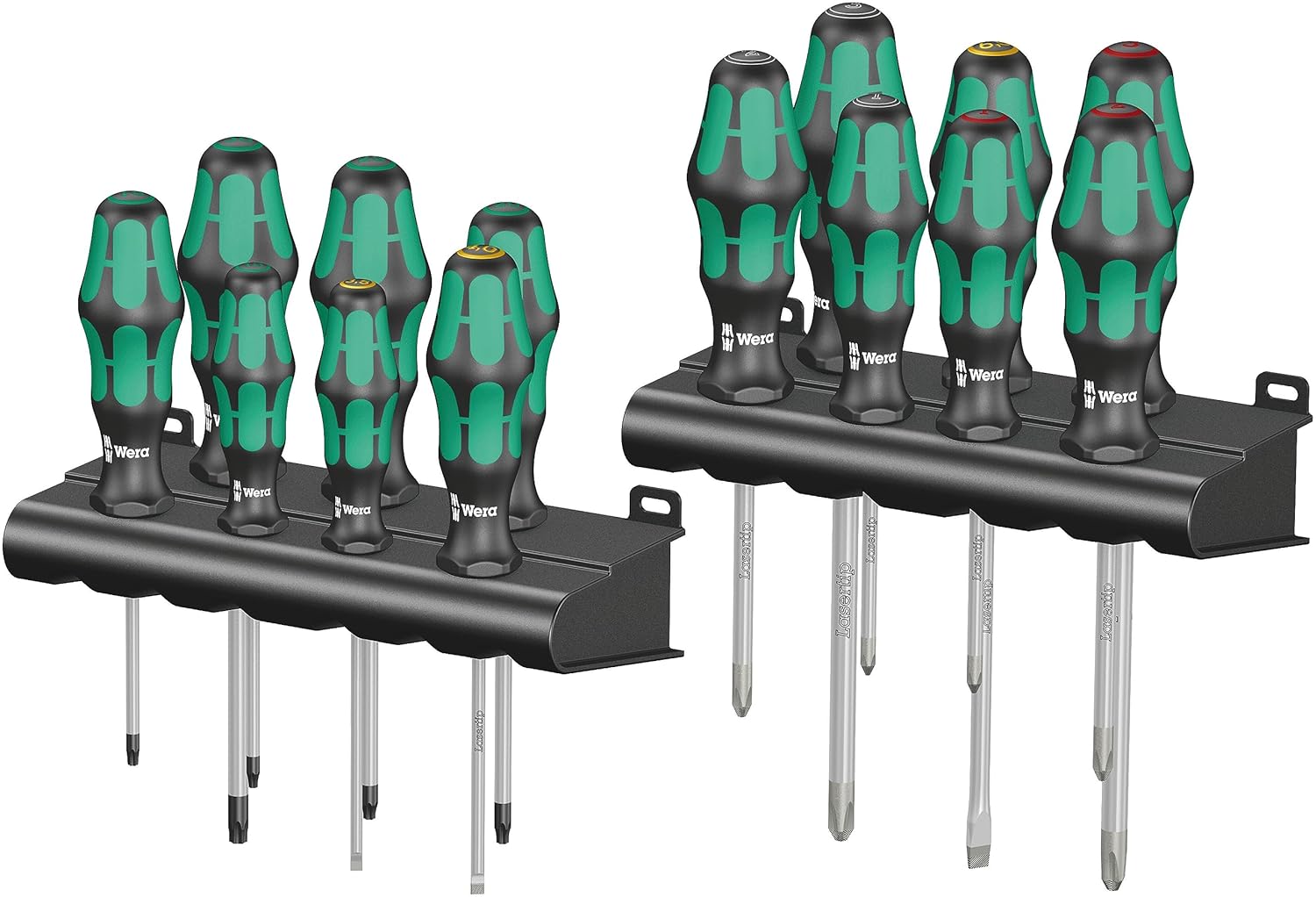
Tools That Make This Job Easier


Close the Drains and Fill with Water or Flush Solution
After draining, reinstall the lower hose and tighten clamps, or close the radiator drain. If you are doing a simple water flush, fill the radiator with clean water and fill the overflow tank to the proper mark. If deposits are heavy and the flush chemical is approved for your vehicle, add it according to the label before topping off with water.
Run the Engine with the Heater On
Start the engine and set the climate controls to full heat with the blower on low or medium. This helps circulate fluid through the heater core. Let the engine reach operating temperature so the thermostat opens and water can move through the entire system. Follow the flush chemical instructions if using one, since some products require a specific run time.
Monitor the temperature gauge while the engine runs. If it starts to overheat, shut the engine off and let it cool before continuing. A thermostat that will not open, a clogged radiator, or trapped air can prevent proper circulation during this stage.
Drain and Repeat Until the Water Is Clear
Shut the engine off and allow it to cool completely again. Drain the system a second time. If the discharged water is still dirty, refill with fresh water and repeat the process. Multiple drain-and-run cycles are often needed on neglected systems.
For stubborn rust or debris, you may disconnect the upper and lower radiator hoses and gently flush the radiator with a garden hose, then separately back-flush the heater core if service information and hose access make that practical. Use moderate water pressure only. Excessive pressure can damage an older heater core or force leaks at weak spots.
Refilling the System Correctly
Use the Proper Coolant Mix
Most vehicles require a 50/50 mix of coolant and distilled water, though some climates and manufacturers specify different ratios. Pre-mixed coolant is convenient and reduces mixing errors. If using concentrate, mix it with distilled water rather than tap water to reduce mineral deposits inside the system.
Account for Trapped Water After Flushing
One common mistake is forgetting that some water remains inside the engine block and heater core after draining. If you completely refill with pre-mixed 50/50 coolant right away, the final mixture can become too diluted. On some vehicles, it is smarter to add the proper amount of concentrate first, then top off with distilled water to reach the correct final ratio.
Fill Slowly and Bleed Air
Pour coolant slowly into the radiator or designated fill point using a funnel. If the vehicle has one or more bleed screws, open them as directed until coolant flows steadily without bubbles, then close them. Fill the overflow reservoir to the correct cold mark.
Start the engine with the cap off if the service procedure allows it, and keep the heater on full hot. As the engine warms up, trapped air may burp out and the coolant level may drop. Add more as needed. Once the thermostat opens and bubbles subside, install the cap. Some vehicles require a vacuum-fill tool for reliable air removal, especially those with complex cooling paths or remote-mounted reservoirs.
Post-Flush Checks
After the system is filled and bled, inspect it carefully before calling the job done. A flush can reveal weak hose connections, cracked plastic tanks, stuck thermostats, or a radiator cap that no longer holds pressure.
- Check all hose connections, the drain cock, and any bleed screws for leaks.
- Verify the heater blows hot air once the engine reaches operating temperature.
- Confirm the temperature gauge stays in its normal range during idle and a short road test.
- Look for the radiator fan to cycle normally on vehicles with electric cooling fans.
- Recheck coolant level after the engine cools completely and top off if needed.
If the coolant level drops noticeably over the next few drive cycles, inspect again for leaks and remaining air pockets. Some systems need one or two cold rechecks before the level stabilizes.
Recommended Tools for This Job


Common Mistakes to Avoid
- Opening the system while hot and pressurized.
- Using the wrong coolant type or mixing incompatible chemistries.
- Leaving air trapped in the system after refilling.
- Failing to catch and dispose of used coolant safely.
- Assuming a flush will fix a leaking radiator, bad water pump, or failed head gasket.
- Using hard tap water that can leave mineral deposits in the radiator and engine.
Another frequent issue is over-tightening plastic radiator drains or bleeder screws. These parts can crack easily, especially on older vehicles. Tighten them only enough to seal.
How Often to Flush Coolant
Service intervals vary widely by vehicle and coolant type. Older green coolant often needed replacement around every 2 years or 30,000 miles, while many modern long-life coolants may last 5 years, 100,000 miles, or more. The owner’s manual is the best source for the exact interval.
If the coolant still looks clean and the system is healthy, some owners choose a drain-and-fill at the scheduled interval and reserve a full flush for contaminated or neglected systems. That approach can be gentler on aging components. A full flush is most useful when old coolant is clearly dirty, mixed, or overdue.
When to Replace Parts During a Flush
A coolant flush is a good time to inspect related parts because the system is already open. Replacing worn components now can save labor later and reduce the chance of another coolant service soon after.
- Replace soft, swollen, cracked, or oil-soaked radiator hoses.
- Install new hose clamps if the originals are rusty or no longer hold tension.
- Consider a new thermostat if the engine has shown slow warm-up or temperature swings.
- Replace a weak radiator cap if it cannot maintain proper pressure.
- Inspect the water pump area for seepage or shaft play.
If a hose is stuck hard to a radiator neck or thermostat housing, do not pry aggressively on brittle plastic fittings. Cutting the old hose off carefully is often safer than breaking a radiator or outlet neck.
When to Stop and Get Professional Help
If the flush uncovers signs of a bigger problem, it is better to pause than to keep refilling and driving. Persistent overheating, constant bubbling, unexplained coolant loss, oil contamination, or poor circulation after a thorough bleed can indicate internal engine damage or a restricted radiator that needs testing or replacement.
Professional help is also smart if the vehicle has a difficult cooling layout, hidden bleed points, or a manufacturer procedure that calls for a vacuum-fill tool. On some late-model vehicles, improper filling can leave trapped air that causes repeat overheating and no-heat complaints.
Key Takeaways
- Only flush the cooling system when the engine is completely cold and always capture old coolant for proper disposal.
- Use the exact coolant specification for your vehicle and account for leftover water so the final mixture is not too weak.
- Bleed air carefully after refilling, because trapped air can cause overheating and poor heater performance.
- Repeat water flush cycles until the discharge is reasonably clear, but do not expect a flush to repair leaks or internal engine problems.
- Recheck coolant level and inspect for leaks after the first full heat cycle and again after the engine cools.
FAQ
Is a Cooling System Flush the Same as a Drain-and-fill?
No. A drain-and-fill removes only part of the old coolant, while a flush uses repeated water cycles or a flush product to remove more old coolant and debris from the radiator, engine, and heater core.
Can I Use Tap Water to Flush the System?
You can use clean water for the flushing stage in many cases, but distilled water is better for final filling and mixing coolant. Hard tap water can leave mineral deposits that reduce cooling efficiency over time.
How Do I Know if There Is Still Air in the Cooling System?
Common signs include fluctuating temperature readings, weak cabin heat, gurgling noises, or a coolant level that drops after driving. Bleed the system again according to the vehicle’s procedure if those symptoms appear.
Should I Use a Chemical Cooling System Flush Product?
Only if the system is dirty enough to justify it and the product is safe for your vehicle. Mildly dirty systems often respond well to repeated water flushes, while heavy rust or sludge may need an approved chemical cleaner.
What if the Coolant Looks Oily After I Drain It?
An oily film can indicate engine oil contamination from a failed head gasket, oil cooler, or another internal problem. Do not rely on flushing alone; diagnose the source before putting the vehicle back into regular use.
Can I Mix Different Coolant Colors if I Am Not Sure What Is Already in the Car?
Color alone is not a reliable guide. Different coolant formulas can share similar colors, and mixing incompatible types can cause deposits or reduced corrosion protection. Identify the required specification and flush thoroughly if the existing fluid is unknown.
How Long Should I Run the Engine During the Flush?
Usually long enough for the engine to reach operating temperature and for the thermostat to open, with the heater set to full hot. If using a flush chemical, follow the product instructions for the exact run time.
Need Parts for This Repair?
The right parts and supplies vary by vehicle.
Select your make and model to find compatible parts and accessories for your car.
Exact Fit
Parts that fit your make and model
Quality You Can Trust
Top brands and OEM quality options
Fast Shipping
Get the parts you need, delivered fast