

Note: This article contains affiliate links. If you click on these links and make a purchase, I may earn a small commission at no extra cost to you. This helps support my research and content. Read my full affiliate disclosure here.
What You’ll Need
A quick look at the tools and supplies commonly used for this job.
Tools
- Flashlight or inspection light
- Cooling system pressure tester
- Mechanic’s mirror
- Safety glasses
- Nitrile gloves
- Drain pan
- Clean shop rags or paper towels
- Cardboard or clean concrete surface
Parts & Supplies
- Correct coolant for your vehicle
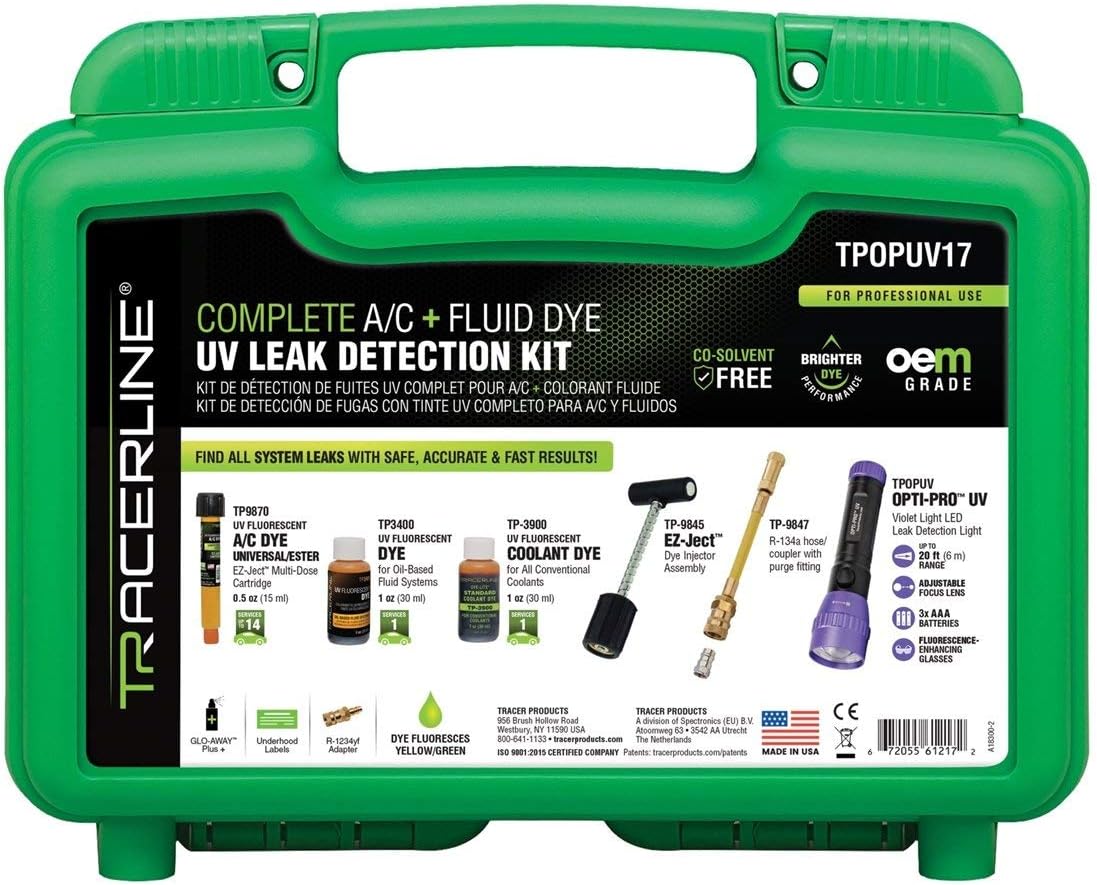
- UV coolant dye kit
- Distilled water
- Replacement hose clamps
This article is part of our Cooling System Maintenance & Repair Guides.
Finding a coolant leak early can save your engine from overheating, warped cylinder heads, and expensive repair bills. Even a small leak can turn into a major problem once the cooling system builds pressure and temperature, so it is worth taking a systematic approach instead of just topping off the reservoir and hoping for the best.
The good news is that many coolant leaks can be traced at home with basic tools, a careful visual inspection, and a pressure tester. In many cases, the source is a hose, radiator seam, water pump, thermostat housing, or reservoir cap rather than an internal engine problem.
This guide walks you through the common signs of a coolant leak, where to look first, how to pressure-test the system, and how to tell an external leak from a possible internal leak. Work only on a cold engine unless a step specifically says otherwise.
Common Signs of a Coolant Leak
Before you start taking anything apart, confirm that what you are seeing points to coolant loss and not just normal condensation or a different fluid leak. Coolant is usually green, orange, pink, yellow, blue, or purple depending on the vehicle and fluid type, and it often leaves a sweet smell.
- The coolant reservoir level drops repeatedly over days or weeks.
- You notice a sweet smell after driving or after parking.
- There is a colored puddle or crusty residue under the front of the vehicle.
- The engine runs hotter than normal or the temperature gauge climbs in traffic.
- The heater blows cool air at idle because low coolant allows air into the system.
- Steam appears from under the hood after the engine warms up.
If the reservoir level keeps dropping but you never see fluid on the ground, do not assume the leak is imaginary. Coolant can evaporate on hot engine parts, leak only under pressure, or be leaking internally into the combustion chamber, crankcase, or heater box.
Safety Before You Inspect
A cooling system can exceed 15 psi when hot, and hot coolant can cause serious burns. Never remove the radiator cap or reservoir cap on a fully hot engine unless the manufacturer specifically uses a pressurized remote reservoir and service procedure says it is safe after cooldown.
- Start with a completely cool engine whenever possible.
- Wear gloves and safety glasses.
- Keep hands, clothing, and tools clear of belts and fans.
- Support the vehicle properly if you need to inspect underneath.
- Clean up spilled coolant immediately because it is toxic to pets and wildlife.
If the car has recently overheated, wait until the upper radiator hose feels cool and soft before opening any cap. If there is still pressure, stop and let the system cool longer.
Where Coolant Leaks Usually Come From
Knowing the most common failure points helps you inspect in a logical order. External leaks often leave stains, wet spots, or dried white, pink, or green residue.
- Upper and lower radiator hoses
- Heater hoses and hose connections at the firewall
- Radiator end tanks, seams, drain plug, and core damage
- Coolant reservoir and reservoir hose
- Radiator cap or pressurized reservoir cap
- Thermostat housing and gasket
- Water pump weep hole or pump gasket
- Engine coolant crossover pipes or plastic fittings
- Freeze plugs
- Heater core inside the dash area
Some leaks only show when the engine is warming up and the plastic and metal components expand. Others only show after shutdown, when heat soak raises pressure and pushes coolant out of a weak seal.
Initial Checks You Can Do Without Special Tools
Check the Ground and Underbody First
Park the vehicle over clean cardboard overnight or on a clean driveway. Note the location of any drips the next morning. A puddle near the front center may point to the radiator, lower hose, or water pump. A puddle near the passenger side firewall may suggest heater hose connections or a heater control valve.
Inspect the Reservoir Level and Cap
Look at the coolant level in the reservoir when the engine is cold. If it is low, inspect the cap seal for cracks, flattening, or dried coolant around the neck. A weak cap can allow coolant to escape or lower the boiling point of the system, especially under load.
Look for Residue, Not Just Wetness
Fresh coolant may be easy to spot, but many leaks dry before you inspect them. Use a flashlight to look for chalky streaks, crusty buildup, sticky spots, or discolored areas around hose ends, radiator seams, the thermostat housing, and the water pump.
Check Inside the Cabin
If the windshield fogs with a sweet smell, or the passenger floor carpet feels damp, suspect a heater core leak. This is one of the easiest internal cabin clues to miss because the fluid may soak into insulation instead of dripping outside.
Tools That Make This Job Easier


Step-by-Step Procedure to Find the Leak
Inspect All Hoses and Clamps
Start at the radiator and follow every coolant hose by hand and with a light. Look closely at the clamp area because leaks often start where a hose hardens and no longer seals evenly. Squeeze rubber hoses when cool; if they feel brittle, cracked, oil-soaked, or unusually soft near the ends, they may be failing.
Pay special attention to quick-connect fittings on newer vehicles. Plastic connectors can develop hairline cracks that leak only when pressurized.
Inspect the Radiator
Check the plastic end tanks, the seam between the tank and core, the drain cock area, and the lower corners where road debris and corrosion can cause pinholes. Use a mirror to inspect areas hidden by the fan shroud. If you see green or white crust along the seam, the radiator may be leaking under pressure.
Check the Water Pump
The water pump often leaks from a small weep hole when its internal seal begins to fail. Look for coolant trails below the pump pulley or behind the pulley area. On some engines the pump is difficult to see without removing a cover, but dried coolant tracks on the front of the engine are a strong clue.
Inspect the Thermostat Housing and Coolant Outlets
Thermostat housings, coolant necks, and crossover pipes frequently seep from a gasket or crack in the housing itself. Plastic housings can warp or split with age. Look around bolt heads, gasket lines, and sensor ports for staining.
Check the Heater Hoses and Firewall Connections
Follow the two heater hoses to the firewall. Because these hoses see high heat and are often overlooked, they can leak where they attach to the engine or heater core tubes. Any dampness, crust, or rusty staining around these fittings deserves attention.
Look Underneath for Freeze Plugs and Hidden Leaks
If you can safely get under the vehicle, inspect the sides of the engine block, the rear of the engine, metal coolant pipes, and any freeze plugs. Rear engine leaks may run down and drip from a completely different place than where they start, so trace residue upward to its highest wet point.
How to Pressure-Test the Cooling System
A cooling system pressure tester is one of the best DIY tools for locating a leak because it pressurizes the system without requiring the engine to be hot and running. This makes leaks easier and safer to spot.
- Make sure the engine is fully cool.
- Remove the radiator cap or pressure cap from the reservoir, depending on your vehicle design.
- Install the correct pressure tester adapter securely.
- Pump the tester to the pressure listed on the cap or service information. Do not exceed the system rating.
- Watch the gauge for several minutes. A steady pressure drop usually means there is a leak.
- Inspect hoses, radiator seams, the water pump, thermostat housing, heater hose fittings, and the cabin area for fresh seepage.
- If needed, leave the system pressurized briefly and use a flashlight and mirror to inspect hidden areas.
During the test, do not assume the first wet spot you see is the whole problem. Coolant can run along a hose or bracket and drip elsewhere. Always inspect upward from the drip point to find the highest fresh leak.
If the gauge drops but you still cannot find any external leak, move on to internal leak checks. That situation is common with head gasket problems, heater core leaks into the HVAC case, or coolant entering the oil.
Using UV Dye for Hard-to-Find Leaks
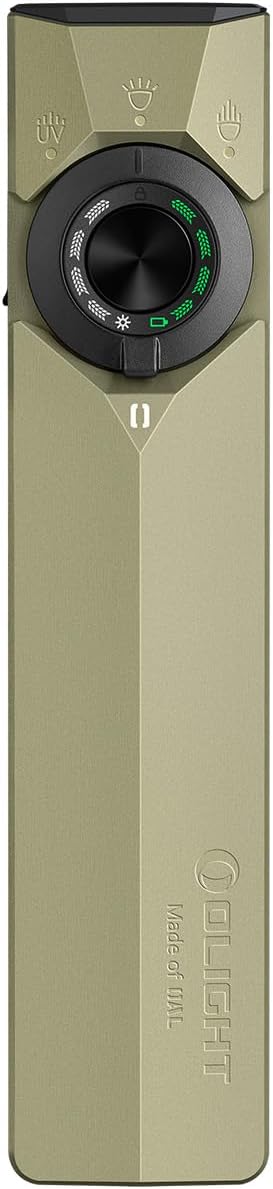
If the leak is very slow or only appears after driving, a UV dye kit can help. Add the dye according to the product instructions, drive the car long enough to circulate the coolant, then inspect the system with the supplied UV light in a darker setting.
UV dye is especially useful for hairline cracks in plastic tanks, seepage around hose fittings, and leaks that evaporate on hot surfaces before they ever reach the ground. Bright glowing residue will usually lead you to the source faster than a visual check alone.
Recommended Tools for This Job

How to Tell if the Leak Is Internal
Not every coolant leak shows up outside the engine. If the level drops with no obvious puddles or stains, you may be dealing with an internal leak. These are more serious because they can damage bearings, spark plugs, catalytic converters, and engine internals.
- White exhaust smoke after warm-up, especially with coolant loss
- Bubbles in the radiator or reservoir after startup
- Milky or frothy oil on the dipstick or under the oil cap
- Misfire on startup caused by coolant entering a cylinder overnight
- Sweet smell from the tailpipe
- Persistent overheating with no visible external leak
Possible internal causes include a blown head gasket, cracked cylinder head, cracked engine block, leaking intake manifold gasket on certain engines, or a heater core leak that drains into the HVAC housing. If you suspect an internal leak, a block test, compression test, leak-down test, or professional diagnosis is the next step.
How to Interpret What You Find
Leak at a Hose End
A hose end leak may be caused by a loose clamp, hardened hose, pitted metal neck, or cracked plastic fitting. Tightening a clamp may help temporarily, but if the hose is swollen or crusted at the end, replacement is usually the right fix.
Leak From the Radiator Seam or Tank
Radiator seam leaks tend to get worse with heat cycles. Sealants are usually temporary at best and can create other cooling system problems. A leaking radiator generally means radiator replacement.
Leak From the Water Pump Weep Hole
Coolant at the weep hole usually means the pump seal is failing. The pump should be replaced rather than patched. If the pump is driven by a timing belt, this can become a larger scheduled repair.
No Visible Leak but Steady Pressure Loss
That points toward a hidden leak, often in the heater core, under an intake manifold, behind covers, or inside the engine. Recheck the cabin, look for dampness under the dash, inspect the oil condition, and consider internal leak testing.
What to Do After You Find the Leak
Once you identify the source, decide whether the repair is realistic for a DIYer. Hoses, clamps, some thermostat housings, and coolant reservoir caps are commonly manageable at home. Water pumps, internal leaks, and hard-to-access heater core repairs may be more involved.
- Replace failed hoses, clamps, caps, or damaged plastic fittings rather than relying on stop-leak products.
- Refill only with the correct coolant type for your vehicle.
- Bleed air from the cooling system using the manufacturer procedure.
- Pressure-test again after the repair to confirm the leak is gone.
- Monitor coolant level and engine temperature over the next several drives.
Avoid mixing incompatible coolant formulas unless the manufacturer allows it. Using the wrong coolant can shorten component life and create sludge or corrosion. If a large amount of coolant was lost, topping off with distilled water may be acceptable only as a temporary emergency measure until the proper mix is restored.
When to Stop Driving and Get Help
A small seep is one thing, but some coolant leaks can become severe without much warning. Continuing to drive while overheating can destroy an engine in minutes.
- The temperature gauge is climbing above normal.
- You see steam from under the hood.
- The leak is heavy enough to leave a puddle quickly.
- The cabin smells strongly of coolant and the windows fog up.
- You suspect a head gasket or internal engine leak.
- The cooling fan area or belt-driven components are soaked with coolant.
If the engine overheats, shut it off as soon as it is safe, let it cool completely, and do not remove the cap while hot. Towing is cheaper than replacing an engine.
Key Takeaways
- Always inspect for a coolant leak with the engine cool first, because hot systems are dangerous and can hide the true source.
- Check hoses, radiator seams, the water pump, thermostat housing, and heater hose connections before assuming a major engine problem.
- A cooling system pressure tester is the fastest way to make small leaks visible without running the engine.
- If coolant disappears with no external leak, inspect for internal leak signs like white exhaust, milky oil, or a damp passenger floor.
- Do not keep driving an overheating vehicle, because a minor coolant leak can quickly turn into severe engine damage.
FAQ
Can a Coolant Leak Stop on Its Own?
Not in any reliable way. A leak may seem to come and go because it only opens when the system is hot and pressurized, but the failed part is still there and will usually get worse.
Why Am I Losing Coolant but There Is No Puddle Under the Car?
Coolant may be evaporating on hot engine parts, leaking only while driving, collecting in the undertray, leaking inside the cabin through the heater core, or leaking internally into the engine.
Is It Safe to Drive with a Small Coolant Leak?
Only for a very short emergency trip while closely watching temperature, and even then it is risky. A small leak can suddenly become a major leak, and overheating can cause expensive engine damage.
What Does a Bad Radiator Cap Look Like?
Common signs include a cracked or flattened rubber seal, rust or deposits on the spring and sealing surfaces, coolant around the cap neck, or a cap that no longer holds the correct pressure.
How Long Should a Cooling System Hold Pressure During a Pressure Test?
It should hold close to the test pressure for several minutes without a meaningful drop. A slow drop usually indicates a leak, though very small changes can sometimes come from tool connections, so verify your tester setup first.
Can a Heater Core Leak Only Happen when the Heat Is On?
The core usually contains coolant whenever the engine is running, but symptoms can be more noticeable with the heat on because the blower pushes the sweet smell into the cabin and may fog the windshield.
Will Stop-leak Fix a Coolant Leak Permanently?
Usually no. It may slow a minor seep temporarily, but it can also clog small passages and create other cooling system issues. Replacing the failed component is the proper repair.
What Color Is Coolant if It Is Leaking?
It depends on the vehicle and coolant type. It may be green, orange, pink, yellow, blue, or purple, which is why smell, residue, pressure testing, and inspection location matter more than color alone.
Need Parts for This Repair?
The right parts and supplies vary by vehicle.
Select your make and model to find compatible parts and accessories for your car.
Exact Fit
Parts that fit your make and model
Quality You Can Trust
Top brands and OEM quality options
Fast Shipping
Get the parts you need, delivered fast