

Note: This article contains affiliate links. If you click on these links and make a purchase, I may earn a small commission at no extra cost to you. This helps support my research and content. Read my full affiliate disclosure here.
Repair Snapshot
Use a mechanic if the noise continues after removing and securing all cargo, or if you suspect a loose interior panel, spare tire mount, suspension part, or exhaust component.
This article is part of our Body and Exterior Maintenance & Repair Guides.
If your car makes a rattle, thump, or rolling sound over bumps, loose cargo is one of the easiest causes to fix. Items in the trunk, hatch, under-floor storage area, rear seat, or even door pockets can shift while driving and sound like a bigger mechanical problem.
The good news is that securing loose cargo usually takes less than an hour and only basic supplies. The key is to remove everything, isolate the noisy item, and then use the right combination of bins, padding, straps, and anchor points so nothing can slide, tip, or bang into trim panels.
This guide walks you through how to confirm cargo is the source of the noise, how to secure common problem items, and how to tell when the sound is probably not cargo-related and needs further diagnosis.
How to Tell if Loose Cargo Is Causing the Noise
Cargo noise often has a very specific pattern. It usually gets louder when you brake, accelerate, turn, or hit potholes. It may sound like a hollow clunk from the trunk, a plastic rattle from a side compartment, or a rolling object moving left to right.
Common Signs the Sound Is Cargo-related
- The noise changes when the vehicle is loaded differently.
- You hear it mostly from the rear cargo area, trunk, under-seat storage, or back seat.
- The sound disappears temporarily after unloading groceries, tools, sports gear, or emergency supplies.
- The noise happens over bumps or during turns instead of continuously at all speeds.
- You can reproduce the sound by shaking items by hand while the car is parked.
Before buying anything, do a quick test drive with the car completely emptied of loose items. Remove everything that is not permanently attached, including water bottles, umbrellas, tool bags, jumper cables, child-seat accessories, groceries, and anything stored around the spare tire well. If the noise stops, you have confirmed the cause.
Inspect the Entire Cargo Area Before Securing Anything
Start with a clean slate. Open the trunk or hatch and remove every loose object. Check the main cargo floor, side cubbies, seatback pockets, under-floor storage, and the spare tire compartment. Many noises come from items you forgot were even there.
Areas That Commonly Hide Noisy Items
- Spare tire well and jack storage tray
- Rear side pockets and cargo cubbies
- Under-floor foam organizers
- Third-row seat wells in SUVs
- Back seat footwells
- Door pockets and center console bins
- Roof cargo boxes or trunk organizers
Vacuum debris and wipe down the cargo floor while everything is out. Dirt and gravel can add their own rattling noises, and a clean surface helps non-slip mats and hook-and-loop organizers grip better.
As you inspect, look for wear marks, scuffs, or shiny spots on plastic trim. These often show where an object has been hitting repeatedly. If a metal tool or hard plastic container has been contacting a trim panel, add padding there as well as securing the item itself.
Identify the Item or Group of Items Making Noise
Do not throw everything back in at once. Reintroduce cargo in small groups so you can isolate the problem. This prevents you from hiding one noisy object among several others.
A Simple Isolation Process
- Drive the vehicle empty to confirm the noise is gone.
- Add one item or one small category of items back into the cargo area.
- Drive around the block or over a rough section of road.
- If the noise returns, stop and secure or pad that item before continuing.
- Repeat until every item has a stable storage location.
Small, dense objects are frequent offenders. Common examples include tire inflators, loose sockets, tow hooks, steel water bottles, folding chairs, golf balls, trailer hitch balls, tool kits, and emergency triangles. Even if they do not seem heavy, they can create a sharp noise as they strike plastic or metal surfaces.
Tools That Make This Job Easier


Choose the Right Way to Secure Different Types of Cargo
There is no one-size-fits-all fix. Soft bags, hard cases, long items, and heavy gear each need a different approach. The best result usually combines containment, traction, and restraint.
For Small Loose Items
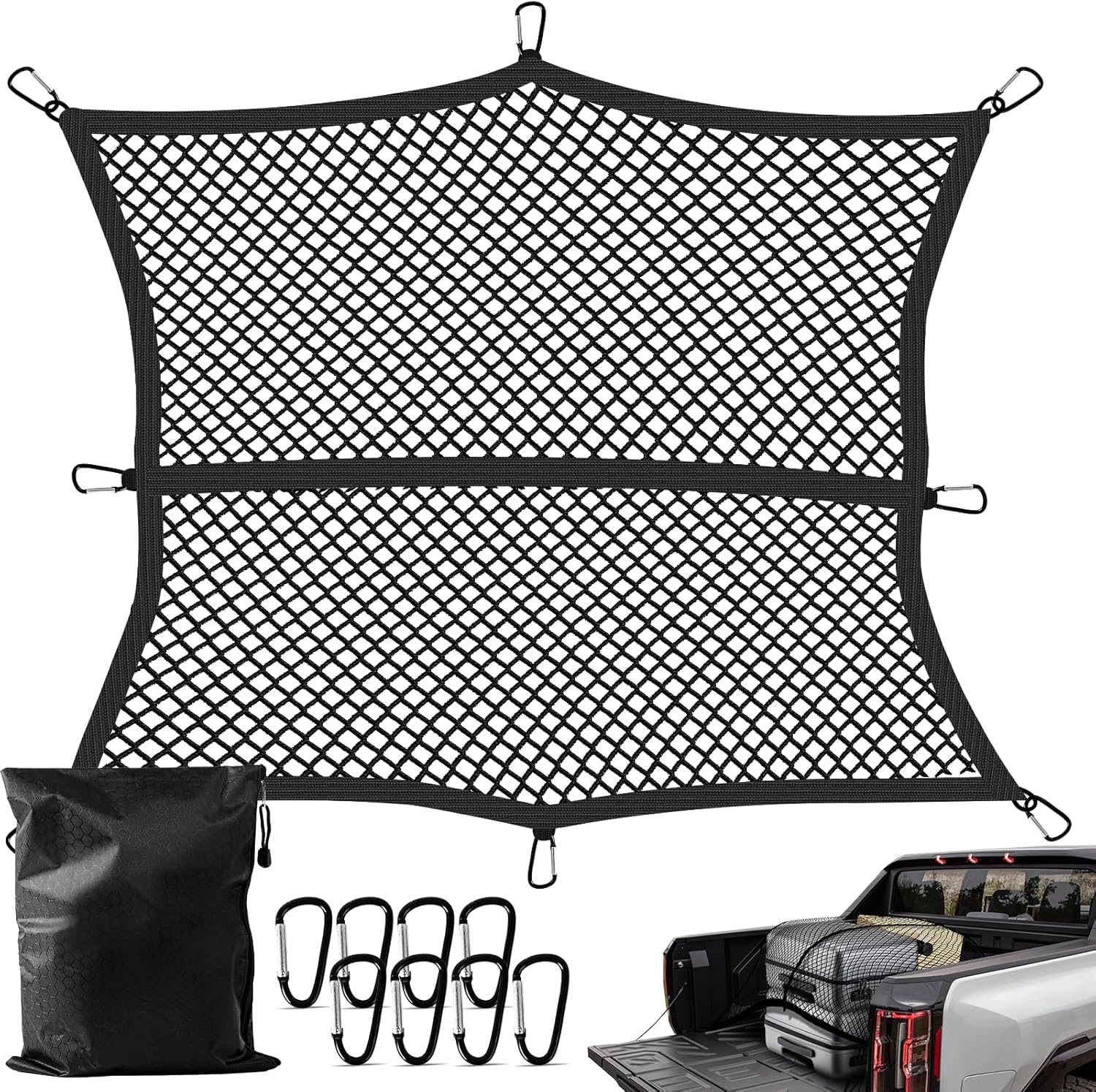
Put small items into a lidded bin, zippered organizer, or dedicated roadside-emergency bag. Then place the container on a non-slip cargo mat or secure it against the seatback with a cargo net. This keeps multiple items from colliding with one another.
For Medium Boxes, Grocery Bags, and Sports Gear
Use a cargo net, divider, or hook-and-loop trunk organizer so these items cannot slide across the floor. If your vehicle has tie-down rings, run a strap or net through them instead of relying on friction alone.
For Long or Awkward Items
Folding chairs, umbrellas, tripods, snow brushes, and similar items should be strapped along the side of the cargo area or laid flat and restrained at both ends. If they can roll, they can make noise.
For Heavy Tools or Emergency Equipment
Use the strongest available method: a sturdy bin plus a ratchet strap or heavy-duty cargo strap attached to factory tie-down points. Heavy items should sit low and as close to the seatback as possible. Never let them move freely; in a sudden stop they become a serious safety hazard.
Step-by-Step: How to Secure Loose Cargo Properly
Once you know what is moving around, secure it methodically. The goal is to prevent sliding, rolling, tipping, and impact with hard surfaces.
Step One: Remove and Sort
Separate cargo into categories: everyday carry items, emergency gear, tools, sports equipment, and temporary cargo like groceries. If you do not need something in the car every day, take it out. Less cargo means fewer potential noises.
Step Two: Create a Stable Base
Lay down a non-slip cargo mat if the vehicle does not already have one. Hard plastic or carpeted cargo floors allow bins and bags to slide more than most people expect. A grippy mat reduces movement immediately.
Step Three: Contain Small Items
Place loose items into bins, pouches, or organizers. Add foam padding, shop towels, or old microfiber towels around metal tools or hard accessories so the contents cannot rattle inside the container.
Step Four: Anchor the Container
Use your vehicle’s tie-down loops, cargo hooks, or seatback anchors to keep the organizer from sliding. A cargo net works well for light loads, while hook-and-loop strips or straps work better for heavier items.
Step Five: Pad Contact Points
If an item sits near bare plastic trim, add foam, felt, or folded towels between the object and the panel. This is especially useful around spare tire tools, tire inflator kits, trailer accessories, and reusable shopping baskets.
Step Six: Test for Movement by Hand
Before driving, shake each stored item and each container. If you can make it move or hear it click against another surface while parked, it will almost certainly make noise on the road.
Step Seven: Test Drive and Fine-tune
Take a short drive over bumps, turns, and moderate braking. If a slight rattle remains, stop and narrow it down. Often the last bit of noise comes from one overlooked item in a side pocket or spare tire compartment.
Do Not Forget the Spare Tire, Jack, and Factory Tool Kit
Many owners assume all cargo noise comes from personal belongings, but factory equipment is a common source too. If the spare tire hold-down is loose, the jack is not clamped properly, or the foam insert is missing a tool, you can get a dull thump or metallic rattle from the rear of the vehicle.
What to Check
- Make sure the spare tire hold-down fastener is tightened securely.
- Confirm the jack and lug wrench are clipped or screwed into their original mounting positions.
- Check that the tire inflator kit is strapped down and not bouncing in its compartment.
- Inspect foam tool trays for broken tabs or missing inserts.
- Add a small amount of padding if tools fit loosely in their slots.
Do not overstuff the spare tire well with extra items. That area is designed for specific components, and random gear placed there tends to shift and create noise.
Recommended Tools for This Job


Best Practices for Common Cargo Noise Situations
Groceries and Household Errands
Use collapsible bins or reusable grocery totes that fit snugly. Place heavy items low and keep glass bottles separated with towels or cardboard dividers.
Tools and Roadside Gear
Keep tools in a zippered pouch or molded case, not loose in a milk crate or open bin. Add a towel to fill empty space if the case contents can knock together.
Sports Equipment
Balls, cleats, weights, and water bottles can create multiple noises at once. Store them in separate compartments so hard items do not bounce into one another.
Pet Supplies and Travel Items
Foldable bowls, leashes with metal clips, crates, and travel bottles often rattle. Use a dedicated travel bag and keep it clipped or strapped in one place.
Pickup Truck Beds and Open Cargo Areas
Use proper tie-downs, bed organizers, and rubber bed mats. Noise from a truck bed can sound much louder because there is less interior insulation between the cargo and the cabin.
Mistakes That Let Cargo Keep Making Noise
A lot of repeat cargo noise comes from partial fixes. The item may be contained, but not restrained, or padded, but still free to slide.
- Using a bin without securing the bin itself
- Relying only on bungee cords for heavy items
- Packing hard objects together without padding
- Ignoring side pockets, seatback pockets, and under-floor trays
- Leaving seasonal items in the vehicle year-round
- Assuming the sound is fixed without a road test
Also avoid attaching straps to weak trim pieces or convenience hooks not rated for heavy loads. Use factory tie-down points when available. If your owner’s manual gives cargo anchoring guidance, follow it.
When the Noise Is Probably Not Loose Cargo
If you have emptied the vehicle completely and the sound remains, look beyond cargo. A loose spare tire mount, hatch latch, rear seat striker, exhaust heat shield, suspension link, or interior trim panel can mimic cargo noise very closely.
Signs You Should Investigate Further
- The noise is still present with the car fully unloaded.
- The sound occurs at a specific speed rather than over bumps or turns.
- You hear metal-on-metal clunking from underneath the vehicle.
- The noise changes when braking or accelerating even with no cargo inside.
- You find no loose items but can hear movement from a seat latch, interior panel, or the spare tire area.
At that point, inspect the hatch latch adjustment, rear seat latches, spare tire hardware, and visible underbody components. If you are not sure what you are hearing, a mechanic can usually identify the source quickly during a road test.
Key Takeaways
- Empty the vehicle first and confirm the noise disappears before assuming cargo is the cause.
- Use bins or pouches for small items, then secure the container so it cannot slide or tip.
- Add padding anywhere hard objects can contact trim, metal, or other tools.
- Check the spare tire, jack, and factory tool kit because they often rattle like loose cargo.
- If the sound remains with the car unloaded, inspect for a latch, trim, suspension, or exhaust issue instead.
FAQ
Can Loose Cargo Really Sound Like a Suspension Problem?
Yes. A heavy object or loose tool in the trunk can create a sharp clunk over bumps that sounds very similar to a suspension or shock issue. Emptying the vehicle for a test drive is one of the fastest ways to rule that out.
What Is the Easiest Way to Stop Trunk Items From Sliding?
A non-slip cargo mat plus a small organizer or cargo net is usually the simplest fix. The mat reduces sliding, and the organizer keeps items grouped together so they cannot roll or collide.
Are Bungee Cords Enough to Secure Cargo?
They are fine for light items, but they are not ideal for heavier loads. For tool boxes, emergency gear, or anything heavy enough to become dangerous in a sudden stop, use proper straps and factory tie-down points.
Why Does the Noise Only Happen when I Turn?
That usually means an item is sliding sideways or rolling in the cargo area. Bottles, balls, compact tools, and hard plastic containers often make noise mainly during left or right turns.
Should I Keep Emergency Gear in the Car if It Causes Noise?
Yes, but store it correctly. Keep roadside equipment in a padded bag or case, then secure that bag so it cannot move around. You should not remove emergency supplies just to eliminate the sound.
Can the Spare Tire Area Cause Noise Even if Nothing Is Loose in the Trunk?
Absolutely. A loose spare tire hold-down, jack, lug wrench, or inflator kit can make repeated thumps or rattles from under the cargo floor. Always check that compartment during diagnosis.
How Often Should I Reorganize the Cargo Area?
A quick check every few weeks is usually enough for most drivers, and anytime you carry seasonal gear, tools, sports equipment, or large shopping loads. Frequent re-checks help catch items before they start making noise.
Need Parts for This Repair?
The right parts and supplies vary by vehicle.
Select your make and model to find compatible parts and accessories for your car.
Exact Fit
Parts that fit your make and model
Quality You Can Trust
Top brands and OEM quality options
Fast Shipping
Get the parts you need, delivered fast