

Note: This article contains affiliate links. If you click on these links and make a purchase, I may earn a small commission at no extra cost to you. This helps support my research and content. Read my full affiliate disclosure here.
What You’ll Need
A quick look at the tools and supplies commonly used for this job.
Tools
Parts & Supplies
- White lithium grease or silicone spray lubricant
- Electrical contact cleaner
- Replacement door panel clips
- Shop towels
- Painter’s tape
This article is part of our Body and Exterior Maintenance & Repair Guides.
A car door lock or latch problem can show up as a door that will not open, will not stay shut, only works from one handle, or locks and unlocks inconsistently. The good news is that many door issues can be narrowed down with a few careful checks before you start buying parts.
The lock and latch system has several pieces that must work together: the inside and outside handles, rods or cables, the latch assembly, striker, power lock actuator, switches, key cylinder, and wiring through the door jamb. A failure in any one of those parts can create symptoms that look similar at first.
This guide helps you separate mechanical problems from electrical ones, spot common wear patterns, and decide whether the fix is simple lubrication and adjustment or a failed latch or actuator that needs replacement.
Common Symptoms and What They Usually Mean
Before taking anything apart, pay close attention to exactly what the door is doing. Small differences in behavior can point you toward the right part of the system.
- If the door won’t latch closed, suspect a jammed latch, dry mechanism, damaged latch pawl, or misaligned striker.
- If the door won’t open from outside but opens from inside, suspect the outer handle, rod or cable, or an issue with the child safety lock on rear doors.
- If the door won’t open from inside but opens from outside, suspect the inner handle, linkage, or child safety lock.
- If the door locks and unlocks manually but not with the power lock switch or remote, suspect the actuator, switch, fuse, wiring, or control module.
- If the lock knob moves only partway or feels weak, suspect a failing actuator, binding linkage, or a sticky latch.
- If the door needs to be slammed to close, suspect striker misalignment, sagging hinges, or a latch that is not returning fully.
Also note whether the problem affects only one door or all doors. One bad door usually points to a local latch, actuator, handle, or wiring issue. Multiple doors failing at once usually points to a fuse, body control issue, remote programming issue, or power lock switch problem.
Safety and Setup Before You Start
Work with the vehicle parked on level ground and the ignition off. If a door is stuck partly latched, support it carefully and avoid forcing it harder than necessary. Slamming or prying aggressively can bend linkage rods, crack plastic clips, or damage the window glass and regulator.
If you plan to remove a door panel on a vehicle with side airbags in the door, disconnect the negative battery cable and wait a few minutes before unplugging connectors. Follow factory precautions whenever airbag wiring is present.
- Use painter’s tape around trim edges if you want to reduce the chance of scratches.
- Keep screws and clips organized by location because panel fasteners are often different lengths.
- Do not close a door with the latch manually clicked shut unless you know how to reset it first.
Start With the Basic Mechanical Checks
Check Whether the Latch Is Already Stuck in the Closed Position
Open the affected door and inspect the latch on the door edge. If the claw or pawl looks like it is already wrapped around the striker opening as if the door were shut, the latch may be tripped. Pull the door handle while using a screwdriver to gently rotate the latch back to the open position. If it resets and then works normally, the problem may be dirt, dried grease, or an intermittent latch failure.
Inspect the Striker and Alignment
Look at the striker on the door jamb for shiny wear marks, looseness, or signs the latch is hitting too high or too low. If the door has dropped slightly from worn hinges, the latch may not line up with the striker cleanly. Uneven panel gaps, a door that must be lifted to close, or rub marks around the latch area all point toward alignment trouble rather than a bad power actuator.
Test Both Handles and the Manual Lock
Compare the feel of the inside and outside handles on the affected door with a known good door. A handle that feels loose, floppy, or has much more free play than normal often means a disconnected rod, stretched cable, or broken plastic retainer clip. Then test the manual lock knob or lever. If it is very stiff, the latch or linkage may be binding.
Tools That Make This Job Easier


Check for a Child Safety Lock or Simple User Error
On rear doors, confirm the child safety lock is not engaged. When active, the inside handle will not open the door even though the outer handle still may. Many owners mistake this for a broken interior handle or failed latch.
If the problem involves the key, verify you are diagnosing the correct issue. A key that turns poorly may point to a worn cylinder or key blade, while a remote that stopped working may simply need a battery. Distinguish between a lock cylinder problem and a latch problem before taking the door apart.
Diagnosing a Door That Will Not Stay Closed
A door that bounces back open instead of latching usually means the latch mechanism is not rotating and catching the striker correctly. This is often mechanical, not electrical.
- Inspect the latch for rust, dirt, or hardened grease.
- Use a screwdriver to simulate striker engagement and see if the latch clicks through its stages smoothly.
- Pull the handle to confirm the latch releases and returns fully.
- Lubricate the latch with an appropriate lubricant and cycle it several times.
- If the latch still sticks, feels rough, or will not hold, the latch assembly is likely worn or damaged.
If the latch works by hand with the door open but still will not catch when closing, look harder at alignment. A moved striker, body damage, worn hinges, or a door that sags can prevent proper engagement.
Diagnosing a Door That Will Not Open
If It Opens From One Handle Only
When only one handle works, the latch itself may still be okay. The more likely causes are a broken handle, disconnected rod or cable, or a failed plastic clip at the handle connection point. Door panel removal is often required to confirm this.
If It Opens From Neither Handle
If the lock is definitely in the unlocked position but neither handle opens the door, suspect a failed latch assembly or both linkages binding at the latch. This can be more difficult because access may be limited when the door is shut. In some cases, you can reach the latch through a partially removed panel from inside the vehicle.
What to Look for After Panel Removal
- Detached rod or cable from the inside or outside handle
- Broken plastic retainer clip allowing the rod to fall out of place
- Bent linkage preventing full travel
- Latch lever that does not move even when the handle is operated
- Actuator rod movement that is too weak to fully lock or unlock the latch
Diagnosing Power Lock Problems
Power lock failures can sound like latch problems, but the testing path is different. First determine whether the issue is isolated to one door or affects the whole system.
Listen for Actuator Operation
Press the lock and unlock switch while listening closely at the affected door. A healthy actuator usually makes a solid, quick movement. If you hear a weak buzz, repeated clicking, or a strained sound without full lock movement, the actuator may be failing or the linkage may be binding.
Compare Switch Behavior
Try the key fob, driver door switch, passenger switch, and any manual lock function. If one switch fails but another works, the problem may be the switch itself or its local wiring. If none of the electrical commands work on one door but manual locking still works, suspect the actuator or the wiring to that door.
Check Power and Ground at the Actuator
With the door panel removed, back-probe the actuator connector while commanding lock and unlock. Many systems reverse polarity to drive the actuator in opposite directions, so you may see power and ground swap depending on the command. If proper voltage reaches the actuator but it does not move correctly, the actuator is likely bad. If there is no power or no ground change, move upstream to the switch, fuse, relay, body control module, or door jamb wiring.
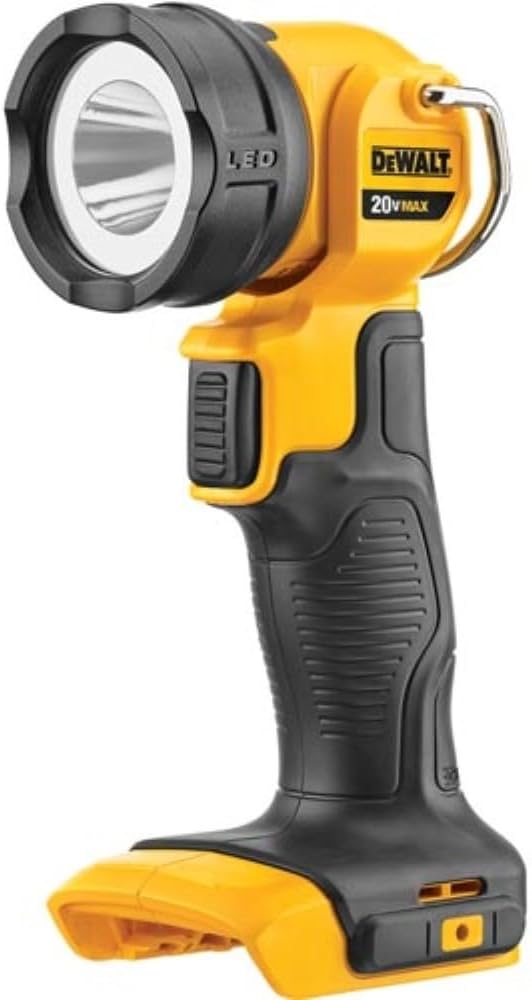
Recommended Tools for This Job


Inspect the Door Jamb Wiring Harness
The rubber boot between the body and door is a common failure point, especially on older vehicles and frequently used driver doors. Wires flex every time the door opens, and broken strands can create intermittent lock, window, speaker, or mirror problems.
Pull the boot back carefully and inspect for cracked insulation, stretched wires, green corrosion, or fully broken conductors. If the lock problem comes and goes depending on door position, this area deserves close attention.
- One dead door lock plus other dead door functions often points to wiring in the jamb.
- Intermittent operation when the door is moved is a strong clue of wire breakage.
- A new actuator will not fix a power or ground issue caused by a broken harness.
How to Tell if the Latch, Actuator, or Handle Is the Real Fault
Use the symptom pattern to narrow the failure instead of guessing. Replacing the wrong part is common because the door lock system overlaps mechanically and electrically.
- A bad latch often shows up as a door that will not stay shut, will not release even though the handles move, or feels rough and sticky during manual testing.
- A bad actuator usually shows up as weak or absent power lock movement while manual locking and unlatching still work.
- A bad handle or broken linkage clip usually affects only one handle, while the other handle still opens the door.
- A wiring or switch issue usually prevents electrical operation but does not change the basic mechanical feel of the latch.
- A misaligned striker or sagging door causes hard closing, bounce-back, or the need to lift or slam the door.
When Lubrication and Adjustment Are Enough
If the latch is only sticky from age, dirt, or dried grease, cleaning and lubrication may restore normal operation. Apply lubricant to pivot points and latch surfaces, then cycle the latch repeatedly by hand. Wipe away excess so it does not attract debris.
Minor striker adjustment can help if the door is close but not quite aligned. Mark the current striker position before loosening it so you can return to baseline if needed. Move it in very small increments and retest. Large adjustments without confirming hinge condition can create wind noise, poor sealing, or harder closing.
When Replacement Is the Better Fix
Replace the latch assembly if it will not reset, binds badly after lubrication, has internal wear, or will not reliably hold the door closed. Replace the actuator if correct power and ground reach it but movement is weak or absent. Replace handles, rods, cables, or clips when they show obvious breakage or excessive looseness.
On many modern vehicles, the actuator and latch are integrated into one module. In that case, a lock motor failure may mean replacing the full latch assembly. Always compare the old unit carefully before installation and test lock and release operation with the panel still off.
When to Stop and Get Professional Help
Some door problems are better handled by a professional, especially when the door is stuck closed and access is limited, the vehicle has side airbag components in the door, or diagnosis points to a body control module or security system issue.
- The door is fully shut and neither handle works, leaving very limited access.
- The latch or striker area shows collision damage or major door sag.
- You have no actuator voltage but fuses and switches appear good, suggesting network or module diagnosis.
- The repair requires programming, anti-theft relearn, or advanced trim disassembly you are not comfortable with.
Key Takeaways
- A door that will not stay closed usually points to a sticky or failed latch or poor striker alignment, not a power lock issue.
- If only one handle fails, inspect that handle’s rod, cable, and retaining clips before replacing the latch.
- If manual locking works but power locking does not, test actuator power and inspect the door jamb wiring harness.
- Lubrication can fix a sticky latch, but a latch that will not reset or hold securely should be replaced.
- Always compare symptoms on the bad door to a working door to spot abnormal movement, feel, and sound faster.
FAQ
Why Does My Car Door Lock Work Manually but Not with the Power Lock Button?
That usually points to an electrical problem rather than a purely mechanical latch problem. Common causes include a failed actuator, broken wiring in the door jamb, a bad switch, or a blown fuse. If voltage reaches the actuator when commanded and it still does not move properly, the actuator is likely faulty.
Why Won’t My Car Door Latch when I Close It?
The latch may be stuck in the closed position, dirty, dry, worn out, or misaligned with the striker. Check whether the latch can be reset by pulling the handle while rotating it back open. If it still will not catch smoothly, inspect for latch damage or door alignment issues.
Can a Bad Actuator Keep a Door From Opening?
Yes, if the actuator leaves the lock mechanism stuck in the locked position, but many no-open situations are caused by a failed latch or disconnected linkage instead. If the handles move normally but the door stays shut, the latch itself may be the bigger suspect.
What Causes a Door to Only Open From the Inside or Only From the Outside?
That usually means the non-working handle has a broken handle lever, disconnected rod, stretched cable, or failed retainer clip. On rear doors, also check the child safety lock before removing trim.
Is It Safe to Lubricate a Car Door Latch?
Yes, as long as you use an appropriate lubricant and avoid soaking electrical connectors. Lubrication is a good first step for a sticky latch, but it will not repair broken internal latch parts, failed actuators, or bent linkage.
How Do I Know if My Door Striker Is Out of Alignment?
Look for a door that must be slammed, bounces back open, sits unevenly, or shows shiny rub marks around the striker or latch. A sagging door or worn hinges can also cause the latch to meet the striker at the wrong angle.
Do I Need to Remove the Door Panel to Diagnose the Problem?
Not always. You can often identify a stuck latch, misaligned striker, engaged child safety lock, or weak actuator sound from outside the panel. But if the issue involves a handle, linkage, actuator power test, or broken clip, door panel removal is usually necessary.
Need Parts for This Repair?
The right parts and supplies vary by vehicle.
Select your make and model to find compatible parts and accessories for your car.
Exact Fit
Parts that fit your make and model
Quality You Can Trust
Top brands and OEM quality options
Fast Shipping
Get the parts you need, delivered fast