

Note: This article contains affiliate links. If you click on these links and make a purchase, I may earn a small commission at no extra cost to you. This helps support my research and content. Read my full affiliate disclosure here.
Picking the right Toyota Highlander winter tire matters because cold temperatures, snow, and ice change how your SUV grips the road. The correct tire improves traction, braking, and steering predictability in winter conditions, which makes daily driving and longer trips safer.This guide highlights six shortlisted winter tire options chosen for common Highlander fitments and driving priorities. We evaluated each tire on snow and ice traction plus wet-braking performance, so you can quickly find the style of winter tire that matches your driving and local conditions.
Looking for other parts? See all Toyota Highlander parts & accessories.
Top Picks at a Glance
| Best Reviewed A top-rated pick with lots of positive feedback | Firestone Winterforce 2 UV Studdable Winter Tire 225/70R16 |  |
| Best Quality Built to a higher standard if you want something more solid | Bridgestone Blizzak DM-V2 Winter Tire — 245/65R17 | 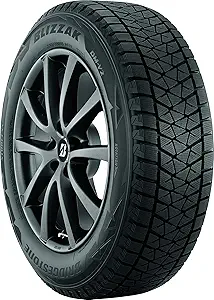 |
| Best Budget The cheapest option that still gets the job done reliably | Cooper Discoverer True North Winter Tire (245/65R17 107T) |  |
| Most Sold A high-volume bestseller chosen again and again | Goodyear Winter Command Ultra Winter Tire 225/65R17 |  |
| Best Value for Money The sweet spot between price and what you get | General Altimax Arctic 12 Studdable Winter Tire (225/70R16) |  |
| Best Overall The best all-around choice for most situations | Cooper Evolution Winter 245/55R19 103T Tire |  |
1. Firestone Winterforce 2 UV Studdable Winter Tire 225/70R16

| Size | 225/70R16 |
|---|---|
| Load Capacity | 1929 Pounds |
| Tread Depth | 12 32nds |
| Construction Type | Radial |
| Tread Type | Open Tread Design |
The Firestone Winterforce 2 UV is a winter tire designed to give Highlander drivers improved traction in snow and icy conditions. It uses a cold-weather rubber compound, deep siping and open shoulder slots to bite into snow while the 3-Peak Mountain Snowflake certification indicates it meets established winter performance standards. This size is typical for Highlander fitments and can be installed as a dedicated winter set for seasonal use. The tire accepts studs for extra grip on ice and the full-depth tread features are intended to preserve performance over multiple winters. In real-world use you can expect stronger braking and better low-speed control on packed snow compared with all-season tires, plus the option to add studs on very icy routes. Expect a firmer ride and more road noise than an all-season tire, and like most winter compounds it will wear faster in warm conditions so it is best used only during cold months.
Best for: Reliability-focused Highlander owners who prioritize predictable winter traction and want a dedicated seasonal tire set to maintain safe daily driving in snow and ice.
Less Ideal for: Drivers who need a quiet, fuel-efficient tire for year-round highways or who rarely encounter winter conditions should choose a touring all-season or all-weather tire instead.
- 3-Peak Mountain Snowflake certification for verified winter traction
- Studdable design option for enhanced ice grip
- Full-depth tread and deep sipes aimed at longer winter tread life
- Cold-weather compound that improves grip in low temperatures
- Not intended for year-round use and will wear faster in warm conditions
- Typically louder and firmer than highway all-season tires
Verdict A reliable, studdable winter tire option for Toyota Highlander owners who want strong snow and ice performance from a dedicated seasonal tire.
2. Bridgestone Blizzak DM-V2 Winter Tire — 245/65R17

| Size | 245/65R17 |
|---|---|
| Load Capacity | 2150 Pounds |
| Tread Depth | 13 32nds |
| Tread Type | Directional |
| Construction Type | Radial |
The Bridgestone Blizzak DM-V2 is a winter tire built to deliver confident stopping and better control in snowy and icy conditions for SUVs like the Toyota Highlander that use 245/65R17 tires. It uses a next-generation multicell compound with a hydrophilic coating to disperse surface water on ice and a directional tread pattern with 15 percent more block edges to increase bite in snow and slush. In practice this translates to shorter braking distances on packed snow, improved straight-line ice traction and a more stable contact patch under braking and cornering. The design favors winter grip over year-round wear, so tread life and dry-road performance will be lower than an all-season tire. Buyers should also expect a firmer ride and slightly higher rolling resistance typical of dedicated winter rubber. Installation is straightforward for Highlander fitment, and the Blizzak’s winter-oriented cues make it a sensible performance-focused choice when cold-season traction is the priority.
Best for: Performance-oriented Toyota Highlander owners who prioritize maximum winter traction and braking confidence during cold months.
Less Ideal for: Drivers who want an all-season tire for year-round use or who prioritize long tread life and a softer ride over peak winter performance.
- Engineered multicell compound improves traction on ice by displacing surface water.
- Directional tread with increased block edges enhances snow bite and braking on packed snow.
- Optimized contact patch for more uniform pressure and improved stability under winter braking.
- Designed specifically for winter conditions so dry-road handling and tread life are reduced compared with all-season tires.
- Likely firmer ride and higher rolling resistance compared with touring or all-season tires.
Verdict If you need top-tier winter traction for a Highlander in snow and ice, the Blizzak DM-V2 is a focused performance choice; skip it if you need an all-season compromise.
3. Cooper Discoverer True North Winter Tire (245/65R17 107T)

| Size | 245/65R17 |
|---|---|
| Load Capacity | 2149 Pounds |
| Tread Depth | 11 32nds |
| Maximum Pressure | 44 PSI |
The Cooper Discoverer True North is a dedicated winter tire made for drivers who face slush, packed snow, and occasional black ice. It uses a winter-specific compound and dense siping to boost grip on icy surfaces while Snow Groove Technology helps build snow-on-snow traction for better braking and acceleration in deep conditions. The asymmetrical tread and noise-dampening structures keep highway rides relatively quiet for a winter tire, which makes it convenient for daily Highlander commuters. It carries the Three-Peak Mountain Snowflake severe-weather rating, so it meets accepted standards for severe snow service. On the downside, some users report accelerated wear under heavy use, so expect shorter tread life than premium winter options if you do extensive snowy driving or have aggressive alignment settings. Fitment should be checked for Highlander trims that use 245/65R17 tires, and professional mounting and alignment are recommended to get the best life and handling.
Best for: Budget-conscious Highlander drivers who prioritize winter grip and on-road comfort for daily commuting and occasional regional snowstorms.
Less Ideal for: Drivers seeking the longest-lasting tread life or extreme off-road winter capability should consider higher-end or specialized winter tires instead.
- Severe-weather 3PMSF certification for verified snow performance
- Snow Groove Technology and high-density siping improve traction on snow and ice
- Designed to be quieter on highways than many winter tires
- Asymmetrical tread allows non-directional rotation for easier tire rotations
- Some reports of faster-than-expected front tread wear under heavy use
Verdict A cost-conscious winter tire that delivers certified snow performance and quiet highway manners for Highlander drivers, but expect shorter tread life than premium winter options.
4. Goodyear Winter Command Ultra Winter Tire 225/65R17
| Size | 225/65R17 |
|---|---|
| Tread Type | Directional |
| Tread Depth | 11 32nds |
| Maximum Pressure | 51 PSI |
| Construction Type | Radial |
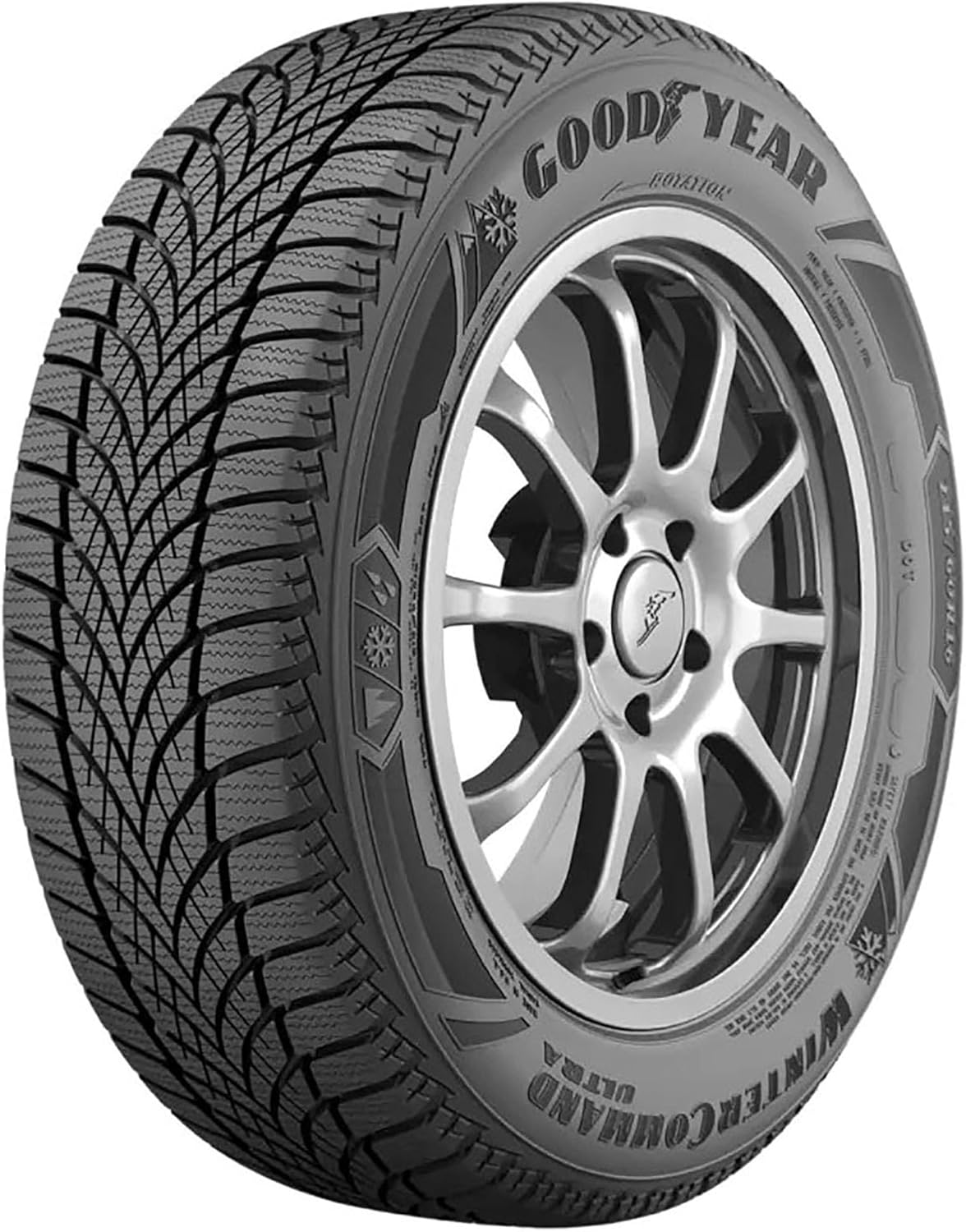
The Goodyear Winter Command Ultra is a studless winter tire engineered for sedans, coupes, CUVs, and minivans and is a reasonable option for a Toyota Highlander equipped with 225/65R17 wheels. It uses a cryo-adaptive rubber compound and directional tread with angled grooves and open shoulders to stay flexible below freezing, evacuate water and slush, and reduce hydroplaning risk. Strategically placed sipes boost bite for improved braking and acceleration on packed snow and icy patches, while the directional pattern helps with stability at higher speeds. Typical use is seasonal: fit these for winter months and switch back when temperatures stay consistently above about 45 F. The tire is a focused winter design, so you should expect thicker tread and winter-optimized handling but somewhat harsher road noise and lower rolling efficiency compared with all-season tires. Also remember winter tires need proper seasonal installation and alignment to perform as intended on a Highlander.
Best for: Risk-averse mainstream buyers who prioritize winter safety and predictable traction on a Toyota Highlander and prefer a factory-quality winter tire for seasonal use.
Less Ideal for: Drivers who want a year-round tire or who prioritize the quietest, most fuel-efficient ride should consider all-season or touring tires instead.
- Studless winter compound that stays flexible in subfreezing temperatures for better grip on cold pavement
- Directional tread with grooves and open shoulders that help evacuate water, snow, and slush to reduce hydroplaning
- Multiple sipes to increase traction for acceleration and braking on snow and ice
- Designed for passenger CUVs and similar vehicles, making sizing and load characteristics suitable for many Highlander setups
- Optimized for winter performance so it will have higher rolling resistance and more road noise than equivalent all-season tires
- Not intended for use when temperatures are consistently above 45 degrees Fahrenheit, requiring seasonal changeover
Verdict A winter-focused, studless tire built to give cautious Highlander drivers reliable cold-weather traction at the expense of some noise and fuel efficiency.
5. General Altimax Arctic 12 Studdable Winter Tire (225/70R16)

| Size | 225/70R16 |
|---|---|
| Tread Type | Directional |
| Load Capacity | 3197 Pounds |
| Load Range | XL |
| Construction Type | Radial |
The General Altimax Arctic 12 is a winter touring tire built to improve traction and braking in snow, slush, and icy conditions for vehicles like the Toyota Highlander. It is studdable where allowed and carries the 3-Peak Mountain Snowflake symbol, which indicates capability in severe snow service. Typical use is seasonal: swap these onto Highlander wheels for winter months to get noticeably better grip and shorter stopping distances compared with all-season tires. Notable features include directional tread for water and slush evacuation, a rim protector, and a 72-month limited treadwear coverage plus a 45-day trial period. In practice the tire delivers confident snow performance and predictable steering in low temperatures, though some drivers report a firmer ride and a small fuel economy penalty versus all-season rubber. If you expect extreme performance on ice or aggressive winter driving, premium dedicated winter tires will still be superior, but this model represents a balanced, value-oriented choice that boosts winter safety for a Highlander without a large price premium.
Best for: A practical optimizer looking to get reliable winter traction for a Toyota Highlander without overspending, prioritizing safety and long-term value over peak track performance.
Less Ideal for: Drivers who need the highest-possible ice performance or who frequently drive in extreme arctic conditions should consider premium winter tires or studded factory-quality alternatives.
- Meets 3-Peak Mountain Snowflake standard for severe snow service.
- Studdable design where studs are permitted for added ice traction.
- Directional tread pattern that helps evacuate slush and improve wet braking.
- 72-month limited treadwear coverage and a 45-day trial period provide buyer protection.
- May feel firmer and slightly bouncier than many all-season tires on dry roads.
- Some drivers report a small decrease in fuel economy compared with all-season tires.
- Not the absolute top performer on black ice compared with premium winter-specific models.
Verdict A budget-conscious winter tire that gives Toyota Highlandander drivers solid snow and slush performance with studdable capability and long tread coverage.
6. Cooper Evolution Winter 245/55R19 103T Tire

| Size | 245/55R19 103T |
|---|---|
| Tread Type | Directional |
| Tread Depth | 14 32nds |
| Maximum Pressure | 44 PSI |
| Construction Type | Radial |
The Cooper Evolution Winter is a purpose-built winter tire intended to improve traction and control on snow, slush, and ice. Its directional tread, sawtooth center rib, and multi-angled corrugated siping give many biting edges for braking, acceleration, and cornering in deep snow. Snow Groove Technology helps the tread retain snow for improved snow-on-snow traction, and the tire is studdable for drivers who want extra ice performance. In real-world use it feels planted on steep or packed snow surfaces and remains reasonably quiet on dry pavement for a winter specialist. Practical benefits include enhanced stability at highway speeds in winter conditions and a Severe Weather 3PMSF rating that meets winter performance expectations. Limitations are that stud installation is a separate step if you need aggressive ice grip and winter-specific rubber will wear faster and feel less responsive than all-season tires on warm, dry roads. Fitment should be limited to Highlander wheel sizes that accept 245/55R19 tires.
Best for: Balanced all-round buyers who want a dependable, purpose-built winter tire for their Toyota Highlander and prioritize consistent snow and ice performance over year-round versatility.
Less Ideal for: Drivers who mainly encounter mild winters or who prefer a single tire for year-round use should consider all-season or touring options instead.
- Severe Weather Rated with 3PMSF certification for verified snow performance
- Directional tread and multi-angled siping that improve braking and traction in deep snow
- Studdable design option for added ice traction
- Designed to balance winter grip with relatively low road noise
- Wide contact center rib enhances stability at speed
- Requires separate stud installation for maximum ice performance
- Winter rubber compound sacrifices warm-weather handling and accelerates wear on dry roads
Verdict A strong choice for Highlander owners seeking verified deep-snow and ice-capable winter performance, with the option to add studs for extreme ice conditions.
Choosing the Right Toyota Highlander Winter Tire: Key Factors to Consider
Tire Size and Fitment
Correct tire size and fitment ensure the tire mounts properly and preserves handling characteristics. Using the factory recommended diameter, width, and aspect ratio keeps speedometer accuracy and avoids rubbing or clearance issues.
Check the vehicle placard or owner manual for the Highlander’s acceptable sizes. If you opt for a different diameter for winter, verify wheel clearance, load rating, and gearing effects. Proper fitment also affects brake clearance and electronic aids calibration, so matching size specifications matters for both safety and system function.
Tread Compound for Low Temperatures
The rubber compound determines how well a tire remains flexible in cold weather. Winter-specific compounds stay pliable at low temperatures, which helps the tread conform to the road and maintain grip on ice and packed snow.
A compound that hardens in the cold will lose traction quickly, increasing stopping distances and reducing control. Consider tires engineered for sustained cold performance rather than seasonal or all-season compounds if you frequently encounter freezing temperatures.
Tread Pattern and Siping
Tread pattern and siping create the biting edges needed for traction on snow and ice. Directional or asymmetric patterns can channel slush and water away from the contact patch, while dense siping improves contact on ice.
Look for patterns that balance snow evacuation with surface contact area. Aggressive block patterns improve deep-snow traction but may increase road noise, whereas designs optimized for ice will have more fine sipes and softer compounds to cling to slick surfaces.
Studded Versus Studless Options
Studded winter tires add metal studs for additional bite on ice, which can significantly improve stopping on hard-packed ice. However, studs can increase road noise and may be restricted or prohibited in some areas.
Studless tires use specialized compounds and tread features to deliver strong ice performance without metal studs. Choose studded if you regularly encounter untreated icy roads and local regulations permit them. Otherwise, modern studless designs often provide a good compromise for mixed winter conditions.
Load Capacity and Speed Rating
Load capacity and speed rating must meet or exceed the vehicle manufacturer’s specifications. Higher load ratings ensure the tire can safely carry the vehicle’s weight plus cargo and passengers, especially on an SUV like the Highlander.
Using a tire with an insufficient load index can lead to premature wear and unsafe handling. Speed ratings indicate the tire’s tested performance envelope and should be suitable for your typical driving speeds while prioritizing winter traction over high-speed performance.
Installation and Maintenance Considerations
Proper installation, balancing, and alignment keep winter tires performing as intended. Rotating a dedicated winter tire set and maintaining correct inflation preserves tread life and even wear patterns.
Be prepared for seasonal mounting or storage logistics if you swap between winter and summer wheels. Also factor in the need for periodic pressure checks, as cold air reduces tire pressure, and keep an eye on tread depth to know when replacement is needed.
FAQ
When should I switch to winter tires on a Toyota Highlander?
Switch when average daily temperatures consistently fall below about 45 degrees Fahrenheit, since rubber compounds in winter tires perform better in the cold. Also consider local snowfall and icy conditions. Many drivers change tires in late fall and revert in early spring, adjusting timing for your local climate and road conditions.
Are studded winter tires necessary for an SUV like the Highlander?
Studded tires can help on hard-packed ice and in regions with frequent untreated icy roads, but they add noise and may be restricted by local laws. Modern studless winter tires often provide excellent ice and snow performance for most drivers while avoiding stud-related drawbacks.
How does winter tire tread depth affect performance?
Deeper tread and more aggressive siping improve snow traction and can help channel slush away from the contact patch. However, compound and pattern matter too. Monitor tread depth regularly because worn winter tires lose their ability to bite into snow and ice, reducing braking and cornering effectiveness.
Can I use all-season tires instead of winter tires for the Highlander?
All-season tires can handle light, infrequent winter conditions but usually lack the low-temperature flexibility and specialized tread needed for consistent snow and ice performance. If you face regular winter weather, dedicated winter tires usually offer noticeably better traction and shorter stopping distances.
How do I choose the right winter tire size fitment for my Highlander?
Use the sizes listed on the vehicle placard or owner manual as a starting point, and confirm the wheels you plan to use are rated for that size. If considering alternate sizes for winter, ensure proper load rating, clearance, and that the overall diameter stays close to factory recommendations to avoid speedometer and stability issues.
What maintenance is important for winter tires?
Maintain correct tire pressures, as cold temperatures reduce inflation levels. Rotate tires per recommended intervals to promote even wear, and check tread depth periodically. Also store the off-season set in a cool, dry place away from direct sunlight to preserve compound life.
How We Chose the Best Toyota Highlander Winter Tire
Our selection focused on tires that suit common Toyota Highlander wheel sizes and the demands of winter driving in varied climates. We prioritized measurable performance factors that affect real-world safety and usability, including snow traction, ice braking, wet-road stopping distance, tread compound performance in low temperatures, and tread design for slush evacuation and biting edges.We also considered durability and expected tread life in cold use, ride comfort and noise for everyday driving, and availability in typical Highlander diameters and aspect ratios. Tires that required nonstandard fitment or were primarily designed for racing or off-road use were excluded. We did not include tires meant only for extreme competition or summer-focused compounds. The final picks balance winter grip, predictable handling, and practical fitment for most Highlander owners.
Our full evaluation process is outlined in our review methodology.
Conclusion
When choosing a Toyota Highlander winter tire, prioritize fitment, low-temperature compound performance, and a tread design suited to your typical winter conditions. Decide between studded and studless based on local ice frequency and regulations, and ensure load and speed ratings meet vehicle requirements.Balance traction needs against ride comfort and noise, and plan for seasonal installation and maintenance. Focusing on these tradeoffs will help you find a winter tire that improves safety and confidence during cold-weather driving.
Explore More:
- Check out all Toyota Highlander parts & accessories
- Explore Winter Tires Maintenance & Repair Guides
- Explore Wheels & Tires
- Browse all Auto Parts
