

Note: This article contains affiliate links. If you click on these links and make a purchase, I may earn a small commission at no extra cost to you. This helps support my research and content. Read my full affiliate disclosure here.
If you drive a Nissan Rogue in cold climates, choosing the right winter tire can make daily trips safer and more predictable. Snow, slush, and cold pavement change how a vehicle handles and brakes, so a purpose-built winter tire matters for traction, braking distance, and driver confidence.This guide presents our five shortlisted options for Nissan Rogue winter tire fitment. We evaluated each choice for wet and icy traction, tread life potential, and ride comfort to help you pick the right set for your driving pattern and local conditions.
Looking for other parts? See all Nissan Rogue parts & accessories.
Top Picks at a Glance
| Best Reviewed A top-rated pick with lots of positive feedback | NEXEN Winguard Winspike 3 Studdable Winter Tire (195/65R15) |  |
| Best Quality Built to a higher standard if you want something more solid | Cooper Discoverer True North Winter Tire — 225/55R18 |  |
| Best Budget The cheapest option that still gets the job done reliably | Pirelli Scorpion Winter 2 Passenger Tire 235/60R18 |  |
| Most Sold A high-volume bestseller chosen again and again | Goodyear Winter Command Ultra winter tire — 225/65R17 |  |
| Best Overall The best all-around choice for most situations | Pirelli Scorpion Winter 235/65R17 Tire |  |
1. NEXEN Winguard Winspike 3 Studdable Winter Tire (195/65R15)

| Size | 195/65R15 |
|---|---|
| Tread Type | Directional |
| Construction Type | Radial |
| Special Features | Studdable |
| Tread Depth | 11 32nds |
The NEXEN Winguard Winspike 3 is a studdable winter tire designed to improve traction, handling, and control in snow, ice, slush, and wet conditions. For a Nissan Rogue, it is used as a seasonal swap to replace all four tires for winter driving and can accept optional studs for tougher ice. The tire’s directional tread with deep grooves helps evacuate water and slush while dense siping and a winter-specific compound keep the tread flexible in sub-freezing temperatures, which supports grip on packed snow and icy roads. It carries the Three-Peak Mountain Snowflake certification for severe winter performance and is offered in common passenger sizes that fit small SUVs. Practical benefits include improved winter confidence, the option to add studs for extra ice control, and coverage through Nexen’s Total Coverage Warranty. Limitations to consider are that studdable tires can be louder and wear differently if studs are used, wet performance on bare roads is only average, and some users have reported isolated quality issues like unexplained flats that may warrant inspection before mounting.
Best for: Reliability-focused buyers who prioritize winter traction and predictable seasonal performance for their Nissan Rogue and want a tire that can be upgraded with studs for icy conditions.
Less Ideal for: Drivers who need the quietest possible ride year-round or who will run these tires in warm months should consider all-season or dedicated touring options instead.
- Studdable design allows adding studs for superior grip on ice
- Directional tread and deep grooves shed water and slush effectively
- Dense siping and winter compound maintain flexibility and snow traction
- Three-Peak Mountain Snowflake certification for severe winter conditions
- Some reviewers report isolated quality problems such as unexplained flats
- Wet-road performance on thawed pavement is only average
Verdict A studdable, 3PMSF-certified winter tire that gives Nissan Rogue drivers strong snow and ice capability with the option to add studs, but expect average wet performance and occasional quality variability.
2. Cooper Discoverer True North Winter Tire — 225/55R18

| Size | 225/55R18 98H |
|---|---|
| Tread Type | Asymmetrical |
| Construction Type | Radial |
| Load Capacity | 1653 Pounds |
| Certification | Three-Peak Mountain Snowflake (Severe Weather Rated) |
The Cooper Discoverer True North is a dedicated winter tire built to give Nissan Rogue drivers confident control on snow, slush, and treated roads. It uses a winter-specific compound and dense siping to improve grip on ice and the Three-Peak Mountain Snowflake certification shows it meets severe-snow performance tests. Snow Groove Technology traps snow in the tread for snow-on-snow traction while asymmetrical tread elements and noise-dampening features help keep highway rides composed and quiet during daily commutes. This tire is aimed at drivers who prioritize stopping distance and traction in winter storms rather than year-round versatility. Installation is standard for a Rogue with 18-inch wheels, and the non-directional design lets you rotate tires without remounting. Expect excellent winter braking and traction on plowed routes and better resistance to slippage on black ice, though buyers should plan seasonal mounting and accept that dedicated winter rubber will wear faster in warm conditions and is not optimized for dry summer performance.
Best for: Performance-oriented buyers who prioritize maximum winter traction and braking for safe, confident commuting in snowy or icy conditions on their Nissan Rogue.
Less Ideal for: Drivers who want a single set of tires for year-round use or who rarely encounter snow should consider all-season or all-weather alternatives instead.
- Designed and compounded specifically for severe winter conditions with 3PMSF certification
- Snow Groove Technology and high-density siping improve snow-on-snow and icy traction
- Asymmetrical, non-directional tread reduces road noise and allows tire rotation without dismounting
- Shorter stopping distances on snow compared with typical all-season tires
- Dedicated winter compound will wear faster if used on warm, dry pavement
- Not intended for year-round use so you must swap tires seasonally
- Some users report uneven front wear in certain setups which may require attention to alignment
Verdict If you drive a Nissan Rogue in real winter conditions and want top-tier snow and ice performance, the Discoverer True North delivers focused traction and braking at the cost of seasonal use and quicker wear in warm weather.
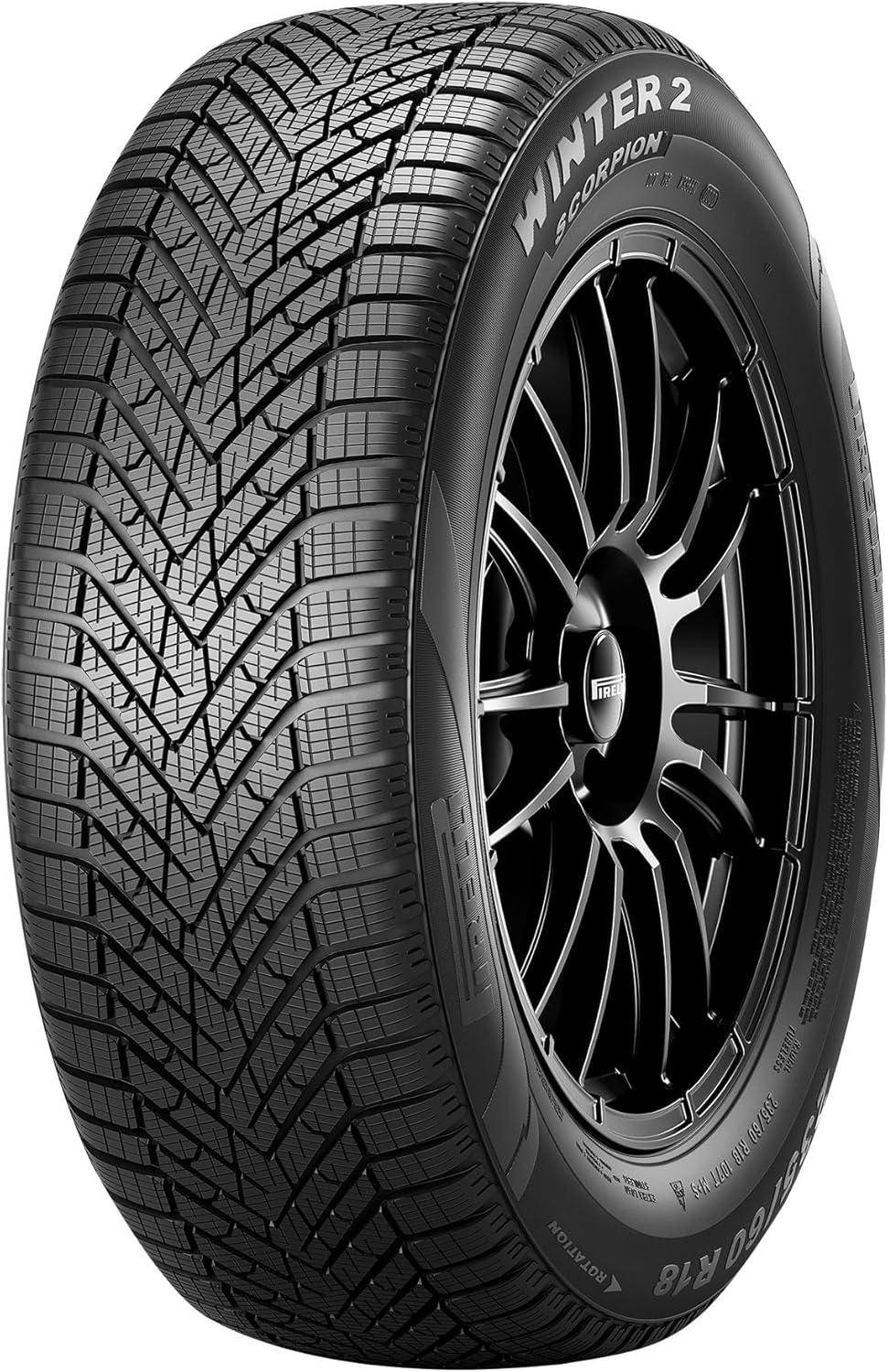
3. Pirelli Scorpion Winter 2 Passenger Tire 235/60R18
| Size | 235/60R18 |
|---|---|
| Tread Type | Directional |
| Tread Depth | 10 32nds |
| Maximum Pressure | 51 Pound per Square Inch |
| Construction Type | Radial |
The Pirelli Scorpion Winter 2 is a directional winter tire designed for crossover and SUV use that targets confident winter traction without a premium price. It uses a V-shaped directional tread and snow-trapping edges to pull packed snow into the pattern for better grip, and it carries the Three-Peak Mountain Snowflake certification for severe winter conditions. The tread design also channels water, slush, and melting snow to lower hydroplaning risk while the optimized compound and construction aim to reduce rolling resistance for slightly improved fuel economy. For a budget-focused buyer, it delivers solid seasonal performance and likely lasts reasonably well thanks to its radial construction. Limitations include its temperature sensitivity — it is not intended for use above roughly 45 degrees Fahrenheit — and buyers who want the absolute best snow or ice braking may prefer a studdable or dedicated extreme winter tire. Installation on a Nissan Rogue is straightforward but plan to swap to all-season or summer tires when temperatures rise.
Best for: Budget-conscious drivers who want a factory-quality winter tire for a Nissan Rogue and prioritize dependable snow-season traction without paying for a premium performance winter model.
Less Ideal for: Drivers who need maximum ice braking or year-round tires should consider studdable specialty winter tires or switching to dedicated summer/all-season tires instead.
- Three-Peak Mountain Snowflake certification for severe winter conditions
- Directional V-shaped tread and snow-trapping edges improve traction in snow and slush
- Tread design helps resist hydroplaning by channeling water and slush away
- Lower rolling resistance design can help with fuel efficiency compared with typical winter tires
- Not intended for use above approximately 45 degrees Fahrenheit, limiting warm-weather use
- Not a studdable extreme-ice tire, so braking on hard ice may be outperformed by specialty options
Verdict A cost-conscious winter tire for Nissan Rogue drivers that delivers certified snow performance and good wet resistance while keeping rolling resistance low.
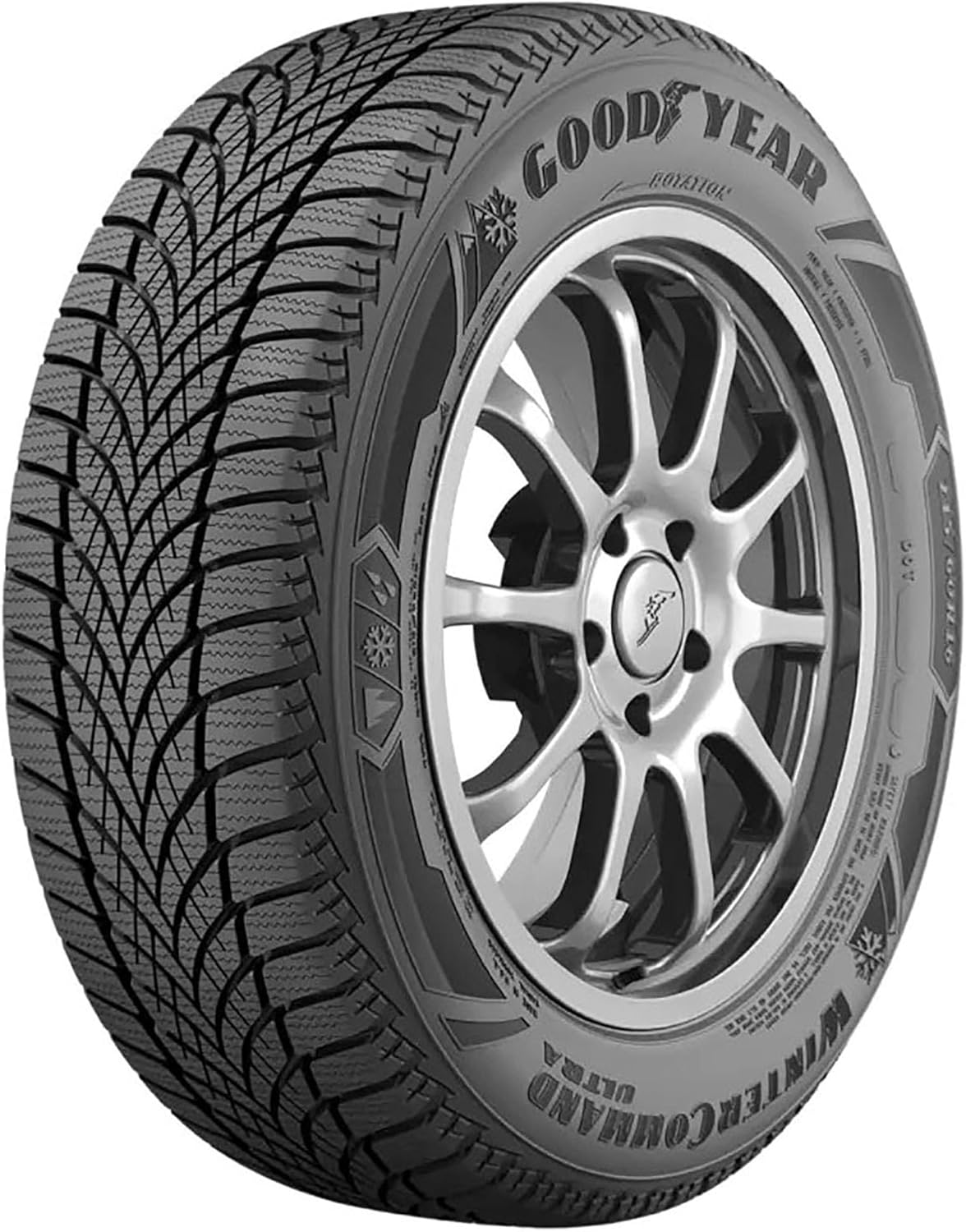
4. Goodyear Winter Command Ultra winter tire — 225/65R17
| Size | 225/65R17 |
|---|---|
| Tread Type | Directional |
| Construction Type | Radial |
| Tread Depth | 11 32nds |
The Goodyear Winter Command Ultra is a studless winter tire intended for sedans, coupes, CUVs and similar vehicles; in this context it fits Nissan Rogue models that take 225/65R17 tires. It uses a cryo-adaptive rubber compound and dense sipes to stay flexible in cold temperatures and bite into snow and ice for better acceleration and shorter stops. The directional V-tread and angled grooves channel water, slush and snow away from the contact patch to reduce hydroplaning risk, and the open shoulder design helps maintain handling at higher speeds. Typical use is seasonal winter driving on salted, slushy, or packed-snow roads where reliable grip and predictable braking are priorities. Expect confident cold-weather performance, but remember studless winter tires trade some dry-warm road comfort and tread life for improved low-temperature traction, so swap them out when temperatures regularly exceed about 45 degrees Fahrenheit.
Best for: Risk-averse mainstream buyers who prioritize predictable winter traction and braking for daily driving in areas with regular snow, slush, and icy roads.
Less Ideal for: Drivers who need a year-round tire or who frequently drive in consistently warm climates should consider a dedicated all-season or summer tire instead.
- Designed for sub-freezing traction with cryo-adaptive rubber to maintain flexibility in cold weather
- Directional V-tread and angled grooves that help evacuate water, slush, and reduce hydroplaning risk
- Dense, strategically placed sipes to improve grip, acceleration, and braking on snow and ice
- Studless design improves winter grip but can wear faster and feel harsher when used in warmer conditions
Verdict A focused studless winter tire that gives Nissan Rogue drivers confident cold-weather traction and hydroplaning resistance, best used only during the winter months.
5. Pirelli Scorpion Winter 235/65R17 Tire

| Size | 235/65R17 |
|---|---|
| Tread Type | Directional |
| Automotive Fit Type | Vehicle Specific Fit |
| Load Range | H |
| UTQG | 400 AA A |
The Pirelli Scorpion Winter in 235/65R17 is a winter-focused tire engineered for SUV use and suits the Nissan Rogue when that size is specified. Its directional, symmetric tread with modular block geometry and circumferential grooves is intended to deliver better snow traction, shorter braking distances on winter surfaces, and improved wet handling. Typical use is cold-weather driving on salted or snowy roads where grip and predictable braking matter more than summer handling. Drivers will notice composed steering and relatively low rolling resistance for a winter tire, plus a tire profile that tends to run quietly for its class. Limitations include being a season-specific tire that will wear faster and feel less responsive in warm weather, and performance depends on correct fitment and maintaining winter tire pressures. Expect good all-around winter performance on a Rogue but not the dry-road agility or year-round mileage of a dedicated all-season touring tire.
Best for: A balanced all-round buyer who prioritizes confident winter traction and consistent braking on a Nissan Rogue without sacrificing refinement and efficiency during cold months.
Less Ideal for: Drivers seeking a single set of tires for year-round use or those who prioritize maximum dry-road sport handling should consider alternative all-season or summer options.
- Directional tread and modular block geometry for improved snow traction and lateral grip
- Circumferential grooves that enhance wet handling and reduce hydroplaning risk
- Designed for shorter braking distances in winter conditions
- Relatively low rolling resistance for a winter tire, aiding fuel efficiency
- Seasonal winter compound will degrade faster and feel less sharp in warm weather
- Not intended for year-round use so requires seasonal tire changeovers
Verdict A well-rounded winter tire choice for Nissan Rogue owners who want reliable snow and wet performance without excessive noise or rolling resistance during cold months.
Choosing the Right Nissan Rogue Winter Tire: Key Factors to Consider
Tire Size and Load Rating
Matching tire size and load rating to your vehicle is essential for safety and proper handling. Using the correct diameter, width, and aspect ratio ensures your speedometer and vehicle dynamics remain accurate, and the load rating confirms the tire can safely carry the Rogue’s weight.
Incorrect sizes or insufficient load ratings can lead to abnormal wear, compromised handling, and potential safety risks. Always consult your vehicle’s placard and verify that the winter tire size fits the stock or aftermarket wheels you plan to use.
Tread Compound and Low-Temperature Flexibility
Winter tire compounds are formulated to stay pliable in cold temperatures, which preserves grip on snow and ice. A compound that stiffens in the cold will lose traction, increasing braking distances and reducing control.
Consider how often you will drive in subfreezing conditions and whether the tire’s rubber is optimized for sustained low temperatures rather than occasional cold snaps. This factor directly affects winter braking, cornering, and overall safety.
Tread Pattern and Siping
Tread design and the density of sipes govern how a tire evacuates slush and bites into snow and ice. Directional and asymmetric patterns can channel water and slush away from the contact patch, while dense siping improves grip on packed snow and ice.
Look at block design, void ratio, and siping detail to understand how a tire will behave in the mix of snow, slush, and wet pavement you expect to encounter. These features also influence road noise and wet traction on cold, dry roads.
Studded Vs Studless Performance
Studded tires add metal studs for added ice traction, while modern studless designs rely on advanced compounds and siping. Studs can greatly improve stopping on bare ice but may damage certain road surfaces and may be restricted by local regulations.
If you frequently encounter hard-glazed ice, studs can be useful. For mixed winter conditions or areas with packed snow and frequent plowing, a well-designed studless tire may offer better overall performance and reduced road wear.
Tread Life and Wear Indicators
Winter tires use softer compounds that typically wear faster than summer tires, so expected tread life is an important tradeoff. Check manufacturer guidance on treadwear and look for wear indicators or siping depth information that signal remaining winter performance.
Balancing longevity with winter traction matters if you want a tire that lasts multiple seasons versus one optimized solely for peak grip. Consider how often you drive and whether you will rotate sets seasonally to extend life.
Installation, Maintenance, and Seasonal Storage
Proper installation and seasonal procedures affect both performance and safety. Correct mounting, balancing, and alignment reduce vibration and uneven wear. Storing your alternate season tires clean and in a cool, dark place preserves the compound between uses.
Also factor in the ease of swapping wheels versus remounting tires each season, and whether stud installation or removal is required. Regular inspections for uneven wear or damage help maintain predictable winter handling.
FAQ
When should I switch to Nissan Rogue winter tire sets?
You should switch when consistent daytime temperatures fall below about 45 degrees Fahrenheit, as winter compounds work best in colder conditions. Also consider local snowfall and the first sustained snow events. Making the change before the first big storm gives you time to confirm fitment and handling.
Are studded winter tires necessary for a Rogue?
Studded tires can improve traction on hard, glazed ice, but they are not needed in all winter conditions. If you frequently drive on untreated icy surfaces, studs may be beneficial, but note that some jurisdictions restrict their use and they can increase road wear.
How do I know the correct winter tire size fitment for my Rogue?
Check the tire placard inside the driver door or the owner manual for original equipment sizes and recommended load ratings. If you plan to change wheel diameter or run a different aspect ratio, ensure the overall circumference remains close to stock to preserve speedometer accuracy and handling.
Do winter tires affect ride comfort and noise?
Winter tires often produce different noise and ride characteristics because of softer compounds and aggressive tread patterns. Some modern designs balance traction with quieter operation, but you can usually expect a modest increase in road noise and a slightly different ride feel compared with all-season tires.
How often should I inspect winter tires during the season?
Check your tires visually every few weeks for uneven wear, cuts, or embedded objects, and monitor tread depth periodically. Proper inflation should be checked more frequently in cold weather because pressure drops with temperature, affecting handling and wear.
How We Chose the Best Nissan Rogue Winter Tire
We focused on tires that match Nissan Rogue load and speed requirements and that are commonly offered in appropriate sizes for this vehicle. Key evaluation criteria included wet and ice traction performance, tread compound designed for low temperatures, expected treadwear longevity, and compatibility with common Rogue wheel sizes and load ratings. We also assessed ride comfort and noise characteristics, plus the availability of winter-specific features like siping and stud-compatibility where applicable.Excluded were tires that are not regularly produced in sizes suitable for the Nissan Rogue, experimental prototypes, or tires with unclear load capacity for this vehicle. We prioritized products with clear technical specifications relevant to winter use and that meet the safety and fitment dimensions typically required by Rogue owners.
Our full evaluation process is outlined in our review methodology.
Conclusion
Prioritize correct size and load rating, a compound suited to sustained cold, and a tread pattern that matches the snow and ice conditions you face. Decide between studded and studless options based on local roads and legal restrictions, and weigh expected tread life against the level of grip you need.Routine installation, inflation checks, and seasonal storage will extend the life and reliability of your winter tires. Choosing the right set for your driving conditions will improve confidence and safety during the cold months.
Explore More:
- Check out all Nissan Rogue parts & accessories
- Explore Winter Tires Maintenance & Repair Guides
- Explore Wheels & Tires
- Browse all Auto Parts
