

Note: This article contains affiliate links. If you click on these links and make a purchase, I may earn a small commission at no extra cost to you. This helps support my research and content. Read my full affiliate disclosure here.
When winter weather arrives, the right tires make a measurable difference in safety and drivability. For Hyundai Elantra owners, choosing winter tires tailored to the vehicle’s size and handling helps you maintain steering response, shorter braking distances on snow, and more consistent traction in icy conditions. This guide covers a short list of top picks for the Elantra, each shortlisted for their cold-weather performance and durability.We evaluated candidates based on braking and cornering on snow and ice, compound longevity, tread design, and fitment options to ensure the selections suit typical Elantra wheel sizes. Read on to see which options made the list and why they were chosen.
Looking for other parts? See all Hyundai Elantra parts & accessories.
Top Picks at a Glance
| Best Reviewed A top-rated pick with lots of positive feedback | NEXEN Winguard Winspike 3 Winter Tire (205/55R16) |  |
| Best Quality Built to a higher standard if you want something more solid | Cooper Evolution Winter 215/45R17 XL 91H Tire |  |
| Most Sold A high-volume bestseller chosen again and again | Cooper Discoverer True North Winter Tire — 225/45R17 XL |  |
| Best Overall The best all-around choice for most situations | General Altimax Arctic 12 Studdable Winter Tire (195/65R15) |  |
1. NEXEN Winguard Winspike 3 Winter Tire (205/55R16)

| Size | 205/55R16 |
|---|---|
| Tread Type | Directional |
| Tread Depth | 11 32nds |
| Construction Type | Radial |
| Special Features | Studdable |
The NEXEN Winguard Winspike 3 is a studdable winter tire built to deliver strong winter traction for a small car like the Hyundai Elantra. It uses an advanced winter rubber compound and dense siping to keep the tread flexible in sub-freezing temperatures and bite into snow, while the directional pattern and deep grooves evacuate water and slush to reduce hydroplaning risk. It is Three-Peak Mountain Snowflake certified, so it is intended for moderate to severe winter conditions rather than light cold-weather use. Practical benefits for an Elantra include predictable grip in packed snow, better starts on steep driveways, and the option to add studs for icy commutes. Downsides are that the soft compound will wear faster if used year-round and wet-road handling and noise are not as refined as premium winter tires. Also the tires may not ship pre-studded, so stud installation is an extra step.
Best for: Drivers prioritizing winter reliability for daily driving and commuting who want a tire that focuses on consistent traction and control in snow and ice.
Less Ideal for: Drivers seeking a quiet, year-round tire or those who rarely encounter snow and ice should consider alternatives tuned for wet comfort and longer tread life.
- Three-Peak Mountain Snowflake certified for true winter conditions
- Studdable design allows added ice grip when needed
- Directional tread with deep grooves improves slush and water evacuation
- Dense siping increases road bite on snow and packed ice
- Softer winter compound will accelerate wear if driven in warm months
- Wet-road performance and cabin noise are not as refined as premium competitors
- Tires are sold un-studded so studs must be added separately if desired
Verdict A focused winter tire offering strong snow and ice traction for an Elantra, best when used seasonally and studded for icy routes.
2. Cooper Evolution Winter 215/45R17 XL 91H Tire
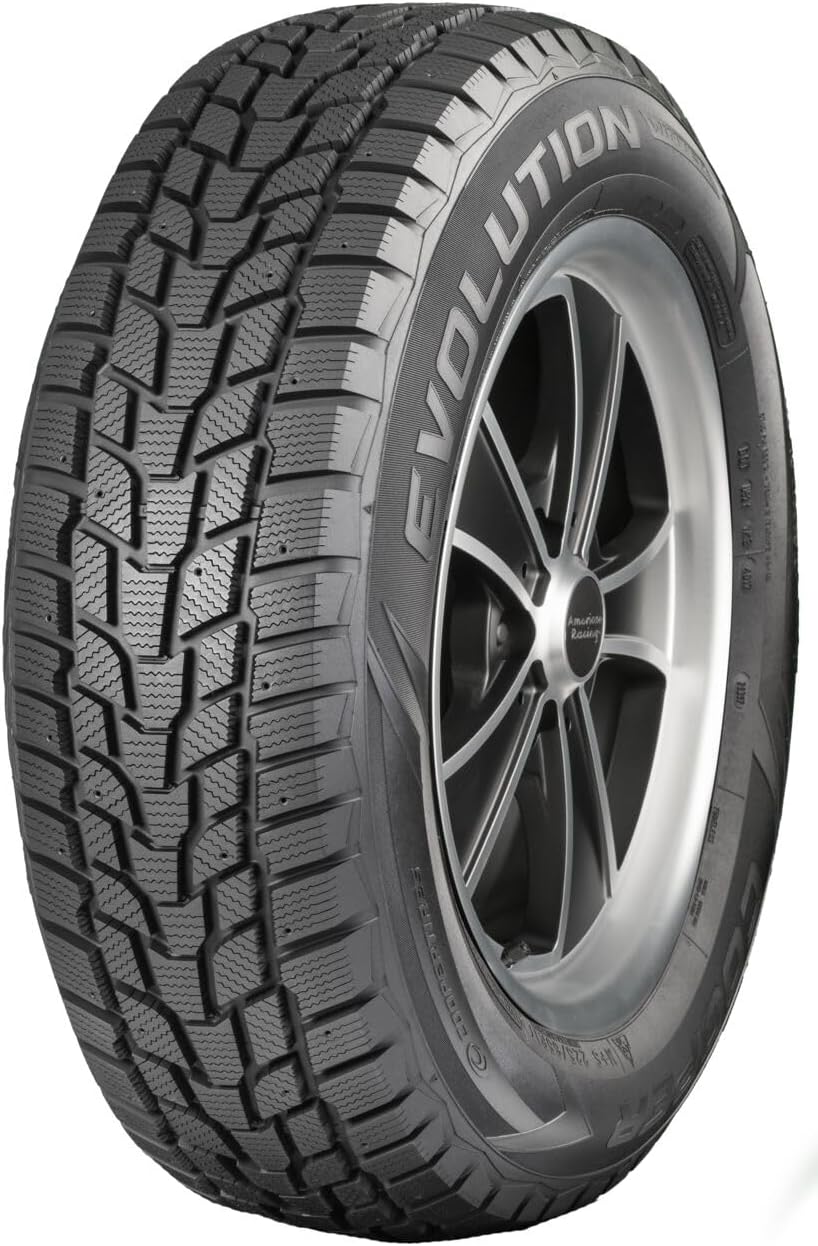
| Size | 215/45R17XL 91H |
|---|---|
| Load Capacity | 1356 Pounds |
| Tread Type | Directional |
| Seasons | Year Round |
| Speed Rating | H |
The Cooper Evolution Winter 215/45R17 XL is a purpose-built winter tire aimed at drivers who need confident performance in deep snow and on icy roads. On a Hyundai Elantra with 17-inch wheels, this tire uses a directional tread, multi-angled siping, and Snow Groove Technology to trap snow in the tread for improved snow-on-snow grip, while the wide contact center rib helps stability during highway driving. It is 3PMSF severe-weather rated and can be studded for additional ice traction, which is useful for performance-oriented drivers who face untreated roads or steep, icy grades. Expect strong acceleration, braking, and cornering in packed snow and better control than most all-seasons, plus reasonably low road noise for a winter tire. The main compromises are that winter rubber typically wears faster in warm conditions and studding requires extra work or a shop to install studs, so these are best used seasonally rather than year-round on an Elantra.
Best for: Performance-oriented Hyundai Elantra drivers who prioritize maximum winter traction and control on snow and ice and are willing to mount a dedicated winter set for the season.
Less Ideal for: Drivers who keep one set of tires year-round, rarely encounter deep snow or ice, or who prefer a low-maintenance all-season solution.
- Severe-weather 3PMSF certification ensures validated performance in heavy snow
- Directional tread and Snow Groove Technology improve deep snow traction and stability
- Studdable design allows optional enhanced ice traction
- Multi-angled corrugated siping adds abundant biting edges for better braking and cornering on snow
- Winter compound will wear faster and feel less precise in warm, dry conditions
- Stud installation is an extra step and cost if ice performance is required
Verdict A high-performance winter tire for Hyundai Elantra owners who need proven deep-snow and ice capability and are prepared to use a seasonal dedicated set.
3. Cooper Discoverer True North Winter Tire — 225/45R17 XL

| Seasons | Winter |
|---|---|
| Tread Type | Asymmetrical |
| Load Index | 94 |
| Speed Rating | H |
| Severe Weather Rating | 3PMSF |
The Cooper Discoverer True North is a winter tire engineered to give predictable traction and stopping power on treated roads, slush, and packed snow. It is typically used as a seasonal fitment for compact sedans like the Hyundai Elantra that require a 17-inch winter tire size. Notable features include a Three-Peak Mountain Snowflake severe-weather rating, high-density siping and Snow Groove Technology to improve snow-on-snow grip, and noise-dampening tread structures for a quieter ride. In practical terms you can expect shorter stopping distances in snow and improved control on icy patches compared with all-season tires, while tread design helps reduce road noise during daily commuting. The tire is designed for plowed and treated winter roads rather than deep off-road snow. Some buyers report strong tread life but there are mixed comments about premature wear in aggressive city driving, so highway-oriented drivers are likelier to see better longevity than heavy stop-and-go city use.
Best for: Risk-averse mainstream buyers who prioritize safe, proven winter braking and predictable handling on plowed and treated roads for everyday commuting in a Hyundai Elantra.
Less Ideal for: Drivers who regularly encounter deep, unplowed snow, frequent off-road winter conditions, or those seeking maximum tread longevity under aggressive city stop-and-go driving.
- Certified severe-weather 3PMSF rating for verified snow performance
- Siping and Snow Groove Technology improve traction on snow and ice
- Tread noise dampening helps keep cabin noise down during commutes
- Asymmetrical, non-directional pattern allows rotation without dismounting for flexible maintenance
- Some user reports of accelerated front-tread wear in heavy city driving
- Designed primarily for plowed and treated winter roads, not deep unplowed snow or off-road use
Verdict A safe, snow-certified winter tire choice for Elantra owners who want reliable winter braking and quieter commutes on plowed and treated roads.
4. General Altimax Arctic 12 Studdable Winter Tire (195/65R15)

| Size | 195/65R15 |
|---|---|
| Tread Type | Directional |
| Construction Type | Radial |
| Load Range | XL |
| Tread Depth | 12 32nds |
The General Altimax Arctic 12 is a studdable winter touring tire built for reliable cold-weather performance on passenger cars such as the Hyundai Elantra. It is typically mounted for seasonal winter use and is designed around a directional tread and a compound tuned for low temperatures; the tire carries the 3-Peak Mountain Snowflake symbol for severe snow service. In practice this translates to confident braking and traction on snow, slush, and icy surfaces, plus predictable steering response on cold dry roads. Additional features noted by users include robust construction and relatively deep tread that aim to extend tread life compared with basic snow tires. Limitations include a possible hit to fuel economy and a firmer, slightly bouncier ride compared with all-season tires, and some owners report modest road noise at higher speeds. The tire is studdable where local laws allow, which can improve grip on hard-packed ice but requires separate stud installation and may increase noise and wear when studs are used.
Best for: Balanced drivers who want a dependable, season-specific winter tire for a Hyundai Elantra that improves winter safety without pursuing premium-priced race-oriented snow performance.
Less Ideal for: Drivers who prefer a quiet, year-round tire or who do not want the seasonal service of swapping tires should consider all-season options instead.
- Meets 3-Peak Mountain Snowflake standard for severe snow service
- Studdable design allows added ice traction where permitted
- Directional tread and winter compound deliver strong braking and handling in cold, wet, and snowy conditions
- Backed by a manufacturer trial period and advertised treadwear coverage
- Can be firmer and slightly bouncier than all-season tires, affecting ride comfort
- May reduce fuel economy compared with lighter all-season tires
- Studs, if fitted, increase road noise and can accelerate pavement wear
Verdict A solid, affordable winter touring tire for the Hyundai Elantra that prioritizes snow and ice traction with the option to fit studs for extra grip.
Choosing the Right Hyundai Elantra Winter Tire: Key Factors to Consider
Tire Size Fitment
Correct size fitment is the foundation of safe winter performance. Using the Elantra’s specified diameter, width, and load index ensures the tire supports the vehicle’s weight and maintains steering geometry. Improper size can negatively affect braking, ABS operation, and speedometer accuracy. When selecting tires, confirm the available winter sizes match the Elantra’s factory wheel options or common aftermarket wheel sizes for the model.
Also check load and speed ratings to match or exceed the vehicle’s requirements. If considering narrower or wider options for snow performance, understand the tradeoffs for contact patch shape and sidewall flex, and consult fitment references to avoid rubbing or clearance issues.
Rubber Compound in Cold Temperatures
A winter-specific compound stays pliable at low temperatures, preserving grip where all-season rubber stiffens. Softer compounds and specialized polymers improve traction on cold dry pavement, slush, and snow by allowing the tread to conform to microtexture on the road. Compound choice affects rolling resistance and wear, so balance traction needs with expected mileage.
Look for tires explicitly formulated for winter use rather than relying on marketing alone. Compound performance often varies by climate, so consider how frequently you encounter deep cold or freeze-thaw cycles when prioritizing longevity versus maximum grip.
Tread Pattern and Siping
Tread design dictates how a tire evacuates slush and channels water to reduce hydroplaning risk. Deep, directional grooves and multiple lateral channels help move snow and water away from the contact patch, improving braking and stability. Siping increases biting edges for ice and packed snow, enhancing low-speed traction and braking performance.
Higher siping density and block articulation can also improve traction during cornering on slippery surfaces, but may influence wear characteristics. Assess tread patterns for the types of winter conditions you face, whether heavy snow, packed trails, or mixed wet-icy surfaces.
Tread Depth and Longevity
Deeper tread provides more void space to trap and retain snow, which can aid traction in heavy snow conditions. Tread depth also affects how quickly a winter tire wears down; initial deeper tread can extend the useful life in cold conditions. However, deeper tread alone does not guarantee better performance if the compound and siping are not optimized for winter use.
Consider expected mileage and maintenance habits. Tires with balanced wear characteristics and durable compounds can reduce the frequency of replacement, while still offering reliable winter grip across the season.
Studded Versus Studdable Options
Studded tires can offer superior grip on bare ice by embedding metal studs to bite into the surface, but they come with tradeoffs. Studded tires may be restricted or illegal in some jurisdictions and can increase road noise and wear on dry pavement. Studdable designs let you install studs where legal and necessary, providing flexibility across seasons and regions.
Decide based on typical road conditions and local regulations. If ice is occasional, high-siping non-studded winter tires may be adequate. For frequent hard-ice conditions, studdable or studded options can provide measurable improvements in low-speed traction and confidence.
Installation, Storage, and Service Considerations
Factor in the logistics of seasonal tire swaps, including mounting, balancing, and storage. Proper installation preserves wheel alignment and prevents premature wear. Having tires professionally balanced and aligned when mounted on the Elantra promotes even wear and consistent handling.
Think about storage space and whether you will keep a second set of wheels. Budget for periodic mounting and balancing costs, and consider whether retailers or local shops provide seasonal storage if space is limited. Regular inspections during the season help catch uneven wear or damage early.
FAQ
When should I switch to Hyundai Elantra winter tires?
Switch when average daily temperatures regularly fall below about 45 degrees Fahrenheit, since winter compounds perform better in cold conditions. Also consider changing before the first snowfall or when roads start to become consistently icy. Timing can depend on local climate and forecasts, and many drivers make the switch based on seasonal patterns rather than a fixed date.
Do I need studded tires for the Elantra?
Studded tires can improve traction on hard-packed ice, but they are not always necessary. If your driving involves frequent icy roads, studs may provide added safety. Check local laws because studded tires are restricted in some areas. Non-studded winter tires with dense siping often offer very good ice performance without the tradeoffs of studs.
How does winter tread depth affect performance?
Greater tread depth helps manage deep snow by providing more void space to hold and eject snow, which can enhance traction in heavy accumulations. For packed snow and ice, tread pattern and siping matter more for bite and braking. Expect initial deeper tread to yield longer effective life, but compound and design determine actual seasonal performance.
Can I use all-season tires instead of winter tires for the Elantra?
All-season tires are a compromise that perform adequately in mild conditions, but their rubber compounds stiffen in cold temperatures and lose grip compared with winter-specific tires. In regions with regular snow or freezing temperatures, dedicated winter tires usually provide safer braking and steering response. The decision depends on how often you encounter wintry conditions.
Will switching to winter tires affect fuel economy or wear?
Winter tires can slightly change rolling resistance depending on compound and tread design, which may influence fuel use marginally. Softer winter compounds and aggressive tread patterns can also wear faster in warm conditions, so it is best to use them seasonally. Proper inflation and timely seasonal swaps help minimize unnecessary wear and fuel impact.
How We Chose the Best Hyundai Elantra Winter Tire
We started by focusing on tires that match common Hyundai Elantra wheel diameters and load ratings to ensure proper fitment and safe handling. Candidate tires were filtered for cold-weather rubber compounds specifically formulated to remain flexible at low temperatures, plus tread designs that channel snow and support biting edges for better grip.Key evaluation criteria included wet-ice and packed-snow braking performance, tread compound longevity in cold climates, tread pattern design for slush evacuation and snow retention, compatibility with Elantra load/speed ratings, and available studding options where legal. We also considered tread depth and siping density as indicators of long-term snow performance and wear behavior.Exclusions: we omitted tires that did not offer documented cold-weather compounds, tires lacking size fitment for common Elantra wheels, and tires intended only for off-road or SUV platforms. The final list prioritizes real-world winter performance and safe fitment for the Hyundai Elantra.
Our full evaluation process is outlined in our review methodology.
Conclusion
Choosing winter tires for a Hyundai Elantra means balancing fitment, cold-temperature compound, and tread design against durability and local road conditions. Prioritize tires that match the Elantra’s size and load ratings, offer winter-specific rubber, and provide a tread pattern suited to the kind of snow and ice you encounter.Accept tradeoffs between maximum ice grip, tread life, and noise, and plan for seasonal installation and storage to get reliable performance across winters. Focusing on those core criteria will help you pick options that improve safety and confidence in cold-weather driving.
Explore More:
- Check out all Hyundai Elantra parts & accessories
- Explore Winter Tires Maintenance & Repair Guides
- Explore Wheels & Tires
- Browse all Auto Parts
