

Note: This article contains affiliate links. If you click on these links and make a purchase, I may earn a small commission at no extra cost to you. This helps support my research and content. Read my full affiliate disclosure here.
If you drive a Honda Ridgeline in cold climates, choosing the right winter tire affects safety, braking distance, and day-to-day drivability. The right winter tire improves grip on snow and ice, reduces slippage in cold temperatures, and helps preserve handling response when roads get slick. This guide highlights four shortlisted winter tire options chosen for the Ridgeline and explains the evaluation criteria buyers should consider, including traction in snow, wet and ice performance, and tread life. Read on to see which features matter most and why these picks made the list.
Looking for other parts? See all Honda Ridgeline parts & accessories.
Top Picks at a Glance
| Best Overall The best all-around choice for most situations | Cooper Discoverer True North Winter Tire — 245/65R17 107T |  |
| Best Quality Built to a higher standard if you want something more solid | Firestone Winterforce 2 UV Winter/Snow SUV Tire 225/65R17 |  |
| Highest Rated A top-rated pick with lots of positive feedback | Firestone Winterforce 2 UV Studdable Winter Tire P225/75R15 | |
| Best Seller A high-volume bestseller chosen again and again | Bridgestone Blizzak DM-V2 Winter Tire (245/65R17) | 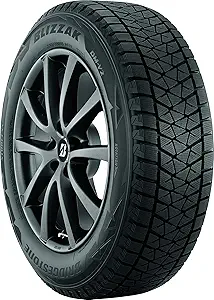 |
Cooper Discoverer True North Winter Tire — 245/65R17 107T

| Size | 245/65R17 107T |
|---|---|
| Tread Type | Asymmetrical |
| Tread Depth | 11 32nds |
| Maximum Pressure | 44 PSI |
| Construction Type | Radial |
The Cooper Discoverer True North is a dedicated winter tire engineered for drivers who face slush, packed snow and occasional black ice. It uses a winter compound and dense siping plus Snow Groove Technology to trap snow in the tread for improved snow-on-snow grip, and it carries the Three-Peak Mountain Snowflake severe snow service rating. You would typically fit these on a Ridgeline for seasonal use; they are aimed at daily commuting and highway driving in winter rather than off-road work. Notable features include asymmetrical tread for predictable handling, noise-dampening structures that keep road noise low, and a tread depth designed for winter longevity. Practical benefits are shorter stopping distances on snow, better traction in icy conditions, and a quieter ride than some studless winter tires. Limitations to consider are mixed reports on long-term wear under heavier use and that this is a winter-specific tire so performance will be compromised in warm weather compared with all-season or summer tires.
Best for: Drivers who want a balanced, all-around winter tire for a Ridgeline that prioritizes reliable winter traction, confident braking on snow, and a comfortable highway ride.
Less Ideal for: Drivers who need year-round tires, extensive off-road winter capability, or who prioritize maximum tread life under heavy-duty or commercial use should consider alternatives.
- Severe Weather Rated (3PMSF) for proven performance in heavy snow
- Snow Groove Technology and high-density siping improve snow-on-snow traction
- Designed noise-dampening tread for a quieter winter commute
- Asymmetrical tread balances traction and predictable handling on treated roads
- Some user reports indicate accelerated front tread wear under heavier or misaligned setups
- Optimized for cold conditions so wet/dry summer performance will be poor compared with non-winter tires
Verdict: A well-rounded winter tire for a Ridgeline that delivers strong snow and ice traction with a quiet, comfortable highway ride but will wear faster if used aggressively or year-round.
Firestone Winterforce 2 UV Winter/Snow SUV Tire 225/65R17

| Size | 225/65R17 |
|---|---|
| Load Capacity | 1874 Pounds |
| Tread Depth | 12 32nds |
| Construction Type | Radial |
| Tread Type | Directional or Asymmetrical |
The Firestone Winterforce 2 UV is a winter tire built to give strong snow and ice traction for SUVs and light trucks and is a realistic fit for a Honda Ridgeline that uses 225/65R17 tires. It uses a special cold-weather compound and an aggressive tread with open shoulder slots plus full-depth tread features to maintain grip as the tire wears. The tire is certified with the 3-Peak Mountain Snowflake designation and is available pinned for studs on certain sizes, which helps with hard-pack ice and deep slush. In everyday use you can expect better braking and lateral control in winter conditions compared with all-season tires, and owners report a smooth highway ride as well. The practical downsides are typical for winter rubber: you will trade some wet and dry-season handling precision and tread life compared with an all-season touring tire, and studded setups can increase road noise. For a performance-minded Ridgeline driver prioritizing winter traction, this is a strong factory-quality winter option.
Best for: Performance-oriented buyers who prioritize winter traction and confident handling on snow and ice for their Honda Ridgeline, especially those who drive in frequent heavy winter conditions.
Less Ideal for: Drivers who need a year-round tire for balanced wet and dry performance or who rarely encounter snow should consider an all-season or dedicated touring tire instead.
- 3-Peak Mountain Snowflake certification for proven winter traction
- Cold-weather compound and open shoulder slots enhance grip in snow and slush
- Full-depth tread design intended to preserve performance as the tire wears
- Available pinned for studs on select sizes to improve ice traction
- Designed for SUVs and light trucks so load capacity matches heavier Ridgeline duties
- Winter-specific compound reduces tread life and dry-road precision compared with all-season tires
- Studded or pinned configurations can increase road noise on clear pavement
Verdict: If you drive a Honda Ridgeline in demanding winter conditions and want top-tier snow and ice grip, the Winterforce 2 UV delivers strong cold-weather performance at the expense of year-round handling and tread longevity.
Firestone Winterforce 2 UV Studdable Winter Tire P225/75R15
| Size | P225/75R15 |
|---|---|
| Load Capacity | 1874 Pounds |
| Tread Depth | 12 32nds |
| Construction Type | Radial |
The Firestone Winterforce 2 UV is designed as a winter replacement tire for light trucks and SUVs and in this fitment it offers studdable capability and a cold-weather rubber compound to improve traction in snow and on icy surfaces. It is typically fitted on a vehicle for seasonal winter driving and can be pinned for size 11 studs to increase ice bite where studs are allowed. Notable features include full-depth tread for extended winter life, open shoulder slots and a tread pattern tuned for snow evacuation, and the three-peak mountain snowflake certification for winter performance. In practical use the tire gives better grip in wintry conditions compared with an all-season tire and can serve drivers who need dependable winter traction and want the option to add studs. Expect the usual winter trade-offs: a more aggressive tread that can be noisier and less comfortable on dry pavement and reduced year-round mileage compared with a dedicated highway tire. For a reliability-focused buyer looking to equip a Honda Ridgeline for winter, this is a straightforward winter option that emphasizes grip and durability over everyday road manners.
Best for: A reliability-focused buyer who prioritizes dependable winter traction for seasonal use on a Honda Ridgeline and prefers a tire that can be studded for extra ice performance.
Less Ideal for: Drivers seeking a quiet, comfort-oriented all-season tire for year-round use or those who cannot use studded tires where they live should consider alternatives.
- 3-Peak Mountain Snowflake certification for validated winter performance
- Studdable design (pinned for size 11 studs) to improve ice traction where permitted
- Full-depth tread features aimed at longer winter tread life
- Tread pattern with open shoulder slots to help clear snow and improve grip
- Aggressive winter tread may produce more road noise and firmer ride on dry pavement
- Not optimized for summer or year-round comfort and fuel economy
Verdict: A durable, studdable winter tire built for reliable snow and ice traction on a Honda Ridgeline, with the expected compromises in dry-road noise and comfort.
Bridgestone Blizzak DM-V2 Winter Tire (245/65R17)

| Size | 245/65R17 |
|---|---|
| Load Capacity | 2150 Pounds |
| Tread Depth | 13 32nds |
| Tread Type | Directional |
| Construction Type | Radial |
The Bridgestone Blizzak DM-V2 is a winter-specific SUV tire designed to improve braking and grip on snow and ice for vehicles like the Honda Ridgeline. It uses a next-generation Multicell compound with a hydrophilic coating to disperse surface water on ice, and a directional tread with 15 percent more block edges to boost snow-shearing traction. In day-to-day use this translates to shorter stopping distances on slick patches and more predictable handling in snowy slush. The tire’s optimized road contact aims to spread pressure across the contact patch for improved stability when cornering at low winter speeds. Limitations include a UTQG rating that reflects softer winter rubber which wears faster on warm, dry pavement and may increase road noise compared with all-season tires. Also, as a winter-specialist, it should be swapped out when temperatures consistently rise above freezing to avoid accelerated wear and reduced performance.
Best for: Risk-averse mainstream buyers who prioritize dependable winter braking and predictable handling on a Honda Ridgeline during snowy and icy months.
Less Ideal for: Buyers who need an all-season tire year-round or who frequently drive in warm conditions should choose a different tire to avoid accelerated wear and higher road noise.
- Multicell compound and hydrophilic coating improve traction on ice by removing surface water.
- Tread design with increased block edges enhances snow grip and shearing performance.
- Optimized contact patch for more stable handling in winter conditions.
- Softer winter compound leads to faster wear and reduced efficiency on warm, dry roads.
- Directional tread can limit rotation options and may complicate tire rotation patterns.
Verdict: A winter-focused tire that gives Ridgeline drivers confident ice and snow traction but should be swapped out when temperatures stay above freezing.
Choosing the Right Honda Ridgeline Winter Tire: Key Factors to Consider
Snow Traction and Braking
Snow traction determines how well the tire grips packed and fresh snow and directly affects stopping distances and cornering stability. Look for tread patterns and siping designs that evacuate loose snow and bite into compacted surfaces to reduce forward and lateral slip. Deeper grooves and interlocking tread blocks often improve snow handling by providing more edges to grip uneven surfaces. Braking on snow is a critical safety metric. Tires that maintain bite through aggressive siping and a compliant rubber compound will shorten stopping distances in routine winter driving. Consider winter-rated compounds that remain flexible in low temperatures, as stiffness can reduce snow traction and increase slide risk.
Ice Performance
Ice performance refers to a tire's ability to maintain traction on smooth, glazed surfaces where mechanical bite is limited. Features that help on ice include specialized rubber compounds, micro-siping, and tread patterns designed to maximize contact patches and resist sliding. Some tires also offer options for studs, which can add mechanical grip on thick ice but may trade off ride comfort and road noise. When evaluating ice performance, consider the typical winter conditions you face. Frequent black ice and hard-packed ruts increase the value of proven ice-handling features. Keep in mind that excelling on ice often involves tradeoffs with dry-road handling, so prioritize what matters most for your local roads.
Tire Compound and Low-Temperature Flexibility
The rubber compound controls how a tire behaves as temperatures drop. Compounds formulated for winter retain flexibility in the cold, allowing tread elements to conform to the road and maintain grip. Harder summer compounds stiffen in low temperatures, reducing traction and increasing stopping distances. A winter-specific compound will also influence wear characteristics and rolling resistance. Assess compound performance through manufacturer cold-temperature ratings and user feedback about grip and wear in frigid conditions. While softer compounds can improve cold traction, they may wear faster, so balance grip needs with expected mileage.
Tread Depth and Wear Life
Initial tread depth gives a tire more material to bite into snow and slush, improving traction and extending useful life. Deeper tread often helps channel slush away from the contact patch and reduces hydroplaning risk during thaws. Over time, tread depth naturally decreases, and winter performance will decline once depth becomes shallow. Look at expected treadwear indicators and warranty information to estimate longevity. Consider how many winter seasons you typically drive and whether you plan to rotate tires seasonally. Balancing initial depth with compound durability helps ensure the tires remain effective through multiple winters.
Fitment and Load Rating
Proper fitment ensures the tire matches the Honda Ridgeline's rim diameter, width, and load-carrying requirements. Using tires with the correct load rating maintains vehicle stability, braking performance, and safety margins when carrying cargo or towing. Incorrect fitment can alter speedometer readings and change handling characteristics. Always verify recommended sizes and load indexes for your specific Ridgeline model year and trim. If you are considering alternate sizing for ride comfort or appearance, consult vehicle documentation or a professional to confirm compatibility and maintain safe steering and braking behavior.
Installation, Noise, and Ride Comfort
Winter tires vary in how they transmit road noise and how they affect ride quality. Tread design and compound stiffness influence NVH characteristics and overall comfort on cold pavement. For daily use, a tire that balances quiet operation with winter grip reduces fatigue and makes winter driving more pleasant. Also factor in installation logistics. Seasonal mounting and balancing routines should be straightforward, and maintaining proper inflation is especially important in winter. Consider whether you will switch tires seasonally yourself or use a service, and account for any extra handling or storage considerations.
Why Winter Tires Matter for the Honda Ridgeline
Putting dedicated Honda Ridgeline winter tire rubber on the truck changes how it behaves in cold, snowy, and icy conditions. The Ridgeline's unibody construction, curb weight, and available all-wheel drive mean it responds differently than a car or a heavy pickup. Winter tires are formulated to stay flexible at lower temperatures and have tread patterns that evacuate snow and slush, which improves traction, braking, and driver confidence on winter roads.
For Ridgeline owners who live where temperatures regularly drop below 45°F, fitting winter tires is one of the most effective steps to reduce stopping distances and maintain control during routine winter driving and light towing.
- Improves cold-weather traction and shorter braking distances on snow and ice
- Helps AWD systems transfer power effectively without excessive wheel slip
- Reduces reliance on electronic aids by providing better mechanical grip
When to Switch to Winter Tires on Your Ridgeline
Timing the switch matters more than waiting for the first big storm. A common rule of thumb is to fit winter tires when average daily temperatures consistently fall below about 45°F. Installing them earlier prevents the compound from hardening and losing grip when cold snaps begin.
Also consider local climate patterns and your driving needs. If you regularly encounter early-season snow, icy mornings, or salted roads, install winter tires before those conditions begin to avoid reactive swaps in poor weather.
- Aim for installation before prolonged periods of temperatures under 45°F
- Plan swaps around local forecasts and seasonal weather trends
- Keep a second set of wheels if you anticipate frequent changes to make swaps easier
Studded Versus Non-studded Winter Tires for the Ridgeline
Choosing between studded and non-studded winter tires comes down to typical road conditions and local regulations. Studded winter tires add metal studs for superior bite on hard-packed ice and glazed surfaces. However, studs can increase road wear and are restricted or banned in some jurisdictions.
Non-studded winter tires with aggressive siping and specialized compounds often provide excellent performance across mixed winter conditions. For most Ridgeline owners who experience a mix of snow, slush, and icy patches, modern non-studded winter tires offer a strong balance of grip, noise, and longevity.
- Studded: best for frequent hard ice and very cold regions, check legal restrictions first
- Non-studded: better for mixed winter conditions, less road wear and quieter
- Consider your typical driving routes before deciding
Installation, Balancing, and Typical Costs to Expect
Installation for winter tires includes mounting, balancing, and registering tire size changes with the vehicle if you swap wheel sets. Many shops also recommend a brief test drive and valve stem inspection. If you are using a second set of wheels, swapping is faster and can reduce repeated mounting costs over time.
Labor and service prices vary by region and shop. Expect to pay for mounting and balancing per wheel plus any disposal fees for old tires and the cost to store an off-season set if you opt for professional storage. Ask shops for a breakdown so you can compare the value of mounting the same tires repeatedly versus investing in a dedicated wheel set.
- Typical services: mounting, balancing, disposal, TPMS reset if applicable
- Swapping to a dedicated wheel set lowers repeat mounting labor and reduces risk to TPMS sensors
- Request a full cost estimate including any additional services like alignment or valve replacement
Caring for Winter Tires: Rotation, Tread Depth, and Storage
Routine care extends the life and safety of winter tires on the Ridgeline. Regular rotation helps even wear across drive and steering axles, which is important for maintaining predictable handling. Check tire pressure more often in cold weather because pressure drops with temperature, affecting performance and wear.
Tread depth is critical for winter traction. Replace winter tires when tread approaches the manufacturer or safety threshold that compromises wet and snow grip. After the season, clean tires and store them in a cool, dry place away from direct sunlight to preserve the compound.
- Rotate tires at manufacturer-recommended intervals or every oil change
- Monitor winter tire tread depth to ensure effective snow and slush evacuation
- Store off-season tires in a climate-controlled area on their sides or mounted on wheels
Driving, Towing, and Performance Trade-offs with Winter Tires
Winter tires improve control during cold-weather driving, but they do come with trade-offs. Expect slightly higher rolling resistance which can affect fuel economy and a change in on-road noise and steering feel compared with summer or all-season tires. For Ridgeline owners who tow, winter tires help maintain traction at lower speeds and on slippery grades, but confirm that the tires you choose meet load ratings for towing.
Balance your priorities between winter grip and on-road refinement. If you use the Ridgeline year-round in mixed conditions, consider a softer winter compound for safety in cold months and switch back when temperatures rise.
- Anticipate modest reduction in fuel efficiency due to increased rolling resistance
- Verify tire load ratings before towing to ensure safe payload and trailer capacity
- Expect a different steering feel and possibly increased road noise during winter use
How We Chose the Best Honda Ridgeline Winter Tire
We applied vehicle-specific fitment, cold-weather performance, and durability filters to assemble this list of four options suitable for the Honda Ridgeline. Key evaluation criteria included snow traction and braking, ice-handling characteristics, and wet-road grip at low temperatures. We also examined tread life indicators and wear warranties to assess long-term value. Ride comfort and noise in winter conditions were considered to ensure daily driving remained composed. Fitment and load rating checks ensured each tire met the Ridgeline's size and load requirements. We excluded tires that lack published winter performance data, are not rated for the Ridgeline's load or size ranges, or are designed exclusively for on-track or racing use. The result is a focused set of winter tires that balance safety, durability, and real-world drivability for this specific truck.
Our full evaluation process is outlined in our review methodology.
FAQ
When should I switch to Honda Ridgeline winter tire options?
Switching often depends on consistent temperatures rather than a calendar date. Many drivers change when average daytime temperatures regularly fall below about 7 degrees Celsius, because summer compounds start to lose flexibility. If you frequently encounter snow or ice, switch earlier in the season to ensure traction when conditions first worsen.
Do I need studded winter tires for a Ridgeline?
Studded tires can improve mechanical grip on thick, glazed ice but are not always necessary. Their benefit depends on how often you face hard-packed ice and local regulations, since studs can increase road wear. If your area rarely has solid ice, a high-performing non-studded winter tire often offers a better balance of comfort and year-to-year usability.
How does winter tire size fitment affect performance on the Ridgeline?
Size and profile influence contact patch, ride comfort, and handling. Narrower winter sizes can cut through snow more effectively, while a taller sidewall may improve ride compliance on rough winter roads. Always match load ratings and check clearance; changing size can alter handling and should be done with attention to vehicle specifications.
What is the typical winter tire tread depth I should look for?
New winter tires usually start with deeper tread than summer tires, which helps in snow and slush. Look for substantial initial depth and clear wear indicators. Performance declines as grooves become shallow, so plan replacements when tread approaches the manufacturer's winter-performance threshold rather than waiting until legal minimums.
Will switching to winter tires affect fuel economy or ride noise?
Winter compounds and aggressive tread patterns can slightly increase rolling resistance, which may modestly affect fuel economy. Tread design can also raise road noise compared with all-season tires. The tradeoff is improved safety and control in cold conditions, so most drivers accept minor efficiency or noise changes for better grip.
Are there extra costs associated with seasonal winter tire installation?
Seasonal installation typically involves mounting, balancing, and sometimes wheel swap services if you have a second set of wheels. Costs vary by service provider and region. Also factor in storage if you do not keep an extra wheel set. These are normal upkeep expenses when maintaining dedicated winter tires.
Final Verdict
Prioritize tires that match the Ridgeline's fitment and load requirements while delivering reliable snow and ice traction. Balance compound flexibility, tread depth, and expected wear to get the best mix of safety and longevity for your winters. Recognize the tradeoffs between ice-specific features and everyday comfort. Choose tires aligned with the severity of your local winters and how often you drive in snowy or icy conditions to maintain confident, controlled driving all season.
Explore More:
- Check out all Honda Ridgeline parts & accessories
- Explore Winter Tires Maintenance & Repair Guides
- Explore Wheels & Tires
- Browse all Auto Parts
