

Note: This article contains affiliate links. If you click on these links and make a purchase, I may earn a small commission at no extra cost to you. This helps support my research and content. Read my full affiliate disclosure here.
If you drive a Honda Civic Sport through cold months, choosing the right winter tire makes a noticeable difference in traction, braking, and confidence on snow and ice. The right Civic Sport winter tire improves cornering on slush, reduces stopping distances on packed snow, and resists rapid wear when used in frequent winter commuting.This guide presents six shortlisted winter tire options chosen for fitment and winter performance specific to the Civic Sport. We evaluated traction in icy and wet conditions, tread life and compound durability, and how each option affects ride comfort and road noise. Read on to see which tire features and fitment considerations matter most for your Civic Sport and why these picks made the list.
Looking for other parts? See all Honda Civic parts & accessories.
Top Picks at a Glance
| Best Overall The best all-around choice for most situations | Bridgestone Blizzak WS90 Winter Tire 215/50R17 |  |
| Best Quality Built to a higher standard if you want something more solid | MICHELIN X-Ice Snow winter tire, 195/60R15 92H XL |  |
| Best Value The sweet spot between price and what you get | HERCULES Avalanche RT Winter Tire 205/55R16 94H |  |
| Best Budget The cheapest option that still gets the job done reliably | Dunlop SP Winter Sport 3D 205/55R16 91H Winter Tire |  |
| Highest Rated A top-rated pick with lots of positive feedback | Cooper Evolution Winter 215/50R17 XL Tire |  |
| Most Popular A crowd favorite that many people choose with confidence | NEXEN Winguard Winspike 3 Winter Tire (195/65R15) |  |
1. Bridgestone Blizzak WS90 Winter Tire 215/50R17

| Size | 215/50R17 |
|---|---|
| Tread Type | Directional |
| Tread Depth | 11 32nds |
| Load Capacity | 1521 Pounds |
| Construction Type | Radial |
The Bridgestone Blizzak WS90 is a dedicated winter tire engineered for confident handling on snow and ice. It uses a directional tread and microscopic traction particles to boost bite on slick surfaces, and Bridgestone positions it to deliver an extra winter season of service versus the previous generation under typical seasonal use. You would fit these to a Civic Sport for cold-weather months, letting the tire’s compound and tread pattern improve braking and lateral control compared with an all-season tire. The WS90 is intended for seasonal use rather than year-round driving, and performance in dry warm conditions will feel softer and less precise than a performance summer tire. Fitment here is for the 215/50R17 size and installs like a standard radial passenger tire on a 7-inch rim. If you prioritize predictable winter braking and ice control for daily driving in cold climates, this tire does that well, but expect shorter tread life if used outside winter seasons and a quieter, firmer ride compared with some touring all-seasons.
Best for: Drivers who want reliable winter braking and controlled handling on snow and ice for seasonal use on a compact sporty sedan and value winter-specific performance over year-round convenience.
Less Ideal for: Drivers who need a single set of tires for all-season driving or who prioritize low road noise and maximum dry handling during warm months.
- Designed for strong ice and snow traction using directional tread and traction particles
- Shown by manufacturer testing to offer longer winter life than prior generation
- Available in common passenger size 215/50R17 for Civic Sport fitment
- Radial construction and standard load capacity for typical passenger use
- Not intended for year-round use so dry-warm handling and tread life will be reduced if driven in non-winter seasons
Verdict: Choose the Blizzak WS90 if you want a winter-focused tire that prioritizes ice and snow control for seasonal use on a Civic Sport.
2. MICHELIN X-Ice Snow winter tire, 195/60R15 92H XL
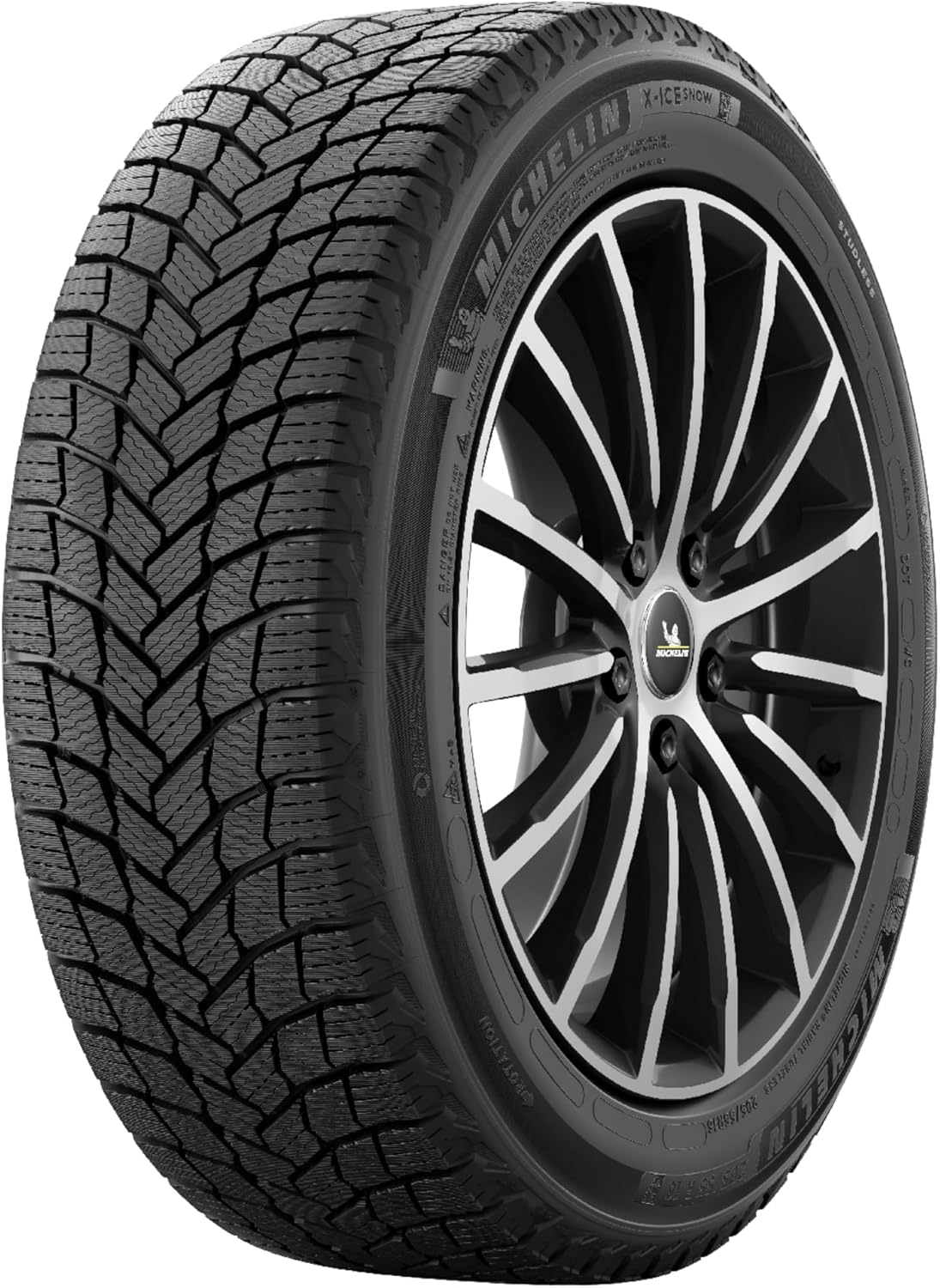
| Size | 195/60-15 |
|---|---|
| Tread Depth | 10.5 32nds |
| Tread Type | Directional |
| Load Range | XL |
| Construction Type | RADIAL |
The MICHELIN X-Ice Snow is a dedicated winter tire engineered for cold-weather driving on snow, slush, ice, and wet roads. It uses a V-shaped directional tread and a mix of full-depth 3D sipes to maintain biting edges as the tread wears, which helps shorten stopping distances on ice and improve traction in packed snow. EverGrip-related tread technologies and reinforced block rigidity are intended to deliver longer wear life than many competing winter tires, so drivers can expect consistent performance over multiple seasons. The tread pattern also increases void area to evacuate slush and water, reducing the risk of hydroplaning. As a performance-minded winter choice for compact cars, the tire balances grip and longevity but is a seasonal specialist so it will feel less precise and wear faster if used year-round on dry warm pavement. Fitment is for the 195/60R15 size with an XL load rating, so check sizing before purchase.
Best for: Drivers of small to compact sedans who prioritize confident winter traction and shorter stopping distances on snow and ice and want a tire that maintains grip as it wears.
Less Ideal for: Drivers who need an all-season or year-round tire or who frequently drive in warm climates should choose a different tire designed for those conditions.
- Designed specifically for winter conditions with directional V-shaped tread for improved snow and slush evacuation
- Full-depth 3D sipes provide sustained biting edges for better ice and packed-snow braking
- EverGrip-type design and reinforced tread blocks aim to extend useful winter tread life compared with many competitors
- Seasonal specialist that will be noisier and wear faster if driven year-round on warm dry roads
Verdict: Choose the X-Ice Snow when winter grip, shorter ice braking, and durable cold-weather tread life are your top priorities for a Civic Sport.
3. HERCULES Avalanche RT Winter Tire 205/55R16 94H

| Size | 205/55R16 |
|---|---|
| Load Index | 94 |
| Speed Rating | H |
| Tread Type | Directional |
| Seasons | Winter |
The Hercules Avalanche RT is a winter touring tire built for drivers who need reliable snow performance without premium pricing. It uses a directional tread and a 3-Peak Mountain Snowflake rating to improve grip in packed snow and slush, and reviewers report it helps maintain traction in winter conditions. Typical use is seasonal fitment for a Civic Sport with 205/55R16 wheels where the tire’s tread depth and pattern prioritize snow evacuation and bite. The tire is offered with a 94 load index and H speed rating suitable for everyday driving speeds. Practical benefits include noticeable snow capability at a lower cost than many name-brand winter tires and a tread depth that supports multiple winter seasons in moderate conditions. Important limitations are its reported susceptibility to punctures in debris-strewn mountain roads and that it is a budget option, so wet-road grip and long-term wear may not match premium winter tires.
Best for: Drivers who want an affordable, certified winter tire that improves snow traction on a Civic Sport and prefer a practical seasonal upgrade over an all-season compromise.
Less Ideal for: Drivers who frequently encounter rough, debris-covered mountain roads or who prioritize maximum wet-road handling and long tread life from a top-tier winter tire.
- 3-Peak Mountain Snowflake rating for certified winter traction
- Directional tread design that helps clear snow and slush
- Available in 205/55R16 size matching many Civic Sport wheel setups
- Good value compared with higher-priced winter tires
- Reported to puncture more easily on debris-heavy roads
- Budget construction may mean shorter tread life and less wet grip than premium competitors
Verdict: A cost-conscious winter tire that gives certified snow traction for Civic Sport drivers who want dependable seasonal performance without a premium price.
4. Dunlop SP Winter Sport 3D 205/55R16 91H Winter Tire

| Rim Size | 16 Inches |
|---|---|
| Load Index | 91 |
| Speed Rating | H |
| Tread Type | Directional |
| Seasons | Winter |
The Dunlop SP Winter Sport 3D is a winter-specific radial tire sized 205/55R16 and built to deliver improved grip on cold, wet, and light snowy roads. It uses a directional tread and a relatively deep 10/32 tread depth to evacuate water and slush, while the 16-ply construction and H speed rating mean it is aimed at standard daily driving speeds rather than high-performance extremes. Typical use is street driving through winter months where confident braking and predictable handling on cold pavement matter. Practical benefits include a factory-quality build from a major tire maker, a load index suitable for most compact cars, and a maximum pressure rating that helps with proper fitment and inflation. Limitations are that it is a dedicated winter tire so expect faster wear in warm conditions and it is not rated for very heavy loads or sustained high-speed performance beyond the H rating.
Best for: A buyer seeking an affordable, factory-quality winter replacement for a compact car who prioritizes predictable winter traction and safe daily driving in cold, wet, or light snowy conditions.
Less Ideal for: Drivers who need an all-season tire or who regularly carry heavy loads or drive at sustained high speeds should look for alternatives better suited to those needs.
- Directional tread and 10/32 tread depth for improved slush and water evacuation
- Sized 205/55R16 so it fits common compact car wheels including Civic Sport wheel sizes
- Manufacturer load index 91 supports typical passenger loads
- Factory-quality radial construction from a recognized tire brand
- Designed specifically for winter so tread life and comfort will degrade if used year-round
Verdict: Choose this tire if you want a budget-minded, factory-quality winter tire that restores confident cold-weather grip for a Civic Sport–sized wheel.
5. Cooper Evolution Winter 215/50R17 XL Tire

| Size | 215/50R17XL 95H |
|---|---|
| Tread Type | Directional |
| Tread Depth | 12 32nds |
| Maximum Pressure | 44 PSI |
| Load Capacity | 1521 Pounds |
The Cooper Evolution Winter is a dedicated winter tire built to deliver confident traction in deep snow, slush, and icy roads. Its directional tread with Snow Groove Technology traps snow in the grooves to improve snow-on-snow bite while multi-angled corrugated sipes create many biting edges for braking and turning. The tire is studdable for drivers who need extra ice performance and carries the three-peak mountain snowflake severe weather rating. In everyday use it provides stable steering thanks to the sawtooth circumferential center rib and many buyers report a surprisingly quiet ride for a winter tread. Expect better acceleration and shorter stops on packed snow compared with an all-season tire, but note this is a winter-specific compound so treadwear on warm dry pavement will be faster than a year-round tire. The XL load rating gives extra capacity where required, but stud installation is a separate step if you want maximum ice grip.
Best for: Drivers who prioritize reliable winter traction and control on snowy or icy routes and want a tire that improves braking and hill-climb confidence during the cold season.
Less Ideal for: Drivers who need a year-round tire for mostly warm-weather driving or those who rarely encounter snow and prefer a tire with longer tread life on dry pavement.
- Severe weather 3PMSF certification for verified snow performance
- Directional tread and Snow Groove Technology that boost deep snow traction
- Studdable design for improved ice control when studs are added
- Sawtooth center rib and siping that improve stability and steering feel
- Winter rubber compound will wear faster than all-season tires on warm dry roads
- Studs are not preinstalled so ice performance requires additional installation
Verdict: Choose this tire when consistent deep-snow and ice-capable winter performance is your top priority for a Civic Sport winter wheel set.
6. NEXEN Winguard Winspike 3 Winter Tire (195/65R15)

| Size | 195/65R15 |
|---|---|
| Tread Depth | 11 32nds |
| Tread Type | Directional |
| Load Range | XL |
| Special Features | Studdable |
The Nexen Winguard Winspike 3 is a studdable winter tire aimed at improving grip, handling, and control in snow, ice, slush, and wet conditions. It uses an advanced winter compound that stays flexible in sub-freezing temperatures and a directional tread with deep grooves to evacuate water and slush quickly. Dense siping and optional studs increase road bite on packed snow and ice, and the tire carries the Three-Peak Mountain Snowflake certification for severe winter performance. For everyday winter driving on a Civic Sport this tire delivers confident traction for commuting and light mountain passes, and many users report strong snow performance and a quiet comfortable ride for a winter tire. Expect somewhat reduced wet performance compared with top-tier premium winter tires and faster wear if used year-round because the compound is softer. Also note the tire is sold studdable but not pre-studded, so studs must be added where allowed.
Best for: Buyers who prioritize proven winter traction and vehicle control in snowy or icy regions and who value peer reviews and warranty coverage when choosing tires.
Less Ideal for: Drivers seeking an all-season tire for year-round use or those who prioritize the absolute best wet-road performance over winter grip should consider other options.
- Studdable design and optional TSMI #12 studs for extra ice traction
- Three-Peak Mountain Snowflake certified for severe winter conditions
- Directional tread and deep grooves for effective water and slush evacuation
- Winter compound formulated to remain flexible in very cold temperatures
- Not supplied with studs out of the box; studs must be installed separately where legal
Verdict: A budget-friendly winter tire that gives Honda Civic Sport drivers confident snow and ice performance when studs are added and driven seasonally.
Choosing the Right Honda Civic Sport Winter Tire: Key Factors to Consider
Tire Size And Fitment
Confirming the correct tire size for the Honda Civic Sport is the first step because wrong sizing changes handling, speedometer accuracy, and load capacity. Civic Sport trims commonly use specific rim diameters and aspect ratios; choose a winter tire that matches the factory wheel diameter and does not exceed the vehicle's load rating.
Proper fitment also affects clearance inside the wheel well when snow builds up, and the wrong overall diameter can alter traction control and ABS calibration. If you plan to use a dedicated winter wheel set, ensure valve stem type and wheel offset are compatible to avoid mounting or rubbing issues.
Tread Pattern And Snow Evacuation
Tread pattern controls how the tire evacuates slush and channels water away from the contact patch, directly affecting hydroplaning resistance. Look for asymmetrical or directional patterns with wide circumferential grooves and lateral channels to move snow and water out from under the tire.
High siping density improves bite on packed snow and ice, while aggressive shoulder blocks help with lateral grip during cornering on snowy surfaces. Consider a pattern that balances biting edges with channeling to maintain stable steering feel on mixed winter roads.
Rubber Compound And Low-Temperature Flexibility
Winter tire compounds remain pliable in cold temperatures, which preserves grip when road temperatures drop. A compound that hardens too much in cold conditions will lose traction, increasing stopping distances on ice and packed snow.
Manufacturers often tune compounds to specific temperature ranges; prioritize tires designed for sustained subfreezing use in climates where you regularly encounter snow and ice. Compound choice also influences tread wear, so expect a tradeoff between maximum winter grip and long-term durability.
Braking And Cornering Performance
Stopping distance in snow and ice is arguably the most critical safety metric for winter tires on a Civic Sport. Tires with superior bite and well-designed tread blocks shorten braking distances and improve control when evasive maneuvers are needed.
Cornering stability on cold, wet, or slushy roads reduces understeer and keeps steering predictable. Look for tires that report balanced lateral grip and stable steering response while still providing forgiving behavior at the traction limit to avoid sudden loss of control.
Studded Versus Non-Studdable Options
Studded winter tires add metal pins for extra ice traction but are subject to legal restrictions in many areas and can increase road noise and pavement wear. Non-studdable winter tires rely on compound and tread design to deliver grip and are quieter on dry roads.
Decide based on the frequency of hard, glazed ice where you drive. If you regularly face black ice and local laws permit studs, a studdable option provides maximum bite. Otherwise, high-performance non-studdable winter tires are often the better compromise for mixed conditions and everyday driving.
Tread Life And Wear Indicators
Winter compounds tend to wear faster than all-season rubbers, so expected tread life is an important ownership consideration, especially for drivers who do long winter commuting. Evaluate manufacturer treadwear ratings and look for reinforced compounds or stone ejectors that can extend service life without significantly sacrificing cold-weather grip.
Also consider available treadwear indicators and whether the tire offers a winter-specific warranty or mileage guidance. Balancing grip and longevity helps control long-term cost and preserves safe performance across an entire season.
Understanding Winter Tire Markings And Certifications
Winter tires carry specific markings that indicate their suitability for snow and ice. The most common symbol for serious winter capability is the Three-Peak Mountain Snowflake marking, which means the tire met defined performance tests for snow traction. A directional or asymmetric tread design does not automatically guarantee the marking, so verify it when choosing a Civic Sport winter tire.
Studdable tires may be labeled as such in their specifications. If you consider studs, check local regulations before selecting a tire that supports studs. Proper certification and marking provide confidence that the tire's compound and tread pattern were designed with winter use in mind.
- Three-Peak Mountain Snowflake indicates tested winter performance
- M+S marking suggests mud and snow capability but is less specific
- Studdable options will be noted in technical specs
When To Put On Winter Tires
Timing the switch matters more than a calendar date. A practical rule is to install winter tires when average daily temperatures consistently drop below about 45°F, as rubber compounds in all-season tires start losing flexibility around that point. That maintains grip in cold, wet, and snowy conditions and avoids excessive wear from warm-road usage.
If your area has early-season snowfalls or frequent freezing nights, swap earlier rather than later. Leaving winter tires on in warm weather accelerates tread wear and can negatively affect fuel economy and handling.
- Switch when average temps fall below 45°F
- Install before the first major snowfall for best safety
- Remove after consistent spring warming to preserve tread life
Studded Tires: Pros, Cons, And Legal Notes
Studded winter tires can dramatically improve braking and traction on hard, glazed ice because the metal studs penetrate the ice surface. They are most useful for drivers who frequently encounter black ice or long winter stretches with packed ice.
However, studs wear pavement faster, increase tire and road noise, and are restricted or banned in some jurisdictions during parts of the year. Consider local regulations and the typical road surface when deciding if studdable options are worth the tradeoffs for your Civic Sport.
- Great for hard, glazed ice
- May be restricted seasonally by law
- Increase noise and pavement wear on dry roads
Maintenance Tips For Winter Tire Longevity
Rotate winter tires regularly and check air pressure often since cold temperatures reduce tire pressure. Proper inflation preserves contact patch and promotes even tread wear. Store a dedicated winter wheel set in a cool, dry place away from direct sunlight to protect the rubber between seasons.
Inspect tread depth throughout the season, looking for uneven wear or embedded debris. Keeping alignment and suspension in good condition also prevents premature wear and maintains predictable handling in winter conditions.
- Check pressure when temperatures change
- Rotate tires every 5,000 to 7,000 miles or per manufacturer guidance
- Store off-season wheels in a temperature-stable environment
Choosing The Right Tire Pressure For Winter Driving
Cold air contracts and lowers tire pressure, so check and adjust pressures as temperatures drop. Follow the vehicle placard pressure recommendations rather than the maximum listed on the tire sidewall. Slight overinflation to compensate for expected nighttime temperature dips is unnecessary if you check pressures regularly.
Correct pressure maintains the intended footprint for the Civic Sport, which is essential for traction and even wear. Underinflation increases rolling resistance and can worsen handling, while overinflation reduces the contact patch and can decrease grip on slippery surfaces.
- Use the vehicle placard for target pressures
- Re-check after long trips or large temperature changes
- Account for added weight when carrying cargo or passengers
Still looking for the perfect fit?
Select your Honda Civic configuration to see the most relevant Winter Tires recommendations
How We Chose the Best Honda Civic Sport Winter Tire
We selected the six Civic Sport winter tire candidates by applying practical, vehicle-specific filters intended to reflect typical owner priorities. First, fitment and load rating were mandatory filters: each tire had to match common Civic Sport wheel diameters and load-index requirements to preserve handling and safety. Second, we prioritized winter compound and tread design that deliver improved traction on snow and ice, including siping density, groove evacuation, and rubber formulations rated for low temperatures. Third, braking and cornering performance on wet and packed snow were considered using available independent test results and manufacturer low-temperature ratings.Durability and tread-wear expectations were assessed next, focusing on compounds that balance grip with a reasonable service life for daily commuting. Noise and ride comfort received attention because Civic Sport owners often use their cars for mixed urban and highway driving. Finally, we excluded any tires that lacked clear winter certification markings or that were clearly undersized for the Civic Sport. The resulting shortlist reflects a mix of lug patterns, studdable and non-studdable options, and sizes commonly fitted to this model, all judged by traction, longevity, braking, ride, and fitment safety.
Our full evaluation process is outlined in our review methodology.
FAQ
Do I need four winter tires or can I fit only two on my Civic Sport?
Four winter tires are strongly recommended to maintain balanced traction, braking, and stability. Fitting only two creates a handling imbalance that can increase oversteer or understeer in slippery conditions and reduces the effectiveness of vehicle stability systems.
How deep should winter tire tread be before I replace them?
Winter tires are most effective above about 6/32 inch of tread depth for good snow traction. Below that level, braking and snow-clearance ability decline noticeably, so plan replacement when depths approach this threshold rather than waiting until the wear bars appear.
Can I use winter tires year-round on my Civic Sport?
Using winter tires year-round is not advised because their softer compounds wear faster on warm pavement and can degrade handling and fuel economy. Swap to all-season or summer tires once temperatures consistently stay above roughly 45°F to preserve tread life and performance.
Will winter tires affect my fuel economy?
Winter tires can slightly reduce fuel economy due to softer compounds and more aggressive tread patterns that increase rolling resistance. The impact is typically modest but noticeable if you drive long distances frequently.
Are studded winter tires legal where I live?
Legality varies by jurisdiction and often by season. Check local regulations before choosing studdable tires or having studs installed. Many places allow studs only during a defined winter window or prohibit them entirely.
How much tread noise should I expect from winter tires on dry roads?
Winter tires usually produce more road noise than all-season tires because of deeper grooves and additional siping. Noise levels vary by tread design; touring-style winter patterns are typically quieter than aggressive snow-specific treads.
Final Verdict
Prioritize properly sized, certified winter tires that match the Honda Civic Sport wheel and load specifications, and weigh the tradeoffs between studdable and non-studdable designs based on the ice conditions you face. Focus on a compound that stays flexible in low temperatures, a tread pattern that expels slush and resists hydroplaning, and adequate tread depth to preserve braking performance.Choosing four matched winter tires and maintaining correct pressure, rotation, and alignment will deliver the most consistent winter performance and safety for your Civic Sport. Use the evaluation criteria above to balance grip, noise, and tread life so you can pick the best option for your typical winter driving.
Explore More:
- Check out all Honda Civic parts & accessories
- Explore Winter Tires Maintenance & Repair Guides
- Explore Wheels & Tires
- Browse all Auto Parts
