

Note: This article contains affiliate links. If you click on these links and make a purchase, I may earn a small commission at no extra cost to you. This helps support my research and content. Read my full affiliate disclosure here.
Driving a Dodge Dakota in winter calls for tires that restore predictable handling, braking, and traction when temperatures drop and roads become snowy or icy. The wrong choice can reduce grip, increase stopping distance, and make daily driving more stressful. This guide lists our five shortlisted winter tire options that prioritize winter traction, wet braking, and tread longevity. Below we explain the evaluation criteria we used and what to watch for as you compare fitment and features before choosing a set.
Looking for other parts? See all Dodge Dakota parts & accessories.
Top Picks at a Glance
| Best Reviewed A top-rated pick with lots of positive feedback | Cooper Evolution Winter 225/65R17 102T Tire |  |
| Best Quality Built to a higher standard if you want something more solid | Cooper Discoverer Snow Claw Winter Tire 265/70R16 112T | 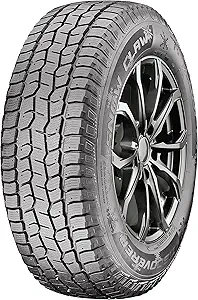 |
| Most Sold A high-volume bestseller chosen again and again | Firestone Winterforce 2 UV Studdable Winter/Snow Tire 265/70R16 |  |
| Best Value for Money The sweet spot between price and what you get | Nexen Winguard Winspike 3 Winter Tire — 235/75R15 |  |
| Best Overall The best all-around choice for most situations | Nexen Winguard Winspike 3 Winter Tire (265/70R16) | |
1. Cooper Evolution Winter 225/65R17 102T Tire

| Size | 225/65R17 |
|---|---|
| Load Capacity | 1874 Pounds |
| Tread Depth | 12 32nds |
| Maximum Pressure | 44 PSI |
| Construction Type | Radial |
The Cooper Evolution Winter is a directional winter tire built to deliver strong snow and ice performance for passenger vehicles. It is typically used as a seasonal replacement when roads are frequently untreated or when you need extra confidence in heavy snowfall. Notable features include a directional tread for improved acceleration and braking, Snow Groove Technology that helps snow-on-snow traction, multi-angled corrugated siping for extra biting edges, and the ability to accept studs for enhanced ice grip. The tire carries the Three-Peak Mountain Snowflake severe weather rating, which reflects validated winter capability. In use this tire provides steady stability from a sawtooth center rib and generally quiet road manners compared with aggressive winter patterns. Important limitations are that stud installation is required separately if you want metal studs and that a directional tread demands correct mounting direction; also long-term wear and on-dry performance will depend on vehicle alignment and driving style. For a reliability-focused winter upgrade this tire prioritizes predictable grip in real winter conditions.
Best for: A reliability-focused buyer who wants a proven winter tire that performs consistently in heavy snow and on icy local roads and values validated, predictable traction over sporty handling.
Less Ideal for: Drivers who need an all-season tire for year-round use or those seeking the highest dry-road performance should consider alternatives designed for mixed conditions.
- Severe Weather Rated (3PMSF) confirming validated winter performance
- Directional tread and center rib that improve braking and stability in snow
- Snow Groove Technology and extensive siping for improved snow-on-snow traction
- Studdable design lets owners add studs for better ice performance
- Studs are not preinstalled so ice-focused buyers must have studs fitted separately
- Directional tread requires correct mounting orientation which can complicate swapping tires
Verdict A dependable severe-weather winter tire that prioritizes snow and ice traction for reliable seasonal performance on a Dodge Dakota.
2. Cooper Discoverer Snow Claw Winter Tire 265/70R16 112T

| Size | 265/70R16 112T |
|---|---|
| Load Capacity | 2469 Pounds |
| Tread Depth | 13 32nds |
| Maximum Pressure | 44 PSI |
| Construction Type | Radial |
The Cooper Discoverer Snow Claw is a winter tire engineered for trucks and SUVs that prioritizes snow and ice performance. It is Severe Weather Rated and Three-Peak Mountain Snowflake certified, featuring Snow Groove Technology that traps snow in the tread to create snow-on-snow contact for better grip, and it can be studded for extra ice traction. In practice this tire is meant for regular winter use on a pickup like a Dodge Dakota, from daily commuting in slush to pushing through deeper snow and icy patches. Users report confident acceleration, braking, and play-by-play handling in heavy winter conditions, and the tread compound stays flexible in very low temperatures. The main limitations are typical for a dedicated winter tire: reduced tread life and higher rolling resistance compared with all-season tires, and some added road noise. Also, studding requires proper installation and local legal considerations. For drivers who need maximum winter traction on a Dodge Dakota, the Discoverer Snow Claw delivers focused performance.
Best for: Performance-oriented buyers who prioritize maximum winter traction and confident handling on a Dodge Dakota during severe snow and ice conditions.
Less Ideal for: Drivers who rarely encounter snow, need long tread life year-round, or want a single set of tires for all seasons should consider an all-season alternative instead.
- Severe Weather Rated and Three-Peak Mountain Snowflake certified for validated winter performance
- Snow Groove Technology traps snow in the tread to improve traction on packed snow
- Designed to accept studs for enhanced ice grip when conditions demand it
- Tread compound formulated to remain flexible in very cold temperatures
- Dedicated winter compound and aggressive tread mean shorter tread life compared with all-season tires
- Higher rolling resistance and some added road noise versus non-winter tires
Verdict If you need one of the safest, performance-focused winter tires for a Dodge Dakota, the Discoverer Snow Claw gives strong snow and ice traction at the expense of tread life and some comfort.
3. Firestone Winterforce 2 UV Studdable Winter/Snow Tire 265/70R16

| Size | 265/70R16 |
|---|---|
| Tread Depth | 12 32nds |
| Load Capacity | 2469 Pounds |
| Construction Type | Radial |
| Special Features | 3-Peak Mountain Snowflake certified; studdable (pinned for size 11) |
The Firestone Winterforce 2 UV is a winter tire built for pickup trucks, CUVs and SUVs and is intended to deliver dependable traction in snow, ice and cold conditions. It uses a special cold-weather compound, open shoulder slots and a non-directional tread pattern certified to the 3-Peak Mountain Snowflake standard, and certain sizes are pinned for size 11 studs when extra ice grip is needed. In use you can expect stronger braking and lateral grip in winter weather compared with an all-season tire, plus full-depth tread features designed to extend life across multiple winters. The tire is constructed as a radial and carries a light-load SL rating, so it suits light-duty truck applications. Limitations are that it is a winter-specialist so on dry warm pavement it will feel quieter and more planted than studded variants but will not match summer tire responsiveness, and studding is available only for designated pinned sizes rather than universally across the line.
Best for: Practical, risk-averse owners who prioritize safe winter stopping and predictable traction on a Dodge Dakota during cold months and want a tire focused on reliability rather than all-season versatility.
Less Ideal for: Drivers who need high-speed summer handling or frequently carry heavy commercial loads should consider a different tire designed for those demands.
- 3-Peak Mountain Snowflake certification for proven winter traction in snow and light ice.
- Special cold-weather compound and open shoulder slots improve grip and water evacuation in cold, wet conditions.
- Full depth tread design aimed at longer tread life across multiple winter seasons.
- Studdable (pinned for size 11 studs) on applicable sizes for added ice performance.
- Load range is SL (light-load) which limits heavy-load or commercial use.
- Studding is available only on pinned sizes, not across the entire size range.
Verdict A reliable, long-wearing winter tire for Dodge Dakota owners who want proven winter traction and optional stud capability rather than year-round sport handling.
4. Nexen Winguard Winspike 3 Winter Tire — 235/75R15

| Size | 235/75R15 |
|---|---|
| Tread Type | Directional |
| Load Range | XL |
| Tread Depth | 11 32nds |
| Construction Type | Radial |
The Nexen Winguard Winspike 3 is a studdable winter tire intended to give reliable traction, braking, and directional control in snow, ice, slush, and wet conditions. For a Dodge Dakota, it serves as a seasonal replacement mounted in sets to restore winter performance where traction matters most. Notable features include a Three-Peak Mountain Snowflake certified winter compound that stays pliable in cold temperatures, dense siping for added road bite, and a directional tread with deep grooves to shed water and slush quickly. The tire is available in the 235/75R15 size commonly used on older Dakotas and carries an XL load rating and a 400 UTQG treadwear/grip rating. Practical benefits are strong snow and ice grip, the option to add studs for extreme icy stretches, and a manufacturer-backed coverage program with roadside assistance. Limitations include potentially quicker wear if used year-round, mixed reports about unexplained flats from a few users, and wet-road performance and noise that some buyers find only adequate compared with premium winter tires.
Best for: Practical optimizers looking to balance winter traction and cost on a Dodge Dakota who prioritize dependable snow and ice performance without paying premium-brand prices.
Less Ideal for: Drivers who need the absolute best wet-handling, lowest noise, or longest life from a single tire year-round should consider higher-end winter or all-season options instead.
- Three-Peak Mountain Snowflake certified winter compound for cold-weather flexibility
- Directional tread and deep grooves that evacuate water and slush
- Studdable design option for added ice traction
- XL load rating suitable for heavier Dakotas or loaded use
- Backed by Nexen’s Total Coverage program with 36 months roadside assistance
- Some customer reports of unexplained slow leaks or flats on individual tires
- Wet-road performance and ride noise are not class-leading compared with premium winter tires
- Not intended for year-round use due to softer winter compound wearing faster
Verdict A budget-friendly, studdable winter tire that gives strong snow and ice grip for a Dodge Dakota but sacrifices some wet performance and long-term wear compared with premium winter tires.
5. Nexen Winguard Winspike 3 Winter Tire (265/70R16)
| Size | 265/70R16 |
|---|---|
| Tread Depth | 11 32nds |
| Maximum Pressure | 51 PSI |
| Construction Type | Radial |
| Tread Type | Directional |
The Nexen Winguard Winspike 3 is a studdable winter tire built to improve traction, braking, and control on snow, ice, slush, and wet roads. For Dodge Dakota owners it functions as a seasonal winter fitment that you would mount for cold months and swap off when temperatures rise. Notable features include an advanced winter rubber compound that stays flexible in sub-freezing conditions, a directional tread with deep grooves for quick water and slush evacuation, and dense siping for extra road bite. It is Three Peak Mountain Snowflake certified, indicating capability in moderate to severe winter conditions, and Nexen offers a Total Coverage Warranty with roadside assistance. Expect confident winter grip and predictable handling on snowy roads, but be aware these tires use a soft winter compound that will wear faster if driven year-round and wet-road performance is modest compared with premium all-season or performance tires. Some buyers also note that studs are optional and not installed by default, so you must add studs if you need maximum ice bite.
Best for: Drivers who value a balanced, all-round winter tire that prioritizes real-world snow and ice traction for seasonal use on a Dodge Dakota.
Less Ideal for: People seeking a year-round tire, or drivers who prioritize best-in-class wet handling and low road noise without seasonal tire changes should consider different options.
- Three Peak Mountain Snowflake certification for verified winter capability
- Studdable design option for added ice traction
- Directional tread with deep grooves for fast slush and water evacuation
- Flexible winter compound that maintains grip in very cold temperatures
- Softer winter compound will wear quickly if used outside winter months
- Wet-road handling and noise are only average compared with premium tires
- Studs are optional and not preinstalled so additional installation is required for studded use
Verdict A strong-value, studdable winter tire that gives Dodge Dakota owners reliable snow and ice traction if used seasonally, but it is not suited for year-round use.
Choosing the Right Dodge Dakota Winter Tire: Key Factors to Consider
Cold-Weather Rubber Compound
The rubber compound determines how pliable the tire remains at low temperatures. Softer winter compounds resist hardening in cold air, which helps maintain grip on snow and ice rather than becoming stiff and slick.
A compound formulated for winter conditions also affects wear rate. Very soft compounds can improve short-term traction but may wear faster if used extensively on clear, dry pavement. Consider the balance between low-temperature grip and expected tread life based on how much highway driving you do versus local, winter-only use.
Tread Pattern And Snow Evacuation
Tread pattern design drives how effectively a tire grabs loose snow and sheds slush. Deeper grooves and directional or asymmetric patterns can channel water and slush away from the contact patch, reducing hydroplaning risk and improving steady traction.
Siping and block geometry matter for biting edges on ice and compacted snow. More siping typically enhances the number of micro-edges that dig into slick surfaces, but it can also affect tread stiffness. Choose a pattern that matches the typical winter roads you face, whether heavy snow, slush, or packed ice.
Tread Depth And Longevity
Initial tread depth gives you more material to cut through snow and slush and maintain traction as the tire wears. Greater depth typically improves winter performance early in the season and provides longer service life before tread becomes marginal for snow.
Longevity also depends on compound and driving habits. If you plan to drive extensively in mixed conditions, prioritize tires with a reasonable balance of depth and compound hardness to avoid rapid wear when temperatures are above freezing.
Size Fitment And Load Rating
Correct size and load rating ensure the tire mounts properly on Dodge Dakota wheels and supports the vehicle safely. Using a tire with the wrong diameter, width, or load index can alter speedometer accuracy, handling, and braking performance.
Check the vehicle’s placard or owner manual for recommended winter tire sizes and approved load ratings. Fitment choices can also affect clearance inside the wheel well and the compatibility with existing TPMS sensors.
Studded Versus Studless Options
Studded winter tires add metal studs for improved bite on hard-packed ice, offering exceptional ice traction in some conditions. However, studs can be noisy, accelerate pavement wear, and may be restricted or regulated in certain areas.
Studless winter tires rely on advanced compounds and tread designs to grip ice and often provide a quieter, more versatile option for mixed winter conditions. Consider local road conditions and regulations when deciding between studded and studless designs.
Installation And Seasonal Use Considerations
Timing the switch to dedicated winter tires affects performance and wear. Installing winter tires before temperatures consistently fall below about 45 degrees Fahrenheit preserves compound integrity and ensures better traction from the first cold snap.
Also factor in installation logistics such as wheel swapping, storage of off-season tires, and potential installation costs. Proper mounting, balancing, and alignment help maintain even wear and predictable handling throughout the winter season.
FAQ
When should I switch to Dodge Dakota winter tire sets?
Switch when average daytime temperatures start staying below roughly 45 degrees Fahrenheit. At that point, winter rubber compounds outperform all-season compounds even on dry pavement. Also consider local snowfall patterns and forecasts.
Are studded winter tires necessary for safe winter driving?
Studs can significantly improve grip on hard-packed ice, but they are not essential for all drivers. Studless winter tires with aggressive siping and winter compounds often provide sufficient traction in many snowy and icy conditions. Check local regulations on stud use before deciding.
How does winter tire tread depth affect performance?
Deeper initial tread helps cut through snow and maintain traction as the tire wears. As tread depth decreases, the tire’s ability to evacuate slush and maintain biting edges on snow diminishes, which can lengthen stopping distances in winter conditions.
Will changing to winter tires affect my Dodge Dakota’s handling on dry roads?
Winter tires use softer compounds that can feel less precise on warm, dry pavement. At low temperatures they enhance traction, but when roads are dry and warm for extended periods they can wear faster and offer a different steering feel compared with summer or all-season tires.
How do I confirm the correct winter tire size fitment for my Dodge Dakota?
Check the vehicle’s placard, the owner manual, or the tire sidewall for recommended sizes and load ratings. Ensure any alternative size maintains proper load index and rubbing clearance. When in doubt, consult a professional installer who can confirm fitment and TPMS compatibility.
Do winter tires require special care during the season?
Rotate winter tires regularly to promote even wear and check pressure more often because cold air lowers tire pressure. Keep an eye on tread wear and look for uneven patterns that may indicate a need for alignment or balancing.
How We Chose the Best Dodge Dakota Winter Tire
We focused on winter-specific performance metrics and real-world durability when narrowing candidates for Dodge Dakota winter tire options. Our evaluation emphasized traction on packed snow and ice, cold-weather rubber compound behavior, and wet- and dry-braking performance. We also considered tread pattern design for snow evacuation, expected tread life under typical winter use, and compatibility with common Dodge Dakota wheel and size fitments. We applied fitment filters to ensure each tire would suit the range of factory wheel diameters and load ratings commonly used on the Dodge Dakota. Exclusions included summer-only and all-season tires that lack a severe-snow certification, tires intended only for racing or off-road competition, and models with incompatible load indexes. We prioritized products with clear winter-design features such as siping density and tread block geometry, while also weighing user-reported durability and manufacturer specifications on cold-weather compounds.
Our full evaluation process is outlined in our review methodology.
Conclusion
Prioritize traction-related features such as a winter-specific compound, sufficient tread depth, and a pattern that manages snow and slush. Balance those performance traits against expected tread life and the fitment needs of your Dodge Dakota. Decide between studded and studless based on typical road ice and local rules, and plan installation timing and care to get the most consistent winter performance from your chosen set.
Explore More:
- Check out all Dodge Dakota parts & accessories
- Explore Winter Tires Maintenance & Repair Guides
- Explore Wheels & Tires
- Browse all Auto Parts
