

Note: This article contains affiliate links. If you click on these links and make a purchase, I may earn a small commission at no extra cost to you. This helps support my research and content. Read my full affiliate disclosure here.
If you want to widen the stance, clear oversized tires, or correct offset on your 2026 Jeep Gladiator, choosing the right wheel spacers matters. Properly selected spacers can improve stability, allow for larger wheels and tires without rubbing, and help you achieve a desired stance without permanent wheel modifications.This guide covers the top shortlisted wheel spacers for the 2026 Jeep Gladiator across the 2020-present (JT) generation. We evaluated each option for fitment, material and machining quality, hub centric accuracy, and installation considerations so you can pick the right spacer for handling and clearance needs. Read on for what to consider and practical installation notes before you buy.
Looking for other parts? See all Jeep Gladiator parts & accessories.
Top Picks at a Glance
| Best Overall The best all-around choice for most situations | FLYCLE 2" 5×127 Hubcentric Wheel Spacers for Jeep Wrangler JL / Gladiator JT |  |
| Best Quality Built to a higher standard if you want something more solid | KSP PERFORMANCE 2" 5×5 Wheel Spacers with M14x1.5 Studs (71.5mm Hub Bore) |  |
| Best Value The sweet spot between price and what you get | LUJIANI 4-Pack 1" Hub-Centric Wheel Spacers, 5x127mm, 71.5mm Bore, M14x1.5 Studs |  |
| Best Budget The cheapest option that still gets the job done reliably | DIKTOKO 1.5" Hubcentric Wheel Spacers (5×5 PCD, 71.5mm CB) — 4pc Set |  |
| Highest Rated A top-rated pick with lots of positive feedback | MZS 2" 5×127 (5×5) Wheel Spacers with 71.5mm Hub Bore and M14x1.5 Studs (4-piece) |  |
| Most Popular A crowd favorite that many people choose with confidence | Richeer 2" 5×5 Wheel Spacers with M14x1.5 Studs (71.5mm Bore) |  |
| Best Seller A high-volume bestseller chosen again and again | FLYCLE 1.5" 5×5 Hubcentric Forged Wheel Spacers (71.5mm) |  |
1. FLYCLE 2" 5×127 Hubcentric Wheel Spacers for Jeep Wrangler JL / Gladiator JT

| Thickness | 2 inch |
|---|---|
| Bolt pattern | 5x127mm |
| Center bore | 71.5mm |
| Thread pitch | 14×1.5 |
These FLYCLE 2-inch wheel spacers are a forged 6061-T6 aluminum hubcentric solution for Jeep models that use the 5x127mm bolt pattern and a 71.5mm center bore. They bolt onto the hub with hardened 12.9-grade studs and use a factory-style thread pitch so installation follows standard lug procedures. In practical use they create extra clearance for larger tires or aftermarket brake and suspension components while giving the truck a wider, more aggressive stance. CNC machining and a hubcentric bore aim to reduce runout and vibration compared with generic spacers, and the recommended torque range is listed for consistent fitment. Limitations to note are the added leverage on wheel bearings and suspension components inherent to any spacer and the need to follow torque and recheck intervals; this product does not change factory suspension geometry and may affect alignment needs. For balanced buyers wanting a durable, visually noticeable spacer that is built for Jeep 5×127 fitments, these are a solid option.
Best for: Buyers who want a reliable, factory-oriented spacer to fit Jeep 5×127 vehicles and who prioritize a mix of durability, fitment accuracy, and improved clearance or stance.
Less Ideal for: Drivers seeking a zero-impact upgrade for long-term daily towing or heavy off-road loads should consider alternatives that change suspension geometry or load capacity instead.
- Forged 6061-T6 aluminum construction for corrosion resistance and durability
- CNC-machined hubcentric bore (71.5mm) to promote tight hub fit and reduce vibration
- Includes heat-treated 12.9-grade studs to resist breakage under torque
- Designed specifically for 5x127mm Jeep bolt pattern for direct fitment on listed models
- Adds leverage to wheel bearings and suspension which can increase wear if used long term
Verdict: A durable, hubcentric 2-inch forged spacer built for Jeep 5×127 fitments that balances appearance and practical clearance gains.
2. KSP PERFORMANCE 2" 5×5 Wheel Spacers with M14x1.5 Studs (71.5mm Hub Bore)

| Bolt pattern | 5x127mm (5×5) |
|---|---|
| Center bore | 71.5mm |
| Spacer thickness | 2 inches (50.8mm) |
| Stud thread | M14x1.5 |
| Material | Forged 6061-T6 aluminum |
These KSP PERFORMANCE 2-inch wheel spacers push wheels outward to create a wider stance, improve clearance for larger tires, and increase track width for more stable cornering on a Gladiator. They are made from forged 6061-T6 aluminum and CNC machined to tight tolerances, with a black anodized coating for corrosion resistance. The included Grade 10.9 studs and a reinforced 5mm hub ring promote a secure, hub-centric fit when used with the supplied thread-locking nuts and proper torque. Installation is a straightforward bolt-on job for mechanically comfortable DIYers and professional shops alike, and the spacer set is intended for daily driving and off-road use where added wheel offset and improved handling are desired. Limitations to consider: these are vehicle-specific spacers and add unsprung rotating mass and leverage at the hub, so tire, wheel, and suspension wear can increase over time and proper torque and periodic checks are required to maintain safe fitment.
Best for: Buyers who want a performance-oriented, aggressive stance and extra tire clearance on a 2020–2026 Gladiator and prioritize handling stability and off-road capability.
Less Ideal for: Drivers seeking a zero-maintenance, factory-identical replacement or those unwilling to perform periodic torque checks and maintenance after installation.
- Precisely CNC-machined from forged 6061-T6 aluminum for strong, consistent fitment
- Reinforced 5mm hub-centric ring and Grade 10.9 studs improve clamping security and reduce runout
- Black anodized finish offers added corrosion resistance for long-term use
- Includes high-strength thread-locking nuts and installation guides for easier fitment
- Adds rotating mass and additional leverage at the hub which can accelerate wear on bearings and suspension components
Verdict: If you want a durable, precision 2-inch spacer to widen stance and fit larger tires on a 2020–2026 Jeep Gladiator, this kit delivers a secure, performance-focused solution.
3. LUJIANI 4-Pack 1" Hub-Centric Wheel Spacers, 5x127mm, 71.5mm Bore, M14x1.5 Studs

| Bolt pattern | 5x127mm |
|---|---|
| Hub bore | 71.5mm |
| Thickness | 1" (25.4mm) |
| Stud thread pitch | M14x1.5 |
| Recommended torque | 85-90 FT/LBS |
These LUJIANI wheel spacers are a 4-pack of 1-inch hub-centric adapters made from forged 6061-T6 aluminum with CNC machining and an anodized finish. They bolt between the hub and wheel using supplied 12.9-grade studs and are intended to shift the wheel out one inch to create clearance for larger tires and improve stance. Typical installation is straightforward for a competent DIYer or mechanic: remove the wheel, fit the spacer to the hub, torque the studs to the recommended 85-90 ft-lbs and remount the wheel. Strength-grade studs and a hub-centric 71.5mm bore help keep the wheel centered and reduce vibration risk compared with non-centric spacers. The spacers will change scrub radius and track width, so expect minor steering feel differences and check for rubbing after installation. They are a practical option if you need one inch of clearance without modifying suspension or fenders, but buyers should verify bolt pattern and fitment for their Gladiator before installation.
Best for: Gladiator owners who want a low-cost, bolt-on way to fit wider tires or improve stance without major suspension or body work and who value a practical, DIY-capable upgrade.
Less Ideal for: Drivers seeking zero change to steering geometry or those who prefer suspension modifications to address clearance and handling rather than wheel offsets.
- Forged 6061-T6 aluminum construction with CNC machining for strength and precision
- Hub-centric 71.5mm bore helps maintain wheel alignment and reduce vibration
- Includes high-strength 12.9 grade studs for secure mounting
- Anodized surface treatment improves corrosion resistance and durability
- Shifts scrub radius and track width which may slightly alter steering feel
- Requires correct bolt pattern and precise fitment check before purchase
Verdict: A practical, vehicle-specific 1-inch hub-centric spacer pack that gives Gladiator owners reliable clearance for larger tires and a wider stance with OEM-style hardware.
4. DIKTOKO 1.5" Hubcentric Wheel Spacers (5×5 PCD, 71.5mm CB) — 4pc Set

| Bolt pattern (PCD) | 5×127 mm (5×5 in) |
|---|---|
| Center bore | 71.5 mm |
| Spacer thickness | 1.5 inch |
| Stud thread size | M14 x 1.5 |
| Material | 6061-T6 aluminum |
These DIKTOKO 1.5-inch hubcentric spacers push wheels outward to improve stance, allow wider tire clearance, and reduce brake or suspension interference on compatible vehicles. Made from forged 6061-T6 aluminum with CNC machining and anodized finish, the kit is corrosion resistant and intended for long-term road use; the hubcentric 71.5mm bore helps keep the wheel centered for reduced vibration. Installation is straightforward for a mechanically inclined owner: remove wheels, mount spacers using the vehicle studs/bolts, torque to spec, and reinstall wheels using the supplied studs. The thicker 1.5-inch offset gives room for larger tires and can enhance cornering stability, though adding spacers alters scrub radius and wheel load and should be paired with proper torque checks and alignment after fitment. This set targets common Jeep bolt patterns and includes four spacers and studs, but it does not include additional hardware beyond the studs and carries a limited six-month warranty, so buyers wanting extended coverage or included lug hardware may need alternatives.
Best for: Buyers on a budget who want a durable, factory-style spacer to fit 5×5 bolt pattern Jeeps and similar trucks and who prioritize improved clearance and stance without expensive wheel changes.
Less Ideal for: Drivers seeking a lifetime-backed product or full hardware kits with extended lug nuts should consider higher-end options or complete spacer kits that include additional fastening components.
- Forged 6061-T6 aluminum with CNC machining for strength and consistent fit
- Hubcentric 71.5mm bore reduces chance of vibration after installation
- 1.5-inch thickness provides noticeable clearance for larger tires and improved stance
- Black anodized finish resists corrosion and looks OEM-friendly
- Limited six-month warranty may be short for long-term vehicle modifications
- Kit does not include additional lug nuts or extended hardware for some wheel types
Verdict: A cost-conscious way to gain tire clearance and a wider stance on 5×5 bolt-pattern Jeeps using forged, hubcentric aluminum spacers.
5. MZS 2" 5×127 (5×5) Wheel Spacers with 71.5mm Hub Bore and M14x1.5 Studs (4-piece)

| Bolt pattern | 5×127 (5×5) |
|---|---|
| Hub bore | 71.5mm with lip |
| Thickness | 2" (50.8mm) |
| Thread pitch | M14x1.5 |
| Quantity | 4 pieces per set |
These MZS 2" wheel spacers move the wheel outboard to increase track width and create clearance for larger rims or brake upgrades on compatible 2020–2026 Gladiator JT models. Machined from solid T6061-style aluminum and finished with a textured surface, the spacers are one-piece cut for concentric fitment and use hardened 12.9-grade bolts to secure the assembly. Typical use is as a bolt-on adjustment to improve stance, reduce rubbing, and give more room for aftermarket wheels or calipers; professional installation and following the recommended torque procedure are advised. The package includes a 71.5mm center lip so the spacer centers on the hub, but note vehicles with locking hubs may not accept the lip design. Installation requires correct stud length and re-torquing after initial miles to avoid vibration. For buyers prioritizing dependable, machined components that restore wheel centering and enable larger wheel setups, these spacers deliver a practical, robust solution, though they require careful fit verification and a proper install to achieve long-term reliability.
Best for: Buyers who prioritize dependable, machined hardware to safely fit wider wheels or bigger brakes on a Gladiator and want a straightforward, professionally-installed upgrade.
Less Ideal for: Drivers who prefer zero-mod solutions or who are unwilling to verify hublock compatibility and arrange professional installation should consider other options.
- CNC-machined from solid aluminum for concentric fit and strength
- Uses hardened 12.9-grade bolts for improved fastening durability
- 71.5mm hub-centric lip helps accurate centering to reduce vibration
- 2" thickness provides significant clearance for larger wheels and calipers
- Designed specifically for 5×127 (5×5) bolt pattern common on Gladiator JT
- Includes hub lip that can conflict with vehicles equipped with locking hubs
Verdict: If you need a robust, machined spacer to reliably widen the track and clear larger wheels on a 2020–2026 Gladiator JT, these 2" MZS spacers are a practical, bolt-on solution.
6. Richeer 2" 5×5 Wheel Spacers with M14x1.5 Studs (71.5mm Bore)

| Thickness | 2 inch (50.8 mm) |
|---|---|
| Bolt pattern | 5×5 (5×127 mm) |
| Center bore | 71.5 mm |
| Stud thread | 14×1.5 |
| Material | Forged 6061-T6 aluminum |
These Richeer 2-inch wheel spacers move the wheel out for a wider track and a more aggressive stance while retaining hub-centric alignment via the 71.5 mm center bore. They are CNC machined from forged 6061-T6 billet aluminum and anodized for corrosion resistance, and use Grade 12.9 studs rated around 1000 MPa to deliver strong clamping and shear capacity compared with lower-grade studs. Installation is the same as typical spacers: mount the spacer to the hub, torque the supplied studs or nuts to spec, and then mount the wheel. In practice they improve lateral stability and can reduce body roll when paired with tires that clear the fenders. The billet construction and precision machining mean these should run true and resist warping under normal street and light off-road use. Note that spacers change wheel offset and increase load on bearings and studs, so professional torque checks after the first few hundred miles are advisable and wheel/tire fitment must be verified for your setup. These are a solid, hardware-focused option for buyers who value strength and manufactured precision over decorative or low-cost cast alternatives.
Best for: Buyers who prioritize proven hardware strength and manufacturing quality and want a reliable, track-widening spacer for improved stance and handling on a compatible Gladiator.
Less Ideal for: Those seeking a purely cosmetic change without addressing fitment, or drivers who are unwilling to perform post-installation torque checks and routine inspections.
- Forged 6061-T6 billet aluminum construction for strength and resistance to warping
- CNC precision machining and anodized finish improve runout accuracy and corrosion protection
- Uses Grade 12.9 M14x1.5 studs for high tensile strength and secure clamping
- Hub-centric 71.5 mm bore for centered fitment and reduced vibration risk
- Provides a noticeable increase in track width to improve stance and lateral stability
- Adds additional load to wheel bearings and studs which requires periodic torque checks and monitoring
Verdict: If you want a strength-first, hub-centric 2-inch spacer that improves track width and handling while using high-strength studs, this Richeer kit is a confident choice for compatible Gladiator setups.
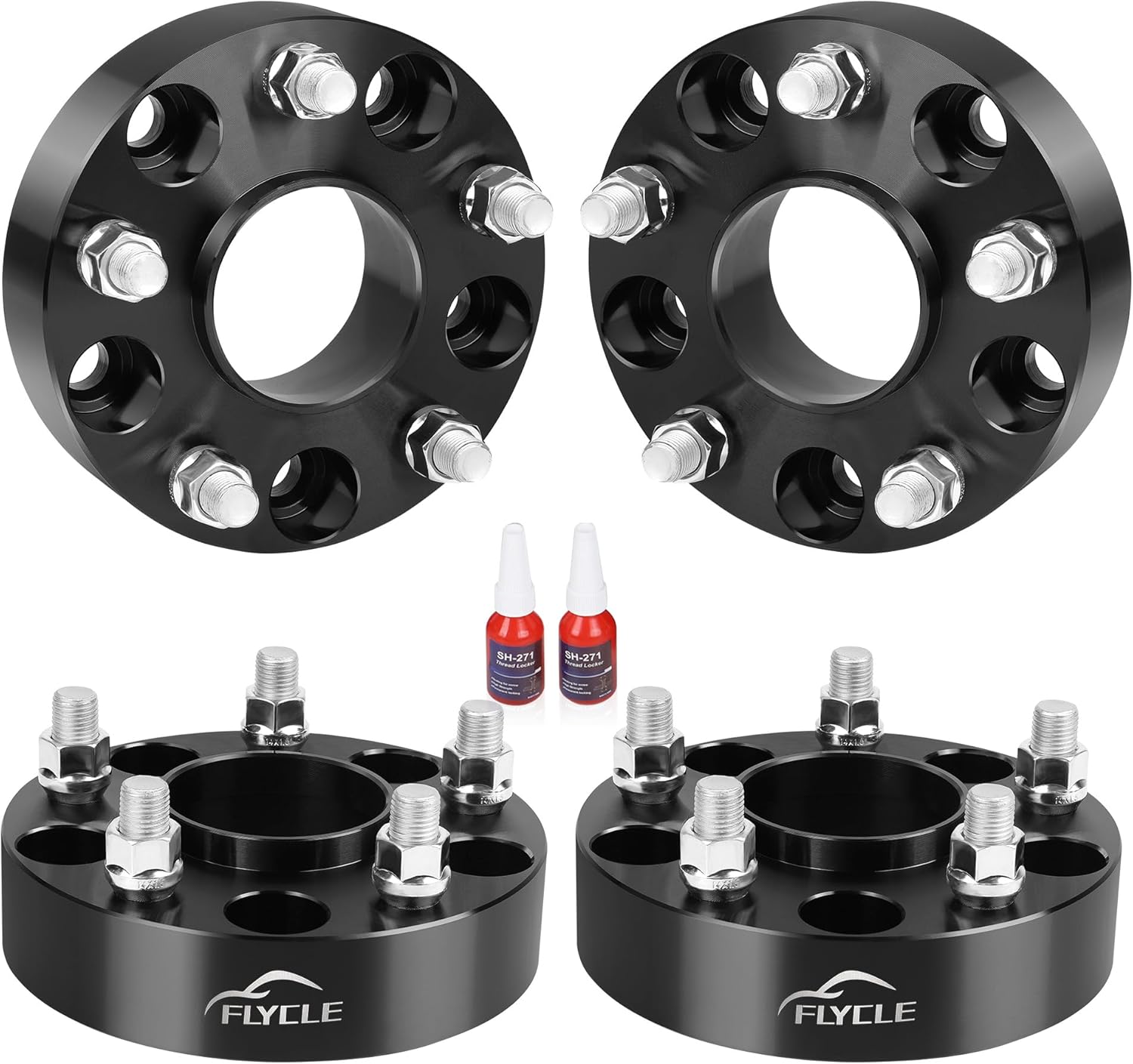
7. FLYCLE 1.5" 5×5 Hubcentric Forged Wheel Spacers (71.5mm)
| Thickness | 1.5 inch / 38.1 mm |
|---|---|
| Bolt pattern | 5×127 mm (5×5) |
| Center bore | 71.5 mm |
| Thread pitch | 14×1.5 |
| Material | 6061-T6 aluminum |
These FLYCLE 1.5-inch hubcentric wheel spacers move the wheel outboard to improve tire clearance, correct brake caliper interference, and give a wider, more aggressive track. Sold as a 4-piece kit with 14×1.5 studs and a 71.5mm center bore, the spacers are forged from 6061-T6 aluminum, CNC machined, anodized and heat treated for better hardness and corrosion resistance. Installation is typical for wheel spacers: remove the wheel, fit the spacer to the hub, tighten the supplied studs to the recommended torque range and re-fit the wheel using factory or longer wheel studs as required. Practical benefits include allowing larger tires and improving vehicle stance while maintaining hubcentric alignment to reduce vibration risk. The kit includes thread locker and a manual, and the claimed stud grade supports secure wheel attachment. Limitations to consider are the added track width which affects turning clearance and suspension geometry and the need to follow manufacturer torque and installation checks; professional installation is advisable if you prefer minimal risk or have a lightly modified suspension.
Best for: Buyers who prioritize a reliable, factory-quality upgrade to fit wider tires or resolve caliper clearance on a Gladiator while minimizing installation unknowns and vibration risk.
Less Ideal for: Drivers who frequently use extreme off-road suspension lifts or who prefer a no-modification return to factory geometry should consider other clearance solutions or consult a wheel and suspension specialist.
- Forged 6061-T6 aluminum construction for strength and corrosion resistance
- Hubcentric 71.5mm bore helps center the wheel and reduce vibration
- Includes high-strength studs and thread locker for secure installation
- CNC machining and anodized finish improve fit precision and durability
- Adds track width which can affect turning clearance and vehicle handling if not planned for
Verdict: A forged, hubcentric 1.5-inch spacer built for secure, vibration-minimized fitment that safely opens clearance for larger tires on Gladiator-class vehicles.
Choosing the Right 2026 Jeep Gladiator Wheel Spacers: Key Factors to Consider
Bolt Pattern and Center Bore Fitment
Matching the Gladiator's bolt pattern and center bore is the foundational requirement for any wheel spacer. A spacer must align perfectly with the vehicle hub and wheel fastener locations to maintain proper load distribution. Mismatched bolt patterns can cause improper seating, increased stress on studs, and potential safety hazards.
Confirm the spacer lists explicit compatibility with the 2020-present (JT) Gladiator bolt pattern and that the center bore either matches the factory hub or provides a precise hub-centric seat. If an adapter changes bolt pattern, verify it does so without compromising stud engagement depth. Accurate fitment reduces runout, helps prevent vibration, and ensures the spacer does not create eccentric loading on bearings.
Material, Machining, and Structural Integrity
Material selection and manufacturing quality determine how well a spacer will withstand repeated loads on and off-road. High-strength billet aluminum or forged steel are common choices; the critical factors are the alloy specification, heat treatment, and CNC machining tolerances. Poorly machined spacers can have uneven faces or imprecise bores that produce wheel wobble.
Inspect product specifications for tensile strength, hardness, and whether the spacer is machined from a single billet or cast. Look for quality control mentions such as runout tolerances and test reports. Corrosion-resistant finishes and plated or stainless hardware also extend service life, particularly in wet or salt-affected environments.
Hubcentric Vs Lugcentric Design
Hubcentric spacers use the vehicle hub as the primary centering surface, while lugcentric spacers rely on the lug nuts or bolts to center the wheel. For the Gladiator, hubcentric spacers generally provide lower risk of vibration because they ensure the wheel is concentric with the hub before the fasteners are torqued.
If you select a lugcentric spacer, confirm the spacer and wheel mating surfaces are perfectly flat and that the hardware allows for correct clamping force. Hubcentric options that include a precise lip or sleeve to match the Gladiator hub bore will usually produce better long-term ride quality and reduce the chance of stress on studs or wheel bearings.
Spacer Thickness and Its Effect on Steering and Bearings
Spacer thickness determines how far out the wheel sits from the hub, which changes scrub radius, steering feedback, and bearing loads. Small spacers can improve clearance with minimal impact, while very thick spacers increase leverage on wheel bearings and suspension components.
Consider the intended purpose: clearance for tires or brake calipers often needs only modest thickness, while aesthetic stance may use larger offsets. Check manufacturer guidance for maximum recommended thickness for the Gladiator and be mindful that significant increases in track width alter handling characteristics and can accelerate wear on wheel bearings and wheel studs.
Hardware Quality and Installation Kit Completeness
Reliable hardware is essential for a safe installation. Good kits include high-quality studs or extended bolts, correctly sized washers, and torque specifications. Some spacers are sold as pass-through designs that reuse factory studs, while others include longer studs or require replacement of lug nuts.
Verify the kit provides hardened hardware rated for automotive use and that fastener lengths maintain adequate thread engagement. Anti-seize or threadlocker guidance should be provided. A complete installation kit reduces the chance of mismatched fasteners and simplifies safe, repeatable installations on the Gladiator.
Corrosion Protection and Serviceability
Jeep Gladiators are frequently used off-road and exposed to moisture, mud, and road salt, so corrosion resistance matters. Protective coatings, anodizing quality, and stainless or plated hardware prevent seizing and make future removal easier. Poor corrosion protection can trap moisture between the spacer and hub, leading to galvanic corrosion.
Choose spacers with robust anodize or powder-coat finishes and stainless or zinc-plated fasteners. Also consider whether the spacer design allows inspection of hub and rotor surfaces without full removal, making periodic maintenance easier and reducing the risk of stuck hardware.
Fitment Notes for the 2020-Present (JT) Gladiator
The 2026 Jeep Gladiator falls within the 2020-present (JT) generation, and many owners searching for spacers use generation codes when confirming fit. When shopping, use fitment references that explicitly include 2020-present (JT) to ensure bolt pattern and center bore compatibility with the Gladiator.
Inspect technical drawings or fitment tables to confirm stud length and thread pitch. Some spacers are vehicle-specific and list the Gladiator (2020-present JT) directly, while universal spacers may require additional verification. Always verify that the spacer does not interfere with brake components, sensor wiring, or ABS tone rings.
- Confirm bolt pattern and hub bore match the Gladiator specification.
- Check that spacer thickness provides the clearance you need without exceeding manufacturer recommendations.
- Verify hardware thread pitch and engagement depth before final installation.
Common Spacer Thicknesses and When to Use Them
Spacer thickness guides what clearance or stance you achieve and affects mechanical loads. Typical thicknesses used on Gladiators range from modest 5 to 15 mm spacers for minor clearance up to larger 25 to 50 mm spacers for more aggressive stance or to clear very wide tires.
Select smaller spacers when your goal is to eliminate slight rubbing or to correct minor offset differences. For larger changes that alter track width substantially, consider the potential impact on wheel bearings and steering geometry and consult a suspension specialist if unsure.
- 5–15 mm: Minor clearance, wheel alignment largely unaffected.
- 15–25 mm: Moderate stance change and clearance for wider tires.
- 25 mm+: Significant track change, reassess bearing loads and scrub radius.
Installation Essentials and Torque Guidance
Proper installation is critical to avoid vibration or fastener failure. Use a calibrated torque wrench and follow the torque specs provided by the spacer manufacturer; if a spec is not provided, use the Gladiator factory lug torque as a baseline while confirming thread engagement meets recommended standards. Tighten in a star pattern and re-torque after the first 50 to 100 miles of use.
If the spacer kit includes extended studs, ensure the studs seat fully in the hub and that at least the factory minimum number of threads remain engaged by the lug nut or bolt. Use anti-seize where recommended and avoid overtorquing, which can stretch studs or damage threads.
- Always torque in a star pattern and re-check torque after initial driving.
- Maintain minimum thread engagement as specified by the hardware manufacturer.
- Use a calibrated torque wrench and follow any spacer-specific torque recommendations.
Addressing Vibration and Runout Concerns
Vibration after installing spacers is often caused by poor centering, excessive runout, or uneven faces. Hubcentric spacers that seat on the Gladiator hub reduce this risk. If vibration occurs, inspect spacer and wheel faces for flatness and check runout with a dial indicator if possible.
Corrective steps include ensuring hub mating surfaces are clean and free of corrosion, verifying the spacer is fully seated, and confirming wheels are torqued to specification. In some cases, thinner spacers or a hub-centric ring that matches the center bore can resolve minor vibration issues.
- Clean hub and wheel contact surfaces before installation.
- Use hub-centric spacers or rings when possible to reduce runout.
- Measure runout if vibration persists and consult a wheel shop for precision balancing.
Legal and Alignment Considerations
Laws and regulations about wheel modifications vary by jurisdiction. Some areas have restrictions on how far a wheel may extend beyond the fender. Confirm local rules before making significant changes to track width or stance on the Gladiator.
After installing spacers, have the alignment checked. Changes in track width and scrub radius can affect steering geometry and tire wear. An alignment shop can advise whether camber, toe, or caster adjustments are needed to compensate for spacer-induced changes.
- Check local vehicle modification laws regarding wheel protrusion.
- Schedule an alignment check after installing spacers that change track width noticeably.
Maintenance and Periodic Checks
Regular checks of spacer hardware and torque are important, especially after off-road use. Inspect fasteners for corrosion, ensure spacers remain fully seated, and watch for any unusual noises or looseness. Re-torque to specified values periodically according to the spacer manufacturer's recommendations.
If you remove wheels seasonally, clean mating surfaces and inspect the spacer for cracks or thread damage before reinstalling. Proper maintenance extends service life and reduces the risk of failure in harsh driving conditions.
- Inspect hardware and torque after heavy off-road trips.
- Clean mating surfaces during seasonal wheel changes.
- Replace any corroded or damaged fasteners promptly.
Still looking for the perfect fit?
Select your Jeep Gladiator configuration to see the most relevant Wheel Spacers recommendations
How We Chose the Best 2026 Jeep Gladiator Wheel Spacers
We prioritized criteria that directly affect safety, fitment, and performance on the 2026 Jeep Gladiator (2020-present JT). First, fitment accuracy: spacers must match the Gladiator bolt pattern, center bore, and wheel stud arrangement to avoid vibration and ensure proper load transfer. Second, material and machining: high-grade billet aluminum or forged steel with precise CNC machining reduces risk of fracture and ensures concentricity. Third, hub centricity and mounting method: hubcentric designs that seat on the vehicle hub reduce runout compared with lug-centric spacers; we favored spacers with clear hub-seat specifications. Fourth, thickness and offset options: we included a range of spacer thicknesses appropriate for common clearance needs while noting how thickness affects wheel bearings and scrub radius. Fifth, hardware and installation support: we looked for complete installation kits, compatible studs or lug bolts, and clear torque specs.We excluded products lacking clear fitment data for the 2020-present (JT) Gladiator, items with unspecified material grades, or offerings that required substantial modification to your hub or rotor. Safety-related factors such as load rating, corrosion-resistant coatings, and backed hardware influenced selections. The final list balances structural integrity, real-world fitment, and practical installation features important for Gladiator owners.
Our full evaluation process is outlined in our review methodology.
FAQ
Will wheel spacers cause vibration on my Gladiator?
Vibration can happen if the spacer is not properly centered or if the faces are uneven. Hubcentric spacers that match the Gladiator hub bore reduce this risk. Proper installation, clean mating surfaces, and correct torque usually prevent vibration.
How do I know which spacer thickness I need?
Determine whether you need clearance for tires, calipers, or a visual stance change. Small issues typically require 5–15 mm, moderate changes 15–25 mm, and larger stance adjustments more than 25 mm. Consider effects on steering geometry and bearing loads when choosing thickness.
Can I reuse my factory studs with spacers?
Some spacers are designed for pass-through use with factory studs, while others require extended studs or different hardware. Confirm spacer design and that enough thread engagement remains when using factory studs to maintain safe clamping force.
Do I need to re-torque the lug nuts after driving with spacers?
Yes. Re-torque the lug nuts or bolts after the first 50 to 100 miles and periodically thereafter, especially after off-road use. This helps ensure clamping force remains correct as components settle.
Will spacers affect wheel alignment or handling?
Spacers change track width and can alter scrub radius, which may affect handling and accelerate tire wear if not addressed. Have an alignment check after installing spacers that materially change track width to assess any necessary suspension adjustments.
Are hubcentric spacers always better than lugcentric ones?
Hubcentric spacers are generally preferred because they use the hub to center the wheel and reduce runout. However, a well-made lugcentric spacer can still work if surfaces are flat and hardware provides correct clamping. Hubcentric designs typically reduce the chance of vibration.
Final Verdict
Choosing wheel spacers for the 2026 Jeep Gladiator involves balancing clearance, stance, and mechanical tradeoffs. Prioritize correct bolt pattern and center bore fitment, robust material and machining, and hardware that maintains adequate thread engagement. Think carefully about spacer thickness because larger offsets change steering geometry and increase loads on bearings.If you want improved stance or clearance with minimal risk of vibration, opt for hubcentric spacers with a complete installation kit and follow torque and maintenance guidance. For larger changes, consult a suspension or alignment specialist to ensure long-term reliability and safe handling.
Explore More:
- Check out all Jeep Gladiator parts & accessories
- Explore Wheel Spacers Maintenance & Repair Guides
- Explore Wheels & Tires
- Browse all Auto Parts
