

Note: This article contains affiliate links. If you click on these links and make a purchase, I may earn a small commission at no extra cost to you. This helps support my research and content. Read my full affiliate disclosure here.
Adding the right wheel spacers to a 1998-2004 Nissan Frontier can open up wheel choices, improve fender clearance, and sharpen the truck's stance without major suspension changes. You want spacers that fit the Frontier's bolt pattern, keep the wheels centered on the hub, and maintain factory safety margins.This guide shortlists the top wheel spacers for this Frontier generation based on fitment, installation simplicity, materials, and safety. It explains the key tradeoffs and installation considerations so you can pick a spacer that meets your clearance and handling goals. Read on for the factors we evaluated and practical advice for installation and maintenance.
Looking for other parts? See all Nissan Frontier parts & accessories.
Top Picks at a Glance
| Best Overall The best all-around choice for most situations | ECCPP 2" 6×5.5 (6×139.7) Wheel Spacers — 108mm CB, 12×1.25 Studs (4 pcs) |  |
| Best Quality Built to a higher standard if you want something more solid | Torchbeam 2" 6×5.5 Lug-Centric Wheel Spacers (4-pack) |  |
| Best Value The sweet spot between price and what you get | SCITOO 1.5" 6×5.5 Wheel Adapters (4-pack) — 108mm Bore, 12×1.25 Studs |  |
| Best Budget The cheapest option that still gets the job done reliably | ECCPP 1" 6×5.5 (6×139.7mm) Wheel Spacers, 108mm CB, 12×1.25 Studs (2-Pack) |  |
| Highest Rated A top-rated pick with lots of positive feedback | PHILTOP 2" 6×5.5 Lug-Centric Wheel Spacers (4 pc) for Nissan Frontier |  |
| Most Popular A crowd favorite that many people choose with confidence | SCITOO 1" 6×5.5 Wheel Spacers with 12×1.25 Studs, 108mm Hub Bore (Pair) |  |
1. ECCPP 2" 6×5.5 (6×139.7) Wheel Spacers — 108mm CB, 12×1.25 Studs (4 pcs)
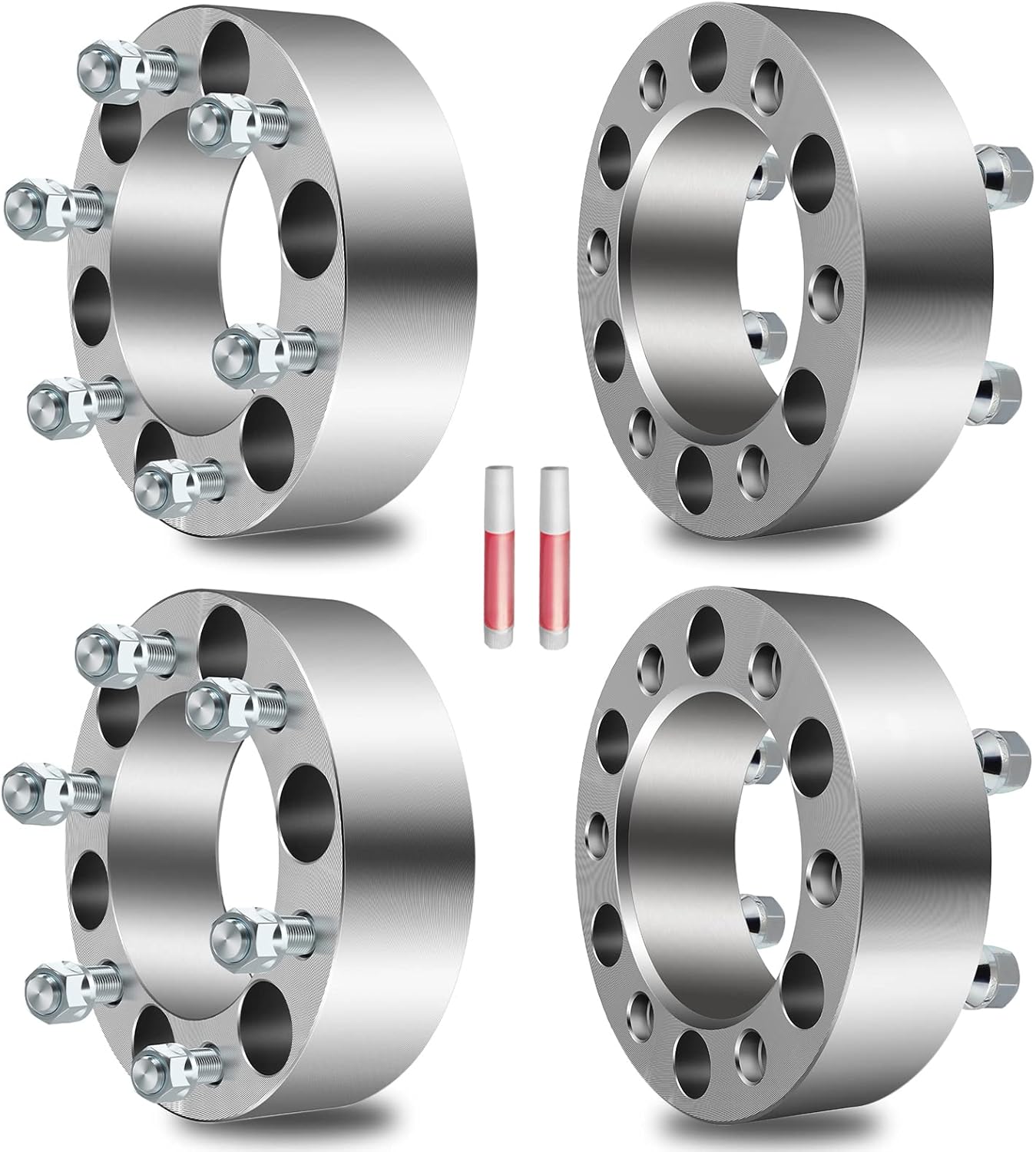
| Bolt pattern | 6×5.5 (6×139.7mm) |
|---|---|
| Thickness | 2 inch (50mm) |
| Center bore | 108mm |
| Stud thread | 12×1.25 |
These ECCPP 2-inch wheel spacers push wheels outward by 50mm to give a wider stance and improved lateral stability for compatible trucks. Intended as a bolt-on adapter, the set uses 12×1.25 threaded studs and retains a 108mm center bore so wheels with the same 6×5.5 bolt pattern can be refitted without machining the wheel center. Typical use is to increase track width to reduce body roll and achieve a more aggressive look while keeping factory mounting geometry. Buyers will appreciate the clear fitment guidance for late 1990s–2004 Nissan Frontier and related models and the included lug configuration that matches factory wheel studs. Important limitations: you must confirm at least 2 inches of fender clearance, and some factory studs may need trimming or replacement if they extend past the spacer; longer tires or offset wheels may still require leveling or trimming to avoid rubbing. Installation requires proper torque and periodic recheck of fasteners like any aftermarket spacer.
Best for: Buyers who want a balanced improvement in handling and appearance for a late 1990s–2004 Frontier, prioritizing a factory-like bolt-on solution and straightforward fitment checks.
Less Ideal for: Drivers planning extreme offsets, very large tires, or lowered setups that eliminate fender clearance should look at dedicated lift or wheel solutions instead.
- Widened 2-inch stance improves lateral stability and visual stance.
- Direct bolt-on 6×5.5 (6×139.7mm) pattern with 12×1.25 studs for straightforward fitment.
- 108mm center bore preserves wheel centering without hub machining when matched.
- Comes as a full four-piece set so all four corner spacers are included for a balanced fit.
- Requires at least 2 inches of fender clearance so not suitable for lowered trucks without modification.
- May require shortening or replacing factory studs if they extend past the spacer surface.
Verdict: A practical 2-inch bolt-on spacer set that gives 1998–2004 Nissan Frontier owners a wider stance and improved stability with minimal wheel modification.
2. Torchbeam 2" 6×5.5 Lug-Centric Wheel Spacers (4-pack)

| Bolt pattern | 6×5.5 (6×139.7mm) |
|---|---|
| Thread pitch | M12x1.25 |
| Center bore | 108mm |
| Thickness | 2 inch (50.8mm) |
These Torchbeam 2-inch lug-centric wheel spacers bolt directly to vehicles with a 6×5.5 (6×139.7mm) bolt pattern to move each wheel outward by 50.8mm. Built from CNC-machined, forged 6061-T6 aluminum and paired with heat-treated 12.9-grade bolts, they are intended for demanding on- and off-road use where increased track width can improve stability and cornering. Installation is bolt-on with no drilling required and the raised center bore (108mm) is designed for a lug-centric fit. In practice the spacers deliver a wider stance and a more aggressive look while helping reduce body roll and improving tire clearance for wider tires or aftermarket wheels. Buyers should note the added unsprung/rotational mass and the importance of using the recommended torque and proper installation to avoid stress on wheel studs. These come as a set of four and are aimed at owners who want a performance-oriented handling and stance upgrade for compatible Nissan trucks.
Best for: Drivers who prioritize sharper handling, reduced body roll, and a wider stance on compatible Nissan Frontier models and want a durable, track-capable spacer for performance driving.
Less Ideal for: People seeking a purely cosmetic change without concern for potential effects on suspension dynamics or those unwilling to follow torque and installation checks.
- Forged 6061-T6 aluminum construction for higher strength than typical cast spacers
- CNC-machined, lug-centric design with 108mm center bore for accurate wheel centering
- Includes hardened 12.9-grade bolts for improved corrosion resistance and tensile strength
- Bolt-on installation with no drilling required and designed for direct fitment to listed models
- Wider stance improves cornering stability and allows fitting wider wheels or tires
- Adds unsprung and rotational mass which can slightly affect acceleration and suspension response
Verdict: Choose these forged 2-inch spacers if you want a robust, performance-focused way to widen the track and improve handling on compatible Nissan trucks.
3. SCITOO 1.5" 6×5.5 Wheel Adapters (4-pack) — 108mm Bore, 12×1.25 Studs

| Bolt pattern | 6×5.5 |
|---|---|
| Offset thickness | 1.5 inch |
| Center bore | 108mm |
| Stud thread pitch | 12×1.25 |
| Material | Aluminum alloy |
These SCITOO adapters are a vehicle-specific 4-piece kit that pushes your Frontier's wheels 1.5 inches outward while retaining a 6×5.5 bolt pattern and 108mm center bore. Built from hot-forged aircraft-grade aluminum with hardened ISO/DIN 10.9 studs, the set is designed to increase track width for a wider stance, reduce the tire-to-fender gap, and improve cornering stability. Installation is straightforward when swapping wheels and studs, and the parts are described as precision engineered for a close fit and preserved wheel balance. Practical buyers will appreciate the strength-to-weight claim and the included studs that simplify retrofit work. Limitations to note are the need for correct vehicle-year fitment and professional installation to ensure lug torque and hubcentric alignment; these adapters are specific to certain Nissan/Infiniti years and will not be a universal solution. Expect improved stance and handling when fitted correctly, but plan to verify fit and have a shop torque and inspect the installation after the first few miles.
Best for: Buyers wanting a practical, bolt-on way to widen their Frontier for a better stance and modest handling gains while keeping a focus on durable, factory-quality replacement parts.
Less Ideal for: Drivers seeking large offsets, full custom wheel fitments, or a universal spacer solution for multiple vehicles should look elsewhere.
- Vehicle-specific fit for selected 1998–2004 Nissan Frontier applications simplifies installation.
- Hot-forged aircraft-grade aluminum construction for a high strength-to-weight ratio.
- Includes hardened 12×1.25 studs to match bolt pattern and reduce required extra parts.
- 1.5-inch offset noticeably widens track for improved stance and cornering stability.
- Requires verification of exact year/trim compatibility and professional installation for safe use.
Verdict: A practical, vehicle-specific 1.5-inch adapter kit that widens the 1998–2004 Frontier for improved stance and handling while using factory-style studs.
4. ECCPP 1" 6×5.5 (6×139.7mm) Wheel Spacers, 108mm CB, 12×1.25 Studs (2-Pack)

| Bolt pattern | 6×5.5 (6×139.7mm) |
|---|---|
| Thickness | 1 inch |
| Thread pitch | 12×1.25 |
| Center bore | 108mm |
These ECCPP 1-inch wheel spacers push the wheels out for a wider track and a more aggressive stance while keeping a hub-centric fit for many Nissan pickups. Sold as a two-pack, they are CNC machined from forged 6061-T6 aluminum with an anodized finish and use 12×1.25 studs and a 108mm hub bore for a tight fit. Typical use is simple bolt-on installation with standard tools and a torque wrench; the listing includes thread locker and recommends re-torquing after 50 to 100 miles. The thicker track helps handling feel more planted during cornering and can reduce body roll versus stock setup. These spacers are a budget-friendly option that balances strength and precision, but fitting depends on exact hub dimensions and stud thread pitch so confirm compatibility before ordering. Also note that adding spacers changes wheel offset and may affect clearance with fenders or suspension components on heavily lowered or modified trucks.
Best for: Owners looking for an affordable way to widen the stance of a 1998–2004 Nissan Frontier and improve on-road stability without extensive modification.
Less Ideal for: Drivers who have heavily modified suspension, custom wheels with different bolt patterns, or those unwilling to verify hub bore and thread pitch before purchase.
- Forged 6061-T6 billet aluminum construction for strength with reduced weight
- CNC precision machining and hub-centric 108mm bore for accurate fitment
- Includes thread locker and recommends re-torque guidance for safe installation
- 1-inch thickness widens track to improve stability and cornering feel
- Fitment requires exact match of hub bore and 12×1.25 thread pitch so may not fit every wheel/hub combination
- Can change wheel offset and may cause clearance issues on lowered or heavily modified vehicles
Verdict: A cost-conscious, OEM-style 1-inch hub-centric spacer that widens the track and improves stability for properly matched 1998–2004 Nissan Frontier setups.
5. PHILTOP 2" 6×5.5 Lug-Centric Wheel Spacers (4 pc) for Nissan Frontier

| Thickness | 2 inch (50.8mm) |
|---|---|
| Bolt pattern | 6×5.5 (6×139.7mm) |
| Center bore | 108mm (no hub lip) |
| Stud thread | M12x1.25 |
| Stud grade | 12.9 high tensile |
These PHILTOP 2-inch wheel spacers move the wheels outward to improve stance and provide additional clearance for larger tires or brake upgrades on compatible 6×5.5 bolt pattern Nissan trucks. They are supplied as a 4-piece set machined from 6061-T6 billet aluminum, anodized for corrosion resistance, and use high-strength 12.9-grade studs rated for high tensile loads. Typical use is bolt-on installation between the hub and wheel after verifying fitment and center bore compatibility; the product notes a recommended lug torque and emphasizes professional measurement. The CNC machining and anodized finish offer durable, factory-quality appearance and resistance to road corrosion. Because these are hub-centric spacers with 108mm center bore without lip, correct fitment checks are essential to avoid vibration. Installation requires following torque specs and may need longer studs or different hardware for some wheels. For reliability-focused buyers this spacer set provides strong materials and high-tensile studs, but you should confirm exact fit and install carefully or have a shop handle the job.
Best for: Buyers who prioritize durable, high-strength wheel spacers to reliably run wider tires or clear larger brakes on a 1998–2004 Frontier and who will verify fitment and follow installation procedures.
Less Ideal for: Shoppers who want a no-check, universal fit or who prefer simpler wheel changes without additional hardware or professional installation should consider alternatives.
- Forged 6061-T6 aluminum construction for strength and corrosion resistance
- CNC precision machining and anodized finish for consistent fit and durability
- Grade 12.9 studs offering higher tensile strength than common 10.9 studs
- Designed specifically for 6×5.5 (6×139.7mm) bolt pattern which matches Nissan Frontier applications
- Includes recommended torque guidance to support correct installation
- 108mm center bore has no hub lip so precise measurement and fitment verification are required to avoid runout
- Requires careful installation and correct torqueing; may need professional installation for best reliability
Verdict: A reliability-minded choice for Frontier owners who need a strong, professionally made 2" spacer with high-tensile studs to safely run wider setups when fitment is confirmed.
6. SCITOO 1" 6×5.5 Wheel Spacers with 12×1.25 Studs, 108mm Hub Bore (Pair)

| Bolt pattern | 6×5.5 (6×139.7mm) |
|---|---|
| Thickness | 25mm (1 inch) |
| Stud thread pitch | 12×1.25 |
| Center bore | 108mm |
These SCITOO wheel spacers are designed to widen the track on 1998-2004 Nissan Frontier and similar 6×5.5 vehicles, using a 25mm (1 inch) spacer thickness and a 108mm hub bore for hub-centric fit. Made from forged aluminum and CNC machined, they come with grade 10.9 studs preinstalled and are torqued to a recommended 70-80 ft·lb, which helps keep the wheel connection secure for street and light off-road use. Installation is straightforward for a competent DIYer and the product notes to re-torque after the first 50-60 miles, which is sensible maintenance advice. In practice these spacers reduce perceived body roll by widening the stance and can improve clearance for larger tires or aftermarket wheels. Limitations to keep in mind are fitment sensitivity and the need to verify vehicle year and hub dimensions before buying, and professional installation is recommended if you are unsure, since incorrect installation risks wheel loosening. These are a practical, budget-friendly option when you need a simple, hub-centric spacer for a Frontier.
Best for: Buyers who want a cost-effective, hub-centric spacer to widen the stance or run wider tires on a 1998-2004 Nissan Frontier and who prioritize a product with verified vehicle-specific fitment and tensile-rated hardware.
Less Ideal for: Drivers seeking heavy-duty commercial or extreme off-road use where thicker spacers or custom fabrication are required, or those who prefer a bolt-on solution that does not require any wheel or bolt modification.
- Forged aluminum construction with CNC machining for accurate hub-centric fit
- Ships with grade 10.9 studs sized 12×1.25 for strong, high-tensile connection
- Pre-adjusted stud length to clear most factory bolts for easier installation
- Designed specifically for 6×5.5 bolt pattern with 108mm center bore for Frontier fitment
- Fitment requires careful verification of hub bore and year/model to avoid installation issues
- Installation and final torqueing should be done or checked by a professional if unsure
Verdict: A practical, hub-centric 1-inch spacer kit with high-strength studs made for Nissan Frontier owners who want a reliable, OEM-style way to widen their stance or fit larger wheels.
Choosing the Right 1998-2004 Nissan Frontier Wheel Spacers: Key Factors to Consider
Bolt Pattern and Hub Bore Fit
Matching the wheel spacer to the Frontier's bolt pattern is essential to avoid misfit and stress concentration on studs or lugs. Ensure the spacer supports the 5×114.3 bolt pattern and that the hub bore of the spacer aligns with the Frontier's hub diameter.
A hub-centric spacer that centers on the hub bore reduces the chance of wheel runout and vibration by transferring radial loads to the hub rather than the lug studs. If the spacer is lug-centric, expect greater reliance on the lugs to carry concentric loads, which can increase the chance of vibration or uneven lug wear. Always verify the spacer's bore size and whether it requires hub rings to achieve a proper hub-centric fit.
Thickness and Track Width Effects
Spacer thickness determines how far the wheel moves outward and directly affects track width, steering geometry, and suspension scrub radius. Small spacers (5 to 10 mm) can provide clearance for calipers or minor fender tuck, while larger spacers (12 mm and up) create a wider stance but can alter handling. Consider how increased track width changes steering feel and turn clearance with the Frontier's existing suspension geometry.
Beyond handling effects, thicker spacers increase leverage on wheel bearings and studs. Choose a thickness that solves the clearance issue with the minimal necessary offset change to reduce long-term stress on hub components. The spacer thickness guide and local regulations should inform the maximum safe width you choose for road use.
Material, Machining, and Corrosion Protection
Material choice and machining quality determine a spacer's structural reliability. Forged or CNC-machined 6061 or 7075 aluminum is common for strength-to-weight balance; however, material grade, heat treatment, and manufacturing tolerances vary. Look for smooth, concentric bores and accurately tapped holes to ensure even load distribution across studs or nuts.
Corrosion-resistant finishes, such as anodizing or durable coatings, help prevent galvanic corrosion between the spacer, hub, and wheel. Corrosion can seize hardware and degrade clamping surfaces over time, so proper surface protection and compatible materials are important for longevity in varied climates.
Mounting Method and Hardware Quality
Wheel spacers may mount using existing studs, extended studs, or additional bolts. Using properly rated extended studs and matching lug nuts designed for the spacer increases clamp integrity. Check that hardware is automotive grade and that threads match the Frontier's specifications.
A well-designed spacer includes clear recommendations for torque specs and a torque sequence. Hardware quality affects safety under repeated loading and when driving off-road. Avoid spacers that rely on thin or underspecified bolts, and prefer designs that distribute clamping forces evenly.
Hub-Centric Versus Lug-Centric Design
Hub-centric spacers align with the wheel hub to center the wheel before lug torque is applied, which minimizes runout and helps prevent vibration. For the Frontier, a spacer that matches the hub bore can be especially beneficial when using aftermarket wheels with different center bores.
Lug-centric spacers depend solely on the lug nuts to center the wheel and can be adequate for modest offsets, but they increase the reliance on lug torque precision and on the integrity of the studs. When vibration is a concern, especially at highway speeds, a hub-centric solution is generally safer and more reliable.
Installation and Maintenance Practicalities
Consider how easy the spacer is to install and later service. Clear instructions for torque specs, torque sequence, and re-torque intervals reduce the risk of under- or over-tightening. A spacer installation kit that includes extended studs, nuts, and instructions can simplify the process for owners who are doing the work themselves.
Maintenance includes periodic re-torque checks after initial installation and checks for corrosion or loosening over time. If the spacer design makes hub access difficult, plan for how you will inspect the hub and bearings during routine service intervals.
Common Bolt Patterns and What They Mean for Fitment
The most important dimension when picking a spacer for a 1998-2004 Nissan Frontier is the bolt pattern. The right bolt pattern ensures the spacer seats correctly against the hub and that the holes line up with wheel studs or bolts. A mismatched pattern can prevent secure installation and cause stress concentrations.
Understand also the relationship between the spacer bore and the wheel center bore. Even if the bolt pattern matches, a wheel with a larger center bore than the spacer may require hub rings or a hub-centric spacer to prevent runout.
- Verify bolt-hole spacing and stud fitment before purchase
- Check whether the spacer is sold as hub-centric or requires rings
- Confirm bore diameter and compatibility with wheel center bore
How Spacer Thickness Affects Handling and Wear
Moving the wheel outward changes scrub radius and alters the load path through wheel bearings and suspension components. Small thicknesses usually have negligible impact on handling, but substantial increases in track width can affect steering response and increase wear on bearings.
For daily-driven Frontiers, balance the visual or clearance benefits with the extra leverage that wider setups impose on suspension parts. If you plan heavier duty use or off-road driving, consider how spacer thickness combines with wheel offsets and tire size to affect component life.
- Start with the minimal thickness that solves clearance
- Anticipate slightly faster bearing wear with larger spacers
- Reassess alignment after installing significant spacers
Installation Steps and Tools You Will Need
A safe installation starts with the right tools: a calibrated torque wrench, jack stands, wheel chocks, and any installation kit hardware such as extended studs or specific nuts. Follow a proper sequence: loosen wheel nuts with the truck on the ground, raise the vehicle, remove the wheel, and clean mounting surfaces before fitting the spacer.
Hand-thread the hardware first, then torque in a star pattern to the specified torque. Many spacers require re-torque after a short break-in distance, commonly after 25 to 50 miles. Keep manufacturer torque guidelines in mind and use the correct torque specs for the Frontier's lug hardware.
- Tools: torque wrench, jack and stands, breaker bar, thread cleaner
- Clean hub mating surfaces to remove rust or debris
- Torque in a star pattern and re-torque after initial driving
Dealing With Potential Vibration
Vibration after installing spacers is often caused by runout from poor concentricity between the wheel, spacer, and hub. Using hub-centric spacers or proper hub rings reduces this risk. Also ensure wheels are mounted straight and lug nuts are torqued to specification.
If vibration occurs, recheck bore alignment, lug torque, and inspect for bent studs or warped rotors. Minor vibration may be remedied by re-torquing or correcting fitment; persistent vibration should be inspected by a qualified technician.
- Prefer hub-centric spacers to reduce runout risk
- Verify torque specs and re-torque after initial miles
- Inspect studs and rotors if vibration persists
Legal And Safety Considerations
Regulations and inspection standards vary by region. Some jurisdictions restrict the amount a wheel can extend beyond the fender or require specific hardware standards. Check local laws and safety inspection requirements before modifying track width on a Frontier.
Safety-wise, do not exceed manufacturer recommendations for load capacity and ensure hardware is grade-rated for automotive use. Modifications that alter handling or load distribution should be reviewed if the vehicle is used for towing or heavy loads.
- Confirm local rules on wheel protrusion and aftermarket parts
- Use automotive-grade hardware and follow torque recommendations
- Re-evaluate suspension and alignment after major offset changes
Still looking for the perfect fit?
Select your Nissan Frontier configuration to see the most relevant Wheel Spacers recommendations
How We Chose the Best 1998-2004 Nissan Frontier Wheel Spacers
Our selection focused on attributes that matter specifically for 1998-2004 Nissan Frontier owners. We prioritized correct bolt pattern options and hub-centric designs that match the Frontier's wheel bore to minimize runout and vibration. Structural integrity and metallurgy were key: materials, machining tolerances, and corrosion-resistant finishes were used as proxies for long-term durability under daily driving and occasional off-road loads.Fitment checks included spacer thicknesses that address common clearance needs without excessive track widening, and inclusion or compatibility with installation kits such as extended studs and matching nuts. We examined mounting methods and whether hardware is grade-rated for automotive use. Ease of installation was considered, including whether the spacer is hub-centric or lug-centric, and whether installation requires a torque-sequence and torque-spec reference.We excluded options lacking clear bolt-pattern compatibility with 5×114.3 or those with unverified material claims. Products with ambiguous hardware specifications or no clear guidance on torque and maintenance were not considered. Overall, choices were based on fitment accuracy, safe mounting design, corrosion protection, and the practicalities of installing and servicing spacers on a 1998-2004 Nissan Frontier.
Our full evaluation process is outlined in our review methodology.
FAQ
Will wheel spacers fit the 1998-2004 Nissan Frontier without hub rings?
It depends on the spacer's bore size and the wheel's center bore. Hub-centric spacers matching the Frontier's hub bore typically do not need rings, while lug-centric spacers or mismatched bores may require hub rings to achieve proper centering.
How tight should I torque spacer studs and nuts on a Frontier?
Use the vehicle and spacer manufacturer's recommended torque specs. Typically you should torque in a star pattern and re-torque after initial driving. If the spacer comes with specific torque values, follow those; otherwise use the Frontier's lug torque spec for the final nuts with the spacer installed.
Do wheel spacers cause vibration on the Frontier?
They can if the spacer is lug-centric or poorly machined and causes runout. Hub-centric spacers and precise machining reduce the risk. Always check bore alignment and lug torque if you feel new vibration after installation.
What spacer thickness is safe for everyday driving on this Frontier?
Small spacers in the 5 to 12 mm range are commonly used for minor clearance and stance changes and typically pose less risk to bearings. Larger spacers increase leverage on hub components and should be chosen cautiously based on intended use and regular maintenance intervals.
Do I need an installation kit to fit spacers on my Frontier?
An installation kit that includes extended studs and matching nuts can make installation easier and safer, especially for thicker spacers. Some spacers work with factory studs, but thicker or bolt-on designs often need extended hardware to ensure proper thread engagement.
Will wheel spacers affect wheel alignment on the Frontier?
Spacers change track width and can slightly affect steering geometry. While they do not directly change camber or toe, the altered scrub radius and leverage can impact handling. It is wise to check alignment after installing larger spacers or if you notice changes in tire wear or steering feel.
Final Verdict
When choosing wheel spacers for a 1998-2004 Nissan Frontier, prioritize correct bolt pattern fitment, hub-centric alignment, and the minimal thickness that solves clearance or stance goals. Balance the visual and clearance benefits against added loads on bearings, studs, and suspension components.Focus on quality materials, proper hardware, and a careful installation process that includes re-torquing after initial use. By sticking to these priorities and accounting for local safety rules, you can achieve the clearance and appearance you want while minimizing negative impacts on durability and ride quality.
Explore More:
- Check out all Nissan Frontier parts & accessories
- Explore Wheel Spacers Maintenance & Repair Guides
- Explore Wheels & Tires
- Browse all Auto Parts
