

Note: This article contains affiliate links. If you click on these links and make a purchase, I may earn a small commission at no extra cost to you. This helps support my research and content. Read my full affiliate disclosure here.
A failing valve cover gasket can mean oil on the ignition coils, messy engine bays, and potential long-term wear if left unaddressed. For Honda Civic Si owners, choosing the right valve cover gasket matters because the engine runs hot and tight clearances make a proper seal essential. This guide focuses on the top gasket options that match Civic Si requirements and explains the practical differences you should care about.We shortlisted the most promising valve cover gaskets based on sealing materials, fitment reliability, and long-term durability. Below you will find clear reasons to consider each option and the evaluation criteria used to vet them, so you can pick a solution that reduces leaks and simplifies installation.
Looking for other parts? See all Honda Civic parts & accessories.
Top Picks at a Glance
| Best Overall The best all-around choice for most situations | A-Premium Engine Valve Cover Gasket Set for Honda 2.0L–2.4L Engines |  |
| Best Quality Built to a higher standard if you want something more solid | Fel-Pro VS50741R Valve Cover Gasket Set |  |
| Best Budget The cheapest option that still gets the job done reliably | SCHUSSPART Engine Valve Cover Gasket Set (fits select Honda and Acura 1.8L/2.0L) |  |
| Highest Rated A top-rated pick with lots of positive feedback | Fel-Pro VS 50500 R Valve Cover Gasket Set |  |
| Most Popular A crowd favorite that many people choose with confidence | MNJWS Valve Cover Gasket Set for 2.0L–2.4L Honda and Acura Engines |  |
| Best Seller A high-volume bestseller chosen again and again | RICHWEI VS50741R Engine Valve Cover Gasket Set |  |
1. A-Premium Engine Valve Cover Gasket Set for Honda 2.0L–2.4L Engines

| Compatible engines | Honda/Acura 2.0L–2.4L (listed models/years) |
|---|---|
| Material | NBR/ACM Rubber |
| Operating temperature | -20°C to 150°C |
| Included parts | 1 valve cover gasket, 4 spark plug tube seals, 5 grommets |
This A-Premium valve cover gasket kit replaces the main valve cover seal and includes four spark plug tube seals and five grommets to address common oil leaks around the cover and spark plug wells. It is molded from NBR/ACM rubber and rated for automotive oil resistance and elevated temperatures, so it should handle normal engine heat and oil exposure without swelling or hardening. The kit is engineered to match factory dimensions for a precise fit on the listed Honda and Acura 2.0L–2.4L engines, which simplifies installation and reduces the need for extra sealants. Buyers will appreciate the inclusion of the spark plug tube seals and grommets so you can do a full gasket service in one job. On the downside this is an aftermarket part so longevity can vary compared with higher-end branded replacements and the kit only fits the specified engine families and years, so confirm compatibility before purchasing. For DIYers and independent shops this kit offers a complete, practical repair solution to stop valve cover leaks without extra parts.
Best for: Buyers who want a practical, do-it-yourself repair or a cost-conscious replacement that restores a factory-style seal and addresses common valve cover leak points in Honda and Acura 2.0L–2.4L engines.
Less Ideal for: Those seeking an OEM-branded replacement or the highest-end performance elastomer for extreme service should consider other options.
- Complete kit includes main gasket, spark plug tube seals, and grommets for a one-job repair
- NBR/ACM rubber construction with specified oil resistance and elevated temperature tolerance
- Manufactured to match factory dimensions for a snug fit and easier installation
- Aftermarket durability may vary compared with premium OEM-sourced parts
Verdict: A practical, complete gasket kit that gives DIYers and independent shops a reliable, factory-dimension replacement to stop valve cover leaks on Honda and Acura 2.0L–2.4L engines.
2. Fel-Pro VS50741R Valve Cover Gasket Set

| Compatible models | 2013-2015 Acura ILX; 2016-2020 Honda HR-V; 2006-2015 Honda Civic |
|---|---|
| Material Type | Rubber |
| Included Components | Valve Cover Gasket Set |
| Model | VS 50741 R |
This Fel-Pro valve cover gasket set replaces the rubber seals around the valve cover and includes the components usually required for a complete repair. It is engineered from a cork-rubber formulation that stays conformable on imperfect sealing surfaces, so it is useful when the valve cover or head surface has minor wear or irregularities. Installation is typical for a valve cover job: remove the cover, clean the sealing surfaces, fit the new gasket and re-torque fasteners to spec. Real-world testing and on-vehicle validation indicate the set is built to factory-replacement standards rather than performance upgrade levels. For a performance-oriented Civic Si, the gasket restores a reliable seal after maintenance or valve-cover removal and reduces oil seepage risks under boost or spirited driving. Limitations are that this is a direct replacement gasket set and does not add improved heat or pressure resistance beyond factory intent, and installers should verify compatibility with the Si model year before ordering.
Best for: Buyers who need a reliable, factory-quality replacement after valve cover service and prioritize a proven seal that handles normal spirited driving and routine maintenance.
Less Ideal for: Drivers seeking an aftermarket gasket specifically rated for sustained high boost, extreme track use, or significantly higher operating temperatures should consider dedicated performance gaskets instead.
- Designed to conform to imperfect sealing surfaces for a better seal during installation
- Includes the valve cover gasket and related components needed for a straightforward replacement
- Cork-rubber formulation offers durable, factory-style sealing performance
- Parts are tested on-vehicle and validated for real-world use
- Not engineered as an upgraded high-pressure or high-heat performance gasket beyond factory specifications
Verdict: Choose this Fel-Pro gasket set when you want a dependable, factory-quality replacement seal after valve cover service on supported Honda/Acura 4-cylinder engines.
3. SCHUSSPART Engine Valve Cover Gasket Set (fits select Honda and Acura 1.8L/2.0L)
| Material Type | NBR/ACM Rubber |
|---|---|
| Upper Temperature Rating | 150 Degrees Celsius |
| Fits Engines | Honda/Acura 1.8L and 2.0L (see part numbers) |
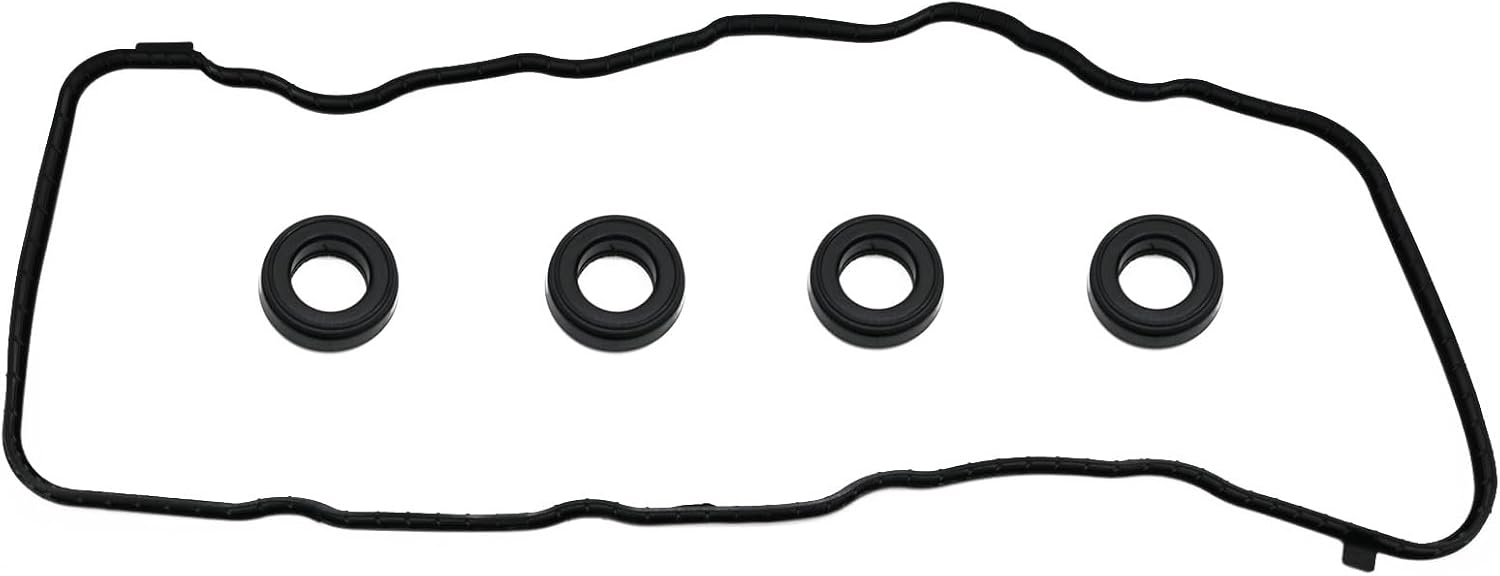
This SCHUSSPART valve cover gasket set replaces the main valve cover gasket and four spark plug tube seals for certain Honda and Acura 1.8L and 2.0L engines. It is used when the original seals have hardened and started to leak oil into the valve cover area or spark plug wells. The kit is molded from NBR/ACM rubber with a stated upper temperature rating of 150 C and is intended as a direct fit to factory sealing channels, so installation requires no modifications beyond cleaning mating surfaces and torquing the cover to spec. Practical benefits include restoring a clean engine bay, preventing oil fouling of spark plugs, and avoiding small leaks that cause odor and smoke. The material feels flexible yet firm and the included tube seals press in securely. Limitations are that fitment is vehicle-specific so you must confirm OEM part numbers, and the set does not include related hardware or RTV where some jobs may require it. For routine top-end maintenance on a budget this set provides a straightforward, OEM-style replacement.
Best for: Buyers wanting an affordable, no-frills replacement to stop minor valve cover and plug-well leaks and refresh the top end without paying for dealer parts; good for DIY maintenance and routine repairs.
Less Ideal for: People who need a complete overhaul kit including new bolts, specialized gaskets, or RTV, or those who cannot verify exact part number fitment for their engine.
- Direct-fit design that matches factory valve cover and spark plug tube channels
- Made from NBR/ACM rubber with a 150 C upper temperature rating for engine heat resistance
- Includes four spark plug tube seals so the common leak points are replaced together
- Easy installation when mating surfaces are clean; no modification required
- Does not include fasteners or sealant that some installations may need
Verdict: A budget-friendly, factory-style valve cover gasket set that reliably reseals valve covers and spark plug wells on compatible Honda and Acura 1.8L/2.0L engines.
4. Fel-Pro VS 50500 R Valve Cover Gasket Set
| Compatibility | 1996-2000 Honda Civic; 1997-2000 Acura EL |
|---|---|
| Material | Rubber (cork-rubber formulation) |
| Manufacturer | Fel-Pro |
| Manufacturer Part Number | VS50500R |
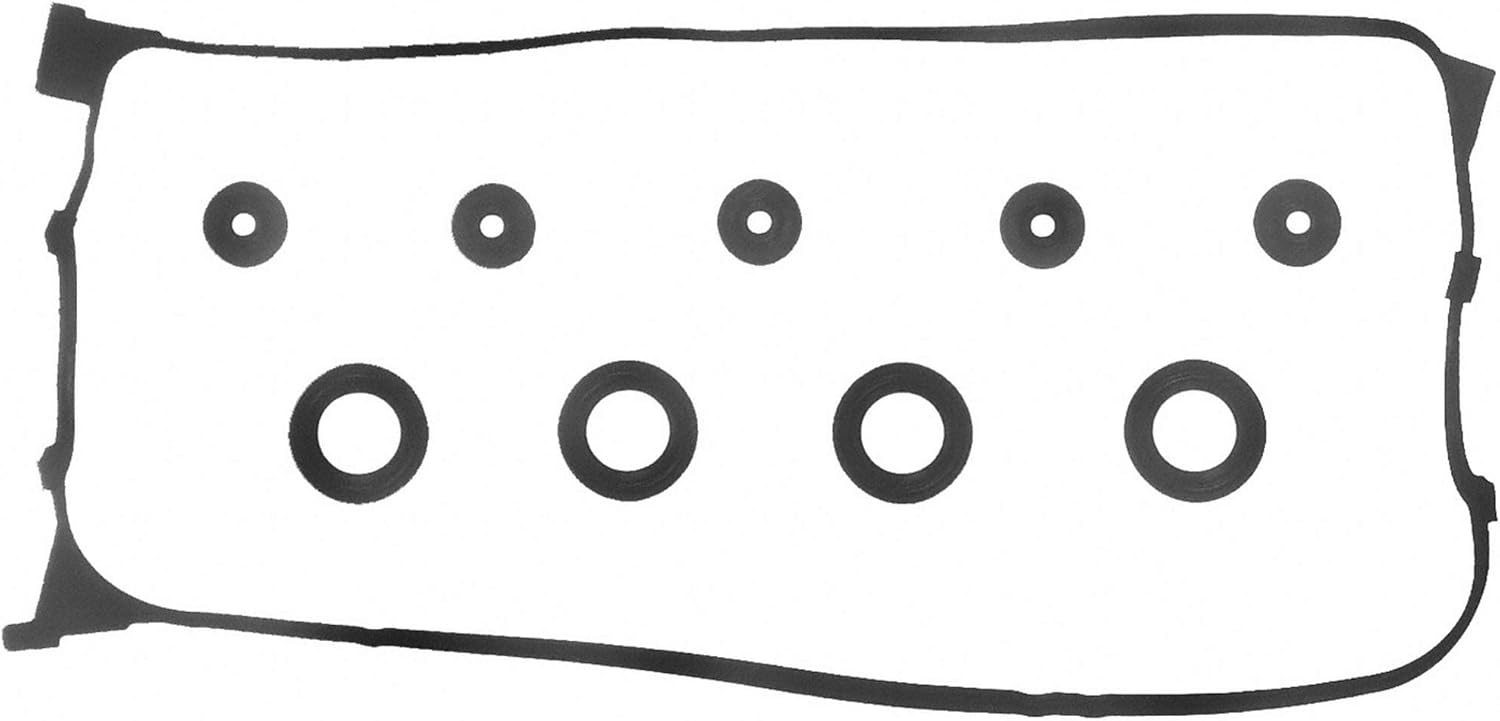
The Fel-Pro VS 50500 R is a complete valve cover gasket kit made for 1996–2000 Honda Civic and 1997–2000 Acura EL applications that restores a reliable seal where the original gasket is leaking. It includes the main cork-rubber valve cover gasket plus spark plug tube seals and bolt seals so you can replace every wear item in one job. The kit is engineered for repair environments with a conformable cork-rubber formulation that tolerates small imperfections on the head or cover and is validated on-vehicle for real-world performance. In practice this means a straightforward install for a DIYer or tech: clean the mating surfaces, seat the new seals carefully (spark plug tube seals can tear if handled roughly), apply a small amount of recommended sealant in tight corners, and torque fasteners to spec. Compared with OEM parts it delivers similar fit and sealing at a lower cost, but some users find the plug-tube seals fiddly to install and they can be damaged by incorrect tools or uneven seating. For reliability-focused maintenance it provides a full, tested replacement that addresses common oil leaks without modifying the engine.
Best for: Buyers who prioritize long-term leak-free performance and want a full, factory-quality replacement gasket set for routine maintenance or leak repair on late 1990s Honda Civics.
Less Ideal for: People who need a universal or multi-vehicle gasket solution or those unwilling to handle careful installation steps should consider other options or professional installation.
- Complete kit includes main gasket, spark plug tube seals, and bolt seals for one repair
- Cork-rubber formulation conforms to imperfect sealing surfaces to reduce leaks
- Tested on-vehicle and validated for real-world sealing performance
- Widely reported to fit Honda D16 engines with accurate OEM-style dimensions
- Spark plug tube seals are thin and can tear or be difficult to seat during installation
Verdict: Choose this Fel-Pro kit when you want a complete, vehicle-tested valve cover gasket replacement that restores reliable, long-lasting sealing for late 1990s Honda Civics.
5. MNJWS Valve Cover Gasket Set for 2.0L–2.4L Honda and Acura Engines
| Brand | MNJWS |
|---|---|
| Item model number | VCG-HD-001 |
| Compatible engines | 2.0L, 2.3L, 2.4L |
| Compatible vehicles | Honda Accord, Civic, CR-V, Element, Crosstour; Acura CSX, ILX, RDX, RSX, TSX |
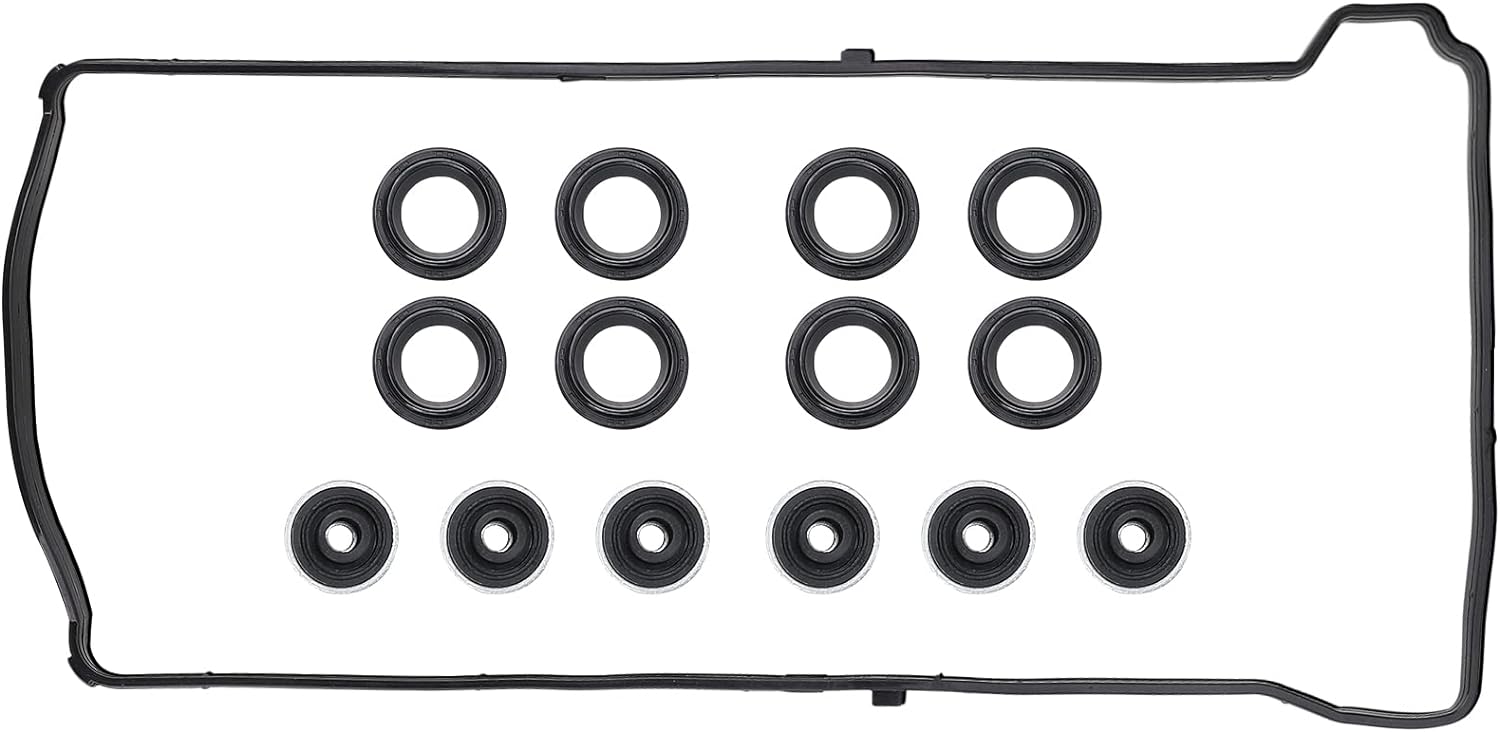
This MNJWS valve cover gasket set replaces the factory gasket on many 2.0L, 2.3L and 2.4L Honda and Acura engines to stop oil leaks between the valve cover and cylinder head. It is typically used when owners notice oil on the valve cover, burning oil smell, low oil level, or rough running due to oil intrusion. The kit is molded from premium rubber and includes seals designed to resist heat and age-related cracking, with a stated fit that matches common Honda part numbers such as 12341-R40-A00. Installation is intended to be straightforward for a DIYer or a local shop since the gasket is a direct replacement and requires no special tools. Practical benefits include restoring a proper seal to prevent messy leaks and engine contamination and avoiding an expensive dealer gasket set. Limitations are typical for aftermarket gaskets: long-term durability can vary with installation care and engine condition, and if the valve cover or mating surface is warped additional work or parts may be needed for a leak-free result.
Best for: Buyers who want a proven, low-risk replacement gasket backed by many positive user reports and who prioritize a reliable fit and straightforward DIY repair.
Less Ideal for: If you need a factory-branded Honda gasket for warranty or dealership work or if the valve cover or head mating surface is damaged and needs machining, this set alone may not solve the problem.
- Direct-fit replacement for many 2.0L–2.4L Honda and Acura engines matching common Honda part numbers
- Molded rubber material designed to resist heat and cracking for a reliable seal
- Includes necessary seals for spark plug tubes and straightforward DIY installation
- Aftermarket longevity depends on installation quality and engine surface condition
Verdict: A well-reviewed, direct-fit rubber gasket set that gives Civic Si and similar 2.0L–2.4L owners a reliable, DIY-friendly way to stop valve-cover oil leaks.
6. RICHWEI VS50741R Engine Valve Cover Gasket Set

| Compatible models | Honda Civic 2006–2015, HR-V 2016–2022; Acura ILX 2013–2015 |
|---|---|
| Material Type | Rubber |
| Part Number | VS50741R |
This RICHWEI VS50741R valve cover gasket set is a straightforward factory-replacement style gasket kit intended to stop oil leaks at the valve cover and restore a proper seal after removal. It is made of rubber and supplied as a single set that matches several Honda and Acura part numbers listed by the manufacturer. Installation is the usual job for a DIYer or a tech: remove the valve cover, clean the mating surfaces, lay in the new gasket and torque the cover bolts to spec. The practical benefits are simple: it replaces aged or brittle gaskets to prevent oil seepage, preserves engine cleanliness, and avoids the smell and smoke that come from oil on hot components. Buyers should note fitment matters here because the product supports specific years and engine sizes and one reviewer reported a mismatch on a 2009 Civic, so confirm vehicle fit before buying. The kit does not advertise upgraded materials or performance improvements over factory-style gaskets, so expect a standard replacement part rather than a premium overhaul kit.
Best for: Buyers who prioritize a conservative, like-for-like replacement to remedy oil leaks and restore a factory-style seal with minimal fuss.
Less Ideal for: If you want a long-life performance upgrade or a gasket for a different engine or model year not listed, choose a product designed and specified for that application instead.
- Designed to replace multiple OEM part numbers for direct-fit replacement
- Supplied as a complete set for a valve cover service
- Made of rubber which is the common factory-style material
- Simple, familiar install process for DIY mechanics or shops
- Fitment must be verified carefully since applications cover several model years and one buyer reported a non-fit
- No claim of improved materials or extended-life over factory gaskets
Verdict: Choose this kit if you need a straightforward, factory-style gasket set to stop oil leaks and return the valve cover seal to stock condition.
Choosing the Right Honda Civic Si Valve Cover Gasket: Key Factors to Consider
Gasket Material and Longevity
The material used determines how the gasket holds up to heat, oil, and repeated thermal cycles. Rubberized cork, silicone, and multi-layer composite materials each age differently; silicone and modern elastomers resist oil swelling and hardening better than traditional cork. On a Civic Si, which often sees spirited driving and higher under-hood temperatures, you want a material that maintains elasticity so the seal does not become brittle and leak after a few seasons.
Longevity also affects maintenance intervals and the chance of recurring leaks. Materials that resist ozone and heat degradation reduce the likelihood of gasket distortion or cracking. For long-term value, prefer materials with proven resistance to oil-induced swelling and that maintain shape under clamp load.
Fitment Accuracy and Valve Cover Profile
Correct fitment is critical because even a high-quality material will fail if the gasket does not match the valve cover flange geometry. The Civic Si has specific bolt hole spacing and oil passage locations, so a gasket produced to tight tolerances reduces risk of misalignment that causes leaks. Precise fitment also simplifies installation and avoids trimming or modification.
A gasket that seats accurately around PCV passages and coil pack openings ensures consistent contact pressure and prevents oil from pooling where it can seep past the seal. When replacing a gasket, inspect the valve cover flange for warping or damage that could affect the new gasket's ability to seal.
Included Hardware and Installation Completeness
Kits that include grommets, O-rings, and new bolts or washers reduce the risk of reinstalling worn components that contribute to leaks. On many Civic Si engines, the valve cover uses rubber grommets under the bolt heads and specific seals around cam sensor or coil pack areas; reusing old grommets can lead to improper torque distribution and eventual seepage.
A complete kit saves time and prevents follow-up disassembly. Consider whether the gasket set includes any required intake or breather seals and whether seals for sensor bosses are provided. Missing pieces may require separate purchases and increase overall labor.
Compatibility With Engine Oil and Additives
Some gasket materials are sensitive to oil formulations or additives and may swell, soften, or break down when exposed to modern synthetic oils or treatment additives. For Civic Si owners who use high-performance or high-detergent oils, choosing a gasket rated for compatibility with synthetic lubricants reduces the risk of premature failure.
Check manufacturer guidance on oil compatibility and prefer gaskets tested with a range of oil types. Long-term exposure tests and material specifications help predict how a gasket will behave under typical driving and service intervals.
Ease of Installation and Serviceability
A gasket that lines up easily and stays in place during assembly can cut installation time and reduce the chance of mis-seating. Look for gaskets with alignment tabs or adhesive strips that hold the part in position while you replace bolts and grommets. For DIYers, straightforward installation reduces the risk of cross-threading bolts or overtightening, practices that can warp the valve cover or damage the new gasket.
Serviceability also means how the gasket handles future maintenance. If valve cover removal is likely during routine tasks, pick materials and designs that tolerate a few removal cycles without losing sealing integrity.
Resistance to Oil Leaks and Sealing Performance
The primary purpose of the valve cover gasket is to prevent oil from escaping under pressure and from splashing to ignition components. Look for gaskets engineered to maintain consistent compression under bolt load and resist extrusion at higher temperatures. Good sealing performance minimizes oil on spark coils and reduces the chance of a smell or smoke from burning oil on hot components.
Sealing also depends on matching gasket thickness and compression profile to the valve cover design. Choose options designed to maintain contact along the entire sealing surface, especially around bends and bolt holes where gaps commonly form.
Common Symptoms of a Failing Valve Cover Gasket
Early signs of gasket failure are often subtle but should not be ignored. You might notice light oil residue along the valve cover seam, a burning oil smell during hot stops, or oil on the ignition coil boots that can cause misfires if left untreated.
As the leak progresses, oil can drip onto lower engine components or the exhaust manifold area, creating heavier contamination and a more pronounced odor. Monitoring these symptoms early allows you to plan a repair before contamination affects sensors or wiring.
- Visible oil along valve cover edges or bolt holes
- Smell of burning oil after hard driving or idling
- Oil on spark plug wells or coil packs
- Accumulating grime and oil in the engine bay
Stepwise Overview of Valve Cover Gasket Replacement
Replacing a valve cover gasket on a Civic Si follows a predictable sequence: remove any obstructing components, disconnect breathers and ignition components as needed, clean mating surfaces, fit the new gasket and grommets, then reinstall and torque bolts in the proper sequence. Preparing the work area, labeling connectors, and keeping fasteners organized makes reassembly smoother.
While specific torque values are important, proper thread condition and using new grommets are equally critical to ensure even clamping force. After reinstalling, let the engine reach operating temperature and recheck for leaks as a final verification.
- Disconnect the negative battery cable when working near ignition parts
- Clean valve cover and head mating surfaces before installing the new gasket
- Replace any brittle grommets or seals found during disassembly
- Follow a cross-pattern bolt tightening sequence to avoid warping
Tools and Workshop Prep for Civic Si Owners
Having the right tools makes the job faster and reduces the chance of damage. Essential tools include a proper torque wrench with the correct torque range, socket set, extension bars, screwdrivers, and cleaning solvent for the mating surfaces. Pickup tools and magnetic trays help manage small fasteners and clips.
Organize parts as you remove them and inspect the valve cover for warping or damage. If the valve cover flange is uneven, clean or lightly skim to restore a flat surface before installing the new gasket. Good lighting and a small inspection mirror help spot oil trails or hidden contaminants.
- Torque wrench calibrated for low-torque fasteners
- Heat-resistant surface cleaner and lint-free cloths
- Socket set with extensions and universal joints
- Replacement grommets and any required O-rings
Preventive Maintenance to Extend Gasket Life
Regular oil changes using the recommended specification and changing filters on schedule reduce contaminants that can degrade gasket materials. Avoid overfilling oil and promptly repair any other small leaks to keep the valve cover area clean. Keeping PCV and breather systems functioning reduces pressure build-up that stresses the gasket seal.
During routine services, inspect the valve cover area for small drips or fresh wetness. Early cleaning and treatment can delay full gasket replacement and alert you to other issues such as degraded grommets or loose fasteners.
- Follow recommended oil change intervals for Civic Si engines
- Inspect valve cover area during routine maintenance
- Service PCV components to prevent crankcase overpressure
- Replace grommets when they show signs of hardening or cracking
When to Consider Valve Cover Repair Vs Full Replacement
Small, localized leaks where a grommet or bolt seal has failed may be addressed by replacing only the damaged grommet or O-ring if the main gasket and valve cover are in good condition. However, if multiple leak points exist or the gasket shows widespread hardening or compression set, a full gasket replacement is the more reliable fix.
Also inspect the valve cover for warping, cracks, or damaged sealing surfaces. Repairing the mating surface or replacing the valve cover may be necessary when damage prevents a uniform seal even with a new gasket installed.
- Replace a single grommet for isolated leaks when the gasket otherwise looks new
- Choose full gasket replacement for multiple leak sites or hardened gasket material
- Consider valve cover resurfacing if flange warping is present
- Address upstream causes like PCV failures to prevent recurrence
Still looking for the perfect fit?
Select your Honda Civic configuration to see the most relevant Valve Cover Gaskets recommendations
How We Chose the Best Honda Civic Si Valve Cover Gasket
We prioritized valve cover gaskets that address the most common failure modes seen on Honda Civic Si engines. Primary evaluation criteria included material composition and aging resistance, sealing method and compression characteristics, dimensional accuracy and fitment to the Civic Si valve cover, and compatibility with oil and heat exposure typical of these engines. We also weighed installation complexity, whether the gasket set included critical hardware like grommets or intake-plenum seals, and the availability of torque specification guidance to help proper installation.Excluded items included generic, one-size-fits-most sheets that require extensive trimming or adapters, and any kits lacking essential sealing components. We focused on solutions that balance long-term performance with straightforward installation, giving priority to gaskets that resist oil swelling and hardening, maintain consistent clamp loads, and match the Civic Si's valve cover geometry. Durability testing data, user-reported longevity, and manufacturer material specs informed our selection process.
Our full evaluation process is outlined in our review methodology.
FAQ
How long should a valve cover gasket last on a Civic Si?
It often depends on driving conditions and maintenance, but many gaskets last several years. Heat cycling, oil type, and exposure to contaminants influence lifespan, so inspect the valve cover area regularly for early signs of leakage.
Can I drive the Civic Si with a minor valve cover gasket leak?
You can usually drive short distances with a small leak, but it is not advisable for long-term use. Oil on ignition components can cause misfires and the leak may worsen, so plan for a repair soon to avoid additional issues.
Will replacing grommets stop a leak without changing the gasket?
If the leak is localized to a loose or degraded grommet, replacing it can be a viable short-term fix. However, if the gasket material itself shows signs of hardening or there are multiple seepage points, a full gasket replacement is better for long-term reliability.
Do I need special sealant when installing a new gasket?
Many modern gasket designs do not require additional sealant and rely on precise fit and material compression. If a manufacturer recommends a specific sealant for certain corners or joints, use only the specified type and a minimal amount to avoid contamination of oil passages.
How do I check for valve cover gasket leaks without removing parts?
Inspect the valve cover perimeter and bolt holes for fresh oil or darkened areas, and check under the ignition coils for oil contamination. A UV dye added to the oil and a UV light can help locate low-pressure leaks without disassembly in some cases.
Are torque specs critical when reinstalling the valve cover?
Yes, correct torque is important to achieve even clamping force and avoid warping the valve cover. Using the correct sequence and a calibrated torque wrench helps ensure consistent pressure without overcompressing the gasket.
Final Verdict
Choose a valve cover gasket solution for your Civic Si that prioritizes material durability and accurate fitment. Durable elastomeric materials and complete kits with fresh grommets reduce the likelihood of repeat leaks and simplify installation. Balance ease of installation with long-term sealing performance, and be sure to follow proper torque sequence and inspection steps during reassembly.If you are debating between quick fixes and a full service, lean toward the option that addresses all visible failure points and uses materials rated for oil and heat exposure. Proper preparation and the right gasket choice give the most reliable, leak-free outcome for your Honda Civic Si.
Explore More:
- Check out all Honda Civic parts & accessories
- Explore Valve Cover Gaskets Maintenance & Repair Guides
- Explore Engine
- Browse all Auto Parts
