

Note: This article contains affiliate links. If you click on these links and make a purchase, I may earn a small commission at no extra cost to you. This helps support my research and content. Read my full affiliate disclosure here.
If you plan to tow with a 2005-2009 Dodge Dakota, picking the right trailer hitch matters for safety, legal compliance, and everyday usability. A proper hitch lets you tow trailers, carry racks, or mount accessories without overstressing the truck or voiding warranties. In this guide we narrowed the field to six top-rated trailer hitches that fit the 2005-2009 Dakota and focused on the features that matter most to owners.You will find hitches chosen for correct frame attachment, secure weight ratings, and straightforward installation. The guide explains practical tradeoffs and the evaluation criteria used so you can choose the best option for your towing needs. Next up are the top picks and what to watch for when fitting and using a hitch on your Dakota.
Looking for other parts? See all Dodge Dakota parts & accessories.
Top Picks at a Glance
| Best Overall Trailer Hitch The best all-around hitch balancing strength, fit, and ease | CURT Class 3 Trailer Hitch 2-Inch Receiver (fits select Dodge Dakota) |  |
| Best Budget Trailer Hitch A low-cost hitch that covers basic towing needs reliably | WeiSen 2" Rear Class 3 Trailer Hitch Receiver (vehicle-specific) | 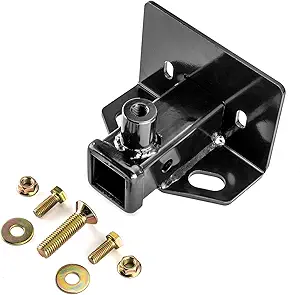 |
| Best Premium Trailer Hitch A higher-end hitch with upgraded materials, finish, and features | CURT Class 3 Trailer Hitch Tow Package with 2" Ball for 2005-2010 Dodge Dakota |  |
| Best Compact Trailer Hitch A low-profile, space-saving hitch suited to tight clearances | maXpeedingrods Class 3 Trailer Hitch, 2" Receiver for Dodge Dakota 2005–2010 |  |
| Best Heavy-Duty Trailer Hitch Built for high towing loads and frequent, demanding use | YZONA 2" Rear Trailer Hitch Receiver, Vehicle-Specific Fit for 2005–2010 Dodge Dakota and 2006–2009 Mitsubishi Raider |  |
| Best Class III Trailer Hitch A common mid-range class offering versatile towing capacity | CURT Class 3 Trailer Hitch 13280 |  |
1. CURT Class 3 Trailer Hitch 2-Inch Receiver (fits select Dodge Dakota)
Best Overall Trailer Hitch

| Receiver size | 2-inch |
|---|---|
| Gross trailer weight | 5,000 lbs |
| Tongue weight | 500 lbs |
| Material type | Carbon Steel |
This CURT Class 3 trailer hitch is a vehicle-specific 2-inch receiver engineered to fit select 2005–2009 Dodge Dakota applications and rated for 5,000 pounds GTW and 500 pounds tongue weight. It mounts to the truck frame using the factory attachment points and is built from carbon steel with precise welding and a dual-layer corrosion-resistant finish, so it is meant for regular towing tasks like boat, camper, and utility trailer hauling. The hitch accepts weight-distribution systems for heavier trailers, increasing WD capacity to 8,000 pounds when properly set up. Installation is straightforward for a competent DIYer or installer because the design is custom-fit rather than universal, which reduces trimming or fabrication. The robust construction and co-cured powder coat help long-term durability in road and weather exposure. Limitations are the vehicle-specific fit—confirm the year and configuration match the application—and the hitch is a weight-carrying Class 3 design, so users needing substantially higher capacities should consider a different class.
Best for: Buyers who want a dependable, factory-style hitch for routine towing on a Dodge Dakota and value a straightforward install and long-term durability.
Less Ideal for: Drivers who need much higher towing capacity than Class 3 offers or who plan to swap the hitch between multiple different vehicle models.
- Vehicle-specific design for a precise fit on select Dodge Dakota models
- 5,000 lb gross trailer weight rating with 2-inch receiver for common towing needs
- Compatible with weight-distribution systems to increase towing capacity
- Carbon steel construction with co-cured undercoat and powder coat for corrosion resistance
- Fits only specified Dodge Dakota years and configurations so verification is required
Verdict: The best all-around trailer hitch for most buyers, offering a strong combination of build quality, straightforward installation, dependable towing capacity, and long-term reliability.
2. WeiSen 2" Rear Class 3 Trailer Hitch Receiver (vehicle-specific)
Best Budget Trailer Hitch
| Material | Alloy Steel |
|---|---|
| Finish Type | Powder Coated |
| Receiver Size | 2" |
| Rated Trailer Weight | 5,000 Pounds |
| Automotive Fit Type | Vehicle Specific Fit |
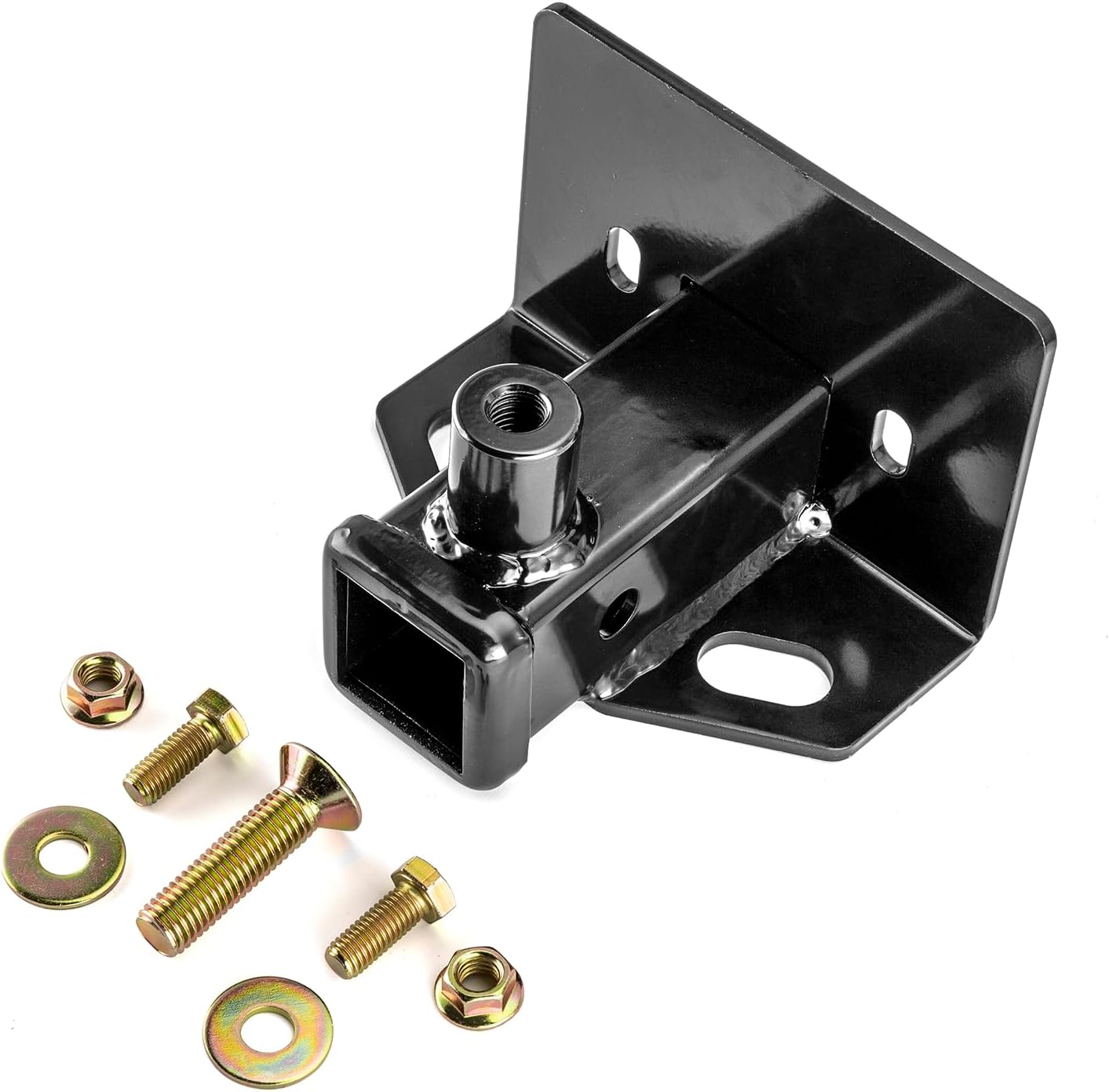
This WeiSen 2" Class 3 rear hitch is a straightforward, budget-focused replacement that restores full towing capability to compatible Dakota and Raider trucks. It is a one-piece welded alloy steel receiver with a black powder-coat finish and a 5,000 lb gross trailer weight rating, so it supports common towing tasks like small trailers, cargo carriers, and bike racks. Installation is bolt-on with no drilling required, and the package includes basic instructions, which makes it suitable for a DIY install using common hand tools. The heavy welds and powder coating improve durability and rust resistance for occasional use, though buyers should follow vehicle weight limits and hitch pin/connecter best practices. As an aftermarket, vehicle-specific hitch, it offers solid towing capacity for a low upfront cost but does not include mounting hardware beyond the hitch and may not match the fit or finish of factory parts.
Best for: Buyers seeking the lowest-cost way to restore or add basic towing capability to a 2005–2010 Dodge Dakota or 2006–2009 Mitsubishi Raider who prioritize simple DIY installation and safe occasional towing.
Less Ideal for: People needing a polished factory-matching appearance, integrated wiring, or heavy frequent towing for large trailers should consider heavier-duty or OEM-style alternatives.
- Vehicle-specific bolt-on design requires no drilling for installation on listed models
- Class 3 2-inch receiver supports a 5,000 lb gross trailer weight for common towing tasks
- Heavy welded alloy steel construction with powder-coat finish for corrosion resistance
- Supports a wide range of towing accessories via the standard 2" receiver
- Does not appear to include additional mounting hardware or electrical components
- Aftermarket fit and finish may differ slightly from factory parts
Verdict: The best budget trailer hitch for buyers prioritizing low upfront cost while still getting safe towing capacity and a simple, dependable installation for occasional use.
3. CURT Class 3 Trailer Hitch Tow Package with 2" Ball for 2005-2010 Dodge Dakota
Best Premium Trailer Hitch

| Material Type | Alloy Steel |
|---|---|
| Compatible with Vehicle Type | Trailer |
This CURT Class 3 trailer hitch tow package is a vehicle-specific, bolt-on hitch assembly that provides a sturdy tow point and includes a 2 inch ball for common towing needs. Designed for 2005–2010 Dodge Dakota, it installs using existing frame locations and hardware, giving a clean, factory-style fit without major modifications. The hitch is made from alloy steel and built to handle Class 3 towing tasks, so it suits hauling small to medium trailers, utility beds, or towing cargo carriers. The main advantages are its solid construction, integrated ball, and a design that keeps the bumper and ground clearance intact. Limitations to note are that this is a dedicated Dakota fitment so it is not universal, and buyers should confirm vehicle configuration and tongue weight limits before towing heavier loads. Installation may require two people and standard tools for safe torqueing of fasteners.
Best for: Buyers who prioritize a precision, long-lasting hitch and are willing to pay for a vehicle-specific, heavy-duty assembly that arrives ready to tow.
Less Ideal for: Shoppers who need a universal or multi-vehicle hitch solution or who prefer a lighter, temporary tow option for occasional use.
- Vehicle-specific fit for 2005–2010 Dodge Dakota for a clean, factory-style installation
- Made from alloy steel for durable, corrosion-resistant strength
- Includes a 2 inch tow ball so it is ready to tow common trailers out of the box
- Class 3 rating suitable for a wide range of small to medium towing tasks
- Only fits the specified Dodge Dakota years and is not a universal hitch
- Item is relatively heavy which can make handling and installation more difficult
Verdict: The best premium trailer hitch for users willing to pay more for superior materials, precision fit, stronger ratings, and extra features that improve longevity and towing confidence.
4. maXpeedingrods Class 3 Trailer Hitch, 2" Receiver for Dodge Dakota 2005–2010
Best Compact Trailer Hitch
| Receiver size | 2 inches |
|---|---|
| Class rating | Class 3 |
| Max gross trailer weight | 5000 lbs |
| Max tongue weight | 750 lbs |
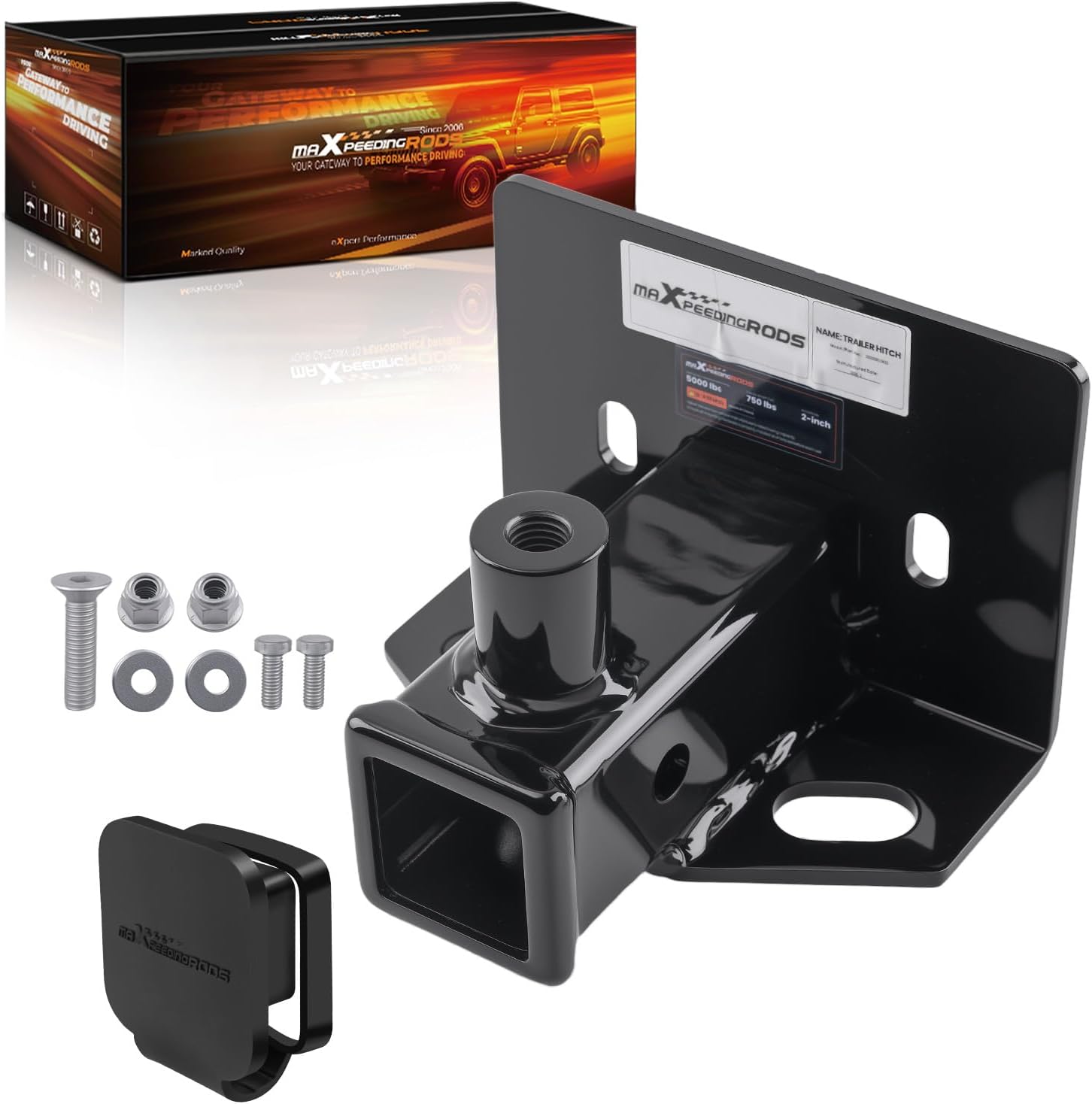
This maXpeedingrods Class 3 trailer hitch is a compact 2-inch receiver engineered to bolt to the rear of a Dodge Dakota (2005–2010) or Mitsubishi Raider (2006–2009) to restore full towing capability. It accepts standard 2" accessories such as ball mounts, cargo and bike carriers, and weight distribution bars while keeping a low, unobtrusive profile that preserves ground clearance and the truck's look. Constructed from heavy carbon steel with thick welds and a black powder-coat finish, the hitch aims to resist corrosion and handle routine towing demands. The manufacturer lists a 5,000 lb gross trailer weight and 750 lb tongue weight rating, so it covers most light towing tasks without requiring a larger hitch. Installation follows typical bolt-on procedures for vehicle-specific hitches and should be straightforward for a DIYer with basic tools. Limitations are that it is a vehicle-specific, no-frills receiver without integrated wiring or a visible removable cover, and towing should always stay within both the hitch and vehicle towing limits.
Best for: Buyers who want a low-profile, factory-style hitch that preserves ground clearance and vehicle appearance while restoring dependable towing for everyday trailers and carriers.
Less Ideal for: Drivers who need integrated wiring, advanced features like sway control, or towing capacities above light truck limits should consider a different or upgraded hitch solution.
- Vehicle-specific fit for Dodge Dakota 2005–2010 and Mitsubishi Raider 2006–2009 for straightforward installation
- 2-inch Class 3 receiver accepts common hitch accessories
- Heavy carbon steel construction with thick welds for strength and durability
- Black powder-coat finish provides corrosion resistance and a low-profile look
- Does not include wiring harness or electrical components for trailer lights
Verdict: The best compact trailer hitch for buyers who need a low-profile, unobtrusive design that preserves ground clearance and vehicle aesthetics while still providing reliable towing capability.
5. YZONA 2" Rear Trailer Hitch Receiver, Vehicle-Specific Fit for 2005–2010 Dodge Dakota and 2006–2009 Mitsubishi Raider
Best Heavy-Duty Trailer Hitch

| Compatible vehicles | 2005–2010 Dodge Dakota; 2006–2009 Mitsubishi Raider |
|---|---|
| Pull Force | 8000 pounds |
| Material Type | Carbon Steel |
| Finish Type | Powder Coated |
| Receiver size | 2 inches |
This YZONA hitch is a bolt-on, vehicle-specific 2-inch receiver designed for Dodge Dakota (2005–2010) and Mitsubishi Raider (2006–2009). It uses factory-frame mounting holes so installation requires no drilling and the package includes the mounting hardware for a straightforward DIY fit. Constructed from carbon steel with a powder-coated finish and one-piece stamping and welding, it feels stout and corrosion resistant for regular towing use. The 2×2 receiver accepts common accessories such as ball mounts, cargo carriers, and bike racks and the listed 8,000 pound pull force suits towing campers, ATVs, and utility trailers when matched with appropriate tongue-weight and vehicle limits. Because it is a vehicle-specific design, it preserves factory ground clearance and maintains the truck appearance. Buyers should note that the capacity claims depend on correct installation and the truck's own towing limits, and this hitch does not include wiring or a ball mount so additional components may be required for a complete tow setup.
Best for: Buyers who need a stout, vehicle-specific hitch for frequent towing on the listed Dakota or Raider model years and prefer a bolt-on DIY installation that preserves factory clearance.
Less Ideal for: Drivers looking for a universal hitch, a multi-vehicle solution, or an all-in-one kit with wiring and ball mounts already included should consider other options.
- Vehicle-specific bolt-on fit that uses factory frame holes so no drilling is required
- Heavy carbon steel construction with powder-coated finish for corrosion and scratch resistance
- 2×2 inch standard receiver accepts common towing accessories and racks
- Includes complete mounting hardware for single-person DIY installation
- Rated pull force of 8,000 pounds for demanding towing tasks when matched to vehicle limits
- Does not include wiring harness or ball mount, so additional parts are needed for towing
- Fit and capacity are limited to the listed Dodge Dakota and Mitsubishi Raider model years
Verdict: The best heavy-duty trailer hitch when you need higher towing and tongue-weight capacity and a sturdier build to handle frequent, demanding hauling tasks.
6. CURT Class 3 Trailer Hitch 13280
Best Class III Trailer Hitch
| Receiver size | 2 inches |
|---|---|
| Gross trailer weight | 5,000 lbs |
| Tongue weight | 500 lbs |
| Material | Carbon Steel |
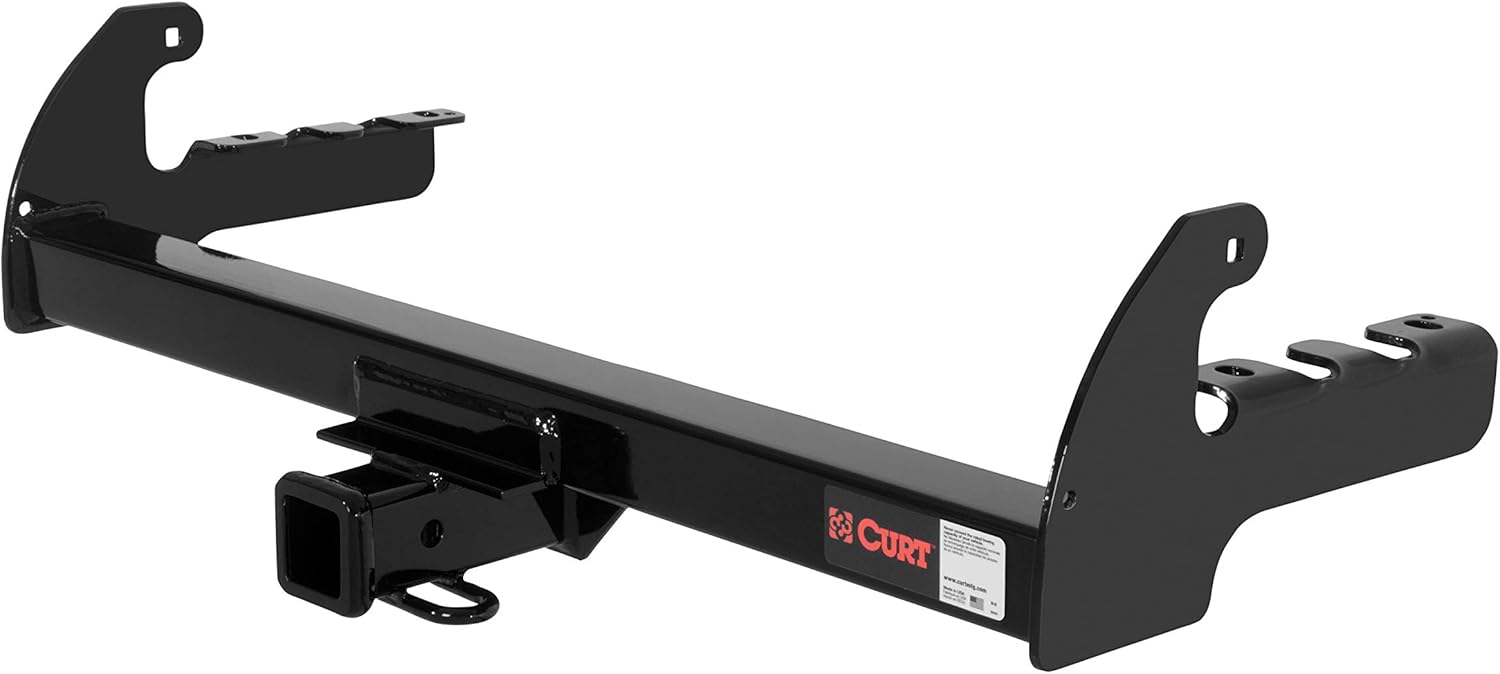
This CURT Class 3 trailer hitch is a custom-fit receiver for certain Dodge Dakota years, built from carbon steel with a co-cured rust- and chip-resistant finish. It installs in place of factory mounting points to give a standard 2-inch x 2-inch receiver that handles everyday towing tasks such as hauling utility trailers, boats, campers and cargo carriers. The hitch is rated for 5,000 lbs gross trailer weight and 500 lbs tongue weight and is compatible with weight-distribution systems for higher distributed ratings. CURT emphasizes vehicle-specific engineering and thorough testing to ensure fit and strength, and the durable finish helps resist corrosion on road-exposed mounts. Installation is typically straightforward for someone comfortable with basic mechanical work, though vehicle-specific fitment must be confirmed before purchase. This hitch focuses on proven strength and accessory compatibility rather than lightweight or low-profile styling, so expect a visible receiver behind the bumper and a solid, heavy-duty feel.
Best for: Buyers who need a sturdy, mid-capacity trailer hitch that integrates with factory mounting points and supports common towing tasks and accessories on a 2005–2009 Dodge Dakota.
Less Ideal for: Drivers seeking a low-profile or lightweight faux-steel hitch or those needing towing capacity above the Class III mid-range should consider heavier-duty or specialized options.
- 5,000 lb gross trailer weight and 500 lb tongue weight rating suitable for common mid-range towing
- Vehicle-specific design for a precise fit on supported Dodge Dakota years
- Durable co-cured liquid A-coat plus powder coat finish for strong corrosion and chip resistance
- Standard 2-inch receiver provides wide compatibility with common hitch-mounted accessories
- Fits specific Dodge Dakota model years only so compatibility must be verified before buying
Verdict: The best Class III trailer hitch for buyers wanting a versatile, widely compatible mid-range hitch that supports common towing tasks with solid capacity and accessory compatibility.
Choosing the Right 2005-2009 Dodge Dakota Trailer Hitch: Key Factors to Consider
Fitment and Mounting Design
Correct fitment is the foundational concern for installing a trailer hitch on a 2005-2009 Dodge Dakota. A vehicle-specific mounting design aligns bolt holes with the Dakota frame rails and avoids interference with the exhaust, fuel tank, spare tire, or wiring harnesses. Using a hitch designed for the Dakota reduces the need for drilling, cutting, or custom brackets, which helps maintain structural integrity and makes future removal cleaner.
A hitch that lists explicit fitment for the 2005-2009 model years lowers the risk of installation surprises. Fitment also affects how the hitch distributes towing loads into the frame. Poorly aligned mounts can increase stress on bolts and weld points, which may accelerate fatigue. When assessing options, pay attention to how the manufacturer routes hardware and whether installation requires temporarily lowering components such as the spare or exhaust.
Weight Rating and Class
Trailer hitch weight rating determines what you can safely tow and carry. For the Dakota, match the hitch's Gross Trailer Weight (GTW) and Tongue Weight (TW) ratings to your towing plans and to the truck's published limits. Hitches are grouped by class; a Class III-style hitch with a 2 inch receiver is common for midsize trucks and supports many towing tasks, but confirming exact rated numbers is essential.
Remember that the hitch rating is only one part of the system. The vehicle's suspension, brakes, and drivetrain capabilities also affect safe towing capacity. Use the lowest-rated component in the chain to determine maximum safe loads. Verify that the hitch's tongue weight capacity is sufficient for the intended trailer and that items like cargo carriers do not exceed that limit.
Receiver Size and Accessory Compatibility
Receiver size dictates which ball mounts and accessories you can use. The 2 inch receiver is the most versatile choice for towing trailers with moderate weight and for a wide range of accessories like bike racks and cargo carriers. If you plan to use specialty gear, confirm the receiver size and whether any adapters are required.
Consider how the hitch positions the receiver relative to the bumper and spare tire. Some designs place the receiver farther back or lower, which affects clearance and how accessories fit. Also check whether the hitch includes a stabilizing bracket or attachment point for safety chains and wiring harnesses so accessories can be used without obstruction.
Installation Complexity and Hardware
Installation effort influences whether you can do the job at home or need professional help. Hitches that bolt-on using existing frame holes are typically faster to install and reduce labor time. Kits that require drilling, welding, or extensive underbody disassembly increase complexity and may raise hitch installation cost and the risk of improper installation.
Examine the quality and completeness of the supplied hardware. Corrosion-resistant bolts, lock washers, and clear torque specifications make a difference for long-term safety. Also check if the hitch requires removal of the spare tire or temporary lowering of the exhaust; these steps are manageable but add to time and required tools.
Corrosion Protection and Durability
A hitch is exposed to road grime, salt, and moisture and must resist corrosion over many years of service. Look for heavy-gauge steel, robust welds, and protective finishes such as powder coat or multi-stage paint systems. These features slow rust and preserve structural strength, especially along weld seams and mounting points.
Durability also includes design choices that protect the hitch from impacts and abrasion. Reinforced crossbars, rounded edges, and recessed receiver openings can reduce damage from trailer contact and road debris. Longevity reduces the need for replacement and helps maintain safety margins over time.
Ground Clearance and Vehicle Use
How a hitch affects ground clearance matters if you use your Dakota off paved surfaces or on driveways with steep angles. Some hitch designs hang lower and can catch on obstacles or speed bumps, while others tuck closer to the frame for better clearance. Consider your typical driving conditions when choosing a hitch profile.
Also consider how the hitch interacts with the rear bumper and whether it interferes with backup sensors or step functions. If you frequently use a rear step or need rear access, choose a hitch that preserves as much bumper functionality as possible.
Understanding Towing Capacity for the Dakota
Towing capacity is a system-level consideration that includes the hitch, the truck's cooling and braking systems, and suspension. For a 2005-2009 Dodge Dakota, confirm the truck's factory towing specifications in the owner's manual before selecting a hitch. The hitch can provide sufficient attachment strength, but the vehicle itself must also be rated for the intended load.
When planning a tow, factor in trailer weight, cargo, passengers, and fuel. Exceeding the vehicle's or hitch's rated capacity can reduce braking performance and vehicle control. For heavier loads consider upgrades to cooling or braking components as appropriate before increasing towing demands.
- Match hitch and vehicle GTW and TW ratings.
- Factor in cargo and tongue weight when calculating loads.
- Confirm suspension and brakes are adequate for intended towing.
Preparing Your Dakota for Hitch Installation
Before starting installation, park on a flat surface and secure the vehicle. Gather required tools, torque wrench, and any included hardware. Inspect the frame area for rust or damage that should be addressed before mounting the hitch.
If you are uncomfortable with underbody work or lack specialized tools, budget for professional installation. Also prepare wiring for trailer lights and brakes if you plan to tow trailers requiring powered brakes or turn signals. Many owners find that pre-routing harnesses and checking grounding points before attaching the hitch speeds the process.
- Verify all fasteners and torque specs included with the hitch.
- Check for obstruction from exhaust, fuel tank, or spare tire.
- Have wiring harnesses and trailer brake controller needs planned in advance.
DIY Vs Professional Installation Considerations
A straightforward bolt-on hitch can often be installed by a competent DIYer with a floor jack, stands, and a torque wrench. Follow instructions carefully and use proper torque on mounting bolts to ensure safety. Wear protective eyewear and gloves and verify all clearances before finishing.
More complex installs that require drilling, welding, or modifying the bumper are better handled by a shop. Professional installers can ensure correct torque, alignment, and that electrical connections meet local regulations. If you anticipate frequent heavy towing, professional installation may provide peace of mind and reduce retrofit issues later.
- DIY is feasible for bolt-on kits with clear instructions.
- Professional install advisable for drilled or welded installations.
- Ask about alignment checks and test towing after installation.
Wiring and Trailer Brake Integration
Trailer wiring and brake controllers are essential for legal and safe towing. Confirm whether the hitch installation interferes with existing wiring routing and plan for a dedicated harness for trailer lights. A sealed connector and solid grounding point reduce intermittent faults.
If your trailer uses electric brakes, a compatible brake controller mounted in the cab is necessary. Test turn signals, brake lights, and running lights before towing and inspect connections regularly for corrosion or wear.
- Use vehicle-specific wiring harnesses when possible.
- Locate and secure a clean chassis ground for trailer lights.
- Plan for a brake controller mounting spot if towing trailers with electric brakes.
Maintaining Your Hitch Over Time
Regular inspections extend the life of your hitch and maintain safety. Check mounting bolts for tightness after the first few hundred miles and periodically thereafter. Look for rust, cracked welds, or deformed metal and address any issues promptly.
Keep the receiver clean and apply a corrosion inhibitor to exposed metal. Remove dirt and salt buildup and touch up paint chips to prevent rust from advancing. When storing accessories, keep them off the receiver and use a cover to reduce moisture entry.
- Inspect bolts and welds at regular intervals.
- Keep receiver and mount areas clean and protected from salt.
- Replace worn towing hardware and damaged safety chains promptly.
Still looking for the perfect fit?
Select your Dodge Dakota configuration to see the most relevant Trailer Hitches recommendations
How We Chose the Best 2005-2009 Dodge Dakota Trailer Hitch
We shortlisted hitches that match the 2005-2009 Dodge Dakota frame and mounting points, then applied concrete selection filters to ensure safe and practical options for owners. Primary evaluation criteria included correct vehicle-specific fitment, verified weight ratings and class, mounting hardware quality and corrosion protection, and ease of installation without extensive drilling or frame modifications. We also considered receiver size compatibility and accessory access, ensuring the hitch supports common attachments like ball mounts, cargo carriers, and bike racks.Additional factors included material and finish durability for road salt and weather exposure, available warranty terms, and whether the hitch design preserves ground clearance and rear bumper function. We excluded any hitches that require major frame modifications, compromise fuel tank or exhaust routing, or lack clear fitment specifications for the 2005-2009 Dakota. The final list balances long-term durability, real-world towing capacity, and straightforward installation for typical owners.
Our full evaluation process is outlined in our review methodology.
FAQ
What receiver size should I choose for my 2005-2009 Dakota?
Most owners opt for a 2 inch receiver for a balance of accessory compatibility and towing capacity. Confirm the hitch's weight rating to ensure it fits your towing plans, and verify the receiver position relative to the bumper for clearance with accessories.
Can I install a trailer hitch myself on this Dakota?
If the hitch is a bolt-on design with clear instructions, a competent DIYer can often install it using common tools and a torque wrench. More complex installs requiring drilling or welding should be done by a professional to ensure structural integrity and correct alignment.
How do I confirm the hitch will handle my trailer weight?
Compare the hitch's Gross Trailer Weight and Tongue Weight ratings with your fully loaded trailer weight and tongue load. Use the lowest rated component in the towing chain as the maximum allowable load and account for cargo and passengers in towing calculations.
Will installing a hitch affect my Dakota's ground clearance?
Some hitches sit lower and can reduce ground clearance, which may matter for unpaved roads or steep driveways. Choose a hitch profile that tucks closer to the frame if you require higher clearance for your typical driving conditions.
Do I need to upgrade brakes or suspension for heavier towing?
Depending on trailer weight and frequency of towing, upgrades to cooling, brakes, or suspension may be necessary. Consult the vehicle's towing limits and consider incremental upgrades if you plan to regularly tow near the upper end of the Dakota's capacity.
How often should I inspect the hitch after installation?
Check mounting hardware and visible welds after the first few hundred miles and then at regular intervals such as every oil change or before heavy towing trips. Tighten bolts to specified torque and address any corrosion or damage immediately.
Final Verdict
Choosing the right trailer hitch for a 2005-2009 Dodge Dakota comes down to matching fitment, weight ratings, and installation approach to your towing needs. Prioritize a hitch that bolts cleanly to the Dakota frame, provides the tongue and gross trailer weight capacity you require, and offers durable finishes for long-term use.Balance your desire for versatile accessory compatibility with practical installation considerations and ground clearance. With the right fit and proper installation, a good hitch will make towing safer and more convenient for years of use.
Explore More:
- Check out all Dodge Dakota parts & accessories
- Explore Other Accessories
- Browse all Accessories
