

Note: This article contains affiliate links. If you click on these links and make a purchase, I may earn a small commission at no extra cost to you. This helps support my research and content. Read my full affiliate disclosure here.
If you tow with a 1997-2004 Dodge Dakota, the right trailer hitch makes hauling safer and easier. A properly matched hitch keeps tongue weight controlled, preserves rear suspension behavior, and provides the correct receiver size and mounting pattern so installation is straightforward.This guide covers the top six trailer hitches selected for fitment to the 1997-2004 Dakota. We evaluated options that deliver solid towing capacity, durable construction, and straightforward installation, and we explain the practical tradeoffs to help you pick the best fit for how you drive and tow. Read on for installation considerations, weight ratings, and accessory compatibility.
Looking for other parts? See all Dodge Dakota parts & accessories.
Top Picks at a Glance
| Best Overall Trailer Hitch The best all-around hitch balancing strength, fit, and features | CURT Class 3 Trailer Receiver Hitch (Model 13280) |  |
| Best Budget Trailer Hitch A low-cost hitch that delivers acceptable performance for the price | Gelacie Class 3 Trailer Hitch Receiver, 2" Square, for 1987-2004 Dodge Dakota |  |
| Best Premium Trailer Hitch Higher-end materials, finishes, and features for long-term use | CURT Class 3 Trailer Hitch 2-Inch Receiver for Select Dodge Dakota |  |
| Best Heavy-Duty Trailer Hitch Designed for higher towing and tongue loads without compromise | HD Ridez Class 3 Trailer Hitch Receiver for Dodge Dakota 1987–2004 |  |
| Best Compact Trailer Hitch Low-profile design that minimizes visual impact and ground clearance loss | Tuxtreme 2" Class III Trailer Hitch Receiver for Dodge Dakota (1987–2004) |  |
| Best Class III Trailer Hitch A common mid-range receiver class with broad towing capability | APS Class 3 Trailer Hitch Receiver with Cover Kit for 1987-2004 Dodge Dakota | |
1. CURT Class 3 Trailer Receiver Hitch (Model 13280)
Best Overall Trailer Hitch
| Receiver size | 2 inches |
|---|---|
| Gross trailer weight | 5,000 lbs |
| Tongue weight | 500 lbs |
| Weight distribution rating | 8,000 lbs GTW / 800 lbs WDTW |
| Material | Carbon steel |
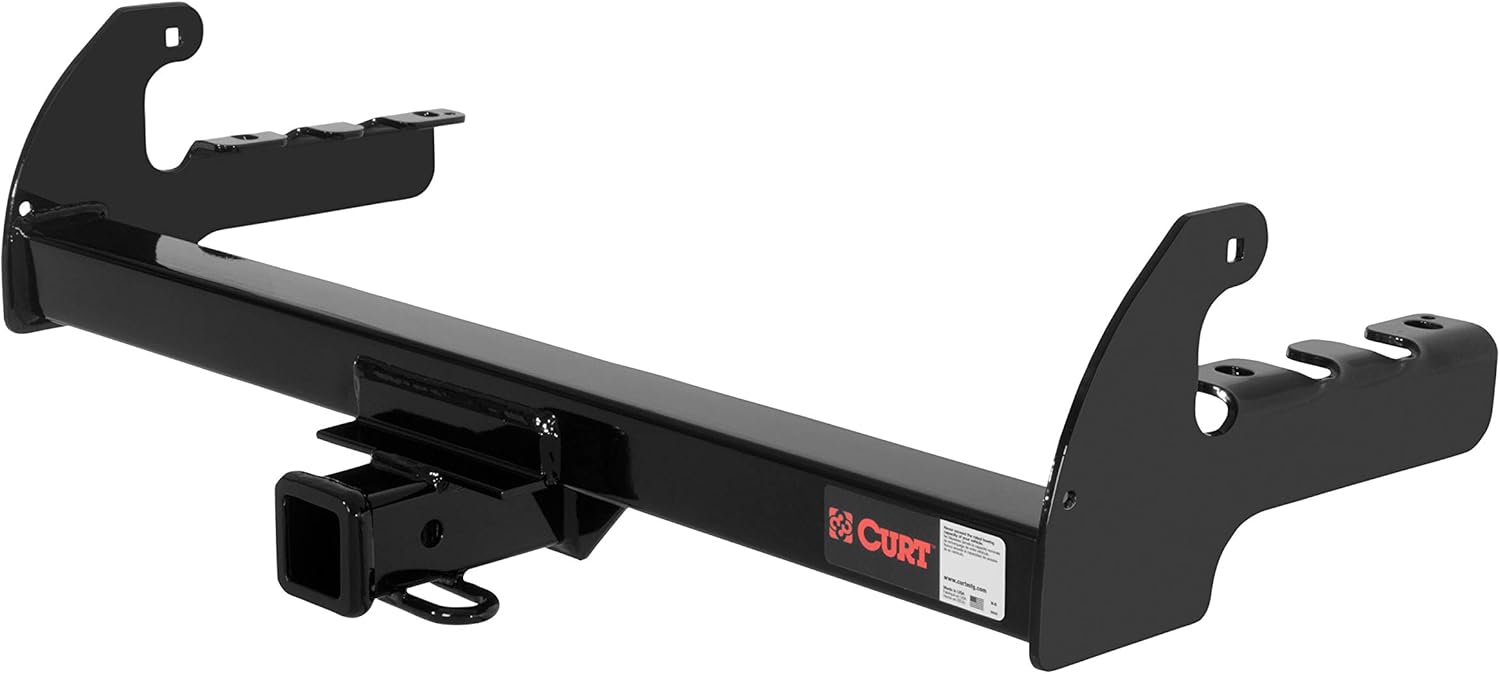
This CURT Class 3 receiver hitch is a custom-fit trailer hitch meant to bolt to the frame of select Dodge Dakota years to add a standard 2"x2" receiver. It provides a practical towing setup for DIY mechanics who want a factory-quality replacement: the hitch is rated for 5,000 lb gross trailer weight and 500 lb tongue weight, and it supports weight-distribution systems up to 8,000 lb GTW. Construction uses high-strength carbon steel with precise welding and a co-cured dual-layer finish of liquid A-coat plus black powder coat for corrosion and chip resistance. Typical use cases include towing campers, boat trailers, utility trailers, and mounting hitch accessories like cargo carriers and hitch-mounted racks. Installation is vehicle-specific which simplifies fitment and reduces modification for those comfortable with basic hand tools. The main limitations are that fitment is limited to applicable Dodge Dakota years so you must verify vehicle compatibility and the hitch is a Class 3 receiver so it is not intended for heavy commercial towing beyond its rating.
Best for: Buyers who want a durable, factory-quality replacement hitch for a 1997–2004 Dodge Dakota and prioritize ease of installation, corrosion resistance, and reliable everyday towing capacity.
Less Ideal for: Drivers needing a universal hitch for multiple vehicle types or those who require higher-capacity commercial towing beyond Class 3 limits.
- Vehicle-specific design for easier bolt-on installation and proper fit.
- 5,000 lb GTW and 500 lb TW ratings suitable for most recreational towing and light trailers.
- Durable dual-layer co-cured finish for strong corrosion and chip resistance.
- Robust carbon steel construction with precise welding for long-term strength.
- Fitment applies only to select Dodge Dakota model years so it is not universal.
- Class 3 capacity limits heavier commercial or large fifth-wheel towing needs.
Verdict: The best all-around trailer hitch that balances build quality, ease of installation, towing capacity, and corrosion resistance for most DIY mechanics.
2. Gelacie Class 3 Trailer Hitch Receiver, 2" Square, for 1987-2004 Dodge Dakota
Best Budget Trailer Hitch

| Compatible Vehicle | 1987-2004 Dodge Dakota All Styles |
|---|---|
| Receiver Size | 2 inches |
| Maximum Towing Capacity | 5000 pounds |
| Material Type | Alloy Steel |
| Finish Type | Powder Coated |
This Gelacie Class 3 trailer hitch is a straightforward, vehicle-specific receiver made to fit 1987–2004 Dodge Dakota models. It provides a 2-inch square opening and a factory-style mounting approach that supports up to 5,000 pounds gross trailer weight with a 500 lb tongue rating, making it suitable for towing small trailers, utility loads, or recreational gear. Constructed from alloy steel and finished with a black powder coat, the hitch prioritizes strength and basic corrosion resistance rather than cosmetic refinement. Installation uses the included hardware and follows a bolt-up method; a DIY installer with hand tools can complete it, though professional installation ensures correct torque and fit. There are no extra features like integrated wiring or a removable ball mount; this is a no-frills receiver focused on function and value. If you need a reliable, budget-friendly hitch that restores full towing capability for the Dakota without premium styling or extras, this delivers that core performance. If you want a rustproof lifetime finish or built-in accessories, expect to look at higher-end options.
Best for: Buyers who want a dependable, vehicle-matched trailer receiver at a low cost and prioritize tow capacity and fit over cosmetic features or extras.
Less Ideal for: Shoppers seeking a premium rustproof finish, integrated wiring solutions, or included towing accessories should consider higher-end hitches or complete towing kits.
- Vehicle-specific fit for 1987–2004 Dodge Dakota for easier alignment and installation
- Class 3, 2-inch receiver supports common trailer hitch accessories
- 5,000 lb gross towing capacity with 500 lb tongue weight suitable for many light towing needs
- Alloy steel construction with powder coat finish for basic durability and corrosion resistance
- No integrated wiring plate or wiring harness included
- Finish is basic powder coat rather than premium corrosion systems
- No bundled accessories such as ball mount or hitch pin
Verdict: The best budget trailer hitch for buyers who need a reliable, straightforward mount at a low price while accepting simpler finishes and fewer extras.
3. CURT Class 3 Trailer Hitch 2-Inch Receiver for Select Dodge Dakota
Best Premium Trailer Hitch

| Receiver size | 2 inch |
|---|---|
| Gross trailer weight | 5,000 lbs. |
| Tongue weight | 500 lbs. |
| Material | Carbon Steel |
| Finish type | Co-cured undercoat and powder coat |
This CURT Class 3 trailer hitch is a custom-fit receiver engineered for select Dodge Dakota trucks to provide a sturdy, factory-quality towing connection. It installs where the factory hitch would mount and is typically used for towing utility trailers, boat trailers, pop-up campers, and hitch-mounted accessories. Notable features include a 2-inch receiver tube, a vehicle-specific design for precise fitment, and a dual-layer protective finish applied with co-cured liquid undercoating and powder coat for improved corrosion resistance. CURT highlights robotic and manual welding for strength and says the hitch is tested to SAE J684 standards. In practical terms you get a dependable 5,000 lb gross towing rating and compatibility with weight-distribution systems to raise that capacity for level towing. The main compromise is that it is a heavy steel hitch intended for robust use and requires proper installation and torqueing of fasteners; finish wear over many years will still depend on climate and care. For buyers seeking a durable, well-engineered replacement hitch for a Dakota, this is a sensible premium choice.
Best for: Buyers who prioritize a durable, long-lasting factory-style hitch and are willing to pay for stronger materials and enhanced corrosion protection for their Dodge Dakota.
Less Ideal for: Shoppers looking for the lightest or lowest-cost option or those who need a hitch for a different vehicle make or model should consider other choices.
- Vehicle-specific design for a precise fit to Dodge Dakota mounting points
- Co-cured liquid undercoat plus powder-coat finish for enhanced corrosion resistance
- Rated 5,000 lb gross trailer weight with 2-inch receiver compatible with common accessories
- Robust carbon steel construction and precision welding for long-term strength
- Heavy steel construction adds weight and requires proper handling during installation
Verdict: The best premium trailer hitch for shoppers willing to pay more for superior materials, corrosion protection, tighter tolerances, and longer expected service life.
4. HD Ridez Class 3 Trailer Hitch Receiver for Dodge Dakota 1987–2004
Best Heavy-Duty Trailer Hitch

| Maximum Towing Capacity | 5000 pounds |
|---|---|
| Pull Force | 5000 pounds |
| Material Type | Carbon Steel |
| Finish Type | Powder Coated |
| Automotive Fit Type | Vehicle Specific Fit |
This HD Ridez Class 3 trailer hitch is a bolt-on, vehicle-specific receiver made to fit Dodge Dakota trucks from 1987 through 2004 and is aimed at demanding hauling tasks. It is built from carbon steel with robotic welding and a triple-layer corrosion protection process including E-coating and a black powder coat, so it should hold up well in wet or salty conditions. Rated for a 5000 pound gross trailer weight and 500 pound tongue weight (8,000 lb with weight distribution), it covers most midsize towing needs like small utility trailers, campers, and heavy duty bike or cargo racks. Installation requires drilling but includes the necessary hardware and instructions for a straightforward bolt-on fit. The hitch is vehicle-specific, which helps preserve bumper alignment and offers a factory-replacement feel. Limitations to note are the need for drilling during installation and that the stated capacities must be matched to your Dakota’s frame and vehicle limits, not exceeded. For heavier commercial towing beyond these ratings, a larger class hitch would be necessary.
Best for: Buyers who need a reinforced, vehicle-matched hitch for heavy recreational or light commercial towing on a Dodge Dakota and prioritize strength and corrosion resistance over a no-drill install.
Less Ideal for: Drivers planning to tow loads well above 5000 lb or those who want a no-drill, purely bolt-on retrofit should consider a higher-capacity or different-fitment solution.
- Vehicle-specific fit for Dodge Dakota 1987–2004 preserves bumper alignment and mounting points
- 5000 lb gross trailer weight rating with 500 lb tongue weight plus 8000 lb with weight distribution
- Robotic welded one-piece construction from carbon steel for strength and durability
- Triple-layer corrosion protection with E-coating and powder coat for long-term rust resistance
- Includes mounting hardware and instructions for bolt-on installation
- Installation requires drilling into the frame which may be a drawback for some DIYers
- Towing and tongue weight limits may be insufficient for the heaviest commercial loads
Verdict: The best heavy-duty trailer hitch for users who need increased towing and tongue weight capacity and reinforced construction for demanding hauling tasks.
5. Tuxtreme 2" Class III Trailer Hitch Receiver for Dodge Dakota (1987–2004)
Best Compact Trailer Hitch

| Vehicle fit | Dodge Dakota 1987–2004 |
|---|---|
| Receiver size | 2 inches |
| Class rating | Class III |
| Gross trailer weight | 5000 pounds |
| Tongue weight | 500 pounds |
This Tuxtreme 2-inch Class III hitch is a vehicle-specific bolt-on receiver made to mount to the frame points of Dodge Dakota models from 1987 through 2004. It provides a compact, factory-style attachment point for towing trailers, cargo carriers, bike racks, or small campers and is rated at 5,000 pounds gross trailer weight and 500 pounds tongue weight. Constructed from carbon steel with a multi-layer powder coat and undercoating, it resists rust and road debris for long-term durability. Installation is designed as DIY-friendly with included mounting hardware and instructions, though drilling is required on most vehicles. The hitch follows SAE J684 testing and aims to deliver a secure, OEM-style fit and appearance while preserving rear clearance thanks to its 2-inch receiver profile. The main compromise is that it is a vehicle-specific heavy steel assembly that adds noticeable mass and requires some mechanical work to install rather than a no-drill plug-in solution.
Best for: Buyers who want a low-profile, space-conscious hitch that preserves rear clearance and restores a factory-style mounting point for towing and accessory use on Dodge Dakota trucks from 1987–2004.
Less Ideal for: Drivers who need a no-drill, temporary, or lightweight removable hitch solution or who prefer a hitch that can be swapped between multiple vehicle models.
- Vehicle-specific design for a close, factory-style fit to Dodge Dakota frames
- Rated Class III towing capacity (5,000 lb GTW, 500 lb TW) suitable for small trailers and cargo carriers
- Durable carbon steel construction with multi-layer powder coat and undercoating for corrosion resistance
- Includes mounting hardware, DIY instructions, and a rubber hitch cover for a finished look
- Requires drilling on most installs so professional installation may be needed for some owners
Verdict: The best compact trailer hitch for buyers who prioritize a low-profile, space-saving mount that preserves rear clearance and keeps a cleaner bumper line.
6. APS Class 3 Trailer Hitch Receiver with Cover Kit for 1987-2004 Dodge Dakota
Best Class III Trailer Hitch
| Material | Carbon Steel |
|---|---|
| Finish Type | Powder Coated |
| Pull Force | 5000 Pounds |
| Maximum Towing Capacity | 8000 Pounds |
This APS Class 3 trailer hitch is a bolt-on rear receiver made specifically for 1987–2004 Dodge Dakota trucks and is aimed at DIY installation. It provides a 2-inch receiver tube and is rated for 5,000 lb gross towing and 500 lb tongue weight in weight-carrying mode, with higher ratings listed for weight-distribution setups. The hitch is formed from carbon steel and finished in a high-gloss multi-layer powder coat to resist corrosion and chipping in normal road conditions. APS includes the necessary mounting hardware and a hitch cover which simplifies installation and keeps the receiver clean when not in use. Its vehicle-specific fit helps preserve factory bumper alignment and makes it easier to install without major modifications. Limitations include the need to verify the higher weight-distribution rating for your specific towing setup and that it is intended only for the listed Dodge Dakota years, so it is not a universal solution for other trucks.
Best for: DIY truck owners who need a reliable mid-range receiver specifically fitted to 1987–2004 Dodge Dakota models and prefer a bolt-on installation without major modifications.
Less Ideal for: Drivers who plan frequent heavy towing beyond mid-range capacities or who need a hitch that fits multiple vehicle models should look for a higher-capacity or universal alternative.
- Class 3, 2-inch receiver supports common mid-range towing needs
- Vehicle-specific design for 1987–2004 Dodge Dakota simplifies bolt-on installation
- High-gloss multi-layer powder coat improves corrosion and chip resistance
- Includes mounting hardware and a hitch cover for immediate use
- Towing capacity differs between weight-carrying and weight-distribution modes and requires confirmation for heavier setups
Verdict: The best Class III trailer hitch for DIYers who want the versatile mid-range receiver class that supports most light- to medium-duty towing needs.
Choosing the Right 1997-2004 Dodge Dakota Trailer Hitch: Key Factors to Consider
Fitment And Mounting Pattern
Proper fitment ensures the hitch aligns with the Dakota's frame holes and clearances. A bolt-on mounting pattern that matches the 1997-2004 Dodge Dakota reduces the need for drilling or fabrication and prevents interference with the exhaust, spare tire, or bumper structure.
If a hitch requires trimming or modifying the bumper, expect extra labor and potential aesthetic changes. Confirming fitment also helps maintain correct receiver height and tongue weight distribution, which impacts towing stability and handling.
Tow Capacity And Tongue Weight Rating
A hitch's gross trailer weight and tongue weight ratings determine the loads it can safely support. Choose a hitch with ratings that meet or exceed the loads you intend to tow with your Dakota, factoring in trailer weight, cargo, and any towing accessories such as cargo carriers or bike racks.
Underrated hitches can overstress mounting points and the frame, accelerating wear or causing failure. Conversely, a hitch with significantly higher ratings may be heavier and more expensive without adding practical benefit for light-duty needs.
Receiver Size And Class
Receiver size affects accessory compatibility. The 2 inch hitch receiver is the most common for trucks and supports a wide range of ball mounts, cargo carriers, and bike racks. Confirming receiver class, typically Class III for mid-size truck towing, helps match the hitch to typical Dakota towing tasks.
Selecting the appropriate class and receiver size avoids the need for adapters that can reduce capacity or change handling characteristics.
Material, Finish, And Corrosion Resistance
Hitch durability depends on steel quality, welds, and the protective finish. Thicker steel and full-penetration welds resist bending and cracking under load. Corrosion-resistant finishes such as powder coat or e-coating protect against rust from road salt and moisture.
A well-protected hitch requires less maintenance and lasts longer, which is particularly important if you use the Dakota for year-round towing in varied climates.
Installation Complexity And Hardware
Installation ease affects cost and time. Some hitches are true bolt-on units that use factory holes and ship with all necessary hardware. Others may require drilling, trimming the bumper, or temporarily lowering exhaust components. Consider whether you will install the hitch yourself or have it installed professionally.
Included hardware, clear instructions, and pre-drilled holes reduce the chance of mistakes and lower the total installation effort.
Accessory Compatibility And Receiver Height
Think beyond towing to how you will use the hitch with accessories. Receiver height determines whether a ball mount will sit level with your trailer tongue or whether shims or drop/rise mounts are needed. Compatibility with common hitch accessories such as cargo carriers and bike racks is important if you plan to use them frequently.
Also consider whether the hitch design provides mounting points for wiring harnesses or a safety chain anchor, which simplifies setup when towing or carrying loads.
Understanding Class Ratings And What They Mean For Your Dakota
Class ratings indicate the general capacity and typical applications for a hitch. For the 1997-2004 Dodge Dakota, most owners will find Class III hitches provide a useful balance of strength and compatibility for towing small trailers, boats, and utility loads. Class II options are lighter duty and may limit towing choices, while Class IV exceeds what many Dakotas need but can add unnecessary weight.
When selecting a class, match the hitch rating with your truck's tow rating and the actual loads you plan to haul rather than choosing solely on maximum numbers. Overbuilding can be costly and heavier, while underbuilding creates safety risk.
- Class III commonly pairs with a 2 inch receiver and moderate towing capacity
- Verify both gross trailer weight and tongue weight ratings
- Receiver class should align with vehicle and trailer load expectations
Receiver Height And Ball Mount Selection
Receiver height affects trailer attitude and handling. A hitch installed too low or too high will make the trailer sit unevenly, transferring extra force to the tongue or rear suspension. Measure the Dakota's receiver height with typical cargo onboard and choose a ball mount that levels the trailer.
If you plan to swap trailers with different coupler heights, consider a multi-position ball mount or a drop/rise shank that provides flexibility without needing adapters.
- Measure tongue height from ground with vehicle at typical load
- Use multi-height ball mounts to accommodate different trailers
- Avoid stacking adapters which can reduce rated capacity
Wiring And Electrical Considerations
Adding a hitch often goes hand in hand with installing trailer wiring. Confirm whether the hitch design allows easy routing of a wiring harness and whether the truck has a factory connector or needs an aftermarket harness. Some hitches offer convenient tie points for securing wiring and keep connectors away from road debris.
Plan wiring placement to avoid heat sources and moving parts. Use protective conduits where the harness passes near exhaust components and check connectors regularly for corrosion or loose pins.
- Determine if your Dakota has a factory tow package or needs an aftermarket harness
- Route wiring away from exhaust and suspension components
- Use dielectric grease on electrical connections to reduce corrosion
Frame Clearance, Exhaust, And Spare Tire Access
The hitch should clear the exhaust and allow you to access the spare tire without major disassembly. Low-clearance designs that hang below the bumper can be vulnerable to off-road obstacles and speed bumps. Confirm how the hitch sits relative to the spare tire carrier and whether any part of the hitch requires temporary removal to change the spare.
A well-designed hitch will minimize interference with underbody components and maintain adequate ground clearance for everyday driving on the Dakota.
- Check clearance between hitch and exhaust path
- Ensure spare tire remains accessible without full hitch removal
- Consider ground clearance for driveway and off-road use
Maintenance Tips To Prolong Hitch Life
Regular inspection and maintenance extend hitch life. Clean the hitch periodically, remove mud and salt, and touch up chips in the finish to slow corrosion. Check fasteners for tightness after initial installation and after the first few hundred miles of towing.
Lubricate moving components, such as hitch pins or adjustable mounts, and replace any worn hardware immediately. Keeping safety chains and electrical connectors clean and functional ensures reliable towing performance.
- Inspect welds and finish every season for rust or damage
- Tighten mounting bolts after initial use and periodically thereafter
- Store removable accessories indoors to prevent unnecessary corrosion
Still looking for the perfect fit?
Select your Dodge Dakota configuration to see the most relevant Trailer Hitches recommendations
How We Chose the Best 1997-2004 Dodge Dakota Trailer Hitch
We focused on criteria that matter specifically for 1997-2004 Dodge Dakota owners and for trailer hitch hardware in general. Primary evaluation points included hitch fitment and bolt-on compatibility with the Dakota frame and factory mounting points, because correct alignment reduces installation time and prevents interference with exhaust or spare tire components. We also prioritized gross trailer weight and tongue weight ratings that match or exceed common Dakota towing loads to ensure safe operation under load.Durability and materials were key. We considered steel gauge, corrosion-resistant finishes, and weld quality because these affect long-term reliability in road salt and off-road conditions. Receiver size and class were evaluated to ensure accessory compatibility, concentrating on 2 inch receiver options and Class III setups commonly used with this truck. Ease of installation, including whether drilling or frame modifications are required and how hardware is packaged, was another filter since many owners install at home or use basic shop labor.We excluded any hitches intended only for light decorative use or those with unclear weight ratings. We also filtered out options that required substantial vehicle modification beyond standard bolt patterns. The final shortlist balances structural capacity, practical fitment, corrosion protection, and installation effort.
Our full evaluation process is outlined in our review methodology.
FAQ
What receiver size should I choose for my 1997-2004 Dodge Dakota?
Most Dakota owners opt for a 2 inch receiver because it supports a wide range of ball mounts and accessories without adapters. Choose based on the accessories and trailer couplers you plan to use and ensure the hitch class matches your towing needs.
Can I install a trailer hitch myself or do I need a professional?
Many hitches for the Dakota are bolt-on and can be installed with basic hand tools and a lift or jack stands. However, if the hitch requires drilling, cutting, or working near the exhaust, professional installation may be safer and faster.
How do I know if a hitch's weight rating is enough for my trailer?
Compare the hitch's gross trailer weight and tongue weight ratings with your trailer's loaded weight and expected tongue load. Always include cargo and passengers in your calculations and select a hitch with ratings that meet or exceed those numbers.
Will adding a hitch affect my Dakota's fuel economy or handling?
A hitch itself has minimal effect when empty, but towing increases aerodynamic drag and weight, which reduces fuel economy and changes handling. Proper hitch selection and weight distribution help maintain predictable handling while towing.
Do I need to modify my Dakota's bumper or frame to fit a hitch?
Most hitches designed for the 1997-2004 Dakota are bolt-on and avoid major modifications. Some heavy-duty or low-profile designs may require minor trimming of the bumper or temporary exhaust repositioning. Check fitment notes before purchasing.
How often should I inspect the hitch and mounting hardware?
Inspect the hitch and fasteners at least twice a year and after any heavy towing. Look for loose bolts, worn welds, and corrosion, and re-torque hardware if necessary to maintain safe operation.
Final Verdict
Choosing the right trailer hitch for a 1997-2004 Dodge Dakota means matching rated capacity, receiver size, and fitment to how you tow. Prioritize a bolt-on design that aligns with factory mounting points, the proper tongue weight rating for your typical loads, and a durable finish to resist corrosion.Weigh installation complexity against long-term utility: a slightly heavier, higher-rated hitch can provide peace of mind for frequent towing, while a lighter bolt-on option may be preferable for occasional use. Focus on fitment, ratings, and how the hitch integrates with wiring and accessories to make a confident choice.
Explore More:
- Check out all Dodge Dakota parts & accessories
- Explore Other Accessories
- Browse all Accessories
