

Note: This article contains affiliate links. If you click on these links and make a purchase, I may earn a small commission at no extra cost to you. This helps support my research and content. Read my full affiliate disclosure here.
If you plan to tow or carry a rear-mounted carrier on a Subaru Forester Wilderness, the right tow hitch receiver changes how the vehicle handles loads and how simple the installation will be. A properly chosen receiver preserves ground clearance, maintains factory towing limits, and avoids interference with the spare, exhaust, or rear bumper on the Wilderness model.This guide presents six shortlisted tow hitch receivers chosen for the Forester Wilderness and explains the fitment, strength, and installation factors you should weigh. Below you will find clear evaluation criteria and practical guidance to help you pick the receiver that fits your towing needs and driving habits.
Looking for other parts? See all Subaru Forester parts & accessories.
Top Picks at a Glance
| Best Overall Tow Hitch Receiver The all-around pick balancing strength, fit, and easy installation | CURT Class 3 Trailer Hitch 2-Inch Receiver (Fits Select Subaru Forester) |  |
| Best Budget Tow Hitch Receiver A low-cost receiver that covers basic towing needs reliably | DBXB-RV Class 3 2" Trailer Hitch Receiver for Subaru Forester (2019–2026) |  |
| Best Premium Tow Hitch Receiver Higher-end construction, superior finishes, and longer corrosion protection | Draw-Tite Class 3 Trailer Hitch 2-Inch Receiver (76271) |  |
| Best Heavy-Duty Tow Hitch Receiver Built for maximum towing capacity and rugged, long-lasting use | RIGID Class 4 Trailer Hitch Receiver (R3-0522) for 2019-2025 Subaru Forester |  |
| Best 2-Inch Tow Hitch Receiver Standard 2-inch receiver opening for common hitches and accessories | Nilight Class 3 2" Receiver Trailer Hitch for Subaru Forester (2019–2025) |  |
| Best Compact Tow Hitch Receiver Low-profile or weld-on designs that minimize visibility and bulk | Trailer Mate 2-Inch Class 3 Receiver Hitch for 2019-2025 Subaru Forester |  |
1. CURT Class 3 Trailer Hitch 2-Inch Receiver (Fits Select Subaru Forester)
Best Overall Tow Hitch Receiver

| Receiver size | 2 inches |
|---|---|
| Gross trailer weight | 3,500 lbs |
| Tongue weight | 525 lbs |
| Material | Carbon Steel |
| Finish | Co-cured A-coat and powder coat |
This CURT Class 3 trailer hitch gives a Subaru Forester a factory-style 2" receiver and the capacity for everyday towing tasks. Designed as a vehicle-specific fit, it bolts to factory mounting points so DIY installers can usually complete the swap with basic hand tools and a few hours of work. The hitch is constructed from high-strength carbon steel with precise welding and finished with a co-cured liquid A-coat plus black powder coat for strong resistance to rust, chips, and UV exposure. With a 3,500 lb gross trailer weight and 525 lb tongue weight rating it covers trailers, small campers, bike racks and cargo carriers used by most Forester owners, while meeting SAE J684 testing expectations. Because it is a custom-fit unit, it maintains ground clearance and integrates cleanly with the vehicle rear. Limitations: the capacity is governed by the lowest-rated towing component in the chain and this hitch is intended only for the specified Forester model years, so confirm vehicle application before buying.
Best for: Forester owners who want a reliable, factory-style hitch they can install themselves and use for routine towing, campers, and hitch-mounted accessories.
Less Ideal for: Buyers who need higher towing capacities than 3,500 lb or who plan to use the hitch on vehicles outside the specified Forester application should look elsewhere.
- Vehicle-specific design for a clean, factory-like fit and easier installation
- 2-inch receiver with a 3,500 lb GTW and 525 lb tongue weight suitable for common towing needs
- Durable carbon steel construction with precise welding for long-term strength
- Co-cured liquid A-coat plus powder coat finish for strong corrosion and chip resistance
- Fits only the select Subaru Forester model years listed; not a universal hitch
Verdict: The best all-around tow hitch receiver that balances build quality, ease of installation, towing capacity, and corrosion resistance for most DIY installers.
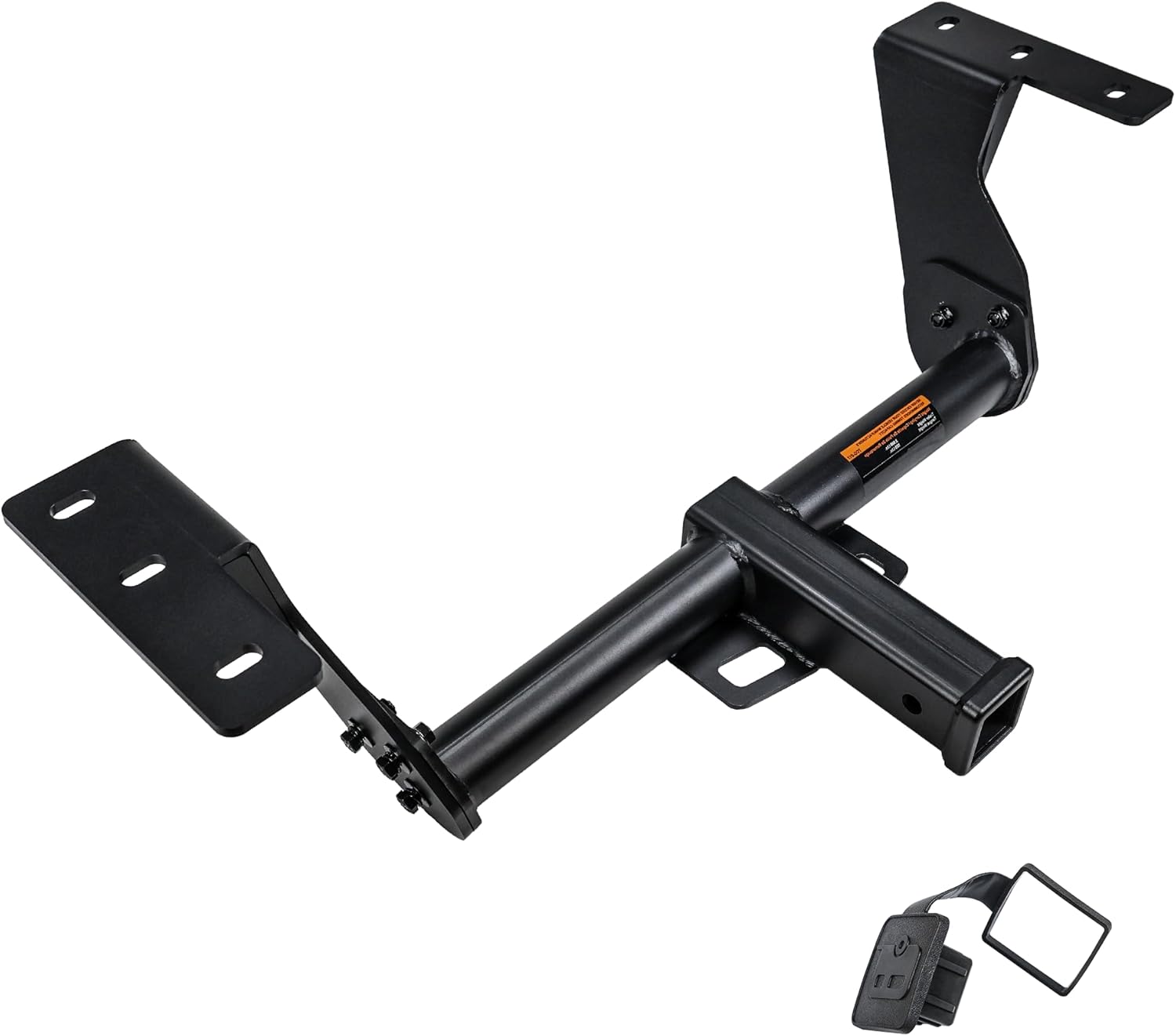
2. DBXB-RV Class 3 2" Trailer Hitch Receiver for Subaru Forester (2019–2026)
Best Budget Tow Hitch Receiver
| Compatible with Vehicle Type | Forester 2019-2026 |
|---|---|
| Maximum Towing Capacity | 3500 pounds |
| Pull Force | 3500 pounds |
| Material Type | Carbon Steel |
| Finish Type | Black Matte Powder Coated |
This DBXB-RV Class 3 2-inch receiver is a straightforward, vehicle-specific tow hitch for Subaru Forester models from 2019 through 2026. It installs in the factory mounting area and provides a 3,500 pound gross trailer weight rating with a 525 pound tongue weight, so it covers common towing tasks like small trailers, cargo carriers, and bike racks. Constructed from carbon steel with an all-welded design and a black matte powder coat, the hitch aims to resist corrosion and hold up under regular use. The listing notes it was third-party tested and includes an installation manual, though some Forester variants may need minor hole enlargement during installation. There are no integrated wiring or accessory features here; this is a basic receiver meant to return reliable towing capacity at a lower price. Buyers should expect a no-frills fit and solid materials, and plan for a modest installation step on certain models if factory hole positions differ.
Best for: Buyers who want an affordable, factory-style receiver that restores full towing capacity on a Forester without added bells and whistles and who prioritize function over extras.
Less Ideal for: People who want a plug-and-play wiring solution, built-in anti-rattle or locking features, or those who plan to tow at the upper limits frequently and prefer premium branded hitches with extended support.
- Vehicle-specific fit for Subaru Forester 2019–2026 for a secure mounting location
- 3,500 lb gross trailer weight and 525 lb tongue weight suitable for common light towing tasks
- All-welded carbon steel construction with black matte powder coat for corrosion resistance
- Included installation manual and third-party testing for basic safety assurance
- May require minor hole enlargement on some Forester models during installation
- No integrated wiring provisions or extra features such as hitch locks or anti-rattle systems
Verdict: The best budget tow hitch receiver for buyers who need a reliable, no-frills hitch that meets essential towing requirements without extra features or high cost.
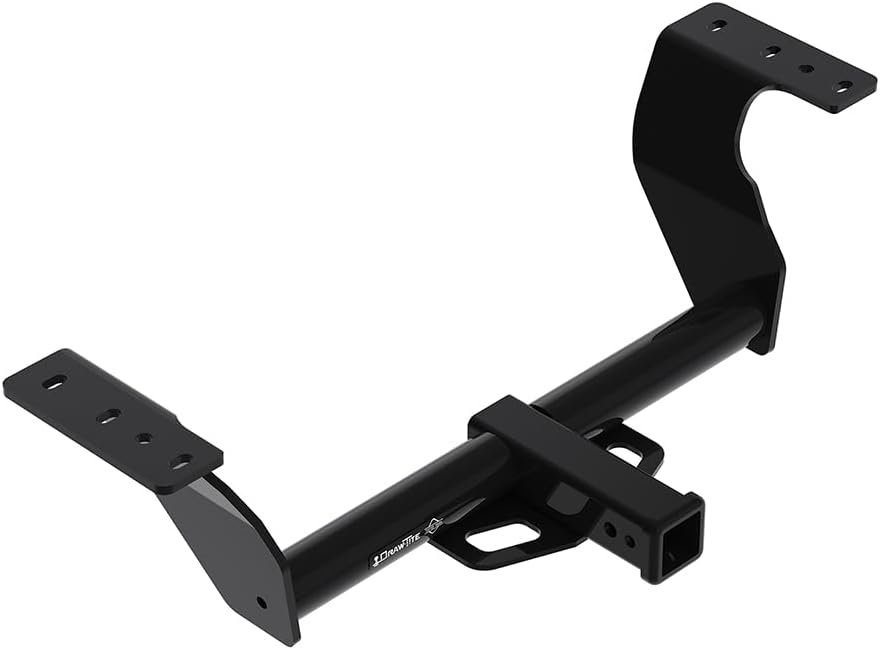
3. Draw-Tite Class 3 Trailer Hitch 2-Inch Receiver (76271)
Best Premium Tow Hitch Receiver
| Maximum Towing Capacity | 3500 pounds |
|---|---|
| Pull Force | 3500 pounds |
| Automotive Fit Type | Vehicle Specific Fit |
| Material Type | Alloy Steel |
| Finish Type | Powder Coated |
This Draw-Tite Class 3 hitch is a vehicle-specific 2-inch receiver designed to bolt under the rear of compatible Subaru models and provide a solid towing point for light trailers, bike racks, and cargo carriers. Constructed from all-welded alloy steel with a black powder-coat finish, it is tested to meet V-5 and SAE J684 standards and includes the mounting hardware for direct installation. The 3,500 lb gross trailer weight and 525 lb tongue weight ratings make it suitable for pop-up campers, utility trailers, and medium-duty towing when paired with correct wiring and a hitch ball setup. The powder-coat and welded construction give good corrosion resistance and long service life, though buyers seeking the absolute top corrosion protection may prefer a hitch with an added galvanized or multilayer finish. Fitment is vehicle specific, so installation is straightforward for a compatible Forester Wilderness when following the instructions, but professional installation can ensure proper torque and alignment. Overall it balances strength and clean appearance for buyers who want a reliable factory-quality receiver without excessive cosmetic extras.
Best for: Buyers who prioritize a strong, factory-quality receiver with clean fit-and-finish and reliable towing capacity for outdoor gear and light trailers on a Subaru Forester Wilderness.
Less Ideal for: People who need maximum corrosion protection for coastal or heavy-salt environments or who want extra cosmetic finishes and coatings beyond a powder coat.
- Vehicle-specific design for a near-factory fit and straightforward installation
- Solid all-welded alloy steel construction for strong towing performance
- 2-inch receiver accepts common hitch accessories like bike racks and cargo carriers
- Rated for 3,500 lb GTW and 525 lb tongue weight, suitable for most light trailers
- Powder-coat finish resists rust and keeps the hitch looking clean
- Finish is powder coat only rather than a multi-layer or galvanized treatment for maximum corrosion resistance
Verdict: The best premium tow hitch receiver for buyers willing to pay more for thicker steel, superior finishes, extended corrosion protection, and refined fit-and-finish.
4. RIGID Class 4 Trailer Hitch Receiver (R3-0522) for 2019-2025 Subaru Forester
Best Heavy-Duty Tow Hitch Receiver

| Pull Force | 3500 pounds |
|---|---|
| Automotive Fit Type | Vehicle Specific Fit |
| Material Type | Alloy Steel |
| Finish Type | Powder Coated |
This RIGID Class 4 trailer hitch is a vehicle-specific receiver engineered to fit 2019–2025 Subaru Forester models and provide a stout, factory-style towing solution. It installs without drilling using included mounting hardware and requires only temporary exhaust lowering and minor heat shield adjustment on some cars, making it a realistic DIY fit for competent owners. The hitch is built from alloy steel with a black powder-coat for corrosion resistance and offers a 2-inch receiver opening with a 3,500 lb gross trailer weight rating and 350 lb tongue weight rating, rising to 4,000 lb/400 lb when using a weight distribution setup. Those ratings and SAE/VESC compliance mean it handles frequent midweight towing and heavier accessory use better than lighter receivers. Expect straightforward installation in about 30 minutes and a durable, no-frills finish that resists road wear. The unit does not include a ball mount or ball, so budget for those separately, and its weight and vehicle-specific fit mean it is not intended as a universal or lightweight spare.
Best for: Buyers who tow regularly with a Subaru Forester and need a stronger, vehicle-specific receiver that delivers higher tongue weight and reliable performance for frequent hauling.
Less Ideal for: People looking for a universal, lightweight spare hitch or a kit that includes ball mounts and towing hardware should consider other options.
- Vehicle-specific design for 2019–2025 Subaru Forester for a precise fit and no-drill installation
- Robust alloy steel construction with powder-coat finish for long-term durability
- 2-inch receiver with 3,500 lb gross trailer weight and 350 lb tongue weight ratings
- Higher weight distribution rating (4,000 lb/400 lb) when used with a weight distribution setup
- Ball mount and hitch ball are not included
- May require temporary exhaust lowering and minor heat shield modification during installation
Verdict: The best heavy-duty tow hitch receiver for users who need higher tongue weight and towing capacity and a tougher build for frequent or demanding hauling.
5. Nilight Class 3 2" Receiver Trailer Hitch for Subaru Forester (2019–2025)
Best 2-Inch Tow Hitch Receiver

| Receiver size | 2 inches |
|---|---|
| Towing capacity (GTW) | 3500 lbs |
| Tongue weight | 525 lbs |
| Fitment | Subaru Forester 2019-2025 |
| Finish | Black powder coated |
This Nilight Class 3 2-inch receiver hitch gives Subaru Forester 2019–2025 owners a factory-style bolt-on towing solution. It installs without drilling and lines up with the Forester's mounting points, so you can fit a ball mount, cargo carrier, bike rack, or tow hook quickly. Built from solid steel with welded fastening and a black powder-coat finish, the hitch resists rust and handles everyday towing tasks; the listing specifies a 3,500 lb gross trailer weight rating and 525 lb tongue weight, which covers light trailers, small campers, and heavy cargo carriers. Safety chain loops are included for proper trailer hookup. Because it is vehicle-specific and aimed at common aftermarket accessories, it is practical for seasonal use, weekend trips, or adding a rack for outdoor gear. Buyers should note this is a bolt-on accessory rather than a weight-distributing system, so it is not intended to change the Forester's load limits or vehicle handling when towing near the upper capacity.
Best for: Buyers who prioritize a straightforward, vehicle-specific 2-inch receiver to expand towing and cargo-carrying options on a Subaru Forester Wilderness for outdoor trips and light towing.
Less Ideal for: Those planning heavy towing, frequent long-distance towing, or needing weight-distributing or sway-control hardware should look at specialized hitch systems or towing packages.
- Vehicle-specific bolt-on fit for Subaru Forester 2019–2025 simplifies installation without drilling
- Standard 2-inch receiver accepts the widest range of ball mounts and accessories
- 3,500 lb GTW and 525 lb tongue weight rating suitable for common light towing tasks
- Powder-coat finish and welded construction improve corrosion resistance and durability
- Integrated safety chain loops for proper trailer hookups
- Not a weight-distributing hitch and does not change the vehicle's factory towing limits
Verdict: The best 2-inch tow hitch receiver for buyers who want the industry-standard receiver size that fits the widest range of ball mounts, cargo carriers, and accessories.
6. Trailer Mate 2-Inch Class 3 Receiver Hitch for 2019-2025 Subaru Forester
Best Compact Tow Hitch Receiver

| Maximum Towing Capacity | 3000 pounds |
|---|---|
| Automotive Fit Type | Vehicle Specific Fit |
| Compatible with Vehicle Type | Car |
| Material Type | Alloy Steel |
| Finish Type | Powder Coated |
This Trailer Mate hitch is a compact, vehicle-specific 2-inch Class 3 receiver engineered to fit the 2019–2025 Subaru Forester. It mounts close to the bumper for a low-profile appearance while providing a 3,000 lb gross trailer weight and 300 lb tongue weight capacity for everyday towing like small trailers, campers, or light boats. Constructed from alloy steel with a carbide black powder coat and liquid A-coat cure, the hitch resists rust and road grime and the open-back receiver design makes cleaning easier. The unit is precisely welded and tested to SAE J684 standards, so installation is straightforward on a Forester and the fit is secure. Because it is a basic, no-frills receiver, you get reliable towing capability without extra accessories or integrated wiring; users needing higher capacities or built-in electrical features will need additional components. The USA-made claim and limited lifetime warranty add confidence for buyers who want a simple, durable hitch that stays tucked in close to the bumper.
Best for: Buyers who want a compact, factory-like receiver that stays tucked near the bumper and provides dependable light towing for camping and weekend gear without visual bulk.
Less Ideal for: People who need high-capacity towing, integrated electrical connections, or a hitch with extra features such as a flip-away design should consider a different model.
- Vehicle-specific design for a precise, bolt-on fit to 2019–2025 Subaru Forester
- Low-profile 2×2-inch receiver that sits close to the bumper for a tucked look
- Rated 3,000 lb towing and 300 lb tongue weight suitable for light trailers and campers
- Durable alloy steel construction with carbide black powder coat and liquid A-coat for corrosion resistance
- Tested to SAE J684 standards and manufactured in the USA with a limited lifetime warranty
- No integrated wiring or accessories included, so towing setups may require extra parts
- Capacity is limited to light-duty towing and not intended for heavy trailers
Verdict: The best compact tow hitch receiver for buyers who prioritize a low-profile, space-saving design that tucks in close to the bumper while retaining useful towing capability.
Choosing the Right Subaru Forester Wilderness Tow Hitch Receiver: Key Factors to Consider
Towing Capacity and Tongue Weight
Towing capacity and tongue weight determine what trailers, carriers, or accessories you can safely use with your Forester Wilderness. Confirm both the vehicle's factory towing rating and the receiver's published capacity; the lower of the two limits controls safe operation.
Tongue weight affects vehicle balance and braking. For lighter trailers or bike racks, a lower tongue weight limit can be adequate, but heavier campers or utility trailers need a receiver rated for higher tongue weight to avoid excessive rear sag and loss of steering control.
Receiver Class and Hitch Size
Receiver class and hitch tube size determine which hitch-mounted accessories will fit and how much load the connection can handle. A Class 3 receiver with a 2-inch by 2-inch opening is the most common choice for small SUVs and supports a wide range of cargo carriers and light trailers.
Choosing an appropriately sized receiver prevents the need for adapters that can reduce strength. Think about the accessories you plan to use now and in the future when selecting the receiver class and tube dimensions.
Fitment With Wilderness Rear Geometry
The Wilderness trim often has unique bumper shaping, increased ground clearance, and different rear skid or trim pieces compared with standard trim levels. A receiver designed or documented explicitly for the Forester Wilderness ensures proper alignment with factory mount points and prevents interference with the rear fascia or spare-placement areas.
Incorrect fitment can lead to trimming, drilling in unintended locations, or obstructing sensors. Prioritize receivers with clear Wilderness fitment information to reduce installation surprises and preserve factory components.
Installation Method and Hardware
Installation method ranges from bolt-on kits that reuse factory holes to units that require drilling or temporary removal of trim panels. A bolt-on hitch receiver minimizes labor and preserves the vehicle's structure; however some receivers may need minor trimming or additional brackets.
Consider whether you will install the receiver yourself or use a shop. Ease of access to mounting points, included torque specs, and the completeness of hardware and instructions all affect total installation time and the likelihood of a secure attachment.
Ground Clearance and Departure Angle
The Forester Wilderness emphasizes off-road capability, so ground clearance and rear departure angle matter when choosing a receiver. A receiver that tucks up close to the frame and body reduces the risk of catching on obstacles while off-roading or when exiting steep driveways.
Pay attention to how far the receiver hangs below the rear bumper and whether additional protection, like a cross-tube wrap or skid, is part of the design. That helps maintain the vehicle's intended off-road behavior after installation.
Electrical and Accessory Compatibility
Tow setups often require a wiring harness, trailer connectors, and occasionally sway control or weight distribution attachments. Ensure the receiver choice leaves room for routing wiring and attaching connectors without contacting moving parts or hot exhaust areas.
Also verify that the receiver design does not block access to the rear cargo area or tie-down points and that any safety chain loops are positioned for easy use. Ease of adding electrical harnesses and securing the trailer will improve everyday usability.
Understanding Receiver Ratings and Vehicle Limits
Receiver plates and tubes are stamped or labeled with maximum gross trailer weight and tongue weight ratings. Those numbers reflect the structural capability of the hitch assembly, but the actual usable limit is the lower of the receiver rating and the vehicle's factory towing specification.
On the Forester Wilderness, review the owner's manual for the vehicle towing limits and use that as your baseline. If the receiver rating exceeds the vehicle limit, you still must operate within the vehicle's specification; conversely, do not exceed the receiver's rating even if the vehicle is rated higher.
- Gross trailer weight controls how heavy the entire trailer can be.
- Tongue weight controls downward force on the hitch and affects handling.
- Always cross-check receiver and vehicle documents before towing.
Bolt-On Vs. Drilling Installations
Bolt-on receivers use existing factory holes or weld nuts and typically require less time and no permanent modifications to the bumper structure. They are preferable for owners who want to preserve the vehicle and possibly remove the hitch later without visible changes.
Some receivers may need drilling into the frame or trimming of plastic fascia to achieve fitment. That option can provide a tighter fit or allow for stronger attachment points, but it increases installation complexity and may affect resale perceptions.
- Bolt-on: lower installation time, reversible, usually simpler.
- Drill-on: may offer stronger or lower-profile mounting but is invasive.
- Check instructions for torque specs and required tools before starting.
Maintaining Ground Clearance and Off-Road Capability
The Wilderness trim is intended for more rugged use, so the receiver should not significantly reduce ground clearance or increase the chance of snagging on trail obstacles. Low-hanging cross tubes or bulky mounting brackets can become contact points when off-roading.
Look for receivers with compact cross-tube designs or units that sit higher on the frame. Some designs include protective plates that help the hitch slide over rocks instead of catching, which preserves the vehicle's intended off-road usability.
- Inspect how far the receiver protrudes below the bumper before purchasing.
- Consider compact designs if you frequently drive unpaved roads.
- Check for additional protective features that guard the receiver on rough terrain.
Preparing for Wiring and Electrical Needs
Most towing setups require a trailer wiring harness and a connector mounted near the receiver. Choosing a receiver that leaves clear, accessible space for mounting the electrical socket simplifies wiring runs and reduces the risk of chafing or heat exposure.
Plan the harness routing before install so you can avoid interference with the exhaust and suspension components. Some installations include pre-routed clips or bracket provisions to secure the harness neatly and protect the wiring from road debris.
- Map the wiring path and locate a protected mounting point for the connector.
- Consider quick-disconnect options if you frequently remove the hitch-mounted accessory.
- Use grommets and cable ties to prevent wear where the harness passes through body panels.
Accessory Fit and Future-Proofing
Think about what you might attach to the receiver beyond towing. Cargo carriers, bike racks, and other accessories have different weight and clearance demands. Selecting a receiver with a common tube size and adequate tongue weight preserves flexibility for future gear changes.
Avoid overly customized receivers that restrict accessory choices. A standard 2-inch receiver opening and accessible pin holes make it easier to find compatible attachments and reduce the need for adapters that can add play or reduce rated capacities.
- Choose common receiver sizes to maximize accessory options.
- Check positioning so mounted accessories do not block license plates or lights.
- Account for extra tongue length or drop needed to keep loads level.
Still looking for the perfect fit?
Select your Subaru Forester configuration to see the most relevant Tow Hitch Receivers recommendations
How We Chose the Best Subaru Forester Wilderness Tow Hitch Receiver
We evaluated tow hitch receivers for the Forester Wilderness using criteria that reflect real-world towing and mounting needs. Core evaluation points included fitment accuracy to Wilderness-specific rear geometry, verified mounting points and hardware compatibility, and the receiver's official gross towing and tongue weight ratings. Ease of installation and the availability of bolt-on options or required drilling were considered to help owners who want a straightforward install. We also considered receiver hitch size and whether the unit maintains adequate ground clearance and bumper protection when loaded.We excluded any receivers that require irreversible bumper modification or that do not have clear documentation for use on the Forester Wilderness. Products lacking manufacturer-specified towing capacity or without compatible mounting hardware were not considered. Final selections favored units that balance structural capacity, installation practicality, and minimal impact on the vehicle's off-road and clearance characteristics.
Our full evaluation process is outlined in our review methodology.
FAQ
Can I install a tow hitch receiver on my Forester Wilderness myself?
Many owners can install a bolt-on receiver with basic hand tools and a torque wrench, provided they are comfortable under the rear bumper. More involved installs that require drilling, trimming, or electrical work are best handled by a shop or someone with fabrication experience.
What hitch receiver size should I choose for common cargo carriers?
A 2-inch by 2-inch receiver opening, typically associated with Class 3, fits most cargo carriers and bike racks for small SUVs. If you only use smaller accessories, a 1.25-inch receiver can work, but it limits options and capacity.
Will installing a receiver affect my Forester Wilderness ground clearance?
Some receivers hang lower than others. Choose a compact or high-clearance design to minimize loss of ground clearance. Review the receiver profile relative to the bumper to avoid excessive reduction in departure angle.
Do I need a special wiring harness when I add a tow hitch receiver?
If you plan to tow a trailer or use powered accessories, a trailer wiring harness is required. Wiring needs vary by trailer connector type and may involve tapping into the vehicle's taillight circuits or using a module to preserve factory electronics.
How do I know the receiver will fit the Wilderness trim?
Look for documentation that lists the Forester Wilderness or Wilderness-specific fitment. Install guides and hole alignment diagrams help confirm the unit matches the Wilderness rear bumper and mounting points.
Can a receiver be removed later without damaging the vehicle?
Bolt-on receivers can generally be removed with the original hardware locations intact, leaving no permanent changes. Receivers that required drilling or trimming may leave visible modifications when removed.
Final Verdict
Choose a tow hitch receiver that aligns with the Forester Wilderness's towing limits and off-road priorities. Prioritize a receiver with appropriate gross trailer weight and tongue weight ratings, clear Wilderness fitment documentation, and a mounting style that matches your installation comfort level.Balance the tradeoff between a low-profile, high-clearance design and the need for higher tongue weight capacity. With those priorities in mind, you will be able to pick a receiver that supports your towing plans while preserving the Wilderness trim's capabilities.
Explore More:
- Check out all Subaru Forester parts & accessories
- Explore Exterior Accessories
- Browse all Accessories
