

Note: This article contains affiliate links. If you click on these links and make a purchase, I may earn a small commission at no extra cost to you. This helps support my research and content. Read my full affiliate disclosure here.
If you plan to tow a trailer, bike rack, or cargo carrier with a Subaru Forester Sport, choosing the right tow hitch receiver matters for safety and usability. The wrong hitch can limit capacity, complicate installation, or interfere with cargo access. This guide covers the top six tow hitch receivers shortlisted for the Forester Sport and explains how each option addresses fitment, mounting style, and load capacity.Below you will find clear evaluation criteria and concise guidance to help you pick a receiver that matches how you intend to use your Forester Sport, from occasional bike racks to regular light towing.
Looking for other parts? See all Subaru Forester parts & accessories.
Top Picks at a Glance
| Best Overall Tow Hitch Receiver A well-rounded hitch that balances strength, fit, and features | CURT Class 3 Trailer Hitch 2-Inch Receiver (Fits Select Subaru Forester) |  |
| Best Budget Tow Hitch Receiver A low-cost receiver that provides basic towing capability reliably | Gelacie Class 3 2" Trailer Tow Hitch Receiver for 2019-2024 Subaru Forester |  |
| Best Premium Tow Hitch Receiver A higher-end receiver with superior materials, finish, and extras | Draw-Tite Class 3 Trailer Hitch Receiver, 2" Square |  |
| Best Heavy-Duty Tow Hitch Receiver A reinforced receiver rated for higher tongue and gross trailer weights | RIGID Class 4 Trailer Hitch Receiver (R3-0522) — Fits 2019-2025 Subaru Forester |  |
| Best Low-Profile Tow Hitch Receiver A compact, subtle receiver that keeps ground clearance and looks clean | CURT Class 3 Trailer Hitch 2" Receiver for Subaru Forester |  |
| Best Easy-Install Tow Hitch Receiver A receiver designed for simple, fast installation with common hand tools | Nilight Class 3 2" Receiver Trailer Hitch for Subaru Forester (2019–2025) |  |
1. CURT Class 3 Trailer Hitch 2-Inch Receiver (Fits Select Subaru Forester)
Best Overall Tow Hitch Receiver

| Receiver size | 2-inch x 2-inch |
|---|---|
| Gross trailer weight | 3,500 lbs |
| Tongue weight | 525 lbs |
| Material | Carbon Steel |
| Finish | Co-cured liquid undercoat plus black powder coat |
The CURT Class 3 hitch provides a strong, vehicle-specific mounting solution for select Subaru Forester models, converting the rear bumper area into a standard 2-inch receiver for towing and hitch-mounted accessories. It is typically installed with basic hand tools and bolts to the factory mounting points for a clean, near-factory fit that keeps the receiver tucked under the bumper. Notable features include a 3,500 lb gross trailer weight rating and 525 lb tongue weight, a heavy carbon-steel construction with precise welding, and a co-cured liquid undercoat plus powder coat that resists rust, chips, and UV. In real-world use this hitch is suited to hauling small trailers, boats, cargo carriers, and bike or cargo racks (vertical hanging bike racks that require vertical mounting are not compatible). The design emphasizes durability and a discreet appearance, though proper load planning is required to avoid exceeding the lowest-rated component in the towing setup. Buyers should verify vehicle-year fitment before purchase and expect a moderate DIY install or simple shop install.
Best for: Buyers who want a durable, factory-style tow receiver for everyday towing and accessory use on a Subaru Forester and prioritize a clean fit and reliable load capacity.
Less Ideal for: Those who need a hitch for very heavy commercial towing beyond the 3,500 lb GTW range or who require universal multi-vehicle fitment should consider other options.
- Vehicle-specific design for a clean, factory-quality fit on select Subaru Forester models
- 2-inch receiver with 3,500 lb GTW and 525 lb tongue weight suitable for common towing tasks
- Rugged carbon-steel construction with precise welding for strength and durability
- Co-cured liquid undercoat plus black powder coat for superior rust and chip resistance
- Not compatible with hitch accessories that require vertical hanging of bikes
- Fitment limited to specific Forester years so verification is required before purchase
Verdict: The best all-around tow hitch receiver that balances load capacity, durable construction, clean fit, and versatile mounting features for most DIY towing needs.
2. Gelacie Class 3 2" Trailer Tow Hitch Receiver for 2019-2024 Subaru Forester
Best Budget Tow Hitch Receiver

| Compatible with Vehicle Type | Car |
|---|---|
| Maximum Towing Capacity | 3500 pounds |
| Pull Force | 3500 pounds |
| Material Type | Alloy Steel |
| Finish Type | Powder Coated |
This Gelacie Class 3 trailer hitch is a bolt-on, vehicle-specific receiver made to fit 2019–2024 Subaru Forester models. It provides a 2" receiver opening and is rated for 3,500 lb gross towing weight with 525 lb gross tongue weight, making it suitable for small trailers, bike racks, and cargo carriers. Constructed from alloy steel and finished in powder coat, it aims to resist rust and road wear for typical seasonal use. Installation is designed to use included hardware and bolts to factory mounting points, so most DIY-savvy owners can handle the job though professional installation is recommended if you want torque and alignment assured. The unit focuses on function over extras, so you get straightforward towing capacity without wiring, hitch pins, or integrated accessories. Buyers should note this is a basic aftermarket receiver and may lack the fit-and-finish or corrosion warranties of higher-end brands, so careful installation and corrosion prevention are sensible for long-term service.
Best for: Buyers who need a no-frills, vehicle-matched receiver that restores towing capability affordably and prioritize basic, reliable hauling over brand extras.
Less Ideal for: Those who want a premium finish, extended warranty, built-in accessories, or a complete towing kit should consider higher-end or bundled options instead.
- Vehicle-specific fit for 2019–2024 Subaru Forester for simpler installation
- Class 3 2" receiver rated 3,500 lb gross towing weight suitable for trailers and cargo carriers
- Powder-coated alloy steel construction designed to resist rust and wear
- Bolt-on design includes installation hardware and manual for quicker mounting
- Does not include wiring, hitch pin, or other towing accessories
- Limited documented brand support or warranty information in product listing
Verdict: The best budget tow hitch receiver for shoppers who need solid, safe towing performance at the lowest reasonable price without extra bells and whistles.
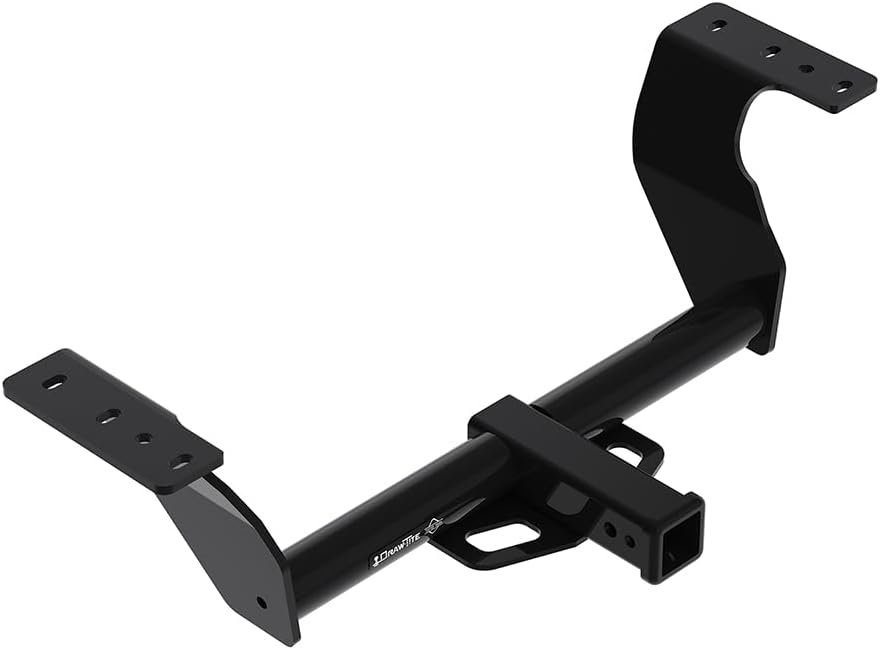
3. Draw-Tite Class 3 Trailer Hitch Receiver, 2" Square
Best Premium Tow Hitch Receiver
| Compatible with Vehicle Type | Car |
|---|---|
| Maximum Towing Capacity | 3500 pounds |
| Pull Force | 3500 pounds |
| Material Type | Alloy Steel |
| Finish Type | Powder Coated |
This Draw-Tite Class 3 receiver is a vehicle-specific hitch that mounts to Subaru Forester Sport frames and offers a 2 inch square opening for standard tow accessories. It is built from solid all-welded alloy steel with a two-part black powder coat to resist corrosion and road wear, and it includes the mounting hardware needed for installation. The hitch is rated for up to 3,500 pounds gross trailer weight and supports weight distribution systems up to the same capacity, which covers light trailers, boats, and most cargo carriers and bike racks you would pair with a Forester. Because it is engineered to meet V-5 and SAE J684 test standards, you get a tighter, factory-quality fit and confidence when towing. The main trade-offs are that it is a fixed-receiver design with a visible cross tube under the bumper and installation may require basic tools or a shop if you prefer not to install it yourself. The powder coat helps longevity but heavy salt exposure may still require occasional touch-up to prevent surface corrosion over many years.
Best for: Buyers prioritizing a durable, factory-quality hitch for a Subaru Forester Sport who want a straightforward, vehicle-specific towing solution and value corrosion-resistant finishes and higher rated capacity.
Less Ideal for: If you need a modular, removable hitch for a hidden bumper look or plan extreme off-road modifications that change frame mounting points, consider alternative mounting systems or vehicle-specific custom options.
- Vehicle-specific fit for 2019–2025 Subaru Forester and 2022–2024 Subaru WRX for precise installation
- Solid all-welded alloy steel construction for durable towing performance
- 2 inch receiver opening supports common accessories like bike racks and cargo carriers
- Rated for 3,500 lb GTW and compatible with weight distribution systems to that capacity
- Two-part powder coat finish and included mounting hardware simplify long-term use and installation
- Fixed cross-tube design is visible under the bumper and cannot be removed for a cleaner look
Verdict: The best premium tow hitch receiver for buyers willing to pay more for thicker steel, corrosion-resistant finishes, tighter tolerances, and add-on accessories.
4. RIGID Class 4 Trailer Hitch Receiver (R3-0522) — Fits 2019-2025 Subaru Forester
Best Heavy-Duty Tow Hitch Receiver

| Pull Force | 3500 pounds |
|---|---|
| Automotive Fit Type | Vehicle Specific Fit |
| Material Type | Alloy Steel |
| Finish Type | Powder Coated |
This RIGID Class 4 hitch is a vehicle-specific receiver made to fit 2019–2025 Subaru Forester models and gives DIY installers a heavy-duty, factory-quality mounting point for towing. It provides a 2-inch receiver opening and a 3,500 lb gross trailer weight rating (350 lb tongue weight), with higher ratings when using weight-distribution setups. The hitch ships with mounting hardware and installs without drilling; expect about a 30-minute install that may require temporarily lowering the exhaust and minor heat-shield trimming. Constructed from alloy steel with a black powder coat, it resists corrosion and handles regular towing use. Practical benefits include stronger mounting than many universal hitches, included hardware, and compliance with SAE/VESC towing standards. Limitations are that the tongue weight is modest for very heavy tongue loads and you must supply your own ball mount and ball; installation may be awkward on some Forester trims due to exhaust clearance. For DIYers who tow frequently, this is a stout, vehicle-fit option that balances capacity and ease of install.
Best for: DIY-minded Forester owners who tow regularly and want a robust, vehicle-specific receiver that increases towing capacity and simplifies a bolt-on installation.
Less Ideal for: People who need unusually high tongue weight capacity or who prefer a hitch that includes ball mounts and ball hardware out of the box.
- Vehicle-specific fit for 2019–2025 Subaru Forester for straightforward alignment and mounting
- 3,500 lb gross trailer weight rating with higher weight-distribution ratings for heavier trailers
- Alloy steel construction with powder-coated finish for durability and corrosion resistance
- Includes mounting hardware and installs without drilling, reducing install time and complexity
- Tongue weight rating of 350 lb may be limiting for trailers with heavy tongue loads
Verdict: The best heavy-duty tow hitch receiver for DIYers who regularly tow heavier loads and need higher rated capacity and more robust hardware.
5. CURT Class 3 Trailer Hitch 2" Receiver for Subaru Forester
Best Low-Profile Tow Hitch Receiver

| Receiver tube size | 2" |
|---|---|
| Weight carrying (TW) | 525 lb |
| Gross trailer weight (GTW) | 3,500 lb |
| Material Type | Carbon Steel |
| Finish Type | Gloss, Powder-Coated |
This CURT Class 3 hitch is a custom-fit, low-profile receiver built for select Subaru Forester years. It installs to the factory mounting points for a concealed main body that preserves bumper lines and keeps the receiver tucked up under the rear fascia. The 2" receiver supports common towing tasks such as hauling small campers, boats, utility trailers and hitch-mounted cargo or bike racks, with a listed gross trailer weight of 3,500 lb and 525 lb tongue weight. Construction uses high-strength carbon steel with precise welding and a co-cured plus powder-coat finish for corrosion resistance. Because it is vehicle-specific, fitment is straightforward and yields a near-factory appearance and good ground clearance compared with bulkier aftermarket hitches. The hitch is tested to SAE J684 standards, but buyers should confirm vehicle year compatibility before ordering and remember towing capacity is limited by the lowest-rated component in the system.
Best for: Buyers who prioritize a discreet, factory-integrated hitch that maintains bumper aesthetics and improves ground clearance while still handling everyday towing and hitch-mounted accessories.
Less Ideal for: Drivers who need maximum heavy-duty towing capacity beyond 3,500 lb or who want a universal, multi-vehicle hitch solution should consider other options.
- Vehicle-specific design yields a low-profile, concealed main body that preserves bumper lines
- 2" receiver and Class 3 strength suitable for common small-trailer and carrier use with 3,500 lb GTW
- Durable carbon steel construction with co-cured undercoating and powder-coat finish for corrosion resistance
- Precisely welded and tested to SAE J684 for safety and reliable fit
- Fitment is limited to select Forester years so you must verify exact vehicle compatibility
Verdict: The best low-profile tow hitch receiver for buyers who want a discreet, shallow-install option that preserves bumper lines and maximizes ground clearance.
6. Nilight Class 3 2" Receiver Trailer Hitch for Subaru Forester (2019–2025)
Best Easy-Install Tow Hitch Receiver

| Receiver size | 2 inches |
|---|---|
| Gross trailer weight | 3,500 lb |
| Tongue weight | 525 lb |
| Fit type | Vehicle Specific Fit |
| Included components | 2 Inch Receiver Tow Hitch |
This Nilight Class 3 trailer hitch is a vehicle-specific, bolt-on 2-inch receiver made for Subaru Forester 2019–2025. It is designed to attach without drilling, using factory mounting points and welded fastening for a secure fit. The hitch is rated to 3,500 lb gross trailer weight and 525 lb tongue weight, so it accommodates common towing tasks like small trailers, bike racks, and cargo carriers. A powder-coated finish and laser welding are intended to resist rust and provide durable everyday protection. For DIY installers the appeal is the straightforward bolt-on installation and the standard 2-inch receiver that works with widely available mounts and accessories. Limitations are the class capacity ceiling — it is not suited for heavy trailers — and installation still requires basic tools and correct torqueing of hardware; professional installation is an option if you are unsure about alignment or torque specs.
Best for: DIY mechanics who want a no-drill, straightforward bolt-on hitch for routine towing and accessory use on a Subaru Forester, prioritizing simple installation over maximum towing capacity.
Less Ideal for: Drivers who plan to tow heavy trailers or need substantially higher tongue weight capacity should consider a heavier duty hitch or professional-grade solution.
- Vehicle-specific bolt-on design eliminates drilling for easier DIY installation
- Standard 2-inch receiver accepts common ball mounts, bike racks, and cargo carriers
- 3,500 lb GTW and 525 lb tongue weight rating covers typical light towing needs
- Powder-coated finish and laser welding improve corrosion resistance and durability
- Not rated for heavy trailers or high tongue weights beyond its Class 3 limits
Verdict: The best easy-install tow hitch receiver for DIY mechanics who prefer minimal drilling, clear instructions, and a straightforward bolt-on installation using basic tools.
Choosing the Right Subaru Forester Sport Tow Hitch Receiver: Key Factors to Consider
Fitment and Mounting Style
Correct fitment ensures the receiver lines up with the Forester Sport s factory attachment points and clearances. A receiver designed for this model reduces the need for trimming the bumper or modifying exhaust parts. Mounting style affects installation time and permanence. Bolt-on receivers typically use factory holes and included hardware for a straightforward install, while weld-on or custom-fabricated mounts require professional work and can increase cost.
Consider whether the receiver obstructs rear sensors, spare tire access, or cargo-area doors. Verify that included brackets and hardware match the vehicle s underbody structure so the receiver sits flush and maintains the intended hitch height.
Hitch Class and Receiver Size
The hitch class determines the nominal towing capacity and compatible accessory shank size. For many Forester Sport owners, a Class II or Class III receiver with a 2-inch opening is common because it accommodates a wide range of accessories, including bike racks and small trailer couplers. A 1.25-inch receiver fits lighter duty accessories but limits towing options.
Match the receiver size to the accessories you plan to use. If you anticipate towing trailers or frequently using hitch-mounted cargo, choose the larger receiver size and class that safely handles the expected tongue weight and trailer load.
Towing Capacity and Tongue Weight
Towing capacity and tongue weight ratings indicate the maximum safe loads the receiver can handle. These ratings are crucial to avoid overloading the hitch or placing undue stress on the vehicle s frame. Understand both gross trailer weight and tongue weight; a heavy tongue weight can negatively affect handling even if gross trailer weight is within limits.
When selecting a receiver, consider the typical load you will tow and how often. If you plan occasional bike racks or light cargo, lower ratings may suffice. For regular towing, select a receiver with higher capacities and a margin for safety.
Construction and Corrosion Resistance
Materials and protective coatings determine long-term durability. Thick steel construction with robust welds resists bending and fatigue under load. Corrosion resistance matters because receivers are exposed to road salt, moisture, and debris. Look for receivers with powder-coat finishes or multi-stage plating that protect welds and mounting points.
Good construction also influences noise and fit; a well-fitted, stiff receiver reduces rattle and maintains alignment under load. Consider longevity if you intend to keep the receiver on the Forester Sport year-round.
Installation Complexity and Hardware
Installation time depends on whether the receiver is bolt-on or requires trimming or partial removal of the bumper. Bolt-on installations typically use factory holes and include all necessary hardware and instructions, making them accessible to experienced DIYers. More invasive installs may require special tools, partial bumper removal, or professional help.
Check whether the receiver includes mounting hardware, grade-8 bolts, and clear instructions. Availability of torque specs and fitment diagrams reduces the chance of improper installation that could compromise safety.
Accessory Compatibility and Clearance
Think about how the receiver affects the use of hitch-mounted accessories. Consider clearance from the rear bumper to ensure bike racks or cargo carriers do not block access to the hatch. Also assess whether the receiver interferes with exhaust outlets or sensors specific to the Forester Sport configuration.
Confirm the vertical drop or rise required to achieve correct trailer tongue angle and whether the receiver s design accommodates common anti-rattle accessories or locking hitch pins.
Bolt-On Vs Semi-Permanent Receivers
Bolt-on receivers are designed to use existing frame holes and included hardware, which simplifies installation and preserves the vehicle s original structure. For Forester Sport owners who prefer the option of removing the receiver seasonally or installing it at home, bolt-on designs offer convenience and lower labor needs.
Semi-permanent receivers may require partial removal of trim or fascia and sometimes use additional brackets for reinforcement. These designs can provide a cleaner look and slightly higher rigidity but usually need more time to fit and may be better installed by a professional.
- Bolt-on: easier DIY install, reversible
- Semi-permanent: cleaner fit, potentially higher stiffness
- Consider professional install if trimming or welding is required
Understanding Receiver Height and Trailer Angle
Receiver height determines the angle of your trailer and affects handling. An improperly aligned trailer tongue causes sag or rise at the hitch, impacting braking and steering response. Measure from the ground to the receiver centerline and compare that to your trailer coupler height, accounting for cargo weight.
Adjustable drop or rise hitch adapters can compensate for small differences, but using an adapter reduces effective tongue weight capacity. For predictable towing performance with the Forester Sport, select a receiver that places the hitch close to the typical trailer tongue height you will tow most often.
- Measure both unloaded and loaded trailer tongue heights
- Use drop/rise adapters sparingly to avoid exceeding tongue weight limits
Wiring and Electrical Considerations
Installing a receiver often goes hand-in-hand with adding trailer wiring for lights and brakes. Check whether the Forester Sport s electrical harness has integrated connectors or requires a vehicle-specific wiring kit. Hardwiring without the correct adapter can overload circuits or bypass safety features.
If you plan to tow trailers with brakes, plan for a compatible brake controller and its wiring path. Leave room around the receiver for routing wiring securely and protecting it from road debris and heat from the exhaust.
- Confirm available connectors on the vehicle
- Route wiring away from moving parts and heat
- Consider a dedicated wiring harness designed for the Forester Sport
Managing Noise and Rattle
A tight-fitting receiver reduces rattle and prevents wear on mounting hardware. Anti-rattle devices, properly torqued bolts, and polyurethane bushings can cut down on movement between hitch and shank. For a Forester Sport, where cabin comfort is often a priority, addressing potential noise sources at installation reduces long-term annoyance.
Regularly inspect mounting bolts and welds after the first few hundred miles of towing to catch loosening early. Simple maintenance prevents both noise and safety issues from developing.
- Use anti-rattle devices for a snug fit
- Retorque bolts after initial use
- Inspect for loose hardware periodically
Legal and Safety Checklist
Ensure the receiver s load ratings meet or exceed the towing task and follow local regulations for lighting, braking, and trailer weight. Overloading violates safety rules and can void vehicle warranties in some situations. Keep documentation of the receiver s rated capacities and the vehicle s towing limits for reference.
Practice short, controlled tows after installation to verify handling and brake performance. Confirm that safety chains attach securely and that sway control or weight distribution solutions are used when required by trailer weight.
- Verify tongue weight and gross trailer weight ratings
- Test lights and brakes before hitting the road
- Carry rated hitch pin and safety chain attachments
Still looking for the perfect fit?
Select your Subaru Forester configuration to see the most relevant Tow Hitch Receivers recommendations
How We Chose the Best Subaru Forester Sport Tow Hitch Receiver
We evaluated tow hitch receivers for the Subaru Forester Sport using a focused set of criteria relevant to owners who tow or use hitch-mounted accessories. Fitment and mounting compatibility were primary filters to ensure each receiver aligns with the Forester Sport s bumper, frame attachment points, and exhaust routing. Towing capacity and tongue weight rating were assessed to match common towing tasks such as small trailers, cargo carriers, and bike racks. Build quality and materials were considered to predict durability under road conditions, including corrosion resistance and weld quality.Installation complexity and hardware scope were examined to distinguish bolt-on receivers from those requiring partial removal of fascia or trimming. Hitch receiver size and class were compared to typical accessory compatibility so owners know whether a 1.25-inch or 2-inch accessory will fit. We also reviewed aftermarket support and instructions clarity to reduce installation uncertainty.Excluded from consideration were universal-fit receivers that require extensive cutting or fabrication, and any options that did not explicitly list Forester Sport fitment. We prioritized practical, safe choices that reflect real-world towing needs for this vehicle.
Our full evaluation process is outlined in our review methodology.
FAQ
What receiver size should I choose for a Forester Sport?
It depends on the accessories you plan to use. A 2-inch receiver is common because it fits most bike racks and small trailer couplers. A 1.25-inch receiver limits towing options but may suffice for lightweight accessories.
Can I install a tow hitch receiver myself?
Many Forester Sport owners can install bolt-on receivers with basic tools and a jack. Installation complexity varies, so review the instructions and required hardware. If the install needs trimming or alignment beyond standard bolt-on work, professional installation is recommended.
How do I know if a receiver will reduce my towing capacity?
Receiver ratings are one part of the equation. You must consider both the receiver s tongue weight and gross trailer weight capacities alongside the vehicle s published towing limits. Using a receiver with lower ratings than the vehicle or expected loads effectively reduces safe towing capacity.
Will a hitch receiver interfere with rear sensors or cargo access?
Some receiver designs sit closer to the bumper and may affect sensor fields or block access to the hatch when large accessories are installed. Verify clearances and sensor placement before buying, and choose a receiver profile that preserves hatch access and sensor operation where possible.
Do I need special wiring for trailer lights on the Forester Sport?
You often need a vehicle-specific wiring harness to add trailer lighting reliably. Some wiring kits plug into existing connectors; others require tapping into the electrical system. Use a harness designed for the Forester Sport to avoid electrical issues and ensure proper brake and signal function.
How often should I inspect the hitch receiver after installation?
Inspect the receiver and mounting hardware after the first few hundred miles of towing, then at regular service intervals. Look for loose bolts, corrosion, or cracked welds, and retorque hardware as specified in the installation instructions.
Final Verdict
Choosing the right tow hitch receiver for your Subaru Forester Sport comes down to matching fitment, receiver class, and towing capacity to how you plan to use the vehicle. Prioritize a receiver that mounts cleanly to the Forester Sport s frame, provides the correct receiver size for your accessories, and has ratings that exceed your typical loads. Consider installation complexity and corrosion protection if you keep the receiver installed year-round.With those tradeoffs in mind, pick the receiver that offers the best balance of safe towing capacity, compatible mounting, and practical installation for your routine use. That approach will keep towing predictable, safe, and enjoyable.
Explore More:
- Check out all Subaru Forester parts & accessories
- Explore Exterior Accessories
- Browse all Accessories
