

Note: This article contains affiliate links. If you click on these links and make a purchase, I may earn a small commission at no extra cost to you. This helps support my research and content. Read my full affiliate disclosure here.
Choosing the right Ford Ranger timing belt matters because it keeps your engine running on time and helps prevent serious damage from a belt failure. You want a belt that fits accurately, offers durable materials, and works with your Ranger's maintenance schedule so downtime is minimized and the engine stays reliable. This guide covers seven shortlisted timing belts that meet common fitment and durability expectations for the Ford Ranger. We evaluated candidate belts on build quality, compatibility with factory specifications, and ease of installation to help you identify options that match your needs.
Looking for other parts? See all Ford Ranger parts & accessories.
Top Picks at a Glance
| Best overall The best all-around choice for most situations | ECCPP Timing Belt Kit with Water Pump for 1995–2001 Ford Ranger / Mazda B2300/B2500 |  |
| Best quality Built to a higher standard if you want something more solid | Gates PowerGrip Premium Timing Belt Component Kit (TCK184) |  |
| Best Value The sweet spot between price and what you get | Gates Premium Automotive Timing Belt (T304) |  |
| Best budget The cheapest option that still gets the job done reliably | A-Premium Engine Timing Belt for Ford Ranger 1995–2001 (2.3L, 2.5L) |  |
| Highest Rated A top-rated pick with lots of positive feedback | Gates Premium Automotive Timing Belt |  |
| Most popular A crowd favorite that many people choose with confidence | Gates Premium Automotive Timing Belt | 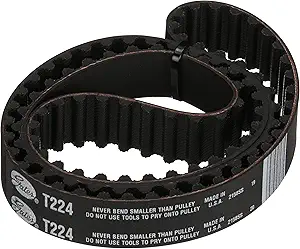 |
| Best Seller A high-volume bestseller chosen again and again | Gates PowerGrip Premium Timing Belt Component Kit (TCK210) |  |
1. ECCPP Timing Belt Kit with Water Pump for 1995–2001 Ford Ranger / Mazda B2300/B2500

| Compatible models | 1995–2001 Ford Ranger; 1995–1997 Mazda B2300; 1998–2001 Mazda B2500 |
|---|---|
| Engine types | L4 2.3L and 2.5L, SOHC |
| Kit contents | Timing belt (131 teeth), belt tensioner, 2 camshaft seals, water pump, 2 rubber seals |
| Replaces part numbers | ITM276WP, TS26276 |
This ECCPP timing belt kit supplies the common replacement parts needed when servicing the timing system on 1995–2001 Ford Ranger 2.3L and 2.5L engines (also used in compatible Mazda B2300/B2500 models). The kit bundles a 131-tooth timing belt, belt tensioner with bearing assembly, camshaft seals, a replacement water pump and rubber seals so you can replace the belt and pump in one job. In practice that means fewer parts sourcing trips and a cleaner installation when doing a full timing service. Customers report parts that fit and align correctly and that the kit resolved worn pump bearings and broken belts. Limitations to expect are the normal variability of aftermarket components: some users noted a damaged gasket on arrival and others prefer OEM pumps for long-term durability. This kit is best for routine maintenance or midlife refreshes on older Rangers where correct fitment and bundled convenience are the priority rather than a premium factory pump.
Best for: Balanced owners who want a convenient, all-in-one timing system service kit that reduces parts chasing and simplifies a DIY or independent shop job.
Less Ideal for: Those seeking factory-quality replacement pumps or warranty-backed dealership parts should consider OEM replacements instead.
- Complete kit includes timing belt, tensioner, camshaft seals and a water pump for a single service interval
- Parts reported to fit and align correctly with the 2.3L and 2.5L Ranger engines
- Bundling saves time and ensures matching service intervals when replacing belt and pump together
- Aftermarket water pump quality may vary and some buyers reported damaged gaskets on delivery
- Not marketed as a premium or factory-quality pump, so long-term durability can differ from OEM parts
Verdict: A practical, all-in-one timing kit that makes servicing older Ford Ranger 2.3L/2.5L engines easier, but expect the usual variability of aftermarket pumps.
2. Gates PowerGrip Premium Timing Belt Component Kit (TCK184)

| Brand | Gates |
|---|---|
| Model | PowerGrip Premium Timing Belt Component Kit |
| Manufacturer Part Number | TCK184 |
The Gates PowerGrip Premium Timing Belt Component Kit is a full-service timing system kit designed to let technicians replace the belt and all related components in one job. It ships with the timing belt, tensioner(s), idler(s), supporting hardware, and installation instructions so you can perform a complete service without hunting separate parts. For a performance-oriented Ford Ranger owner this kit delivers factory-quality fit and proven durability because Gates supplies factory replacement timing components for many applications. The inclusion of detailed instructions and Technical Service Bulletins helps avoid common installation pitfalls, and the pre-matched components reduce the risk of premature failure from mismatched parts. Limitations include the need to confirm exact Ranger engine fitment before ordering since kits are application-specific, and the kit does not include a water pump so you may want to add that to a full-service job. Overall it streamlines a timed-belt replacement and reduces rework when used with proper installation practices.
Best for: Performance-minded owners looking for a factory-quality, complete timing component solution to ensure reliable timing and minimize the chance of failure under spirited use.
Less Ideal for: Buyers who want a simple belt-only replacement or who prefer a bundled kit that explicitly includes the water pump should consider other options.
- Complete kit that includes belt, tensioners, idlers, hardware and instructions for a full timing system replacement.
- Factory-quality components from a leading timing-belt manufacturer aimed at long service life.
- Pre-matched parts reduce the chance of incorrect fitment and post-installation failures.
- Technical Service Bulletins and installation instructions help address known tricky applications.
- Does not include a water pump, which is often replaced at the same service interval.
- Fitment is application-specific so you must verify the correct kit for your Ranger engine.
Verdict: A factory-quality, full timing component kit aimed at performance-focused owners who want a reliable, matched set for a thorough timing service.
3. Gates Premium Automotive Timing Belt (T304)

| Brand | Gates |
|---|---|
| Model | Premium Automotive Timing Belt |
| Item model number | T304 |
| Manufacturer part number | T304 |
| OEM part number | 13028AA181, 13028AA230, 13028AA231, 32005535, OHC304 |
The Gates Premium Automotive Timing Belt is a direct replacement timing belt intended to restore correct valve-to-piston timing on compatible Ford Ranger engines when the factory belt reaches service interval. It installs the same way as a factory belt and includes alignment marks to help set timing accurately during installation. Built with heat-resistant HNBR rubber, aramid-reinforced tensile members, and PTFE-infused jackets, the belt is designed to resist wear and reduce tooth shear for longer life under normal driving. For a practical optimizer this belt delivers predictable lifespan and OEM-style performance without buying a full timed kit. Limitations to consider are that this listing is the belt only, so related wear items like tensioners, idlers, water pump, and seals should be inspected and often replaced at the same time to avoid repeat labor, and a small number of buyers have reported damaged or mis-marked units which makes inspecting the part on arrival important. When installed correctly it functions like a factory-quality replacement and keeps the engine timing stable between service intervals.
Best for: Practical optimizers who want a reliable, factory-replacement level timing belt that extends service life without paying for a full OEM kit and prefer minimizing cost while maintaining dependable performance.
Less Ideal for: Buyers who want a one-purchase, worry-free timing service should choose a full timing kit that includes tensioners, idlers, and pump rather than this belt-only option; DIY beginners uncomfortable with engine timing should seek professional installation.
- Factory-quality design and materials aimed to match OEM fit and function
- Heat- and wear-resistant HNBR compound with aramid-reinforced tensile members for durability
- Alignment marks on the belt simplify correct timing during installation
- PTFE-infused jacket reduces frictional tooth wear
- Wide coverage and long market track record for many import and domestic engines
- Sold as the belt only so additional components often required for a complete timing service
- A few reported units arrived damaged or without proper timing marks
- Not a complete timing kit which increases risk of repeat labor if other parts fail later
Verdict: A cost-effective, factory-quality replacement timing belt for Ford Ranger owners who want dependable OEM-style performance without buying a full kit.
4. A-Premium Engine Timing Belt for Ford Ranger 1995–2001 (2.3L, 2.5L)
| Belt Material | HNBR |
|---|---|
| Cord Material | Fiberglass |
| Number of Teeth | 131 |
| Pitch | 0.375 inch |
| Pitch Length | 49.125 inch |
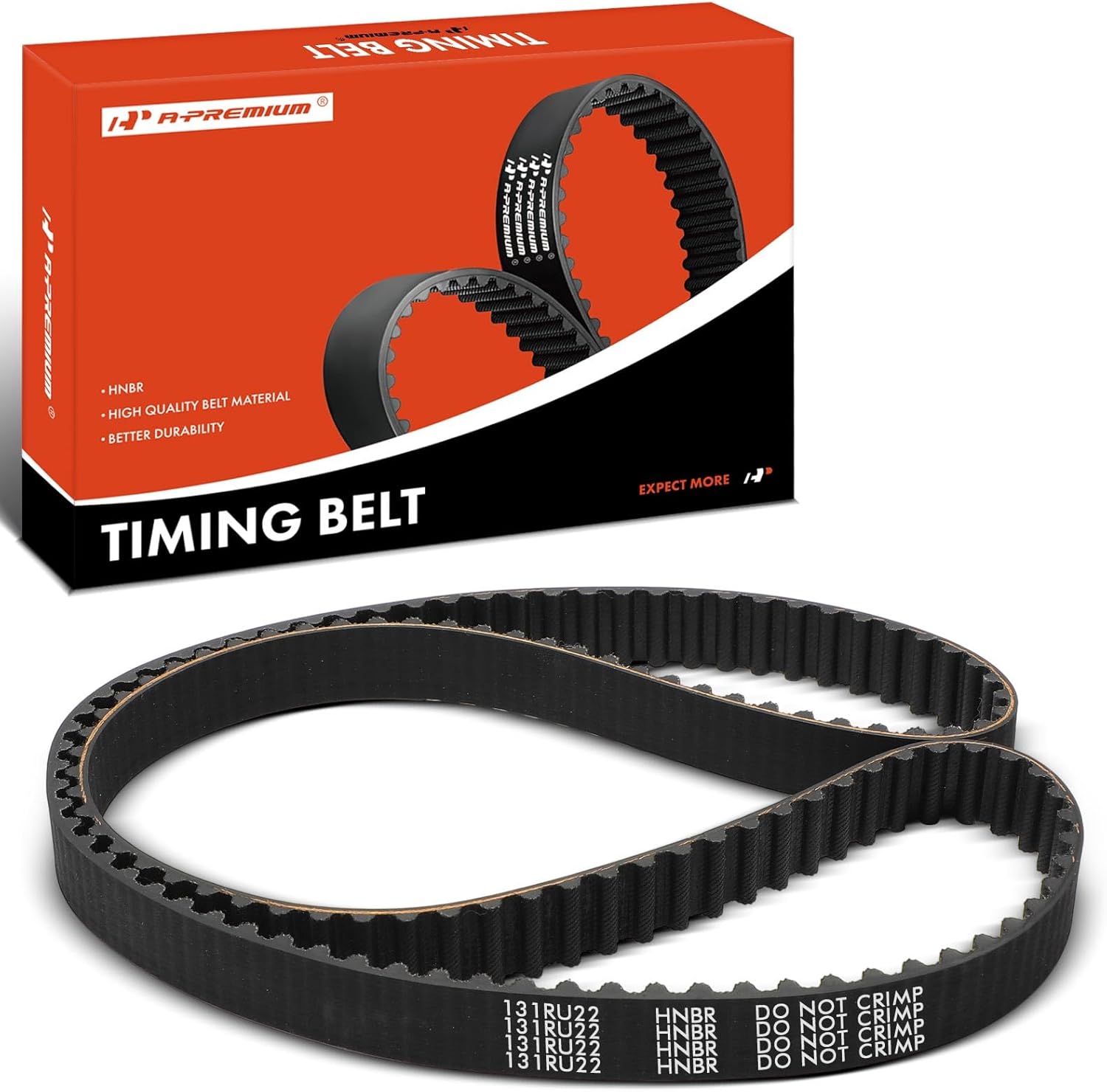
This A-Premium timing belt is designed to replace the factory belt on Ford Ranger 1995–2001 four-cylinder 2.3L and 2.5L engines. It uses HNBR compound with fiberglass cord reinforcement and a 131-tooth profile, so it matches the tooth count and pitch needed for correct engagement with the Ranger timing system. Typical use is direct replacement during a timing service or when the old belt shows wear; the belt aims to maintain engine timing and prevent slippage under normal driving. Practical benefits include heat and corrosion resistance from HNBR and stable internal cord construction that supports steady engine operation and efficient power delivery. The product carries a one-year unlimited-mileage guarantee from the brand. Limitations are that this is an aftermarket belt rather than a factory-branded part, so long-term durability may differ from OEM and installers should verify exact fit against the vehicle VIN and engine code before purchase.
Best for: Budget-conscious Ranger owners who need a direct, lower-cost timing belt replacement and prioritize getting the vehicle back on the road affordably.
Less Ideal for: Owners seeking factory-brand parts for maximum long-term assurance or those who prefer to replace the entire timing kit with OEM components should consider other options.
- Matches Ford Ranger 1995–2001 2.3L/2.5L tooth count and pitch for direct replacement.
- HNBR material with fiberglass cord offers heat and corrosion resistance for stable timing performance.
- 131-tooth design and factory-style pitch support correct engagement with timing gears.
- Backed by a one-year unlimited-mileage guarantee from the brand.
- Aftermarket part so long-term life and fit may vary compared with factory-quality branded belts.
- Product fit should be double-checked by VIN or engine code to avoid compatibility issues.
Verdict: A cost-conscious replacement that matches the Ranger's timing spec and offers heat-resistant materials, but it is an aftermarket unit so buyers should verify fit and expectations.
5. Gates Premium Automotive Timing Belt
| Manufacturer | Gates |
|---|---|
| Model | Premium Automotive Timing Belt |
| Item model number | T276 |
| Manufacturer Part Number | T276 |
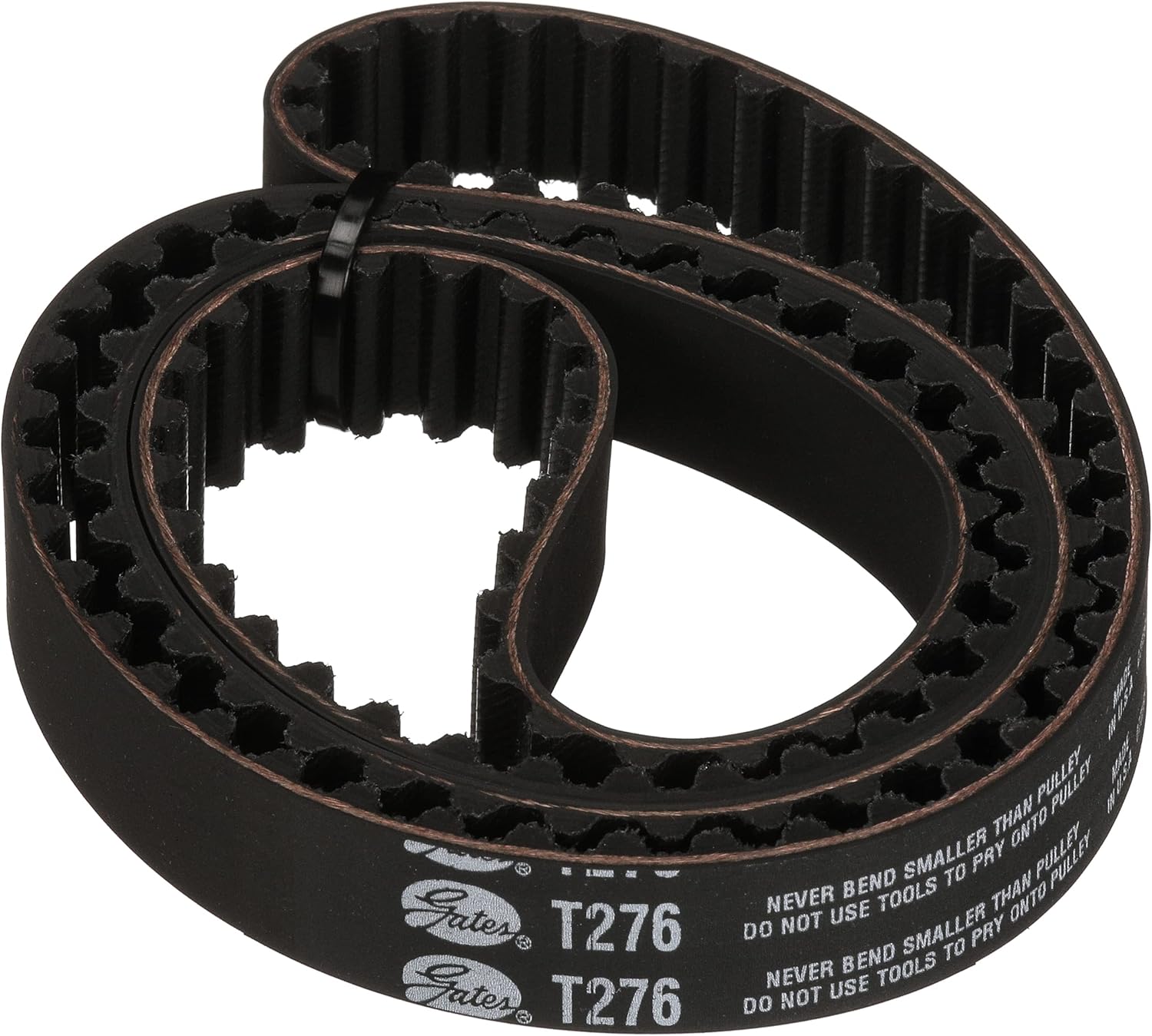
The Gates Premium Automotive Timing Belt is a direct replacement timing belt engineered for reliable engine timing and long service life. It is typically used during scheduled timing belt replacement on affected Ford Ranger engines and other compatible applications where this part number fits. Notable features called out by the manufacturer include PTFE-infused jackets to reduce internal friction, high-grade HNBR rubber for heat and contamination resistance, aramid reinforcement for tensile strength, and nylon jackets for improved wear life. In practice these features translate to stable timing under heat, reduced tooth shear, and a belt that resists premature glazing or cracking. Installation is the same as any factory-style belt and it works with the vehicle's existing pulleys and tensioner when it is the correct fit. Limitations are that timing belt replacement still requires proper tensioning and any worn tensioner or idler should be replaced at the same time, and buyers must confirm exact fitment for their Ford Ranger year and engine before purchasing.
Best for: Reliability-focused owners who prioritize a factory-quality replacement part to restore proper engine timing and avoid premature belt failure during routine maintenance.
Less Ideal for: Drivers looking for a full timing service kit or a budget one-off part without replacing worn tensioners and idlers should consider a complete kit instead.
- Constructed with HNBR rubber and aramid reinforcement for heat resistance and strength
- PTFE-infused jacket reduces tooth shear and frictional losses for smoother operation
- Nylon jackets and backsides increase wear resistance and expected service life
- Designed to meet or exceed factory-quality fit and performance
- Does not include tensioner or idler pulleys which are commonly recommended to replace at the same time
- Fitment must be verified for the specific Ford Ranger year and engine before installation
Verdict: A reliable, factory-quality timing belt choice for Ford Ranger maintenance when you need durable, heat-resistant replacement—pair it with new tensioners for a complete service.
6. Gates Premium Automotive Timing Belt
| Manufacturer | Gates |
|---|---|
| Model | Premium Automotive Timing Belt |
| Item model number | T224 |
| OEM Part Number | 14400P28004, 14400P2E004, 14400P2FA01, OHC224 |
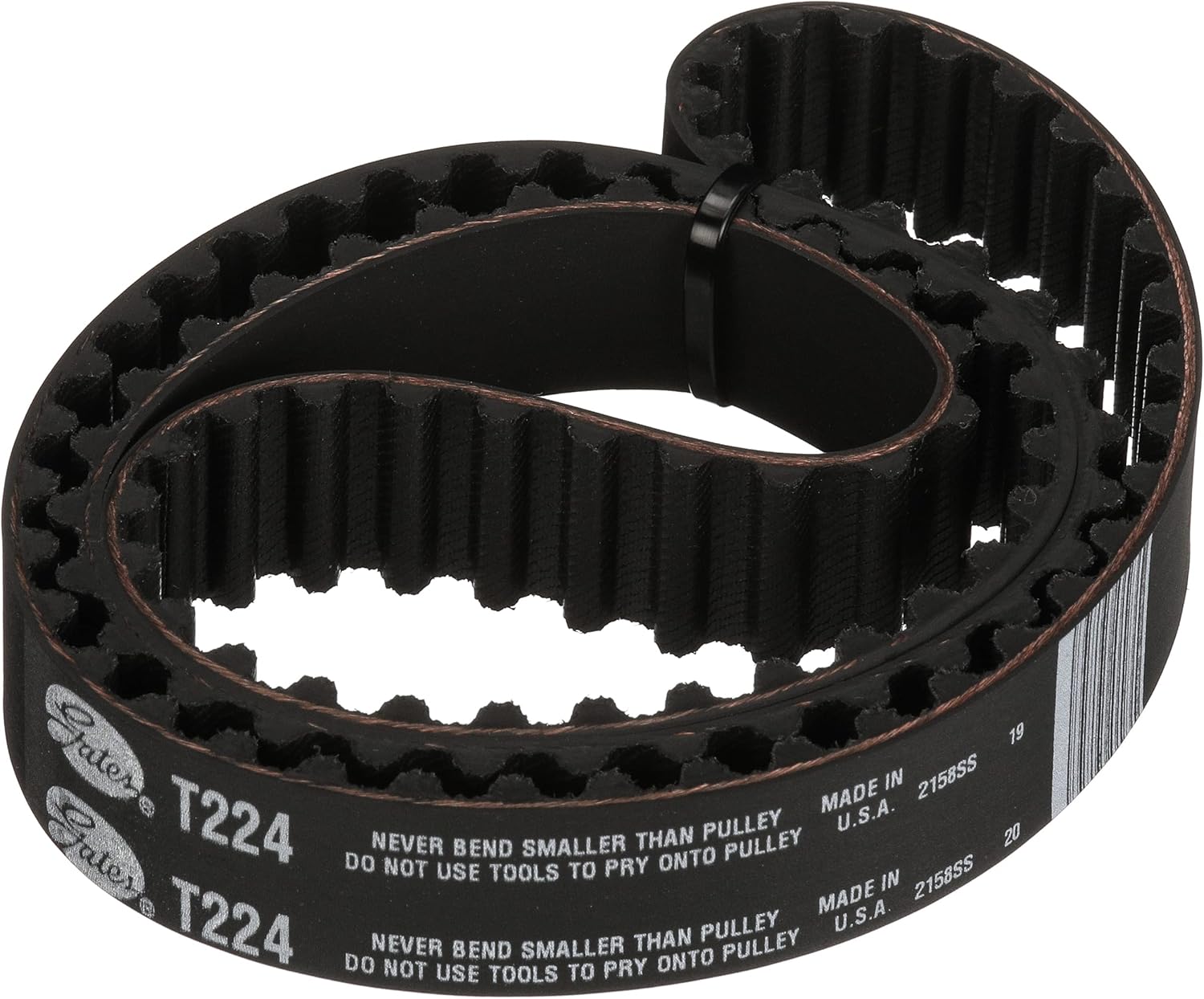
This Gates Premium Automotive Timing Belt is a direct replacement timing belt built to match factory fit and performance. It is used to synchronize the crank and camshafts so valves and pistons maintain proper timing, typically installed during routine timing service or when a worn belt is discovered. The belt combines PTFE-infused jackets, HNBR rubber formulation, aramid-reinforced nylon backing, and strong tensile members to resist heat, contamination, and tooth shear, which translates to longer service life and stable timing under normal driving. For a convenience-minded buyer maintaining a Ford Ranger, Gates offers wide coverage and consistent fit that reduces installation fuss and the risk of mismatched tooth spacing that can cause timing errors. The main limitation is that this is a single replacement belt without additional components such as tensioners or water pump, so a full timing service will still require those parts and possibly professional labor to ensure correct installation and long-term reliability.
Best for: Convenience-driven owners who prefer a ready-made, factory-quality replacement that minimizes installation hassle and reduces the chance of fitment problems during a timing belt service.
Less Ideal for: Owners who want a complete timing kit or prefer to replace all associated components at once should opt for a full kit that includes tensioners and idlers instead of buying the belt alone.
- Designed to meet or exceed factory fit and performance for reliable timing
- Heat and contamination resistant HNBR compound for longer life
- Aramid-reinforced construction and PTFE jackets reduce tooth wear and shear
- Broad aftermarket coverage that simplifies finding a correct replacement for common vehicles
- Sold as the belt only and does not include tensioner, idlers, or water pump
- Requires correct selection of the exact part number for Ford Ranger fitment
Verdict: A dependable, factory-quality replacement timing belt that simplifies upkeep but must be paired with the proper ancillary parts for a complete Ford Ranger timing service.
7. Gates PowerGrip Premium Timing Belt Component Kit (TCK210)

| Brand | Gates |
|---|---|
| Model | PowerGrip Premium Timing Belt Component Kit |
| Item model number | TCK210 |
| Exterior | Machined |
The Gates PowerGrip Premium Timing Belt Component Kit is a factory-quality kit designed to replace the entire timing drive on compatible Ford Ranger engines. It bundles a reinforced timing belt with tensioners, idlers, springs and the supporting hardware so technicians or experienced DIYers can perform a full timing system service without sourcing separate parts. Notable features include Gates PowerGrip belt technology and machined components that are intended to match factory fit and service life. The practical benefit is convenience and reduced risk of follow-up visits since the kit covers all wear items in the timing train and includes installation instructions. Limitations are that fitment must be confirmed for your exact Ranger year and engine before ordering and that the kit does not include fluids or additional engine parts sometimes replaced during a timing job. For risk-averse buyers this kit simplifies parts sourcing and helps maintain factory-quality replacement intervals when servicing the timing system.
Best for: Risk-averse mainstream buyers who prioritize reliability and want a single, factory-quality kit to fully replace the timing system with minimal parts hunting.
Less Ideal for: Owners who prefer individual aftermarket components for a custom repair or who need unrelated engine parts and fluids packaged with the kit should look elsewhere.
- Complete kit contains belt, tensioners, idlers, springs and installation hardware to allow full timing-system replacement
- Gates PowerGrip belt and machined components designed to match factory-quality performance
- Includes detailed installation instructions and technical bulletins for tricky applications
- Requires confirming exact year/engine fitment before purchase
- Does not include ancillary items like coolant or seals that may be recommended during a timing job
Verdict: A full, factory-quality timing component kit from Gates that simplifies timing-system replacement and reduces the chance of follow-up repairs.
Choosing the Right Ford Ranger Timing Belt: Key Factors to Consider
Fitment and Compatibility
Accurate fitment is essential because a timing belt that does not match the engine's dimensions or tooth profile can skip or fail prematurely. Confirm that the belt is specified for the exact model year and engine variant of the Ford Ranger you own, and that the supplier provides clear application data. Mismatched belts can place uneven load on pulleys and tensioners, increasing wear on accessory components and risking timing misalignment.
Compatibility also covers whether the belt is intended to be used with the Ranger's original tensioning system and whether the kit includes any special washers or guides needed during installation. Choosing a belt with documented compatibility reduces the chance of rework during service and supports predictable maintenance intervals.
Material and Construction Quality
The materials used in the belt tooth compound, tensile cord, and backing dictate how well the belt resists heat, oil, and mechanical fatigue. High-quality compounds maintain tooth profile under load and resist glazing or hardening that can lead to slippage. A robust tensile cord reduces stretch over time, preserving correct valve timing across long service intervals.
Also consider construction features such as reinforced edges and wear-resistant coatings. These factors influence durability in real-world driving conditions where temperature swings and contamination can accelerate deterioration. Better construction typically translates to longer, more reliable service life.
Tensioning System Compatibility
The timing belt works as part of a system that includes tensioners, idlers, and sometimes hydraulic components. Proper tension keeps teeth engaged without overstressing the belt. If a belt is designed to function with a specific tensioner type, make sure that your vehicle has that tensioner or that the replacement kit provides the correct components.
Incorrect tensioning can lead to excessive noise, accelerated wear, or catastrophic failure. Consider whether replacement tensioners or idlers should be installed at the same time, and whether the belt supplier provides guidance on torque specs and alignment marks to achieve correct tension.
Maintenance Interval and Service Life
Different belts have different recommended service intervals based on materials and manufacturer testing. Match the belt's expected service life to your driving patterns and maintenance schedule. Shorter intervals may be acceptable for high-mileage or severe-use vehicles, while longer-life belts can reduce the frequency of major service events.
Also take into account how easy it is to inspect and replace the belt when the time comes. A belt that offers a clear maintenance interval and straightforward inspection cues helps you plan preventive service and avoid unexpected failures.
Included Components and Ease of Installation
Some timing belt offerings come as kits that include tensioners, pulleys, seals, and hardware, while others are belt-only. Kits that include necessary components can simplify service and ensure matched parts, reducing the risk of incompatibility. Evaluate whether the kit contains torque specifications and alignment instructions to support a correct installation.
Ease of installation matters if you plan to perform the work yourself or rely on a local shop. Clear instructions and complete component sets reduce labor time and the potential for installation errors that could affect engine timing.
Durability in Typical Operating Conditions
Consider how the belt performs under the operating conditions you encounter, such as high ambient temperatures, stop-and-go driving, towing, or extended idling. Belts with improved heat resistance and fatigue life are better suited to heavy-duty or prolonged use. Look for evidence of resistance to oil and coolant exposure, since leaks can rapidly degrade some compounds.
Assess the typical failure modes reported for belts in similar applications and choose options designed to mitigate those issues. Prioritizing durability helps avoid roadside failures and extends the interval between major timing system services.
How We Chose the Best Ford Ranger Timing Belt
We focused on timing belts that meet factory fitment specifications and use robust materials designed to handle the Ranger's engine loads. Key evaluation criteria included belt material and construction quality, dimensional and fit accuracy for Ford Ranger engines, recommended maintenance interval compatibility, and the availability of necessary installation components such as tensioners and pulleys when applicable. We also considered documentation and manufacturer guidance to assess ease of installation and expected service life. Durability testing summaries and common failure modes reported in technical literature informed our assessment of longevity. Excluded from the list were belts that lacked clear fitment data for the Ford Ranger, aftermarket parts without verifiable material specifications, and any items that did not meet minimum dimensional tolerances. The final selections prioritize belts that align closely with OEM specifications and practical maintenance needs for Ranger owners.
Our full evaluation process is outlined in our review methodology.
FAQ
How often should I replace the Ford Ranger timing belt?
Replacement intervals vary by engine variant and driving conditions, but timing belts generally have a recommended service interval based on mileage or years. Check your vehicle's maintenance guidance and consider earlier replacement for high-mileage or severe-duty use. If you notice wear, cracking, or unusual noise, schedule an inspection sooner.
What are common timing belt symptoms that indicate trouble?
Common signs include unusual rattling or slapping noises from the front of the engine, visible cracking or fraying on the belt, and intermittent misfires related to timing changes. Loss of power or rough idling can also suggest timing issues. These symptoms often warrant immediate inspection to avoid more severe engine damage.
Can I replace the timing belt myself, and how long does installation take?
A skilled DIYer with the right tools and clear instructions can replace a timing belt, but the job requires careful alignment and often specific torque procedures. Installation time typically ranges from a few hours to a full day depending on engine accessibility and whether associated components are replaced. If unsure, professional service reduces the risk of installation errors.
Should I replace tensioners and pulleys when changing the timing belt?
It is usually advisable to evaluate and often replace tensioners and idlers when installing a new timing belt because worn components can shorten belt life or cause immediate failure. Replacing these parts together helps ensure correct tensioning and reduces the chance of having to repeat the job soon after.
What maintenance helps extend a timing belt's life?
Keeping the engine free of oil and coolant leaks, following recommended service intervals, and inspecting the belt periodically for wear will help extend service life. Addressing accessory drive issues and replacing worn pulleys or seals promptly also reduces stress on the belt.
Conclusion
When choosing a Ford Ranger timing belt, prioritize accurate fitment, durable materials, and compatibility with the vehicle's tensioning system. Consider service life expectations and whether a complete kit that includes tensioners and pulleys is appropriate for your maintenance plan. Balance the desire for longer intervals against the risk profile of your driving conditions, and plan replacements as part of scheduled preventive maintenance to minimize the chance of engine damage from belt failure.
Explore More:
- Check out all Ford Ranger parts & accessories
- Explore Timing Belts Maintenance & Repair Guides
- Explore Engine
- Browse all Auto Parts
