

Note: This article contains affiliate links. If you click on these links and make a purchase, I may earn a small commission at no extra cost to you. This helps support my research and content. Read my full affiliate disclosure here.
If you drive a Volkswagen Golf, the timing belt tensioner plays a key role in engine timing and long-term reliability. Choosing the right tensioner helps maintain correct belt tension, reduces noise, and lowers the risk of premature wear or failure.This guide summarizes the top shortlisted timing belt tensioners for the Volkswagen Golf and explains the criteria used to evaluate them, including durability and fit precision. Read on to see which options made the list and why they are suitable for this vehicle.
Looking for other parts? See all Volkswagen Golf parts & accessories.
Top Picks at a Glance
| Best Quality Built to a higher standard if you want something more solid | Gates PowerGrip Premium Timing Belt Component Kit (TCK296) |  |
| Best Value The sweet spot between price and what you get | URO Parts 06A109479A Timing Belt Tensioner |  |
| Best budget The cheapest option that still gets the job done reliably | VANJING Hydraulic Timing Belt Tensioner Assembly |  |
| Highest Rated A top-rated pick with lots of positive feedback | URO Parts Timing Belt Tensioner Damper |  |
| Best Seller A high-volume bestseller chosen again and again | DNJ Hydraulic Timing Belt Tensioner (TBT800F) for 1.8L Turbo Volkswagen/Audi |  |
1. Gates PowerGrip Premium Timing Belt Component Kit (TCK296)

| Brand Name | Gates |
|---|---|
| Included Components | 1 Belt, 1 Tensioner |
| Material Type | Rubber |
| Item Type Name | Timing Component Kit |
The Gates PowerGrip TCK296 is a timing belt component kit designed to replace worn belt and tensioner hardware during a scheduled service. Intended for use when replacing the timing belt, the kit bundles a factory-quality belt, a tensioner, and supporting installation details to let a technician complete the job without sourcing multiple parts. Notable features include a PowerGrip premium timing belt and a matching tensioner supplied in a single kit with installation instructions and application-specific technical notes. In practice this simplifies repairs, reduces the chance of mismatched parts, and helps restore correct valve timing and accessory drive function. The kit is focused on fit and long service life rather than performance modifications, so it is best for owners seeking a reliable, vehicle-appropriate replacement rather than an uprated or race-oriented component. A small number of buyers reported fitment errors when the wrong application was selected, so confirming correct vehicle fitment before ordering is important.
Best for: Performance-oriented owners who prioritize durable, factory-quality replacements that restore precise timing and reliability for spirited driving and regular maintenance.
Less Ideal for: Not ideal for owners seeking high-performance or aftermarket upgraded tensioners for track use or heavily modified engines.
- Factory-quality timing belt and tensioner supplied together to simplify a full timing system service
- Includes installation instructions and technical bulletins to aid correct installation
- Designed to match vehicle-specific applications which reduces parts mismatch risk
- Kit contents vary by application and this listing includes no idlers for some fits which may require separate parts
Verdict: A convenient, factory-quality timing belt and tensioner kit that simplifies a complete timing system replacement and restores reliable valve timing.
2. URO Parts 06A109479A Timing Belt Tensioner
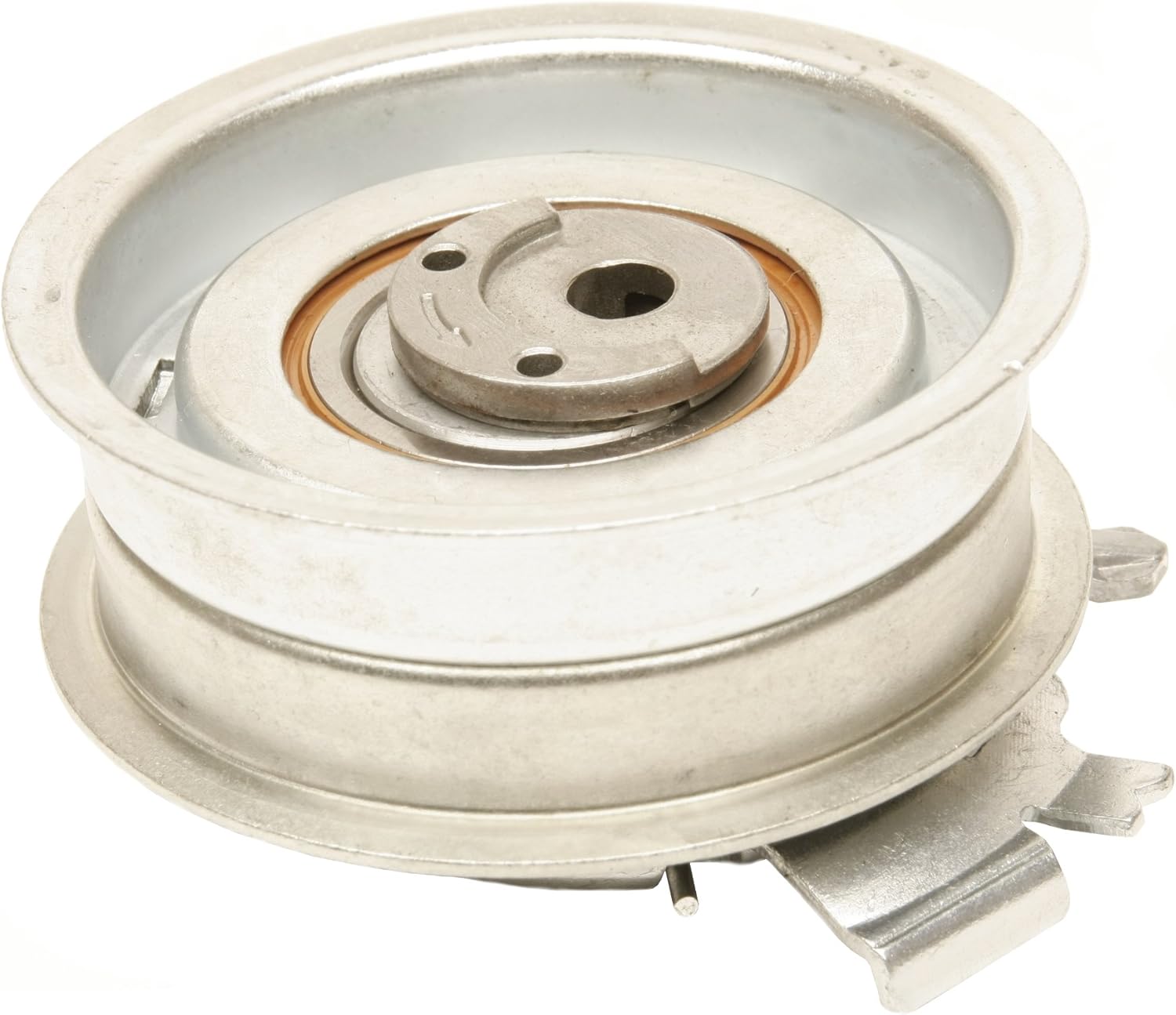
| Part Number | 06A109479A |
|---|---|
| Material Type | Alloy Steel |
| Item Type | Timing Belt Tensioner |
| Warranty Description | 24 month unlimited mileage |
This URO Parts 06A109479A timing belt tensioner is a direct-fit aftermarket replacement designed to restore proper tension and alignment on Volkswagen Golf timing belts. It installs in place of the factory unit and is intended for use during timing belt service or replacement. Notable features include alloy steel construction, a sealed bearing to resist dust and water, and manufacturing to OEM dimensions so pulleys and belt run true. The coil spring (where applicable) matches the factory spring rate to maintain correct tension across engine speeds. In practice this means you can expect reliable belt tracking and reduced risk of slippage when installed correctly. Some buyers reported a small number of fitment or installation quirks, so careful comparison to the original part and correct installation tools are recommended. For a budget-focused replacement that emphasizes factory fit and durability, this unit delivers sensible performance, though installers should verify fit and mounting before final assembly.
Best for: Practical optimizer buyers who want a cost-effective, factory-dimension replacement that restores timing belt function without paying dealer prices; ideal for owners doing routine timing service on a Volkswagen Golf.
Less Ideal for: Buyers who prioritize fully OEM-sourced parts or who prefer dealer-fit components and warranty-backed installations should consider alternatives.
- Manufactured to OEM dimensions for correct belt alignment and clearances
- High-strength alloy construction for durability under engine heat and vibration
- Sealed bearing resists dust and water to extend service life
- Coil spring calibrated to match factory spring rate for consistent tension
- Occasional fitment variations reported requiring minor modification or careful verification during installation
- Not a branded factory replacement which may concern buyers seeking dealer-sourced parts
Verdict: A budget-friendly, factory-dimension aftermarket tensioner for Volkswagen Golf that delivers reliable belt tensioning if fit and installation are verified.
3. VANJING Hydraulic Timing Belt Tensioner Assembly

| Brand | VANJING |
|---|---|
| Manufacturer Part Number | HE-FSSBL-408619 |
| Replacement for | 06B109477, 06B109479, 024-1314 |
This VANJING hydraulic timing belt tensioner is a straightforward replacement part designed to restore proper belt tension on 1.8L engines. For a Volkswagen Golf 1.8L L4 (model years listed 2000-2006), the unit installs like a factory-style tensioner and is typically used when replacing a worn or failed timing belt system. The listing references compatible part numbers and says the assembly is built for wear and corrosion resistance, which in practice means it should hold tension reliably under normal driving conditions. Its main benefits are low cost and simple installation that mirrors the original interface, so it can be swapped during a timing belt service without extensive modification. Limitations to consider are that it is an aftermarket budget unit rather than a factory-branded replacement and long-term durability beyond routine service intervals is not proven here. Buyers should follow recommended torque and installation procedures and consider replacing related components at the same service interval to avoid rework.
Best for: Cost-conscious owners prioritizing an affordable, functional replacement for the Golf 1.8L when performing a timing belt service themselves or with a trusted mechanic.
Less Ideal for: Drivers seeking a factory-branded or premium long-life tensioner for high-mileage or heavy-duty use should consider OEM or upgraded alternatives.
- Budget-friendly option compared with dealer replacement parts
- Designed to match factory mounting and interfaces for direct swap-in
- Claims corrosion and wear resistance for dependable short- to mid-term service
- Easy installation suitable for standard timing belt replacement procedures
- Aftermarket part with limited proven long-term durability compared with factory-brand units
- Compatibility and lifespan depend on correct installation and related component condition
Verdict: A practical, low-cost hydraulic tensioner that restores timing belt function on the Golf 1.8L but sacrifices the long-term assurance of a factory-branded unit.
4. URO Parts Timing Belt Tensioner Damper

| Brand | URO Parts |
|---|---|
| Material | Metal |
| Set Name | VW Audi Timing Belt Tensioner Kit |
| OEM Part Number | 06B 109 477 |
This URO Parts tensioner is a direct-fit replacement for Volkswagen 1.8T timing systems and is built to match factory clearances and spring rate so the timing belt stays properly tensioned across engine speeds. It is typically used during timing belt service or when replacing a worn tensioner and is suitable for DIY mechanics and shops replacing the full belt kit. Notable features include a sealed bearing for low friction and a high-strength alloy construction meant to resist heat and vibration. In practice the piece installs like a factory replacement and helps maintain belt tracking and engine timing when installed and torqued correctly. Some buyers reported very close fitment to OEM, though one reviewer noted a bolt hole alignment issue that required minor adjustment. If you need a budget-friendly, factory-spec replacement that focuses on reliable tension control, this does the job, but expect the usual care during installation and verification of fitment on your specific Golf model.
Best for: Reliability-focused buyers who prioritize a factory-quality replacement to preserve timing accuracy and avoid premature component failure during a timing belt service on their Volkswagen Golf.
Less Ideal for: Buyers looking for a premium aftermarket upgrade with enhanced durability features beyond factory-spec or those who want an all-in-one timing kit instead of a single component.
- Manufactured to factory dimensions for proper belt alignment and clearances
- Sealed bearing reduces friction and improves service life
- High-strength alloy construction resists engine heat and vibration
- Coil spring matches OEM spring rate for consistent tension across RPM range
- Occasional fitment variance reported that may require minor adjustment during installation
Verdict: A cost-effective, factory-dimension tensioner aimed at keeping Volkswagen Golf timing belts correctly tensioned, with mostly reliable fitment but occasional alignment fussing.
5. DNJ Hydraulic Timing Belt Tensioner (TBT800F) for 1.8L Turbo Volkswagen/Audi
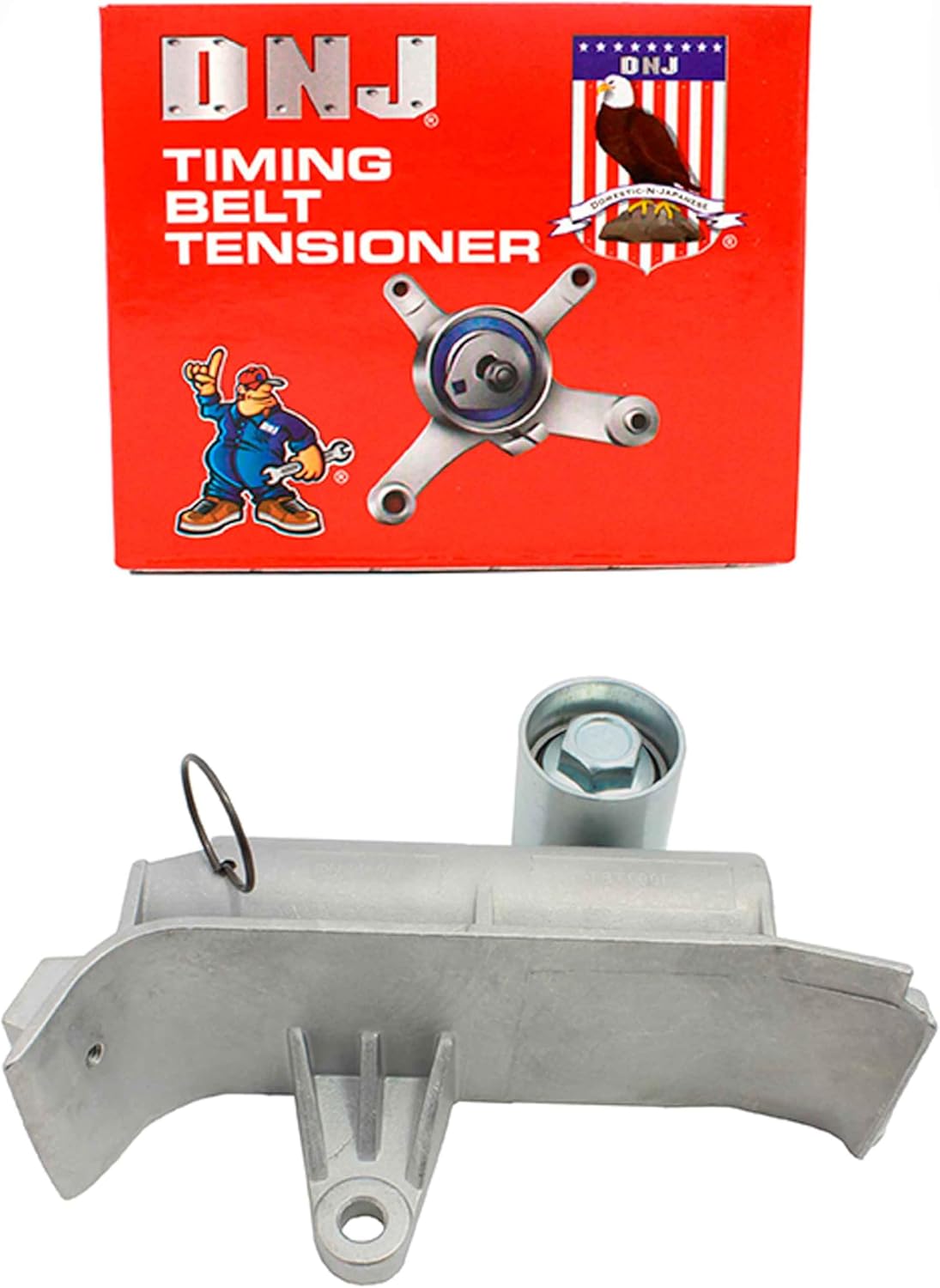
| Brand | DNJ |
|---|---|
| Model | Timing Belt Tensioner |
| Part Number | TBT800F |
| Fits Engines | 1.8L L4 DOHC Turbocharged |
| Warranty | 12-month / 12,000-mile limited warranty |
This DNJ hydraulic timing belt tensioner is a direct replacement part intended for use during timing belt service on 1999–2006 1.8L turbo Volkswagen and Audi engines. It installs where the factory tensioner sits and automatically maintains proper belt tension using an internal hydraulic mechanism, which helps reduce belt flutter and noise under load. The unit lists multiple engine codes and admits specific VIN fitment notes, so confirming compatibility before purchase is important. Practical benefits include a factory-style replacement approach and a 12-month/12,000-mile limited warranty that covers defects. Because it is a single tensioner, installers should pair it with a fresh timing belt, idlers, and water pump as part of a full timing service for long-term reliability. Limitations are that fitment is vehicle- and VIN-specific and the part listing does not include extensive installation guidance or torque specs, so professional installation or a service manual is advisable for most buyers.
Best for: Buyers who prioritize minimizing maintenance risk and want a factory-style replacement tensioner that restores proper timing belt tension on the specified Volkswagen Golf era 1.8L turbo engines.
Less Ideal for: Those looking for a universal or multi-vehicle tensioner or DIYers who prefer parts that include full installation instructions and specs should consider other options.
- Hydraulic design maintains consistent belt tension and reduces vibration during operation.
- Direct replacement fit for specified 1999–2006 1.8L turbo Audi and Volkswagen engines when VIN-compatible.
- Comes from a known aftermarket engine-parts brand with a limited 12-month/12,000-mile warranty.
- Compact, vehicle-specific unit that simplifies timing belt service by replacing the worn tensioner only.
- Fitment is restricted by VIN and multiple engine codes so it may not fit all 1.8L applications.
- No detailed installation instructions or torque values provided in the listing, which can make DIY installation riskier.
Verdict: A practical, factory-style hydraulic replacement for VW/Audi 1.8L timing systems when you confirm VIN fitment, but plan to install it as part of a complete timing service.
Choosing the Right Volkswagen Golf Timing Belt Tensioner: Key Factors to Consider
Fitment and Dimensional Accuracy
Correct fitment is essential because a tensioner that does not match the vehicle's mounting points or belt path can cause misalignment, accelerated belt wear, or even belt jump. Verify bolt spacing, pulley diameter, and the direction of force to ensure the tensioner will seat and operate as intended.
Dimensional accuracy also affects belt tension range. A unit that is slightly off in pulley position or arm length can change tension readings under load, so look for parts that specify exact fitment to the Volkswagen Golf model year and engine code.
Bearing Quality and Sealing
The internal bearing is a high-stress component that determines smooth rotation and long service life. Higher-quality bearings reduce drag and help maintain consistent tension throughout the belt's lifetime.
Good sealing protects the bearing from oil and dirt contamination, which can cause premature wear. Consider tensioners with robust seals and bearings rated for automotive engine temperatures and exposure to lubricants.
Material and Construction
Materials influence durability and resistance to engine conditions. Metal arms and machined pulleys typically resist deformation better than lower-grade stamped parts. Corrosion-resistant finishes help maintain function over time.
Construction also includes the use of dampers or hydraulic elements to absorb belt shock. Reliable construction reduces the risk of sudden tension loss and contributes to quieter operation.
Tensioning Mechanism and Range
Different tensioners use spring-loaded, hydraulic, or mechanical adjustment systems. The mechanism affects how tension is applied and maintained under varying temperatures and engine loads.
A proper tensioner will provide the correct preload and accommodate belt stretch over service intervals. Check that the available tension range matches the specifications for the Volkswagen Golf engine to avoid under- or over-tensioning.
Noise and Vibration Characteristics
A worn or poorly designed tensioner can introduce whine, rattle, or periodic vibration. Parts engineered with dampers, precision bearings, and balanced pulleys tend to run quieter and reduce stress on the belt and adjacent components.
Noise characteristics are also a proxy for durability; unusual sounds during operation often indicate impending bearing or damping failure. Choose tensioners designed to minimize noise under normal operating conditions.
Serviceability and Installation
Some tensioners are easier to install and set correctly, which reduces labor time and the chance of installation error. Features such as clear alignment marks, accessible mounting points, and straightforward adjustment procedures help ensure proper setup.
Consider whether the tensioner requires special tools or whether it is commonly replaced as part of a kit with the belt and associated pulleys. Easier serviceability lowers the risk of incorrect tensioning during maintenance.
How We Chose the Best Volkswagen Golf Timing Belt Tensioner
We focused specifically on tensioners made to meet the needs of the Volkswagen Golf engine layout and service intervals. Key evaluation criteria included build quality and materials, bearing design and sealing, dimensional accuracy and OEM fitment, resistance to heat and oil contamination, and ease of installation for common service scenarios. We also considered longevity under typical driving conditions and whether the design helps reduce pulley noise.We excluded generic universal tensioners and items without clear fitment data for the Volkswagen Golf. Final selections prioritized components that match factory mounting points and tolerances, use quality bearings or dampers, and have documentation supporting expected service life. The goal was to surface tensioners that deliver reliable belt tension control and minimize the chance of timing belt-related engine issues.
Our full evaluation process is outlined in our review methodology.
FAQ
How do I know if the timing belt tensioner on my Volkswagen Golf is failing?
Common signs include unusual squealing or rattling from the front of the engine, visible wobble of the pulley when inspected, or irregular belt wear. Some failures develop gradually, so periodic inspection during belt service is recommended to spot bearing play or seal leaks before they lead to belt problems.
Can I replace a Volkswagen Golf timing belt tensioner myself?
Replacing a tensioner can be a DIY task if you have mechanical experience and the right tools, including proper engine timing tools and torque specifications. It usually requires careful alignment and sometimes support of the engine timing components. If you are unsure about maintaining exact timing alignment, professional service is advisable.
Should I replace the tensioner when I replace the timing belt?
Many technicians recommend replacing the tensioner during a timing belt service because the parts age together and share similar wear. Replacing the tensioner at the same time reduces the chance of needing another timing service shortly thereafter and helps ensure consistent belt tension after installation.
What causes a timing belt tensioner to make noise?
Noise often comes from worn bearings, degraded damping elements, or misalignment. Contaminants such as oil or dirt can accelerate bearing wear and create rough rotation, leading to squealing or grinding noises. Addressing the root cause usually involves replacing the failed tensioner and correcting any installation or sealing issues.
Are tensioner failures likely to damage the engine?
A failed tensioner can allow the timing belt to lose tension or jump teeth, which can disrupt valve timing and in some engines lead to internal engine damage. The risk varies by engine design, but maintaining a functioning tensioner is important to minimize the chance of timing-related failures.
Conclusion
When selecting a timing belt tensioner for a Volkswagen Golf, prioritize correct fitment, bearing quality, and a tensioning mechanism suited to the engine's demands. These factors have the biggest impact on belt life, noise, and overall timing reliability.Also weigh serviceability and material durability against noise characteristics and sealing performance. Replacing the tensioner during scheduled belt service is often the most practical way to reduce future failure risk and ensure consistent engine timing.
Explore More:
- Check out all Volkswagen Golf parts & accessories
- Explore Timing Belt Tensioners Maintenance & Repair Guides
- Explore Engine
- Browse all Auto Parts
