

Note: This article contains affiliate links. If you click on these links and make a purchase, I may earn a small commission at no extra cost to you. This helps support my research and content. Read my full affiliate disclosure here.
If you own a Hyundai Santa Fe, a properly functioning timing belt tensioner is critical to keeping the engine running smoothly and avoiding serious mechanical damage. Choosing the right tensioner matters because incorrect fitment or insufficient durability can cause timing slack, noisy operation, or premature belt failure. This guide spotlights a shortlist of the top options for the Hyundai Santa Fe, chosen for their fitment accuracy, build quality, and expected longevity. We evaluated key criteria like compatibility with factory specifications and materials. Read on to see the selected tensioners and what to consider when picking the best option for your vehicle.
Looking for other parts? See all Hyundai Santa Fe parts & accessories.
Top Picks at a Glance
| Best Reviewed A top-rated pick with lots of positive feedback | SCITOO Timing Belt Kit with Water Pump and Tensioner for 2.5L/2.7L Hyundai/Kia Delta Engines |  |
| Best Quality Built to a higher standard if you want something more solid | MOCA Timing Belt Kit with Water Pump and Tensioner for Hyundai Santa Fe |  |
| Best Budget The cheapest option that still gets the job done reliably | PHILTOP Timing Belt Tensioner Assembly with Pulley |  |
| Most Sold A high-volume bestseller chosen again and again | AISIN BTK-502 Hydraulic Timing Belt Tensioner |  |
| Best Value for Money The sweet spot between price and what you get | MPLUS Hydraulic Timing Belt Tensioner Adjuster for Hyundai Santa Fe 3.5L V6 |  |
| Best Overall The best all-around choice for most situations | DNJ Timing Belt with Hydraulic Tensioner for 2.7L V6 Hyundai/Kia |  |
1. SCITOO Timing Belt Kit with Water Pump and Tensioner for 2.5L/2.7L Hyundai/Kia Delta Engines

| Compatible with Vehicle Type | Hyundai Santa Fe 2001-2005; Sonata 1999-2005; Tiburon 2003-2008; Tucson 2005-2009; Kia Sportage 2005-2010; Optima 2001-2006 |
|---|---|
| Material Type | rubber |
| Manufacturer | SCITOO |
| Included Components | Timing Belt Kits |
| Manufacturer Warranty Description | 1 Year |
This SCITOO timing belt kit supplies the main components you replace during a timing service: the belt, water pump, tensioner and associated gaskets. It is intended for 2.5L and 2.7L Delta engines used in Hyundai Santa Fe and similar Kia models and is typically used when performing a scheduled timing belt change or addressing leaks and worn tensioning components. Buyers report a generally good fit and satisfactory performance for the price, and the kit aims to match factory routing to restore engine timing and coolant circulation. Practical benefits include receiving a single package with the parts needed to complete the job and a machined-looking water pump in many units. Important limitations are variable quality control and occasional fitment issues with the water pump or missing components in some shipments, so expect to inspect parts before installation and have basic replacement experience or a mechanic verify fit and clearances.
Best for: A reliability-focused buyer who wants a practical, lower-cost full timing service kit to complete a preventive timing belt and water-pump replacement on a Hyundai Santa Fe and is willing to inspect parts and verify fit before installation.
Less Ideal for: Anyone who prioritizes factory-quality or long-term durability above cost savings should consider a factory-quality or premium-brand timing kit instead.
- Complete kit includes timing belt, water pump, tensioner and gaskets so you get the main service items in one purchase
- Designed for 2.5L and 2.7L Hyundai/Kia Delta engines which simplifies parts selection for Santa Fe applications
- Many buyers report acceptable fit and functioning water pump with machining rather than rough casting
- Lower cost than brand-name alternatives, making it a practical option for budget-conscious timing services
- Quality control appears inconsistent with some reports of missing parts or water pump fitment problems
- Not an OEM part so long-term durability may be lower than factory-quality or premium-brand kits
Verdict A cost-effective full timing belt service kit for 2.5L/2.7L Santa Fe engines that delivers convenience but requires pre-install inspection due to variable quality control.
2. MOCA Timing Belt Kit with Water Pump and Tensioner for Hyundai Santa Fe

| Manufacturer | OELINE Auto Parts |
|---|---|
| Brand | MOCA AUTOPARTS |
| Manufacturer Part Number | ETBK0028+EWP0019+HYT1016 |
| Compatible Engines | G6BV, G6BA |
| Package Includes | Timing Belt, Tensioner, Seal, Water Pump, Hydraulic Tensioner Adjuster |
This MOCA timing belt kit is a full replacement package intended for Hyundai Santa Fe engines that use the listed G6BV/G6BA fitments. It supplies the timing belt, hydraulic tensioner/adjuster, water pump, seals, and associated components so you can replace the belt and coolant pump in one service interval. In practice the kit simplifies a multi-step job by bundling matched parts that are made to factory-spec tolerances, which helps ensure correct belt tension and chain timing after installation. The included water pump and seals reduce the chance of an immediate coolant leak after a belt change, and the hydraulic tensioner provides self-adjusting tension common to modern Hyundai engines. Limitations are that fitment must be confirmed against your Santa Fe year and engine code and that the kit does not include detailed vehicle-specific instructions or gaskets beyond those listed, so professional installation or a service manual is recommended for precise timing and coolant system bleeding.
Best for: Performance-oriented owners who prioritize restoring factory-quality timing control and want a single kit to complete a timing belt and water pump service on a Hyundai Santa Fe.
Less Ideal for: If you prefer step-by-step installation guides, torque specs, or want a kit specifically packaged for DIY novices, consider products sold with full vehicle-specific instructions or professional installation instead.
- Complete kit bundles timing belt, hydraulic tensioner, water pump, and seals for a single service job
- Parts manufactured to meet or exceed factory-spec performance requirements
- Hydraulic tensioner simplifies tensioning by providing self-adjusting operation
- Includes water pump to address coolant wear items at the same service interval
- US-based support team for troubleshooting product issues
- Requires confirmation of exact Santa Fe model year and engine code before purchase
- No vehicle-specific installation instructions included with the kit
- Manufacturer part numbers listed may require cross-checking with shop parts lists
Verdict A factory-spec complete timing belt kit that bundles the belt, hydraulic tensioner, and water pump to restore reliable timing and coolant service on compatible Hyundai Santa Fe engines.
3. PHILTOP Timing Belt Tensioner Assembly with Pulley

| Fitment | Hyundai Santa Fe 2001-2006 2.7L |
|---|---|
| OEM Reference | 2528125000, 2528137120, 2528137101 |
| Exterior | Machined |
| Manufacturer | PHILTOP |
This PHILTOP timing belt tensioner assembly replaces the factory unit on the Hyundai Santa Fe 2001–2006 2.7L and restores belt tension and tracking using a built-in pulley and damping spring. It installs in place of the original tensioner and is intended for routine timing/serpentine belt service or when the original unit fails and causes noise or belt misalignment. Notable features called out by the maker include a labyrinth seal to keep contaminants out, a torsion round spring design for steady tension, and a damping system the vendor says was bench-tested to absorb vibration. In practical use the part can stop squeaks and restore proper belt routing quickly, and many owners report straightforward bolt-on fitment when replacing an aged tensioner. Expect variability in long-term durability compared with factory parts; some reviewers report excellent service life while others experienced early failures under load. If you want an inexpensive, easy-to-source replacement that performs well for typical driving, this is a sensible budget choice, but drivers seeking maximum longevity may prefer a higher-end factory-quality unit.
Best for: Budget-conscious owners prioritizing an affordable, direct-replacement tensioner to quickly fix belt noise or tracking issues on a Hyundai Santa Fe 2001–2006 2.7L.
Less Ideal for: Drivers who prioritize longest possible service life or who prefer factory-quality parts for high-mileage or heavy-duty use should consider premium or OEM alternatives.
- Made to match factory fitment for Hyundai Santa Fe 2001–2006 2.7L so installation is generally straightforward
- Labyrinth seal design helps protect internal components from dirt and extend service life
- Damping system and torsion spring aim to reduce vibration and belt noise after installation
- Aftermarket build quality varies and some users reported early failures or snapped bolts
- Not explicitly specified to meet exact factory durability standards compared with higher-end replacements
Verdict A cost-effective, direct-fit replacement tensioner for the Hyundai Santa Fe 2001–2006 2.7L that fixes belt noise and tracking but may not match factory parts for long-term durability.
4. AISIN BTK-502 Hydraulic Timing Belt Tensioner

| Manufacturer | AISIN |
|---|---|
| Item model number | BTK-502 |
| OEM Part Number | 24410-39001 |
| Exterior | Machined |
This AISIN BTK-502 is a direct-fit hydraulic timing belt tensioner intended as a factory-quality replacement for the specified Hyundai Santa Fe and related models. It installs in place of the original tensioner to maintain correct timing belt tension and uses a hydraulic pressurizing mechanism to dampen vibration across the engine RPM range. Typical use is during a timing belt service or when the OEM tensioner shows wear; swapping this unit helps restore proper belt tracking and reduces the chance of noise or premature belt wear. Notable features include precision aluminum die casting for strength with reduced mass and the fact that it is manufactured to factory specifications for fitment and installation ease. The practical benefits are reliable compatibility, predictable performance, and fewer fitment issues compared with generic parts. Limitations are that compatibility depends on engine variant so fitment must be confirmed before purchase, and as a single tensioner it does not include the belt or related components often replaced at the same service interval.
Best for: Risk-averse mainstream buyers who prioritize factory-quality replacement parts and straightforward fitment for routine timing belt service on a Hyundai Santa Fe.
Less Ideal for: Buyers looking for a complete timing kit with belt and pulleys or those who need a universal or multi-vehicle aftermarket tensioner.
- Factory-quality design for direct-fit installation on specified vehicles
- Hydraulic pressurizing mechanism reduces timing belt vibration across RPM range
- Lightweight yet robust aluminum construction for durable long-term use
- Made by an established OEM supplier with original part number compatibility
- Spares only the tensioner; timing belt and ancillary parts are sold separately
- Fitment varies by engine and model year so verification is required before ordering
Verdict Choose this AISIN tensioner when you want a factory-spec, direct-fit replacement to restore proper timing belt tension on compatible Hyundai Santa Fe engines.
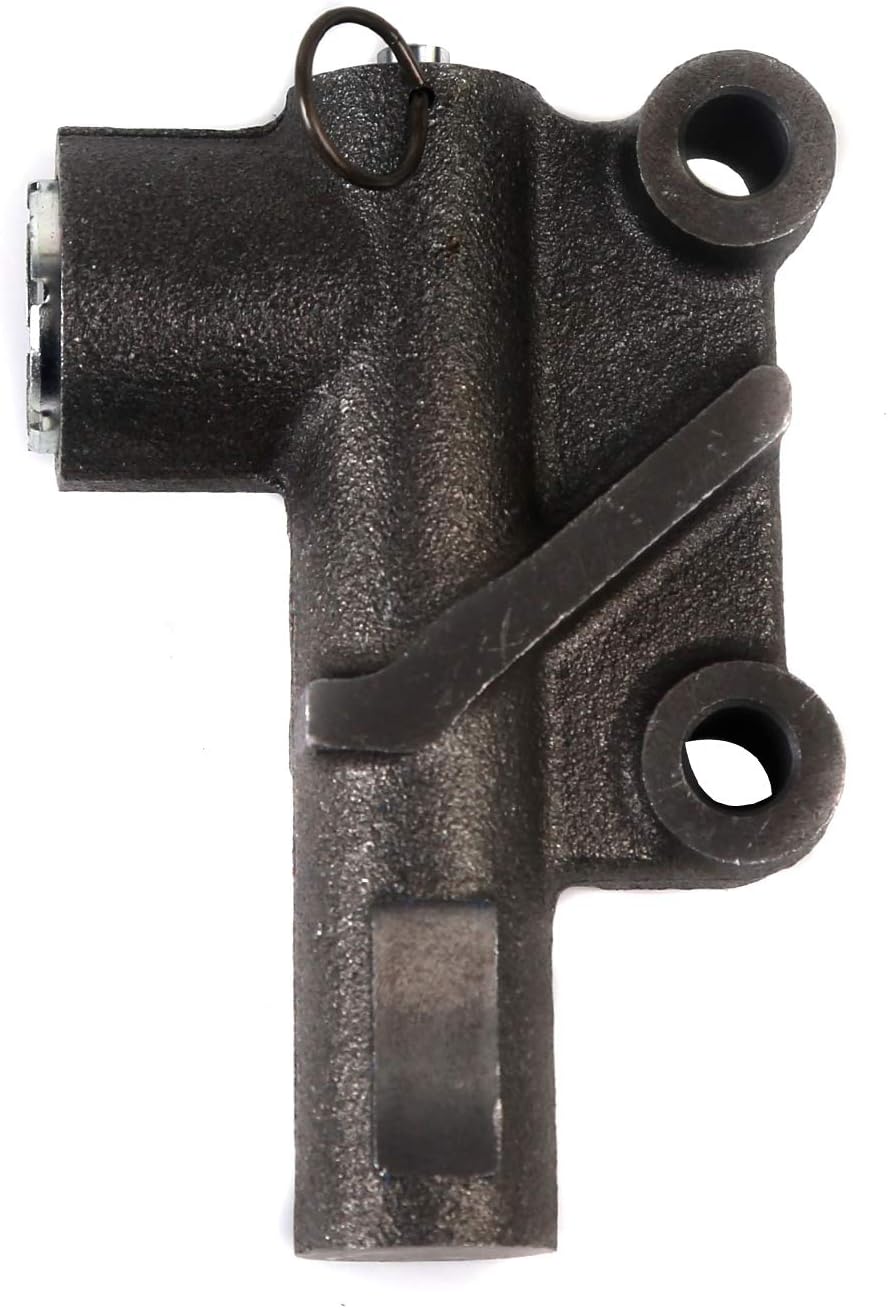
5. MPLUS Hydraulic Timing Belt Tensioner Adjuster for Hyundai Santa Fe 3.5L V6
| Manufacturer Part Number | X-HYT1009 |
|---|---|
| OEM Part Number | 24410-39001, ADG07632, VKM75642 |
| Vehicle Fitment | 03-06 Hyundai Santa Fe 3.5L V6 (also fits select Hyundai and Kia 3.5L V6 models) |
| Package Quantity | 1 Timing Belt Tensioner Adjuster |
This MPLUS hydraulic tensioner replaces the factory timing belt/timing chain tensioner to maintain proper chain tension across engine speeds. It is supplied as one complete adjuster and installs in place of the original unit on qualifying 3.5L V6 Hyundai and Kia engines. The product claims to meet or exceed factory-quality standards and customers report straightforward installation and correct fit on compatible vehicles. In real-world use the tensioner keeps chain tension steady during startup and at higher rpm, which protects timing components and reduces noise. Some buyers report units that performed reliably for years while a minority encountered an out-of-box failure where the piston would not extend or compress. The unit is a simple, cost-effective option for a practical owner who wants a like-for-like replacement, but there is a small risk of receiving a defective part so inspect and bench-test before final installation if possible.
Best for: Practical optimizers who need an affordable, factory-style replacement tensioner that restores proper timing tension without premium aftermarket frills.
Less Ideal for: Drivers seeking lifetime performance guarantees or those who want a high-end performance tensioner; consider OEM or premium-brand alternatives for extended durability expectations.
- Direct replacement that fits specified 3.5L V6 Hyundai Santa Fe applications
- Designed as a hydraulic unit to maintain consistent chain tension across RPM range
- Many users report easy installation and proper fit without modification
- A small number of reported failures where the piston did not operate correctly out of the box
- Limited to specific engine fitments so not a universal solution
Verdict A budget-friendly, factory-style hydraulic tensioner that fits the Hyundai Santa Fe 3.5L V6 and works well for cost-conscious repairs, but inspect for defects before installing.
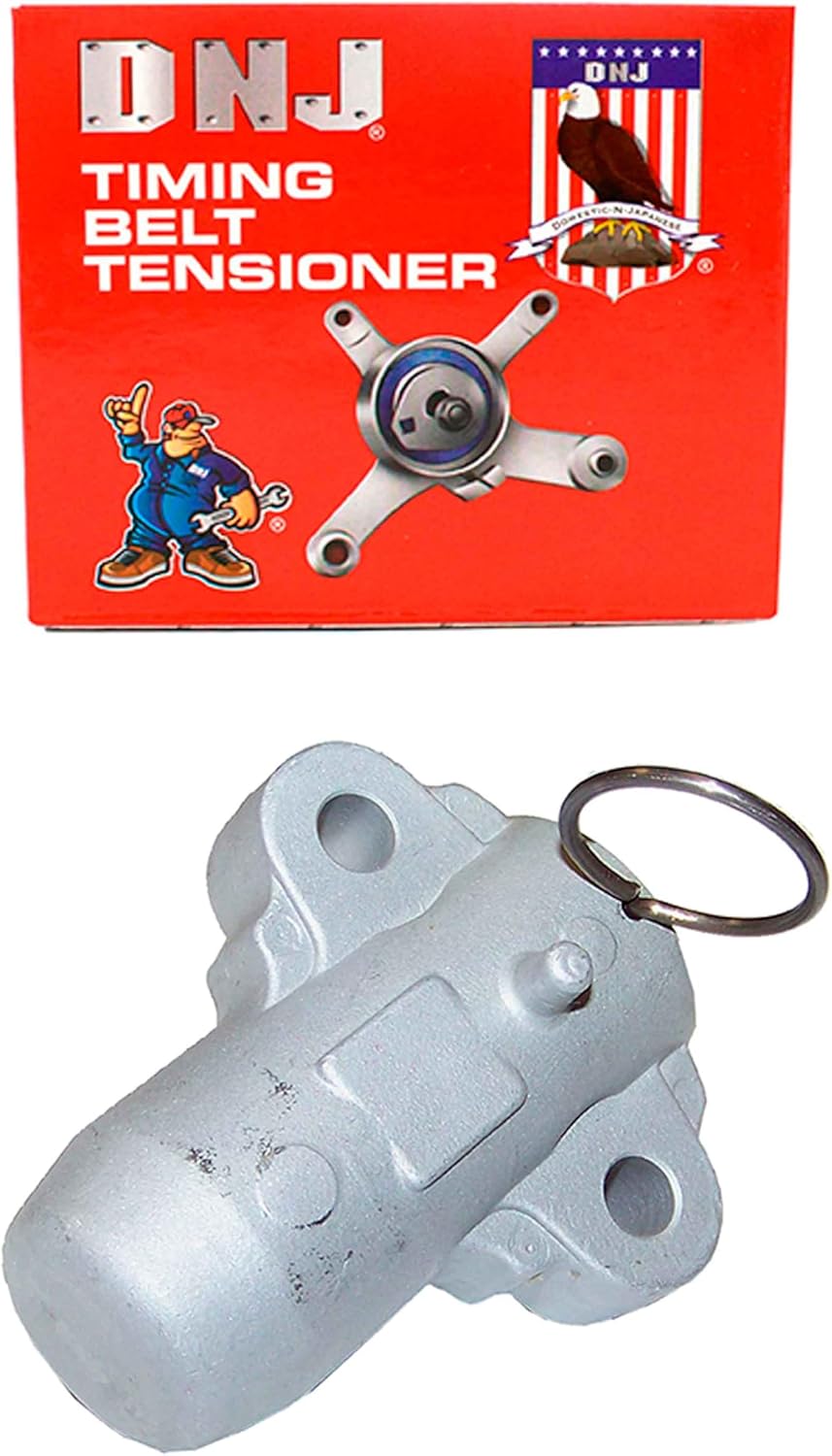
6. DNJ Timing Belt with Hydraulic Tensioner for 2.7L V6 Hyundai/Kia
| Included Components | Timing Belt Tensioner |
|---|---|
| Brand Name | DNJ |
| Compatible Devices | Car |
| Belt Style | Timing Belt |
This DNJ timing belt kit pairs a timing belt with a hydraulic tensioner intended for 2006–2010 Hyundai Santa Fe, Optima, and Rondo 2.7L V6 DOHC engines. It is used during a timing service or engine rebuild to restore correct valve timing and tension control; installers slide the belt over the cam and crank pulleys and fit the hydraulic tensioner to maintain proper belt tension automatically. Notable features include the matched belt and hydraulic tensioner pairing and compatibility with the listed Hyundai/Kia models. The practical benefit is simplified installation compared with separate aftermarket tensioners and a factory-style replacement aimed at restoring engine timing reliability. Limitations are that this is a model-specific kit so it will not fit other engines, and the product carries a limited 12-month or 12,000-mile warranty that only covers replacement of defective parts rather than labor or consequential damage.
Best for: Balanced buyers who want a factory-style timing belt kit for regular maintenance on a Hyundai Santa Fe 2.7L V6 and value a matched tensioner for reliable timing performance.
Less Ideal for: Drivers who need a universal or multi-engine solution or who prioritize extended warranties and coverage beyond part replacement should consider alternatives.
- Includes hydraulic tensioner matched to the timing belt for correct tensioning at install
- Made as a complete timing belt kit for straightforward replacement during a timing service
- Specifically listed to fit 2006–2010 Hyundai and Kia 2.7L V6 DOHC applications
- Backed by a manufacturer limited 12-month or 12,000-mile warranty
- Warranty covers only defective parts and not installation or engine damage
- Fitment is limited to the specified 2.7L V6 engines and will not suit other powertrains
Verdict A practical, model-specific timing belt kit with a matched hydraulic tensioner that restores factory-style timing function for 2006–2010 Hyundai Santa Fe 2.7L V6 engines.
Choosing the Right Hyundai Santa Fe Timing Belt Tensioner: Key Factors to Consider
Fitment and Compatibility
Ensuring correct fitment is the single most important factor because a tensioner that does not match the exact mounting points, pulley diameter, or tensioner stroke for the Hyundai Santa Fe can cause improper belt tension. Incorrect fit can lead to belt misalignment, accelerated wear, or even slipped timing that affects valve timing and engine performance. Always verify part numbers and mounting templates against your vehicle's specifications.
Compatibility also affects installation time and the need for additional parts. A tensioner that fits precisely will typically require fewer adjustments and reduces the chance of repeat removal and rework. When fitment is confirmed, you can expect a smoother installation and more reliable long-term operation.
Construction Material and Corrosion Resistance
The materials used in the tensioner body, pulley, and internal components determine how well the part withstands heat, moisture, and road contaminants. Aluminum or treated steel housings resist corrosion better than untreated metals, which helps maintain bearing alignment and prevents binding. Pulley surfaces with appropriate coatings reduce wear on the belt and limit noise.
Corrosion-resistant components are especially important in climates with road salt or high humidity. Durable materials maintain consistent tensioning force over time, reducing the likelihood of premature failure and extending the interval between service events.
Tensioning Mechanism and Spring Rate
Different tensioners use mechanical springs, hydraulic systems, or a combination to maintain belt tension. The effective spring rate or hydraulic damping affects how the tensioner responds to load changes and thermal expansion. A properly tuned mechanism keeps the belt tight under acceleration and relaxed slightly during thermal expansion to prevent excess stress on belts and bearings.
A too-stiff or too-soft tensioner can cause noise, belt hop, or accelerated wear. Understanding the tensioning mechanism helps you choose a unit that provides stable tension across the normal RPM range and driving conditions common for the Hyundai Santa Fe.
Bearing Quality and Pulley Alignment
High-quality bearings reduce friction and runout, which lowers noise and prolongs both belt and bearing life. Pulley alignment is equally important; even small deviations in concentricity can cause premature belt wear or create timing irregularities. Look for tensioners with sealed bearings and tight manufacturing tolerances.
Good bearing design also affects heat management. Bearings that dissipate heat effectively are less prone to seizure and can maintain smooth operation under prolonged highway speeds or stop-and-go traffic.
Installation Ease and Included Hardware
A tensioner that is straightforward to install can significantly reduce labor time and the chance of installation errors. Units that include necessary mounting bolts, alignment tools, or an instruction sheet tailored to the Hyundai Santa Fe decrease the risk of incorrect assembly. Clear torque specs and installation notes help you achieve the correct belt tension from the start.
If you plan a DIY replacement, consider tensioners that come with guiding pins or temporary locking devices to hold timing components in place. These features simplify the procedure and reduce the likelihood of misalignment during reassembly.
Service Life and Maintenance Considerations
Expected service life matters because tensioners are not typically inspected as often as other wear items. A tensioner designed for longevity will often feature durable seals, corrosion-resistant surfaces, and a robust internal mechanism that resists creep over time. This reduces the frequency of replacements and minimizes long-term maintenance costs.
Maintenance considerations include whether the unit requires periodic checks or is a sealed-for-life component. Sealed units reduce maintenance steps but require replacement if they fail, while serviceable designs may allow bearing replacement in some cases, though that is less common for automotive timing tensioners.
FAQ
How do I know if my Hyundai Santa Fe timing belt tensioner is failing?
Common signs include unusual noise from the front of the engine such as rattling or squealing that changes with RPM, or visible slack or glazing on the timing belt. You may also notice rough idling or performance issues if timing is affected. A professional inspection can confirm bearing wear, loss of tension, or misalignment.
Can I replace the timing belt tensioner myself on a Hyundai Santa Fe?
Many mechanically inclined owners can replace the tensioner with the right tools and a clear procedure, but it requires careful attention to timing marks and torque specifications. Using an appropriate locking tool and following a step-by-step guide helps reduce risk. If you are unsure about setting engine timing, seek professional help.
How often should the timing belt tensioner be replaced?
Tensioner replacement intervals often align with timing belt service intervals, since replacing both together reduces the chance of premature wear. Actual intervals depend on the vehicle's maintenance schedule and driving conditions. Inspect the tensioner during belt service and replace it if there are signs of wear, noise, or reduced tension.
Will a bad tensioner cause engine damage?
A failing tensioner can lead to belt slip or breakage, which in interference engines may cause valve and piston contact and significant engine damage. While not every tensioner failure leads to catastrophic damage, ignoring symptoms increases the risk. Addressing tensioner issues promptly reduces that risk.
What affects the cost of replacing a timing belt tensioner?
Factors include the complexity of access on the Hyundai Santa Fe engine, whether other components are replaced at the same time, and labor rates where the work is performed. Parts quality and whether additional hardware or tools are required also influence total cost. Combining tensioner replacement with related maintenance often reduces overall labor.
How We Chose the Best Hyundai Santa Fe Timing Belt Tensioner
Our editorial process focused on selecting timing belt tensioners that match the Hyundai Santa Fe's factory fitment and perform reliably under typical driving conditions. We prioritized components that meet or exceed original equipment material standards, including corrosion-resistant housings and robust internal springs or hydraulic mechanisms. Precise fit and mounting alignment were essential to reduce installation adjustments and ensure accurate belt tension. Durability and longevity were evaluated by looking at construction materials and expected service life under normal operating temperatures. Ease of installation and compatibility with common maintenance procedures were also considered, since many owners perform or supervise replacements. We excluded items with vague fitment claims, incomplete mounting hardware, or insufficient technical specifications. Final selections reflect a balance of build quality, correct fitment dimensions, and clear installation guidance.
Our full evaluation process is outlined in our review methodology.
Conclusion
When choosing a timing belt tensioner for a Hyundai Santa Fe, prioritize correct fitment to factory mounting and the use of durable materials that resist corrosion and wear. Pay attention to the tensioning mechanism and bearing quality, since these directly affect belt life, noise levels, and timing stability. Balance ease of installation and the availability of included hardware against expected service life. Replacing the tensioner at the same time as the timing belt is a practical way to minimize future labor and reduce the risk of timing-related engine issues.
Explore More:
- Check out all Hyundai Santa Fe parts & accessories
- Explore Timing Belt Tensioners Maintenance & Repair Guides
- Explore Engine
- Browse all Auto Parts
