

Note: This article contains affiliate links. If you click on these links and make a purchase, I may earn a small commission at no extra cost to you. This helps support my research and content. Read my full affiliate disclosure here.
If you drive a Pontiac Grand Prix, a properly functioning thermostat is essential to keep engine temperature in the correct range. A failing thermostat can cause long warm-ups, poor heater performance, or overheating that stresses components. This guide presents our shortlist of the top options chosen for reliable fit and consistent thermal response.We evaluated candidates for correct fitment, opening temperature consistency, and build quality to help you identify replacements that match the vehicle's needs. Read on for practical guidance and the factors we used to pick the top thermostats.
Looking for other parts? See all Pontiac Grand Prix parts & accessories.
Top Picks at a Glance
| Best overall The best all-around choice for most situations | GM Genuine Parts Engine Coolant Thermostat (12632948) |  |
| Best quality Built to a higher standard if you want something more solid | GM 160 Degree Thermostat for GM LS-Series Engines |  |
| Best Value The sweet spot between price and what you get | Gates 33963 Heavy-Duty Engine Coolant Thermostat |  |
| Best Budget The cheapest option that still gets the job done reliably | MotoRad 239-180 Engine Coolant Thermostat |  |
| Highest Rated A top-rated pick with lots of positive feedback | GM Genuine Parts 131-120 Engine Coolant Thermostat with Gasket |  |
| Most popular A crowd favorite that many people choose with confidence | Gates OE Type Engine Coolant Thermostat |  |
| Best Seller A high-volume bestseller chosen again and again | Edelbrock 8604 180°F High-Flow Engine Thermostat (53 mm) |  |
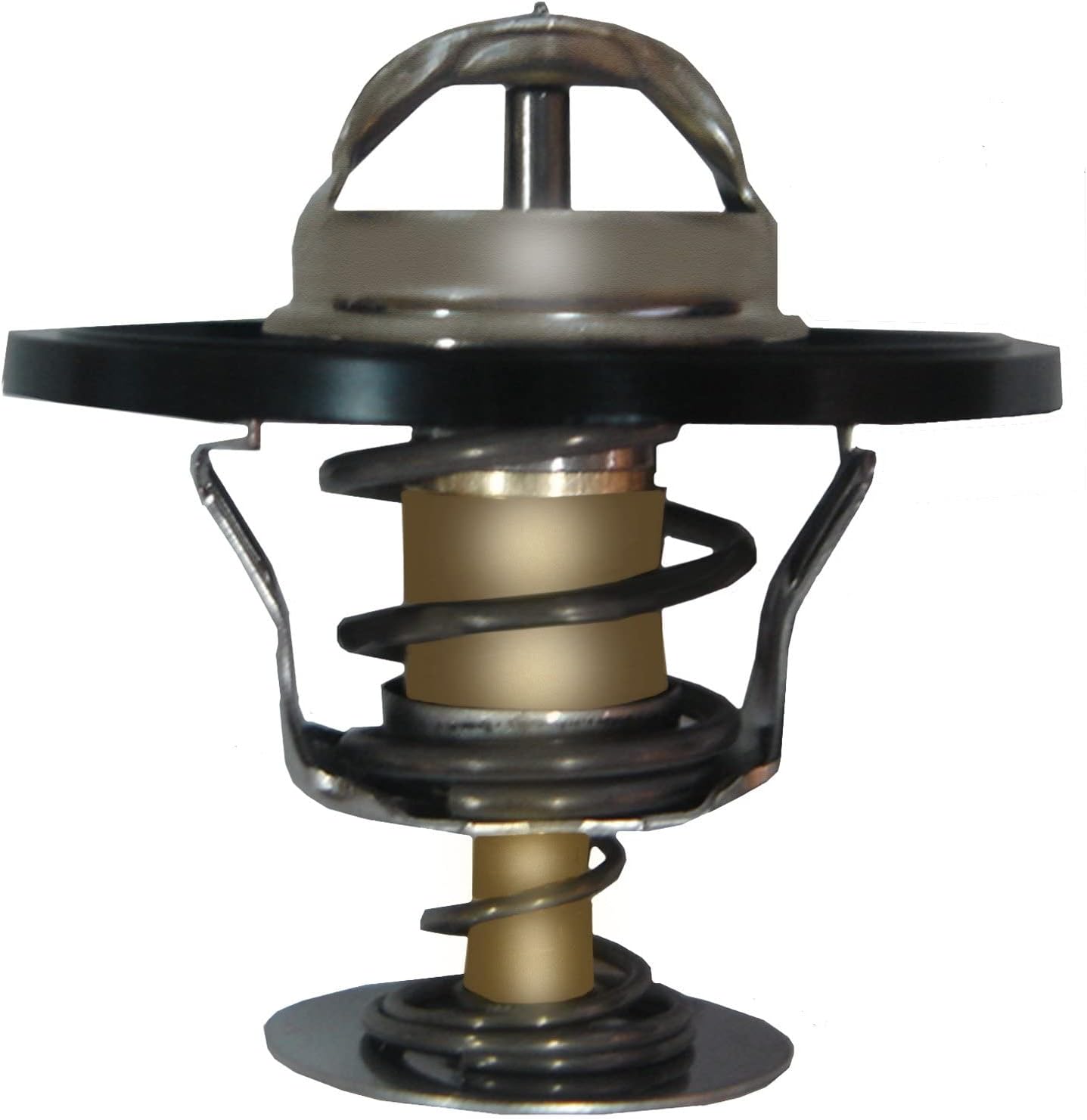
1. GM Genuine Parts Engine Coolant Thermostat (12632948)
| Brand | GM GENUINE PARTS |
|---|---|
| Manufacturer Part Number | 131-151 |
| OEM Part Number | 12632948 |
| Included Components | Engine Coolant Thermostat |
This GM Genuine Parts engine coolant thermostat is a direct replacement designed to control coolant flow between the engine and radiator so the engine reaches and maintains its normal operating temperature. Installed in place of a failed thermostat, it functions as a temperature-controlled valve that opens and closes at the factory-specified temperature to prevent overheating or excessive cooling. The unit is manufactured to GM specifications for fit, form, and function and is intended for straightforward bench or on-vehicle swap with typical hand tools. Practical benefits include consistent temperature regulation, factory-correct performance for Pontiac Grand Prix applications, and the durability expected from a GM-branded part. A few users note the supplied rubber seal can be slightly undersized, so confirming the seal seats properly during installation or having an alternate gasket on hand is sensible. This thermostat does not include multiple temperature options in the listing, so verify the correct temperature rating for your Grand Prix before buying.
Best for: Balanced owners who prioritize a reliable, factory-quality replacement that restores correct cooling behavior in their Pontiac Grand Prix without tinkering or aftermarket modification.
Less Ideal for: Drivers who want an upgraded temperature calibration or performance thermostat for racing or heavy-duty tuning should consider specialty aftermarket units instead.
- Factory-quality replacement built to GM specifications for correct fit and function
- Designed to restore proper engine warm-up and temperature regulation
- Simple swap-in replacement suitable for routine DIY installation
- Consistent performance and durability reported across many real-world installs
- Seal supplied with the unit may be slightly undersized for some housings requiring a replacement gasket
- Listing does not specify the thermostat temperature rating or alternative temp options
Verdict: Choose this GM Genuine Parts thermostat when you want a factory-correct, reliable replacement to restore proper cooling on a Pontiac Grand Prix.
2. GM 160 Degree Thermostat for GM LS-Series Engines

| Specific Uses For Product | Automotive applications (LS1, LS2, LS3, LS6, LQ4, LM7 engines) |
|---|---|
| Power Source | 12 Volts (DC) |
| Mounting Type | Direct Drop In |
| Material Type | Rubber |
This 160 degree thermostat is a direct drop-in replacement intended for GM LS-series engines and comes with the rubber seal for installation. It is typically used to lower and stabilize operating temperature on performance V8s, helping reduce knock and keep detonation margins safer under load. Real-world benefits include quicker warm-up to a controlled 160°F opening point while running cooler at highway speeds, which riders and drivers report reduces cruise temperatures by roughly 20–30°F compared with higher-temp stock units. Installation is straightforward and can be completed in most garages without modifications. Limitations include reported variation in exact outer diameter versus factory-spec parts and mixed sourcing comments in reviews, so fitment should be checked against the vehicle housing before installation. It performs best when paired with proper coolant maintenance and a functioning radiator and fans; it will not prevent overheating caused by unrelated cooling-system failures.
Best for: Performance-oriented buyers who prioritize lower steady-state temps and consistent combustion control during spirited driving and towing.
Less Ideal for: Drivers focused solely on factory-authentic parts or exact OEM-brand provenance should consider alternatives from verified factory-brand suppliers.
- Direct drop-in design for many GM LS engines so no modifications are usually needed
- 160°F opening point helps lower operating temperatures under load
- Includes rubber seal for a complete thermostat replacement
- Simple installation that can be done in a home garage
- Some buyers report the part is made by a third party and not an exact factory-dimension match
- May not control temperature effectively when vehicle is idling in heavy traffic
Verdict: A practical performance thermostat choice for LS V8s that lowers cruise temps and installs easily, but check dimensional fit and brand sourcing if you need exact factory-equivalent parts.
3. Gates 33963 Heavy-Duty Engine Coolant Thermostat

| Brand | Gates |
|---|---|
| Model Name | 33963 |
| Included Components | Engine Coolant Thermostat |
| Manufacturer Part Number | 33963 |
| OEM Part Number | 12581595, 12600171, 8125815950, 8126001710 |
The Gates 33963 is a straightforward replacement thermostat designed to control coolant flow and maintain normal operating temperature in vehicle-specific cooling systems. It installs like a factory part and is typically used when replacing a failed thermostat or during a cooling system service such as a radiator swap. Notable elements include a machined exterior and a built-in seal that simplifies installation and helps prevent leaks, plus an air purge hole that assists with bleeding trapped air. In practice it holds temperature reliably, opens progressively to balance flow, and fits housings used on compatible engines. Limitations are minimal for its role: it is a mechanical thermostat without electronic control or adjustable setpoints, and fitment must match the Grand Prix engine and year to ensure correct operation. For routine maintenance or a budget-conscious rebuild, this Gates unit gives OEM-style performance without added complexity.
Best for: Practical optimizers who prioritize reliable, cost-effective factory-quality replacements when maintaining or refurbishing a Pontiac Grand Prix cooling system.
Less Ideal for: Drivers looking for performance-tuned or electronically controlled thermostats, or those who need multi-vehicle universal fitment rather than a vehicle-specific replacement.
- Factory-style fit and finish that installs like a direct replacement
- Machined exterior and included seal reduce leak risk at the housing
- Built-in air purge hole helps bleed trapped air for faster, stable warm-up
- Proven reliability from a reputable aftermarket brand
- Mechanical-only design with no adjustable or electronic temperature control
- Must be matched to the correct Pontiac Grand Prix engine/year for proper fit
Verdict: A reliable, factory-style replacement thermostat that gives Pontiac Grand Prix owners strong value when they need a straightforward cooling-system fix.
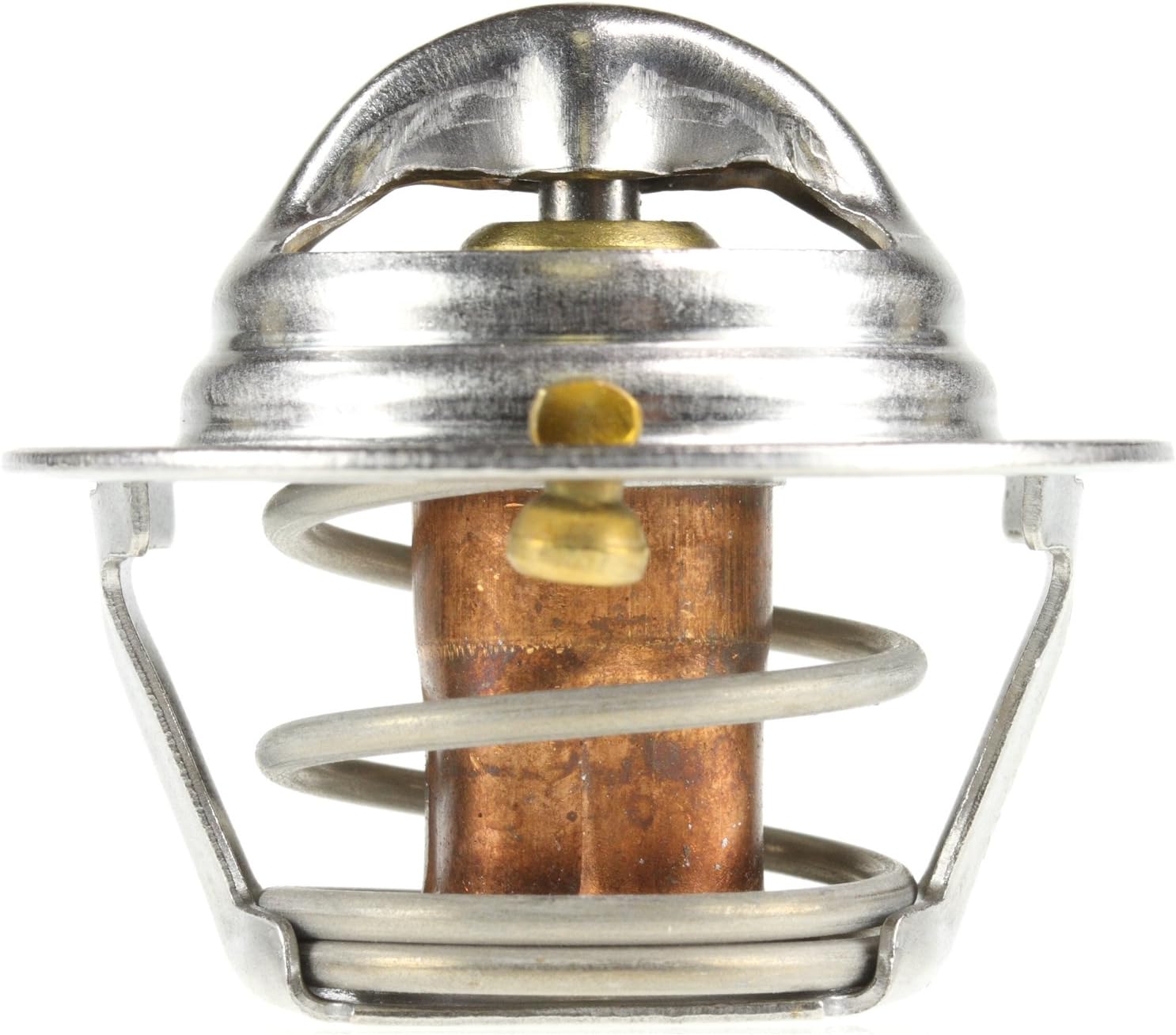
4. MotoRad 239-180 Engine Coolant Thermostat
| Manufacturer | Auto Extra |
|---|---|
| Brand | MotoRad |
| Model | MotoRad Thermostat |
| Position | Front |
The MotoRad 239-180 is a straightforward replacement thermostat intended to restore proper coolant flow and temperature control on compatible GM V6 platforms such as the Pontiac Grand Prix. It installs in the front housing and replaces several factory part numbers, making it useful for routine cooling-system repairs. The unit is machined and marketed as a direct replacement, so installation is typically simple for a DIYer or mechanic and it will get the engine to operating temperature when functioning correctly. Reviews indicate generally good fitment and performance, though a small number report early failures or a missing gasket so confirm you have the correct seal before starting the job. This thermostat appears aimed at budget repairs rather than long-term performance tuning, so expect adequate materials and basic thermal management rather than premium corrosion-resistant finishes or special calibration options. If you need a low-cost, compatible replacement to get a Grand Prix back to spec, this part covers the need with minimal fuss but keep a gasket on hand and inspect after installation.
Best for: Budget-conscious owners seeking an affordable, factory-replacement thermostat to perform straightforward cooling-system repairs on a Pontiac Grand Prix.
Less Ideal for: Buyers who want long-term upgraded materials, precise temperature calibration, or a guaranteed premium lifespan should consider higher-end or OEM-branded alternatives.
- Direct replacement for multiple GM part numbers, simplifying fitment for Pontiac Grand Prix repairs
- Machined exterior suggests consistent manufacturing and straightforward installation
- Low-cost option that restores factory temperature control for routine maintenance
- Does not include a gasket in the box according to several user reports
- Some users reported early failures such as sticking open or incorrect opening temperature
Verdict: A wallet-friendly, direct-fit thermostat that gets Pontiac Grand Prix cooling systems back to working temperature without frills.
5. GM Genuine Parts 131-120 Engine Coolant Thermostat with Gasket

| Brand | GM GENUINE PARTS |
|---|---|
| Model Name | 131-120 |
| Voltage | 12 Volts (DC) |
| Included Components | Engine Coolant Thermostat |
This GM Genuine Parts 131-120 thermostat kit replaces the vehicle's engine coolant thermostat and includes the matching gasket to simplify installation. It controls coolant flow to help the engine reach and maintain normal operating temperature, reducing code P0128 and stabilizing the temperature gauge. Because it is a GM-recommended, factory-quality part, fit and function match the original component for many GM 3.8L engines used in Pontiac Grand Prix applications. Typical use is a straight swap during routine cooling-system service or when a failing thermostat triggers temperature fluctuations or a check-engine light. Practical benefits are reliable temperature control, consistent operation that prevents overheating or overcooling, and the included gasket that saves an extra trip to the parts store. Limitations are that this is a vehicle-specific factory replacement so it does not offer adjustable temperature settings or performance tuning features and you must verify exact fitment for your model year and engine variant.
Best for: A reliability-focused buyer who prioritizes a direct factory-quality replacement to restore stable engine temperature and avoid repeat thermostat failures.
Less Ideal for: Drivers looking for performance-boosting or adjustable thermostats or those who need a universal aftermarket option for multiple vehicle types should look elsewhere.
- Factory-quality design matched to GM specifications for reliable fit and operation
- Includes gasket in the kit so you can install without sourcing a separate seal
- Consistent temperature control that helps eliminate intermittent thermostat codes and gauge swings
- Widely used part with many user reports of direct fit and long service life
- Made as a direct replacement with no adjustable or performance-oriented features
- Fitment is vehicle-specific so you must confirm it matches your Grand Prix year and engine variant
Verdict: Choose this GM genuine thermostat kit when you want a factory-quality, reliable replacement that restores proper coolant temperature control.
6. Gates OE Type Engine Coolant Thermostat

| Manufacturer Part Number | 34198 |
|---|---|
| Manufacturer | Gates |
| Position | Center |
| OEM Part Number | 8890181680, 89018168, 89018168 |
This Gates OE Type thermostat replaces a vehicle's factory thermostat and restores correct engine temperature regulation. It installs in the coolant housing to open and close at the calibrated temperature, allowing coolant flow when warm and restricting it when cold to speed warm-up. Notable features include factory-equivalent fit and machined exterior, jiggle pins for air venting, and seals designed to prevent leaks. In practical use the thermostat simplifies a routine cooling system repair and pairs well with a coolant flush and new gasket work, so it is a straightforward DIY swap for someone servicing the Grand Prix cooling system. Limitations are minimal but include the usual need to match the correct part number for the specific engine and to replace associated seals to avoid leaks; it does not include hoses or additional gaskets beyond the supplied seal. If you want a direct factory-style replacement that focuses on correct temperature control and leak-free fit, this thermostat delivers consistent, predictable performance.
Best for: A convenience-driven buyer who wants a straightforward, reliable factory-style replacement that minimizes shop time and fitment hassles when servicing a Pontiac Grand Prix cooling system.
Less Ideal for: Drivers who plan an overhaul of the entire cooling system or need upgraded high-performance thermostats should consider more comprehensive kits or performance-specific parts.
- Factory-equivalent fit and calibration for correct opening/closing behavior
- Machined exterior and included seal help prevent leaks with proper installation
- Jiggle pin design vents trapped air to improve thermostat operation and cooling consistency
- Well-known supplier with a long track record for replacement cooling parts
- Does not include additional cooling components like hoses or multiple gaskets
- Must match the exact part number for correct fit on a Pontiac Grand Prix engine
Verdict: A reliable, factory-style thermostat that makes a quick, hassle-free replacement for Pontiac Grand Prix owners seeking convenience and correct temperature control.
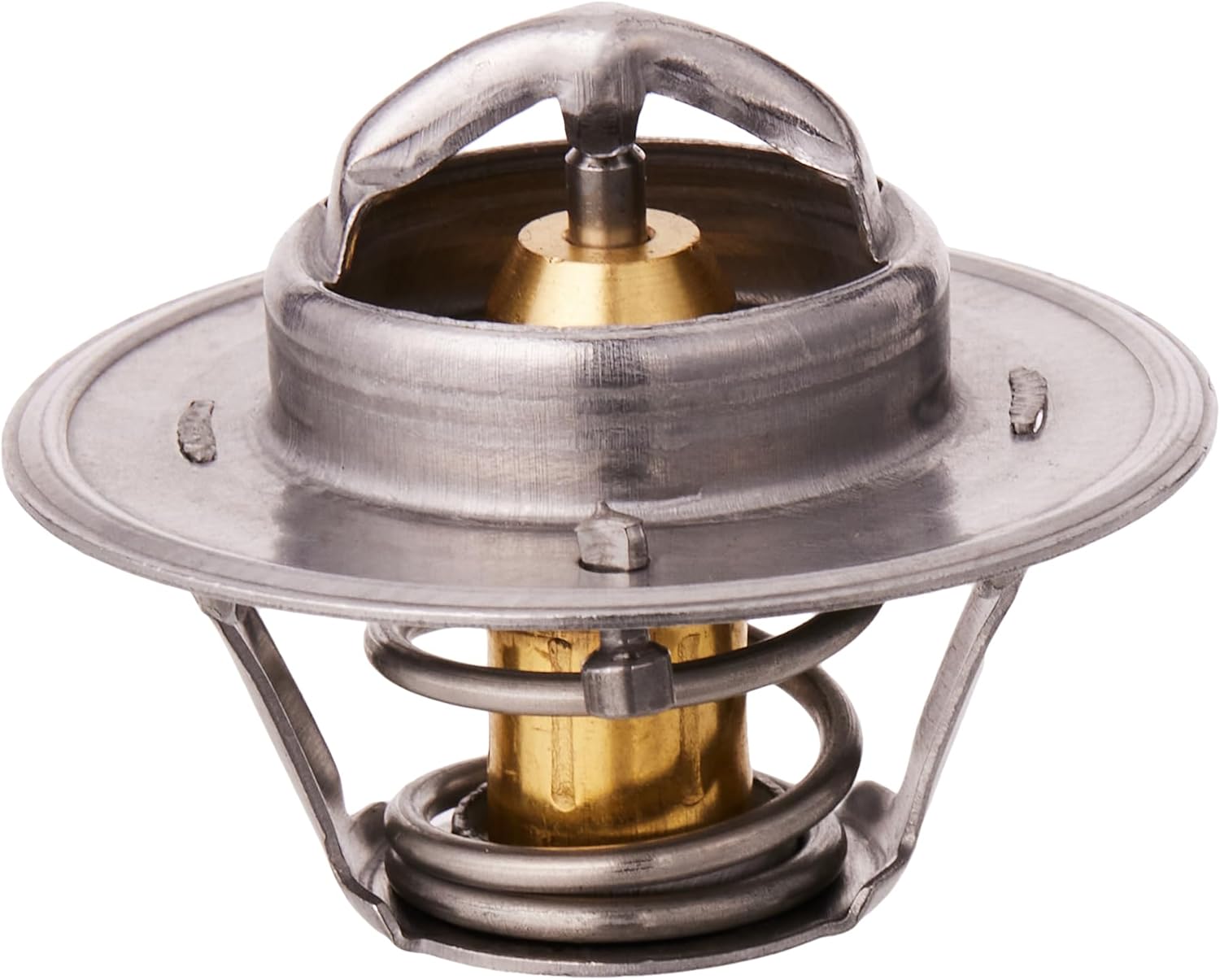
7. Edelbrock 8604 180°F High-Flow Engine Thermostat (53 mm)
| Opening Temperature | 180 Deg |
|---|---|
| Diameter | 53 Millimeters |
| Manufacturer | Edelbrock |
| Model | 8604 |
This Edelbrock 8604 thermostat is a straightforward replacement designed to hold a 180°F opening temperature while improving coolant circulation compared with a conventional thermostat. It installs where the factory thermostat sits and is typically used in street-driven and restored classic V8 engines to help stabilize operating temperature and avoid overheating on warm days or under light load. Notable features include a 53 mm (about 2 3/32 in) diameter sizing common to older GM housings and a design marketed for higher flow through the cooling system. In practice buyers report it holds temperatures close to 180°F and fits common small-block Chevy patterns used in many Grand Prix swaps, although some users note the flow increase is modest compared with more aggressively ported aftermarket pieces. The unit is well made and carries Edelbrock build quality, but it does not include housing gaskets and fit can vary by thermostat housing style, so plan for a gasket and verify housing compatibility during installation.
Best for: Risk-averse mainstream buyers restoring or maintaining a Pontiac Grand Prix who prioritize a reliable, factory-replacement style thermostat that maintains stable operating temperature.
Less Ideal for: Performance builders seeking maximum coolant flow or custom racing thermostats should consider purpose-built high-flow models instead.
- Factory-style 180°F opening temperature for predictable engine warm-up
- 53 mm size matches many older GM thermostat housings used in Grand Prix engine swaps
- Manufactured by a reputable aftermarket brand with consistent build quality
- Marketed as higher-flow design to modestly improve coolant circulation
- No gasket included so a separate seal must be purchased
- Flow improvement is modest and may not match high-performance racing thermostats
Verdict: A dependable, factory-style 180°F thermostat that gives Grand Prix owners reliable temperature control with modest flow gains but requires a separate gasket and is not a race-oriented high-flow unit.
Choosing the Right Pontiac Grand Prix Thermostat: Key Factors to Consider
Correct Opening Temperature
Thermostat opening temperature determines when coolant begins circulating through the radiator. Choosing a unit with the correct rated temperature matters because a thermostat that opens too early can keep the engine running cold, reducing efficiency and cabin heat. Conversely, one that opens too late can cause prolonged high temperatures and stress engine components.
Verify the rated opening temperature and acceptable tolerance. Matching factory specifications helps maintain intended engine operating temperature, emissions performance, and heater function.
Fitment and Mounting Interface
Accurate dimensions and the correct mounting interface ensure the thermostat seats properly and seals against the housing. Poor fitment can cause leaks, erratic thermostat behavior, or even incomplete valve travel. A correct physical fit reduces installation time and the chance of gasket or alignment issues.
Check flange shape, bolt pattern, and overall diameter. Using a part specifically specified for the Pontiac Grand Prix minimizes matching problems and fit-related failures.
Seal Quality and Gasket Compatibility
A reliable seal between the thermostat and housing prevents coolant loss and air ingress. Inferior seals or incompatible gaskets lead to persistent leak paths at the thermostat housing seal leak area and can necessitate repeat repairs. Good gasket compatibility also helps maintain system pressure and prevents localized corrosion at the mating surfaces.
Look for included seals or clear guidance on gasket type. Materials that withstand coolant chemistry and thermal cycling reduce the chance of future leaks.
Material Durability and Corrosion Resistance
Thermostats operate in a hot, wet environment with exposure to coolant additives. Components made from corrosion-resistant metals and reinforced polymers last longer and maintain consistent operation. Materials prone to pitting or degradation can cause sticking or failure under thermal cycling, leading to signs of bad thermostat behavior.
Consider the construction of the valve, spring, and frame. Durable materials reduce the likelihood of premature failure and help ensure consistent opening and closing over many heat cycles.
Thermal Response Consistency
Consistent thermal response means the thermostat opens and closes predictably at its rated temperature across multiple cycles. Variability can cause intermittent overheating or engine running cold thermostat stuck open scenarios. A dependable response helps stabilize engine temperature during changing loads and outside temperatures.
Assess manufacturing tolerances and quality control indicators. Products with tight thermal tolerances are less likely to produce fluctuating temperature readings or erratic heater performance.
Installation Considerations and Included Hardware
Ease of installation affects the likelihood of a correct repair. Thermostats that include required gaskets, O-rings, or instructions reduce the chance of installation errors that lead to leaks or poor operation. Missing hardware may require sourcing compatible parts, which can add time and complexity.
Look for clear installation notes and included parts. Proper torque specs and cleanliness of mating surfaces are important for a lasting repair and to avoid repeat visits for thermostat replacement cost concerns.
How We Chose the Best Pontiac Grand Prix Thermostat
We prioritized products that meet the specific fitment and operational expectations for the Pontiac Grand Prix. Key evaluation criteria included correct thermostat opening temperature and tolerance, OEM-equivalent dimensions and mounting interface, material durability of the valve and housing interface, and quality of the sealing surface to reduce risks of leaks. We also considered manufacturing consistency, visible quality control markers, and whether units included necessary gaskets or seals.We excluded items that lacked clear fitment data for the Pontiac Grand Prix, units with ambiguous temperature ratings, and those with poor reported durability or missing installation components. Final selections focused on parts that closely match the car's factory specifications and offer reliable thermal control under typical driving conditions.
Our full evaluation process is outlined in our review methodology.
FAQ
What are common thermostat symptoms overheating in a Pontiac Grand Prix?
Common symptoms include a rapidly rising temperature gauge, coolant boiling at the reservoir, or repeated trips to high temperature under normal driving. You may also notice reduced heater output when the engine is hot. These signs often indicate the thermostat is not opening as designed, though cooling system blockages or low coolant can produce similar symptoms.
How to test a thermostat on a Pontiac Grand Prix?
Testing usually involves monitoring coolant flow and temperature behavior during warm-up. One method is to observe upper radiator hose temperature changes as the engine reaches operating temperature; the hose should get hot when the thermostat opens. A mechanical check with a calibrated thermometer or a controlled heat bath can confirm the valve opens at the specified temperature. Take precautions when working around hot coolant.
Can a faulty thermostat cause the engine to run cold?
Yes. If the thermostat is stuck open, coolant circulates continuously and prevents the engine from reaching normal operating temperature. That can cause longer warm-up times, lower heater performance, and reduced fuel efficiency. Diagnosis should consider thermostat function alongside thermostat part number fitment and proper sensor readings.
How do I know if there is a thermostat housing seal leak?
Signs include visible coolant residue around the thermostat housing, low coolant levels without obvious radiator leaks, and localized corrosion or staining. You might also detect a sweet coolant smell near the engine bay. Inspect the housing, gasket surface, and surrounding bolts for evidence of seepage before removing the thermostat.
How often should a thermostat be replaced in regular maintenance?
There is no one-size-fits-all interval; many thermostats last many years, while others fail sooner depending on operating conditions and coolant maintenance. It is common to check the thermostat when servicing the cooling system or when replacing coolant. Replace the thermostat when there are clear symptoms or when replacing related components that require removal of the housing.
Will replacing the thermostat fix overheating every time?
Not always. While a failed thermostat is a common cause of overheating, other issues such as low coolant level, radiator blockage, water pump problems, or air trapped in the system can also raise temperatures. Diagnosis should consider the whole cooling system and ruling out other faults before assuming the thermostat is the only cause.
Conclusion
Choosing the right thermostat for a Pontiac Grand Prix means matching the opening temperature, ensuring correct fitment, and selecting durable materials that resist corrosion. Prioritize parts that include proper seals and match the vehicle's mounting interface to reduce the chance of leaks or installation issues.Balance thermal performance and long-term reliability when evaluating options. If you see symptoms such as overheating, poor heater output, or erratic temperature behavior, focus first on correct-fit replacement thermostats and addressing any related cooling system issues.
Explore More:
- Check out all Pontiac Grand Prix parts & accessories
- Explore Thermostats Maintenance & Repair Guides
- Explore Cooling System
- Browse all Auto Parts
