

Note: This article contains affiliate links. If you click on these links and make a purchase, I may earn a small commission at no extra cost to you. This helps support my research and content. Read my full affiliate disclosure here.
Replacing a thermostat on your Dodge Durango matters because the thermostat controls engine warm-up, fuel efficiency, and cabin heating. A stuck or incorrect thermostat can cause overheating, poor heater performance, or extended warm-up times, which affect drivability and long-term engine health.This guide highlights seven shortlisted thermostats that fit Dodge Durango models and explains the key factors we considered, including fitment accuracy and thermal response. Read on to understand which attributes matter most when choosing a replacement and what to check before installation.
Looking for other parts? See all Dodge Durango parts & accessories.
Top Picks at a Glance
| Best Quality Built to a higher standard if you want something more solid | Gates Engine Coolant Thermostat for Dodge Durango 5.7L / 6.4L V8 (180F) |  |
| Best Value The sweet spot between price and what you get | A-Premium Engine Coolant Thermostat with Seal (fits Dodge Durango and select Chrysler/Jeep/Ram models) |  |
| Best budget The cheapest option that still gets the job done reliably | Techie 7420-195 Engine Coolant Thermostat (195°F) |  |
| Highest Rated A top-rated pick with lots of positive feedback | MotoRad 416-180 Engine Coolant Thermostat with Seal |  |
| Most Popular A crowd favorite that many people choose with confidence | MotoRad 7420-195 Fail-Safe Thermostat (195°F) | 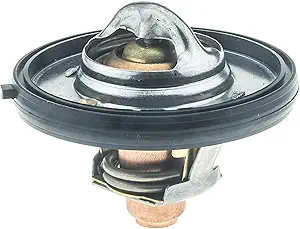 |
1. Gates Engine Coolant Thermostat for Dodge Durango 5.7L / 6.4L V8 (180F)

| Compatible vehicles | Dodge Durango 2004–2020 5.7L and 6.4L V8 |
|---|---|
| Opening temperature | 180F |
| Includes | Seal and hardware |
| Brand | Gates |
This thermostat is a factory-replacement style part for Dodge Durango 5.7L and 6.4L V8 engines from 2004 through 2020, built to maintain proper engine operating temperature by opening at approximately 180 degrees Fahrenheit. It installs in the cooling system where a failed thermostat would cause overheating or slow warm-up, and the listing indicates it ships with a replacement seal and original-style packaging and hardware for a straightforward swap. For performance-minded owners the 180F calibration helps the engine reach and hold a consistent operating temperature that supports power and emissions stability under load. Practical benefits include simple bolt-in fitment for covered model years and inclusion of the seal to avoid additional parts purchases. Limitations are typical of aftermarket thermostats: fit and calibration can vary slightly between manufacturers and this part listing does not include extended testing data or OEM documentation, so careful verification of fitment and observation after installation are recommended.
Best for: Performance-oriented owners who prioritize consistent engine temperature and predictable thermal control for towing, spirited driving, or engine longevity in Dodge Durango V8s.
Less Ideal for: Buyers seeking thermostats with published dyno or lab test results, custom temperature setpoints, or specialized racing thermostats should consider performance-specific aftermarket options instead.
- Direct-replacement design covering 2004–2020 Durango 5.7L and 6.4L V8s for easy installation
- Calibrated to open at 180F which supports consistent engine temperature for performance driving
- Includes replacement seal and original-style hardware to simplify installation
- Product listing does not provide independent test data or detailed manufacturer calibration tolerances
Verdict: A simple factory-style 180F replacement thermostat that gives Durango V8 owners a straightforward way to restore correct engine temperature control.
2. A-Premium Engine Coolant Thermostat with Seal (fits Dodge Durango and select Chrysler/Jeep/Ram models)

| Start to Open Temperature (℃) | 95 |
|---|---|
| Package Quantity | 1 |
| Voltage | 12 Volts (DC) |
This A-Premium thermostat replaces a factory thermostat and seal to control coolant flow and keep the engine operating in its intended temperature range. It installs in place of the original thermostat housing and is commonly used during routine cooling-system repairs or when a stuck thermostat causes overheating or poor warm-up. The unit lists a 95°C start-to-open temperature and comes boxed with one thermostat. Construction is described as tested for hardness and crush resistance to maintain consistent valve action, which helps the cooling system stabilize under load and highway driving. Fitment covers many Chrysler, Jeep and Dodge vehicles including Dodge Durango model years listed in the product description, so it works as a direct factory-quality replacement when the correct reference number is matched. Limitations: this is an aftermarket replacement so finish and fit can vary slightly versus factory parts and buyers should verify the reference numbers match their engine before installation.
Best for: Practical owners who prioritize a reliable, cost-effective replacement to restore proper cooling performance on a Dodge Durango without overspending on dealer parts.
Less Ideal for: Enthusiasts seeking performance-grade thermostats with nonstandard temperature ratings or restorers who require exact factory cosmetics should consider alternative options.
- Designed as a direct replacement with included seal for straightforward swap during cooling-system repairs
- Start-to-open temperature specified at 95°C for predictable thermostat opening behavior
- Packaged as a single unit for simple inventory and installation
- Manufacturer states parts undergo hardness and crush tests to ensure consistent valve operation
- Aftermarket part so cosmetic finish and exact fit may differ from factory parts
- Only one temperature rating is provided which may limit choice for specific tuning or performance cooling setups
Verdict: A budget-friendly, function-focused replacement thermostat that restores cooling control for compatible Dodge Durango models when you need a practical, no-frills fix.
3. Techie 7420-195 Engine Coolant Thermostat (195°F)

| Opening temperature | 91°C (195°F) |
|---|
This Techie thermostat is a simple, budget-focused replacement part designed to restore correct coolant flow and engine warm-up behavior on compatible Dodge Durango vehicles. It is a drop-in style thermostat with a 195°F (91°C) opening temperature, so it behaves like a factory-spec thermostat for systems that require that temperature. Typical use is a routine cooling-system repair or heater fix—swap the old thermostat during a coolant service or when overheating or slow warm-up symptoms appear. The product is machined and marketed as a direct-fit for the listed model years, which reduces installation time for a standard DIY or mechanic installation. Buyers should note this is an aftermarket, economy option: it does not include a gasket or housing and long-term durability versus higher-end name-brand units is not documented. For owners who need a low-cost, correct-temperature replacement that installs like the original, it provides a practical, no-frills solution; those wanting extended corrosion protection or a premium warranty may prefer an upgraded unit.
Best for: Budget-conscious owners who prioritize low replacement cost and a straightforward part that restores normal operating temperature and heater function on a Dodge Durango.
Less Ideal for: Buyers seeking long-term corrosion resistance, extended warranties, or premium OEM-equivalent materials should consider higher-end thermostats or factory-quality replacements.
- Direct-fit design for compatible vehicles simplifies installation
- Opens at 195°F (91°C) matching common factory temperature for affected engines
- Machined exterior suggests consistent manufacturing and fit
- Low-cost option suitable for routine maintenance or emergency replacement
- Aftermarket economy unit with limited published durability data compared with premium brands
- Package may not include housing or gasket so additional parts could be required
Verdict: A wallet-friendly, direct-fit thermostat that restores proper operating temperature on compatible Dodge Durango models but skips premium durability features.
4. MotoRad 416-180 Engine Coolant Thermostat with Seal

| Manufacturer | Motorad |
|---|---|
| Model | 416-180 |
| Exterior | Machined |
| Position | Center |
The MotoRad 416-180 is a factory-quality replacement thermostat designed to restore proper engine temperature control in compatible Dodge and related models. It installs in place of the original thermostat using the included seal and is intended for routine cooling-system repairs or scheduled maintenance. Notable features include a machined exterior and a matched part number for direct fit; users report it lowers operating temperature and improves oil temperature and pressure in some Hemi applications. Benefits include straightforward installation, a tight leak-resistant fit from the supplied seal, and consistent temperature regulation when the unit functions as intended. Limitations are mixed long-term durability reports from some users who experienced premature sticking, so lifespan may vary by driving conditions and vehicle history. For reliability-focused buyers, it is a practical, low-cost factory-replacement option that performs like the original in many cases but should be inspected if an engine begins to overheat after installation.
Best for: Reliability-focused owners who prioritize restoring proper engine temperature control with a factory-style replacement part during routine cooling-system maintenance.
Less Ideal for: Drivers seeking a long-life or performance-upgraded thermostat for heavy-duty or high-mileage engines should consider OEM-upgrade or heavy-duty aftermarket options instead.
- Direct-fit design matches factory part number for straightforward replacement
- Includes sealing gasket to reduce risk of coolant leaks after installation
- Machined exterior suggests precise fit and consistent valve operation
- Widely used across many Dodge and Jeep V8 applications with many positive user reports
- Some users report premature failure where the valve sticks closed, risking overheating
- Durability appears variable depending on vehicle and driving conditions
Verdict: A straightforward, factory-style replacement thermostat that restores normal cooling function for compatible Dodge and related vehicles.
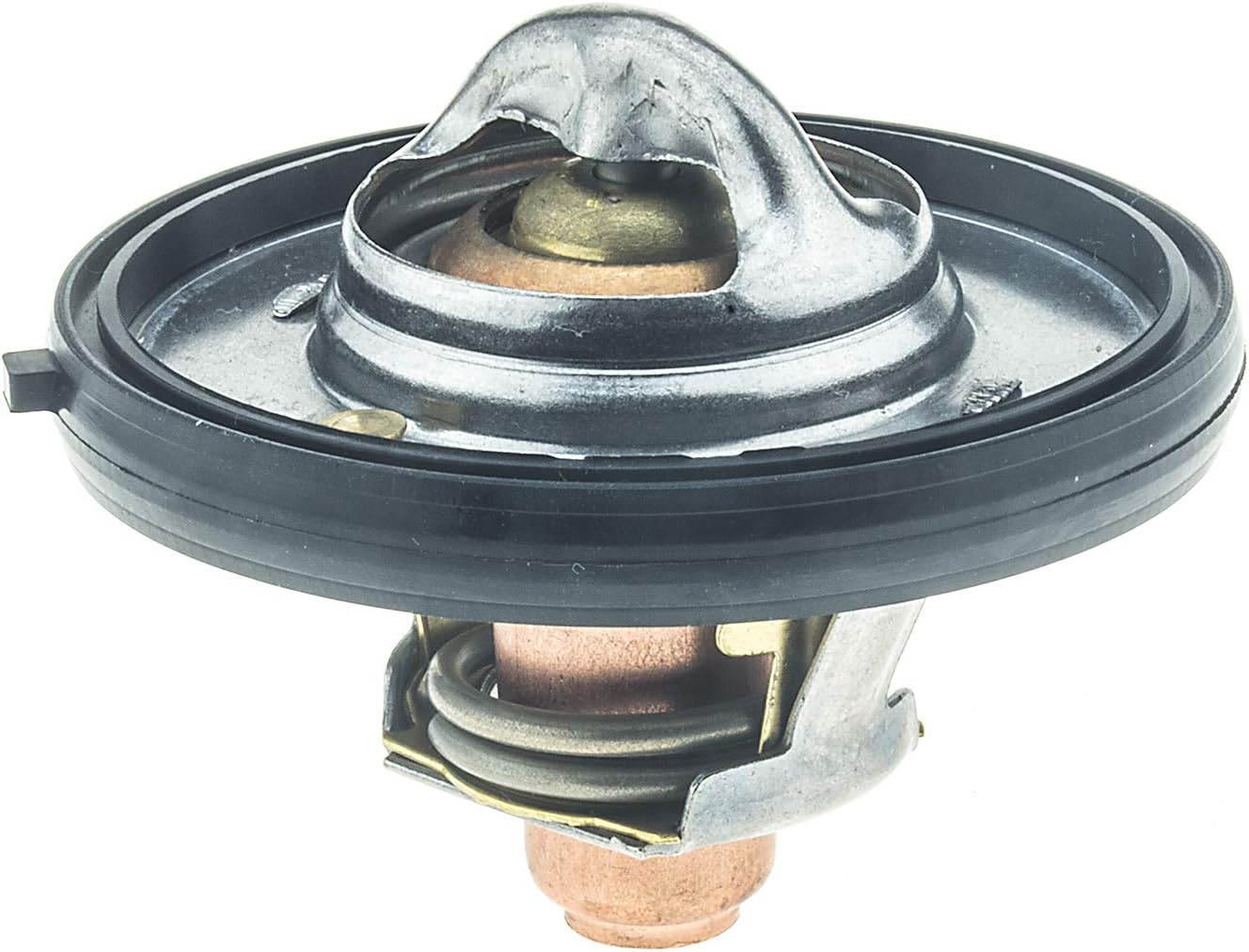
5. MotoRad 7420-195 Fail-Safe Thermostat (195°F)
| Brand | MotoRad |
|---|---|
| Model Name | 7420-195 |
| Temperature | 195 Degrees |
| Material | Metals, High-temperature Resistant Plastics |
| Power Source | Battery Powered |
The MotoRad 7420-195 is a replacement fail-safe thermostat engineered to prevent engine damage by locking in the open position when an overheating event is detected. Installed in place of a factory thermostat, it operates like a standard thermostatic valve at normal temperatures but uses a precision piston to force the valve wide open if the cooling system fails, allowing maximum coolant circulation. That behavior gives drivers extra time to shut down or limp to a repair facility instead of suffering a catastrophic overheat. The unit is described as factory-quality, fully tested and calibrated, and fits several Chrysler and Dodge applications including Durango when selected for vehicle fit. Practical benefits include straightforward direct-fit replacement and the safety margin offered during cooling-system failures. Limitations are that it does not prevent the original failure cause and a small number of users report seal or early-failure issues, so careful installation and post-install checks are recommended.
Best for: Convenience-driven buyers who prioritize added protection and a low-effort direct replacement that reduces the risk of catastrophic overheating during unexpected cooling system failures.
Less Ideal for: Drivers seeking a fix for an underlying cooling-system fault rather than a protective fail-safe, or those who prefer performance thermostats tuned for altered cooling temperatures.
- Fail-safe design locks open during overheating to maximize coolant flow and help protect the engine
- Marketed and tested as a factory-quality replacement calibrated for reliable temperature control
- Direct-fit application for select Chrysler and Dodge models for straightforward installation
- Lightweight, compact construction that matches standard thermostat housings
- A few user reports of seal failures or premature malfunction that may be installation related but possible
Verdict: Choose this thermostat for its fail-safe design that opens fully during overheating to preserve coolant flow and protect the engine.
Choosing the Right Dodge Durango Thermostat: Key Factors to Consider
Correct Fitment and Part Number
Accurate fitment ensures the thermostat seats and seals properly in the Durango's housing and interacts correctly with the coolant passages. Using a unit matched to the vehicle's part number reduces the risk of leaks and improper operation.
Check stamped or listed part numbers and compare housing flange dimensions and thermowell design where possible. Mismatched fitment can lead to poor sealing, vibration issues, or the need for housing modifications, so prioritize units that explicitly state compatibility with your Dodge Durango year and engine.
Opening Temperature and Thermal Response
The thermostat opening temperature determines when coolant begins circulating through the radiator, affecting warm-up time, emissions, and heater performance. A thermostat that opens too early can make the engine run cold, while one that opens too late risks overheating.
Look for thermostats that specify the temperature at which they open and the tolerance range. Faster and more predictable thermal response reduces engine temperature swings during city driving and under load, which is important for consistent operation in a heavier vehicle like the Durango.
Build Quality and Materials
Material choices influence longevity and resistance to corrosion from coolant additives and road salts. Brass or stainless internal components and a robust thermostat frame help prevent sticking or valve distortion over time.
A sturdier build also stands up better to repeated thermal cycles and towing demands. Consider thermostats with durable springs and reliable sealing surfaces to minimize failures caused by fatigue or electrochemical corrosion.
Sealing Method and Housing Interface
How the thermostat seals to the housing affects the likelihood of coolant leaks. Units that integrate a reliable gasket surface or include a high-quality seal reduce the chance of a thermostat housing seal leak and simplify installation.
Inspect whether the thermostat requires a separate O-ring or gasket and whether the housing mating surface is compatible. A solid sealing method helps prevent coolant loss and air intrusion into the cooling system, which can cause hot spots and erratic temperature readings.
Compatibility With Cooling System Accessories
Some thermostats are designed to work with specific bypass passages, heater circuits, or housing-mounted sensors. Ensuring compatibility avoids the need to modify hoses or sensors and preserves accurate temperature readings.
Confirm that the thermostat accommodates any built-in bypass ports and that its design does not impede heater core flow. Proper compatibility maintains heater performance and engine temperature stability during different driving conditions.
Durability Under Load and Maintenance Considerations
Thermostats in SUVs often face higher thermal stress during towing or sustained highway speeds. Choose units rated for repeated thermal cycling and consider the expected maintenance interval for the cooling system.
Also account for ease of access and whether replacement requires removing other components. A thermostat that lasts longer and is straightforward to service reduces total downtime and the chance of roadside failures.
How We Chose the Best Dodge Durango Thermostat
We evaluated candidate thermostats using several vehicle-focused criteria to ensure reliable operation in Dodge Durango applications. Primary filters included correct OEM-equivalent fitment and part number compatibility, verified opening temperature that matches factory specifications, and construction quality such as valve design and corrosion-resistant materials. We also considered housing interface design and sealing methods to reduce the risk of coolant leaks, plus overall durability under typical highway and towing loads.We excluded items without clear fitment data for Dodge Durango or products lacking stated opening-temperature specs. Units intended only for racing or modified engines with nonstandard cooling setups were not considered. The result is a list of seven options that meet practical fitment, thermal performance, and build-quality thresholds for normal on-road use.
Our full evaluation process is outlined in our review methodology.
FAQ
What are common signs of a bad thermostat in a Dodge Durango?
Common signs include the engine overheating, the temperature gauge running higher than normal, or the engine taking a long time to reach operating temperature. You may also notice poor heater performance in the cabin or frequent coolant level drops if the thermostat contributes to sealing issues. These symptoms often indicate the thermostat is stuck closed, stuck open, or the housing seal is compromised.
How do you test a thermostat without removing it?
You can monitor temperature behavior with the engine cold and then warmed up to see if the temperature rises steadily toward normal operating range. A diagnostic infrared thermometer or an OBD2 live temperature reading helps. If the engine runs cold for a long time or overheats quickly after warm-up, the thermostat may be malfunctioning. For definitive testing, bench-testing after removal is more accurate.
Can a thermostat housing seal leak cause overheating?
Yes, a leaking thermostat housing seal can allow coolant to escape or air to enter the cooling system, both of which can reduce cooling efficiency and lead to hot spots. Small leaks might first show as low coolant levels or visible seepage, and if unaddressed, they can contribute to overheating under load.
How does a thermostat affect engine running cold or poor heater output?
If a thermostat is stuck open or opens at too low a temperature, the engine may fail to reach normal operating temperature, which leads to reduced cabin heat and decreased fuel efficiency. A correctly functioning thermostat retains heat during warm-up, ensuring the heater core receives hot coolant and the engine operates at optimal temperature.
What should I know about replacing a Dodge Durango thermostat?
When replacing the thermostat, confirm the replacement matches the vehicle-specific part number and opening temperature. Inspect and, if necessary, replace the housing gasket or O-ring to prevent leaks. Also bleed the cooling system after installation to remove air pockets that can cause temperature fluctuations.
How often should a thermostat be inspected or replaced?
Thermostats do not have a fixed lifespan but are commonly inspected when performing major coolant service or if signs of failure appear. Regular coolant maintenance and visual checks of the housing and hoses during service can reveal early issues. Consider replacement if the thermostat shows signs of sticking, corrosion, or if the housing seal is degraded.
Conclusion
When choosing a Dodge Durango thermostat, prioritize correct fitment and the specified opening temperature to maintain proper engine warm-up and cooling. Balance build quality and sealing method to reduce the likelihood of leaks and repeated failures.Keep in mind that some tradeoffs exist between quick thermal response and longevity under heavy use. Focus on units that match the vehicle's part number, specify thermal characteristics, and use durable materials to ensure reliable operation.
Explore More:
- Check out all Dodge Durango parts & accessories
- Explore Thermostats Maintenance & Repair Guides
- Explore Cooling System
- Browse all Auto Parts
