

Note: This article contains affiliate links. If you click on these links and make a purchase, I may earn a small commission at no extra cost to you. This helps support my research and content. Read my full affiliate disclosure here.
If your 2008-2013 Nissan Rogue is running hot, idling poorly, or taking too long to reach operating temperature, the thermostat can often be the culprit. Choosing the right thermostat matters because improper fit or the wrong temperature rating can cause overheating, poor heater performance, or reduced fuel efficiency. This guide shortlists the seven top replacement thermostats that fit the 2008-2013 Rogue and explains the performance and fitment factors that matter.Below you will find a focused evaluation of each shortlisted option plus practical advice on installation fit, common failure signs, and testing methods to help you pick the best replacement for your Rogue.
Looking for other parts? See all Nissan Rogue parts & accessories.
Top Picks at a Glance
| Best Overall The best all-around choice for most situations | NISSAN Genuine Thermostat Assembly 21200-1LA1A |  |
| Best Quality Built to a higher standard if you want something more solid | MotoRad 427457 Thermostat |  |
| Best Value The sweet spot between price and what you get | A-Premium Engine Coolant Thermostat with O-ring |  |
| Best Budget The cheapest option that still gets the job done reliably | Anleecap Engine Coolant Thermostat (21200EA000 / 21200-6N210) for Nissan/Infiniti |  |
| Most Popular A crowd favorite that many people choose with confidence | XCZBX 180°F Engine Thermostat with Gasket (Fits select Nissan models) |  |
1. NISSAN Genuine Thermostat Assembly 21200-1LA1A

| Manufacturer | Nissan |
|---|---|
| Brand | NISSAN |
| Model | Genuine Nissan 21200-1LA1A Thermostat Assembly |
| Voltage | 12 Volts |
This genuine Nissan thermostat assembly is a direct-fit replacement designed to restore proper engine temperature regulation. It installs in place of the original unit and is typically used during engine rebuilds, cooling-system repairs, or routine maintenance to replace a failed or sticking thermostat. The part is manufactured to factory specifications, so it matches the engineering and operating point of the original thermostat and simplifies installation without needing modification. Practical benefits include predictable warm-up behavior, reliable opening temperature control, and reduced risk of overheating or poor heater performance compared with an aged thermostat. Because it is a vehicle-specific OEM part, buyers get compatibility assurance but give up aftermarket options like adjustable temperature settings or performance-tuned valves. Expect straightforward fitment when replacing the factory part and the usual lifespan of a quality OEM thermostat when installed correctly.
Best for: Buyers who want a reliable, no-hassle replacement that restores factory cooling behavior and prioritizes compatibility and long-term dependability.
Less Ideal for: Drivers looking to increase cooling performance or alter engine warm-up characteristics should consider performance or adjustable aftermarket thermostats instead.
- Factory-quality replacement ensures correct fit and operating characteristics
- Direct-fit design simplifies installation with no modification required
- Manufactured to match original thermostat opening temperature for predictable heating and cooling behavior
- Uses top-quality components intended for reliable service life
- No performance tuning or adjustable temperature options compared with some aftermarket thermostats
Verdict: Choose this genuine Nissan thermostat when you want a straightforward factory-spec replacement that restores original cooling performance.
2. MotoRad 427457 Thermostat

| Brand | MotoRad |
|---|---|
| Model Name | 427457 |
| Specific Uses For Product | Automotive Cooling System |
| Included Components | Includes thermostats, seals, and gasket |
| Material | Metal |
The MotoRad 427457 is a direct-fit replacement thermostat designed to restore proper coolant flow and temperature control on compatible Nissan and Infiniti engines. It installs in the stock housing and uses a copper case with a wax temperature element for quick, predictable opening as coolant warms. The unit includes OEM-style seals and an air relief valve where applicable, which helps prevent hot spots and makes bleeding the cooling system easier during installation. Built to factory-spec processes and materials, it is aimed at drivers who want reliable thermal management without modifying the cooling system. Limitations are straightforward: it is a fixed-temperature mechanical thermostat rather than an adjustable or electronic controller, and fitment is vehicle-specific so buyers must confirm compatibility before purchasing. For someone replacing a worn thermostat to recover proper engine warm-up, fuel economy, and emissions behavior, this is a practical factory-quality option.
Best for: Drivers who want a straightforward, factory-quality replacement to restore correct coolant temperature behavior on compatible Nissan Rogue models and similar vehicles.
Less Ideal for: Drivers seeking tunable or electronic thermostats for performance cooling control or those who need multi-vehicle universal fitment.
- Manufactured to factory-spec materials and processes for reliable durability
- Copper case and wax element provide fast, predictable temperature response
- Includes OEM-style seals and air relief valve to simplify installation and bleeding
- Direct-fit design for vehicle-specific installation without modification
- Fixed mechanical operation with no adjustable or electronic temperature control
Verdict: Pick this thermostat when you want a factory-spec, direct-fit replacement that restores reliable engine temperature control on supported Rogue models.
3. A-Premium Engine Coolant Thermostat with O-ring

| Start to Open Temperature (℃) | 95 |
|---|---|
| Gasket or Seal Included | Yes |
| Material | Metal and Rubber |
| Package Quantity | 1 |
This A-Premium thermostat replaces the factory thermostat in a range of Nissan engines and similar models and is offered as a single boxed unit with an O-ring gasket included. It opens at 95°C, which matches common manufacturer operating points for many Nissan 2.0L–2.5L engines, and uses metal and rubber construction typical for aftermarket replacements. Installation is the same as a standard thermostat swap and is commonly done during a coolant service or when replacing a failed thermostat; the package quantity is one and it includes the seal needed for a direct replacement. Practical benefits are straightforward: matching opening temperature helps maintain normal warm-up and cooling behavior, and the included gasket avoids needing a separate seal. Limitations are that it is an aftermarket part so fit and finish can vary compared with factory parts, and proper fit must be confirmed against the vehicle side (driver/passenger) and engine variation listed in the fitment notes before installation.
Best for: Buyers who want a practical, ready-to-install replacement thermostat that matches factory temperature behavior for 2008–2013 Rogue engines and similar Nissan models.
Less Ideal for: Those seeking an OEM-branded part or motorsport/high-performance thermostats with altered opening temperatures should consider other options.
- Factory-style opening temperature of 95°C suitable for listed Nissan 2.0L–2.5L engines
- Includes gasket/O-ring so no separate seal purchase is needed
- Metal and rubber construction consistent with typical thermostat components
- Aftermarket fit may require verification for some model years or driver/side-specific locations
Verdict: A straightforward, ready-to-install replacement that restores correct engine warm-up and cooling behavior for the specified Rogue engines.
4. Anleecap Engine Coolant Thermostat (21200EA000 / 21200-6N210) for Nissan/Infiniti

| Manufacturer | Anleecap |
|---|---|
| Model | CT010 |
| Manufacturer Part Number | 21200EA000 |
| Item Weight | 1 pounds |
This Anleecap thermostat is a straightforward replacement part intended to restore correct coolant flow and engine warm-up behavior on supported Nissan, Infiniti, and Suzuki models. It installs in place of the factory thermostat and is used to maintain the engine's operating temperature, helping prevent overheating and speeding warm-up after cold starts. The unit lists multiple OEM part numbers, which makes part-number verification simple before purchase. Practical benefits include consistent thermostat operation and quick warm-up that can improve cabin heat and fuel efficiency during short trips. The compact, single-piece design simplifies installation and fits common coolant housings for the listed vehicles. Limitations are typical for budget aftermarket parts: long-term durability and exact match to factory materials may vary compared with higher-end replacements, and buyers should confirm the exact part number and vehicle fitment before ordering. The product comes with a short-term customer support promise for replacements or refunds if it fails.
Best for: Buyers looking for an affordable, straightforward replacement thermostat to get a 2008–2013 Nissan Rogue back to proper operating temperature without paying for a premium brand or dealer part.
Less Ideal for: Shoppers seeking a long-term high-end OEM-equivalent or performance thermostat for heavy-duty towing, racing, or extended service intervals should consider upgraded factory-quality or performance options instead.
- Lists multiple OEM part numbers for easier fitment verification
- Designed to restore proper warm-up and prevent overheating
- Compact single-piece design that simplifies installation
- Includes manufacturer support and a replacement/refund promise
- Aftermarket materials and long-term durability may not match premium factory-quality parts
Verdict: A cost-conscious replacement that restores proper coolant temperature control for compatible Rogue models without the premium price of dealer parts.
5. XCZBX 180°F Engine Thermostat with Gasket (Fits select Nissan models)
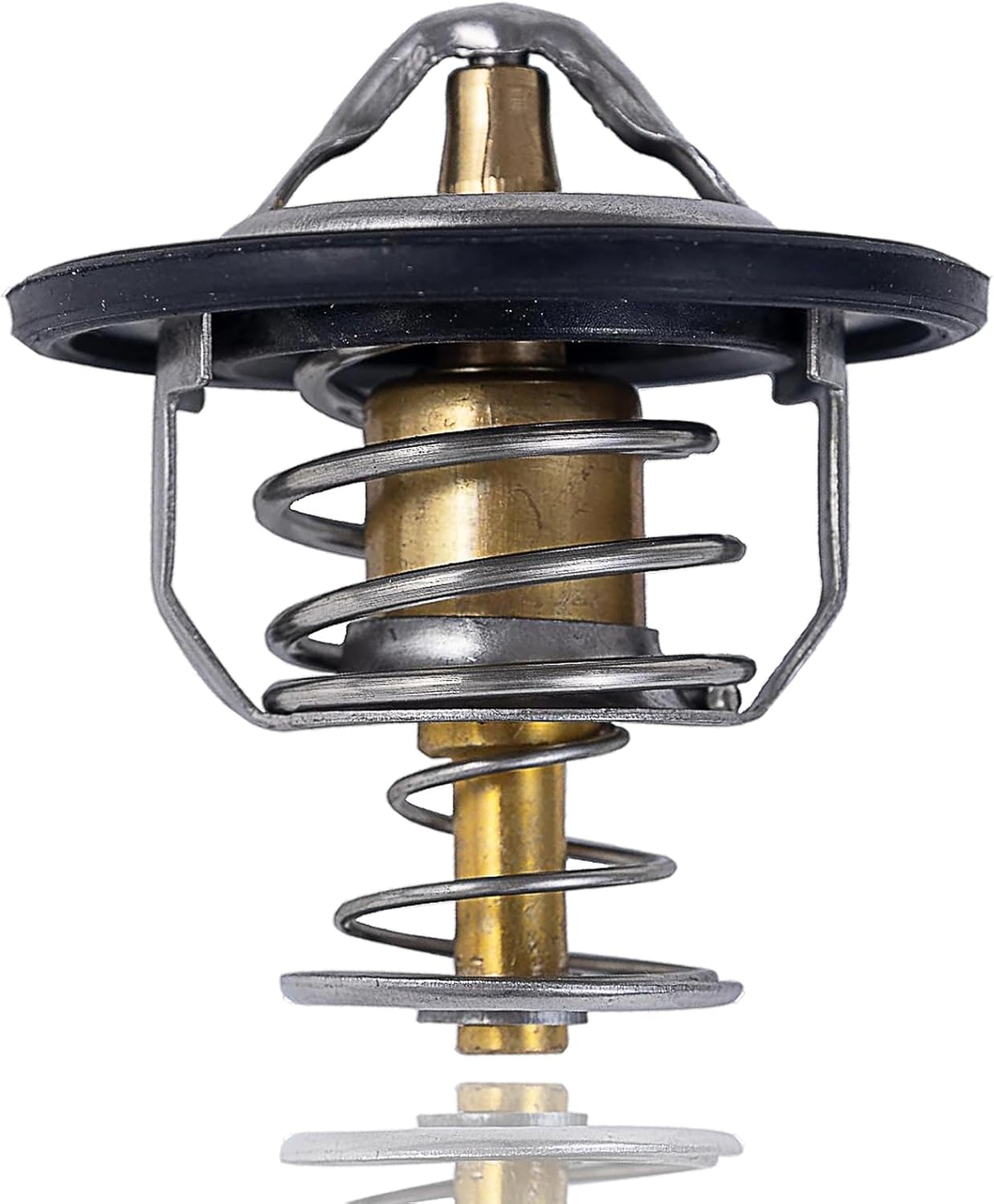
| Opening temperature | 180°F (82°C) |
|---|---|
| Manufacturer | XCZBX |
| Includes | Thermostat and gasket |
| Manufacturer part numbers | 212006N210, 21200EA000, 21200-EA000 |
This XCZBX thermostat replaces the factory thermostat in compatible Nissan engines to regulate coolant flow and maintain operating temperature around 180°F (82°C). It is supplied with a gasket and uses a stainless steel mounting flange and spring frame intended to improve durability and fit. Installation follows the standard procedure of locating the thermostat at the upper radiator hose outlet and swapping the old unit for the new one, making it suitable for routine cooling-system repairs or when diagnosing overheating or overcooling issues. The practical benefits are straightforward: a factory-style replacement that aims to restore correct temperature control, reduce the chance of temperature-related check-engine codes, and prolong engine life when fitted correctly. Limitations are that fitment is vehicle-specific so buyers must confirm the OEM part number before ordering, and this aftermarket part may not match factory material finish or long-term durability of higher-end OE-equivalent units.
Best for: Buyers who prioritize proven customer feedback and want a cost-conscious, ready-to-install replacement thermostat for a Nissan cooling system are the primary fit; they value a straightforward swap and clear part-number matching.
Less Ideal for: If you want an enhanced-performance thermostat for racing or heavy towing duty, or prefer OEM-branded parts for extended longevity, this aftermarket unit is not the best choice.
- Direct replacement for part numbers 212006N210 and 21200-EA000, simplifying compatibility checks
- Includes gasket for a one-step swap and proper sealing
- Stainless steel mounting flange and spring frame for improved strength over basic stamped components
- Designed to open at 180°F (82°C) which matches common factory temperature calibration
- Fitment must be verified against vehicle part number because it targets specific Nissan models
Verdict: A budget-friendly, vehicle-specific replacement thermostat that restores factory temperature control when you confirm the part number before purchase.
Choosing the Right 2008-2013 Nissan Rogue Thermostat: Key Factors to Consider
Correct Fitment and Part Number Match
Accurate fitment is the baseline for any thermostat replacement for a 2008-2013 Nissan Rogue. A direct-fit thermostat that matches the Rogue's housing and mounting points prevents leaks, avoids modification, and reduces installation time. Mismatched parts can create poor sealing surfaces or interfere with coolant passages, which leads to coolant loss or air pockets in the cooling system.
When sourcing a replacement, verify the thermostat part number fitment for the vehicle year range and the Rogue's engine variant. Confirm bolt pattern alignment and that the thermostat flange seats fully against the housing. Proper fitment reduces the likelihood of a thermostat housing seal leak and limits the need for additional gaskets or machining.
Opening Temperature and Tolerance
Thermostat opening temperature determines when coolant begins circulating through the radiator and directly affects warm-up time and engine operating temperature. Choosing a thermostat with the correct opening temperature for the Rogue ensures consistent engine temperature control and reliable heater performance. A thermostat that opens too early can result in the engine running cold, reduced fuel economy, and slower heater response.
Also consider manufacturing tolerances. A high-quality thermostat maintains its specified opening temperature under repeated cycles. Wide tolerances or poorly calibrated units can lead to fluctuating temperatures or symptoms of overheating despite a functioning cooling system.
Flow Characteristics and Valve Design
Beyond the opening temperature, the valve design and how the thermostat regulates coolant flow influence cooling efficiency under load. Some thermostats offer staged or progressive opening curves that manage flow as coolant temperature rises, which helps prevent sudden temperature spikes during hard driving or towing.
Good flow characteristics reduce localized hot spots in the engine and help the radiator do cooling work more consistently. For the Rogue, choose a thermostat with a predictable opening profile and an unobstructed flow path that matches the factory housing geometry to avoid reduced circulation and overheating under stress.
Material Quality and Corrosion Resistance
Thermostats operate in a harsh environment of coolant, heat, and periodic pressure changes. Materials used for the valve, housing flange, and sealing surfaces determine longevity. Corrosion-resistant metals and durable polymer seals resist degradation from coolant additives and temperature cycling.
Inferior materials can cause the valve to stick, seals to harden or crack, and housings to corrode where they contact the coolant. Prioritizing thermostats built with corrosion-resistant finishes and high-quality seals helps prevent premature failure and reduces the chance of needing another replacement shortly after installation.
Seal and Housing Interface
Leak prevention depends on the thermostat-to-housing interface and the quality of any included gasket or O-ring. A poor seal can lead to coolant loss and air ingress, which manifests as overheating or erratic temperature behavior. Inspect whether the thermostat includes a robust gasket and whether the flange surface is designed to sit flat against the Rogue's housing.
When replacing a thermostat, also check the condition of the mating surface on the thermostat housing. Cleaning old gasket material and ensuring a flat, undamaged surface improves sealing. Addressing the housing seal properly reduces the risk of a thermostat housing seal leak after installation.
Ease of Installation and Serviceability
The time and effort required for installation matter for DIY owners and technicians working on the Rogue. Thermostats that are direct-fit and come with a complete gasket or O-ring reduce fuss and the need for additional parts. Consider whether the thermostat allows easy access for bleeding trapped air, as trapped air pockets can cause overheating even with a functioning thermostat.
Also consider how straightforward it is to replace the thermostat without removing additional components. Simpler replacements reduce labor time and the risk of damaging nearby parts during installation, making proper service more likely to be completed correctly.
Common Thermostat Symptoms on a 2008-2013 Rogue
Recognizing thermostat-related symptoms helps diagnose whether the part is failing. Typical indicators include persistent engine overheating, the temperature gauge rising rapidly after a short drive, or fluctuating temperature readings that do not stabilize once warmed up.
Other signs include poor heater output during cold starts, unusually long warm-up times, or the engine running too cool which can reduce fuel efficiency. Coolant leaks at the thermostat housing area or visible corrosion around the flange also point to a thermostat or seal issue.
- Rapid temperature rise soon after starting indicates a thermostat that may be stuck closed.
- Extended warm-up or low temperature readings can indicate a thermostat stuck open.
- Coolant pooling or wetness at the housing suggests a seal or gasket failure.
- Erratic gauge movement often signals an intermittent thermostat failure or trapped air.
How To Test a Thermostat on Your Rogue
There are practical tests you can perform without requiring specialized equipment. Begin with a cold engine, then start the vehicle and let it idle while watching the upper radiator hose and temperature gauge. The upper hose should remain cool until the thermostat opens, then warm quickly as coolant starts circulating.
Another common method is a controlled hot-water test if the thermostat is removed. Place the thermostat in a pot of water and heat it gradually, monitoring the temperature with a thermometer to confirm it opens near its rated temperature. Exercise caution with hot coolant and always follow safe handling practices.
- Check the upper radiator hose: cool at first, then warming when thermostat opens.
- Listen for a change in idle or coolant movement when the thermostat begins to operate.
- If removed, use a thermometer while heating the thermostat in water to observe opening temperature.
Addressing Thermostat Housing Seal Leaks
A leaking thermostat housing seal can mimic thermostat failure by causing low coolant levels and air ingress. When replacing the thermostat, inspect the housing mating surface for warping, pitting, or leftover gasket material that prevents a clean seal. Replace the gasket or O-ring with a new, correctly shaped seal designed for the Rogue to ensure reliable sealing.
If the housing itself shows corrosion or damage, replacing the housing or using a high-quality replacement piece may be necessary. After installation, pressure-test or run the engine to operating temperature and inspect for leaks to confirm the repair is complete.
- Clean the mating surfaces thoroughly before installing the new gasket.
- Use the correct gasket orientation and torque bolts to the vehicle specification.
- Inspect for housing damage and replace the housing if sealing surfaces are compromised.
Thermostat Temperature Choices and Real-World Effects
Selecting the correct thermostat opening temperature affects cabin heat and engine efficiency. For most drivers, choosing the factory-specified opening temperature sustains intended engine warm-up and cooling balance. Choosing a lower temperature can improve heater response but may prevent the engine from reaching optimal operating temperature for emissions and efficiency.
Higher-than-spec thermostats can raise operating temperature slightly, which may reduce warm-up time under heavy loads but risks running hotter under extreme conditions. Stay within OEM recommendations for the Rogues covered years to avoid unintended tradeoffs.
- Factory-spec maintains designed balance between warm-up and cooling.
- Lower-temperature options speed heater response but can reduce fuel efficiency.
- Higher-temperature options increase operating temp and can risk overheating if cooling system is compromised.
Maintenance Tips After Replacing the Thermostat
After installing a new thermostat, bleed the cooling system to remove trapped air. Air pockets cause hot spots and erratic temperature readings even with a correctly functioning thermostat. Follow the Rogue-specific bleeding procedure or run the engine with the radiator cap off while topping up coolant until air is expelled and the system circulation is steady.
Monitor coolant level and check for leaks over the next several weeks. Recheck the thermostat housing bolts for proper torque and inspect the surrounding area for dampness. Regular coolant service and using the recommended coolant type for the Rogue will help extend thermostat and housing life.
- Bleed trapped air after installation to prevent overheating.
- Recheck coolant level and inspect for leaks after 50 to 100 miles.
- Follow the vehicle's recommended coolant replacement intervals for longevity.
Still looking for the perfect fit?
Select your Nissan Rogue configuration to see the most relevant Thermostats recommendations
How We Chose the Best 2008-2013 Nissan Rogue Thermostat
We assembled the shortlist by applying vehicle-specific fitment and performance filters relevant to the 2008-2013 Nissan Rogue. Our evaluation prioritized correct part fitment, thermostat opening temperature tolerance, flow characteristics, and durable housing and seal materials that resist coolant exposure and heat cycling. We also considered ease of installation, compatibility with the Rogue's factory thermostat housing, and whether the part retained essential features like a calibrated wax element and spring tension.In addition to those technical filters, we reviewed build quality indicators such as corrosion-resistant finishes and robust sealing surfaces. We excluded universal or generic thermostats with unclear fitment information, low-quality housings, and parts lacking clear opening-temperature specifications. Final selections balance reliable thermal control, straightforward installation for DIY owners or mechanics, and component durability under the Rogue's typical operating conditions.
Our full evaluation process is outlined in our review methodology.
FAQ
What are the first signs my Rogue thermostat is failing?
Early signs often include longer than normal warm-up times, inconsistent temperature gauge readings, or reduced heater performance. You might also notice coolant leaks around the thermostat housing or a radiator hose that heats up immediately on start, which can indicate the thermostat is stuck open or closed.
Can I test a thermostat without removing it from my Rogue?
You can do a simple in-vehicle test by watching the upper radiator hose and temperature gauge from a cold start. The hose should remain cool until the thermostat opens and then warm quickly. For definitive confirmation, removing the thermostat for a controlled hot-water test gives a direct observation of the opening temperature.
How do I know if the thermostat housing gasket needs replacement?
Look for coolant residue, dampness, or rust around the housing flange and bolt area. Visible coolant pooling or a persistent low coolant level after topping up are signs the gasket or seal is compromised. During replacement, inspect the housing surface for damage that might prevent a clean seal.
Will a stuck-open thermostat make my Rogue run poorly?
Yes, a thermostat stuck open prevents the engine from reaching proper operating temperature, which often leads to poor heater performance, increased fuel consumption, and higher emissions. The engine may feel sluggish until it warms, especially in colder weather.
How long does a thermostat typically last on a Rogue?
Thermostat life varies by driving conditions and coolant maintenance, but they often last many years under normal conditions. Regular coolant service and using the correct coolant formula can extend service life. If you experience symptoms like those described above, inspect the thermostat regardless of age.
Is replacing the thermostat worth doing yourself on a 2008-2013 Rogue?
Many DIY owners can replace the thermostat because it is a relatively straightforward service when the housing is accessible. Ensure you have the correct replacement part, a proper gasket, coolant catch tools, and the vehicle-specific bleeding procedure. If the housing or surrounding parts are corroded, a professional may be advisable.
Final Verdict
Prioritize correct fitment, proper opening temperature, and a reliable seal when selecting a thermostat for a 2008-2013 Nissan Rogue. These factors most directly affect whether the vehicle reaches and maintains optimal operating temperature and whether heater performance and coolant integrity remain reliable.Balance the need for durable materials and accurate temperature control against installation practicality. If you address fitment and housing sealing and verify operation after installation, you can confidently restore proper cooling function and avoid the common tradeoffs that cause repeated failures.
Explore More:
- Check out all Nissan Rogue parts & accessories
- Explore Thermostats Maintenance & Repair Guides
- Explore Cooling System
- Browse all Auto Parts
