

Note: This article contains affiliate links. If you click on these links and make a purchase, I may earn a small commission at no extra cost to you. This helps support my research and content. Read my full affiliate disclosure here.
If you drive a 2004-2012 GMC Canyon, a properly functioning thermostat is vital for engine performance, fuel economy, and cabin heat. A thermostat that opens at the right temperature helps the engine reach operating range quickly and prevents long-term wear from running too cold or overheating. This guide covers the top thermostat options suitable for the 2004-2012 GMC Canyon, shortlisted for fitment, temperature accuracy, and durability. You will find explanations of the decision factors we used and practical advice for installation concerns and common failure symptoms. Read on to see the thermostats that meet the most important criteria for this truck and why they made the list.
Looking for other parts? See all GMC Canyon parts & accessories.
Top Picks at a Glance


1. TRQ Thermostat with Housing Assembly (ECA92441)

| Brand | TRQ |
|---|---|
| Model | TRQ ECA92441 |
| Opening Temperature | 187 Deg. F |
| Exterior | Machined |
This TRQ thermostat with housing assembly combines the thermostat and its housing into a preassembled unit intended as a direct replacement for the factory part. It installs like a standard OE-style replacement, so it is typically used during coolant system service or when a failing thermostat causes overheating or poor warm-up. Notable features include a machined exterior housing and a thermostat that opens at 187 degrees F, which helps maintain stable operating temperature under normal driving loads. The preassembled design saves time compared with swapping a separate thermostat into an old housing and reduces the chance of leaks from reused gaskets. The unit is marketed as quality tested and built from higher-grade materials for durability. Limitations to consider are that fitment is vehicle-specific, so buyers should confirm compatibility for their exact year and engine, and replacement housings can still require careful sealing and proper torque during installation to avoid leaks.
Best for: Drivers who want a balanced, no-surprise factory-style replacement that simplifies installation and restores proper cooling system operation without upgrading other components.
Less Ideal for: People seeking performance thermostats tuned for different temperature thresholds or those needing a universal or multi-vehicle solution.
- Preassembled thermostat and housing reduces installation steps and leak points
- Direct-fit design intended to match factory mounting and connections
- Thermostat opens at 187 degrees F for consistent engine temperature control
- Machined exterior housing for improved durability over cheaper cast units
- Fitment limited to the specific vehicle list so must be confirmed before purchase
- Installation still requires proper sealing and torque to prevent coolant leaks
Verdict: Choose this TRQ assembled thermostat and housing when you want a straightforward, factory-style replacement that speeds installation and restores reliable cooling for the specified vehicles.
2. GM Genuine Parts 15-11073 Engine Coolant Thermostat and Housing Assembly
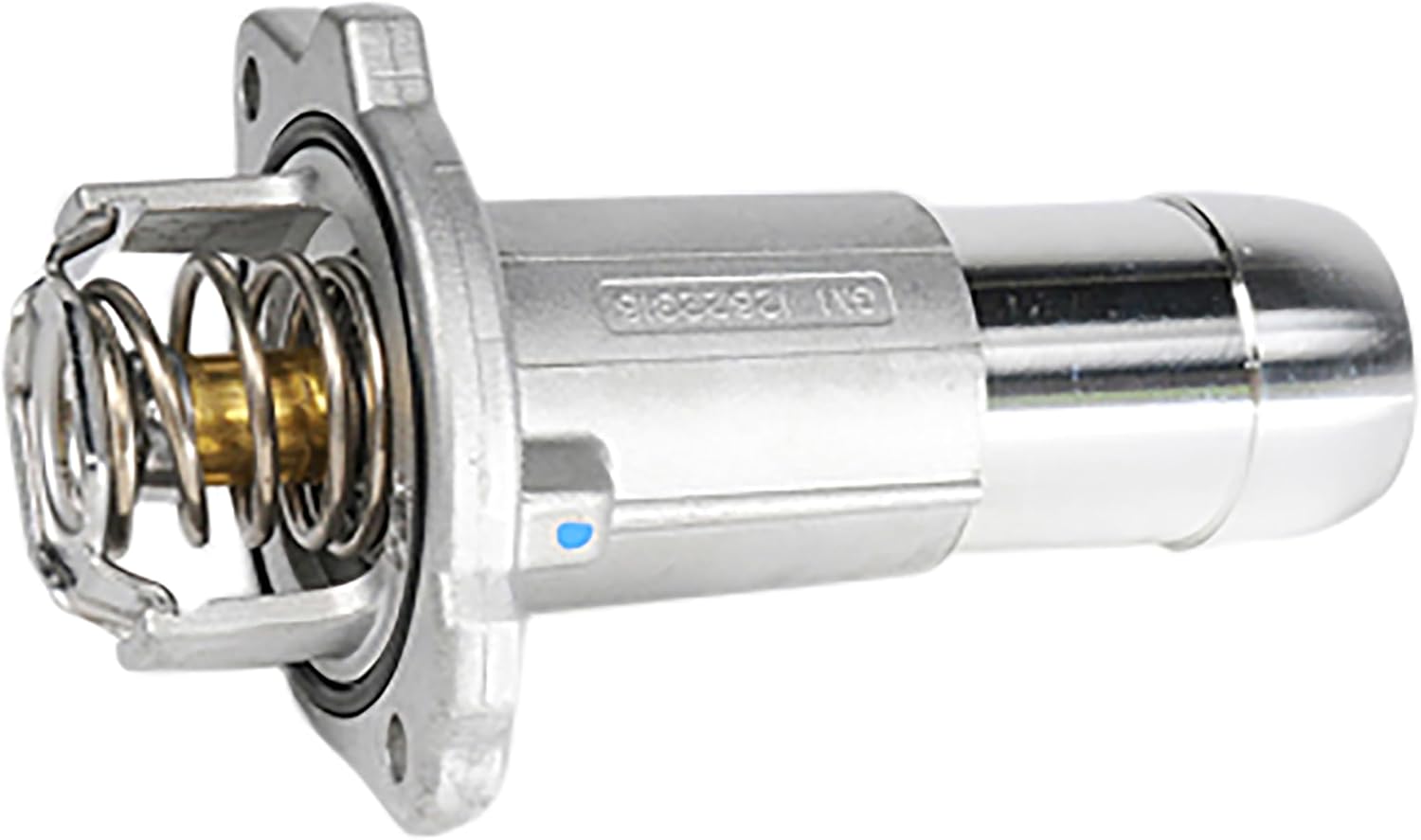
| Manufacturer Part Number | 15-11073 |
|---|---|
| OEM Part Number | 12622316 |
| Material | Brass, Stainless Steel, High-temperature Plastic |
| Specification Met | GM OE |
| Included Components | Coolant Thermostat |
This GM Genuine Parts thermostat and housing assembly replaces the factory unit to control coolant flow and help the engine reach and maintain normal operating temperature. It combines the thermostat with the water inlet housing, which simplifies installation by replacing both components at once and preserves any sensor ports integrated into the housing. Built to GM specifications from metal and high-temperature plastics, the assembly is intended for direct fit where the OEM part number matches. For a performance-minded owner this part restores reliable temperature regulation and avoids the uncertainty of lower-cost aftermarket castings. Expect a straightforward bolt-on swap for compatible applications, though you should verify the OEM part number or fitment before ordering. The assembly is a standard factory-replacement component so it does not alter thermostat opening temperature or cooling system behavior beyond restoring factory performance.
Best for: Drivers who want a reliable, factory-spec replacement to restore proper engine temperature control and fitment without aftermarket modification.
Less Ideal for: Enthusiasts seeking a modified thermostat to raise or lower operating temperature for tuned cooling strategies should look at performance-specific thermostats instead.
- Factory-quality design made to match GM specifications for reliable fit and function
- Includes both thermostat and water inlet housing for a single direct-replacement unit
- Constructed from metal and high-temperature plastic for durability in engine coolant service
- Maintains factory temperature control behavior so cooling system operates as originally engineered
- Does not change thermostat calibration or provide a lower/higher temperature for performance tuning
Verdict: Buy this assembly if you want a direct-fit, factory-quality replacement that restores OEM cooling performance for compatible GM applications.
3. BRTEC Engine Coolant Thermostat Housing Assembly for 2004–2012 Chevrolet Colorado / GMC Canyon / 2006–2010 Hummer H3

| Manufacturer | BRTEC |
|---|---|
| Manufacturer Part Number | BCTMH8091 |
| Compatible Models | 2004–2012 Colorado, 2004–2012 Canyon, 2006–2010 H3, 2009–2010 H3T |
| Item Weight | 15 ounces |
This BRTEC thermostat housing assembly replaces failed factory housings and restores coolant routing and thermostat mounting on compatible 2004–2012 Colorado and Canyon engines (also fits certain Hummer H3/H3T years). It ships as a complete housing assembly to simplify installation and is intended for a bolt-on swap with the vehicle's existing thermostat and hoses. The listing highlights tested materials and long-term durability, and BRTEC notes the part directly replaces several OEM part numbers for easier cross-reference. For a practical DIYer the housing should be straightforward to install with common hand tools, letting you repair leaks or cold-running issues without buying a separate thermostat or seals. Limitations: the product description emphasizes visual fitment checks and matching part numbers, so buyers must confirm the housing matches their original unit before purchase; the listing does not include torque specs, detailed gasket type, or an installed thermostat temperature rating, so expect to reuse or source a thermostat and fasteners if not included.
Best for: Buyers who want a practical, cost-effective replacement housing to stop leaks and restore normal cooling performance on qualifying 2004–2012 Colorado/Canyon vehicles and prefer a DIY repair over dealer service.
Less Ideal for: If you need a guaranteed drop-in kit that includes a new thermostat, gaskets, and fasteners with detailed installation specs, this part may not meet that requirement.
- Direct-replacement design that matches common OEM part numbers for these vehicles
- Sold as a complete housing assembly to simplify swap-in repairs
- Manufacturer states materials are tested for durability and long-term use
- Fits a narrow vehicle scope which simplifies fitment for eligible models
- Listing does not specify whether thermostat, gasket, or mounting hardware are included
- No documented torque values or installation instructions provided in the product text
Verdict: A practical, tested replacement housing that lets DIY owners quickly repair coolant leaks and restore cooling function on covered 2004–2012 Colorado and Canyon trucks.
4. SCITOO Engine Coolant Thermostat Housing Assembly for 2004–2012 Chevrolet Colorado / GMC Canyon / Hummer H3

| Manufacturer | SCITOO |
|---|---|
| Model | 104498 |
| Manufacturer Part Number | 104498-5206-2002559181 |
| OEM Part Number | 15-11073, 12622316, 12620113 |
This SCITOO thermostat housing is a replacement coolant outlet assembly intended to reinstall in 2004–2012 Chevrolet Colorado and GMC Canyon trucks and compatible Hummer H3 models. It replaces the factory housing and is typically used when the original unit cracks, leaks, or the thermostat area needs refreshing during routine cooling-system maintenance. The part is sold as a painted housing manufactured to match OEM fit and mounting points so it installs without modification on the listed models. Practical benefits include a form-fit replacement that restores coolant routing, helps prevent leaks from a failed housing, and is made to withstand engine-temperature cycles. Because it is a direct replacement, installation is straightforward for a competent DIYer or a shop and saves the time and cost of sourcing a dealer part. Limitations are that fitment is specific to the vehicle years and models listed, so buyers must verify exact compatibility, and the listing does not include a thermostat valve so you may need to transfer the original thermostat or purchase one separately.
Best for: Buyers looking to repair a leaking or cracked thermostat housing on budget-focused mid-size GM trucks who want a straightforward, factory-style replacement without dealer pricing.
Less Ideal for: Those seeking a complete thermostat kit that includes the valve, sensor, and gasket set should consider a full assembly or OEM dealer package instead.
- Direct-replacement design for listed 2004–2012 models ensures correct mounting and hose alignment
- Painted finish and molded passages intended to resist heat-related cracking and leaks
- Compatible with OEM part numbers listed for straightforward parts matching
- Does not include the thermostat valve itself so additional purchase or reuse of the old thermostat may be required
Verdict: A cost-conscious, form-fit replacement housing that restores coolant outlet integrity on 2004–2012 Colorado/Canyon and H3 models without dealer pricing.
5. NewYall Engine Coolant Thermostat and Housing Assembly with Gasket

| Manufacturer | NewYall |
|---|---|
| Manufacturer Part Number | 12622316 |
| Fitment years | 2004-2012 (select models) |
| Includes | Thermostat and gasket assembly |
This NewYall thermostat and housing assembly replaces the factory unit and includes the gasket for a single-step coolant system repair. It mounts in place of the original housing and controls coolant flow to maintain proper engine temperature, so you can expect quicker installation than sourcing separate parts. The molded housing appears to match factory contours and the integrated thermostat helps prevent overheating or overcooling when fitted correctly. Buyers will appreciate that the kit includes the gasket, eliminating an extra purchase and reducing leak risk when installed with proper torque specs. Limitations are typical for aftermarket parts: fitment must match the specified engine variants exactly and long-term durability can vary compared with higher-end replacement brands. Also this listing does not specify a metal vs plastic housing, so users wanting a heavy-duty metal replacement should verify material before ordering.
Best for: Buyers who prioritize a reliable, ready-to-install replacement to restore correct engine cooling without sourcing multiple parts and who prefer a straightforward repair-focused purchase.
Less Ideal for: Those seeking a performance or heavy-duty upgraded housing or owners who need confirmed metal construction for high-mileage heavy-use applications.
- Includes thermostat and gasket for a complete, single-purchase repair
- Designed to match factory housing shape for straightforward installation
- Helps restore correct engine temperature regulation to prevent overheating or excessive idling temps
- Material construction not specified in listing which makes long-term durability uncertain
Verdict: Choose this complete thermostat and housing kit when you want a practical, ready-to-install replacement that restores factory cooling function for the covered 2004–2012 trucks.
6. Gates OE Type Engine Coolant Thermostat (34198)

| Brand | Gates |
|---|---|
| Model | 34198 |
| Exterior | Machined |
| Position | Center |
This Gates OE Type thermostat replaces the vehicle thermostat to regulate engine temperature by opening and closing at the factory-specified set point. It installs like a direct replacement and is built with machined exterior components, jiggle pins for air venting, and factory-calibrated opening and closing to maintain consistent cooling system performance. In practice that means quicker warm-up when cold and reliable flow to the radiator once the engine reaches operating temperature, which helps avoid overheating and excessive wear. The build quality and OEM-equivalent fit reduce the chance of leaks and simplify installation for a DIY mechanic or professional. Limitations are that it is a single temperature-rated thermostat so you must confirm the correct spec for your 2004–2012 GMC Canyon application, and it does not include a gasket or housing if your repair requires those parts. For owners wanting a direct, factory-like replacement, this part delivers predictable temperature control with minimal fuss.
Best for: Buyers who prioritize a proven, factory-quality replacement that matches original temperature behavior and want confidence from an established brand and wide user adoption.
Less Ideal for: If you need a performance thermostat with a different temperature set point, or require a complete housing gasket kit, consider an upgraded or bundled option instead.
- Factory-calibrated opening and closing for consistent temperature control
- Direct-fit, OEM-equivalent design to simplify replacement
- Jiggle pins and machined exterior reduce air trapping and leak risk
- Stable construction supports reliable long-term operation
- Single fixed temperature rating requires verifying correct fitment for the vehicle
- Does not list included gasket or housing which may be needed for some installs
Verdict: Choose this thermostat if you want a direct, factory-quality replacement that restores original temperature control with minimal installation uncertainty.
7. Lucky Seven Engine Coolant Thermostat and Housing Assembly (12622316) for 2004–2012 Chevy Colorado / GMC Canyon

| Manufacturer | 12622316 |
|---|---|
| Brand | Lucky Seven |
| Manufacturer Part Number | 12622316 |
| Fits Vehicles | 2004-2012 Chevy Colorado, 2004-2012 GMC Canyon, select Isuzu/H3 models |
This thermostat and housing assembly combines the engine thermostat and water inlet housing into a single direct-replacement unit for specified 2004–2012 Colorado and Canyon engines and select Isuzu/H3 models. It is installed in place of a worn original, reconnects radiator hoses, and provides the thermostat that regulates coolant flow so the engine reaches and maintains normal operating temperature. The listing notes it matches factory part numbers used on these models and includes ports for sensors where required. For a risk-averse buyer the main benefits are straightforward fitment and the convenience of a one-piece replacement that reduces parts-matching errors during installation. Expect a standard DIY or shop install with basic coolant draining and hose reconnection. Limitations to consider are that this is a single replacement assembly sold without additional gaskets or ancillary parts listed, and fit depends on matching the exact part numbers and engine configurations shown in the description.
Best for: Buyers wanting a straightforward, factory-style replacement to restore cooling system function on the specified 2004–2012 GM trucks and related models who prefer parts that mirror original fit and layout.
Less Ideal for: Drivers looking for performance or upgraded thermostat designs, or those who need a universal or multi-vehicle solution rather than a vehicle-specific replacement.
- Direct-replacement assembly matching factory part numbers for targeted 2004–2012 GM and related models
- Includes both thermostat and housing in one unit to simplify installation and reduce parts mismatches
- Designed with sensor/port locations compatible with original vehicle configurations
- Compact, vehicle-specific fit reduces the chance of clearance or installation issues
- Product listing does not specify inclusion of gaskets or extra hardware
- Compatibility requires confirming exact engine and part-number match before purchase
Verdict: A vehicle-specific, one-piece thermostat and housing replacement that simplifies installation and restores factory-style coolant control for the listed 2004–2012 GM trucks.
Choosing the Right 2004-2012 GMC Canyon Thermostat: Key Factors to Consider
Opening Temperature and Tolerance
Thermostat opening temperature determines when coolant starts circulating through the radiator, directly affecting engine warm-up time and operating temperature. For the 2004-2012 GMC Canyon, choose a thermostat with the correct nominal opening point to match the engine's cooling curve. Manufacturers publish nominal temperatures but the actual device may vary; look for units that specify a tight tolerance range so the thermostat will open predictably.
A thermostat that opens too early keeps the engine running cold, which reduces fuel efficiency and increases wear. One that opens too late risks rapid overheating under load. Tolerance and repeatability across cycles matter because fluctuating opening points can create inconsistent idle temperatures and heater performance.
Seal and Housing Compatibility
Thermostat housings and seals differ by design and material. A proper mechanical seal prevents coolant leaks at the housing flange and around bypass passages. For the Canyon, ensure the replacement unit matches the original housing interface and includes the correct style of gasket or O-ring. Some aftermarket thermostats require a separate gasket or RTV; factor that into the installation plan.
Poor sealing can lead to air ingress, coolant loss, and recurring leak repairs. A thermostat housing that does not seat flush with the engine can warp or stress mounting bolts, causing long-term issues. Stick with units that document housing compatibility with the 2004-2012 Canyon or come with the correct gasket.
Material Durability and Corrosion Resistance
Thermostats are exposed to coolant chemistry and temperature cycling; materials influence longevity. Brass, stainless steel, and high-grade stamped steel components resist corrosion better than low-grade metals. The sensing element and valve should maintain integrity over many heat cycles to avoid sticking or leaking.
If you operate your Canyon in areas with hard water, road salt, or extended idling, corrosion resistance becomes more important. Choosing a unit with proven material specs reduces the chance of premature failure and helps maintain consistent opening behavior over time.
Thermal Cycling Performance
A thermostat must reliably operate through many heating and cooling cycles without sticking or changing its opening temperature. Thermal cycling performance reflects both the quality of the sensing element and the mechanical return spring. Poor cycling behavior shows up as intermittent overheating, delayed warm-up, or fluctuating cabin heat.
Look for thermostats with documented cycle life or those that use sealed internal assemblies to keep coolant away from the sensing mechanism. Consistent operation over thousands of cycles is key for owners who drive long distances or tow with their Canyon.
Sensor and Coolant Passage Fitment
Some thermostats include built-in sensor ports or are designed to align with the engine's coolant temperature sensor and bypass passages. Proper alignment ensures accurate temperature readings and avoids interference with coolant flow. For the 2004-2012 GMC Canyon, confirm the replacement matches the OEM sensor location and any necessary bleed or bypass passages.
Mismatched fitment can cause false temperature readings or create hotspots in the engine. If a sensor must be relocated or an adapter used, that adds installation steps and potential failure points.
Installation Complexity and Required Parts
Consider whether the thermostat is a simple drop-in replacement or if it requires additional parts such as a new gasket, housing bolts, or coolant flush. Some replacements include the gasket and O-ring, while others do not. If the housing shows corrosion, replacement of the housing or additional sealing surface preparation may be needed.
Ease of installation affects total repair time and risk of mistakes. If you plan DIY work, choose a unit that matches the factory interface and includes necessary hardware. If you prefer shop installation, accounting for potential extra labor or parts is important.
Common Thermostat Failure Symptoms
Thermostats often fail either by sticking closed or sticking open, and each failure mode creates distinct symptoms. A thermostat stuck closed prevents coolant circulation, quickly raising engine temperature under load and causing overheating warnings and potential coolant loss. You may notice higher-than-normal temperature gauge readings, steam from the engine bay, or persistent heater performance at high temperature.
A thermostat stuck open allows continuous coolant circulation, which delays warm-up and leads to poor fuel efficiency and weak cabin heat. In that case, the temperature gauge may stay below normal operating range, and the engine may feel sluggish until it warms up. Other signs include an inconsistent temperature gauge and heater output that never reaches full warmth.
- High temperature gauge and overheating under load: possible stuck-closed thermostat
- Engine running cold and weak cabin heat: possible stuck-open thermostat
- Fluctuating cabin temperature or temperature gauge swings: intermittent thermostat operation
- Visible coolant leaks around the housing: seal or gasket failure
How To Test A Thermostat Without Removing It
You can perform some checks on the installed thermostat using temperature observations and a handheld infrared thermometer. Start with a cold engine and run it while watching the upper radiator hose temperature. The hose should remain relatively cool until the thermostat opens, after which the temperature will rise as coolant begins circulating through the radiator.
If the engine warms up but the upper hose never gets hot, the thermostat may be stuck closed. Conversely, if the hose warms quickly with the engine still below normal operating temperature, the thermostat might be stuck open. Another quick test is to monitor heater output—weak heat at highway speeds often points to an open thermostat.
- Use an infrared thermometer to compare thermostat and hose temperatures
- Observe time to reach normal operating temperature from cold start
- Watch for sudden jumps in coolant temperature that indicate intermittent opening
Addressing Thermostat Housing Seal Leaks
Leaking around the thermostat housing is a common issue that can stem from a degraded gasket, warped housing flange, or improper installation torque. When replacing the thermostat, inspect the housing surface for corrosion or pitting and clean it thoroughly. Replace the gasket or O-ring with the correct type specified for the replacement unit.
If the housing itself is corroded or cracked, replace it rather than relying on sealants. Proper torque on mounting bolts is important; overtightening can warp the housing and create new leaks, while undertightening allows leaks to persist. Use the recommended torque values when reassembling and pressure-test the cooling system after repair.
- Inspect housing mating surface for corrosion or pitting
- Replace gasket or O-ring with the correct type
- Use proper bolt torque to avoid housing distortion
- Pressure-test the cooling system after installation
Preparing for Thermostat Replacement
Before starting a thermostat replacement on a 2004-2012 GMC Canyon, gather the necessary tools and parts including the correct thermostat, gasket, and possibly a replacement housing gasket or bolts. Drain coolant to below the thermostat level and have a drain pan and replacement coolant ready. Work on a cool engine to avoid burns and follow safety procedures for pressure release when opening the system.
Take note of sensor locations and any hoses that must be removed to access the thermostat housing. If you find heavy corrosion or damaged bolts, have replacement hardware available. After installation, refill with the correct coolant type and burp the system to remove trapped air, then verify heater function and stable operating temperature during a short test drive.
- Drain coolant to safe level and catch it for reuse or disposal
- Have correct gasket and hardware before disassembly
- Follow safe procedures for coolant system pressure
- Bleed the cooling system thoroughly after installation
When To Replace Other Cooling System Components
Thermostat failures can coincide with other cooling system wear such as worn hoses, corroded housings, or a weak water pump. If the system has high mileage or shows signs of corrosion, evaluate hoses, clamps, the water pump, and the radiator while doing the thermostat replacement. Replacing ancillary components at the same time can prevent repeat labor and ensure reliable cooling.
Also check the coolant condition. Old or contaminated coolant can accelerate corrosion and block small passages, affecting thermostat performance. If coolant is discolored or contains debris, perform a flush and replace the coolant to restore proper heat transfer and extend the life of the new thermostat.
- Inspect hoses and clamps for soft spots, bulges, or leaks
- Check water pump for noise or seepage that indicates wear
- Evaluate radiator condition and consider a flush if coolant is dirty
- Replace related parts proactively when access is already available
Still looking for the perfect fit?
Select your GMC Canyon configuration to see the most relevant Thermostats recommendations
How We Chose the Best 2004-2012 GMC Canyon Thermostat
We selected thermostats for the 2004-2012 GMC Canyon by focusing on fitment reliability and how well each unit controls coolant flow under real-world conditions. Key evaluation criteria included thermostat opening temperature tolerance and consistency, housing and seal quality to limit leaks, and compatibility with OEM coolant passages and sensor locations. We also considered build materials such as brass or stainless elements and corrosion-resistant components that affect service life in mixed climates.Additional factors were ease of installation and whether the unit requires supplemental gaskets or housing work, because installation complexity matters to owners doing their own maintenance. We checked documented user feedback on temperature regulation and failure modes to assess reliability. Units that showed poor sealing, inconsistent opening points, or required extensive modification were excluded. We likewise excluded any options that do not match the specified year range fitment or that lack clear specifications for opening temperature and physical compatibility.
Our full evaluation process is outlined in our review methodology.
FAQ
How long does a thermostat typically last in a 2004-2012 GMC Canyon?
Thermostat lifespan varies with materials and operating conditions but they often last many years. Exposure to corrosion, contaminated coolant, or frequent thermal cycling can shorten life, so inspect the system during routine maintenance.
What are common signs of bad thermostat in the Canyon?
Common signs include overheating under load, engine running cooler than normal, inconsistent heater output, fluctuating temperature gauge, and visible coolant leaks near the housing. Each symptom points to different failure modes.
Can I test the thermostat without removing it?
Yes. You can observe upper radiator hose temperature changes from cold start with an infrared thermometer or feel the hose carefully when cool. Rapid heating with a cold engine or lack of hose warming after the engine reaches temperature indicate possible issues.
Should I replace the thermostat housing gasket when changing the thermostat?
Usually yes. Replacing the gasket or O-ring reduces the chance of future leaks, especially if the old sealing material is compressed or shows signs of wear. Inspect the housing surface and replace the gasket if there is any doubt.
Will a stuck-open thermostat affect fuel economy?
Often it will. A stuck-open thermostat can keep the engine below optimal operating temperature, which reduces combustion efficiency and can lead to higher fuel consumption until the engine reaches the proper range.
How do I know the correct thermostat part number fitment for my Canyon?
Check the vehicle year range and engine specifications against the replacement unit's published fitment details. Confirm the thermostat's opening temperature, housing style, and sensor port alignment to ensure proper fit and function.
Final Verdict
When replacing the thermostat in a 2004-2012 GMC Canyon, prioritize correct opening temperature, reliable sealing at the housing, and materials that resist corrosion. Consider the vehicle's operating conditions and whether related cooling system parts need attention while you have access to the housing. Balancing a tight temperature tolerance with a durable seal and straightforward installation will deliver the most reliable long-term performance.Choose a unit that matches the specified fitment and minimizes installation complexity. That approach reduces the risk of repeat work and helps keep your Canyon running at the proper temperature for efficient operation and long engine life.
Explore More:
- Check out all GMC Canyon parts & accessories
- Explore Thermostats Maintenance & Repair Guides
- Explore Cooling System
- Browse all Auto Parts
