

Note: This article contains affiliate links. If you click on these links and make a purchase, I may earn a small commission at no extra cost to you. This helps support my research and content. Read my full affiliate disclosure here.
If you own a 2000-2004 Subaru Legacy, the thermostat plays an outsized role in daily drivability and engine longevity. A failing thermostat can cause long warm-up times, poor heater performance, or overheating that stresses head gaskets and cooling components. Choosing the right thermostat ensures the cooling system reaches and holds the intended operating temperature without creating hot spots or excessive wear.This guide covers the top shortlisted thermostats compatible with the 2000-2004 Legacy, explaining the fitment and temperature-control considerations that matter for this vehicle. We evaluated each option on fit and temperature accuracy, build quality, and how it affects heater performance and cooling reliability. Read on to see which thermostats meet those practical needs and why they made the list.
Looking for other parts? See all Subaru Legacy parts & accessories.
Top Picks at a Glance
| Best Overall The best all-around choice for most situations | Subaru Engine Coolant Thermostat with Gasket (21200AA072 & 21236AA010) |  |
| Best Quality Built to a higher standard if you want something more solid | Subaru Engine Coolant Thermostat with Gasket (21210AA030) |  |
| Best Value The sweet spot between price and what you get | Techie Engine Thermostat TQTS4125 (21200AA072) for Subaru 2.5L/3.6L |  |
| Best Budget The cheapest option that still gets the job done reliably | FOXSTAR Engine Thermostat (fits Subaru 21200-AA170) |  |
| Highest Rated A top-rated pick with lots of positive feedback | Subaru Engine Coolant Thermostat 21200AA072 (Genuine Subaru) |  |
| Most Popular A crowd favorite that many people choose with confidence | AISIN THF-003 Engine Coolant Thermostat with Gasket |  |
| Best Seller A high-volume bestseller chosen again and again | Anleecap THF-003 Engine Coolant Thermostat (82°C/180°F) |  |
1. Subaru Engine Coolant Thermostat with Gasket (21200AA072 & 21236AA010)

| Manufacturer Part Number | 21200AA072S |
|---|---|
| Compatible Part Numbers | 21200AA072 & 21236AA010 |
| Included Parts | Thermostat and gasket |
| Brand | Subaru |
This is a factory-quality replacement thermostat kit that includes the thermostat and matching gasket for a range of Subaru models. It installs in place of the original thermostat and regulates engine coolant flow to maintain proper operating temperature. Because it is a genuine Subaru part, fitment and sealing are designed to match factory housings, which simplifies installation for DIY mechanics or technicians using standard hand tools. The kit covers common failure points by replacing both the valve and gasket, reducing the chance of leaks after service. Limitations are typical of OEM parts: it is a direct replacement rather than a performance thermostat, so it does not alter temperature setpoints or improve cooling beyond factory behavior. Buyers should also verify year and engine fitment before purchasing to ensure compatibility with their vehicle.
Best for: Buyers who want a straightforward, factory-compatible replacement that restores proper engine temperature control without modifications.
Less Ideal for: Drivers seeking increased cooling capacity or altered thermostat temperature settings should consider performance aftermarket options instead.
- Genuine Subaru part designed to match factory fit and sealing
- Includes thermostat and gasket together to reduce risk of post-service leaks
- Direct-fit application simplifies installation for DIY or professional replacement
- Covers a wide range of Subaru models and years for easier stocking or sourcing
- Replaces only the factory-spec thermostat and does not change operating temperature or cooling performance
Verdict: Choose this genuine Subaru thermostat kit if you want a direct, factory-matching replacement that restores reliable engine temperature control for your Subaru.
2. Subaru Engine Coolant Thermostat with Gasket (21210AA030)
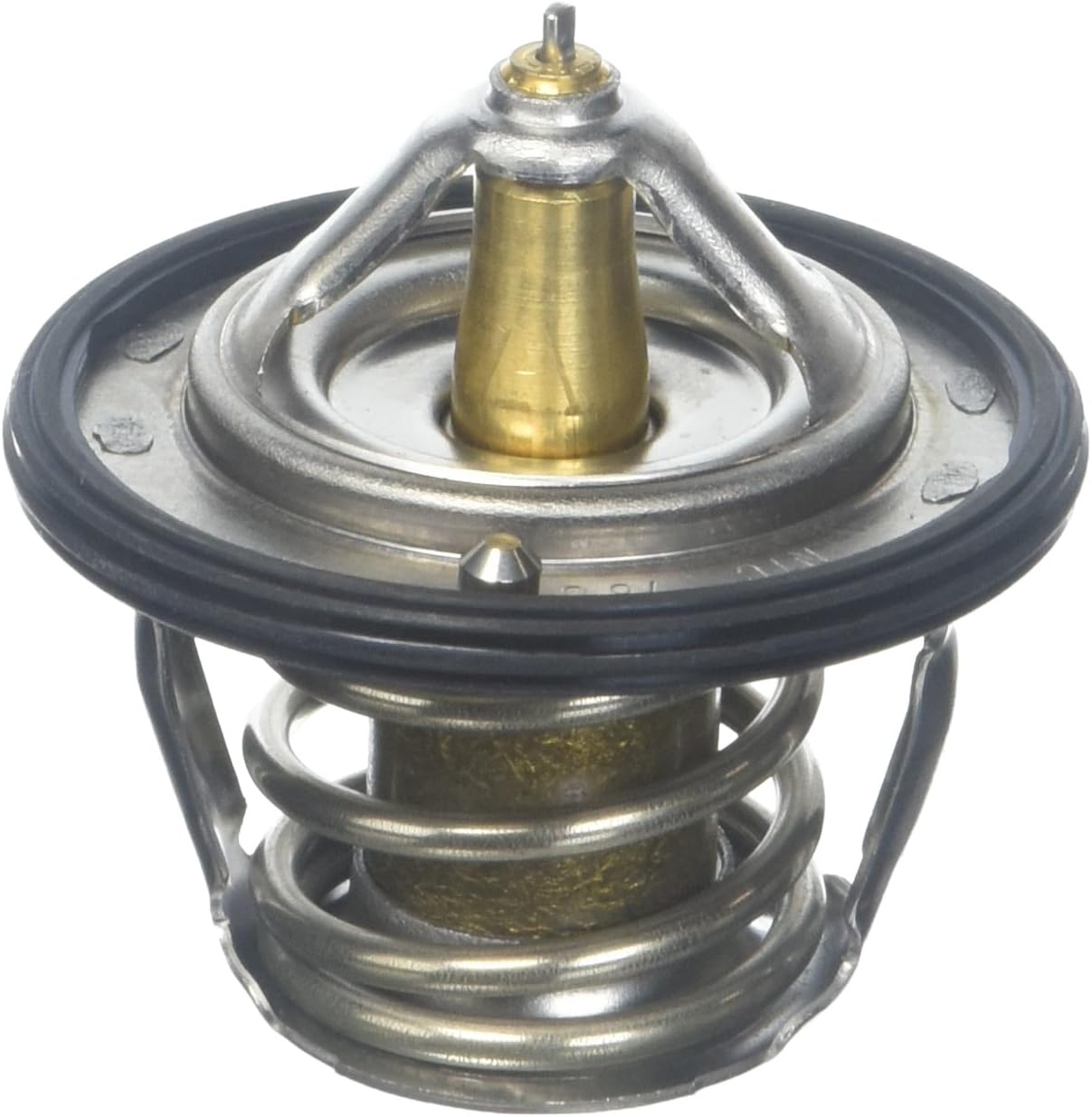
| Manufacturer | Subaru |
|---|---|
| Model | 21210AA030 |
| Manufacturer Part Number | 21210AA030 |
This genuine Subaru thermostat replaces the factory unit and includes the matching gasket for a direct-fit installation on 2000–2004 Legacy applications specified by Subaru. It controls coolant flow to maintain proper operating temperature, so it is used during routine engine cooling repairs or when diagnosing overheating or long warm-up issues. As an OEM part, the valve calibration and materials match factory specs, which helps preserve engine performance and the vehicle's original cooling behavior. The included gasket simplifies the swap and reduces leak risk when installed correctly. Limitations are typical for a stock replacement: it preserves factory thermostat temperature rather than altering opening point for more aggressive cooling, so it is not a performance thermostat for lowered operating temperatures. Installation requires basic mechanical access to the coolant housing and proper torqueing to avoid leaks.
Best for: Enthusiasts who want a reliable, factory-spec replacement to maintain the Legacy's original cooling characteristics and preserve engine behavior during performance tuning or repairs.
Less Ideal for: Drivers seeking a thermostat that reduces operating temperature for track use or heavy-duty cooling should look for an aftermarket low-temperature performance thermostat.
- Genuine Subaru part ensures factory-compatible fit and valve calibration
- Includes gasket to streamline installation and reduce chance of leaks
- Direct replacement simplifies repair without need for modifications
- Maintains factory opening temperature and is not intended to lower operating temperature for performance cooling
Verdict: Choose this genuine Subaru thermostat when you want a direct-fit, factory-spec replacement to keep a 2000–2004 Legacy running at its intended operating temperature.
3. Techie Engine Thermostat TQTS4125 (21200AA072) for Subaru 2.5L/3.6L

| Opening temperature | 76.67°C (170°F) |
|---|---|
| Reference part numbers | 21200AA072, 21236AA010, 21210AA080, 15147BP, 15147DLG |
| Model name | TQTS4125 |
This Techie replacement thermostat is built to regulate coolant flow by opening at about 170°F, restoring proper warm-up and preventing overcooling on compatible Subaru engines. It is used as a direct replacement when the factory thermostat fails or when upgrading to a fresh unit during cooling-system service. Notable features include a stated opening temperature of 76.67°C (170°F) and claimed quality control testing to ensure consistent operation. In practice the part should return predictable warm-up times and stable operating temperature, which helps cabin heat performance and fuel efficiency in cold conditions. Installation is straightforward for anyone comfortable with basic cooling-system work but does require draining coolant and a proper bleed to avoid pockets. Limitations: fitment must be confirmed against the listed reference numbers and specific model years before buying and professional installation is recommended if you are not experienced with cooling-system service.
Best for: A practical buyer who wants a cost-effective, factory-style thermostat to restore proper engine temperature control during routine maintenance on a 2000–2004 Subaru Legacy.
Less Ideal for: Drivers seeking a performance thermostat with a different opening temperature or tunable cooling characteristics should consider aftermarket performance-specific units.
- Factory-style opening temperature of 170°F for consistent engine warm-up
- Designed as a direct replacement for many Subaru 2.5L and 3.6L applications
- Simple swap-in installation for routine cooling-system repairs
- Undergoes quality control checks aimed at stable temperature regulation
- Fitment covers many Subaru models and years so you must verify exact part number compatibility before installing
Verdict: A practical, factory-style replacement thermostat that restores proper temperature control for 2000–2004 Subaru Legacy engines without unnecessary complexity.
4. FOXSTAR Engine Thermostat (fits Subaru 21200-AA170)

| Manufacturer | FOXSTAR |
|---|---|
| Model | Engine Thermostat |
| Item model number | 21200AA170 |
| Exterior | Machined |
This FOXSTAR engine thermostat is a direct-replacement style unit intended to restore proper coolant flow and temperature control in Subaru engines that use part number 21200-AA170 (and listed equivalents). It is made from stainless steel and copper components with a machined housing intended to resist corrosion and handle repeated heating cycles. Installation is straightforward for someone with basic mechanical skills since it replaces the factory thermostat in-line with the upper radiator hose and uses the same mounting interface. In use the valve should open at the factory temperature range to help the engine reach and hold normal operating temperature, which improves fuel economy and reduces wear from running too cold or overheating. The main limitations are that fitment must be verified against the OEM number before purchase and that aftermarket construction can vary from factory parts, so long-term durability may differ from a factory-quality unit.
Best for: A budget-minded Subaru owner who needs a straightforward replacement thermostat to restore correct engine warm-up and cooling performance for 2000–2004 Legacy applications.
Less Ideal for: Drivers seeking a lifetime or performance-grade thermostat for track use or those who prefer verified OEM-brand parts should consider other options.
- Direct-replacement for Subaru part number 21200-AA170 and listed equivalents
- Stainless steel and copper construction for corrosion resistance
- Machined housing for improved sealing and fitment
- Simple plug-and-play installation for routine thermostat replacement
- Aftermarket build may not match long-term durability of factory-quality thermostats
Verdict: A cost-conscious, direct-replacement thermostat that restores correct engine temperature control for Subaru Legacy engines using part 21200-AA170.
5. Subaru Engine Coolant Thermostat 21200AA072 (Genuine Subaru)

| Manufacturer Part Number | 21200AA072 |
|---|---|
| Model Name | WRX 2002-2014 / STI 2004-2020 |
| Special Feature | Temperature Display |
| Temperature Control Type | Thermostatic |
This genuine Subaru thermostat replaces the vehicle's temperature-regulating valve to keep engine coolant flow and warm-up behavior at factory-spec levels. It is used as a direct replacement part when a failed or sticking thermostat causes overheating, poor heater performance, or extended warm-up times. As an OEM Subaru unit it is manufactured to the brand's standards and matches fitment and function for listed Subaru models, which simplifies installation and reduces the chance of leaks or calibration mismatch compared with aftermarket alternatives. The thermostat offers the expected thermostatic control without added features, so installation typically involves replacing the housing and sealing surfaces and refilling coolant. Limitations are minimal but include lack of performance tuning options and no extended service features beyond standard factory operation, so enthusiasts seeking modified temperature targets or higher-flow designs should look elsewhere.
Best for: Buyers who prioritize long-term reliability and correct factory cooling behavior for a 2000–2004 Subaru Legacy and want a direct, worry-free replacement rather than an aftermarket performance part.
Less Ideal for: Drivers who want to change operating temperature for performance tuning or need a high-flow thermostat for heavily modified engines should consider purpose-built aftermarket units instead.
- Factory-quality replacement that fits original mounting and sealing points
- Restores proper coolant flow and factory warm-up characteristics
- Made to Subaru manufacturing standards to reduce fitment or calibration issues
- Does not offer altered temperature set points or high-flow performance upgrades
Verdict: Choose this genuine Subaru thermostat when you want a dependable, factory-spec replacement to restore proper cooling operation in a 2000–2004 Subaru Legacy.
6. AISIN THF-003 Engine Coolant Thermostat with Gasket

| Manufacturer Part Number | THF-003 |
|---|---|
| OEM Part Number | 21210-AA080 |
| Included Components | Thermostat and O-ring/gasket |
| Material | Stainless Steel |
This AISIN thermostat is a factory-quality replacement designed to restore correct engine cooling regulation on compatible Subaru vehicles. It replaces the vehicle thermostat and is typically installed when an old unit sticks, causes overheating, or during cooling system service. The unit is built to AISIN standards to match OE operating temperature and includes a gasket for a complete seal at installation. In practice it gives predictable, factory-like warm-up and consistent thermostat opening under normal driving, which helps maintain cabin heat and engine efficiency. The metal construction and OEM-specified calibration reduce the chance of premature failure compared with cheap aftermarket units, though installation still requires basic mechanical access to the housing and a coolant drain. Fitment depends on engine and year, so confirm compatibility for 2000–2004 Subaru Legacy before buying. This product focuses on matching factory performance rather than offering performance-enhancing temperature changes.
Best for: Buyers who want a reliable, factory-equivalent replacement thermostat for a 2000–2004 Subaru Legacy and who prioritize established brand quality and documented fitment.
Less Ideal for: Drivers seeking modified temperature behavior for performance tuning or those who prefer an adjustable or specialty thermostat should look elsewhere.
- Factory-matched operating temperature for reliable engine warm-up and cooling control
- Includes gasket for a proper seal at installation
- Manufactured to OEM-level quality standards for durable service life
- Direct replacement design intended to provide correct form, fit, and function
- Fitment varies by engine and year so purchaser must verify compatibility before installing
- Requires moderate mechanical skill and partial coolant draining to replace
Verdict: Choose this AISIN thermostat if you want a factory-matched, durable replacement that restores correct cooling operation on a 2000–2004 Subaru Legacy.
7. Anleecap THF-003 Engine Coolant Thermostat (82°C/180°F)

| Manufacturer | Anleecap |
|---|---|
| Model | CT021 |
| Manufacturer Part Number | THF-003 |
| Opening Temperature | 82°C / 180°F |
This Anleecap THF-003 thermostat is a direct, factory-spec replacement set to open at 82°C/180°F and includes the rubber seal for a one-piece swap. It is designed to fit Subaru cooling systems that use part numbers 21200-AA170 or 21210-AA080, so installation is a straightforward bolt-in for compatible Legacy engines from the 2000 to 2004 model years. In real-world use it restores correct coolant flow and helps the engine reach and maintain normal operating temperature, which is important for heater performance and emissions control. The unit is compact and finished smoothly to match the original part, and arriving as a complete kit reduces the chance of missing components during a DIY job or at the shop. The main limitation is fitment sensitivity: buyers should confirm the original part number before ordering to avoid a mismatch, since some Subaru subvariants and model years use different thermostats or housings.
Best for: A buyer who wants a risk-averse, like-for-like replacement to restore normal cooling system operation on a 2000–2004 Subaru Legacy without modifying engine behavior.
Less Ideal for: Owners planning performance tuning, altered thermostat temperatures, or those who need a universal or adjustable thermostat for multiple vehicle types.
- Factory-spec opening temperature of 82°C/180°F for correct engine thermal control
- Sold as a complete kit with seal to simplify installation
- Direct-fit design matching part numbers 21200-AA170 and 21210-AA080
- Smooth exterior finish and compact form factor for easy bolt-in replacement
- Requires verifying the original part number to ensure correct fitment
Verdict: Pick this thermostat if you want a straightforward, factory-spec replacement that restores correct engine temperature control on a 2000–2004 Subaru Legacy.
Choosing the Right 2000-2004 Subaru Legacy Thermostat: Key Factors to Consider
Correct Opening Temperature
Thermostat opening temperature determines when coolant begins circulating through the radiator. For the 2000-2004 Subaru Legacy, a thermostat that opens too early keeps the engine running cold, degrading fuel economy, reducing heater effectiveness, and increasing engine wear. A thermostat that opens too late raises the risk of overheating, higher cylinder temperatures, and stress on the head gasket.
Choose a thermostat with an opening temperature that matches Subaru specifications for the Legacy or a documented OEM-equivalent value. Tighter temperature tolerances matter because small deviations can change warm-up times and cabin heat delivery, especially in cold climates.
Valve Stability and Cycle Durability
Reliable valve operation through thousands of heating and cooling cycles prevents the thermostat from sticking open or closed. Sticking closed can cause rapid overheating while sticking open causes the engine to run cold. Materials used for the valve, the quality of the spring, and the precision of the seat all influence cycle life.
Evaluate construction details and reported durability for the Legacy application. Thermostats exposed to frequent short trips, towing, or hilly driving undergo more thermal cycles, so choose a unit with better cycle-tested components.
Fitment and Seal Integrity
Proper fitment to the Legacy's thermostat housing is critical to avoid leaks and ensure correct sensor placement. A misfitting thermostat or an incompatible gasket can lead to coolant loss or air ingestion, which reduces cooling efficiency and can trigger overheating symptoms.
Inspect flange dimensions, gasket type, and any included O-rings or seals. If the housing uses a specific seal or requires a separate gasket, confirm compatibility and the quality of sealing surfaces to prevent a thermostat housing seal leak.
Material Compatibility and Corrosion Resistance
Coolant chemistry and long service intervals mean the thermostat materials must resist corrosion and galvanic reactions. Brass, stainless components, or coated steels tend to offer longer life than untreated metals. Poor material choices can cause pitting, stuck valves, or degraded springs.
Choose thermostats designed for automotive coolant exposure and for climates you operate in. Corrosion resistance reduces the likelihood of premature failure and maintains reliable temperature control over time.
Impact on Heater Performance
The thermostat affects how quickly the cabin heater becomes effective. A thermostat that allows the engine to reach operating temperature quickly improves heater output during short trips, which is important for comfort and windshield defogging in the 2000-2004 Legacy.
Consider how thermostat opening characteristics affect warm-up. If cabin heat response is a priority, prioritize thermostats with predictable warm-up behavior and correct opening temperature to minimize cold rides.
Installation Ease and Serviceability
Some thermostats come with custom gaskets, integrated seals, or a simple flange design that makes replacement straightforward on the Legacy. Ease of installation matters if you plan DIY replacement or want to minimize shop labor. Clear instructions and included seals reduce the chance of leaks.
Also consider whether the thermostat requires coolant system bleeding or special steps during installation and whether related components like the thermostat housing gasket or sensor O-ring should be replaced at the same time.
Common Thermostat Symptoms On The 2000-2004 Legacy
Recognizing thermostat failure early can prevent more costly repairs. Typical symptoms include erratic temperature gauge behavior, prolonged warm-up times, or the heater producing little to no warm air. Overheating under load or during idle often signals a thermostat that is not opening properly.
Other signs include coolant leaks around the thermostat housing, coolant loss without visible external leaks, or the engine running unusually cold which points to a thermostat stuck open. Monitoring both gauge response and heater performance gives a practical picture of thermostat health.
- Temperature gauge climbs rapidly or fluctuates
- Poor heater output during short trips
- Visible coolant seepage at the thermostat housing
- Engine takes a long time to reach normal operating temperature
Diagnosis And How To Test A Thermostat
Simple checks can separate thermostat issues from other cooling system faults. Start by observing the temperature gauge and heater performance during a warm-up. If the engine never reaches normal temperature or the gauge oscillates, the thermostat could be the cause.
A basic bench test involves removing the thermostat and heating it in water to observe the opening temperature, though this requires safe handling and the correct target temperature for the Legacy. For the vehicle-level check, watch the upper radiator hose: if the hose remains cool while the engine warms, the thermostat may be stuck closed. Conversely, a constantly warm hose at idle can indicate the thermostat is stuck open.
- Observe radiator hose temperature during warm-up
- Check for heater core output and gauge behavior
- Conduct a controlled bench test to verify opening temperature
- Inspect housing and gasket for visible coolant seepage
Thermostat Installation Tips For The Legacy
When replacing the thermostat on a 2000-2004 Subaru Legacy, plan for a coolant drain and a careful reassembly to avoid air pockets. Use correct replacement seals and torque the housing bolts to the specified values to prevent leaks. Replacing the thermostat is also an opportunity to inspect hoses, the housing surface, and the coolant condition.
After installation, fully bleed the cooling system per Subaru procedures and verify heater performance and stable gauge reading on a short test drive. Recheck for leaks around the thermostat housing after the engine has reached operating temperature and cooled down once.
- Drain coolant level to a safe working height before removal
- Replace any old gaskets or O-rings with new parts
- Torque housing bolts evenly to prevent warping
- Bleed the system and check for leaks after warm-up
When To Replace The Thermostat And Related Parts
Replace the thermostat at the first signs of sticking or if the opening temperature is outside specification. Because the thermostat is accessible during coolant service, many technicians recommend replacing seals, gaskets, and the thermostat together if they show age or corrosion.
Also consider replacing the thermostat when performing related repairs such as water pump replacement or when coolant shows signs of contamination. Proactive replacement reduces the chance of immediate post-service failures and helps ensure the cooling system functions as a unit.
- Replace if temperature behavior is abnormal
- Change seals and gaskets during thermostat service
- Consider replacement during water pump or coolant system overhauls
Balancing Heater Comfort Versus Cooling Protection
Some owners prioritize rapid cockpit heat during cold weather while others focus on maximum cooling capacity for towing or spirited driving. For the 2000-2004 Legacy, selecting a thermostat with the correct opening temperature is the primary way to balance these needs. An OEM-equivalent opening temperature will typically give the best compromise.
If you consistently encounter high-load conditions, ensure the thermostat supports stable temperature control under sustained heat. Conversely, for drivers who do many short trips in cold climates, a thermostat with tight temperature tolerance helps reduce cold-running wear and improves heater response.
- Prioritize opening temperature for cabin comfort
- Ensure cycle durability for heavy-use scenarios
- Choose materials that resist corrosion for long-term reliability
Still looking for the perfect fit?
Select your Subaru Legacy configuration to see the most relevant Thermostats recommendations
How We Chose the Best 2000-2004 Subaru Legacy Thermostat
We focused on criteria that directly affect cooling performance and long-term reliability in the 2000-2004 Subaru Legacy. Key evaluation dimensions included: accurate opening temperature, because correct calibrated operation prevents both engine overheating and prolonged cold running; consistent valve operation across repeated cycles to avoid sticking open or closed; materials and corrosion resistance for the Legacy's coolant chemistry and typical driving environments; and fitment precision to match the vehicle's thermostat housing and flange to prevent leaks.We also considered build quality factors such as spring design, sealing surfaces, and whether the thermostat uses a brass, stainless, or stamped steel construction that resists deformation. Heat transfer behavior and how quickly the thermostat allows the engine to reach normal operating temperature were assessed as they affect cabin heat and emissions. Finally, we checked component interchangeability and documentation for thermostat part number fitment to reduce installation errors.Exclusions: we excluded thermostats without explicit fitment for the 2000-2004 Legacy and any units with known material defects or poor sealing records. We did not consider oil or transmission thermostats, focusing solely on engine coolant thermostats and related sealing components.
Our full evaluation process is outlined in our review methodology.
FAQ
What are the most common signs of a bad thermostat on my Legacy?
Common signs include the engine running cold with poor heater output, the temperature gauge fluctuating or rising rapidly, and visible coolant leaks at the thermostat housing. Any of these symptoms often indicates a thermostat that is not operating at the correct temperature.
Can I test the thermostat without removing it from the car?
You can check system behavior by monitoring thermostat and hose temperatures during warm-up and by noting heater performance. A definitive test usually requires removal and a bench test in heated water to observe the opening temperature, which provides a clear result.
Will a stuck-open thermostat cause overheating?
A stuck-open thermostat typically causes the engine to run cold rather than overheat. Overheating is more often caused by a thermostat that is stuck closed, preventing coolant from circulating through the radiator.
Should I replace the thermostat when doing other cooling system work?
Yes. Because the thermostat is easy to access during related repairs like water pump replacement or coolant flushing, replacing it together with gaskets and seals reduces the chance of rework and helps ensure the cooling system performs reliably.
How can I avoid a thermostat housing seal leak after replacement?
Ensure the mating surfaces are clean and flat, use the correct gasket or O-ring specified for the Legacy, and torque the housing bolts to the recommended values. Replace old seals rather than reusing them to reduce the risk of leaks.
Does changing the thermostat affect engine running temperature permanently?
Installing a correctly specified thermostat restores the intended operating temperature but does not change the engine's designed temperature range. However, a thermostat with an incorrect opening temperature will alter warm-up behavior and heater output.
Final Verdict
For the 2000-2004 Subaru Legacy, prioritize a thermostat that matches the specified opening temperature and offers durable valve operation. Proper fitment and high-quality seals are essential to prevent leaks and maintain cooling efficiency. Consider replacing seals and checking related cooling components at the same time to avoid repeat service.Ultimately, choose a unit that balances reliable temperature control with corrosion-resistant construction to preserve heater performance and protect the engine from overheating or prolonged cold running. That approach delivers the most practical, long-term value for Legacy owners.
Explore More:
- Check out all Subaru Legacy parts & accessories
- Explore Thermostats Maintenance & Repair Guides
- Explore Cooling System
- Browse all Auto Parts
