

Note: This article contains affiliate links. If you click on these links and make a purchase, I may earn a small commission at no extra cost to you. This helps support my research and content. Read my full affiliate disclosure here.
Replacing the thermostat in a 1999-2006 GMC Sierra 1500 is one of the most effective ways to fix overheating, long warmup times, or an engine that never reaches operating temperature. With the right thermostat you restore proper coolant flow, maintain stable engine temperatures, and reduce stress on the cooling system components. This guide focuses on the thermostats that fit the 1999 through 2006 Sierra 1500 and explains the practical differences that matter for everyday driving and towing.The shortlist below contains the top picks for common repair and maintenance needs. We evaluated each option for fitment reliability, opening temperature accuracy, sealing method, and flow characteristics so you can pick the best replacement for your truck and intended use. Read on for what to consider and straightforward guidance on installation and troubleshooting.
Looking for other parts? See all GMC Sierra 1500 parts & accessories.
Top Picks at a Glance
| Best Overall The best all-around choice for most situations | ACDelco GM Original Equipment 187°F Engine Coolant Thermostat Kit (131-160) |  |
| Best Quality Built to a higher standard if you want something more solid | ACDelco Gold 15-11125G Engine Coolant Thermostat |  |
| Best Budget The cheapest option that still gets the job done reliably | MotoRad 456-180 Thermostat with Seal |  |
| Highest Rated A top-rated pick with lots of positive feedback | GM Genuine Parts 131-151 Engine Coolant Thermostat with Seal |  |
| Most Popular A crowd favorite that many people choose with confidence | MotoRad 2065-195 High Flow Thermostat (195°F) |  |
| Best Seller A high-volume bestseller chosen again and again | MotoRad 2065-180 High Performance Engine Thermostat |  |
1. ACDelco GM Original Equipment 187°F Engine Coolant Thermostat Kit (131-160)

| Manufacturer Part Number | 131-160 |
|---|---|
| OEM Part Number | 89018168 |
| Included Components | Thermostat, gasket |
| Temperature Rating | 187 degrees F |
This ACDelco GM Original Equipment thermostat kit is a direct-fit replacement designed to restore proper coolant flow and engine warm-up behavior in compatible GM trucks. It ships with the thermostat and gasket you need to replace the failed unit and is manufactured to GM specification so it matches factory fit, sealing, and the rated 187 degrees Fahrenheit opening temperature. Typical use is a routine coolant-system repair to stop overheating, improve warm-up time, and maintain stable operating temperature. The machined appearance and OEM part numbering reduce uncertainty about compatibility and installation is straightforward for anyone familiar with the Sierra 1500 thermostat housing: remove the housing, swap the thermostat and gasket, reassemble and refill the cooling system while bleeding air. The kit’s strength is factory-quality fit and predictable temperature control; the main limitation is that it is a single-purpose replacement part with no performance or aftermarket tuning features beyond the stock temperature rating.
Best for: Buyers who want a straightforward, factory-equivalent replacement that restores normal cooling behavior on a 1999–2006 GMC Sierra 1500 and prefer a part engineered to the original specification.
Less Ideal for: Drivers seeking performance thermostats, adjustable temperatures, or modified cooling behavior for towing, racing, or heavy-duty applications should consider aftermarket performance options instead.
- Factory-quality design manufactured to GM specification for fit and function
- Includes gasket so you have the sealing component needed for installation
- 187 degrees F rating matches GM-recommended thermostat temperature for many V8 5.3L applications
- Direct replacement part numbered for easier fit confirmation
- Does not change thermostat opening temperature or offer adjustable/high-flow performance
Verdict: Choose this ACDelco GM Original Equipment kit when you need a reliable, factory-spec thermostat replacement to restore correct operating temperature on a 1999–2006 GMC Sierra 1500.
2. ACDelco Gold 15-11125G Engine Coolant Thermostat

| Brand | ACDelco |
|---|---|
| Model Name | Gold |
| Included Components | Engine Coolant Thermostat |
| Power Source | Not Powered |
This ACDelco Gold thermostat is a direct-fit replacement intended to restore correct coolant regulation in affected engines. It installs like a standard thermostat assembly and is used where a sticking or failed thermostat causes abnormal fan operation, low running temperature, or overheating. The unit is machined and comes with the gasket, so fit and sealing are straightforward during a routine coolant system service. Because it is manufactured to match factory specifications, it will return the cooling system to the intended temperature setpoint and stop symptoms such as fans running continuously or temperature codes. The thermostat is a fixed-temperature design, so it does not offer adjustable or performance-tuned opening characteristics; buyers seeking altered warm-up behavior or a different temperature curve would need a dedicated performance thermostat. Overall it is a reliable, OEM-style swap that simplifies repairs and reduces diagnostic follow-up for engines in the specified model years.
Best for: Drivers who want a dependable, factory-spec replacement to restore correct cooling system operation and eliminate temperature-related faults without modifying engine warm-up behavior.
Less Ideal for: Enthusiasts looking to change thermostat opening temperature or tune warm-up and cooling responses for racing or modified engines should consider a dedicated performance thermostat instead.
- Factory-quality fit and finish for straightforward replacement
- Comes with gasket for proper sealing during installation
- Machined exterior and construction that matches factory specifications
- Consistent temperature control restores proper cooling fan behavior
- Fixed opening temperature only, not adjustable for performance tuning
Verdict: A straightforward factory-quality replacement that reliably restores correct engine coolant temperature control for drivers prioritizing stock performance and fit.
3. MotoRad 456-180 Thermostat with Seal

| Brand | MotoRad |
|---|---|
| Model | MotoRad Thermostat |
| Exterior | Machined |
| Manufacturer | Motorad |
The MotoRad 456-180 is a vehicle-specific replacement thermostat that controls coolant flow to help the engine reach and maintain proper operating temperature. It installs as a one-step fit for compatible GM trucks and SUVs and is typically used when a failed or sticking thermostat causes overheating or poor warm-up. Construction uses a copper element and stainless components with a machined finish and the unit is tested and calibrated at the factory, which supports consistent, repeatable opening temperature and reliable operation. For everyday driving it restores normal temperature regulation, can improve heater response during warm-up, and helps avoid overheating-related damage. Compared with heavier OEM cast pieces it feels lighter, so installers seeking heavy-duty aftermarket hardware should note the lighter construction. Overall it is a straightforward, budget-friendly replacement for owners who want a dependable factory-spec functioning thermostat without unnecessary extras.
Best for: Budget-minded owners looking for a reliable, direct-fit thermostat to restore normal engine temperature control on their 1999–2006 GMC Sierra 1500.
Less Ideal for: Drivers planning heavy-duty towing, extreme off-road use, or upgraded cooling systems who want reinforced or performance-focused thermostats.
- Factory-quality materials and testing for consistent opening temperature
- Copper wax element for quick temperature response
- Vehicle-specific fit simplifies installation
- Stainless steel/copper construction resists corrosion
- Lighter construction than some factory or heavy-duty replacements
Verdict: A no-frills, factory-spec replacement that restores proper coolant control for Sierra 1500 owners on a tight budget.
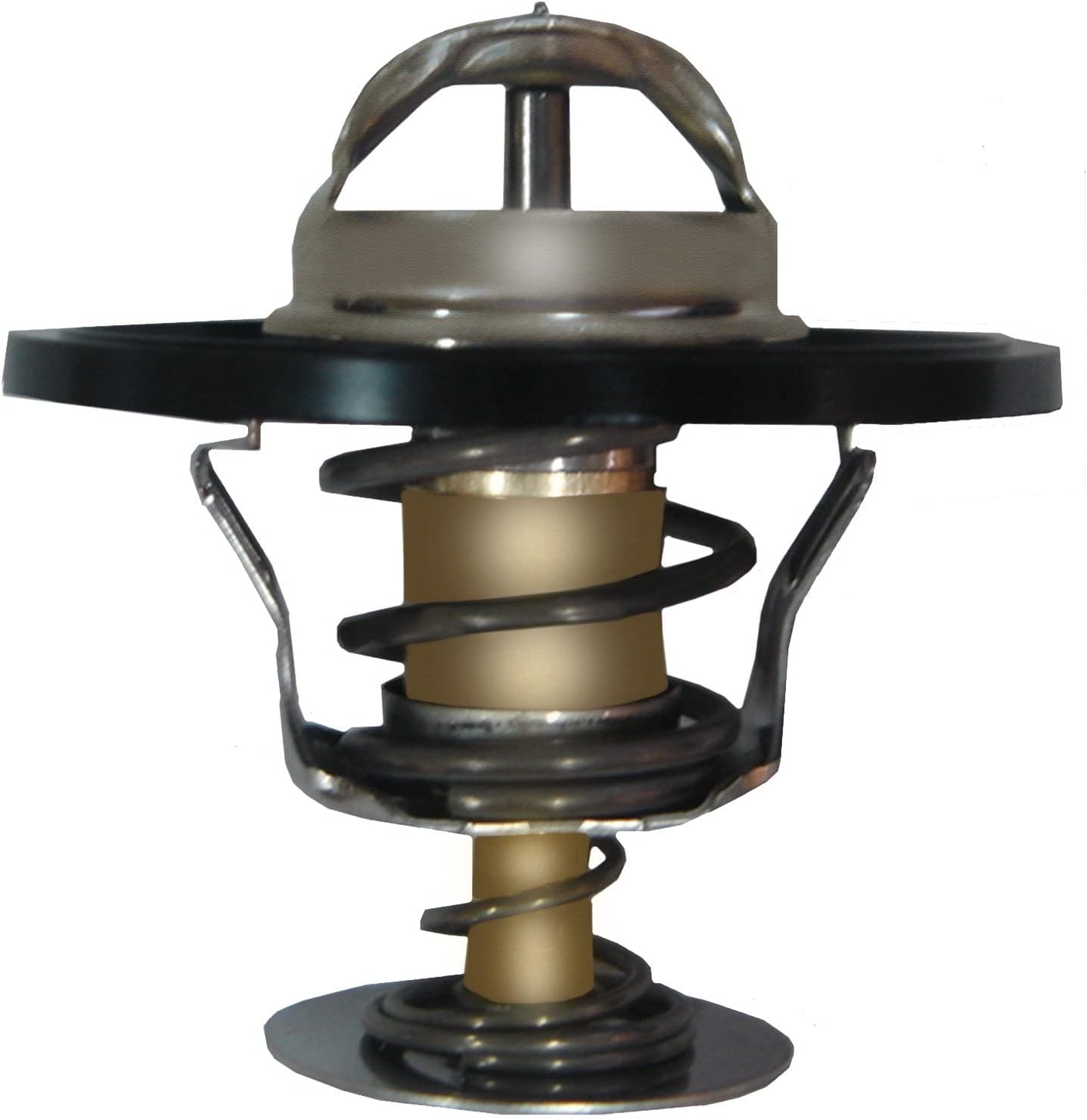
4. GM Genuine Parts 131-151 Engine Coolant Thermostat with Seal
| Brand | GM GENUINE PARTS |
|---|---|
| Manufacturer Part Number | 131-151 |
| OEM Part Number | 12632948 |
| Material | Metal Alloy Steel |
This GM Genuine Parts coolant thermostat replaces the factory unit and regulates coolant flow between the engine and radiator to help the engine reach and hold its correct operating temperature. It is designed to match factory fit, form, and function for GM vehicles, so installation is straightforward for a DIYer or technician and often takes under an hour. Notable features include GM original-equipment construction and a supplied seal; buyers report consistent temperature control and reliable performance across many older GM V8 and V6 applications. The practical benefits are predictable thermal management, reduced risk of overheating or overcooling, and the reassurance of a genuine GM part manufactured to the same standards as the original. Limitations are minimal but include occasional reports of the supplied gasket being a loose fit for some housings, which some installers replace with a better-fitting aftermarket seal. This thermostat is best when you want a direct, factory-style replacement rather than an aftermarket alternative with different temperature ratings.
Best for: Buyers who prioritize long-term reliability and want a direct, factory-spec replacement for a GM cooling system to maintain correct engine temperature.
Less Ideal for: Drivers seeking nonstandard temperature ratings or performance-focused thermostats should consider aftermarket options designed for different operating temperatures.
- Factory-quality design made to GM specifications for reliable fit and function
- Controls coolant flow to restore and maintain normal engine operating temperature
- Direct replacement that usually installs quickly with basic tools
- Includes a seal so you get everything needed for a standard thermostat swap
- Some users report the supplied gasket can be a loose fit and may be replaced for a better seal
Verdict: Choose this GM genuine thermostat when you want a dependable, factory-spec replacement to restore correct temperature control in your GM truck.
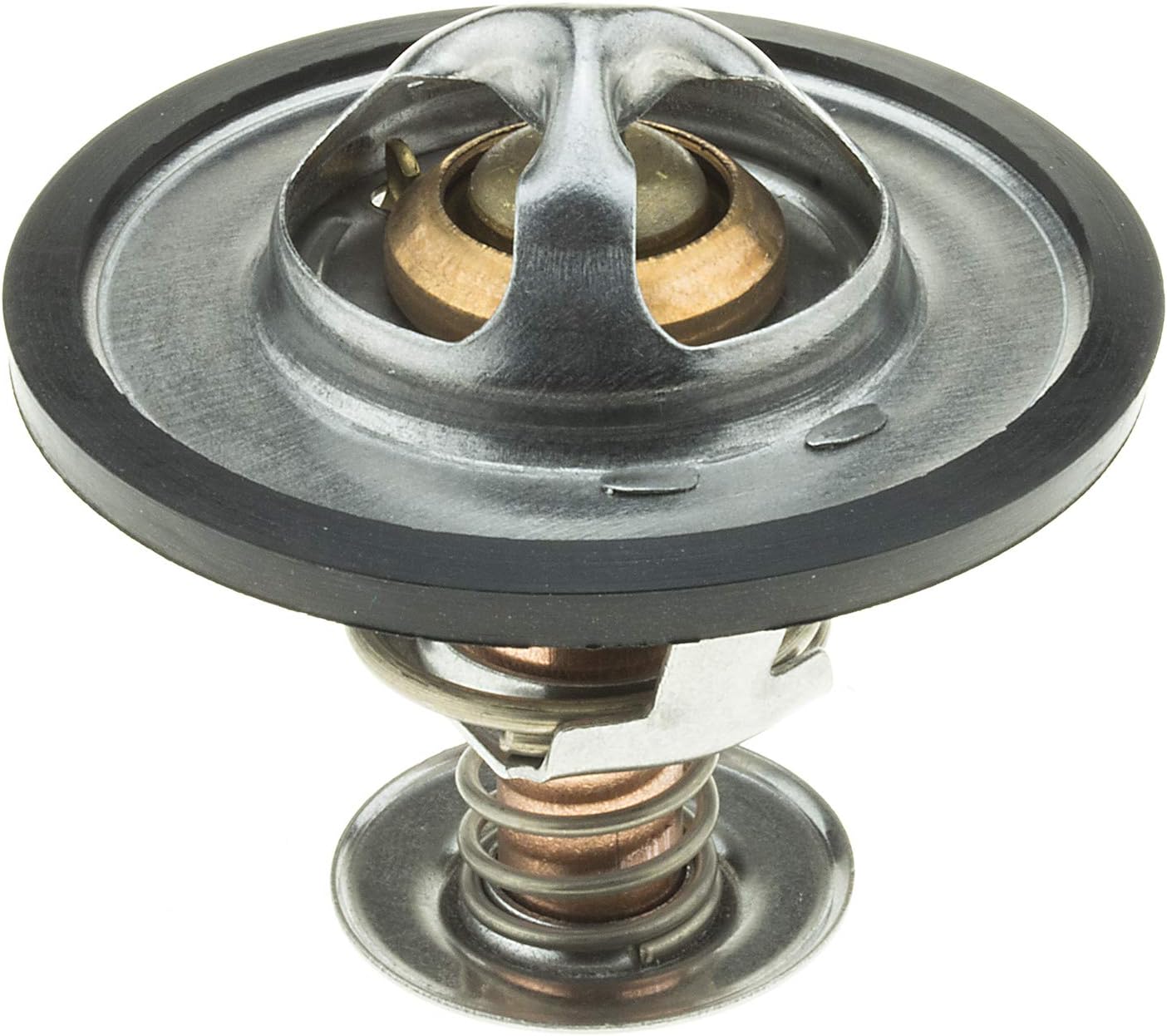
5. MotoRad 2065-195 High Flow Thermostat (195°F)
| Brand | MotoRad |
|---|---|
| Model | 2065-195 |
| Temperature Rating | 195°F |
| Position | Center |
The MotoRad 2065-195 is a simple, factory-replacement style thermostat engineered to open around 195 degrees Fahrenheit and restore normal coolant flow and cabin heat on compatible GM trucks and vans. Installation is straightforward because it uses the same intake-manifold mounting arrangement as original parts and includes a gasket. Its high-flow design helps the engine reach and hold operating temperature under load while avoiding unnecessary overheating once warm. Buyers report accurate opening temperature and consistent fitment on a range of Sierra and Silverado models, though a few users found occasional stickiness or a weaker lower spring compared with older units. This thermostat is best used as a like-for-like service part when the stock unit fails or during routine cooling-system maintenance. It does not add performance beyond restoring proper temperature control, and there are occasional reports of slight dimensional or spring differences versus some factory parts, so verify fitment and monitor engine temperature after installation.
Best for: Buyers who want a straightforward, low-risk replacement thermostat that restores proper engine temperature control on late 1990s to mid 2000s GM trucks and value parts with proven, time-tested design and positive user feedback.
Less Ideal for: Drivers looking for performance temperature control solutions or specialty thermostats with altered opening points should consider performance-specific options instead.
- High-flow design helps the engine reach and hold correct operating temperature under load
- Machined exterior and materials (brass/copper components) match expected construction for reliability
- Fits common GM truck and van intake-manifold thermostat housings for simple, direct replacement
- Includes gasket for immediate installation
- Some users report the lower spring is weaker or the valve can stick, causing temperature cycling
Verdict: A dependable, like-for-like high-flow replacement that restores proper coolant control on compatible GM trucks without fuss.
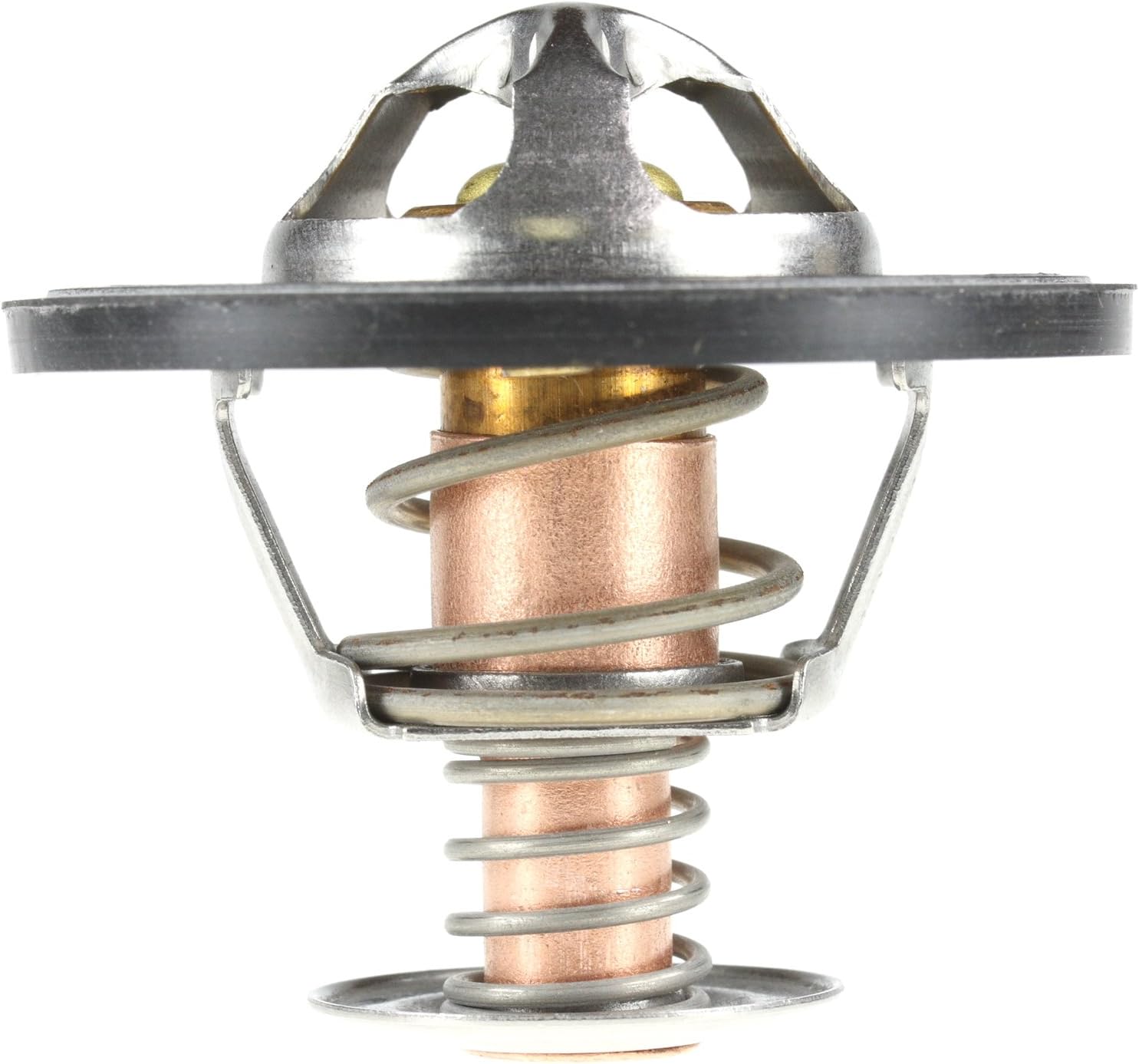
6. MotoRad 2065-180 High Performance Engine Thermostat
| Model | 2065-180 |
|---|---|
| Material | Copper |
| Flow | Larger than factory opening |
| Design | Triple bridge |
| Meets | Meets or exceeds OEM standards |
The MotoRad 2065-180 is a high-performance replacement thermostat built for vehicle-specific fitment, including many late-1990s and early-2000s GM trucks. It uses a larger opening and a triple-bridge design to boost coolant flow and improve stability compared with standard thermostats, while a copper case and wax actuator aim to give quick temperature response. Install is typical for a thermostat swap and most buyers report straightforward fit and reliable operation when replacing the original unit during routine cooling-system service. Practical benefits include better coolant circulation that can reduce hot spots and help the engine reach stable running temperature more consistently. There are some fitment caveats reported for a few applications where the supplied rubber seal orientation differs from the factory part, so confirm the gasket arrangement during installation and have the correct seal on hand if needed. For a risk-averse buyer looking for a durable, factory-quality replacement that leans toward improved flow, this thermostat is a solid, proven option.
Best for: Buyers who prioritize a dependable, factory-quality replacement with improved coolant flow for routine maintenance on 1999–2006 Sierra 1500 trucks and prefer a part with a proven track record.
Less Ideal for: Owners who want a direct-fit plug-and-play part without inspecting or possibly replacing the thermostat gasket during installation should consider verifying seal compatibility first or choose a thermostat sold with a confirmed vehicle-specific gasket.
- Larger-than-factory opening increases coolant flow for reduced engine hot spots
- Triple-bridge construction adds strength and stability under thermal cycling
- Copper case and wax actuator provide fast response to temperature changes
- Manufactured to meet or exceed factory standards for reliable replacement
- Some users report the supplied rubber seal does not match factory orientation and may require sourcing a different gasket
Verdict: A sturdy, higher-flow replacement thermostat that gives risk-averse Sierra 1999–2006 owners a reliable factory-quality swap with improved coolant circulation.
Choosing the Right 1999-2006 GMC Sierra 1500 Thermostat: Key Factors to Consider
Opening Temperature and Tolerance
The thermostat's rated opening temperature determines when coolant begins circulating through the radiator and is central to engine warmup and idle stability. For the 1999-2006 Sierra 1500, using a thermostat with the correct opening temperature helps the engine reach and hold the designed operating range quickly without running too cool. A thermostat that opens too late raises overheating risk under load, while one that opens too early can result in poor heater performance and higher fuel consumption.
Tolerance is equally important because actual opening points vary slightly from nominal. Look for specifications that list a tight tolerance so you avoid units that may open significantly above or below the expected temperature. Consistent, predictable operation reduces head gasket stress and helps maintain emissions and fuel efficiency.
Flow Characteristics and Valve Design
How the thermostat allows coolant to pass through once it opens affects temperature control under varying engine loads. Some thermostats provide progressive valve openings that match engine heat output while others snap fully open at a set temperature. For owners who tow or operate in hot climates, a design with greater flow capacity at operating temperature helps avoid localized hotspots and reduces coolant temperature spikes.
Consider valve geometry and whether the unit has a bypass or staged openings that influence warmup speed and mid-range flow. A thermostat that balances quick warmup with adequate high-temperature flow will keep the Sierra running smoothly across typical driving and towing scenarios.
Seal Type and Housing Interface
The thermostat must seal reliably against the housing to prevent coolant leaks that can lead to overheating or loss of coolant. Different thermostats use O-rings, flat gaskets, or molded seals to interface with the Sierra 1500 housing. Material compatibility with coolant and long-term compression resistance matter because a failing seal causes recurring maintenance.
When replacing the thermostat, inspect the housing surface and sealing face for corrosion or warpage. Choosing a thermostat with a robust seal design reduces the chance of a thermostat housing seal leak and simplifies installation, especially if you prefer minimal additional sealing compounds or modifications.
Material Durability and Corrosion Resistance
Thermostat components are exposed to coolant chemistry, heat cycles, and mechanical stress. Materials such as stainless steel or coated brass for moving parts and corrosion-resistant springs extend service life. Plastics used in some housings and thermostats should resist swelling and degradation in modern coolant formulas.
Durable materials reduce the likelihood of a stuck thermostat, which can present as an engine running cold or failing to regulate temperature. Selecting a thermostat rated for long-term exposure to the coolant type used in the 1999-2006 Sierra 1500 helps avoid premature failure and repeat replacement.
Fitment Accuracy and Part Number Match
Correct fitment matters more than generic compatibility claims because an improper thermostat can cause poor sealing, incorrect sensor positioning, or binding inside the housing. Verify part number fitment information against the 1999-2006 Sierra 1500 to ensure the unit matches the housing depth and mounting method used on that model range.
Even minor differences in flange thickness or alignment tabs can make installation difficult and increase leak risk. Choosing a thermostat that explicitly lists compatibility with the 1999 through 2006 Sierra 1500 minimizes fitment surprises and reduces installation time.
Ease of Installation and Serviceability
Thermostat replacement on the Sierra 1500 often requires coolant drainage and access to the upper housing. A design that includes clear mounting orientation, a robust seal that does not require extra adhesives, and compatibility with stock fasteners speeds up the job. Units that allow for a clean reuse of the housing or require no additional machining make routine service more straightforward.
Consider also whether the thermostat can be bench-tested and whether replacement sealing components are readily available. Ease of installation lowers labor time and the chance of installation-related leaks or failures.
Common Thermostat Symptoms on the 1999–2006 Sierra 1500
Thermostat issues on these trucks usually present as temperature anomalies rather than sudden failures. Typical symptoms include the engine overheating under load, poor heater output, or the temperature gauge indicating the engine never reaches normal operating temperature. Intermittent temperature spikes during highway driving or while towing are also common signs of a thermostat that is not operating as intended.
Other observable signs include coolant dripping around the thermostat housing area, which often points to a seal failure, and inconsistent cabin heat. Understanding these symptoms helps you decide whether to inspect the thermostat, the housing seal, or related cooling system components such as the radiator cap, hoses, and water pump.
- Engine temperature rises quickly under load or when idling
- Engine running cold or long warmup times
- Coolant leak at thermostat housing
- Intermittent temperature gauge spikes
How to Test a Thermostat on Your Sierra 1500
Start with a cold engine and observe warmup time and temperature rise. If the engine warms very slowly or the gauge never reaches normal range, the thermostat may be stuck open. Conversely, if the temperature climbs rapidly or you see overheating during moderate load, the thermostat may be sticking closed or opening late.
A bench test can confirm operation: remove the thermostat and heat it in water while monitoring the temperature at which the valve begins to open. Compare that opening temperature to the specified rating. Inspect the valve for corrosion, binding, or debris that could impede movement. Always allow the engine and cooling system to cool fully before attempting removal and testing to avoid burns.
- Observe warmup behavior from cold start
- Check for leaks at housing and gasket surface
- Bench-test opening temperature in hot water
- Inspect valve and spring for corrosion or debris
Replacing the Thermostat: Practical Tips
When replacing the thermostat on a 1999-2006 Sierra 1500, drain enough coolant to lower the level below the housing and remove the upper thermostat housing carefully. Clean the sealing surface thoroughly and remove any old gasket material. Verify the new thermostat's orientation and any alignment tabs before seating to ensure correct operation and avoid flow restriction.
Use a new gasket or seal as specified, torque fasteners to factory values, and refill the cooling system using the correct coolant type and mixture. After installation, bleed air from the system and monitor for leaks and stable temperature during a test drive. Recheck coolant level after a short service drive and top up if necessary.
- Drain coolant to safe working level
- Clean housing sealing face thoroughly
- Use correct orientation and new seal
- Bleed air and verify no leaks after installation
Thermostat Housing Seal Leak: Diagnosis and Fixes
A leaking thermostat housing often shows as coolant pooling around the housing flange or seeping along the engine block at the housing joint. First inspect for loose or corroded fasteners and check the housing surface for corrosion or pitting. If the housing face is damaged, the long-term fix may require replacement of the housing or careful resurfacing.
If the sealing face is sound, replace the gasket or O-ring and ensure mating surfaces are clean and flat. Avoid over-torquing fasteners which can warp the housing or crush seals. After repair, pressure-test the cooling system to confirm the leak is resolved and that the thermostat operates correctly under load.
- Inspect fasteners and housing face for corrosion
- Replace gasket or O-ring when present
- Avoid over-torquing to prevent distortion
- Pressure-test the system after repair
When to Replace Other Cooling Components
Thermostat failure is sometimes a symptom of broader cooling system wear. If the Sierra 1500 has an older water pump, collapsed hoses, or a weak radiator cap, replacing only the thermostat may not fully resolve temperature issues. Inspect coolant condition for contamination and check hoses and clamps for age-related deterioration.
If the vehicle has a history of overheating, a coolant flush, cap check, and pressure test are prudent steps. Addressing worn hoses, a failing water pump, or a clogged radiator in combination with the thermostat replacement yields the most reliable long-term result and helps prevent repeat service.
- Inspect water pump for leaks or wobble
- Check hose integrity and clamp condition
- Test radiator cap pressure and function
- Consider coolant flush if contaminated
Choosing the Right Opening Temperature for Your Use
Factory-specified opening temperature is designed to balance emissions, heater performance, and engine longevity. For typical street use and occasional towing in a 1999-2006 Sierra 1500, sticking with the factory temperature rating is usually best. However, if you operate in sustained high-heat environments or tow frequently, selecting a thermostat with a slightly higher opening point or one with proven flow characteristics can provide additional margin against overheating.
Remember that deviating from the factory spec changes warmup behavior and may affect heater performance. Weigh the tradeoffs between quicker warmup and higher operating temperature based on your driving patterns and local climate.
- Use factory spec for everyday driving
- Consider higher-rated units for heavy towing or hot climates
- Account for tradeoffs in warmup and heater effectiveness
- Combine with improved cooling system maintenance for best results
Still looking for the perfect fit?
Select your GMC Sierra 1500 configuration to see the most relevant Thermostats recommendations
How We Chose the Best 1999-2006 GMC Sierra 1500 Thermostat
We selected thermostats that meet common repair needs for the 1999-2006 GMC Sierra 1500 by focusing on concrete, vehicle-specific performance and durability criteria. Primary evaluation points included opening temperature accuracy and tolerance, because correct calibration restores factory operating range and prevents overheating or extended warmup. Flow capacity at and above the opening temperature was assessed to ensure adequate coolant circulation under load and while towing. Seal design and housing interface were examined to reduce the chance of a thermostat housing seal leak and to minimize installation adjustment.We also prioritized materials and corrosion resistance suitable for typical coolant chemistries used in this generation Sierra 1500, and valve/stage design that resists sticking—an important factor if the engine has seen extended low-temperature operation. Fitment and part-number fit were verified against the 1999-2006 Sierra 1500 applications to reduce misfit risk. Exclusions: we did not include thermostats listed only for other GMC models or later platform revisions, nor items with unclear opening temperature specs or poor documented fitment. The result is a concise set of options that balance reliability, serviceability, and predictable thermal control for this truck.
Our full evaluation process is outlined in our review methodology.
FAQ
What are the most common signs of a bad thermostat on a Sierra 1500?
Common signs include extended warmup times, the engine never reaching normal operating temperature, overheating under load, and coolant leaking at the thermostat housing. Intermittent temperature spikes on the gauge are another frequent symptom.
How do I test a thermostat without specialized tools?
You can observe warmup behavior from a cold start and look for unusually slow temperature rise or overheating. For a hands-on test, remove the thermostat and heat it in a pot of water while monitoring the temperature when the valve begins to open. Always exercise caution and let components cool fully before handling.
Can a thermostat housing seal leak cause overheating?
Yes. A leaking housing seal can let coolant escape under pressure, lowering coolant volume and reducing the system's ability to remove heat. Addressing the leak and restoring proper coolant level is important to prevent overheating.
Should I change the thermostat when replacing other cooling parts?
Often yes. Replacing the thermostat while servicing the water pump, hoses, or radiator helps ensure coordinated performance and reduces the chance of future failures. It is cost-effective in terms of labor and helps prevent repetitive repairs.
Is it okay to use a thermostat with a different opening temperature from factory spec?
It depends. Using a different opening temperature changes warmup behavior and operating temperature. A slightly higher opening temperature can help in heavy towing or hot climates, while a lower opening temperature improves heater performance but can increase fuel consumption. Match the choice to your driving conditions.
How can I avoid repeated thermostat-related issues after installation?
Ensure correct fitment and part-number match, clean the housing sealing face, use the proper gasket or O-ring, and refill and bleed the cooling system correctly. Also inspect related components like hoses and the water pump to avoid indirect causes of thermostat problems.
Final Verdict
When replacing the thermostat on a 1999-2006 GMC Sierra 1500 prioritize correct opening temperature, reliable sealing, and proven flow characteristics. Confirm part-number fitment and inspect the housing and related cooling components while you have the system open to avoid repeat service. Balance warmup needs against operating temperature requirements based on how you use the truck.Focusing on material durability, accurate calibration, and a clean installation will deliver the most reliable outcome. Choose the option that matches the Sierra's factory thermal specification unless your driving demands call for a different opening point, and be sure to address any leaking seals or worn cooling parts at the same time.
Explore More:
- Check out all GMC Sierra 1500 parts & accessories
- Explore Thermostats Maintenance & Repair Guides
- Explore Cooling System
- Browse all Auto Parts
