

Note: This article contains affiliate links. If you click on these links and make a purchase, I may earn a small commission at no extra cost to you. This helps support my research and content. Read my full affiliate disclosure here.
If your Toyota Highlander struggles to crank or shows intermittent starting problems, swapping the starter motor can often restore reliable operation. Choosing the right starter matters because fit, torque output, and durability directly affect how consistently the engine turns over and how long the repair lasts. This guide covers seven shortlisted starter motors selected for their fitment suitability and performance-relevant specs. Below we explain the criteria used to evaluate these options and what to look for when deciding on a replacement, then move into the detailed picks.
Looking for other parts? See all Toyota Highlander parts & accessories.
Top Picks at a Glance
| Best Reviewed A top-rated pick with lots of positive feedback | AATEE 17825 12V Starter Motor, 1.6 kW, 13-Tooth |  |
| Most Popular A crowd favorite that many people choose with confidence | E EZEXPREZE Starter Motor for Toyota Highlander (2004–2016) 1.6 kW, CCW, 13-Teeth |  |
| Best Quality Built to a higher standard if you want something more solid | A-Premium 12V 1.4KW Starter Motor for Toyota Highlander (2001-2003) — 13 Teeth CCW |  |
| Best Budget The cheapest option that still gets the job done reliably | GDUKOP Starter Motor Compatible with Toyota Highlander and Select Toyota/Lexus Models |  |
| Most Sold A high-volume bestseller chosen again and again | A-Premium Starter Motor for Toyota & Lexus — 12V, 1.6 kW, 13-Tooth |  |
| Best Value for Money The sweet spot between price and what you get | DynaVim Starter Motor for Toyota Highlander and Select Toyota/Lexus Models |  |
| Best Overall The best all-around choice for most situations | Boatrip Starter Motor Replacement for Toyota Highlander |  |
1. AATEE 17825 12V Starter Motor, 1.6 kW, 13-Tooth

| Voltage | 12 Volts |
|---|---|
| Wattage | 1.6 KW |
| Number of Teeth | 13 |
| Rotation | CCW (Counter Clockwise) |
This AATEE starter is a replacement 12V unit rated at 1.6 kW with a 13-tooth pinion and counterclockwise rotation, offered to replace failed starters on compatible Toyota models including Highlander years and engines listed by the manufacturer. Installation is the same as a factory replacement: unbolt the old starter, swap electrical connections, and mount the new unit. Notable practical features include a design that aims to reduce start-up noise and vibration, which helps eliminate sluggish or difficult starts and can lower stress on the battery. The listing highlights compatibility with multiple Toyota part numbers so it can serve as a like-for-like replacement when the fit matches. Limitations to consider are mixed user reports on longevity and occasional fitment wiring or clip size differences that may require small on-vehicle adjustments. For a reliability-focused buyer replacing a Highlander starter, this unit offers a budget-friendly path to restore starting function but may not match factory longevity in every installation.
Best for: Reliability-focused buyers who prioritize getting their Highlander back to dependable starting with a direct-replacement mindset and who prefer a cost-conscious alternative to dealer parts.
Less Ideal for: Owners seeking a guaranteed factory-quality lifetime solution or those unwilling to make small wiring or fitment adjustments should consider higher-end remanufactured or dealer options.
- Direct replacement form designed for compatible Toyota applications listed by the manufacturer
- 1.6 kW output suitable for typical passenger Toyota engines
- Manufacturer lists multiple OEM part numbers to simplify cross-referencing
- Designed to reduce start-up noise and vibration for smoother engine starts
- Includes a two-year unlimited-mileage guarantee from the brand
- Some buyers report early failures indicating variable long-term reliability
- Wiring terminals and clips may differ and require minor adjustments at installation
- Not every user found the fit identical to factory units, so verification before installation is needed
Verdict AATEE's 1.6 kW starter is a practical, budget-friendly replacement for compatible Toyota Highlander engines that restores starting function but may show variable long-term durability.
2. E EZEXPREZE Starter Motor for Toyota Highlander (2004–2016) 1.6 kW, CCW, 13-Teeth

| Power | 1.6 kW |
|---|---|
| Voltage | 12V |
| Rotation | CCW (counterclockwise) |
| Teeth | 13 |
| Starter Type | PMGR |
This E EZEXPREZE starter motor is a replacement unit built to match the factory fit and function for Toyota Highlander models in the 2004–2016 range. It provides 1.6 kW of starting power, uses a counterclockwise rotation, and has a 13-tooth pinion so it mounts and meshes the same as the original for a straightforward swap. Typical use is a failed or weak starter replacement during routine repairs; installers report the housing and mounting points align with factory bellhousing locations and electrical connections are standard. The practical benefit is a near–OEM replacement without needing a reman core return, and the included test sheet in some shipments verifies bench operation. Limitations to consider are the variability in long-term durability for some units and vulnerability to oil intrusion in applications where a leaking seal might let engine oil reach the starter, which can shorten service life. Expect a convenient, budget-friendly replacement that installs like a factory part but monitor for oil leaks after installation.
Best for: Convenience-driven buyers who want a ready-to-install, factory-style replacement that gets the Highlander back on the road quickly with minimal fuss.
Less Ideal for: Owners dealing with known engine oil leaks or those who prioritize longest-possible service life should consider a sealed heavy-duty or OEM-sourced unit instead.
- Made for direct fitment to Toyota Highlander 2004–2016 for straightforward installation
- 1.6 kW power and 13-tooth CCW pinion match factory starting requirements
- PMGR design gives reliable cranking in cold starts and normal driving conditions
- Some units ship with a test sheet confirming bench operation
- Reports from some users show premature failure when oil reaches the starter from nearby leaks
Verdict A convenient, direct-fit replacement for 2004–2016 Toyota Highlander owners seeking a budget-friendly starter that installs like the factory part but watch for oil contamination risk.
3. A-Premium 12V 1.4KW Starter Motor for Toyota Highlander (2001-2003) — 13 Teeth CCW

| Volts | 12V |
|---|---|
| Power Rating | 1.4KW |
| Number of Teeth | 13 |
| Rotation | CCW (Counterclockwise) |
This A-Premium starter is a direct replacement designed for Toyota Highlander 2001–2003 applications with the matching 13-tooth, counterclockwise pinion. It supplies 1.4 kW of cranking power and is intended to replace the factory unit without modification, so installation is straightforward for a competent DIYer or a shop. Customers report fast, reliable cranking and secure fitment, and the unit includes a one-year unlimited-mileage guarantee from the brand. Practical benefits include quicker engine spins compared with aging starters and a lower-cost alternative to dealer parts while keeping factory fit and function. Limitations to consider are that it is a remanufactured or aftermarket replacement rather than a factory-made part so long-term durability can vary between units, and some users note it can be slightly louder than original starters. Confirm tooth count and rotation before ordering to ensure it matches your Highlander's engine and bell housing orientation.
Best for: Performance-oriented Toyota owners who prioritize strong, reliable cranking and want a direct-replacement starter that restores quick starts without dealer pricing.
Less Ideal for: Buyers seeking an OEM-branded, factory-new unit or those who prioritize the absolute quietest factory-refined operation may prefer dealer or OEM options.
- Direct-fit replacement for Toyota applications with matched 13-tooth CCW pinion for hassle-free installation
- 1.4 kW power rating provides strong cranking for quicker starts on older engines
- Widely reported good fit and immediate starting performance by users
- Includes a one-year unlimited-mileage guarantee from the manufacturer
- Aftermarket/remanufactured unit so longevity may vary compared with factory-new units
- Some users report it can be louder than the original starter
Verdict A practical, performance-focused direct-replacement starter for 2001–2003 Toyota Highlander owners who want stronger cranking and easy fitment at a lower cost than dealer parts.
4. GDUKOP Starter Motor Compatible with Toyota Highlander and Select Toyota/Lexus Models

| Manufacturer | GDUKOP |
|---|---|
| Item model number | 17825 |
| Replacement part numbers | 28100-20021, 28100-20022 and others |
| Fitment note | Compatible with Toyota Highlander and select Toyota/Lexus models |
This GDUKOP starter motor replaces factory-style units on Toyota Highlander and other compatible Toyota/Lexus models to restore starting performance. It uses a solenoid-driven starter drive and a machined housing intended to match vehicle mounting points for straightforward installation by a DIYer or mechanic. The listing highlights durable wiring, brushes, insulation, bearings, and protective coatings so the unit should tolerate hot and cold climates and deliver consistent engagement of the flywheel for quick starts. Buyers can expect a no-frills replacement that focuses on function rather than brand prestige. Limitations include a reported solenoid that some users felt was less robust than OEM and the product does not list extended testing certifications or a manufacturer-backed warranty on the page, which matters if longevity is a priority. For someone replacing a failed starter on a budget the unit covers the basics and fits several Toyota/Lexus applications, but those seeking factory-quality longevity may prefer a higher-end or remanufactured option.
Best for: Budget-conscious owners looking for an affordable, functional replacement starter to get a Toyota Highlander back on the road without paying for premium remanufactured units.
Less Ideal for: Owners who prioritize longest-term durability or require dealer-level parts tracking should consider higher-end remanufactured or factory-quality replacements instead.
- Compatible fitment with Toyota Highlander and many Toyota/Lexus models so it replaces failed starters without major modification
- Consistent starting power via a solenoid-driven drive for reliable engine engagement
- Machined housing and standard mounting pattern for easier installation and alignment
- Built with durable internal components and coatings intended to resist extreme heat and cold
- Solenoid construction may feel less substantial than factory units according to some user feedback
- No explicit long-term warranty or certified testing information shown in the product details
Verdict A cost-conscious, functional starter that restores reliable starting for a Highlander but may lack the long-term robustness of premium remanufactured units.
5. A-Premium Starter Motor for Toyota & Lexus — 12V, 1.6 kW, 13-Tooth

| Volts | 12 V |
|---|---|
| Power Rating | 1.6 KW |
| Teeth | 13 |
| Rotation | Counterclockwise |
This A-Premium starter motor is a direct replacement-style unit intended for Toyota and Lexus applications including Highlander models. It supplies 12 volts and a 1.6 kW power rating with a 13-tooth pinion and counterclockwise rotation, so it performs the basic job of engaging the flywheel and turning the engine for starting. Typical use is as a like-for-like replacement during a starter failure or when a worn unit needs swapping; buyers report straightforward fit and installation on compatible vehicles and protective packaging on arrival. The practical benefits are solid: it matches common reference numbers, arrives ready to install, and is priced for budget-conscious repairs while covering many model years. Limitations are the variability you sometimes see with aftermarket starters: a handful of buyers report early failures, so having a return process or professional installation check is sensible. Also this is not an upgraded high-torque unit, so it is intended as a factory-replacement option rather than a performance enhancement.
Best for: Risk-averse mainstream buyers who prioritize a budget-friendly, factory-style replacement to get a vehicle back on the road quickly and with minimal fuss.
Less Ideal for: Drivers seeking a high-performance or heavy-duty starter for modified engines or extreme cold-weather starts should consider upgraded units instead.
- Factory-replacement fit for many Toyota and Lexus models including Highlander years listed
- Matches common reference numbers and electrical specs for straightforward interchange
- Comes packaged with protective covers to reduce shipping damage risk
- 1.6 kW power rating suitable for normal starting demands on stock engines
- Some buyers reported early failures, indicating variable long-term reliability
- Not a high-torque or performance starter upgrade
Verdict A practical, wallet-friendly factory-style replacement for Highlander owners needing a straightforward starter swap, though reliability can vary.
6. DynaVim Starter Motor for Toyota Highlander and Select Toyota/Lexus Models
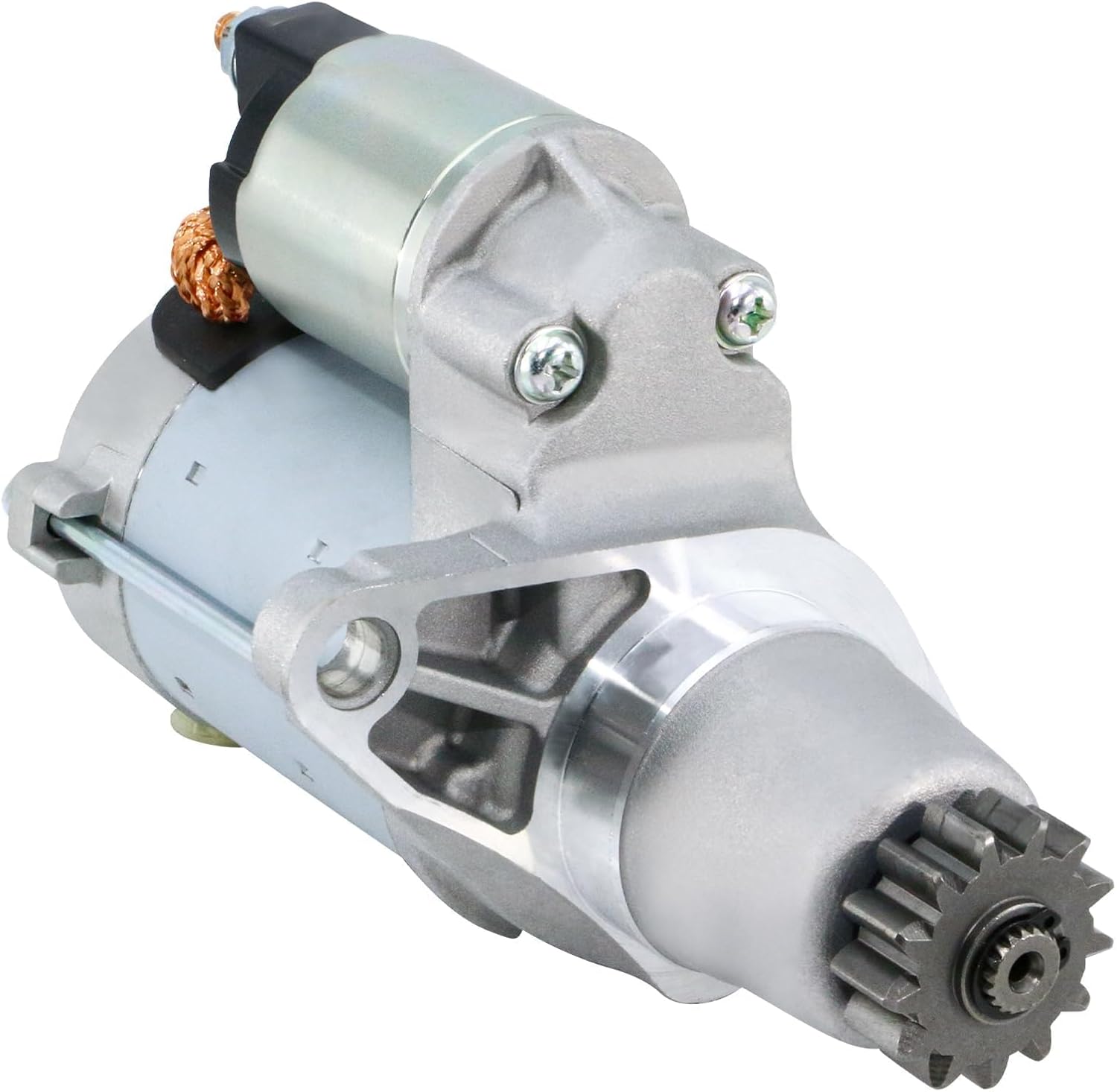
| Voltage | 12 Volts (DC) |
|---|---|
| Manufacturer | DynaVim Parts |
This DynaVim starter is a direct replacement-style unit that provides the basic function of cranking the engine on Toyota Highlander models covered by the fitment list. It installs like a factory-quality starter and is typically used to replace a failed or weak starter when the vehicle no longer turns over reliably. Notable features include 12 volt operation and packaging that protects the unit during shipping. For a practical optimizer this starter delivers a clear benefit: many buyers report straightforward installation and consistent starting performance comparable to more expensive alternatives. Limitations to consider are typical for aftermarket starters at this price point — long-term durability data is limited and electrical connectors or mounting details can require minor adjustments during install. The seller also offers a one-year replacement which helps mitigate short-term failures but does not guarantee longer service life. If you need a low-cost, ready-to-install replacement that restores reliable starting on the Highlander, this unit is a sensible choice.
Best for: Buyers who prioritize getting reliable function at a low cost and want a practical, no-frills replacement to restore starting on a Highlander without spending on a dealer unit.
Less Ideal for: Owners seeking a long-term premium rebuild from a name-brand remanufacturer or those who want an extended warranty and documented longevity should consider higher-end options.
- Fits Toyota Highlander applications covered by the compatibility list, making it a drop-in replacement for many owners
- 12V design matches factory electrical systems for straightforward installation
- Well packaged to reduce shipping damage risk
- Backed by a one-year replacement policy for short-term peace of mind
- Limited publicly available long-term reliability data compared with established OEM suppliers
- May require minor fitment or connector adjustments on some engine variants
Verdict A budget-friendly, ready-to-install starter that restores reliable starting on Toyota Highlander models but may not match the long-term proven durability of higher-end remanufactured units.
7. Boatrip Starter Motor Replacement for Toyota Highlander
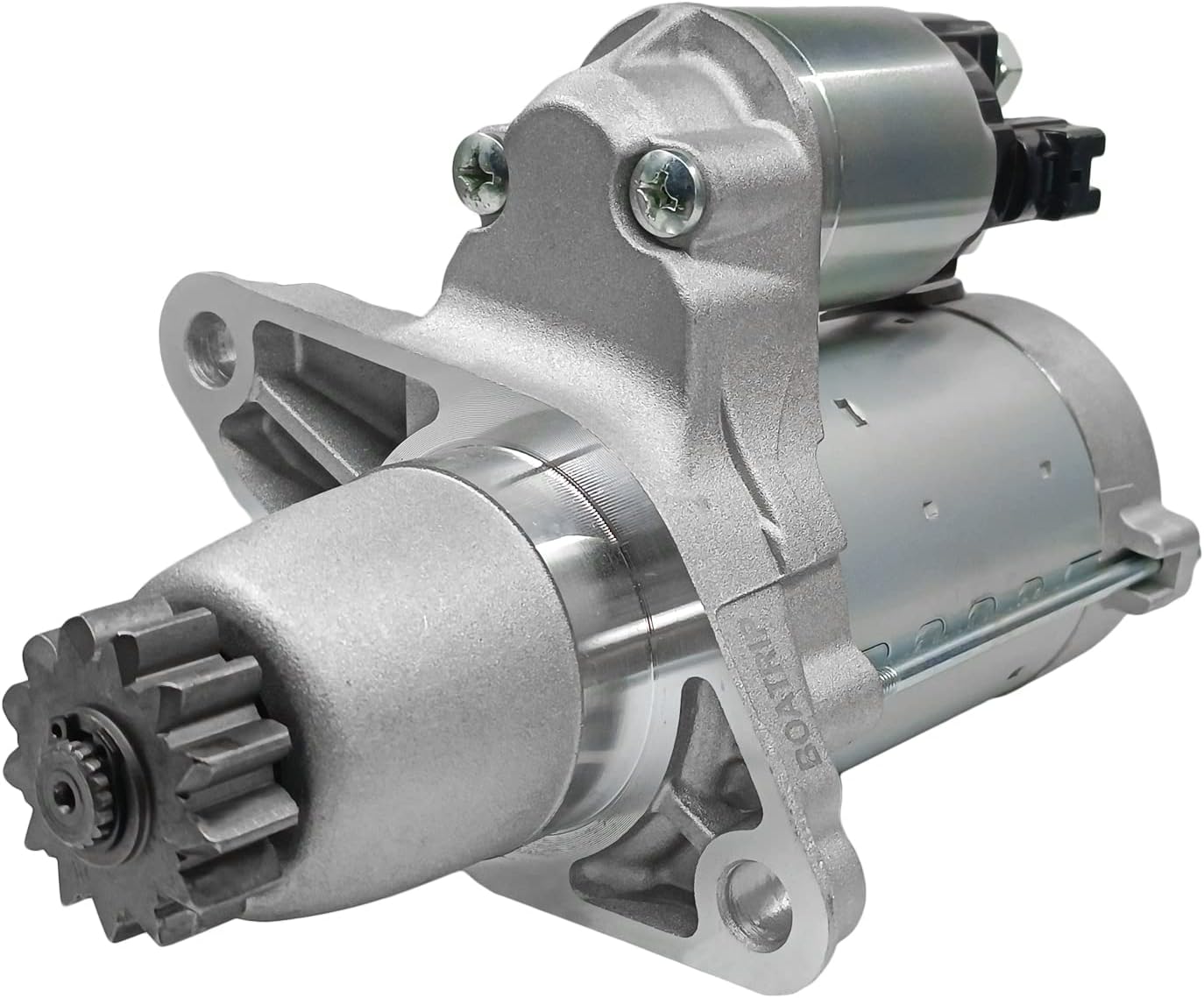
| Voltage | 12 Volts |
|---|---|
| Wattage | 1.6 KW |
| Manufacturer | Boatrip |
This Boatrip starter is a 12-volt, 1.6 kW replacement unit built to match factory-style fit and function for compatible Toyota models such as the Highlander. It is intended as a direct swap for a failed starter and is typically installed by a DIYer or a professional mechanic during a starter replacement service. The listing emphasizes new premium components, standardized production for accurate sizing, and a claimed two-year replacement warranty. In practice buyers report straightforward installation and reliable starting performance where fitment matches, with the unit sliding into place and operating like the original. The product includes a high-output motor rated at 1.6 kW which should provide strong cranking for typical V6 and four-cylinder Highlander engines. Limitations to consider are that this is an aftermarket unit rather than a factory-made assembly, so small differences in clip or connector design can occur and some installs may require minor adjustment of the signal/pigtail connection. If exact factory-identical parts and dealer support are a priority, a factory-quality replacement from an authorized parts source may be preferable.
Best for: Balanced all-round buyers who want a reliable, cost-effective replacement starter for a Toyota Highlander and prefer a product that balances fit, performance, and warranty support.
Less Ideal for: Buyers seeking guaranteed factory-original parts or dealer-backed service plans should consider OEM-sourced starters instead.
- Designed for direct-fit installation to match factory mounting on compatible Toyota vehicles
- Rated 12 volts and 1.6 kW for solid cranking performance
- Manufactured to industry quality standards with standardized sizing for consistent fit
- Includes a two-year free replacement warranty from the brand
- Aftermarket construction may use slightly different connectors which occasionally need minor adjustment
- Not a factory-produced unit so long-term durability may vary compared with dealer parts
Verdict A well-priced, direct-fit aftermarket starter that restores dependable starting for the Highlander with a two-year replacement backing, though it is not a factory-made unit.
Choosing the Right Toyota Highlander Starter Motor: Key Factors to Consider
Fitment and Mounting Compatibility
Correct fitment ensures the starter mates precisely with the engine bellhousing and engages the flywheel or flexplate properly. Mismatched mounting patterns or incorrect pinion alignment can lead to poor gear engagement, unusual noises, or premature wear. Confirming bolt spacing, electrical connector location, and shaft orientation prevents installation headaches and reduces the risk of return visits. For a Toyota Highlander, verify the starter is specified for the model year and engine variant to avoid compatibility issues.
A unit that lists exact OEM reference numbers or provides explicit vehicle fitment data simplifies selection and gives confidence the part will sit and operate as intended without modification.
Cranking Torque and Speed
Rated torque and no-load rotational speed determine how effectively the starter turns a cold or high-compression engine. Higher torque helps overcome engine friction and compression, making starts more consistent, especially in cold weather or with higher-mileage engines. Speed affects how quickly the engine achieves the revolutions needed to start, which can influence starter run time.
When selecting a starter, look for specifications that match or exceed the original equipment torque and speed ratings. Overly weak units may struggle to crank reliably, while excessively powerful starters may impose higher electrical demands.
Electrical Draw and Solenoid Performance
A starter's electrical current draw matters for battery health and the vehicle charging system. Excessive draw can strain an aging battery and lead to dimming lights or slow cranking. The solenoid controls gear engagement and current flow; reliable solenoid action reduces the chance of intermittent engagement or clicking noises.
Inspect specifications or technical documentation for typical current draw and solenoid type. Units designed to operate within OEM electrical parameters reduce stress on the vehicle's wiring and provide smoother, more consistent engagement.
Durability and Gear Engagement Design
Durability depends on component materials, the quality of the drive gear, and the engagement mechanism. Starters that use robust bearings, hardened pinion gears, and secure engagement systems tend to resist wear from repeated starts and high-load conditions. Poorly made gears or flimsy housings can lead to premature failure and more frequent replacements.
Consider design elements such as sealed bearings to keep out contaminants, quality plating to resist corrosion, and proven engagement mechanisms that minimize impact wear when the pinion contacts the ring gear.
Installation Accessibility and Replacement Parts
Installation complexity affects labor time and the tools required. Starters that maintain stock connector locations and standard mounting interfaces simplify removal and fitment, reducing the chance of mistakes. Availability of replacement parts like mounting bolts, bushings, or solenoids can matter if you intend to service the starter rather than replace it entirely.
Check whether the design permits straightforward access from common service positions and whether serviceable components are available. Clear installation guides or included hardware can make the process faster and more reliable for DIYers and technicians alike.
Warranty and Support
A meaningful warranty signals manufacturer confidence and provides protection against early failures. Warranty terms that cover both parts and certain failure modes reduce long-term ownership risk. Support resources such as technical documentation, installation instructions, and customer service responsiveness also contribute to a smoother ownership experience.
Review warranty length and coverage limitations, and prefer options with accessible customer support and clear return policies. This helps ensure you are protected if the starter exhibits premature issues or manufacturing defects.
FAQ
What are common starter motor symptoms in a Toyota Highlander?
Common symptoms include slow or labored engine cranking, a single click or repeated clicking when you turn the key, or complete no-crank situations. Intermittent starting or starters that only work when the vehicle is jostled can also indicate starter-related faults. These signs often point to the starter, battery, or related electrical connections needing inspection.
How can I test a starter before replacing it?
You can perform basic checks such as inspecting battery voltage, testing connections for corrosion or looseness, and listening for clicking or grinding when attempting to start. A bench test or professional load test can verify starter operation and current draw more definitively. Diagnostic testing helps differentiate between starter failure and issues with the battery or wiring.
Will addressing starter solenoid problems fix intermittent starting issues?
Sometimes a faulty solenoid causes intermittent engagement or clicking, so replacing or repairing it can resolve those specific symptoms. However, intermittent starts can also stem from worn gears, electrical resistance in connectors, or battery weakness. Diagnosing the exact cause ensures the repair targets the underlying issue rather than only the solenoid.
What should I consider when planning starter motor installation?
Consider access to mounting bolts and connector locations, the need for jack stands or engine support, and having the correct tools and torque specifications. Ensure wiring is in good condition and terminals are clean before reconnecting. If you are unsure about the procedure, consult repair manuals or a qualified technician to avoid damage or safety risks.
Are there signs that the starter is failing versus a weak battery?
A weak battery often causes slow cranking and dim lights, while a failing starter may produce clicking noises or no cranking at all despite a healthy battery. Performing a battery voltage test and load test can help separate battery issues from starter faults. Both systems should be checked before deciding to replace the starter.
How long do starter motors typically last in regular use?
Starter life varies widely depending on driving habits, environmental exposure, and build quality, but many last well over 100,000 miles under normal conditions. Frequent short trips, harsh climates, or heavy-duty use can shorten service life. Routine electrical maintenance and prompt attention to early symptoms can extend a starter's usable lifespan.
How We Chose the Best Toyota Highlander Starter Motor
We focused on components that match Toyota Highlander-specific fitment and mounting dimensions, ensuring the starter aligns with the vehicle's engine and transmission configuration. Performance characteristics such as rated torque, rotational speed, and electrical draw were considered because they influence cranking power and battery load. Durability factors including gear engagement mechanism, housing materials, and warranty length were weighed to estimate service life and reliability. Ease of installation and availability of correct replacement parts were also assessed since those affect labor time and repair complexity. We excluded items that lacked clear fitment listings or the technical specifications needed to verify compatibility. The resulting shortlist prioritizes fit accuracy, adequate torque output, low electrical load, robust construction, and installability for Toyota Highlander owners.
Our full evaluation process is outlined in our review methodology.
Conclusion
When choosing a Toyota Highlander starter motor, prioritize correct fitment and adequate cranking torque to ensure reliable engine starts. Balance electrical draw and solenoid reliability against durability features like hardened gears and sealed bearings to minimize repeat repairs. Consider installation accessibility and warranty support as secondary but important factors that influence total ownership experience. By weighing these tradeoffs, you can select a starter that restores dependable starting performance and offers good long-term value.
Explore More:
- Check out all Toyota Highlander parts & accessories
- Explore Starter Motors Maintenance & Repair Guides
- Explore Electrical System
- Browse all Auto Parts
