

Note: This article contains affiliate links. If you click on these links and make a purchase, I may earn a small commission at no extra cost to you. This helps support my research and content. Read my full affiliate disclosure here.
If your Toyota Corolla struggles to turn over or shows intermittent starting issues, choosing the right starter motor matters for dependable daily driving. The right part restores starting reliability, reduces repeat visits to the garage, and ensures compatible fitment with your vehicle . This guide covers our shortlist of seven top starter motors suited to common Corolla model years and driving conditions, and explains the criteria we used to evaluate them. Read on to see which options meet key standards for fit, durability, and installation ease before you decide.
Looking for other parts? See all Toyota Corolla parts & accessories.
Top Picks at a Glance
| Best overall The best all-around choice for most situations | EZEXPREZE 19049N Starter Motor — 1.6 kW, 12V, 9‑Tooth, Clockwise Rotation | 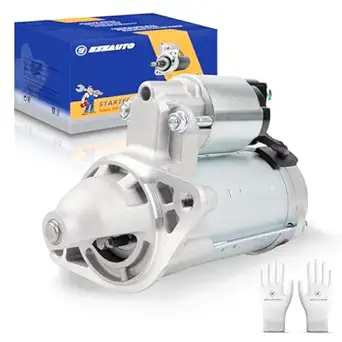 |
| Best quality Built to a higher standard if you want something more solid | SZKAIDAG Starter Motor for Toyota Corolla 1.8L (2015–2020) — 12V, 1.2 kW, 9‑tooth, CW |  |
| Best Value The sweet spot between price and what you get | A-Premium 12V Starter Motor — 1.6 kW, 13‑Tooth (replacement) |  |
| Best Budget The cheapest option that still gets the job done reliably | OCPTY Starter Motor Compatible with Toyota Corolla / Pontiac Vibe 2003–2008 1.8L |  |
| Highest Rated A top-rated pick with lots of positive feedback | SZKAIDAG Starter Motor for Toyota Corolla/Matrix/Pontiac Vibe 1.8L, 12V 1.6kW, 10-Tooth, Clockwise |  |
| Most popular A crowd favorite that many people choose with confidence | TYC Starter Motor for 2003–2008 Toyota Corolla |  |
| Best Seller A high-volume bestseller chosen again and again | Boatrip Starter Motor Replacement for 2003–2008 Toyota Corolla 1.8L |  |
1. EZEXPREZE 19049N Starter Motor — 1.6 kW, 12V, 9‑Tooth, Clockwise Rotation

| Power | 1.6 kW |
|---|---|
| Voltage | 12V |
| Rotation | Clockwise |
| Teeth | 9 |
| Starter Type | PMGR |
This EZEXPREZE 19049N is a direct-fit aftermarket starter built for the 2009–2013 Toyota Corolla 1.8L. It is a 12V, 1.6 kW permanent magnet gear reduction (PMGR) starter with clockwise rotation and a 9‑tooth pinion, which matches the factory starter layout and mounting on the Corolla. Typical use is straightforward replacement of a failed starter or upgrading a worn unit; installation is generally bolt‑in and many users report quick, no‑modification installs. Notable features include factory-style gearing and a manufacturer test sheet with DV testing and a one‑year guarantee, which help ensure it will crank reliably from day one. Practical benefits are solid starting performance and OEM-like fit that keeps labor time and additional parts to a minimum. Limitations are the standard one‑year coverage rather than a multi-year warranty and the inherent variability of aftermarket longevity compared with a new factory-quality unit; some users have reported occasional premature failures on other vehicle applications, so expect mixed long-term durability results.
Best for: Balanced buyers who want a cost-effective, near‑OEM replacement that installs quickly and restores reliable starting on a 2009–2013 Toyota Corolla 1.8L.
Less Ideal for: Drivers seeking a long-term premium warranty or guaranteed extended service life should consider higher-end factory-quality replacements or remanufactured units with longer coverage.
- Designed to match Toyota Corolla 1.8L starter configuration for bolt‑in replacement
- 1.6 kW PMGR design provides strong cranking power for quick starts
- Manufacturer test sheet and DV testing included to verify operation before shipping
- Includes mechanic gloves and protective packaging to reduce installation hassles
- Warranty limited to one year which is shorter than some higher-end replacement options
- Aftermarket longevity can vary and some users report premature failures on different vehicles
Verdict: A practical, near‑OEM bolt‑in starter that balances cost and performance for the 2009–2013 Corolla 1.8L but with only a one‑year guarantee on longevity.
2. SZKAIDAG Starter Motor for Toyota Corolla 1.8L (2015–2020) — 12V, 1.2 kW, 9‑tooth, CW

| Fitment | Toyota Corolla 2015–2020 1.8L L4 |
|---|---|
| Voltage | 12V |
| Power Rating | 1.2KW |
| Number of Teeth | 9 |
| Rotation | Clockwise (CW) |
This SZKAIDAG starter motor is a direct-replacement unit engineered to swap into Toyota Corolla 2015–2020 1.8L engines. It performs the basic job of engaging the flywheel and turning the engine over with a 12V, 1.2 kW motor and a 9-tooth pinion designed for clockwise rotation. The unit claims factory-quality fit and form and uses precision-machined gears, a pressure-formed copper brush holder, and an electromagnetic switch intended to resist corrosion. In practice that means straightforward bolt-in installation for mechanics familiar with Corolla starter swaps and reliable cold-cranking when the electrical system is healthy. Buyers focused on performance will appreciate the gearbox reduction design for higher torque at cranking. Downsides are typical of aftermarket starters: long-term durability can vary with driving conditions and there is dependency on accurate OE-number or VIN matching for fitment. If your Corolla has been modified electrically or has charging system issues, replacing the starter alone may not fix starting problems.
Best for: Performance-oriented Corolla owners who prioritize reliable, high-torque starting and want a direct replacement that restores strong cranking without paying dealer prices.
Less Ideal for: Drivers who have recurring charging or electrical faults that cause starter failure or those who prefer dealer-sourced factory parts and warranty support.
- Built to match factory fit and mounting for Toyota Corolla 2015–2020 1.8L for straightforward installation
- 1.2 kW motor with gear reduction provides higher torque for reliable cranking
- Precision-machined gear and pressed copper brush holder aimed at consistent electrical contact
- Electromagnetic switch treated to resist corrosion and promote long-term engagement
- Long-term lifespan depends on vehicle usage and electrical system condition rather than guaranteed by the listing
- Compatibility requires confirming OE numbers or VIN to ensure correct fit
Verdict: A performance-focused, bolt-in replacement starter for 2015–2020 Toyota Corolla 1.8L that delivers strong cranking torque when properly matched to your VIN and electrical system.
3. A-Premium 12V Starter Motor — 1.6 kW, 13‑Tooth (replacement)

| Volts | 12 V |
|---|---|
| Teeth | 13 |
| Power Rating | 1.6 KW |
| Rotation | Counterclockwise |
This A-Premium starter motor is intended as a budget-friendly replacement for compatible Toyota models that use a 13-tooth, 12V starter. In real-world use it replaces the factory starter to engage the flywheel and crank the engine, and customers report straightforward bolt-in installation and functioning immediately after fitment. Notable features include a 1.6 kW power rating, counterclockwise rotation, and a single-unit boxed package with protective electrical covers. The practical benefit is clear: it provides a low-cost option to restore starting reliability without needing a remanufactured dealer unit. Limitations to expect are variability in longevity compared with higher-end remanufactured or OEM units and occasional quality-control failures reported by a minority of buyers, so do inspect the part on arrival and be prepared for warranty contact if issues appear. For owners who want a working replacement at a lower outlay, this starter covers the basics well; buyers seeking longest possible service life may prefer a premium remanufactured unit instead.
Best for: Practical optimizers seeking the lowest-cost, working replacement that lets them get a Corolla back on the road quickly without paying for dealer parts or full remanufacture.
Less Ideal for: Drivers who prioritize maximum long-term durability or plan to keep a high-mileage vehicle for many more years should consider a premium remanufactured or factory-quality replacement instead.
- Matches factory rotation and tooth count for compatible Toyota applications for straightforward fitment
- 1.6 kW power rating offers sufficient cranking power for typical gasoline engines listed
- Boxed packaging with protective covers helps prevent shipping damage and eases handling during installation
- Many users report easy bolt-on installation and immediate reliable starting out of the box
- Some buyers report early failures suggesting occasional quality-control issues
- Not a remanufactured OEM-level unit so long-term durability can vary
Verdict: A cost-focused, plug-in replacement that restores starting function for compatible Toyota cars at a fraction of dealer cost, though long-term durability can vary.
4. OCPTY Starter Motor Compatible with Toyota Corolla / Pontiac Vibe 2003–2008 1.8L

| Voltage | 12 Volts |
|---|---|
| Amperage | 12 Amps |
| Material Type | Copper |
This OCPTY starter is a budget-minded replacement for the 2003–2008 Toyota Corolla/Matrix and Pontiac Vibe 1.8L engines that performs the basic job of turning the engine over at ignition. It is a 12V unit with a copper rotor and aluminum-alloy housing designed to match the original starter's function and fit. Typical use is a DIY or shop swap when the factory starter fails; reviewers report fast cranking and straightforward bolt-on installation on compatible Corollas, though the unit can be slightly longer than some factory parts. The practical benefits are clear: low cost, reportedly strong initial cranking speed, and materials intended to give acceptable performance. Important limitations are inconsistent packing and occasional cosmetic or minor connector damage in transit and variable quality of internal brushes and solenoid components, so inspect on arrival and be prepared to bench-test before installation. For a budget replacement this starter delivers adequate starting performance but may not offer the long-term durability of higher-end factory-quality units.
Best for: Budget-conscious Corolla owners who prioritize a low purchase price and a quick DIY swap to get a reliably starting car back on the road.
Less Ideal for: Buyers seeking the longest-lasting, factory-grade replacement or a starter for heavy-duty frequent-start applications should consider higher-end or OEM factory-quality options instead.
- Low-cost replacement for 2003–2008 Toyota Corolla/Matrix and Pontiac Vibe 1.8L applications
- 12V design with copper rotor and aluminum-alloy shell for quick cranking
- Reportedly fast engine cranking and straightforward bolt-on installation
- Seller claims OEM-style fit and function for direct replacement
- Packaging can be inadequate, increasing risk of transit damage
- Some units show variable internal component quality such as brushes and solenoid
- Occasional need for minor repairs or adjustments after delivery
Verdict: A cost-effective, bolt-on starter replacement that gets 2003–2008 Corolla and Vibe 1.8L engines turning again without the premium price.
5. SZKAIDAG Starter Motor for Toyota Corolla/Matrix/Pontiac Vibe 1.8L, 12V 1.6kW, 10-Tooth, Clockwise

| Power Rating | 1.6KW |
|---|---|
| Voltage | 12V |
| Number of Teeth | 10 |
| Rotation | Clockwise |
This SZKAIDAG starter motor is a direct-fit replacement designed to swap into Toyota Corolla 1.8L (2003–2008), Matrix and compatible Pontiac Vibe models. It delivers 1.6 kW at 12 volts with a 10-tooth pinion and clockwise rotation, which makes installation straightforward when the original part number matches. The unit highlights include a brush holder built from copper/graphite for reliable conductivity, a geared reduction box to increase torque and an electromagnetic switch finished with corrosion-resistant plating. In real-world use it behaves like a conventional replacement starter: mounts in the stock location, engages cleanly and provides the cranking torque needed to start the engine repeatedly. Buyers report quiet operation and good durability under frequent start cycles. Limits to expect are typical of aftermarket starters: fitment depends on matching OE numbers exactly and quality can vary from factory-original units, so confirm part numbers or VIN fitment before installing. Professional installation is recommended if you are not comfortable working under the vehicle.
Best for: Reliability-focused buyers who prioritize a stable, cost-effective replacement to restore dependable starting performance on older Corolla 1.8L vehicles.
Less Ideal for: Drivers wanting a factory-sourced part with full dealer support or those who need a warranty-backed remanufactured starter should consider dealer or remanufactured alternatives.
- Direct-replacement design matched to multiple Toyota Corolla/Matrix/Pontiac Vibe OE numbers for easy fit.
- 1.6 kW power rating with geared reduction improves low-speed cranking torque for reliable starts.
- Copper/graphite brush assembly and precision-machined gear suggest good electrical contact and wear resistance.
- Electromagnetic switch with plated finish resists corrosion and supports long-term function.
- Aftermarket quality can vary compared with factory-quality units, so longevity may differ from OEM parts.
- Compatibility requires careful comparison of OE numbers or VIN confirmation before purchase.
Verdict: A cost-effective, direct-fit aftermarket starter that restores reliable cranking for mid-2000s Corolla 1.8L engines when OE numbers are matched.
6. TYC Starter Motor for 2003–2008 Toyota Corolla

| Manufacturer | TYC |
|---|---|
| Phase Type | Three Phase |
| Manufacturer Part Number | 117841 |
| OEM Part Number | 28100-0D080-84, 88969483 |
This TYC starter is a direct replacement unit engineered to match factory mounting and electrical connections for 2003–2008 Toyota Corolla applications. It is supplied new rather than remanufactured, with new bearings, brushes, armature, solenoid and starter drive so it can be installed as a drop-in repair without a core return. Typical use is a DIY or shop replacement when the original starter fails; installers report the part bolts in and connects to the factory harness with standard hand tools and basic mechanical skills. Notable features include 100 percent new internal components, computerized load testing during production, and manufacturer QA paperwork included with some units. Practical benefits are avoidance of core charges and the potential longevity advantage over rebuilt units. Important limitations are isolated reports of damaged plastic connectors on arrival and the occasional DOA unit, so inspect the wiring plug and test operation before final reassembly and be prepared for warranty or replacement steps if needed.
Best for: Buyers who prioritize convenience and a quick, DIY-friendly repair solution for a Corolla and want to avoid core returns and extra shop visits.
Less Ideal for: Those seeking a premium OEM-branded starter with guaranteed original manufacturer provenance or buyers unwilling to handle a possible warranty exchange process should consider alternatives.
- Brand-new internals (bearings, brushes, armature, solenoid, drive) for a full replacement rather than a rebuilt unit.
- Made to factory-spec mounting and electrical fit for 2003–2008 Toyota Corolla for straightforward installation.
- Factory-level testing with documented quality control data included on some units.
- No core charge required since the unit is new, simplifying purchase and replacement logistics.
- Some buyers reported damaged plastic connector housings on delivery that can affect fit or function.
- Occasional reports of dead-on-arrival units mean you should bench-test before reinstalling.
Verdict: A convenient, drop-in new replacement starter for 2003–2008 Toyota Corolla buyers who want a DIY-friendly, core-free option but should inspect and test the unit on delivery.
7. Boatrip Starter Motor Replacement for 2003–2008 Toyota Corolla 1.8L

| Voltage | 12 Volts |
|---|---|
| Wattage | 1.6 KW |
| Amperage | 22 Amps |
This Boatrip starter motor is a new replacement unit built to install in 2003–2008 Toyota Corolla 1.8L engines and restore reliable cold starts. It replaces the factory starter and is typically used when the original unit fails to engage or spins without cranking. The listing specifies 12 volts and about 1.6 kW output with a 22 amp rating, and the part is produced to meet common factory-quality fit and tolerances for an exact mechanical fit. Buyers will appreciate that the unit arrives ready to install and reviewers report straightforward swaps and immediate successful starts. The manufacturer notes factory-style production controls and offers a two-year replacement warranty, which helps reduce risk for mainstream owners. Limitations to consider are that this is an aftermarket replacement rather than a factory-branded part, so long-term durability can vary between units and some installs may require basic tools or light mechanic experience depending on access to the starter on your Corolla.
Best for: Risk-averse mainstream buyers who want a low-risk, cost-effective replacement that restores reliable starting without hunting for dealer parts, and who prefer a ready-to-install option with warranty support.
Less Ideal for: Buyers seeking a Toyota-branded OEM part for guaranteed factory provenance or professional shops that require manufacturer-certified components for warranty work should consider dealer-sourced alternatives.
- Designed to fit 2003–2008 Toyota Corolla 1.8L for a direct mechanical replacement
- New unit built to meet common factory-style specifications for immediate use
- Manufactured under recognized quality systems and backed by a two-year replacement warranty
- Multiple positive owner reports of easy installation and reliable starting after fitment
- Aftermarket product rather than a Toyota-branded starter so long-term lifespan may differ from factory units
- Electrical output and durability depend on production batch which can cause variation between units
Verdict: A budget-friendly, factory-fit replacement starter for 2003–2008 Corolla 1.8L owners who want a straightforward swap with warranty backing.
Choosing the Right Toyota Corolla Starter Motor: Key Factors to Consider
Vehicle Fitment and Mounting
Accurate fitment is essential because starter motors must align precisely with the engine flywheel or flexplate and fasten to specific mounting bosses. A unit that does not match bolt pattern, shaft length, or mounting orientation will create installation difficulty and can cause premature wear or damage.
Confirming the starter 's shaft engagement depth and mounting flange shape reduces the risk of misalignment that leads to grinding, starter disengagement, or excessive drivetrain stress. For most buyers, selecting a unit with explicit compatibility listings for the Toyota Corolla model year and engine code simplifies installation and ensures reliable operation.
Electrical Specifications and Solenoid Quality
The starter's electrical characteristics determine how it performs under load. Key specs include rated voltage, current draw, and the solenoid 's contact durability. A high-quality solenoid provides crisp engagement and resists pitting from repeated electrical arcs, which preserves reliable activation over time.
Matching the starter's current draw to what the vehicle's charging and starting system can supply avoids overtaxing the battery or wiring. You should also consider the quality of terminals and wiring pigtails to prevent high-resistance connections that lead to slow cranking or intermittent starts.
Torque Output and Motor Construction
Torque output dictates how effectively the starter turns the engine, especially during cold starts or with high-compression engines. Motor construction details like winding gauge, bearing type, and brush design affect sustained torque and service life.
A starter built with robust bearings and properly sized windings will tolerate repeated starts and higher loads without overheating. Buyers should seek specifications or manufacturer details that indicate expected torque or duty cycle to ensure the unit meets real-world starting demands.
Durability and Environmental Resistance
Starters operate in harsh under-hood environments where moisture, road salt, and heat can accelerate corrosion and electrical failure. Materials and finishes that resist corrosion on the housing, bolts, and terminals improve longevity and reduce the chance of failure in wet or salty conditions.
Sealing around the solenoid and electrical joints helps keep contaminants out of critical components. Consider starters with proven protection measures if you drive in climates with heavy rain, snow, or frequent temperature swings.
Serviceability and Installation Ease
A starter that is straightforward to install saves time and reduces the chance of installation errors. Features like clearly labeled electrical terminals, included mounting hardware, and reusable alignment dowels can simplify the replacement process.
Ease of access to brush assemblies or solenoid connections also matters for future maintenance. If you expect to perform installation yourself, prioritize units with comprehensive instructions and compatibility notes that match your Corolla 's year and engine layout.
Warranty and Parts Support
Warranty length and the availability of replacement parts reflect a manufacturer's confidence and make long-term ownership less risky. A clear warranty that covers motor failure and solenoid defects provides reassurance against early-life defects.
Also consider the availability of replacement components such as brushes or solenoid assemblies if you plan to service the starter over time. Good documentation and customer support can simplify troubleshooting and warranty claims.
How We Chose the Best Toyota Corolla Starter Motor
We focused on components that reliably restore starting function while matching the specific mechanical and electrical requirements of Toyota Corolla engines. Key evaluation criteria included accurate vehicle fitment and gear engagement profile, robust motor windings and bearings for longevity, quality of the solenoid and electrical connections for consistent activation, corrosion-resistant housing and terminals for durability in varied climates, and compatibility with common installation procedures and mounting points. We also assessed parts that minimize parasitic draw and offer consistent torque output under typical cold-start conditions.We excluded units with unclear fitment information, products lacking basic specification disclosures, and items intended for non-Corolla vehicles or heavily modified engines. We prioritized parts that meet OEM form, fit, and function or clearly defined aftermarket improvements that do not require vehicle modifications. Technical specifications and installation compatibility drove selection, rather than marketing claims or unrelated accessories.
Our full evaluation process is outlined in our review methodology.
FAQ
What are common starter motor symptoms on a Toyota Corolla?
Common signs often include slow engine cranking, a single click or repeated clicking when you turn the key, or the engine failing to turn over. Intermittent starting or sudden loss of starter function can also indicate starter issues rather than the battery or ignition switch.
How do you test a starter on a Corolla to confirm a fault?
Begin by checking battery voltage and connections since low voltage can mimic starter failure. If the electrical system is sound, listen for solenoid clicks while observing voltage drop during cranking. Professional testing equipment can measure current draw and torque; many garages can bench-test the starter to confirm internal faults.
Can other problems mimic a bad starter motor?
Yes. Weak batteries, corroded battery terminals, faulty ignition switches, damaged wiring, or security system faults can produce similar symptoms. Diagnosing starter issues usually involves ruling out these related systems before replacing the starter itself.
What should I expect during starter motor installation?
Installation generally involves disconnecting the battery, removing the old unit from its mounting points, transferring any required brackets or heat shields, and fitting the replacement with correct torque on mount bolts and secure electrical connections. The specific steps depend on the Corolla 's year and engine layout, and some models may require moving other components for access.
Are there signs that the starter solenoid is failing?
Failing solenoids often cause clicking noises, intermittent starting, or a starter that spins without engaging the flywheel. Corroded contacts or worn plunger mechanisms reduce engagement reliability, and symptoms may come and go before complete failure.
Is it worth rebuilding a failed starter rather than replacing it?
Rebuilding can be worthwhile when core components are accessible, parts are available, and labor costs are reasonable. However, the decision depends on the starter 's condition, availability of replacement parts, and whether critical elements like the armature or case are damaged. Evaluate expected longevity after rebuilding versus installing a new unit.
Conclusion
When replacing a starter on a Toyota Corolla, prioritize correct fitment, robust electrical and solenoid components, and sufficient torque output for reliable cold starts. Durability and environmental protection reduce the chance of repeat failures, while clear installation details and warranty support lower long-term ownership risk.Balance the tradeoffs between ease of installation, serviceability, and expected lifespan when choosing among compatible options. Focusing on the factors outlined here will help you select a starter that restores dependable starting performance and minimizes future maintenance.
Explore More:
- Check out all Toyota Corolla parts & accessories
- Explore Starter Motors Maintenance & Repair Guides
- Explore Electrical System
- Browse all Auto Parts
