

Note: This article contains affiliate links. If you click on these links and make a purchase, I may earn a small commission at no extra cost to you. This helps support my research and content. Read my full affiliate disclosure here.
If your Mitsubishi Lancer is slow to crank or produces a clicking sound when you turn the key, selecting the right starter motor matters for dependable starts and long-term reliability. This guide covers the top shortlisted starter motors for Mitsubishi Lancer, chosen for fitment, power delivery, and build quality. You will get a concise view of the evaluation criteria used and practical factors that affect installation and service life. Read on to see the top picks and the reasons they made the list.
Looking for other parts? See all Mitsubishi Lancer parts & accessories.
Top Picks at a Glance
| Best Overall The best all-around choice for most situations | DB Electrical 410-48221 12V Starter (Clockwise Rotation) | 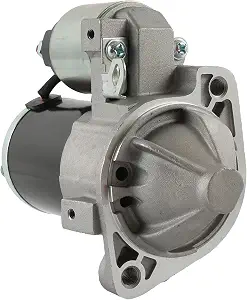 |
| Best quality Built to a higher standard if you want something more solid | DENSO First Time Fit Starter Motor (280-0336) |  |
| Best Value The sweet spot between price and what you get | A-Premium Starter Motor Compatible with Mitsubishi Lancer and Mirage, 12V 1.3KW, 8-Tooth Clockwise |  |
| Best Budget The cheapest option that still gets the job done reliably | OCPTY Starter Motor fit for Mitsubishi Galant/Eclipse/Lancer/Outlander (12V, 1.4 kW) |  |
| Highest Rated A top-rated pick with lots of positive feedback | Mando 12A1569 Starter Motor (Direct Replacement) |  |
| Most Popular A crowd favorite that many people choose with confidence | Parts Player 12V Starter for Mitsubishi 2.4L (fits select Lancer/Outlander/Galant/Eclipse) |  |
| Best Seller A high-volume bestseller chosen again and again | Denso First Time Fit Starter Motor 280-0181 |  |
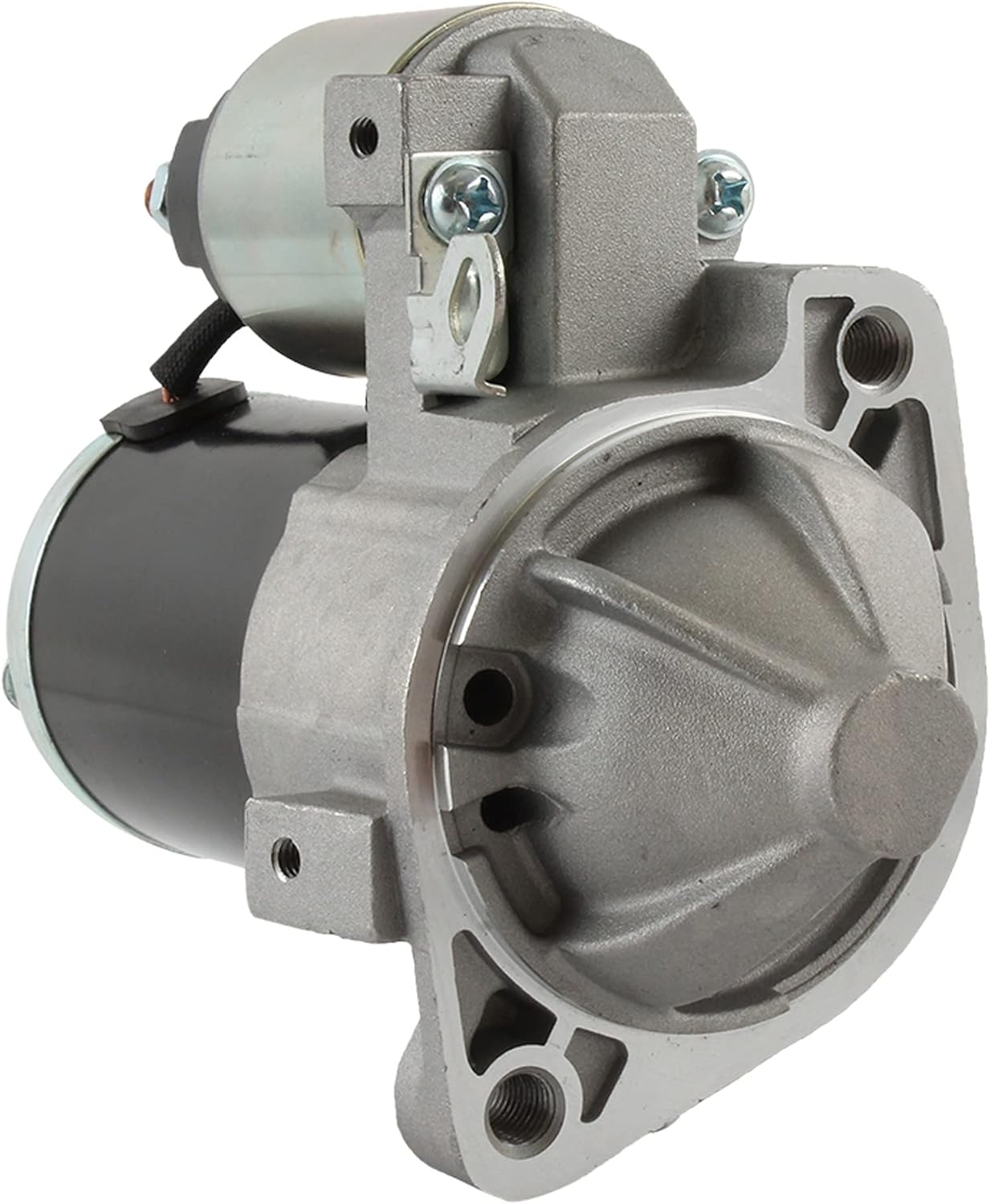
1. DB Electrical 410-48221 12V Starter (Clockwise Rotation)
| Voltage | 12 Volts |
|---|---|
| Wattage | 1.4 KW |
| Rotation Direction | Clockwise |
| Amperage | 12 Amps |
This DB Electrical starter is a factory-replacement style 12V unit with clockwise rotation intended to replace worn starters on compatible Mitsubishi vehicles. It installs like a direct replacement and is used to crank the engine during starting; buyers will typically fit it when the original starter fails or shows intermittent cranking. Notable features include compatibility with many Mitsubishi part numbers and several OEM cross-references, a metal construction, and engineering to meet factory-fit expectations. In real-world use the starter offers straightforward bolt-on fitment and connector compatibility on matching applications, and many users report reliable starting and quiet operation. Some customers report short-life failures, so while the part delivers solid value and fits easily for DIY or shop installs, results vary and durability may not match higher-end factory-branded units in every case. Expect typical starter behavior: strong initial torque and consistent engagement when the unit is functioning properly.
Best for: Practical, balanced buyers who want a ready-to-install, cost-conscious replacement starter for routine repairs on supported Mitsubishi Lancer families and similar models.
Less Ideal for: Owners seeking the longest possible service life or an OEM-branded unit for warranty-backed peace of mind should consider higher-end or factory-branded starters instead.
- Direct-replacement design for easy bolt-on installation in compatible Mitsubishi applications
- Matches common OEM cross-reference numbers for straightforward parts sourcing
- Metal construction aimed at durability and stable operation
- 12V clockwise rotation suitable for specified engine layouts
- Some owners report early failure or smoking in a minority of units
- No explicit warranty information provided in the product listing
Verdict: A cost-conscious, direct-fit 12V replacement starter that delivers straightforward installation and good starting performance for compatible Mitsubishi applications.
2. DENSO First Time Fit Starter Motor (280-0336)

| Manufacturer | DENSO |
|---|---|
| Phase Type | Three Phase |
| Model | DENSO First Time Fit® Starter Motor |
| Exterior | Machined |
This DENSO First Time Fit starter motor is a direct-fit replacement built to factory-style standards for plug-and-play installation. It replaces a failed starter assembly and is typically used when an engine will not crank or the original starter has intermittent engagement. The unit is machined externally and marketed as vehicle-specific fitment, which simplifies installation without modifying the vehicle or wiring. Practical benefits include DENSO remanufacturing quality and reported straightforward installation with common two-bolt mounting and standard electrical connections. Buyers can expect a quiet, reliable crank and longevity comparable to factory-quality parts. Limitations are that this listing is a specific part number so fitment must be verified for the exact Mitsubishi Lancer model and year before purchase, and it does not include additional hardware or a core exchange program in the product details. For performance-focused owners seeking a factory-style replacement that restores crisp starting, this starter delivers dependable operation with minimal fuss.
Best for: Performance-oriented owners who prioritize restoring factory-level starting reliability and crisp engine cranking for a Mitsubishi Lancer.
Less Ideal for: Buyers seeking a universal or adjustable starter for multiple vehicles or those who prefer bundled installation accessories and core-return programs should consider other options.
- Factory-quality remanufacturing for consistent starting performance
- Direct-fit, vehicle-specific design for straightforward installation
- Machined exterior and construction aimed at OEM-level reliability
- Multiple user reports of quiet operation and proper fit on compatible vehicles
- Fitment is part-number specific so compatibility must be confirmed for each Lancer model year
- Product listing does not show included installation hardware or core exchange details
Verdict: A factory-quality, direct-fit starter aimed at drivers who want reliable, OEM-style starting performance for their Mitsubishi Lancer.
3. A-Premium Starter Motor Compatible with Mitsubishi Lancer and Mirage, 12V 1.3KW, 8-Tooth Clockwise

| Voltage | 12 Volts |
|---|---|
| Wattage | 1.3 KW |
| Number of Teeth | 8 |
| Rotation | CW (Clockwise) |
This A-Premium starter motor is a direct replacement designed for Mitsubishi Mirage (1997–2002) and Lancer (2003–2007) 4-cylinder engines. It supplies 1.3 kW at 12 volts and uses an 8-tooth clockwise pinion, so installation is straightforward when matching the listed reference numbers. You would use it to restore reliable engine cranking after a failed starter; typical installs are bolt-in swaps using existing mounts and electrical connections. Notable features include factory-style electrical specifications and a 1-year unlimited-mileage warranty for peace of mind. In real-world use this unit delivers consistent starting power and several buyers report quick fitment and reliable operation. Limitations are that it must match the exact reference numbers and rotation/teeth count for your motor, and buyers should verify fitment before purchase because fitment is limited to the listed Mitsubishi models and engine sizes. Expect a practical, budget-friendly replacement rather than a performance upgrade for high-compression or modified engines.
Best for: Practical optimizers looking for an affordable, factory-quality replacement that restores dependable starting without extra features or upgrades.
Less Ideal for: Owners who need a performance or heavy-duty starter for modified engines or non-listed vehicles should seek specialized or high-torque alternatives.
- Direct replacement for specified Mitsubishi Lancer and Mirage 4-cylinder applications
- Factory-style electrical rating of 12V and 1.3 kW suitable for stock engines
- Compact 8-tooth clockwise pinion matches original rotation for compatible engines
- Comes with a 1-year unlimited-mileage warranty for basic coverage
- Compatibility strictly limited to the listed reference numbers and model years so incorrect selection causes fitment issues
Verdict: A budget-friendly, factory-style replacement starter that delivers reliable starting power for the specified Mitsubishi Lancer and Mirage engines.
4. OCPTY Starter Motor fit for Mitsubishi Galant/Eclipse/Lancer/Outlander (12V, 1.4 kW)

| Voltage | 12 Volts |
|---|---|
| Wattage | 1.4 KW |
| Amperage | 10 Amps |
| Phase Type | Three Phase |
This OCPTY starter is a budget-friendly replacement for Mitsubishi 2.4L and related engines, delivering 1.4 kW of starting power at 12 volts. It installs like a factory unit and is intended to match factory mounting and electrical connections so a direct swap is possible for compatible Lancer and Galant applications. The unit uses remachined armature and new solenoid components including copper windings and high-temperature caps to reduce amperage draw and improve brush life, which helps quicker cranking and reliable starts. Practical benefits include lower cost compared with dealership parts and generally positive user reports of fit and reliable operation. Limitations to expect are occasional fitment quirks such as slightly different lengths or mounting hardware mismatches that may require swapping a few bolts or retaining screws, and the product is an aftermarket reman/replacement rather than a factory-branded assembly. For a budget-focused repair it provides solid starting performance but installers should verify bolt and shield fit during installation.
Best for: Budget-conscious owners looking to fix a non-starting Mitsubishi Lancer or similar model quickly and affordably, prioritizing low cost and practical reliability.
Less Ideal for: Buyers who want a factory-branded OEM unit or who need guaranteed exact-fit parts without any potential hardware changes should consider dealer or brand-name replacements.
- 12 volt, 1.4 kW rating offers sufficient cranking power for the specified Mitsubishi engines
- Designed for direct replacement installation with factory-style mounting and connections
- New solenoid components and remachined armature intended to reduce amperage draw and extend brush life
- Strong value compared with dealer or OEM-priced starters
- May require swapping or sourcing a few original bolts or screws if heat shield or cover fasteners do not match exactly
- Aftermarket replacement can have small dimensional differences compared with factory OEM parts
Verdict: A low-cost, factory-style replacement starter that restores reliable starting for compatible Mitsubishi models without the dealer price.
5. Mando 12A1569 Starter Motor (Direct Replacement)

| Voltage | 12 Volts |
|---|---|
| Wattage | 1.4 KW |
| Manufacturer | Mando |
| Manufacturer Part Number | 12A1569 |
| OEM Part Number | 361002E200 |
This Mando starter motor is a direct factory-quality replacement designed to restore starting performance when the original unit fails. It installs in place of the factory starter and includes a solenoid so you can reinstall without major modifications. The unit is rated at 12 volts and about 1.4 kW output, which gives strong cranking power suitable for typical passenger engines. Buyers report straightforward installation and generally dependable operation across multiple months of use, and the machined exterior and OEM interchange numbers indicate it was built to fit and function like the factory part. Some users have reported premature solenoid failure in isolated cases, so while many units run well, durability may vary. This part is best used as a like-for-like replacement when the original starter shows wear, slow cranking, or intermittent engagement rather than as an upgrade for higher-performance starts.
Best for: Reliability-focused owners looking for a factory-spec replacement to restore dependable starting on their Mitsubishi Lancer and minimize installation hassle.
Less Ideal for: Drivers seeking a high-performance or heavy-duty starter for modified engines should consider specialty performance units instead.
- Direct factory-quality replacement designed for straightforward fitment
- Includes integrated solenoid so no separate solenoid purchase is needed
- 1.4 kW output provides strong cranking for typical passenger engines
- Multiple user reports of easy installation and reliable starting performance
- Some isolated reports of early solenoid failure which may affect longevity
- Not marketed as a performance upgrade so no extra torque benefit over factory unit
Verdict: A practical, factory-spec replacement starter aimed at Lancer owners who want a straightforward, OEM-style fix for starting problems.
6. Parts Player 12V Starter for Mitsubishi 2.4L (fits select Lancer/Outlander/Galant/Eclipse)

| Voltage | 12 |
|---|---|
| Wattage | 1.4 KW |
| Phase Type | Single Phase |
| Rotation | CW |
This Parts Player 12V starter is a direct-fit replacement for a range of 2.4L Mitsubishi vehicles and is intended to restore reliable engine cranking after a failed original starter. It installs like a stock unit, uses a clockwise rotation with an 8-tooth pinion and is typically used by DIYers or shops replacing a worn starter. Notable features include a 1.4 kW power rating and metal construction that match common factory specifications, and the unit is sold as a single starter without mounting hardware. In practice it delivers quick starts and many buyers report straightforward bolt-in fitment and improved starting performance. The main limitations are that mounting hardware is not included so you may need to reuse or buy bolts, and longevity varies by user reports so it may not match premium OE lifespan in every case. If you prioritize convenience and a ready-to-install replacement that restores starting function, this unit covers the basics well.
Best for: Buyers who value convenience and a quick, bolt-in replacement to get a Mitsubishi 2.4L back on the road with minimal fuss and workshop time.
Less Ideal for: Drivers seeking a heavy-duty or long-warranty upgrade for high-mileage vehicles or extreme-duty use should consider premium or remanufactured options instead.
- Direct-fit design for many 2.4L Mitsubishi applications for straightforward installation
- 12V and 1.4 kW rating provides adequate cranking power for typical gasoline 2.4L engines
- Metal construction that matches common factory replacement expectations
- Positive user reports of easy installation and immediate restoration of starting function
- Mounting hardware is not included, so additional parts may be required for installation
- Mixed reports on long-term durability compared with higher-end factory-quality starters
Verdict: A convenient, direct-fit 12V starter that restores starting performance for many Mitsubishi 2.4L models with minimal installation effort.
7. Denso First Time Fit Starter Motor 280-0181

| Phase Type | Three Phase |
|---|---|
| Manufacturer | Denso |
| Model | DENSO First Time Fit® Starter Motor |
| Exterior | Machined |
This Denso First Time Fit starter is a remanufactured, factory-quality replacement intended to restore reliable engine starting. It installs like a direct-fit unit and is commonly used to replace a failed starter in routine repairs. Key features include machined exterior components and Denso remanufacturing that targets OEM fit and function. In real-world use the starter delivers consistent cranking power and straightforward installation for technicians or experienced DIYers, with multiple buyer reports of long service life on trucks and compact cars. Limitations to be aware of are fitment needs for specific engines and model years for the Mitsubishi Lancer line, so verify compatibility before purchase, and this is a remanufactured part rather than brand-new which may show minor cosmetic wear. For a risk-averse buyer wanting a near-factory replacement, it provides a balance of reliability and familiarity with proven Denso engineering.
Best for: A risk-averse mainstream buyer who prioritizes a dependable, factory-style replacement for routine repairs on their Mitsubishi Lancer and prefers established brand reliability over experimental options.
Less Ideal for: Buyers seeking a brand-new performance starter or those who have not verified the exact model-year and engine fitment for their Lancer should consider other options or confirm compatibility first.
- Factory-quality remanufacture aimed at OEM fit and function
- Direct-fit design for straightforward installation on compatible vehicles
- Reputable manufacturer with a history of long service life reported by owners
- Remanufactured unit so minor cosmetic wear may be present
- Compatibility depends on engine and year so requires exact fitment check
Verdict: A dependable, factory-quality remanufactured starter that delivers OEM-style fit and proven longevity for Mitsubishi Lancer owners who need a conservative, reliable replacement.
Choosing the Right Mitsubishi Lancer Starter Motor: Key Factors to Consider
Electrical Compatibility
Starter motors must match the vehicle's electrical system voltage and connector layout to function correctly. Mismatched voltage or an incompatible solenoid connector can prevent the starter from engaging or damage the vehicle wiring.
Check that the starter's pin configuration, terminal types, and any integrated solenoid functions line up with the Lancer's factory harness. Proper electrical compatibility reduces the need for splicing or aftermarket adapters and helps ensure reliable starting under different conditions.
Cranking Torque and Gear Reduction
The starter must provide adequate torque to turn the engine over, especially in cold conditions or on higher-compression engines. Gear-reduction starters deliver higher output torque for the same motor size, improving cold-start performance.
Consider the torque rating and whether the design suits your engine's needs. Higher cranking torque shortens crank time and reduces stress on the starter and battery during each start, which can extend component life.
Physical Fitment and Mounting
Physical fitment includes bolt pattern, flange shape, shaft length, and clearance around the starter location. A unit that matches the factory mounting dimensions fits securely and aligns with the flywheel or flexplate without modification.
Incorrect fitment can lead to improper gear engagement, premature wear, or the need for custom brackets. Confirm mounting details and ensure the starter clears nearby components to avoid heat and abrasion issues.
Durability and Internal Components
Long-term reliability depends on internal parts such as brushes, bearings, the drive assembly, and the solenoid. Higher-quality brushes and sealed bearings typically last longer and tolerate higher duty cycles.
Review construction details that indicate robustness under repeated starts. Components exposed to high heat or contamination should have protective features. Durability affects how often the starter may need service or replacement parts over its lifespan.
Serviceability and Replacement Parts
A starter that allows access to common wear items like brushes, brushes holders, or the solenoid can be serviced rather than replaced entirely. Availability of replacement parts reduces long-term maintenance cost and downtime.
Check whether standard replacement parts are available and how easy they are to install. Serviceable designs can be a better value in the long run for vehicles that remain in use for many years.
Noise, Vibration, and Engagement Smoothness
How smoothly a starter engages the flywheel affects perceived quality and drivetrain stress. Excessive noise or rough engagement can indicate poor alignment, weak drive components, or solenoid issues.
Look for starters with dampening features, precision-machined gears, and reliable solenoids. Quieter, smoother engagement generally points to better tolerances and longer life, and it reduces the risk of starter-related flywheel damage.
How We Chose the Best Mitsubishi Lancer Starter Motor
We focused on parts that deliver reliable engagement and match the electrical and mechanical specifications required by the Mitsubishi Lancer. Key evaluation criteria included electrical compatibility such as voltage and pin configuration, torque and gear reduction to ensure sufficient cranking force, physical fitment including mounting flange and bolt pattern, and durability factors like brush and bearing design.We also assessed build quality materials and common failure points, ease of installation measured by connector and access considerations, and availability of replacement parts such as solenoids or drive assemblies. Noise, vibration, and expected service life based on component design were considered as well. Units that required extensive modification, nonstandard electrical work, or did not meet factory mounting or torque standards were excluded. The result is a curated list of starter motors that meet the practical fitment and performance needs for Mitsubishi Lancer owners seeking a reliable replacement.
Our full evaluation process is outlined in our review methodology.
FAQ
What are common starter motor symptoms on a Mitsubishi Lancer?
Common signs include a rapid clicking noise when you turn the key, slow cranking, or no response at all. Electrical issues like dimming interior lights during start attempts can also indicate a starter problem. Battery condition and connections often influence these symptoms, so check the battery and terminals first.
How do I test a starter on a Mitsubishi Lancer?
You can test by checking battery voltage at the starter during a crank attempt and listening for solenoid clicks. Voltage should remain near battery voltage; a large drop suggests battery or heavy draw. Bench testing a removed starter with a power source can isolate starter function, but observe safety precautions and consult vehicle-specific service procedures.
Can a bad starter cause a clicking noise?
Yes, a clicking noise often points to the solenoid trying to engage while the starter cannot draw enough current or the drive fails to engage the flywheel. However, a weak battery, poor terminals, or corroded grounds can produce similar clicks, so verify the electrical supply first.
Is starter motor installation difficult on a Mitsubishi Lancer?
Installation difficulty varies with engine layout and access but is usually moderate for someone with basic mechanical skills. Expect to disconnect the battery, remove a few mounting bolts, and swap electrical connectors. Some models may require lifting the vehicle or removing other components for clearance, so follow a repair manual.
Are starter motor replacement parts readily available?
Replacement parts such as solenoids, drives, and brushes are commonly available for many starter designs. Availability depends on the specific unit and whether it uses standard components or a proprietary assembly. Choosing a design with common service parts can simplify future repairs.
How long do starter motors typically last?
Starter life varies with driving habits and environment but often spans many years and tens of thousands of starts. Frequent short trips, exposure to moisture or contaminants, and poor electrical connections can shorten lifespan. Regular inspection and addressing mounting or electrical issues can extend service life.
Conclusion
Prioritize compatibility, cranking torque, and solid physical fitment when choosing a starter motor for a Mitsubishi Lancer. Durable internal components and access to replacement parts matter for long-term ownership and lower maintenance effort.Weigh tradeoffs such as higher torque designs that may increase durability against installation complexity. Focusing on the factors above will help you select a starter that restores reliable starting and minimizes repeat service.
Explore More:
- Check out all Mitsubishi Lancer parts & accessories
- Explore Starter Motors Maintenance & Repair Guides
- Explore Electrical System
- Browse all Auto Parts
