

Note: This article contains affiliate links. If you click on these links and make a purchase, I may earn a small commission at no extra cost to you. This helps support my research and content. Read my full affiliate disclosure here.
A failing starter can strand you at the worst possible time, so choosing the right Ford Ranger starter motor matters for dependable daily use and weekend work. This guide walks you through the top shortlisted options chosen for reliability, fitment, and installation ease for Ranger owners.We evaluated candidates for long-term dependability, electrical compatibility, and how simple they are to install on the Ranger. Read on to understand the decision factors we used and what to expect during replacement.
Looking for other parts? See all Ford Ranger parts & accessories.
Top Picks at a Glance
| Best Overall The best all-around choice for most situations | TUCAREST 3273 Starter for 4.0L Ford Engines |  |
| Best Quality Built to a higher standard if you want something more solid | Bosch SR7580N 100% New Starter |  |
| Best Value The sweet spot between price and what you get | SCITOO Starter Motor Replacement for Ford Ranger and Mustang (12V, 1.4 kW) |  |
| Best Budget The cheapest option that still gets the job done reliably | OCPTY 12V Starter Motor for Ford Ranger/Mazda B3000 (Replaces 3272N) |  |
| Highest Rated A top-rated pick with lots of positive feedback | DynaVim Parts New Starter 3273N (Replacement Starter) |  |
| Most Popular A crowd favorite that many people choose with confidence | BDELI 3273N Replacement Starter Motor |  |
| Best Seller A high-volume bestseller chosen again and again | E EZEXPREZE Starter Motor 1.4KW for 4.0L Ford Engines (Model 3273N) |  |
1. TUCAREST 3273 Starter for 4.0L Ford Engines

| Brand | TUCAREST |
|---|---|
| Item model number | 3273 |
| Manufacturer Part Number | TUSTR-3273 |
| Date First Available | December 29, 2023 |
The TUCAREST 3273 is a replacement starter intended for 4.0L Ford applications and built to match factory form, fit, and function. It installs like a standard starter and is used to crank the engine for reliable cold and hot starts. Notable features include upgraded field coils and magnets for improved torque, sealed bearings and durable copper bushings to protect the output shaft, and a reinforced housing claimed to be stronger than the original. The unit is 100 percent load and power tested at the factory, which should translate to predictable starting performance and lower failure risk compared with untested budget parts. On the downside this is an aftermarket unit so buyers should verify exact vehicle fitment beyond year and model; the listing also only mentions a one-year warranty which is shorter than some premium replacements. For routine replacement on a Ranger this starter offers a practical balance of durability and performance without unnecessary complexity.
Best for: Buyers who want a dependable, factory-style replacement that improves starting torque and durability without extra features, ideal for routine repair or preventive replacement.
Less Ideal for: Do not choose this if you need an extended warranty, a performance-oriented high-torque upgrade beyond factory-plus specs, or if you cannot confirm exact electronic/mechanical fitment for your specific vehicle.
- Built and tested to meet factory-style specifications for consistent starting performance
- Upgraded internal components and stronger housing for improved torque and durability
- Sealed bearings and copper bushing reduce shaft wear and extend service life
- One-year warranty may be shorter than some premium replacement starters
Verdict: A dependable, factory-spec replacement starter that boosts starting reliability with upgraded internals while staying simple to install.
2. Bosch SR7580N 100% New Starter

| Model | SR7580N |
|---|---|
| Voltage | 12 volts |
| Amperage | 10 A |
| Wattage | 2 KW |
| Material Type | Aluminum |
The Bosch SR7580N is a 100% new replacement starter engineered to provide factory-quality starting for select Ford Ranger and Mazda B2300 applications. It uses all-new internal components rather than a remanufactured core and is tested for function, endurance, water resistance, and climate stability so it will handle cold mornings, hot engine bays, and heavy-duty duty cycles. Typical use is a direct swap for the original starter during routine replacement or when the factory unit fails; the part is supplied ready to install and may include necessary hardware. Notable features include Bosch endurance testing, IPX splash/water intrusion resistance, and temperature cycling to ensure reliable operation across extreme environments. For performance-focused drivers this starter aims to deliver consistent cranking and durability under higher electrical demand, but it does not change engine output or increase cranking speed beyond factory design. Buyers should confirm correct fitment for their exact engine and year before purchase.
Best for: Drivers who need a durable, factory-equivalent starter that will withstand extreme temperatures and repeated heavy use and prioritize reliability over aftermarket performance modifications.
Less Ideal for: People looking to increase engine cranking speed or extract more starting power than factory design; those who need multi-vehicle compatibility should verify fitment or consider vehicle-specific alternatives.
- All-new internal components for factory-quality reliability
- Manufactured and 100% tested for endurance, water ingress, and temperature extremes
- Direct-fit replacement designed to match original fit and function
- Includes necessary installation hardware where applicable
- Does not improve cranking performance beyond factory specifications
Verdict: Choose the Bosch SR7580N when you want a ready-to-install, factory-quality replacement starter built and tested to endure extreme temperatures and heavy starting demands.
3. SCITOO Starter Motor Replacement for Ford Ranger and Mustang (12V, 1.4 kW)

| Voltage | 12 volts |
|---|---|
| Wattage | 1.4 KW |
| Rotation | CW (Clockwise) |
| Types | PMGR |
| Number of Teeth | 10 |
This SCITOO starter is a direct-replacement style unit built for older Ford Ranger and Mustang 4-cylinder applications. It supplies 12 volts and about 1.4 kW of starting power with a clockwise rotation and a 10-tooth pinion, making it suitable for swapping into the factory starter location without major modification. The unit is advertised as PMGR type with reinforced internal components, a sealed housing and a corrosion-resistant coating to improve durability. Installation is straightforward thanks to matching mounting points and pre-drilled wiring ports so a mechanically comfortable DIYer can remove the old starter and bolt this in with common hand tools. The starter comes with a one-year after-sales return and exchange guarantee from the brand. Limitations to note are that fitment is specific to older 2.3L and 2.5L four-cylinder Ford engines so buyers must confirm part numbers and mounting before ordering, and while specs indicate factory-quality manufacturing claims, long-term field reliability depends on installation and vehicle condition.
Best for: Buyers who want a practical, budget-conscious replacement that can be installed at home to restore reliable starting on older Ford Ranger or Mustang four-cylinder engines.
Less Ideal for: Do not choose this if you need coverage for modified engines, nonlisted models, or if you prefer extended manufacturer-backed warranties and long-term proven track records.
- Designed for direct fitment to specified 1991–2001 Ford Ranger and 1992–1993 Mustang four-cylinder applications
- Factory-style PMGR design and 1.4 kW power rating provide sufficient starting torque for the targeted engines
- Pre-drilled wiring ports and matching mounting bracket simplify installation for DIY mechanics
- Sealed housing and coated surface aim to resist abrasion and corrosion
- Includes a one-year after-sales return and exchange guarantee
- Compatibility limited to specific older 2.3L and 2.5L four-cylinder applications so confirmation of part number is required before purchase
- Manufacturer reliability claims are not supported by long-term warranty beyond one year
Verdict: A straightforward, factory-style 12V starter that gives practical DIYers a direct-fit replacement to get older Ford Ranger and Mustang four-cylinder engines back to reliable starts.
4. OCPTY 12V Starter Motor for Ford Ranger/Mazda B3000 (Replaces 3272N)

| Voltage | 12 volts |
|---|---|
| Wattage | 1.4 KW |
| Material Type | Aluminum, Copper |
This OCPTY starter is a budget-focused replacement aimed at restoring starting function on compatible Rangers and B3000s. It supplies 12 volts and a 1.4 kW power rating, so it spins the flywheel with enough torque for normal engine cranking. The unit uses aluminum housing and copper rotor components to reduce weight and support reliable electrical contact. Typical use is a direct swap for failed starters where the existing mounting, solenoid connections, and pinion engagement match the original part numbers listed. Benefits include an aftermarket fit intended to match factory mounting and a straightforward install for DIYers or mechanics familiar with starter removal. Limitations are that this is an aftermarket part rather than a factory-branded unit, so long-term durability can vary compared with higher-end remanufactured starters, and fit/fitment must be verified against the vehicle OEM part numbers before purchase. Expect a cost-effective way to get your vehicle starting again when the original starter fails.
Best for: Buyers looking to replace a failed starter on an older Ranger or B3000 who prioritize a low-cost, direct-fit replacement and want a straightforward install.
Less Ideal for: Shoppers seeking a premium remanufactured or manufacturer-certified starter for high-mileage or heavy-duty use should consider higher-end options.
- Designed to match factory mounting and function for listed Ford Ranger and Mazda B3000 applications
- 1.4 kW / 12V rating provides adequate cranking power for typical V6 and four-cylinder starts
- Aluminum housing and copper rotor aim to reduce weight and support reliable electrical conductivity
- Straightforward direct-swap design simplifies DIY or shop replacement
- Aftermarket unit so long-term durability and consistency may vary compared with higher-end remanufactured or OE-quality starters
Verdict: A cost-conscious direct-replacement starter that restores starting function on compatible Ford Ranger and Mazda B3000 models without added frills.
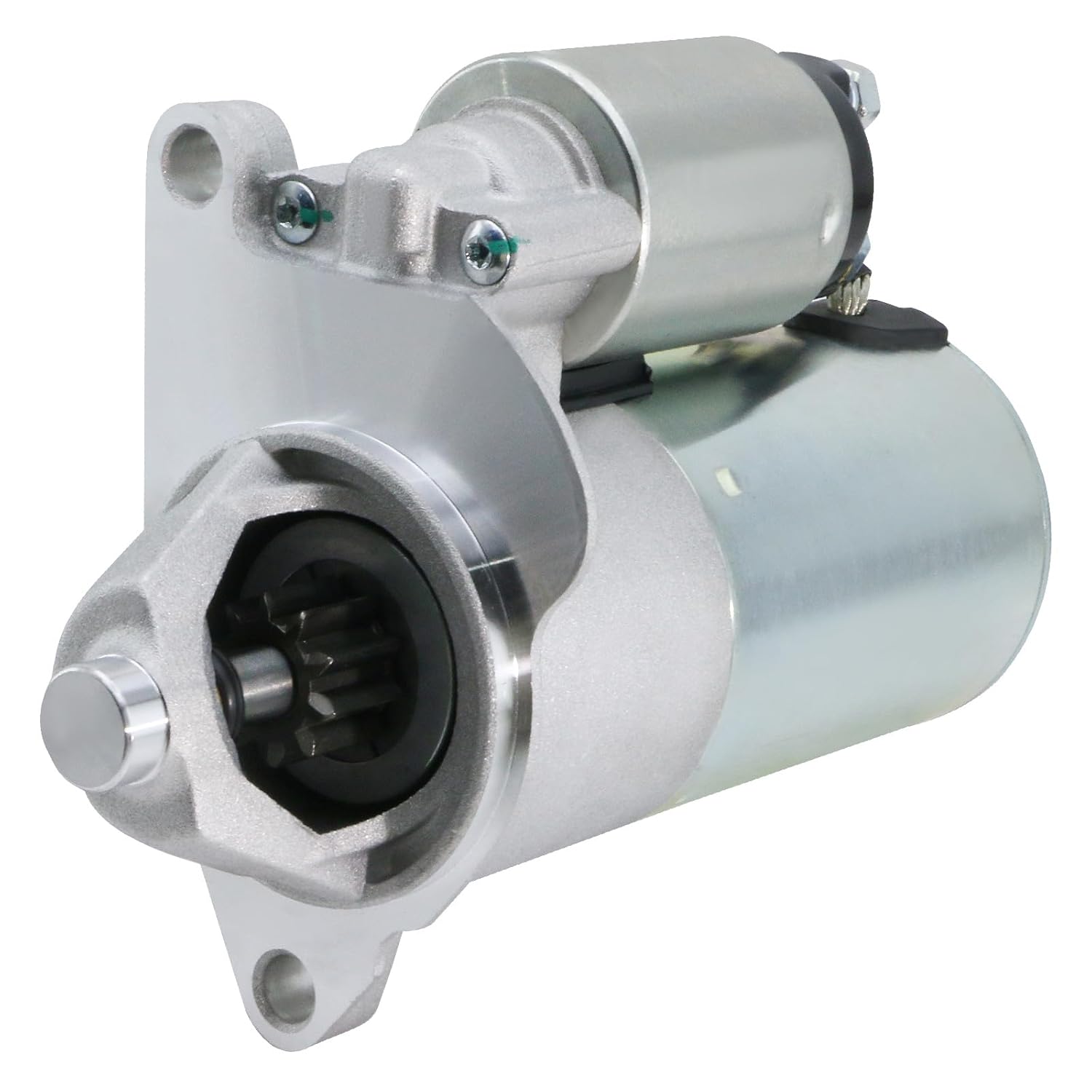
5. DynaVim Parts New Starter 3273N (Replacement Starter)
| Brand | DynaVim Parts |
|---|---|
| Model | 3273N |
| Included Components | New Starter |
| Material Type | Metal |
This DynaVim 3273N starter is a straightforward replacement unit for Ford 4.0L engines and is intended for plug-and-play swapping of a worn starter. It combines a metal housing and a conventional gear-driven drive to crank the engine, delivering the basic function of reliable starting without extra features. The unit is sold as a single complete starter and the listing calls out multiple OE replacement numbers so installers can verify fitment. In practical use it will suit routine repairs and do-it-yourself installs where the original starter has failed; the seller emphasizes factory-quality manufacturing and a one-year replacement warranty which is reassuring for buyers focused on dependability. Trade-offs are that this is a standard aftermarket option rather than an upgraded high-torque performance unit, so buyers seeking faster cranking under extreme cold or heavy-duty repeated starts should consider performance-grade alternatives. Packaging and part labeling appear aimed at reducing fitment errors during installation.
Best for: Buyers who prioritize a reliable, factory-quality replacement for a failed starter and want a direct swap that minimizes fuss during installation.
Less Ideal for: Drivers who need a heavy-duty or performance starter for frequent cold starts, towing, or motorsport use should look at upgraded high-torque options instead.
- Made to meet or exceed factory-quality standards for compatible Ford 4.0L starters
- Comes as a complete replacement unit ready for installation
- Includes many OE replacement numbers to simplify fitment checks
- Metal construction for durability in normal road use
- Not marketed as a high-torque or cold-weather performance starter
Verdict: Choose this starter when you want a dependable, factory-quality direct replacement for Ford 4.0L engines with straightforward fitment and a one-year backing.
6. BDELI 3273N Replacement Starter Motor

| Voltage | 12 volts |
|---|---|
| Wattage | 1.4 KW |
| Amperage | 4 A |
| Material Type | Copper |
This BDELI 3273N replacement starter is a direct-fit aftermarket unit intended to replace worn starters on many Ford Ranger and similar vehicles. It delivers a 12-volt, 1.4 kW output and uses copper components, which suggests solid electrical conductivity and durability for regular starting cycles. Installation is typical for a starter swap: remove the old unit, bolt the new starter in place, and reconnect the wiring. The package includes one brand new starter and the part is tested during manufacturing to meet factory-quality benchmarks. Practical benefits are straightforward: it restores reliable engine cranking, is compatible with established replacement part numbers, and comes from a manufacturer that offers a one-year replacement policy. Limitations to consider are that this is an aftermarket part rather than a factory-branded unit and fitment must be confirmed against your vehicle VIN or OE part numbers; you should also inspect mounting and electrical connections during install to avoid fit issues. For buyers prioritizing dependable starting performance at a lower cost than dealer parts, this starter is a sensible option.
Best for: Buyers who want a cost-effective, tested replacement starter with documented compatibility to restore reliable starting on a Ranger without paying dealer prices.
Less Ideal for: Customers seeking original factory-branded parts or those unwilling to verify fitment against their vehicle identification details should consider alternatives.
- Factory-quality testing and ISO-certified manufacturing processes
- Uses copper components for reliable electrical conductivity
- Includes one-year manufacturer replacement support
- Direct replacement for many Ford Ranger and related part numbers
- Aftermarket unit may require verification of exact fitment before purchase
- Not a factory-branded starter which may concern buyers preferring OEM parts
Verdict: A tested, copper-component aftermarket starter that returns dependable cranking for Ford Ranger owners looking for a budget-friendly, direct-replacement option.
7. E EZEXPREZE Starter Motor 1.4KW for 4.0L Ford Engines (Model 3273N)

| Voltage | 12 volts |
|---|---|
| Power | 1.4 KW |
| Rotation | Clockwise |
| Number of Teeth | 10 |
This E EZEXPREZE starter is a direct replacement-style unit made for 4.0L Ford and Mazda applications, offering a 12V, 1.4 kW motor and a clockwise rotation with a 10-tooth pinion. Typical use is as a factory-style swap when an original starter fails; standardized production and stated fitment aim to make installation straightforward for technicians or confident DIYers. Notable features include a full DV testing process and a one-year warranty backed by vendor support, which help reduce the risk of early failure. Practical benefits are reliable cranking power for the listed engines and compatibility with automatic transmissions where specified. Limitations are that fitment is restricted to the listed 4.0L models and specific transmission configurations, so buyers must confirm the exact year and transmission before purchasing. Also this is an aftermarket part, so while testing is claimed, actual longevity may vary compared with a factory-quality remanufactured unit.
Best for: A buyer who wants a ready-to-install replacement starter for a 4.0L Ford or Mazda and prefers parts that come with vendor testing and short-term warranty support to minimize installation risk.
Less Ideal for: Someone who needs broad multi-vehicle compatibility or who prefers a manufacturer-remanufactured starter with extended service history and OEM branding.
- Designed to match common 4.0L Ford and Mazda starter fitments for easier installation
- 1.4 kW power rating provides solid cranking for gasoline 4.0L engines
- Undergoes full DV testing and includes a one-year seller-backed guarantee
- Vendor offers online engineering support for installation questions
- Fitment is limited to the specific 4.0L models and often only for automatic transmissions
- Aftermarket part so long-term durability may differ from factory-quality remanufactured units
Verdict: A tested, warranty-backed aftermarket starter built to replace failed units on compatible 4.0L Ford and Mazda engines for buyers who prioritize a low-risk swap.
Choosing the Right Ford Ranger Starter Motor: Key Factors to Consider
Electrical Compatibility
Starter motors must match the Ford Ranger's electrical system to deliver reliable cranking. Voltage rating and current draw determine whether the starter will engage properly without overloading the battery or charging system. A unit with too high a current draw can stress battery cables and cause voltage drop, leading to slow cranking or no-start conditions.
Also consider solenoid integration and terminal layout. The solenoid must switch the starter reliably when the ignition signal is applied, and posts should align with the Ranger's wiring harness to avoid splicing. Confirm polarity and connector types to reduce installation time and risk of loose connections that lead to intermittent starts.
Mechanical Fitment
Correct mechanical fit prevents installation headaches and ensures the starter pinion engages the flywheel cleanly. Check mounting flange orientation, bolt hole spacing, and shaft spline count, since small differences can cause misalignment, premature wear, or failure to engage.
Clearance with nearby engine components matters on the Ranger. A direct-fit starter that matches the engine block and bellhousing contours reduces the chance of interference with exhaust components, brackets, or heat shields, and minimizes the need for modifications during installation.
Engagement and Torque
The starter needs sufficient torque to turn the engine over under various conditions, including cold starts and higher-compression scenarios. Higher torque ratings help ensure quick cranking and reduce strain on the starter and battery. Consider gear-reduction designs that multiply torque while reducing starter size and wear.
Smooth, reliable engagement of the pinion with the flywheel is essential to avoid gear clash and tooth damage. Look for starters with proven drive mechanisms and return springs that reduce grinding and ensure consistent mesh every time you crank the engine.
Durability and Environmental Resistance
A Ranger's starter must withstand exposure to moisture, road salt, heat, and vibration. Materials and coatings that resist corrosion extend service life and reduce the chance of electrical faults. Robust internal components, such as heavy-duty brushes and sealed bearings, help the starter tolerate repeated use without rapid degradation.
Shock and vibration resistance are especially relevant if you use the Ranger off-road or in work settings. Sealed or protected solenoids and housings can prevent contamination that leads to sticking or electrical shorting over time.
Included Components and Warranty
Starter assemblies that include replacement solenoids, mounting hardware, or dust seals simplify installation and lower the risk of missing parts. Inclusion of a correct replacement driveshaft or shim pack can save time and ensure optimal engagement.
Warranty length and terms indicate manufacturer confidence and provide recourse if the unit fails prematurely. Look for warranties that cover mechanical failure under normal use and provide clear instructions for claims and returns.
Installation Complexity
Installation difficulty affects whether you can tackle the replacement yourself or need professional help. Consider access to the starter location on the Ranger, required tools, need to raise the vehicle, and whether special procedures such as transmission support or engine hold are necessary.
Review whether the starter is a direct bolt-in or requires wiring modifications. Clear instructions, labeled terminals, and included fasteners reduce the chance of mistakes during installation and decrease total labor time.
Signs Your Ranger Needs A New Starter
Recognizing starter motor symptoms early can prevent inconvenient failures. Common indicators include a single heavy click when turning the key, repeated rapid clicking, or the engine turning over slowly despite a healthy battery. Intermittent starting, where the truck will sometimes start and sometimes not, often points to a failing solenoid or worn internal contacts.
Other signs include electrical smells during start attempts, visible corrosion at starter terminals, and grinding noises that suggest the starter pinion is not seating properly with the flywheel. Pay attention to changes in how the engine responds during cranking, and cross-check battery and cable health before concluding the starter is at fault.
- Starter clicking noise when key turned
- Slow cranking with sufficient battery voltage
- Intermittent starts or no response
- Grinding or unusual mechanical noises during cranking
Preparing Your Ranger For Starter Replacement
Before beginning installation, park the vehicle on level ground, engage the parking brake, and disconnect the negative battery terminal to prevent electrical shorts. Gather necessary hand tools, safety equipment, and any replacement parts that should be swapped at the same time, such as mounting bolts or the solenoid if not included.
Inspect the surrounding area for corroded nuts or seized fasteners. Lifting the front of the Ranger and supporting it safely on jack stands can improve access to the starter on many engine configurations. Have penetrating lubricant and a breaker bar ready for stubborn bolts, and keep the original fasteners organized so reassembly is straightforward.
- Disconnect negative battery terminal
- Support vehicle safely if needed
- Inspect and prepare replacement hardware
- Have penetrating oil and appropriate tools ready
How To Test A Starter On A Ford Ranger
Begin by verifying battery health and cable continuity; many apparent starter failures are actually weak batteries or poor connections. Check battery voltage with a multimeter at rest and during a crank to see if voltage drops excessively. Clean and tighten battery terminals and ground straps before further testing.
Bench testing the starter or performing a voltage drop test while cranking can isolate the starter. A local voltage drop test measures voltage between the battery positive and the starter terminal while cranking, and between the battery negative and starter body. Significant voltage drops indicate cable or terminal issues rather than starter internals. If tests point to the starter, bench testing with jumper leads can confirm solenoid engagement and motor rotation.
- Check battery voltage at rest and under load
- Perform voltage drop tests on positive and negative circuits
- Bench test starter if removed
- Inspect terminal corrosion and wiring harness connections
Common Starter Solenoid Problems
The solenoid is a common failure point and can produce symptoms similar to a bad starter motor. A sticking solenoid may click but fail to engage the pinion or deliver full current to the motor. Corroded solenoid contacts can cause intermittent starting or high resistance that reduces cranking speed.
Replacement solenoids are often available separately, and diagnosing the solenoid before replacing the entire starter can save time and parts. Ensure replacements match the Ranger's electrical specifications and terminal layout to prevent installation issues.
- Sticking plunger causing intermittent engagement
- Burnt or pitted contacts raising resistance
- Corrosion at terminals causing poor connections
- Incorrect solenoid polarity or terminal arrangement
Maintaining Long-Term Starter Reliability
Routine maintenance helps extend starter life. Keep battery terminals and starter connections clean and tight to minimize resistance and heat buildup. Protect the starter area from excess moisture and road contaminants where possible, especially if you use the Ranger off-road or in snowy conditions that introduce salt.
Address flywheel or ring gear damage promptly; damaged teeth can accelerate starter wear. During other engine work, inspect the starter mounting and wiring so small issues are corrected before they lead to failure.
- Regularly clean and tighten connections
- Inspect for flywheel tooth damage during related service
- Protect starter from moisture and salt exposure
- Replace worn wiring or heat-shielding when needed
How We Chose the Best Ford Ranger Starter Motor
We focused on attributes that matter most when replacing a starter motor on a Ford Ranger. Our evaluation emphasized electrical compatibility with Ranger charging systems and battery sizes, ensuring the unit provides adequate torque and engages reliably under typical load and temperature conditions. Durability under repeated starts, resistance to corrosion and moisture, and the quality of internal brushes and bearings were weighed to predict long-term service life. We also considered mechanical fit: correct mounting flange, gear spline count, and clearance for Ranger-specific engine bays to minimize installation adjustments. Ease of installation was scored by typical access, fastener types, and whether the unit includes necessary replacement parts such as solenoids, mounting bolts, or gaskets.We excluded units with unclear technical specifications, non-direct-fit conversions requiring machining, and options lacking clear warranty or return terms. Finalists were those that combined documented electrical/mechanical compatibility with good build quality and clear installation guidance suitable for do-it-yourself and professional installations on the Ford Ranger.
Our full evaluation process is outlined in our review methodology.
FAQ
What causes a starter to click but not turn the engine?
Clicking often indicates the solenoid is receiving a signal but the starter motor is not getting enough current or the pinion is not engaging. The issue can be a weak battery, corroded connections, a failing solenoid, or internal motor failure.
Can I replace my Ranger's starter myself?
Often yes, if you have basic mechanical skills and the right tools. Some Ranger engine layouts require lifting the vehicle or working in tight spaces. If you are uncomfortable with electrical tests or heavy fasteners, professional installation is a reasonable choice.
How do I know if the solenoid or the starter motor is bad?
Start by checking battery and cable condition. If voltage is good but you get clicking or intermittent operation, test the solenoid separately or perform a bench test on the starter. Solenoid failure typically presents as engagement issues, while motor failure shows as no rotation when full power is applied.
Will a weak battery mimic starter failure symptoms?
Yes. A weak battery can cause slow cranking, clicking, or no-start conditions that resemble starter faults. Measuring battery voltage at rest and during cranking helps differentiate battery problems from starter issues.
Are replacement parts like solenoids usually available separately?
Yes, solenoids and some mounting hardware are often sold separately, which can make repairs more economical. However, ensure replacement parts match the Ranger's electrical and mechanical specifications to avoid fitment problems.
How long should a starter motor last in a Ford Ranger?
Starter lifespan depends on usage and conditions. Under normal driving and maintenance it can last many years, but severe duty, frequent short trips, or exposure to moisture and corrosion can reduce service life. Regular inspection helps catch issues early.
Final Verdict
When selecting a starter motor for a Ford Ranger, prioritize electrical compatibility and correct mechanical fit to ensure consistent engagement and long service life. Balance torque and durability needs against installation complexity and whether replacement components like solenoids are supplied.By focusing on the factors outlined above, you can choose a starter that restores reliable starting while minimizing future service. If you are unsure about fitment or electrical specifics, consult installation documentation or a qualified technician to confirm the best choice for your Ranger.
Explore More:
- Check out all Ford Ranger parts & accessories
- Explore Starter Motors Maintenance & Repair Guides
- Explore Electrical System
- Browse all Auto Parts
