

Note: This article contains affiliate links. If you click on these links and make a purchase, I may earn a small commission at no extra cost to you. This helps support my research and content. Read my full affiliate disclosure here.
When a starter motor fails it can leave you stranded and disrupt daily driving. Choosing the right BMW 3 Series starter motor matters because fitment, torque output, and electrical reliability determine whether your car will start consistently and perform as expected. This guide outlines a short list of top candidates that meet common repair needs for the BMW 3 Series. We evaluated each option for fit accuracy and electrical performance, plus build quality and warranty support. Read on to see which starter motors made the shortlist and why they are suitable replacement options.
Looking for other parts? See all BMW 3 Series parts & accessories.
Top Picks at a Glance
| Best overall The best all-around choice for most situations | TYC Starter Motor 1-17922 for 2006–2011 BMW 3 Series |  |
| Best Quality Built to a higher standard if you want something more solid | Bosch SR0492N Replacement Starter for Select BMW Models |  |
| Best Value The sweet spot between price and what you get | SCITOO Starter Motor 12V PMGR 1.7kW, 11-Tooth (Fits select BMW 3 Series) |  |
| Best budget The cheapest option that still gets the job done reliably | PHILTOP 17702N Replacement Starter Motor for BMW 3 Series |  |
| Highest Rated A top-rated pick with lots of positive feedback | EZEXPREZE Starter Motor (Model 19824) for select BMW 3-Series and other BMW models |  |
| Most popular A crowd favorite that many people choose with confidence | KAC 17140N Starter Motor Replacement for BMW E30 E34 2.5L/2.7L (1988–1990) |  |
| Best Seller A high-volume bestseller chosen again and again | SCITOO Starter Motor PMGR 12V 1.2kW 9-Tooth for BMW 3.0L (fits select 2011–2016 models) | 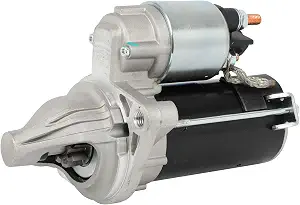 |
1. TYC Starter Motor 1-17922 for 2006–2011 BMW 3 Series

| Wattage | 1.4 KW |
|---|---|
| Manufacturer | TYC |
| Model | Starter |
| OEM Part Number | 12-41-7-526-236 |
This TYC starter is a direct-replacement unit intended to restore reliable cranking on 2006–2011 BMW 3 Series models with the N52 family of engines. It is used like any replacement starter: remove the faulty unit, swap mounting bolts and electrical connections, then reinstall. Key features listed include 1.4 kW output, machined exterior, and upgraded internal components such as sealed bearings, quality brushes, and greased lubrication intended to meet factory form, fit and function. In practice buyers report solid fitment and strong cranking after installation, and the design aims to reduce premature failure through load testing and improved internals. Installation can be labor intensive on these BMWs because the starter is tucked under the intake manifold, and some installers recommend replacing associated gaskets or fasteners while the intake is off. A few isolated reports note solenoid or disengagement issues, so modest quality variation is possible. For a balanced buyer seeking a factory-style replacement at a lower cost than dealer parts, this unit delivers good value with typical installation caveats for this vehicle platform.
Best for: Balanced all-round buyers who want a factory-style replacement that balances cost and reliability for routine repairs on a BMW 3 Series.
Less Ideal for: Drivers who need a guaranteed lifetime solution or commercial-grade frequent-start duty should consider higher-end or OEM-sourced alternatives.
- Designed as a direct replacement for 2006–2011 BMW 3 Series with matching mounting provisions for drop-in fit
- Upgraded internal components and 1.4 kW output for consistent cranking performance
- 100% computerized load and power tested to improve initial reliability
- Machined exterior and sealed bearings for durability
- Installation is labor intensive on affected BMW engines and may require intake removal and extra parts
- Some users reported intermittent solenoid or gear disengagement issues on a small number of units
Verdict: A cost-effective, factory-form replacement starter that offers strong cranking for BMW 3 Series owners willing to accept a moderately challenging installation and some variability in longevity.
2. Bosch SR0492N Replacement Starter for Select BMW Models

| Amperage | 2.4 Amps |
|---|---|
| Voltage | 12 Volts |
| Wattage | 2 KW |
| Material Type | Aluminum |
The Bosch SR0492N is a direct-replacement starter built as a new unit (not remanufactured) to restore reliable starting on compatible BMW 3 Series and related models. It installs in place of the factory unit and is intended for standard engine-start use under normal and extreme climates; Bosch states each unit is fully tested for function, endurance, and water resistance. Notable features include all-new internal components, aluminum housing, and testing to Bosch climate and intrusion standards that help the starter tolerate heat, cold, and moisture. For a performance-oriented buyer this starter delivers strong starting torque and factory-style operation without modification. Expect factory-quality fit and the potential need for careful installation on some BMW engines where access is tight. A small number of reviewers reported intermittent engagement or returns, so confirming fit and testing before reassembly helps avoid a repeat labor-intensive replacement job.
Best for: Performance-oriented BMW owners who prioritize factory-quality replacement parts and reliable starting under demanding conditions.
Less Ideal for: Buyers seeking the lowest-cost option or who prefer remanufactured parts for budget installs should consider alternatives.
- 100% new internal components for factory-style reliability
- Engineered and bench-tested for endurance, climate stability, and splash resistance
- Aluminum housing for corrosion resistance and durability
- Designed to match factory fit and function for direct replacement
- Installation can be labor-intensive on some BMW engines due to tight access
- A few user reports of inconsistent shaft engagement on rare units
Verdict: A 100% new, factory-quality Bosch starter engineered and tested to deliver reliable starting performance for select BMW 3 Series applications.
3. SCITOO Starter Motor 12V PMGR 1.7kW, 11-Tooth (Fits select BMW 3 Series)

| Volts | 12V |
|---|---|
| Power Rating | 1.7kW |
| Rotation | CW |
| Number of Teeth | 11-Tooth Pinion |
| Types | PMGR |
This SCITOO starter motor is a direct-replacement unit intended for select BMW 3 Series 2.0L engines from the mid-2010s. It installs in place of the factory starter and provides the typical function of engaging the flywheel to crank the engine; the unit is offered as a PMGR 12V, 1.7 kW motor with clockwise rotation and an 11-tooth pinion. In real-world use buyers report easy installation and satisfactory cranking performance for many cars, and the part is marketed as meeting strict quality checks. Practical benefits include lower cost compared with dealer replacements and common-fit references to BMW part numbers for easier cross-reference. Important limitations are variability in long-term durability reported by users and occasional need for minor adjustments at installation to get immediate engagement. For budget-minded BMW owners this starter can restore reliable starting at a fraction of dealer cost, but those wanting maximum longevity may prefer a higher-end remanufacturer or OEM replacement.
Best for: A practical optimizer focused on restoring vehicle function without paying dealer prices, prioritizing cost-effective, serviceable parts for routine repairs on a BMW 3 Series.
Less Ideal for: Drivers seeking the longest possible service life or a factory-brand replacement who prefer to minimize any risk of early failure should consider higher-grade remanufactured or OEM starters instead.
- Direct-replacement design that matches referenced BMW part numbers for straightforward fitment to compatible 3 Series models
- Lower cost than dealer or brand-name remanufactured starters, making it attractive for repairs on a budget
- Standard PMGR 12V 1.7 kW spec and 11-tooth pinion provide adequate cranking power for 2.0L BMW engines
- Multiple user reports of easy installation and immediate restoration of starting function
- Mixed longevity in customer reports, with some units failing within months
- Occasional reports of requiring a tap or minor adjustment to engage after installation
Verdict: A budget-friendly direct-replacement starter that restores starting capability for compatible BMW 3 Series models but with mixed reports on long-term durability.
4. PHILTOP 17702N Replacement Starter Motor for BMW 3 Series

| Voltage | 12 Volts (DC) |
|---|---|
| Wattage | 1.4 KW |
| Phase Type | Single Phase |
| Tooth Pinion/Teeth | 9 |
| Rotation | CW |
This PHILTOP 17702N is a direct-replacement style starter tailored for older BMW 3 Series applications. It provides the basic function of engaging the engine flywheel to crank the motor and is typically used when a worn or failed starter needs swapping out. The unit is rated 12 volts and 1.4 kW with a 9-tooth pinion and clockwise rotation, matching common specifications for many early BMW 3 Series engines. Construction details such as an aluminum housing, laminated steel core, and copper windings aim to deliver reliable electrical performance, while the seller states environmental and vibration testing during development. In practice you can expect quieter cranking and straightforward bolt-in installation on compatible models, though some buyers report the body length and terminal fitment may differ slightly from factory units and could require minor trimming or adjustment during installation. Build quality appears good for the price, but longevity varies among users so expect this as a cost-conscious replacement rather than a lifetime component.
Best for: Budget-conscious BMW 3 Series owners looking for an affordable, direct-replacement starter to get an older vehicle back on the road without paying for a dealer remanufacture.
Less Ideal for: Drivers seeking a long-term factory-quality overhaul or a premium remanufactured unit should consider higher-end remanufactured starters or dealer options instead.
- Matches common BMW 3 Series starter specs including 12V, 1.4 kW output and 9-tooth pinion
- Materials and winding construction intended to deliver solid electrical conductivity
- Designed for quiet, smooth cranking which helps reduce starter noise during engine start
- Engineered to withstand temperature, salt spray, and vibration testing according to the product description
- Some units have body length or terminal differences that require minor modification during installation
- Mixed long-term reliability reports mean lifespan can be inconsistent
Verdict: A cost-effective replacement starter that fits many early BMW 3 Series models and delivers acceptable performance for budget-focused repairs.
5. EZEXPREZE Starter Motor (Model 19824) for select BMW 3-Series and other BMW models

| Voltage | 12 Volts |
|---|---|
| Wattage | 1.3 KW |
| Rotation | CW (Clockwise) |
This EZEXPREZE starter is a direct-replacement aftermarket unit designed to restore reliable starting to compatible BMW 3 Series cars and other listed BMW models. It installs in place of the factory starter and is aimed at owners who need a dependable, budget-friendly swap after a failed starter. Notable features include a 12 volt, 1.3 kW power rating, clockwise rotation and a 9-tooth pinion for engagement. The listing and multiple customer reports indicate bolt-on fitment and straightforward installation on the specified BMW engines, and the manufacturer states each unit passes DV testing and includes a one-year guarantee. Practical benefits are reduced cost versus dealer parts and generally OEM-like fit and performance when matched to the correct year and engine. Limitations are typical of aftermarket starters: you must confirm exact fitment to your chassis and engine code because cross-reference numbers vary, and long-term durability may depend on local installation and vehicle condition rather than factory backing.
Best for: Reliability-focused BMW owners who prioritize getting a solid, tested replacement starter that restores dependable starting without paying dealer prices.
Less Ideal for: Buyers seeking factory-sourced parts with manufacturer-level provenance or those who prefer shop-installed dealer replacements should consider OEM options instead.
- Direct-replacement design for many BMW 3 Series and related models, enabling bolt-on installation
- Rated 12V/1.3 kW with clockwise rotation that matches many factory starters
- Manufacturer reports 100% DV testing and offers one-year support/guarantee
- Multiple customer reports of easy installation and OEM-like fit
- Fitment is model- and engine-specific so buyers must verify compatibility before purchase
- As an aftermarket unit, long-term lifespan may vary compared with factory-made starters
Verdict: A tested, budget-friendly direct-replacement starter that restores reliable starting for the specified BMW 3 Series and related models.
6. KAC 17140N Starter Motor Replacement for BMW E30 E34 2.5L/2.7L (1988–1990)

| Voltage | 12 Volts (DC) |
|---|---|
| Wattage | 1.4 KW |
| Rotation | Clockwise |
This KAC 17140N starter is a direct-replacement unit intended for BMW 3 Series (E30) and related BMW fitments from the late 1980s to 1990s. It supplies a 12 volt, 1.4 kW motor with a 9-tooth pinion and clockwise rotation, packaged for plug-and-play installation. The listing highlights high temperature lubricated bearings and double lip rubber seals to reduce friction, vibration and noise, and the design aims to match factory mounting and electrical connections so most owners can swap it in without modification. In practice this type of unit works well for restoring reliable cranking on older BMWs and offers quick installation and a cleaner appearance compared with a worn original. Some buyers report excellent performance and fast engine turnover, while others note early failures or solenoid engagement issues, so longevity appears variable. If you want a convenient replacement that restores starting ability and keeps installations simple, this starter is a practical option, but expect mixed long-term durability compared with higher-priced remanufactured or OEM units.
Best for: Convenience-driven BMW owners looking for an easy, plug-and-play starter replacement to get a vintage 3 Series back to reliable cranking with minimal fuss.
Less Ideal for: Owners seeking the longest possible service life or an exact factory remanufactured part should consider OEM replacements or professionally remanufactured starters instead.
- Direct-fit design intended for BMW E30/E34 2.5L and 2.7L applications for straightforward installation
- 12V 1.4 kW output provides strong cranking and quick engine turnover
- High temperature lubricated bearings and double lip seals reduce friction, vibration and noise
- Includes installation manual and arrives as a complete unit ready to mount
- Reported variability in longevity with some customers experiencing early failure or solenoid non-engagement
- Not a factory-brand remanufactured unit so long-term reliability may lag OEM replacements
Verdict: A convenient, direct-fit replacement that restores starting performance on classic BMW 3 Series but with some variability in long-term reliability.
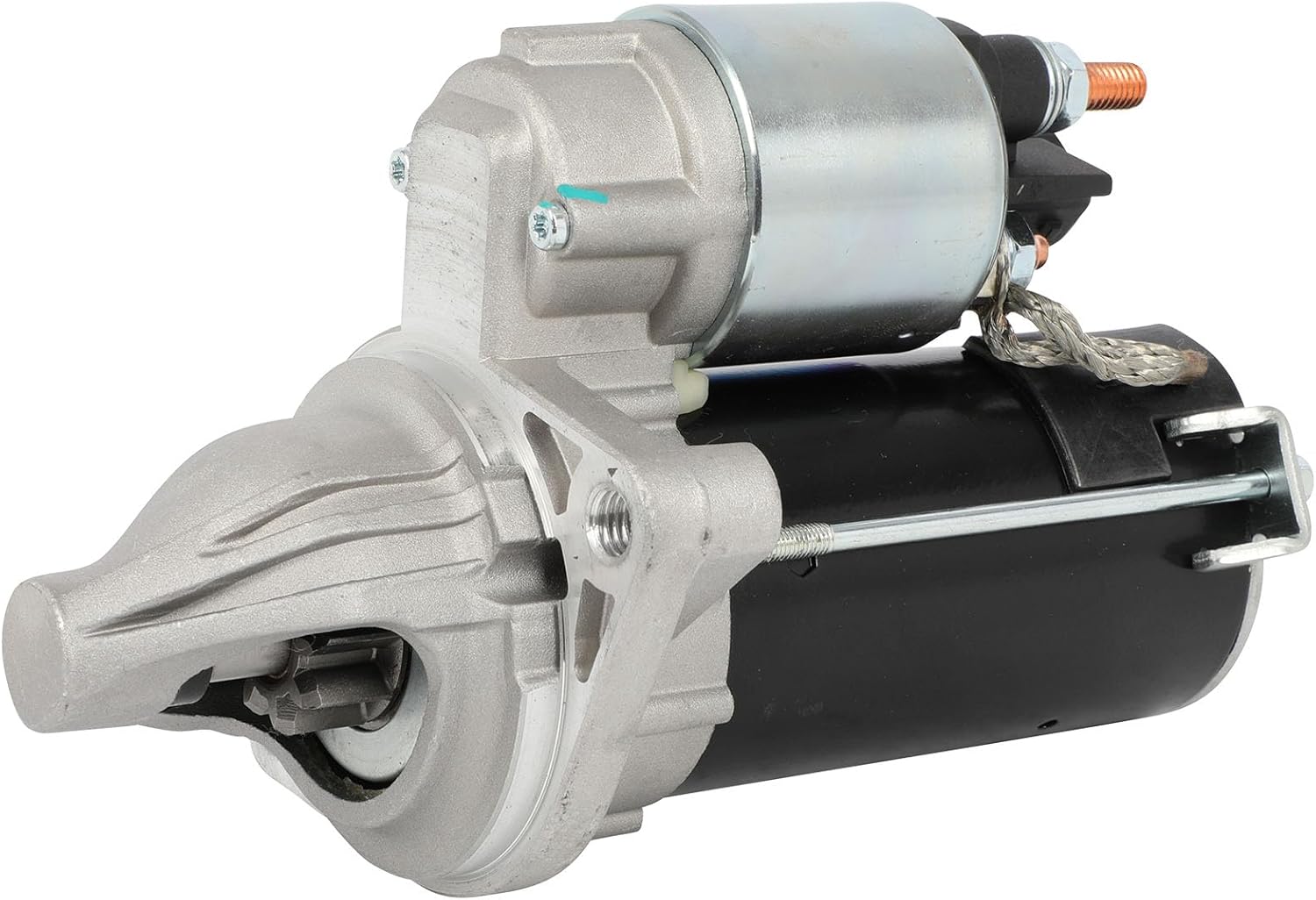
7. SCITOO Starter Motor PMGR 12V 1.2kW 9-Tooth for BMW 3.0L (fits select 2011–2016 models)
| Type | PMGR |
|---|---|
| Voltage | 12V |
| Power rating | 1.2kW |
| Rotation | CW |
| Number of teeth | 9-Tooth Pinion |
This SCITOO starter motor is a budget-friendly replacement designed to restore cranking to affected BMW 3.0L engines. It installs like a standard starter and is sold as a PMGR 12V unit with clockwise rotation and a 9-tooth pinion, so it performs the basic job of engaging the flywheel and turning the engine for starting. The listing stresses quality control and includes referenced OEM part numbers for fit verification, which helps when matching to BMW 12-41-7-616-500/502 applications. In real-world use buyers report easy installs and reliable starting when the unit matches the vehicle, though results vary across vehicles and some users needed a light tap or reported early failures. The practical benefit is a low-cost, plug-in replacement that gets a stalled car running without modifying the vehicle. Expect cost savings versus dealer parts but accept occasional variability in longevity compared with higher-end remanufactured or factory-quality starters.
Best for: Risk-averse mainstream BMW 3 Series owners who prioritize getting a reliable, low-cost replacement quickly and prefer parts that reference factory part numbers for easier fit verification.
Less Ideal for: Buyers who need guaranteed long-term durability or prefer factory remanufactured starters with extended service life should consider higher-end or dealer-sourced options instead.
- Designed to match referenced BMW OEM part numbers for easier fit confirmation
- Compact PMGR 12V 1.2 kW design for straightforward replacement of failed starters
- Includes common features needed for BMW starting systems such as clockwise rotation and 9-tooth pinion
- Many buyers report simple installation and immediate restoration of starting function
- Some customers report early failures or intermittent engagement requiring a tap to activate the drive
- Quality and longevity appear inconsistent compared with higher-cost remanufactured or OEM units
Verdict: A low-cost, factory-replacement-style starter that restores starting function for compatible BMW 3.0L models without complex installation.
Choosing the Right BMW 3 Series Starter Motor: Key Factors to Consider
Fitment and Compatibility
Correct fitment is essential because a starter motor must align precisely with the flywheel or flexplate and match the vehicle's mounting points. An exact-fit unit reduces installation time and lowers the risk of leaks, misalignment, or premature wear.
Compatibility also covers electrical connectors and engagement direction. Choose a starter specified for the BMW 3 Series engine variant you own to avoid adapter plates or rewiring that can introduce failure points.
Cranking Torque and Electrical Load
Cranking torque determines how effectively the starter turns the engine over, especially in cold conditions or with higher compression engines. Look for units with sufficient torque ratings for your engine size to ensure quick, confident starts.
Electrical load characteristics such as current draw affect battery and charging system stress. A starter that draws excessive current can accelerate battery wear or trip protective circuits, so matching expected electrical performance is important.
Build Quality and Materials
Durable materials and robust construction extend service life. Components like the pinion gear, shaft bearings, and housing material influence resistance to wear and heat. Metal gears and quality bearings typically last longer than cheaper alternatives.
Consider design choices that reduce failure modes, such as sealed housings to keep out contaminants and reinforced mounting flanges that resist flexing under load.
Solenoid and Engagement Mechanism
The solenoid controls gear engagement with the flywheel and the electrical contact for the starter motor. Reliable solenoid operation prevents common starting problems like intermittent engagement or persistent clicking.
Evaluate whether the design includes protective features for the solenoid and straightforward access to replaceable components. Simpler, serviceable mechanisms can be repaired without full assembly replacement.
Warranty and Serviceability
A meaningful warranty indicates manufacturer confidence and protects you against early failures. Look for clearly defined warranty terms that cover functional defects rather than cosmetic issues.
Serviceability matters for long-term ownership. Availability of replacement parts such as brushes, solenoids, or pinion assemblies can reduce lifecycle costs and make repairs faster and less expensive.
Installation Requirements
Installation complexity affects both cost and the chance of installation-related faults. Units that offer plug-and-play connectors and match OEM mounting reduce labor time and the likelihood of wiring mistakes.
Also consider whether special tools or additional parts are required. Clear installation instructions and accessible mounting points make for a smoother, more reliable replacement process.
How We Chose the Best BMW 3 Series Starter Motor
Our selection process focused on factors that directly affect real-world reliability and compatibility with the BMW 3 Series. We prioritized exact-fit units and OEM-equivalent mounting and electrical connections to minimize installation issues. Electrical performance was assessed via specifications for cranking torque and current draw to ensure adequate starting power for typical engine variants. We also examined build quality indicators such as materials, gear type, and brush or solenoid design that influence longevity.Additional filters included warranty length and availability of replacement parts to support long-term maintenance. We excluded units lacking clear fitment information or those with unknown electrical specs. Products that only fit non-BMW models or required vehicle modifications were not considered. The final list highlights starter motors that balance proper fit, dependable electrical performance, and reasonable serviceability for BMW 3 Series owners.
Our full evaluation process is outlined in our review methodology.
FAQ
What are common starter motor symptoms in a BMW 3 Series?
Common signs often include a single click or repeated clicking when turning the key, slow cranking, or no response at all. Other symptoms can be intermittent starting or unusual grinding noises during engagement. These clues help narrow whether the starter, the battery, or related electrical components need attention.
How can I test a starter motor without removing it?
You can perform basic tests such as checking battery voltage under load and listening for starter engagement. A voltage drop test across starter terminals while cranking can reveal excessive resistance. For more definitive results, bench testing after removal provides clearer diagnosis because it isolates the starter from vehicle wiring.
Will a bad starter show any warning lights or dashboard alerts?
A failing starter usually does not trigger specific dashboard warnings. However, related system issues like erratic cranking might coincide with low battery or charging system indicators. Diagnosis typically relies on audible symptoms and electrical testing rather than dashboard alerts.
Is starter motor installation difficult on a BMW 3 Series?
Installation difficulty varies by engine and model year but is often moderately challenging. You may need to access the starter from under the vehicle and work around tight spaces. Proper torque on mounting bolts and secure electrical connections are important to avoid future problems.
Can a failing starter damage the battery or alternator?
A starter that draws excessive current or repeatedly attempts to engage can increase battery strain, which may shorten battery life. In most cases this does not directly damage the alternator, but persistent electrical faults can contribute to broader charging system stress. Addressing the root cause promptly reduces collateral wear.
Conclusion
When selecting a starter motor for a BMW 3 Series, prioritize exact fitment, sufficient cranking torque, and solid build quality. Balance these performance factors with warranty coverage and ease of service to reduce the likelihood of repeat repairs.Understand the tradeoffs between plug-and-play convenience and components that offer greater serviceability. Focus on matching the starter to your specific engine variant and on clear electrical specifications to ensure reliable starting for years to come.
Explore More:
- Check out all BMW 3 Series parts & accessories
- Explore Starter Motors Maintenance & Repair Guides
- Explore Electrical System
- Browse all Auto Parts
