

Note: This article contains affiliate links. If you click on these links and make a purchase, I may earn a small commission at no extra cost to you. This helps support my research and content. Read my full affiliate disclosure here.
If you own a Ford Ranger with the inline-four engine, choosing the right spark plugs can noticeably affect starting, fuel economy, and drivability. The wrong plugs can cause rough idle, poor throttle response, or premature fouling, while the right ones restore crisp combustion and consistent performance. This guide picks six top spark plugs suited to the Ranger I4 and explains the technical points that matter for everyday use and maintenance.Each recommended option was shortlisted based on longevity, ignition performance, and compatibility with the Ranger I4. Below you will find the key evaluation criteria and practical advice on fitment, heat range, and maintenance so you can pick the right plugs for your driving habits and service schedule.
Looking for other parts? See all Ford Ranger parts & accessories.
Top Picks at a Glance
| Best Overall The best all-around choice for most situations | A-Premium Iridium Platinum Spark Plugs, Pack of 4 |  |
| Best Quality Built to a higher standard if you want something more solid | A-Premium Iridium Platinum Spark Plugs, Fine Wire, Pack of 4 |  |
| Best Value The sweet spot between price and what you get | Sixity Auto 4-Pack NGK V-Power Spark Plugs (compatible with Ford Ranger 2.3L I4 2005–2011) |  |
| Highest Rated A top-rated pick with lots of positive feedback | Bosch 8103 Double Platinum Fine Wire Spark Plug — Pack of 4 |  |
| Most Popular A crowd favorite that many people choose with confidence | Motorcraft SP-479 Platinum Spark Plug — Pack of 8 |  |
| Best Seller A high-volume bestseller chosen again and again | NGK V-Power TR55 Spark Plugs (6-Pack) |  |
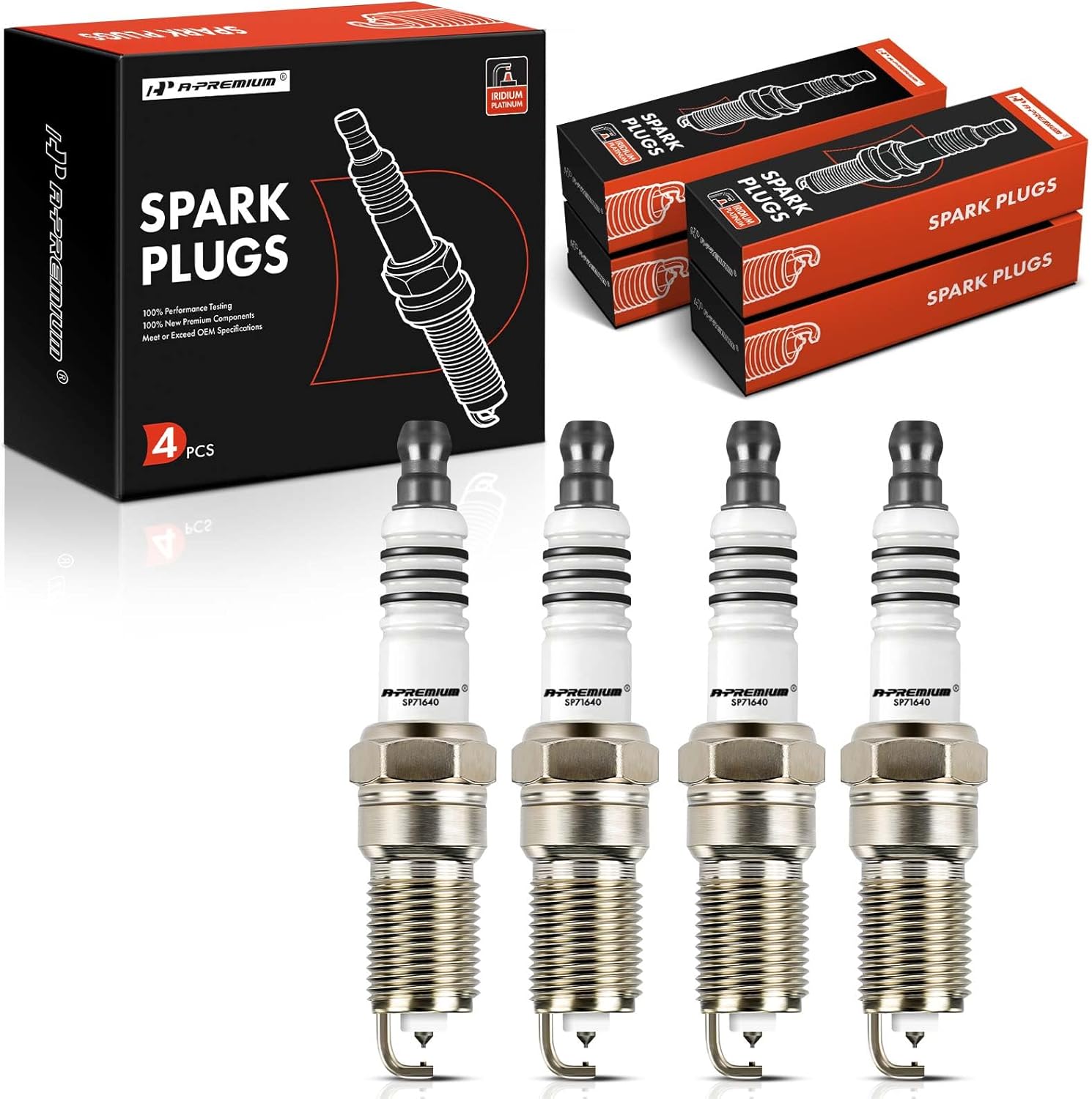
1. A-Premium Iridium Platinum Spark Plugs, Pack of 4
| Thread Size | M14 x 1.25 mm |
|---|---|
| Center Electrode Tip | Iridium |
| Center Electrode Core | Platinum |
| Resistance | 5000 ohms |
| Gap Size | 0.060 in |
These A-Premium spark plugs combine an iridium firing tip with a platinum core to deliver longer service life and stable combustion for small 4-cylinder engines. They install like a factory replacement and are intended for vehicle-specific fitment, so they are typically used when replacing worn plugs at routine maintenance intervals. Notable features include a fine iridium tip for reliable spark delivery, a resistance rating provided for radio interference suppression, and a recommended long service interval of 80,000 to 100,000 miles. In use the plugs should improve cold starts and throttle response compared with older worn electrodes, and their tighter gap specification helps maintain efficient burn and fuel economy over many miles. Limitations are that fitment is vehicle-specific so buyers must confirm compatibility for their Ranger I4 application and the hex and thread sizes require the correct socket and torque to avoid cross-threading. These are a practical, cost-conscious option for owners seeking a durable, factory-style replacement without specialty tuning.
Best for: Buyers who want a durable, factory-style replacement that balances longevity and everyday drivability for a 4-cylinder Ranger and value straightforward maintenance over performance tuning.
Less Ideal for: Drivers seeking high-performance or race-oriented plugs with aggressive heat ranges or custom electrode designs should consider specialty performance options instead.
- Iridium tip for longer lifespan and consistent spark
- Platinum core for durability and extended replacement interval
- Vehicle-specific design intended to match factory fit and threading
- Manufacturer lists a 0.060 in gap and resistance value for predictable performance
- Requires confirmation of exact fitment for Ford Ranger I4 variants before purchase
- Proper tools and torque are needed to install without damaging threads
Verdict: A practical, long-life replacement that restores reliable ignition and extended service intervals for 4-cylinder Ford Ranger owners who want a balanced, factory-style upgrade.
2. A-Premium Iridium Platinum Spark Plugs, Fine Wire, Pack of 4

| Thread Size | M14 x 1.25 mm |
|---|---|
| Core Material | Platinum |
| Top Material Type | iridium |
| Resistance (ohms) | 5000 |
| Gap Size | 0.047-0.051 in |
These A-Premium spark plugs pair an iridium center electrode with a platinum core to deliver longer life and stable ignition for four-cylinder engines. They are used as direct replacement plugs where the listed fitment applies and are especially useful for drivers wanting reliable combustion, smoother idle, and consistent throttle response between services. Notable features include a fine-wire iridium tip for precise spark and a factory-style thread size (M14 x 1.25 mm) for straightforward installation. Practical benefits include extended service intervals—manufacturer guidance suggests replacement around 80,000 to 100,000 miles—and compatibility with several Ranger and similar four-cylinder engines. Limitations include the vehicle-specific fit requirement, so confirm exact application before purchase, and these plugs require standard installation tools and correct gap checking despite being pre-specified. They offer a performance-minded upgrade over standard copper plugs but are not a specialized high-performance racing part.
Best for: Drivers who want a durable, higher-precision replacement spark plug to improve throttle response and maintain smooth running on a four-cylinder Ranger without moving to race-specific components.
Less Ideal for: Drivers seeking extreme performance or motorsport-grade ignition parts should consider specialty high-performance plugs; people wanting a universal fit plug should choose a different, non-vehicle-specific option.
- Iridium center electrode with platinum core for long lifespan
- Fine-wire tip supports precise, consistent ignition and smoother idle
- Vehicle-specific thread size and fit for direct replacement
- Recommended long service interval of 80,000 to 100,000 miles
- Not a dedicated high-performance racing plug despite performance benefits
- Requires confirming exact vehicle fitment and correct gap before installation
Verdict: A solid longevity-focused replacement that sharpens ignition consistency for four-cylinder Rangers without stepping into race-only hardware.
3. Sixity Auto 4-Pack NGK V-Power Spark Plugs (compatible with Ford Ranger 2.3L I4 2005–2011)

| Unit Count | 4 Count |
|---|---|
| Thread Size | 14mm |
| Compatible with Vehicle Type | Car, Truck |
| Gap Size | 0.04 inches |
| Core Material | Copper |
These NGK V-Power plugs are a direct-fit replacement designed for the 2.3L I4 Ranger and aim to restore reliable ignition and drivability. They use a copper core for efficient heat transfer and a patented V-cut center electrode intended to broaden the spark flame front for more complete combustion. In practice that means easier starts, smoother idling, and acceptable fuel burn when replacing old, worn plugs on a high-mileage Ranger. The four-pack covers a full-cylinder service and the plugs are vehicle-specific fitment which simplifies selection and installation for DIYers. Limitations are the copper-grade construction: copper plugs are excellent value and conductive but wear faster than platinum or iridium options, so expect shorter service intervals compared with long-life premium plugs. These are best for routine maintenance or restoring performance affordably rather than chasing maximum longevity or high-performance gains.
Best for: Buyers who want a practical, cost-effective replacement to restore starting, idle smoothness, and fuel efficiency on a 2.3L Ford Ranger without paying for premium long-life plugs.
Less Ideal for: Drivers seeking maximum service life or the smallest gap between changes should consider platinum or iridium options instead.
- Direct replacement fit for Ford Ranger 2.3L I4 2005–2011 simplifies installation
- Copper core promotes efficient heat transfer for stable combustion
- V-cut center electrode promotes a stronger, broader spark for improved ignitability
- Sold as a four-pack so you can service all cylinders at once
- Copper construction wears faster than platinum or iridium long-life plugs
Verdict: A budget-friendly, direct-fit spark plug pack that reliably restores ignition and drivability on 2.3L Ford Rangers.
4. Bosch 8103 Double Platinum Fine Wire Spark Plug — Pack of 4

| Brand Name | Bosch |
|---|---|
| Manufacturer Part Number | 8103 |
| Core Material | Platinum |
| Unit Count | 4.0 Count |
| Compatible with Vehicle Type | Car, Truck, SUV, Van, Bus, Watercraft |
The Bosch 8103 double platinum fine wire spark plugs replace factory-style plugs with a focus on long life and consistent ignitability. They use a fine wire platinum firing pin and a platinum inlay on the ground electrode to reduce gap erosion, which helps maintain a strong spark over many miles. Plugs arrive pre-gapped and have nickel-plated rolled threads so they resist corrosion and install easily without anti-seize. In everyday use these plugs suit routine maintenance: they provide steady starting, smooth idle, and predictable throttle response compared with worn copper plugs, and their extended service life reduces how often you need to change plugs. They are vehicle-specific fitment items so you should confirm compatibility before buying. The main trade-off versus iridium options is that iridium can offer marginally better longevity and slightly improved fuel efficiency, but double platinum is a solid, durable upgrade from standard plugs and aligns well with maintenance-focused owners.
Best for: Drivers prioritizing dependable, low-maintenance ignition performance who want a longer-lasting factory-style replacement for routine service.
Less Ideal for: Drivers chasing maximum longevity or marginal performance gains who prefer top-tier iridium plugs for high-mileage or performance engines.
- Double platinum electrodes and fine wire center design for reduced gap erosion and longer service life
- Factory preset gap and nickel-plated rolled threads for easier, corrosion-resistant installation
- Meets original-equipment design for fit and function so installation and performance are predictable
- Not the highest-end longevity or performance compared with some iridium spark plugs
Verdict: Choose these Bosch double platinum plugs when you want a reliable, factory-style replacement that extends service intervals and keeps ignition consistent.
5. Motorcraft SP-479 Platinum Spark Plug — Pack of 8

| Brand | Motorcraft |
|---|---|
| Core Material | Platinum |
| Thread Size | 14 millimeters |
| Vehicle Service Type | Car |
These Motorcraft SP-479 spark plugs are genuine factory-replacement platinum plugs sold in an eight-pack for multi-cylinder tune-ups. They install like standard threaded plugs and are intended to match factory fit, form, and function for vehicles that list SP-479 as the correct part. Platinum on the center electrode improves longevity and consistent firing compared with basic copper plugs, so they are a good choice if you want longer service intervals and stable idle/combustion. Because they are a direct-fit, no-gap tuning is usually required beyond torque and the vehicle manufacturer gap spec, making them practical for DIY maintenance or shop installs. The pack size is convenient when replacing all plugs at once. The main limitation is that these are a platinum design rather than double-platinum or iridium, so they trade slightly shorter life and marginally lower ignition performance compared with higher-end iridium options for cost-effectiveness and factory compatibility.
Best for: Buyers who prioritize factory-quality, proven parts and want the reassurance of a genuine replacement with broad user approval for routine maintenance on compatible Ford four-cylinder engines.
Less Ideal for: Drivers chasing maximum ignition longevity or peak performance from high-end spark plugs should consider iridium or double-platinum options instead.
- Genuine Motorcraft part engineered for vehicle-specific fit and function
- Platinum center electrode offers longer service life than basic copper plugs
- Sold in an eight-pack so you can replace all cylinders at once
- Direct-fit design minimizes installation fuss and the need for additional modifications
- Platinum construction is less long-lived and slightly lower performing than iridium counterparts
Verdict: Pick these Motorcraft SP-479 plugs if you want a factory-quality, vehicle-specific platinum replacement sold in a convenient eight-pack for routine Ford four-cylinder tune-ups.
6. NGK V-Power TR55 Spark Plugs (6-Pack)

| Brand | NGK |
|---|---|
| Core Material | Copper |
| Thread Size | 14 milimeters |
| OEM Part Number | TR55 |
These NGK V-Power TR55 spark plugs are a factory-quality replacement sold in a six-pack for routine maintenance. They are designed to run across a wider heat range than ordinary plugs, resist carbon buildup and reduce the risk of pre-ignition, which helps maintain smooth idle, steady throttle response, and reliable starting. The plugs use a triple gasket sealing process to prevent combustion gas leakage, a practical feature that preserves compression and reduces blow-by issues after installation. Typical use is direct replacement during tune-ups for compatible four-cylinder engines, where buyers will appreciate predictable fitment and proven durability. Limitations are minimal for standard service but buyers needing iridium or platinum center-electrode technology for extended interval mileage or high-performance builds should consider those options instead. These NGK plugs are straightforward to install and suit owners focused on dependable, factory-style maintenance rather than performance upgrades.
Best for: Buyers who prioritize reliable, factory-quality replacements for routine maintenance and want predictable, trouble-free fitment for a four-cylinder truck engine.
Less Ideal for: People seeking the longest possible service intervals or maximum ignition performance for modified or high-output engines should opt for iridium or platinum performance plugs instead.
- Wide heat-range design reduces risk of overheating or fouling across varied driving conditions
- Resists carbon buildup for more stable idle and longer effective service life
- Triple gasket sealing lowers chance of combustion gas leakage after installation
- Sold in a six-pack, covering full-engine tune-ups without buying multiple packages
- Copper core construction is not as long-life as iridium or platinum alternatives
Verdict: Dependable, factory-style copper spark plugs sold in a six-pack that keep a risk-averse owner’s four-cylinder Ranger running reliably between tune-ups.
Choosing the Right Ford Ranger I4 Spark Plug: Key Factors to Consider
Material and Electrode Design
Electrode material determines both spark quality and service life. Iridium and platinum tips usually last longer and maintain a sharper spark gap than standard copper cores, which helps with cold starts and long-term performance. For the Ranger I4, a durable electrode reduces the frequency of spark plug replacement and helps maintain consistent ignition timing under varied driving conditions.
Electrode geometry also affects spark visibility and wear. Fine-wire electrodes concentrate voltage to produce a reliable spark at lower current, which mitigates misfires and improves throttle response. When selecting plugs for this Ranger, look for designs that balance longevity with consistent spark characteristics rather than simply the lowest initial cost.
Heat Range
Heat range defines how quickly a spark plug transfers heat from the firing tip into the cylinder head. Choosing the correct heat range for the Ranger I4 is essential to avoid fouling or pre-ignition. A plug that runs too cold can accumulate deposits and cause misfires, especially in short-trip city driving. A plug that runs too hot risks overheating the electrode and contributing to pre-ignition under heavy load.
Consider your driving habits when evaluating heat range. If you do a lot of short trips or low-speed driving, a slightly hotter plug can burn off deposits. For sustained highway speeds or towing, a cooler plug may be safer. Always match heat range recommendations to the Ranger I4's service specifications or the guidance in this guide.
Gap and Consistency
The spark plug gap affects voltage demand and combustion efficiency. Factory-specified gaps for the Ranger I4 should be followed to ensure proper ignition timing and to avoid excessive stress on the ignition coil. Some aftermarket plugs arrive pre-gapped, but quality varies; verify the gap before installation and re-gap only within manufacturer limits.
Consistency across all cylinders is important. Plugs with tightly controlled manufacturing tolerances reduce cylinder-to-cylinder variation that can manifest as rough idle or uneven performance. For the Ranger I4, inspect each plug before fitting to ensure matches within spec and replace any that show irregularities.
Fitment and Thread Reach
Correct thread length and reach are critical for the Ranger I4 to seat properly and maintain compression sealing. The wrong reach can damage the combustion chamber or the plug itself and lead to poor sealing that affects compression and engine performance. Check that the plug's thread diameter, pitch, and reach match Ranger I4 specifications before purchase.
Additionally, the insulator profile and seating surface impact heat transfer and sealing. Using plugs designed for the Ranger I4 avoids interference with piston or valve clearance and ensures correct thermal behavior under operation.
Compatibility With Ignition System
Spark plugs must work with the vehicle's coils and ignition timing strategy. The Ranger I4's ignition coil output and firing voltage expectations influence how a plug performs, particularly at high engine loads. A plug with too high an initial voltage requirement can strain older coils and cause intermittent misfires.
Confirm that the selected plug's specifications align with the Ranger I4 ignition system, and pay attention to manufacturer notes about minimum coil output or recommended coil upgrades if choosing a plug with an unusually fine electrode or high voltage requirement.
Maintenance Interval and Cost of Ownership
Consider the practical cost of replacing plugs over time. Long-life materials can cost more initially but reduce service frequency, which is valuable if you plan to keep the Ranger for many miles. Also factor in labor or DIY time, especially where engine access is limited.
Evaluate how often you drive, the types of trips you make, and whether you prefer periodic maintenance by a shop or do-it-yourself service. For many Ranger I4 owners, a mid-life option that balances extended service life with straightforward re-gapping and installation is the most pragmatic choice.
Symptoms That Point To A Spark Plug Issue
Recognizing common symptoms can help you determine whether the spark plugs or another component is at fault. Typical signs include hard cold starts, rough idle, hesitation on acceleration, or an illuminated engine warning light that logs misfire codes. On the Ranger I4, these symptoms often correlate to worn electrodes, incorrect gap, or fouling from oil or carbon deposits.
Diagnosing begins with a visual inspection of removed plugs. Look for oily deposits, heavy carbon, or melted electrodes. While these inspections are informative, they should be paired with coil and compression checks to rule out other causes like ignition coils or fuel delivery problems.
- Hard starting or extended crank time
- Rough or uneven idle, especially when warm
- Intermittent stalling or hesitation under load
- Decreased fuel economy over many fill-ups
- Visible deposits, oil fouling, or electrode erosion on removed plugs
Basic Steps To Replace Spark Plugs On A Ranger I4
Replacing spark plugs is a straightforward job with the right tools and attention to detail. Basic steps include letting the engine cool, disconnecting the battery if desired, removing ignition coils, cleaning the plug wells, and unscrewing the old plugs with a proper socket. Install new plugs to the correct gap and torque specification, then reassemble coils and wiring carefully.
Take care when seating plugs to avoid cross-threading, and always use a torque wrench to reach manufacturer-recommended torque. After installation, confirm engine operation and clear any stored misfire codes if present. If you are unsure about access or torque specs, consult the Ranger I4 service manual for step-by-step instructions.
- Allow engine to cool before starting
- Use a quality spark plug socket and torque wrench
- Clean plug wells to prevent debris from entering the cylinder
- Verify or set the plug gap within spec before installation
- Tighten to the Ranger I4 recommended torque to prevent damage
When To Use Longer-Life Versus Standard Plugs
Longer-life plugs with iridium or platinum tips are attractive for drivers who prefer longer service intervals and fewer maintenance visits. If you log many highway miles or want extended intervals between replacements, these materials typically provide better wear resistance and stable gaps over time. They are especially useful in reducing the frequency of misfire-related repairs on the Ranger I4.
Standard copper-core plugs can provide good performance and lower initial cost but require more frequent replacement and closer attention to gap wear. For owners who perform regular tune-ups and prioritize short-term cost savings, copper plugs remain a viable option provided they are changed on schedule.
- Long-life plugs reduce frequency of replacements
- Copper plugs may be preferable for lower upfront cost and frequent service schedules
- Consider driving patterns before deciding on longevity versus initial cost
Gap Setting And Why It Matters
Correct gap setting ensures consistent spark energy and reduces ignition coil stress. The Ranger I4 has specific gap recommendations; deviating from these can cause higher voltage demand or weak ignition. Pre-gapped plugs may arrive slightly off spec, so always measure and adjust within manufacturer limits.
A uniform gap across all cylinders minimizes cylinder-to-cylinder variability. Use a feeler gauge or gap tool and avoid bending the center electrode excessively. If you choose a plug that is not pre-gapped to the Ranger I4 spec, set the gap carefully before installation.
- Measure gaps before installing new plugs
- Do not over-bend electrodes when re-gapping
- Follow Ranger I4 gap specs to reduce misfires and coil load
Dealing With Cold Start Misfire And Rough Idle
Cold start misfires can stem from plugs that have become fouled or lost proper heat range for the Ranger I4. A plug that cannot clear deposits rapidly during short trips will create intermittent misfire behavior until the engine reaches operating temperature. Selecting plugs with appropriate heat range and fine-wire electrodes helps maintain reliable cold starting.
If cold start misfires persist after replacing plugs, check for additional causes such as weak coils, vacuum leaks, or fuel delivery issues. Use a methodical approach: confirm plug condition, verify coil function, and inspect intake and vacuum systems before assuming other complex failures.
- Choose plugs with heat range suited to short-trip driving if cold misfires are common
- Inspect for oil or carbon fouling that indicates other engine issues
- Test ignition coils if misfires persist after plug replacement
Still looking for the perfect fit?
Select your Ford Ranger configuration to see the most relevant Spark Plugs recommendations
How We Chose the Best Ford Ranger I4 Spark Plug
We focused on selection criteria that matter specifically for the Ford Ranger I4 engine and its typical use patterns. Primary evaluation metrics included longevity under mixed driving conditions, measured as expected service life and resistance to electrode wear; ignition performance, including consistent spark energy and reduced misfire risk; and heat range compatibility to avoid fouling or pre-ignition in the Ranger I4 combustion environment.We also prioritized plug construction and materials because electrode design and core conductor affect both starting behavior and long-term durability. Fitment and installation factors were considered, such as correct thread length, reach, and recommended torque to match the Ranger I4 cylinder head. Additional filters included OEM-equivalent heat ranges and availability of cross-reference part numbers to ease maintenance.Excluded from the shortlist were plugs that require nonstandard modifications, those with inconsistent fitment information for the Ranger I4, and options lacking sufficient technical specifications. The final picks balance real-world durability, ignition consistency, and straightforward installation for typical Ranger owners.
Our full evaluation process is outlined in our review methodology.
FAQ
How often should I replace spark plugs on my Ford Ranger I4?
It depends on plug material and driving habits. Copper plugs often need replacement more frequently, while iridium or platinum plugs typically last longer. Check condition at regular intervals and follow recommended service schedules for the Ranger I4.
Can I gap spark plugs myself for the Ranger I4?
Yes, you can gap plugs with a proper feeler gauge or gap tool. Be careful not to damage the electrode and only adjust within the Ranger I4 specified range. If unsure, have a technician set the gap to avoid over-bending.
Will a different heat range improve my cold start issues?
A different heat range can help if fouling is the primary cause of cold start misfires. Choosing a slightly hotter plug may burn off deposits during short trips, but persistent cold-start problems may also involve coils, fuel delivery, or sensors.
What does a fouled spark plug look like when I remove it?
A fouled plug typically shows heavy black carbon deposits, sooty appearance, or oily residue on the insulator and electrode. Electrode wear or rounded tips indicate long service life and can contribute to misfires.
Do I need special tools to replace Ranger I4 spark plugs?
Basic tools include a spark plug socket with extension, ratchet, torque wrench, and gap tool. A magnetic or rubber insert in the socket helps with installation. Additional tools may be needed if access is restricted.
How do I know if the plug gap is within the right tolerance?
Measure the gap with a feeler gauge and compare it to the Ranger I4 specification. Gaps that are too wide increase coil voltage demand, while gaps that are too narrow can weaken the spark and cause misfires.
Final Verdict
Prioritize plugs that match the Ranger I4's heat range and have durable electrode materials to reduce misfires and maintenance frequency. Balance longevity against your driving patterns: long-life iridium or platinum options suit high-mileage and highway use, while standard plugs can be acceptable if you plan regular replacements.Ultimately, follow the Ranger I4 specifications for gap, thread reach, and torque, and address ignition coils or fueling issues if symptoms persist. Making those tradeoffs consciously will help you choose spark plugs that deliver reliable starts, smoother idle, and consistent performance over time.
Explore More:
- Check out all Ford Ranger parts & accessories
- Explore Spark Plugs Maintenance & Repair Guides
- Explore Engine
- Browse all Auto Parts
