

Note: This article contains affiliate links. If you click on these links and make a purchase, I may earn a small commission at no extra cost to you. This helps support my research and content. Read my full affiliate disclosure here.
If you drive a Toyota Camry in regions that see regular snow and freezing temperatures, switching to a dedicated set of snow tires makes a noticeable difference in safety and confidence. Snow tires use softer rubber compounds and tread designs meant to bite into snow and evacuate slush, which improves braking distances and low-speed maneuverability compared with warmer-weather options.This guide presents six top snow tire options for the Toyota Camry that fit the vehicle's common sizes. We shortlisted choices that balance winter traction, tread life, and on-road stability. Below you will find the evaluation criteria used, factors to weigh for your Camry, and practical tips for fitment and maintenance before choosing a set.
Looking for other parts? See all Toyota Camry parts & accessories.
Top Picks at a Glance
| Best Overall The best all-around choice for most situations | Hankook Winter i*Pike RS2 W429 215/55R17 Winter Tire |  |
| Best Quality Built to a higher standard if you want something more solid | MICHELIN X‑Ice Snow 195/60R15 Winter Tire |  |
| Best Value The sweet spot between price and what you get | Firestone Winterforce 2 Winter/Snow Passenger Tire (195/65R15) |  |
| Best Budget The cheapest option that still gets the job done reliably | Firestone Winterforce 2 Studdable Winter Tire (205/65R16) |  |
| Highest Rated A top-rated pick with lots of positive feedback | Bridgestone Blizzak WS90 Winter Passenger Tire 205/60R16 |  |
| Most Popular A crowd favorite that many people choose with confidence | Cooper Evolution Winter Tire — 205/65R16 95T |  |
Hankook Winter i*Pike RS2 W429 215/55R17 Winter Tire

| Rim Size | 17 Inches |
|---|---|
| Load Index | 94 |
| Speed Rating | T |
| Tread Type | Directional |
| Seasons | Winter |
The Hankook Winter i*Pike RS2 W429 is a studdable winter tire built for passenger cars sized 215/55R17. It uses a directional tread and a winter-specific compound to improve grip on snow and ice, and can accept TSMI #12 studs where local laws allow for extra bite on severe ice. Typical use is seasonal: swap these onto your vehicle for winter months to gain improved snow traction and more confident braking versus an all-season tire. Reviewers report a quiet, smooth ride compared with many winter tires and good wet performance, which makes highway driving less fatiguing. The tire is intended as a universal passenger fit but is best matched to vehicles that accept 215/55R17. Trade-offs include mixed long-term wear reports from users and the fact that studding is required for peak ice performance where conditions demand it; otherwise traction on hard-packed ice can lag studded competitors. Expect improved winter handling and reasonable road manners in cold, snowy climates when these are used as a dedicated winter set.
Best for: Drivers who prioritize a balanced winter tire that improves snow and wet traction while keeping highway noise and comfort reasonable during seasonal use.
Less Ideal for: Drivers seeking maximum studless ice performance or an all-season solution should look elsewhere; those unwilling to swap tires seasonally or add studs when needed are not a good fit.
- Designed for winter conditions with directional tread for improved snow evacuation
- Studdable option for added ice traction where permitted
- Reportedly quieter and smoother ride than many winter tires
- Suitable as a seasonal replacement tire for passenger cars on 17-inch rims
- Some users report faster-than-expected tread wear under heavy use
- Peak ice performance requires adding studs where legal
- Not a year-round tire, intended only for winter-season use
Verdict: A balanced, studdable winter tire that gives Toyota Camry drivers improved snow and wet traction with a quieter, touring-style ride.
MICHELIN X‑Ice Snow 195/60R15 Winter Tire
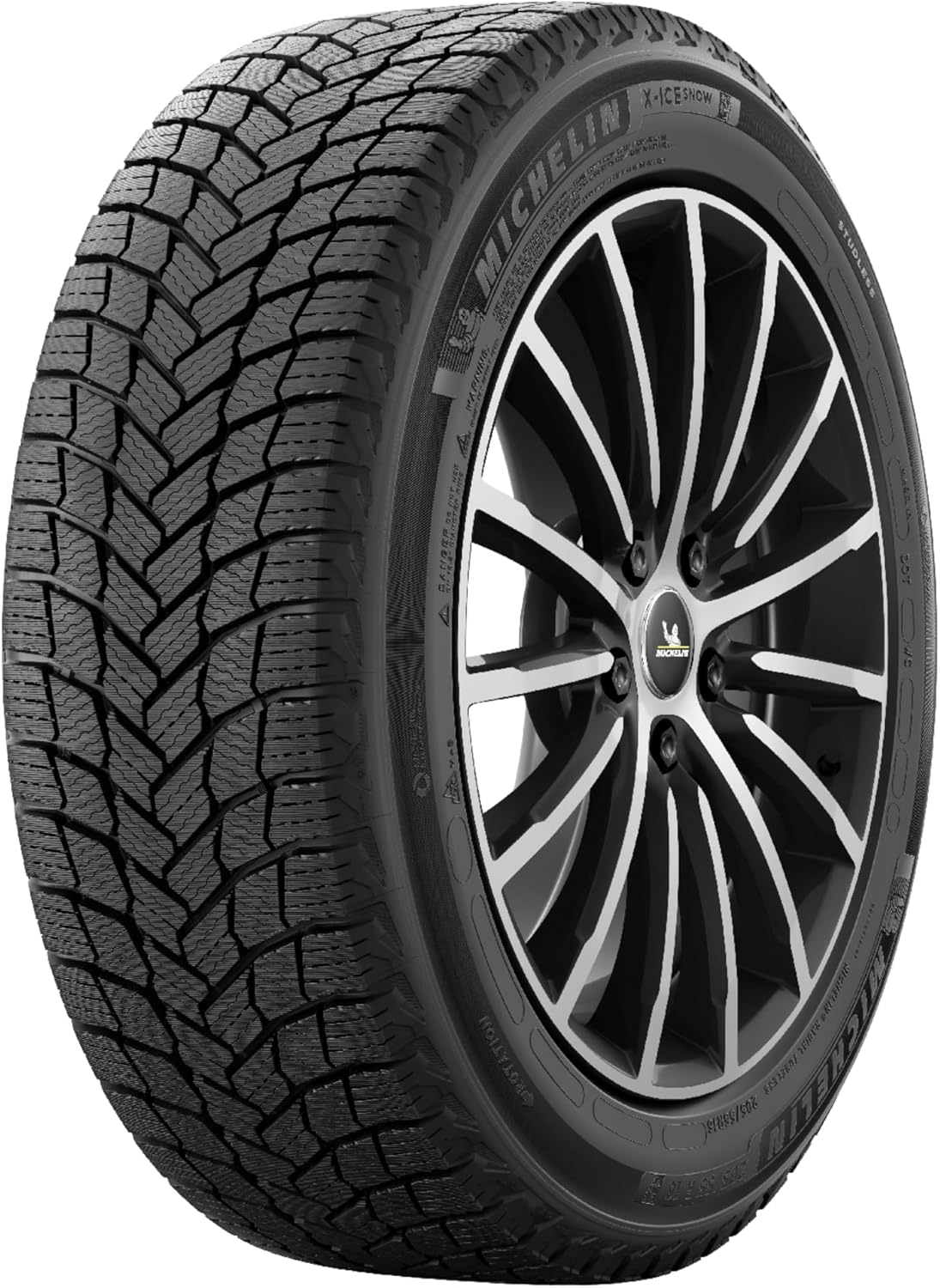
| Size | 195/60-15 |
|---|---|
| Tread Depth | 10.5 32nds |
| Tread Type | Directional |
| Maximum Pressure | 50 PSI |
| Construction Type | Radial |
The MICHELIN X‑Ice Snow is a purpose-built winter tire that focuses on grip and predictable handling in snow, slush, and icy conditions. Its directional V-shaped tread and dual full-depth 3D sipes create biting edges for better braking on packed snow and ice, while Evergrip-inspired interlocking sipes help maintain tread block rigidity as the tire wears. The tread design also increases void area to evacuate slush and resist hydroplaning, so wet winter roads feel more composed. This size carries a reinforced load rating and a deeper-than-average tread depth to extend service life compared with many winter competitors, making it a sensible choice for drivers who run their Camry through multiple winter seasons. Trade-offs are typical of dedicated winter rubber: it will be noisier and wear faster in warm, dry conditions than an all-season tire, and fitment is limited to vehicles that accept 195/60R15 tires for proper ride height and speedometer calibration.
Best for: Camry drivers who prioritize confident winter performance and shorter stopping distances on snow and ice and plan to run a dedicated winter tire seasonally.
Less Ideal for: Drivers who keep their Camry on the same tires year-round or who do a lot of warm-weather driving should consider an all-season alternative instead.
- Strong snow and ice braking from full-depth 3D sipes and V-shaped directional tread
- Improved slush and wet evacuation to reduce hydroplaning risk
- Designed for longer winter tread life compared with many competitors
- Reinforced load rating for stable handling under common Camry loads
- Dedicated winter compound will wear faster and be noisier on warm, dry roads
Verdict: Choose the MICHELIN X‑Ice Snow if you want a winter tire that delivers confident snow and ice braking and longer winter tread life for a Toyota Camry.
Firestone Winterforce 2 Winter/Snow Passenger Tire (195/65R15)

| Size | 195/65R15 |
|---|---|
| Tread Type | Directional |
| Tread Depth | 12 32nds |
| Maximum Pressure | 44 PSI |
| Construction Type | Radial |
The Firestone Winterforce 2 is a winter passenger tire aimed at drivers who need reliable grip in snow and icy conditions for a mid-size sedan like the Toyota Camry. It uses a special cold-weather rubber compound, directional tread and full-depth tread features to maintain traction through multiple winters and carries the 3-Peak Mountain Snowflake certification for severe snow use. Typical use is seasonal: fit these for winter months and remove in spring. In practice the tire delivers noticeably better snow and ice traction than all-season tires and can let a front-wheel sedan climb hills and handle packed snow more confidently, though some drivers report slightly higher road noise. Benefits include long-lasting tread depth and compatibility with size 195/65R15 fitments where appropriate. Drawbacks to consider are occasional reports of durability issues and that buying online may not include local shop services like free rotations, balancing or puncture coverage that brick-and-mortar installers sometimes provide.
Best for: A Camry owner who wants a budget-conscious, practical upgrade for winter driving that prioritizes real snow and ice traction over year-round convenience.
Less Ideal for: Drivers who need year-round performance from a single set of tires or who rely on dealer-installed perks like free rotations and flat repair plans should consider other options.
- Designed for winter conditions with a cold-weather compound and 3-Peak Mountain Snowflake certification
- Directional tread and full-depth tread features that improve snow and packed-ice traction
- Tread depth intended to provide multi-season winter life for repeated seasonal use
- Some users report higher road noise compared with all-season tires
- There are reported cases of premature tire damage for a small number of units
Verdict: If you want a cost-effective winter tire that noticeably improves snow and ice grip for a Camry, the Winterforce 2 is a strong practical choice.
Firestone Winterforce 2 Studdable Winter Tire (205/65R16)

| Size | 205/65R16 |
|---|---|
| Load Index | 95 |
| Speed Rating | S |
| Tread Type | Directional |
| Seasons | Winter |
The Firestone Winterforce 2 is a winter touring tire engineered for sedans and similar passenger cars, offering a colder-weather compound and directional tread pattern aimed at better grip in snow and on icy roads. It is typically used as a seasonal winter fitment for vehicles like a Toyota Camry that require a 205/65R16 size. Notable features include a 3-Peak Mountain Snowflake cold-weather certification, full-depth tread for extended wear across seasons, and the option to add studs for extra ice traction. In real-world use it delivers reliable snow traction and predictable handling for daily driving and winter commuting, with several buyers reporting good value and ease of installation at shops. Expect some additional road noise and a firmer ride compared with all-season tires, and note the product has no manufacturer warranty listed. As a budget-focused winter tire, it balances winter performance and longevity against the firmer ride and increased noise that come with more aggressive snow designs.
Best for: Buyers who prioritize winter traction and overall value and want an affordable winter tire option for seasonal use on a Toyota Camry.
Less Ideal for: Drivers who need the quietest possible highway ride, maximum wet-handling precision, or who prefer a tire backed by a manufacturer warranty should consider higher-end alternatives.
- 3-Peak Mountain Snowflake certified cold-weather compound for improved snow and ice grip
- Studdable design lets you add studs for better ice performance when needed
- Full-depth tread features designed for longer winter tread life
- Directional tread pattern that helps channel slush and improve wet traction
- Firmer ride and increased road noise compared with all-season tires
- No manufacturer warranty is listed with the product
Verdict: A budget-minded winter tire that gives reliable snow and ice traction for a Camry while stretching tread life across seasons.
Bridgestone Blizzak WS90 Winter Passenger Tire 205/60R16

| Brand | Bridgestone |
|---|---|
| Size | 205/60R16 |
| Tread Depth | 12 32nds |
| Construction Type | Radial |
The Bridgestone Blizzak WS90 is a dedicated winter tire built to deliver secure handling and confident stopping in snow and icy conditions. It is typically used as a seasonal replacement for a Camry’s factory all-season tires during winter months, providing improved traction through a winter-specific tread compound and ice-targeting tread features. Notable aspects include asymmetric tread design and Bridgestone’s proprietary compound with biting particles for better grip on ice, and tests indicate longer usable winter tread life compared with the previous WS80 line. In practice this means stronger braking and fewer traction-related stops on cold, slippery roads, and predictable handling on packed snow. Trade-offs are typical for winter rubber: it will wear faster and feel noisier and less responsive than an all-season tire in warm weather, so it is best used only during the cold season. Fitment requires the Camry’s 205/60R16 size and professional mounting and alignment to get the promised performance and even wear.
Best for: A Camry owner who prioritizes safe, reliable winter performance and prefers a tire focused on predictable grip and stopping in snow and ice over year-round convenience.
Less Ideal for: Drivers who need a single set of tires for all seasons or who primarily drive in mild climates where winter traction is rarely required should consider alternative all-season or touring tires.
- Designed specifically for winter conditions to improve braking and control on snow and ice
- Asymmetric tread and ice-gripping compound for predictable handling on packed snow
- Engineered to offer longer winter tread life versus the prior WS80 line according to internal testing
- Not suitable for year-round use because winter compound wears faster and performs poorly in warm conditions
Verdict: Choose the Blizzak WS90 for dependable winter stopping and control on a Toyota Camry when cold, snowy, or icy roads are a priority.
Cooper Evolution Winter Tire — 205/65R16 95T
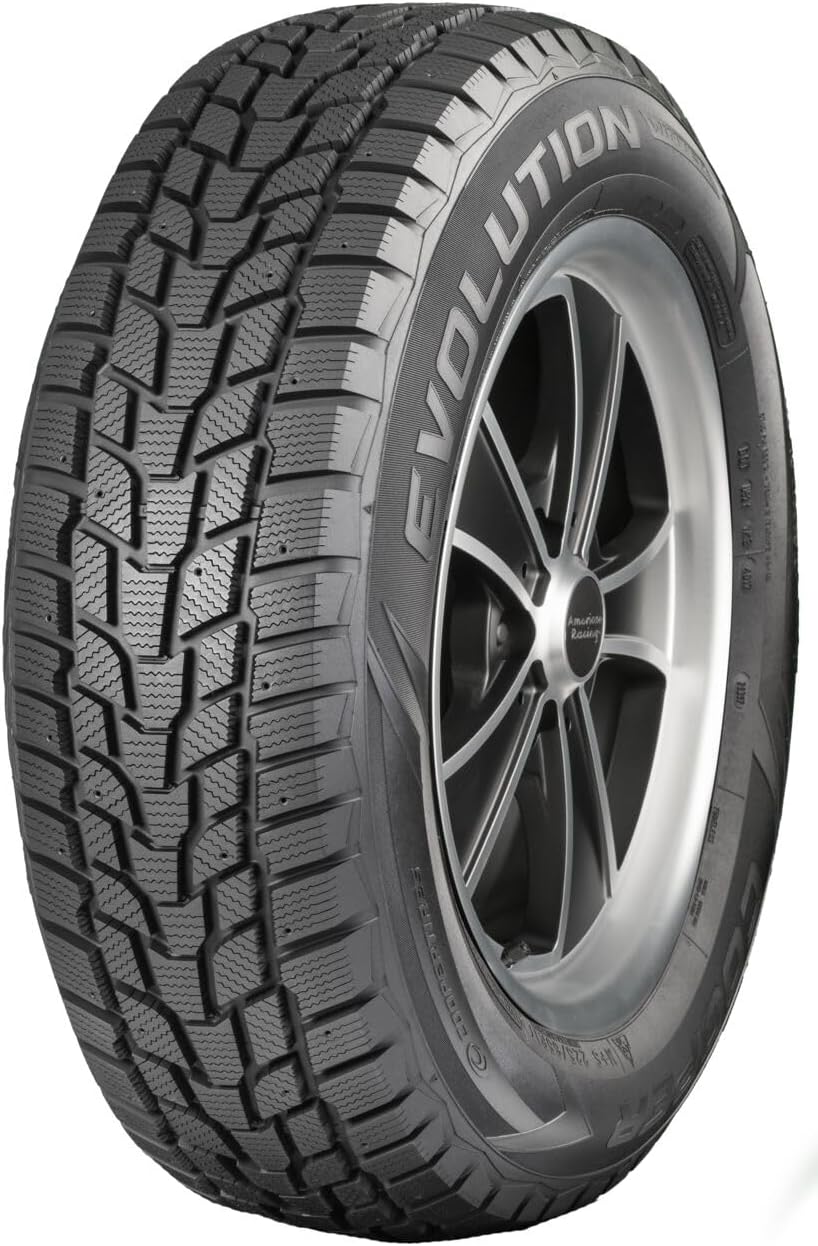
| Rim Size | 16 Inches |
|---|---|
| Load Index | 95 |
| Speed Rating | T |
| Tread Type | Directional |
| Seasons | Year Round |
The Cooper Evolution Winter is a winter-focused replacement tire intended to give sedans like a Toyota Camry confident traction through deep snow and icy roads. It uses a directional tread with multi-angled corrugated siping and Snow Groove Technology to trap and pack snow into the tread for improved snow-on-snow grip, and the design includes a wide sawtooth center rib for straight-line stability. The tire is severe-weather rated with three-peak mountain snowflake certification and is studdable for extra ice performance when needed. In practice this means stronger acceleration, braking, and lateral grip in winter storms compared with typical all-seasons, and reviewers report good control on steep driveways and packed snow. Trade-offs are that a full winter tire will wear faster and can be noisier and less comfortable than touring all-seasons in warm weather, and studs add installation complexity and may reduce pavement manners when ice is absent.
Best for: Buyers who prioritize proven winter traction and want a tire backed by many positive owner reports to reduce risk when driving in heavy snow and icy conditions.
Less Ideal for: Drivers who need a year-round tire or who rarely encounter snow and ice should consider an all-season or a dedicated touring tire instead.
- Severe-weather 3PMSF certification for verified snow performance
- Directional tread and aggressive siping improve braking and acceleration in snow
- Studdable design lets you add metal studs for enhanced ice traction
- Wide center rib and tread pattern increase straight-line stability
- Designed for winter use so ride comfort and tread life may be reduced in warm conditions
Verdict: Choose the Cooper Evolution Winter if you want a budget-friendly, certified winter tire that delivers dependable snow and ice traction.
Choosing the Right Toyota Camry Snow Tires: Key Factors to Consider
Winter Traction and Braking
How well a snow tire grips packed snow and ice directly affects stopping distances and initial acceleration on winter roads. Look for tires with softer rubber compounds tuned for low temperatures and dense siping that creates extra biting edges. Tread pattern matters too: directional or aggressive winter patterns help channel slush and reduce the risk of snow packing between tread blocks, which can otherwise reduce contact with the road.
For Camry owners, prioritize stopping performance over cornering sportiness. In everyday winter conditions you are more likely to benefit from a tire tuned for consistent traction when braking from typical highway speeds and in neighborhood driving. Expect a tradeoff where winter-focused rubber will wear faster in warm conditions, so plan to switch back to summer or all-season tires when temperatures remain consistently above freezing.
Wet Performance and Slush Evacuation
Winter roads also include thaw cycles that create slush and standing water. A tire that evacuates water efficiently reduces hydroplaning risk and improves steering response. Tread grooves designed to move slush and wider channels are important, as is a compound that maintains flexibility when wet and cold.
On the Toyota Camry, good wet winter performance preserves stability during mid-winter temperature swings common in many regions. Evaluate patterns that combine biting edges with effective circumferential grooves. That combination helps control braking on wet snow and reduces risk on partially melted surfaces encountered during commutes.
Tread Life and Seasonal Durability
Softer winter compounds deliver better grip but usually wear faster than harder all-season or summer tires. Consider the expected seasonal mileage you drive on winter tires and pick a tread design and compound that offer a reasonable balance between grip and longevity. Tread depth is also important because deeper treads maintain biting edges longer as the tire wears.
For the Camry, which often serves as a daily driver, estimate your winter miles and factor replacement cadence into the total ownership cost. Tires with reinforced sidewalls or optimized rubber mixes can extend usable tread life without sacrificing too much snow performance.
Size, Load Rating, and Proper Fitment
Selecting the correct tire size and load rating is essential for safe operation and preserving handling characteristics. Use the Camry's placard or owner manual to confirm recommended sizes and load indexes. Choosing a tire with the correct load rating ensures the tire can support the vehicle under full load and when carrying passengers or cargo.
Incorrect size or load rating can affect speedometer accuracy, ride comfort, and braking. If you intend to change wheel diameter or use winter wheels, plan accordingly and verify that the tire will clear brakes and suspension components on your Camry trim.
Noise, Comfort, and On-Road Stability
Some winter tires produce more road noise and a stiffer ride than all-season alternatives. Consider how much highway driving you do and whether you prioritize quiet cabin comfort. Tread block arrangement and shoulder design influence noise and steering feedback.
For Camry owners who commute often, choose snow tires that maintain stable high-speed behavior and predictable steering without excessive noise. A stable footprint and optimized void pattern help retain composure during highway travel while still providing winter grip.
Maintenance and Tire Care
Proper maintenance extends tire life and preserves winter performance. Regularly check inflation pressure because cold temperatures reduce tire pressure; underinflation increases wear and reduces wet traction. Rotate tires at recommended intervals to promote even wear and inspect tread depth frequently using a gauge or the tread wear indicators.
Balancing and alignment checks are important after installing a winter set, especially if switching wheels. Unbalanced tires or misalignment can cause uneven wear and reduce the effective life of a winter tire on your Camry.
Choosing the Right Size for Your Camry
Before buying snow tires, verify the correct tire size and load rating for your specific Toyota Camry year and trim. Check the vehicle placard inside the driver door or the owner manual. If you plan to use a dedicated set of winter wheels, ensure the wheel offset and bolt pattern match the Camry's specifications.
When selecting a size, staying close to the factory-recommended diameter preserves speedometer accuracy and the calibrated behavior of stability and traction control systems. Some owners choose a slightly narrower tire to improve traction in deep snow; this can be effective but requires confirming clearance with brakes and suspension components.
- Confirm size and load index on the door placard or owner manual.
- Narrower winter tires can improve snow-cutting ability but check clearance.
- If changing wheel diameter, re-evaluate speedometer and ride height impacts.
When to Mount and When to Store
Mount snow tires when average daily temperatures consistently fall below about 45 degrees Fahrenheit. Above that range, winter rubber compounds begin to soften and wear faster. Swap back to your regular tires once sustained temperatures exceed this threshold to protect tread life.
For storage, keep off-season tires in a cool, dry place away from direct sunlight and ozone sources such as electric motors. Store tires vertically if possible or stack them flat if they are not mounted on wheels; use tire bags to reduce exposure to the elements.
- Mount winter tires when temps are routinely under 45 F.
- Store off-season tires in a dry, shaded area, ideally in protective bags.
- Label or mark tires to maintain consistent rotation order across seasons.
Tire Balancing and Alignment for Winter Performance
Proper balancing and alignment are essential after installing a new set of snow tires or wheels. Unbalanced tires cause vibration, premature wear, and can amplify steering wheel shimmy; these effects are more noticeable at highway speeds. Alignment ensures the tires meet the road at the intended angles, preserving even contact and predictable steering.
Have balancing done when the winter tires are mounted and check alignment if you notice uneven wear or a pull to one side. Regular inspections during the season will help catch issues early and maintain optimal performance.
- Balance tires at installation and after any repair.
- Check alignment if uneven wear appears or handling feels off.
- Rotate tires periodically to promote even wear across the set.
Tread Depth, Wear Indicators, and Replacement Timing
Tread depth directly affects a snow tire's ability to channel slush and maintain grip. Monitor tread depth with a gauge and watch the factory tread wear indicators. On winter tires, a greater depth gives more biting edges and better snow packing resistance.
Generally, replace winter tires when tread depth falls near 4/32 inch for reliable snow traction. Driving habits, road conditions, and whether you use the tires only seasonally will influence actual replacement timing. Check tires regularly for uneven wear patterns that could indicate alignment or balancing issues.
- Use a tread depth gauge; 4/32 inch is a common winter replacement threshold.
- Inspect tread wear indicators and sidewalls for damage.
- Uneven wear may signal alignment or balance problems requiring service.
Deciding Between Dedicated Winter Tires and All-Season
Dedicated snow tires outperform all-season tires in cold, snowy, and icy conditions because their rubber stays pliable and their tread is designed to bite into snow. If you encounter regular winter storms, the safety gains in braking and cornering are significant. All-season tires may be suitable for mild winters with occasional light snow, but they will not match winter tires in severe conditions.
Consider how often you drive in heavy snow and whether you can accommodate seasonal swaps. If you keep winter tires on year-round you will accelerate tread wear. For many Camry owners, a dedicated winter set on separate wheels offers the best combination of safety and convenience.
- Dedicated winter tires provide superior cold-weather braking and traction.
- All-season tires are a compromise better suited to milder climates.
- Plan for seasonal swapping to maximize tire life and safety benefits.
Still looking for the perfect fit?
Select your Toyota Camry configuration to see the most relevant Tires recommendations
How We Chose the Best Toyota Camry Snow Tires
We prioritized criteria that matter to Toyota Camry owners looking for dependable winter performance. First, we evaluated snow traction and braking performance on packed snow and icy surfaces, since stopping distance and initial bite are primary safety concerns in winter driving. Second, we assessed wet and slush handling to ensure the tire evacuates water and resists hydroplaning during thaw cycles. Third, tread life and compound durability were considered to balance seasonal performance against replacement frequency. Fourth, ride comfort and noise level were included because many Camry owners expect a composed highway ride even with winter tires installed. Fifth, fitment and available sizes were checked against the Camry's common wheel and tire configurations to avoid fitment surprises.We excluded tires that are only intended for off-road or truck use, sizes that do not match common Camry specifications, and compounds designed solely for racing or dry performance. The final picks reflect options that deliver consistent winter traction without sacrificing everyday drivability. Key dimensions we used as filters were winter-rated rubber compound, siping density, tread pattern for snow evacuation, verified size availability, and manufacturer-reported speed and load ratings appropriate for the Camry.
Our full evaluation process is outlined in our review methodology.
FAQ
How do I know when to switch from winter to regular tires?
Switch when average daily temperatures consistently stay above about 45 degrees Fahrenheit. Warmer weather accelerates wear on winter compounds, so changing back preserves tread life and handling.
Can I use narrower tires on my Camry for better snow performance?
Narrower tires can cut through snow more effectively in deep conditions, but you must confirm clearance with brakes and suspension. Also verify the load rating and speed compatibility for safe operation.
How often should I rotate and balance my winter tires?
Rotate tires every 5,000 to 7,000 miles or per the vehicle manual to promote even wear. Balance when mounting the tires and recheck if you notice vibration or uneven wear during the season.
What tread depth is considered too low for safe winter driving?
For reliable snow traction, many technicians recommend replacing winter tires around 4/32 inch of tread depth. Below that level, the tire's ability to evacuate snow and maintain bite diminishes.
Will winter tires affect fuel economy on my Camry?
Winter tires often have higher rolling resistance than summer tires, which can slightly reduce fuel economy. The safety benefits in snow and ice typically outweigh the minor impact on fuel consumption.
Do I need to adjust tire pressure in cold weather?
Yes. Tire pressure drops as temperatures fall. Check and adjust pressure regularly during cold months to maintain the recommended inflation listed on the Camry's door placard for safe handling and even wear.
Final Verdict
For Toyota Camry owners who drive in snowy or icy conditions, prioritizing a winter-focused tire that provides strong snow traction and reliable wet performance is the best way to improve safety and confidence. Balance your choice against expected seasonal mileage and acceptable tread life, and confirm correct size and load rating before purchase.Plan for seasonal swaps, maintain proper inflation, and perform balancing and alignment checks when installing a winter set. Emphasizing braking performance and consistent wet-snow handling will guide you toward a set of snow tires that keeps your Camry safe throughout the winter months.
Explore More:
- Check out all Toyota Camry parts & accessories
- Explore Tires Maintenance & Repair Guides
- Explore Wheels & Tires
- Browse all Auto Parts
