

Note: This article contains affiliate links. If you click on these links and make a purchase, I may earn a small commission at no extra cost to you. This helps support my research and content. Read my full affiliate disclosure here.
If you own a 1998-2011 Ford Ranger, the serpentine belt is a simple component that keeps the alternator, power steering, water pump, and A/C running. A worn or improperly fitted belt can cause squeal, poor charging, or accessory failure at the worst possible time. This guide gathers the top serpentine belts suited to the Ranger's engine and accessory layouts and explains the practical differences that matter to owners.We shortlisted belts based on material construction, dimensional fit, and service life expectations. Below you will find focused guidance on installation considerations, common symptoms of a failing belt, and the performance traits to prioritize when choosing a replacement. The next section lists our top picks for this vehicle scope, followed by buying guidance and FAQs to help you pick the right belt for your Ranger.
Looking for other parts? See all Ford Ranger parts & accessories.
Top Picks at a Glance
| Best Overall The best all-around choice for most situations | Dayco Main Drive Serpentine Belt for Ford Ranger 3.0L V6 (1997–2006) |  |
| Best Quality Built to a higher standard if you want something more solid | Gates Micro-V Serpentine Drive Belt (K060730) |  |
| Best Value The sweet spot between price and what you get | MOCA AUTOPARTS Serpentine Belt Component Kit (Belt, Tensioner, Idler) |  |
| Best Budget The cheapest option that still gets the job done reliably | MOCA 6PK2105 Serpentine Belt (6 ribs, 2105 mm) |  |
| Highest Rated A top-rated pick with lots of positive feedback | Gates Micro-V Serpentine Drive Belt (K060882) |  |
| Most Popular A crowd favorite that many people choose with confidence | MOCA 6PK2240 Serpentine Belt |  |
| Best Seller A high-volume bestseller chosen again and again | Bando USA 6PK2240 OEM-Quality Serpentine Belt |  |
1. Dayco Main Drive Serpentine Belt for Ford Ranger 3.0L V6 (1997–2006)

| Compatible vehicles | Ford Ranger 1997-2006 3.0L V6, with A/C |
|---|---|
| Belt style | serpentine |
| Unit count | 1 Count |
This Dayco main drive serpentine belt is a factory-quality replacement intended for Ford Ranger 3.0L V6 engines equipped with air conditioning. It installs where the multi-rib drive belt runs accessories such as the alternator, power steering and A/C compressor, so it restores proper accessory drive and helps eliminate squeal from cracked or glazed belts. Typical use is straightforward belt swap during routine maintenance or when the old belt shows wear. Notable features include direct-fit compatibility for the listed Ranger years and original-style construction aimed at matching factory routing and rib profile. Practical benefits are reliable engagement with pulleys, predictable fitment that reduces installation fiddling, and the ability to quiet belt chirp when the old belt fails. Limitations are the strict vehicle fitment window and that buyers must confirm exact engine and A/C configuration before ordering, since the belt is specific to the main drive application and does not cover other engine variants or accessory-specific belts.
Best for: Buyers who want a reliable, no-frills factory-style replacement for scheduled maintenance on a 3.0L V6 Ranger with A/C and value correct fit and predictable performance.
Less Ideal for: Do not choose this if your Ranger has a different engine, lacks air conditioning, or you need a multi-vehicle universal belt solution.
- Direct-fit replacement for Ford Ranger 3.0L V6 main drive with A/C, simplifying installation
- Factory-quality construction aimed at matching original rib profile and routing
- Helps eliminate squeal and chirp caused by cracked or glazed belts
- Packaged as a single unit ready for immediate installation
- Fitment is limited to the specified Ranger 3.0L V6 with air conditioning and earlier than 5/1/06 for 2006 models
Verdict: Choose this Dayco main drive serpentine belt when you need a straightforward, factory-style replacement for a 3.0L V6 Ford Ranger with air conditioning.
2. Gates Micro-V Serpentine Drive Belt (K060730)
| Brand | Gates |
|---|---|
| Model | Micro-V Serpentine Drive Belt |
| Item model number | K060730 |
| Manufacturer Part Number | K060730 |
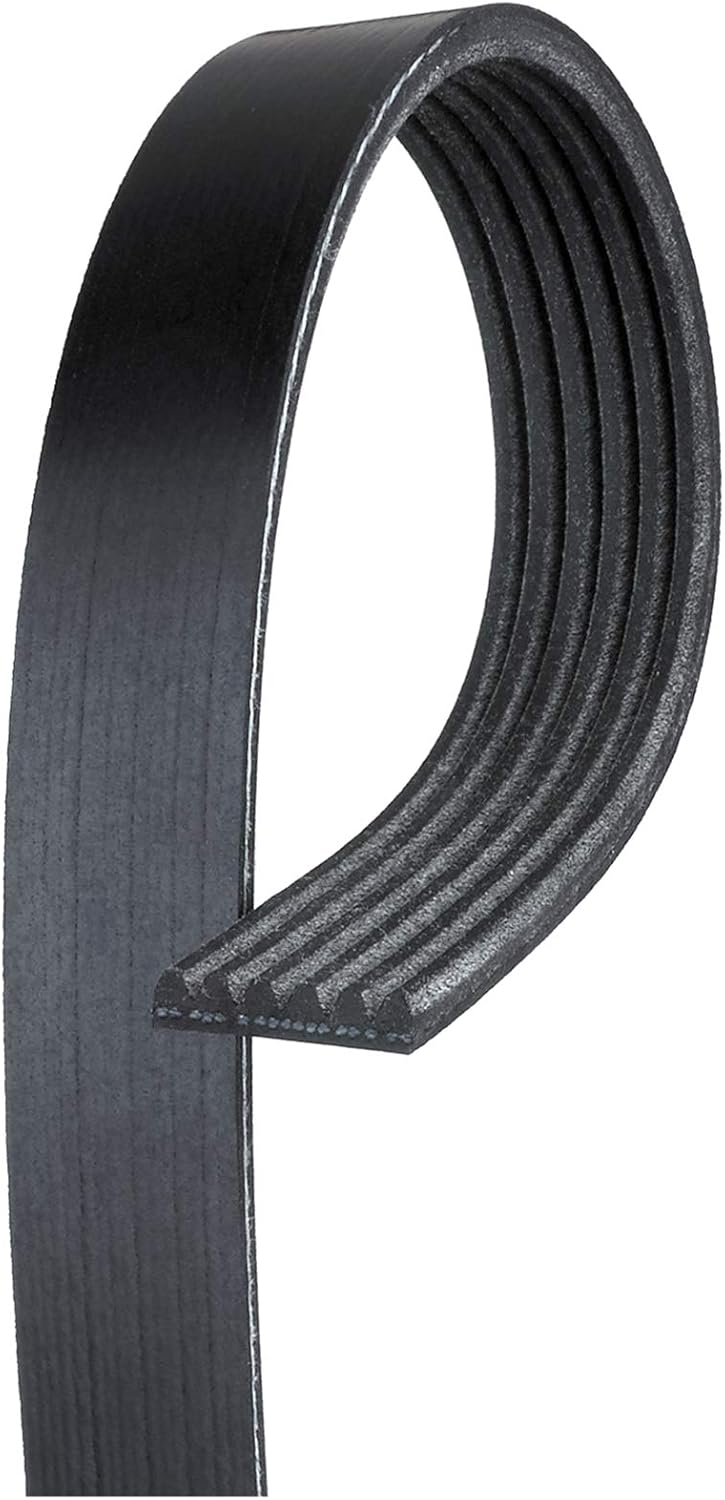
The Gates Micro-V K060730 is a precision-fit serpentine belt engineered to match factory size and construction for dependable accessory drive operation. It installs like a direct replacement and is used to drive alternator, power steering, A/C, and other front-end accessories. Notable features include Gates proprietary Micro-V rib profile and factory-equivalent materials intended to resist cracking, glazing, and stretch under normal and spirited driving. In practice the belt delivers quiet operation and stable tension, which helps preserve pulleys and tensioners and maintain consistent accessory performance. The main limitation is that it is a single replacement belt without included tensioner or routing hardware, so expect to reuse existing components or purchase them separately if worn. Also fitment must be confirmed for the specific Ranger model and engine before purchase.
Best for: Buyers who prioritize reliable, factory-quality replacement parts to maintain or restore accessory drive performance on an older vehicle and want a belt that resists stretch and noise.
Less Ideal for: People looking for a full accessory drive refresh kit or those who need universal or multi-vehicle belts; installers who prefer a complete set with tensioner included should look elsewhere.
- Factory-style fit and construction for predictable installation and performance
- Micro-V rib profile designed to reduce noise and improve grip under load
- Materials formulated to resist cracking and stretching for longer service life
- Widely available OEM part number cross-references for easier sourcing
- Does not include tensioner or installation hardware so additional parts may be required
Verdict: Choose this Gates Micro-V belt when you want a factory-quality, direct-fit replacement that restores quiet, reliable accessory drive performance.
3. MOCA AUTOPARTS Serpentine Belt Component Kit (Belt, Tensioner, Idler)

| Unit Count | 3 Count |
|---|---|
| Included Components | Serpentine Belt Component Kit |
| Material Type | Rubber |
| Belt Style | Serpentine Belt |
| Compatible Devices | Car |
This MOCA serpentine belt component kit bundles the belt (6PK2200) with a tensioner assembly and an idler pulley to refresh the entire accessory drive on compatible 4.0L vehicles. It is intended for direct-fit replacement during routine belt service or when the belt/tensioner shows wear. Including the tensioner and idler saves time because you replace the common wear items together rather than sourcing parts separately. The rubber belt and stamped components are described as meeting or exceeding factory performance expectations, which should restore correct belt routing and tension and reduce noise or slipping when installed properly. The kit is vehicle-specific, so confirm fitment for the 2001–2011 Ford Ranger 4.0L application before buying. Buyers should expect a DIY-friendly swap if they have basic hand tools, but professional installation is advisable if you are not comfortable loosening the tensioner or aligning pulleys. The kit does not include hardware beyond the three listed components, so additional fasteners or seals that some repairs need may require separate purchase.
Best for: Buyers focused on getting a practical, vehicle-specific repair in one purchase who prefer replacing the belt and its common wear items together to avoid repeated shop visits.
Less Ideal for: If you need a bare belt only, a kit is unnecessary; also not ideal for owners who want premium aftermarket performance parts beyond factory-quality replacements.
- Complete kit replaces belt, tensioner assembly, and idler in one purchase for coordinated wear replacement
- Includes the correct belt part 6PK2200 for direct-fit applications listed in the description
- Saves time sourcing parts separately and helps ensure correct belt tension and routing after installation
- Kit contains only the three listed components and no extra fasteners or installation hardware
Verdict: A convenient, vehicle-specific kit that replaces the belt, tensioner, and idler together to restore factory-style accessory drive function on compatible 4.0L Rangers.
4. MOCA 6PK2105 Serpentine Belt (6 ribs, 2105 mm)

| Material Type | Ethylene Propylene Diene Monomer (EPDM) |
|---|---|
| Belt Style | SerpentineBelt |
| Item Count | 1 Count |
| Replace Part Number | 6PK2105 |
This MOCA 6PK2105 serpentine belt is a direct replacement belt intended for the 2.3L Ford Ranger (2001–2011) and Mazda B2300 (2001–2009) accessory drive configurations with air conditioning. Made from EPDM rubber and built to the 6 ribs by 2105 mm specification, it transfers load across the accessory belt drive to run the alternator, power steering, AC compressor, and other pulleys. For everyday drivers on a budget it provides a practical, low-noise option with claimed SAE-level performance and precision rib profiling to help components track correctly. Installation is straightforward for anyone doing basic belt service or for a local shop to fit. Expect an entry-level fit and lifespan typical of aftermarket belts rather than premium OE-grade longevity. If you need a belt for a modified drive or non-AC setups, confirm fitment first since this listing targets the AC accessory configuration only.
Best for: Buyers who need an affordable, serviceable replacement belt for routine maintenance on a 2.3L Ranger or B2300 with AC and prioritize cost and correct fit over premium lifespan.
Less Ideal for: Drivers seeking the longest-lasting, highest-end OEM-equivalent belt or those with nonstandard accessory setups should consider premium or vehicle-specific alternatives.
- Built from EPDM for improved heat and wear resistance compared with older rubber compounds
- Made to the 6PK2105 specification so it matches factory rib count and length for specified applications
- Precision rib profiling helps the belt track and drive accessories with less slippage
- Low-noise construction suitable for daily driving and commuter use
- Aftermarket longevity may not match higher-end factory-quality belts
Verdict: A budget-friendly EPDM 6PK2105 serpentine belt that delivers correct fit and quiet performance for routine replacement on 2.3L Rangers with air conditioning.
5. Gates Micro-V Serpentine Drive Belt (K060882)

| Brand | Gates |
|---|---|
| Model | Micro-V Serpentine Drive Belt |
| Item model number | K060882 |
| Manufacturer Part Number | K060882 |
| OEM Part Number | 04854033AB, 12583316, 5135746AA, 9008091173, 90916A2004 |
The Gates Micro-V serpentine drive belt is a direct-fit replacement designed to match factory size and construction for dependable accessory drive operation. It is used to drive alternator, power steering, A/C, and other front-end accessories and installs like a standard replacement belt on compatible vehicles. Notable features include precision-fit construction that aligns with factory routing and materials aimed at resisting wear and glazing. In practice this means quieter operation, consistent tensioning, and longer service life compared with generic belts. The belt lists multiple OEM part numbers, which helps confirm fitment for many factory applications. Limitations are minimal but include the usual need to verify the exact part number for your Ranger year and engine before buying since belts are vehicle-specific, and you will still need a proper tensioner or tool for safe installation. For owners who prioritize a reliable, factory-like replacement, this Gates belt is engineered to perform without surprises.
Best for: Drivers who want a dependable, factory-quality replacement belt that restores original accessory drive performance and minimizes surprises during service.
Less Ideal for: People seeking a universal or multi-vehicle belt solution or those who prefer complete accessory drive kits that include tensioners and hardware.
- Precision-fit construction matches factory size and materials for consistent performance
- Designed to resist wear and glazing for longer service life than many generic belts
- Quiet operation and stable accessory drive tensioning
- Cross-referenced to several OEM part numbers to simplify fitment checks
- Requires verifying exact OEM part number for your vehicle since fitment is vehicle-specific
Verdict: Choose this Gates Micro-V belt when you want a direct-fit, factory-quality replacement that prioritizes long-term reliability for your Ranger's accessory drive.
6. MOCA 6PK2240 Serpentine Belt

| Style Number | 6PK2240 |
|---|---|
| Belt Style | Serpentine Belt |
| Material Type | Steel/Aluminum/Plastic |
| Unit Count | 1 Count |
This MOCA 6PK2240 serpentine belt is a straightforward replacement belt intended to restore accessory drive function on compatible engines. It is supplied as a single belt and uses a rib-profile designed for efficient load transfer across alternator, power steering, and A/C pulleys. Typical use is a direct swap when the original belt is cracked, glazed, or slipping; installation follows standard belt routing procedures and the listing includes guidance on measuring belt length. The belt claims precision rib profile control to keep accessories operating smoothly and the product is backed by a US-based support team for fitment questions. Practical benefits are easy fitment when the size matches and a design aimed at even load distribution, which helps reduce noise and premature wear. Limitations are that you must verify exact fitment for your Ranger year and engine before buying and the listing provides only the belt itself so you will need separate tensioner or pulley replacement if those parts are worn.
Best for: Buyers who want a proven, well-reviewed replacement belt and prefer brands with visible customer feedback and accessible seller support for fitment questions.
Less Ideal for: People doing a full accessory-drive overhaul who need a multi-piece kit with a new tensioner and idler pulleys included.
- Designed rib profile for efficient load transfer across accessory pulleys
- Sold as a single direct-replacement belt in the common 6PK2240 size
- Includes guidance on measuring belt length to confirm fitment
- US-based seller support for fitment and issue resolution
- Fitment requires careful vehicle verification since only the belt is supplied
- No included tensioner or pulleys if those components are worn
Verdict: A reliable single-piece replacement belt with strong customer feedback and seller support, ideal if you just need the correct 6PK2240 belt for a 1998–2011 Ranger application.
7. Bando USA 6PK2240 OEM-Quality Serpentine Belt

| Belt Style | Serpentine Belt |
|---|---|
| Material Type | Rubber |
| Top Width | 1 inches |
| Unit Count | 1 Count |
This Bando USA 6PK2240 serpentine belt is a direct replacement-style belt manufactured to OEM-quality standards and intended for routine drive-belt duties like running the alternator, power steering, A/C compressor and water pump. It is made from EPDM rubber with precision-ground ribs and strong tensile cords, which helps resist heat and wear and reduces the chance of premature stretching. Typical use is a timed service or preventive replacement on vehicles listed for this part, where you want a close match to factory fit and performance rather than a performance upgrade. The belt’s construction and OEM-focused process mean it should last through normal driving conditions and handle higher loads without obvious deformation. The main limitation is that it is a like-for-like replacement only—there are no performance or heavy-duty variants in this listing and fit must be confirmed against the Ranger pulleys and routing for the specified model years.
Best for: A buyer who prefers low-risk, factory-matching maintenance parts and wants a dependable replacement that follows OEM fit and material standards for routine service.
Less Ideal for: Not the best choice for someone seeking upgraded, heavy-duty, or high-performance belts for modified engines or extreme driving conditions.
- Manufactured to OEM-quality specifications with precision-ground ribs for consistent fit
- EPDM rubber compound offers improved heat resistance and wear life
- Strong tensile cords reduce stretching under higher loads
- Designed as a direct replacement for compatible factory belt applications
- Sold as a single standard replacement belt with no heavy-duty or performance option in this listing
Verdict: Pick this belt when you want a conservative, factory-quality replacement that matches OEM specifications for dependable service.
Choosing the Right 1998-2011 Ford Ranger Serpentine Belt: Key Factors to Consider
Material and Compound
The belt material determines how well it resists heat, ozone, and oil contamination over time. EPDM and high-grade synthetic rubbers tend to hold up longer than older neoprene constructions, resisting cracking and loss of flexibility. For the 1998-2011 Ranger, a material that tolerates under-hood temperatures and occasional exposure to oil or coolant drips will reduce premature failure.
Material also affects noise and grip. Softer compounds can conform better to pulley grooves and reduce squeal, while harder compounds may resist abrasion when pulleys are slightly misaligned. When assessing replacement belts, look for material specifications or longevity claims to estimate how often you may need to replace the belt under normal driving conditions.
Dimensional Fit and Rib Profile
Correct rib count, width, and length are essential for proper engagement with the alternator, power steering, A/C, and crank pulleys. Even small length differences can change belt tension and load on the tensioner, leading to accelerated wear or accessory noise. For Rangers across the 1998-2011 span, confirm the belt matches the engine's accessory arrangement and pulley spacing.
Rib profile matters for grip and noise. A belt whose rib geometry matches the factory pulley profile will run smoother and produce less squeal. Verify the belt documentation includes exact dimensions and rib count so you can cross-check against the Ranger's service information or a belt size lookup.
Compatibility With Tensioner and Accessory Layout
The vehicle's tensioner type and accessory layout determine the required belt tension range and routing path. Some Rangers in this year range use automatic spring-loaded tensioners; others may have slightly different pulley alignments depending on engine options. A belt must be compatible with the tensioner travel and maintain proper tension across operating temperatures.
If a belt is too stiff or too flexible relative to the tensioner capability, it can slip or overstress bearings. Consider whether you will retain the existing tensioner or plan to replace it at the same time. Matching belt stiffness and length to the tensioner's expected travel keeps accessories in their intended load range and prolongs component life.
Noise and Squeal Resistance
Squeal is a common symptom when a belt is slipping or when ribs do not seat properly in pulleys. Some belt constructions include rib coatings, special profiles, or surface treatments designed to minimize initial squeal. For Rangers used in stop-and-go city driving or towing, noise resistance is especially valuable because frequent load changes can induce slip.
When selecting a belt, look for design notes addressing noise reduction and review fitment guidance to ensure proper pulley alignment. Even the best noise-reducing belt will squeal if pulleys are glazed or misaligned, so treat noise-reduction features as part of a broader maintenance approach.
Durability and Wear Signs
Expect to inspect the belt periodically for cracking, rib separation, glazing, or chunking. Durability depends on material quality and resistance to heat and contaminants. For the 1998-2011 Ranger, regular inspections at oil changes will reveal early wear signs so you can replace the belt before accessory damage occurs.
Consider belts that list resistance to ozone, abrasion, and oil contamination. A longer-rated service life reduces the frequency of replacements, but also weigh that against potential increased stiffness which could affect tensioner and pulley loads. Knowing common wear signs helps you schedule replacement proactively.
Documentation and Size Information
Clear documentation that lists rib count, width, and overall belt length makes fitment verification straightforward. Some suppliers provide belt size lookup charts or vehicle fitment tables. For Rangers covering several model years, documentation should show compatibility across the 1998-2011 range or list engine-specific part numbers.
Good documentation reduces the chance of ordering the wrong belt and helps you confirm the belt will route correctly around the Ranger's accessory layout. It also aids in troubleshooting if you notice noise or tension issues after installation.
Common Serpentine Belt Symptoms on a Ranger
Recognizing early symptoms helps prevent accessory failure. Typical signs include high-pitched squeal on cold start or heavy acceleration, visible cracking or fraying along the ribs, glazing that looks shiny on the belt surface, and intermittent loss of power steering assist or A/C performance.
Other indicators are a weak charging system warning, which can follow once a belt slips enough to reduce alternator output, and wobble or vibration from accessory pulleys that stems from an unstable belt. Addressing symptoms early reduces the chance of secondary damage to bearings or the water pump.
- High-pitched squeal at startup or under load
- Cracks, rib separation, or chunking on the belt surface
- Shiny glaze indicating slipping or heat damage
- Loss of accessory function such as power steering or A/C
- Intermittent battery charging issues
How To Confirm Belt Size And Routing
Before ordering a replacement, confirm the belt size using either the existing belt markings or a belt size lookup for the Ranger's specific engine. If the old belt is missing, use the vehicle's service manual routing diagram or capture a clear photo of the accessory layout to confirm the required rib count and length.
When reinstalling, follow the factory routing to avoid interference. If your Ranger has an automatic tensioner, release tension carefully and check that the belt seats fully across all pulleys before releasing the tensioner. Incorrect routing or an improperly seated belt can cause immediate squeal or premature wear.
- Check rib count and length markings on the old belt
- Use a belt size lookup or factory routing diagram if markings are absent
- Photograph the routing before removal as a reference
- Ensure belt seats fully across each pulley before releasing the tensioner
When To Replace The Tensioner Or Pulleys
Replacing the belt without assessing tensioner and pulley condition can lead to repeat failures. Inspect pulleys for roughness, wobble, or visible bearing play. An aging tensioner may lose spring force or produce noise, compromising belt tension and service life.
Consider replacing the tensioner or idler pulleys when they show play, produce noise, or if the vehicle has high mileage. A fresh tensioner ensures correct belt preload and reduces the chance of slip-related squeal after a new belt is installed.
- Spin pulleys by hand to check for smooth rotation and absence of play
- Replace tensioner if it shows poor spring return or produces noise
- Swap idler pulleys with visible bearing wear to extend belt life
DIY Replacement Tips For Rangers
A serpentine belt replacement on most Rangers is a practical DIY job with basic hand tools. Park the vehicle on level ground, disconnect the battery for safety if you will be near the alternator, and use the correct wrench or breaker bar to relieve tension from the automatic tensioner. Keep a marker or pen handy to trace the routing if you did not photograph it beforehand.
When installing, align the ribs carefully and rotate the engine by hand a few teeth using a socket on the crank pulley to help seat the belt. After installation, start the engine briefly to confirm quiet operation and recheck tension and alignment after a short test drive.
- Use correct tensioner tool or breaker bar to release tension safely
- Double-check routing against a diagram or photo
- Rotate engine by hand to help seat the belt before starting
- Reinspect after a short test drive
Practical Maintenance Schedule
Inspect the serpentine belt at every oil change or at least every 6 months. Look for cracks, glazing, and rib wear. Early detection of wear signs prevents sudden failures that can strand you or cause accessory damage.
Plan replacement based on condition rather than a single mileage threshold. For Rangers driven in hot climates or towing frequently, check more often and anticipate shorter replacement intervals. When in doubt, replace a belt that shows advanced cracking or rib separation rather than risking accessory failure.
- Inspect visually at each oil change
- Replace on evidence of cracking, glazing, or rib loss
- Increase inspection frequency for towing or hot-climate use
Still looking for the perfect fit?
Select your Ford Ranger configuration to see the most relevant Serpentine Belts recommendations
How We Chose the Best 1998-2011 Ford Ranger Serpentine Belt
We evaluated candidate serpentine belts for the 1998-2011 Ford Ranger using criteria that reflect real-world durability and fitment needs. Primary evaluation dimensions included material construction, where we favored belts with multi-rib EPDM or equivalent compounds for heat and ozone resistance; dimensional accuracy, confirming correct rib count, width, and length that match Ranger engine specifications; and fitment consistency across the 1998-2011 model years and common engine options.We also considered wear characteristics such as resistance to cracking, chunking, and glazing under typical engine loads, plus manufacturer-provided warranties or longevity claims as a proxy for expected service life. Noise performance was assessed through reported squeal history and rib profile design that reduces slip and chirp. Finally, ease of installation and compatibility with common serpentine belt tensioners used on Rangers were factored in when selecting belts likely to fit without modification.Exclusions: we excluded any belts that require custom trimming, nonstandard rib profiles that do not match Ford specifications, or products that lack clear dimensional data. The result is a group of belts that meet Ranger fitment needs and offer predictable service life.
Our full evaluation process is outlined in our review methodology.
FAQ
How often should I replace the serpentine belt on a 1998-2011 Ranger?
Replacement intervals depend on condition and use; inspect the belt at every oil change. Many belts last several years, but replace the belt sooner if you see cracking, glazing, or rib separation or if it begins to squeal under load.
Can I reuse the old belt if it looks mostly intact?
Reusing a belt that shows any cracking, fraying, or glazing is not recommended. Even if it looks intact, unseen internal degradation can lead to sudden failure, so replacement is safer when wear signs are present.
Will a new belt eliminate squeal immediately?
A new belt often reduces squeal, but persistent noise can indicate pulley misalignment, contaminated pulleys, or a weak tensioner. Confirm pulley condition and tensioner performance when a new belt does not cure the noise.
Do I need to replace the tensioner when I replace the belt?
Not always. Inspect the tensioner for smooth movement, strong spring return, and absence of noise or play. Replace it if it shows wear or the vehicle has high mileage to avoid redoing the job soon after belt replacement.
How can I confirm the correct belt size if the old belt is missing?
Use a belt size lookup for the 1998-2011 Ranger by engine type or consult the factory routing diagram. Alternatively, measure pulley center distances and count ribs on the pulleys to determine the correct rib profile and length.
What causes rapid belt wear on a Ranger?
Rapid wear is often due to contaminated pulleys, misalignment, a weak tensioner, or oil and coolant leaks that degrade the belt compound. Addressing these underlying issues will extend the life of a new belt.
Final Verdict
Prioritize correct fitment and material quality when choosing a serpentine belt for a 1998-2011 Ford Ranger. Confirm rib count and length against the Ranger's routing diagram and inspect tensioner and pulleys before and after installation. Balance durability and flexibility: a belt that lasts longer but mismatches the tensioner can cause stress on bearings, while an overly soft belt can slip under load.Replacing a worn belt proactively and addressing any worn pulleys or a weak tensioner provides the best long-term reliability for your Ranger and reduces the risk of accessory failure. Choose a belt with clear dimensional documentation and good wear resistance to get the most dependable service life.
Explore More:
- Check out all Ford Ranger parts & accessories
- Explore Serpentine Belts Maintenance & Repair Guides
- Explore Engine
- Browse all Auto Parts
