

Note: This article contains affiliate links. If you click on these links and make a purchase, I may earn a small commission at no extra cost to you. This helps support my research and content. Read my full affiliate disclosure here.
If you own a 1998-2002 Subaru Forester, the serpentine belt is a simple component that keeps your alternator, power steering, and cooling system running. A worn or incorrectly sized belt can cause squeal, intermittent charging problems, or accessory failure at inconvenient times. This guide covers the top six serpentine belts shortlisted for this Forester range, selected for correct fitment, material quality, and expected service life.Below you will find what we checked when choosing these belts, how common symptoms manifest, and practical notes about installation and maintenance to help you pick the right replacement for routine maintenance or unexpected failure.
Looking for other parts? See all Subaru Forester parts & accessories.
Top Picks at a Glance
| Best Overall The best all-around choice for most situations | Sixity Auto Gates Micro-V Serpentine Belt for Subaru Forester 2.5L H4 (1998–2013) |  |
| Best Quality Built to a higher standard if you want something more solid | Subaru Serpentine Belt 73323AC000 (Genuine) |  |
| Best Value The sweet spot between price and what you get | MOCA EPDM Serpentine Belts (2-pack) — Replacement for select Subaru models |  |
| Best Budget The cheapest option that still gets the job done reliably | MAXWIN 4PK895 Serpentine Belt |  |
| Highest Rated A top-rated pick with lots of positive feedback | Gates Micro-V Serpentine Drive Belt (K040353) |  |
| Best Seller A high-volume bestseller chosen again and again | Gates Micro-V Serpentine Drive Belt (K050345) |  |
1. Sixity Auto Gates Micro-V Serpentine Belt for Subaru Forester 2.5L H4 (1998–2013)

| Compatible vehicles | Subaru Forester 1998–2013 2.5L H4 (alternator and power steering) |
|---|---|
| Belt style | Serpentine (Micro-V) |
| Unit count | 1 Count |
| Manufacturer | Sixity Auto |
This Micro-V serpentine belt from Sixity Auto is a factory-style replacement for the alternator and power steering drive on Subaru Forester 2.5L H4 engines. It installs like a standard OEM belt and is used whenever the original belt shows cracking, glazing, or causes squeal and chirp. The design follows Gates Micro-V profiles, so it seats cleanly in ribbed pulleys for consistent grip and quiet operation under normal driving. For routine maintenance or emergency roadside replacement, the belt provides a straightforward swap without needing pulley or tensioner changes if those components are in good condition. Limitations to note are that this is a single belt for specific Forester 2.5L configurations only and does not include hardware or a tensioner; if the vehicle has worn pulleys or tensioner issues, replacing those parts is recommended for long-term reliability. Fitment should be confirmed for turbocharged or DOHC variants where routing can differ.
Best for: Buyers who want a straightforward, factory-style replacement belt for regular maintenance on a Subaru Forester 2.5L H4 and value reliable fit and quiet operation.
Less Ideal for: Drivers planning a full accessory overhaul or those with known worn pulleys or a faulty tensioner should choose a replacement that includes hardware or replace those components at the same time.
- Factory-style Micro-V profile that fits ribbed pulleys for secure engagement
- Direct replacement for alternator and power steering belt routing on listed Forester models
- Easy to install for routine maintenance or roadside replacement
- Compatible with a wide model-year span of 1998–2013 Forester 2.5L H4 applications
- Does not include hardware or a replacement tensioner, so worn accessory parts may still cause noise or premature wear
Verdict: A practical factory-style replacement belt for Forester 2.5L H4 owners who want reliable, quiet serpentine drive performance during routine maintenance.
2. Subaru Serpentine Belt 73323AC000 (Genuine)

| Included Components | Belt – Compressor |
|---|---|
| Belt Style | Serpentine Belt |
| Material Type | Rubber |
| Unit Count | 1 Count |
This genuine Subaru serpentine belt is a direct-fit factory replacement intended for accessory and A/C drive systems on compatible Forester models from the late 1990s and early 2000s. In practice it installs like a stock belt and is used to restore factory routing, tension, and accessory drive reliability after the original belt wears or fails. Being a genuine OEM part it matches factory material and profile, which helps avoid squeal or premature wear when installed with properly adjusted tensioners and pulleys. The rubber construction provides familiar flexibility and grip but means it will age and eventually crack like any standard rubber belt, so periodic inspection is still required. This belt is simple to source and fits directly without modification, but if you are chasing higher heat resistance or extended-life materials, aftermarket performance belts with EPDM or reinforced constructions may offer longer service between replacements.
Best for: Buyers who prioritize maintaining or restoring factory performance and fitment on a 1998–2002 Subaru Forester and want a direct OEM replacement with predictable behavior.
Less Ideal for: Drivers seeking upgraded heat- or wear-resistant belts for high-mileage, track, or heavily modified engines should consider aftermarket performance belts made from advanced compounds.
- Factory-fit replacement simplifies installation and ensures correct routing
- Genuine Subaru part matches factory material and profile for reliable operation
- Includes belt for A/C compressor so one part covers accessory drive needs
- Rubber construction will age and requires regular inspection and periodic replacement
Verdict: Choose this genuine Subaru serpentine belt when you want a direct factory replacement that restores original fit and accessory drive performance on a 1998–2002 Forester.
3. MOCA EPDM Serpentine Belts (2-pack) — Replacement for select Subaru models

| Part Number | 4PK895, 5PK880 |
|---|---|
| Material Type | Rubber (EPDM) |
| Unit Count | 2 Count |
| Compatible Devices | Car |
These MOCA EPDM serpentine belts are a two-piece replacement set intended for Subaru applications such as Forester and Impreza with the specified engine sizes. They are used to drive accessory pulleys like the alternator, power steering, and A/C compressor and come as matching belt sizes (part numbers 4PK895 and 5PK880) to fit the published model years. The EPDM rubber construction is corrosion and heat resistant compared with older materials, which helps reduce noise and extend service life in everyday driving. Installation follows the usual belt routing and tensioner procedure; the listing includes basic measuring instructions if you need to confirm length before fitting. These belts are a practical, budget-focused option for routine maintenance or belt replacement during scheduled service, but they require correct fitment verification for your exact Forester year and engine to avoid mismatch. The product includes two belts and is backed by a short limited warranty for peace of mind.
Best for: Buyers who want an affordable, no-frills replacement belt set to restore accessory drive operation on the specified Subaru models and prefer a straightforward swap during routine maintenance.
Less Ideal for: Drivers seeking premium aftermarket performance belts with reinforced cords or specialty profiles for racing or heavily modified engines should look at higher-end options.
- EPDM rubber construction resists heat and ozone for longer life than older rubber compounds
- Sold as a two-belt pack with common Subaru belt sizes included
- Includes guidance on measuring belt length to confirm fitment before installation
- Simple direct-replacement form factor works with factory belt routing and tensioner systems
- Fitment depends on selecting the correct part numbers for your exact model year and engine, so buyer must verify fitment
Verdict: A cost-conscious, factory-style two-belt EPDM replacement set that fits specified Subaru Forester and related models for reliable everyday use.
4. MAXWIN 4PK895 Serpentine Belt

| Brand Name | MAXWIN |
|---|---|
| Included Components | 1 Serpentine Belt |
| Style Number | 4PK895 |
| Part Number | N-ESP0050 |
This MAXWIN 4PK895 is a straightforward replacement serpentine belt sold as one belt per package and intended to match factory routing and rib count for the listed applications. It is typically used when the original belt shows cracking, glazing, or edge wear and is replaced during routine maintenance or when accessory drive failures occur. The listing calls out fitment to 1998–2007 Subaru Forester 2.5L and several other Subaru models, and the product information includes guidance on correct routing and tensioner use during installation. Practical benefits include OE-style rib profile and broad aftermarket coverage that makes it easy to source a direct replacement for older vehicles. Limitations are that you receive only a single belt with no tensioner or pulley, so you must verify rib count and length against your vehicle and address worn pulleys or a failing tensioner separately to avoid premature wear. As a budget aftermarket option, it is best for routine belt swaps rather than performance or long-term premium durability upgrades.
Best for: Drivers maintaining older Subaru vehicles who prioritize a low-cost, direct replacement belt to restore accessory drive function and avoid an immediate full kit replacement.
Less Ideal for: Shoppers wanting a complete service kit with tensioner and pulleys or those seeking premium long-life or heavy-duty belts for high-mileage or high-stress use should consider alternatives.
- Made to match common rib profile for direct replacement on listed vehicles
- Sold individually so you can replace a single worn belt without buying a kit
- Clear fitment information for many Subaru 2.5L models including Forester
- Includes installation guidance on routing and tensioner relief
- No tensioner, idler, or hardware included so related parts may need separate replacement
- Fitment requires confirming rib count and length against the old belt to avoid mismatch
Verdict: A cost-conscious direct-replacement serpentine belt for older Subaru 2.5L models that restores accessory drive function without extra hardware.
5. Gates Micro-V Serpentine Drive Belt (K040353)
| Brand | Gates |
|---|---|
| Model | Micro-V Serpentine Drive Belt |
| Item model number | K040353 |
| Manufacturer Part Number | K040353 |
| OEM Part Number | 4892444AA, 73323AC000, 73323AC010, 73323AC011, 73323AE00A |
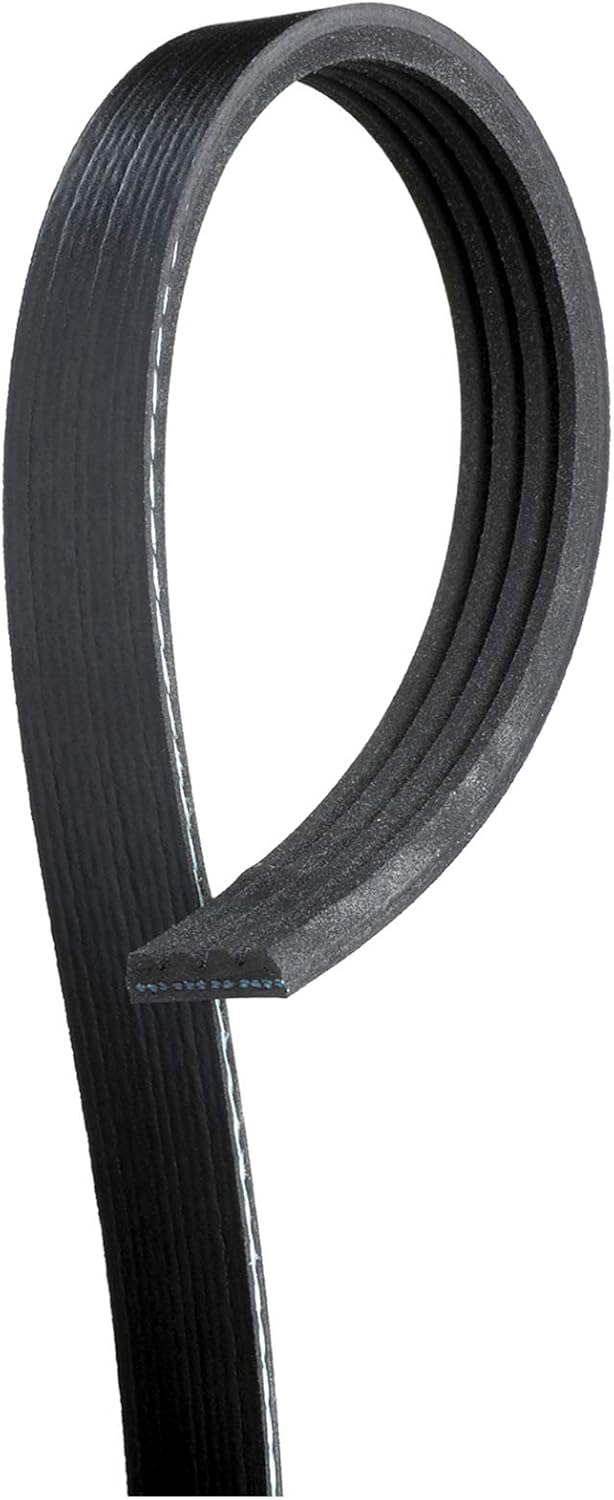
This Gates Micro-V serpentine belt is built to match factory fit and materials, giving a dependable replacement for the accessory drive on a 1998–2002 Subaru Forester. It is used in the same way as the original belt to transfer engine power to the alternator, power steering pump, air conditioning compressor, and other driven accessories. Notable features include EPDM rubber construction for improved resistance to rib cracking and a special belt construction intended to reduce noise and tension loss. In practice that means fewer belt squeaks and more consistent tension over service intervals, which reduces the chance of premature wear on pulleys and tensioners. The belt meets or exceeds manufacturer specifications, so installation is straightforward and it works with standard replacement procedures. Limitations are typical for aftermarket belts: long-term life depends on correct tensioner condition and installation, and the belt itself will not address worn pulleys or failing tensioners, which should be inspected when replacing the belt.
Best for: Buyers who prioritize a reliable, factory-matching replacement belt for routine maintenance on a 1998–2002 Forester and want to minimize noise and premature rib wear.
Less Ideal for: Not a solution for vehicles with worn pulleys, seized accessories, or failing tensioners; those issues should be addressed before replacing the belt.
- Factory-matching construction for consistent fit and performance
- EPDM rubber resists rib cracking for longer service life
- Built to meet or exceed manufacturer specifications
- Design reduces belt noise and helps maintain tension
- Performance depends on the condition of existing pulleys and tensioner, which are not included
Verdict: Choose this Gates Micro-V belt for a dependable, factory-spec replacement that reduces noise and resists rib cracking on a 1998–2002 Subaru Forester.
6. Gates Micro-V Serpentine Drive Belt (K050345)

| Manufacturer | GATES |
|---|---|
| Model | Micro-V Serpentine Drive Belt |
| Item model number | K050345 |
| OEM Part Number | 24466976, 809218270, 809218430, 809218450 |
The Gates Micro-V serpentine drive belt is a direct-fit replacement designed to match factory size and construction so it runs like the original belt on compatible vehicles. It installs as the main accessory drive belt and powers items such as the alternator, power steering, and air conditioning while maintaining proper tension and smooth engagement with pulleys. Notable features include precision molding to OEM profile and materials intended for long wear and resistance to cracking. In everyday use the belt offers quiet operation and predictable durability under normal driving conditions, making it a low-risk option for routine maintenance. Limitations are typical of aftermarket belts: performance depends on correct routing and a healthy tensioner; it will not correct worn pulleys or tensioner problems and should be fitted alongside an inspection of the belt drive system.
Best for: Buyers seeking a conservative, factory-like replacement belt who prioritize reliable, trouble-free service life and want a direct-fit option for routine maintenance.
Less Ideal for: Drivers looking for performance upgrades, heavy-duty or modified engine applications should consider specialty belts or a full drive-system overhaul instead.
- Precision-molded to match OEM belt profile for reliable fit
- Constructed for resistance to cracking and general wear
- Quiet operation in normal driving conditions
- Backed by a well-known belt manufacturer with broad replacement coverage
- Does not address worn pulleys or a failing tensioner which must be inspected separately
Verdict: Choose this Gates Micro-V belt when you want a conservative, factory-matching replacement that restores reliable accessory drive performance.
Choosing the Right 1998-2002 Subaru Forester Serpentine Belt: Key Factors to Consider
Correct Belt Length and Rib Count
Getting the exact belt length and rib configuration is fundamental. The 1998-2002 Forester has a specific routing and number of ribs that must match the replacement part. Using a belt that is even a few millimeters off can cause slack, accelerated wear, or undue stress on the tensioner and pulleys.
When assessing replacement options, confirm the belt's stated measurements and compare them to your vehicle's original belt or the vehicle service manual. Many owners use a belt size lookup or diagram to verify fitment; skip any belt listing that does not clearly state length and rib count.
Material and Construction Quality
Belts made from higher-grade rubber compounds, often with EPDM or similar formulations, resist cracking and glazing longer than older materials. Reinforced cords and proper adhesion between ribs and backing reduce the risk of chunking or rib separation, which can lead to sudden failures.
Assess descriptions that mention reinforced tensile cords or multilayer construction. For a Forester that may see wide temperature swings and extended idling, a durable compound helps maintain tension and reduces noise over time.
Noise and Squeal Resistance
Squeal is a common symptom when a belt slips on a pulley or when the belt surface has glazed. For a Forester owner, short-term fixes like cleaners can help, but choosing a belt designed to minimize slip and resist glazing reduces recurring noise issues.
Look for belts with rib surface treatments, anti-slip profiles, or documented reduced-noise performance. Properly matched belt length and a healthy tensioner also play a role, so consider the system as a whole when evaluating noise claims.
Compatibility With Tensioner and Pulley Condition
A new belt will not perform well on worn tensioners or misaligned pulleys. For the 1998-2002 Forester, confirm that the replacement belt works with the vehicle's factory tensioner design and pulley diameters. Some belt options are tolerant of mild tensioner wear, while others require a tensioner within spec.
If your tensioner shows excessive movement or pulleys have rough bearings, plan to service those components at the same time. Choosing a belt that lists tolerance for common tensioner variations can save a follow-up job.
Ease of Installation and Documentation
Many Forester owners replace the serpentine belt at home. Clear fitment labels, included routing diagrams, and straightforward installation notes reduce the chance of incorrect installation. Some suppliers include step-by-step diagrams or precise fitment lookup tools that match the 1998-2002 Forester.
Prefer belts that come with explicit instructions or that reference a diagram consistent with your engine layout. Missing documentation is a common source of installation errors and wasted time.
Longevity and Maintenance Interval
Different belt constructions imply different recommended replacement intervals. For a vehicle that may see highway miles and occasional idling, selecting a belt with longer rated service life reduces replacement frequency and the risk of in-service failure.
Review expected mileage or years between changes and weigh that against driving habits. If you routinely drive in harsh conditions, favor options with documented endurance and resistance to environmental degradation.
Common Serpentine Belt Symptoms on a 1998-2002 Forester
Belts nearing the end of their service life produce several recognizable symptoms. Squealing on cold starts or during rapid acceleration is often an early indicator of glazing or minor slippage. You may also notice a chirping sound that changes with engine speed.
Visual signs include hairline cracks across the ribs, fraying at the edges, and missing chunks. If the belt shows rib separation or cupping, it is at high risk of sudden failure. Intermittent electrical issues such as a dead battery light can point to belt slip affecting the alternator.
Some symptoms overlap with accessory or tensioner problems, so combine a visual inspection with a manual tension check and a look at pulley bearings before assuming the belt is the single cause.
- Cold-start squeal that eases once the engine warms
- Visible cracks across ribs or along the belt edge
- Chirping that changes pitch with engine RPM
- Alternator charge fluctuations or accessory power loss
How to Check Belt Fitment and Size
Start by locating the belt routing diagram in the engine bay or in the service manual. Confirm the number of ribs by matching the belt cross-section to the pulleys. If the old belt is available, note the stamped length and rib count for a direct size lookup.
When using online size lookup tools or diagrams, ensure the entry explicitly lists compatibility with 1998-2002 Subaru Forester. If there is any doubt, measure the old belt end-to-end and count ribs to verify any candidate belt.
- Find the routing diagram under the hood or in repair literature
- Count ribs on the old belt and compare to pulley groove width
- Measure existing belt length if documentation is missing
Basic Steps to Replace the Serpentine Belt Yourself
Replacing the serpentine belt on this Forester is a task many owners perform with basic hand tools. The general process involves relieving tension with the tensioner, removing the old belt, routing the new belt according to the diagram, and reapplying tension. Always confirm routing before starting the engine.
Take safety precautions: work on a cooled engine, use proper tools to hold the tensioner, and double-check that no tools or rags are left in the engine bay after installation. If the tensioner is stiff or pulleys feel rough, replace or service those parts while you have access.
- Locate and relieve tension with the appropriate wrench or tool
- Remove old belt and inspect pulleys for wear
- Route new belt per diagram, then release tensioner to seat belt
When to Replace the Tensioner or Pulleys
A new belt on worn tensioner hardware shortens belt life and can cause renewed noise. Replace the tensioner if it shows excessive free play, slow return, or if the pulley bearing is noisy. Inspect all accessory pulleys for smooth rotation and play.
As a rule of thumb for the 1998-2002 Forester, if you find roughness or resistance in any pulley during inspection, plan to replace that pulley or the entire tensioner assembly to ensure the new belt performs as expected.
- Replace tensioner if it has sluggish return or excessive movement
- Swap pulleys with gritty or noisy bearings
- Consider replacing tensioner and belt together for reliability
Maintaining Quiet Operation and Extending Belt Life
Keep the belt and pulleys clean and free from oil or coolant contamination, which accelerates glazing and slip. Periodically inspect the belt for heat-induced cracking and check tensioner function during routine oil changes or scheduled inspections.
Avoid using belt dressing products as a long-term fix; they mask slip but do not address wear or incorrect tension. Instead, focus on correct fitment and replacing worn hardware to maintain quiet operation over time.
- Inspect belts every 12 months or per maintenance schedule
- Clean spilled fluids promptly and repair leaks
- Replace worn tensioner hardware when installing a new belt
Still looking for the perfect fit?
Select your Subaru Forester configuration to see the most relevant Serpentine Belts recommendations
How We Chose the Best 1998-2002 Subaru Forester Serpentine Belt
We focused on criteria that matter for owners of 1998-2002 Subaru Forester models and for routine serpentine belt replacement. Primary filters included exact fitment to the model years listed, correct belt length and rib count, and compatibility with the vehicle's accessory layout. Durability was judged by belt compound and construction, prioritizing materials that resist cracking, chunking, and rib separation under heat and age. Noise performance was another key factor, since belt squeal is a common symptom in this platform; we evaluated designs and surface finishes that reduce slip and squeal during cold starts and heavy loads. Installation ease and availability of clear fitment references or diagrams were considered because many Forester owners perform the replacement themselves.We excluded belts intended for different Subaru models or different accessory configurations, belts sized only for modified accessory setups, and any option lacking clear length or rib-count documentation. Final selections were balanced across OEM-compatible constructions and high-quality aftermarket compounds with documented longevity for this vehicle application.
Our full evaluation process is outlined in our review methodology.
FAQ
How often should I replace the serpentine belt on a 1998-2002 Forester?
Replacement intervals vary, but many owners inspect the belt annually and replace it every 60,000 to 100,000 miles depending on condition. Check for cracking, rib wear, and glazing rather than relying solely on mileage.
Can I replace the serpentine belt myself and how long does it take?
Yes. With basic hand tools and the correct routing diagram, an experienced DIYer can replace the belt in under an hour. Allow extra time to inspect and possibly replace the tensioner or pulleys if they show wear.
What causes serpentine belt squeal on these Foresters?
Squeal often stems from belt glazing, incorrect tension, or contaminated belt surfaces. Worn pulleys or a weak tensioner can also cause slipping that produces a squeal, especially on cold starts or high-load acceleration.
Should I replace the tensioner when changing the belt?
It often makes sense to inspect the tensioner and replace it if there is noticeable play, slow return, or noisy bearings. Replacing tensioner and belt together reduces the chance of early belt failure due to weak tension.
How do I confirm the correct belt size for my Forester?
Confirm the rib count and length using the routing diagram or the old belt stampings. If those are unavailable, measure the belt and count ribs, or use documented size lookup resources specific to 1998-2002 Subaru Forester specifications.
What should I do if I see cracks in the belt ribs?
Surface cracks indicate aging and warrant replacement. Small hairline cracks are an early sign, but deeper cracks, fraying, or rib separation mean the belt should be replaced promptly to avoid sudden failure.
Final Verdict
For the 1998-2002 Subaru Forester, prioritize correct fitment, belt construction, and the condition of tensioner hardware when choosing a replacement. A properly sized belt made from a durable compound will reduce squeal and lengthen service life, but those benefits depend on healthy pulleys and a functioning tensioner.When in doubt, verify length and rib count, inspect accessory hardware, and choose an option with clear fitment documentation. That approach balances reliability and noise control, helping you avoid repeat visits and ensuring the accessory drive performs consistently.
Explore More:
- Check out all Subaru Forester parts & accessories
- Explore Serpentine Belts Maintenance & Repair Guides
- Explore Engine
- Browse all Auto Parts
