

Note: This article contains affiliate links. If you click on these links and make a purchase, I may earn a small commission at no extra cost to you. This helps support my research and content. Read my full affiliate disclosure here.
If you own a 2004-2012 Chevrolet Colorado, a failing radiator can quickly cause overheating, driveability problems, and potential engine damage. Choosing the right radiator for your Colorado matters because the wrong core design or poor fitment can leave you with coolant leaks, reduced cooling capacity, or installation headaches.This guide highlights the top radiators shortlisted for this Chevrolet Colorado range and explains the key criteria used to evaluate them, including cooling performance, construction quality, and fitment accuracy. Read on to understand what to look for and how the picks were judged before you inspect replacement options or plan a radiator installation.
Looking for other parts? See all Chevrolet Colorado parts & accessories.
Top Picks at a Glance
| Best Overall The best all-around choice for most situations | YITAMOTOR Complete Radiator Replacement with Aluminum Core and PA66 Tanks |  |
| Best Quality Built to a higher standard if you want something more solid | EGINCOOLER 2-Row Aluminum Radiator (Fitment for 2004–2012 Colorado/Canyon/Isuzu) |  |
| Best Value The sweet spot between price and what you get | SCITOO Aluminum Radiator Replacement for Chevrolet/GMC/Isuzu (fits 2004–2012 Colorado/Canyon/i-Series) |  |
| Best Budget The cheapest option that still gets the job done reliably | OCPTY Aluminum Replacement Radiator for 2004–2012 Chevrolet Colorado / GMC Canyon |  |
| Highest Rated A top-rated pick with lots of positive feedback | AParts Aluminum Engine Cooling Radiator for Chevrolet Colorado and GMC Canyon (2004–2012) |  |
| Most Popular A crowd favorite that many people choose with confidence | DWVO CU2707 Replacement Radiator for 2004–2012 Chevrolet Colorado / GMC Canyon and compatible Isuzu models |  |
1. YITAMOTOR Complete Radiator Replacement with Aluminum Core and PA66 Tanks

| Compatibility | 2004-2012 Chevrolet Colorado, 2004-2012 GMC Canyon |
|---|---|
| Core Material | Aluminum |
| Tank Material | PA66 (glass fiber reinforced) |
| Leak Test | 100% Leak Test |
This YITAMOTOR radiator is a full replacement assembly designed to swap into 2004–2012 Chevrolet Colorado and GMC Canyon models without modification. It uses a high-density, multi-louvered aluminum core and an integrated aluminum oil cooler to improve heat dissipation, while PA66 nylon tanks are intended to resist high temperatures and reduce leak risk. In practice the radiator serves as a straightforward fix for overheating, leaking, or age-related cooling performance loss and comes with packaging and a user manual to help with installation. The manufacturer says units are 100 percent leak tested and built to meet factory-spec fit, form, and function; buyers can expect a close fit and similar hose and mounting alignment to the original. Trade-offs are typical for aftermarket replacements: while materials and welds are rated for durability, long-term longevity depends on installation quality and coolant maintenance, and the radiator cap is not included so reuse or replacement of the cap is required.
Best for: Buyers seeking a balanced, reliable factory-style replacement to restore cooling performance on a mid-2000s Chevrolet Colorado or GMC Canyon will appreciate its direct fit and improved cooling design.
Less Ideal for: Drivers who want an OEM-branded part with factory warranty or those planning extensive performance modifications should consider other options.
- Direct-fit design for 2004–2012 Chevrolet Colorado and GMC Canyon for straightforward replacement
- High-density multi-louvered aluminum core for improved cooling efficiency
- PA66 glass fiber reinforced tanks designed for high temperature resistance and reduced cracking
- Includes integrated aluminum oil cooler to assist engine heat management
- 100% leak tested and packaged to minimize shipping damage
- Radiator cap is not included and must be sourced separately
Verdict: A practical, direct-fit radiator that improves cooling over older units while offering factory-style fit and durability for 2004–2012 Colorado owners.
2. EGINCOOLER 2-Row Aluminum Radiator (Fitment for 2004–2012 Colorado/Canyon/Isuzu)

| Material | AA5052 Aluminium |
|---|---|
| Core Rows | 2-Row |
| Transmission Oil Cooler | Yes |
| Inlet Connection | 1.31'' |
| Outlet Connection | 1.56'' |
This full-aluminum 2-row radiator is a direct replacement aimed at improving cooling for 2004–2012 Chevrolet Colorado and GMC Canyon trucks and compatible Isuzu models. It uses AA5052 aluminum and a compact 2-row tube core to boost flow compared with many stock units while including an integrated transmission oil cooler for towing or heavier driving. Typical use is as a factory-replacement upgrade for owners who want better heat rejection under load without changing mounting or hoses. Notable features include the high-flow racing-style core and factory-style inlet and outlet hose connections to simplify installation. In practice the radiator should lower operating temperatures during prolonged highway towing or spirited driving, and the built-in transmission cooler removes the need for an add-on cooler in many cases. Limitations are that the 2-row design trades some raw cooling area compared with thicker multi-row cores, so extreme heavy-duty or high-performance builds may still want a larger core or aftermarket multi-row option. Buyers should confirm the listed core size and hose connection diameters match their vehicle before purchase.
Best for: Drivers who want a bolt-in cooling upgrade that reduces engine and transmission temps during towing or spirited driving without major modifications.
Less Ideal for: Owners running heavily modified engines, high horsepower builds, or extreme-duty towing who need maximum cooling should consider a thicker multi-row or purpose-built heavy-duty radiator instead.
- Full-aluminum AA5052 construction for improved thermal conductivity and corrosion resistance
- Racing-style 2-row core increases coolant flow compared with many stock radiators
- Integrated transmission oil cooler eliminates the need for a separate cooler in many towing scenarios
- Factory-style inlet and outlet hose connections simplify installation
- 2-row core is slimmer than multi-row radiators so it may offer less peak cooling capacity for extreme performance or heavy-duty use
Verdict: A compact, full-aluminum replacement that gives Colorado/Canyon owners better flow and an integrated transmission cooler for improved cooling under load.
3. SCITOO Aluminum Radiator Replacement for Chevrolet/GMC/Isuzu (fits 2004–2012 Colorado/Canyon/i-Series)

| Applicable vehicles | 2004–2012 Chevrolet Colorado, GMC Canyon, Isuzu i‑Series (see fitment) |
|---|---|
| Core type | Downflow |
| Row count | 1Row |
| Transmission oil cooler | Included |
This SCITOO radiator is a one-row, downflow aluminum replacement built to match factory fit for many Chevrolet Colorado, GMC Canyon, and Isuzu i‑Series trucks from 2004–2012. It includes a built-in transmission oil cooler and standard inlet/outlet diameters, so it handles engine cooling and transmission cooling in a single assembly. Typical use is as a direct replacement when the original radiator has failed, corroded, or developed leaks; installers will appreciate that the core dimensions and mounting points are intended to match the vehicle. The high-density aluminum core improves heat transfer and resists erosion, reducing the chance of leaks over time and minimizing routine maintenance to occasional fin cleaning and coolant checks. Limitations: the radiator does not include a cap and does not provide an engine oil cooler, and buyers should confirm exact fitment against vehicle year, engine, and part references before installation. For someone replacing a worn factory radiator and wanting integrated transmission cooling, this is a practical, straightforward option.
Best for: Buyers who want a practical, factory-style replacement radiator that handles engine and transmission cooling in one unit and prioritize straightforward fitment and low maintenance.
Less Ideal for: Owners looking for a performance or heavy-duty upgrade with multi-row cores or integrated engine oil cooling should consider specialty radiators instead.
- Integrated transmission oil cooler removes need for a separate cooler for automatic transmissions
- High-density aluminum core promotes efficient heat transfer and corrosion resistance
- Designed to match factory mounting and core dimensions for direct-fit replacement
- Simple maintenance: just inspect coolant and clear debris from fins
- Radiator cap not included so you must reuse the original or purchase separately
- No engine oil cooler integrated if that function is required
Verdict: A practical, factory-fit aluminum replacement radiator with a built-in transmission cooler for 2004–2012 Colorado/Canyon/i‑Series trucks that simplifies repairs and maintenance.
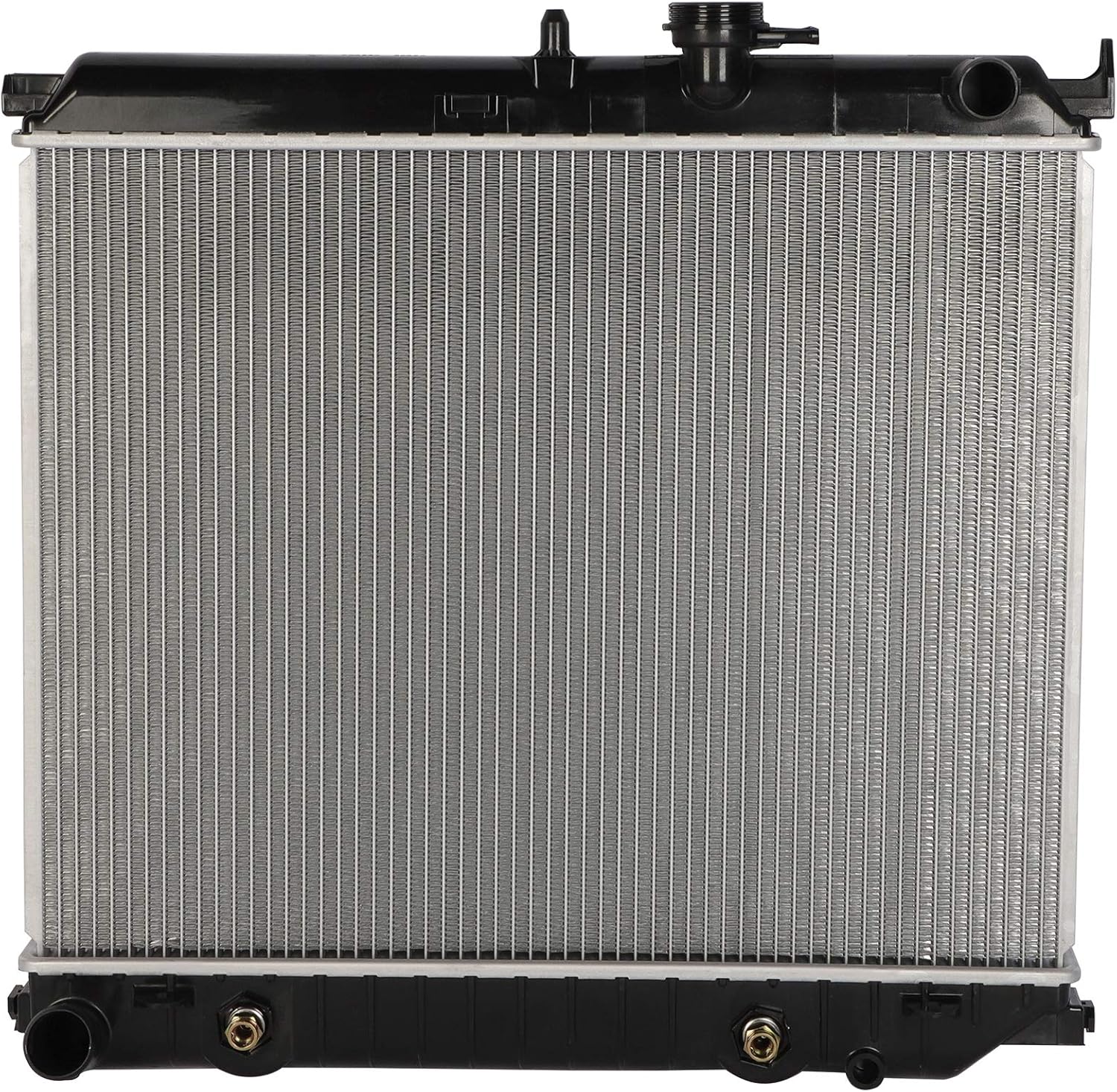
4. OCPTY Aluminum Replacement Radiator for 2004–2012 Chevrolet Colorado / GMC Canyon
| Manufacturer Part Number | 125797-5209-1729469252 |
|---|---|
| OEM Part Number | 2707 |
| Material | Aluminum core with plastic tanks |
| Compatible Vehicles | 2004–2012 Chevrolet Colorado, GMC Canyon, select Isuzu i-series |
This OCPTY radiator is a direct-fit aftermarket replacement intended to restore cooling efficiency for 2004–2012 Chevrolet Colorado and compatible GMC Canyon and Isuzu trucks. It uses a full aluminum core paired with high-grade plastic tanks and is built to match factory fitment so installation is typically a drop-in with no drilling or modification. In real-world use the aluminum core increases heat dissipation compared with older or damaged units, which helps the engine run cooler during towing or stop-and-go driving. The unit is pressure tested for leaks at the factory and is sized to replace common OEM part numbers for these model years. Expect a straightforward swap for owners doing a DIY replacement or a quick job for a shop. Limitations are that this is an aftermarket part so finish and exact hose/clip orientations can differ slightly from factory pieces, and any vehicle-specific brackets or sensor fittings should be checked before installation.
Best for: Buyers looking for an affordable replacement that restores cooling performance and lets them do a straightforward DIY swap or keep shop labor minimal.
Less Ideal for: Owners who need an exact factory-identical part for show-quality restorations or who require integrated vehicle-specific brackets and fittings without verification should look elsewhere.
- Full aluminum core for improved heat dissipation over aged radiators
- Manufactured to match factory fitment for drop-in installation without drilling
- Pressure-tested at the factory to reduce likelihood of leaks out of the box
- Covers the common 2004–2012 Chevrolet Colorado and compatible GMC Canyon/Isuzu applications
- Aftermarket construction can differ slightly from factory parts in tank shapes and hose locations
Verdict: A budget-friendly, full-aluminum replacement that restores cooling for 2004–2012 Chevrolet Colorado and compatible trucks with minimal installation hassle.
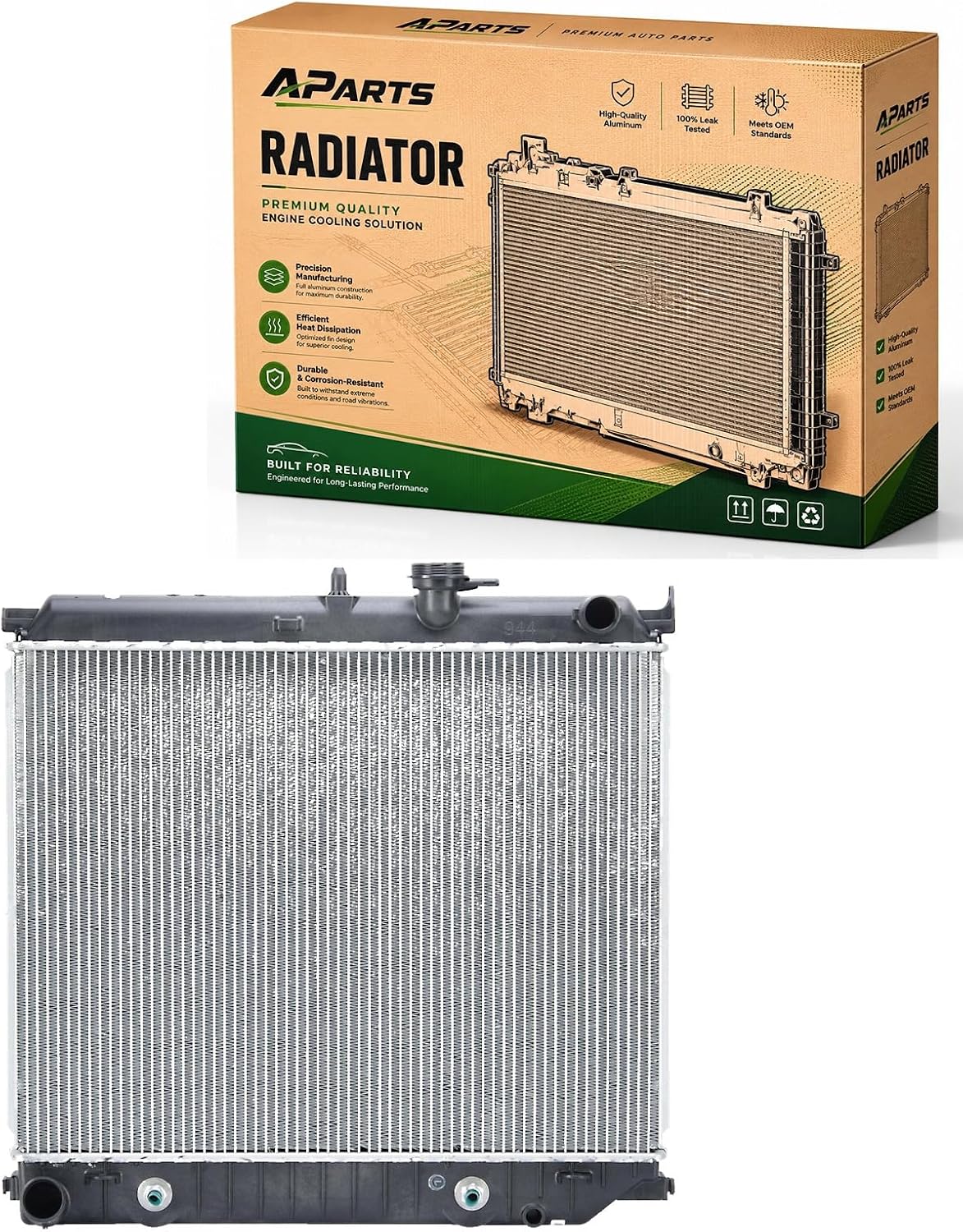
5. AParts Aluminum Engine Cooling Radiator for Chevrolet Colorado and GMC Canyon (2004–2012)
| Vehicle fitment | Chevrolet Colorado/GMC Canyon 2004–2012 (various engines listed) |
|---|---|
| Core material | Aluminum core |
| Tank material | PA66 GF30 inlet and outlet tanks |
| Construction | TIG-welded core with integrated transmission oil cooler |
| Manufacturer | AParts |
This AParts radiator replaces the factory unit on compatible Chevrolet Colorado and GMC Canyon trucks and is intended as a long-term cooling solution. It uses a TIG-welded aluminum core with high-density multi-louvered fins to increase airflow and heat dissipation and features reinforced inlet and outlet tanks and an integrated transmission oil cooler. Installation is direct bolt-on, so it typically fits without cutting or modification and works in the same layout as the original. In practice the reinforced construction aims to reduce leak risk and handle higher thermal stress, which is useful if you tow or drive in hot conditions. The integrated transmission cooler is convenient for trucks that tow light loads. The radiator is not a performance aftermarket unit, so expect factory-level cooling rather than large gains in extreme-duty scenarios, and you should verify exact engine and year fitment before ordering.
Best for: Buyers who prioritize long-term reliability and a straightforward factory-style replacement for 2004–2012 Colorado/Canyon trucks, especially those who want a durable unit that reduces leak and corrosion concerns.
Less Ideal for: Drivers seeking a high-capacity performance upgrade for heavy towing, racing, or extreme-duty cooling should consider specialty performance radiators instead.
- Direct bolt-on design simplifies installation with no modifications required for listed models.
- Aluminum core with multi-louvered fins improves airflow and heat transfer compared with older or corroded radiators.
- TIG-welded construction and reinforced tanks reduce leak risk and increase durability under thermal cycling.
- Integrated transmission oil cooler adds convenience for light towing applications.
- Not marketed as a high-capacity performance radiator for heavy towing or extreme cooling upgrades.
Verdict: A practical, factory-style aluminum replacement that prioritizes durable, leak-resistant construction for dependable cooling in 2004–2012 Colorado and Canyon trucks.
6. DWVO CU2707 Replacement Radiator for 2004–2012 Chevrolet Colorado / GMC Canyon and compatible Isuzu models

| Model | CU2707 |
|---|---|
| OEM Part Number | 15120862, 15199307, 15199308 |
| Position | Front Inner |
| Exterior | Machined |
This DWVO CU2707 radiator is a full replacement unit engineered to match factory fit for 2004–2012 Chevrolet Colorado and GMC Canyon engines listed in the fitment. It uses a high-density multi-louvered fin aluminum core with TIG-welded end tanks and a brass transmission oil cooler to improve heat dissipation for towing, daily driving, and hot-climate operation. The unit ships with corner foam protection and a user manual but does not include a radiator cap, and DWVO recommends professional installation. In practice the construction and treated coating aim to resist leaks and corrosion, and the multi-louvered fins should help lower operating temperatures under load. Buyers should confirm exact engine and model compatibility before purchasing and expect a replacement-level product rather than a performance upgrade; installation may require transferring or purchasing the radiator cap and verifying any mounting hardware or hose fitment.
Best for: Buyers who prioritize a well-matched, replacement-quality radiator backed by ample user feedback and want a durable unit to restore stock cooling performance on covered Colorado/Canyon applications.
Less Ideal for: People seeking a high-performance or heavily modified cooling solution beyond stock-capacity improvements should consider purpose-built performance radiators instead.
- Direct OEM-compatible fit for 2004–2012 Chevrolet Colorado and GMC Canyon models listed
- High-density multi-louvered fins and aluminum core for improved cooling efficiency
- TIG-welded end tanks and brass transmission oil cooler for durable construction
- Protective treated coating and foam packaging to reduce risk of damage in transit
- Radiator cap is not included with the unit
- May require professional installation and verification of mounting hardware or hose fitment
Verdict: A reliably built, direct-fit replacement radiator for 2004–2012 Colorado and Canyon owners who want durable, factory-matching cooling at a budget-friendly replacement level.
Choosing the Right 2004-2012 Chevrolet Colorado Radiator: Key Factors to Consider
Cooling Capacity and Core Design
Cooling capacity determines how effectively a radiator removes engine heat under different loads and temperatures. For the 2004-2012 Chevrolet Colorado, consider core thickness, tube count, and fin density because these influence heat rejection during highway driving, stop-and-go traffic, and towing. A multi-row core typically offers better heat transfer but may restrict airflow if paired with an undersized fan.
Core design also affects susceptibility to clogging and external damage. Denser fins improve cooling but are more easily bent by road debris. Choose a core that balances thermal performance with durability and that matches the Colorado's factory fan and shroud clearances to avoid fitment conflicts.
Material and Build Quality
Materials used for the core, tanks, and seals determine corrosion resistance and long-term durability. Aluminum cores with brass or plastic tanks have different tradeoffs: aluminum cores are lightweight and conduct heat well, while tank materials affect resistance to impact and thermal cycling. For this Colorado range, look for robust seam construction and high-quality brazing or welding at joints to reduce leak risk.
Quality control matters because inconsistent manufacturing can cause early failures. Inspect claimed manufacturing processes and any available build-spec details to favor radiators with stronger joints, reinforced mounting points, and tested pressure ratings appropriate for the Colorado's cooling system.
Fitment Accuracy and Mounting
Correct fitment is critical to avoid modifications during installation. Radiator outlet/inlet locations, mounting bracket points, and sensor ports must match the 2004-2012 Colorado layout to ensure hoses, fan shroud, and transmission cooler lines align without stress. Even small misalignments can cause hose strain, leaks, or interference with the fan and shroud.
Confirm whether the radiator includes necessary mounting hardware, grommets, or brackets. For owners doing a DIY installation, precise fitment reduces labor time and the risk of rework. Professionals will also prefer units that bolt in cleanly and maintain factory mounting geometry.
Transmission Cooler Integration
Many Colorado models use a radiator-mounted transmission cooler. If your vehicle has an automatic transmission, ensure the replacement radiator includes compatible cooling passages and fittings for transmission fluid lines. Proper integration prevents transmission overheating and avoids additional aftermarket coolers unless explicitly required.
Check the orientation and port type for the transmission cooler connections so lines do not need adapters or rerouting. A radiator without proper cooler passages may force you to install a separate transmission cooler, adding complexity and potential leak points.
Corrosion Resistance and Finish
Radiators operate in a corrosive environment of coolant, moisture, and road salt, so corrosion resistance affects lifespan. Look for protective coatings, corrosion-resistant alloys, and quality finishes that shield the core and tanks. For vehicles driven in regions with winter salt exposure, enhanced corrosion protection is particularly important for the 2004-2012 Colorado.
Additionally, the finish can indicate manufacturing attention to detail. Sealed seams, durable paint or coating on tanks, and corrosion-resistant fittings reduce the chance of premature failure and help maintain cooling efficiency over time.
Ease of Installation and Serviceability
The complexity of installation affects labor cost and the likelihood an owner will complete a DIY replacement successfully. Radiators that come with clear mounting hardware, predrilled sensor ports, and properly sized inlet/outlet connections simplify the job. For the Colorado, consider whether the radiator allows reuse of factory hoses and sensors without modification.
Serviceability includes access for future repairs and how straightforward it is to install a new fan shroud, sensors, or transmission lines. Units designed for easy servicing save time and reduce the risk of damage during installation or future maintenance.
Signs Your Colorado Needs a Radiator Service
Early detection of radiator problems prevents engine damage. Common signs include persistent coolant loss, visible coolant stains under the vehicle, or a sweet smell of coolant in the engine bay. Overheating under load or during idling is another strong indicator that the radiator is not rejecting heat effectively.
Look also for visible damage like bent fins, corrosion at the seams, or hairline leaks at hose connections. Steam or white smoke from the front of the engine bay and fluctuating temperature gauge readings are practical cues to inspect the radiator and associated cooling components promptly.
- Coolant puddles or wet spots under the front of the truck
- Consistent high temperature gauge readings or overheating
- Visible corrosion, cracks, or damaged fins on the radiator
- Transmission overheating symptoms if your radiator integrates a cooler
Preparing for Radiator Replacement on Your Colorado
Before purchasing a replacement, identify whether your Colorado has an integrated transmission cooler and note the hose and sensor locations. Drain the coolant safely into a container and disconnect the battery to prevent electrical shorting while working near the fan. Gather basic tools such as pliers for hose clamps, a drain pan, and the appropriate socket set.
If you plan a DIY replacement, set aside enough time for troubleshooting fitment and testing after installation. Confirm availability of any gaskets, hose clamps, or mounting hardware you might need. Taking photos of hose routing and bracket placements before removal makes reassembly easier.
- Drain coolant into an appropriate container and dispose of it per local regulations
- Label or photograph hoses and electrical connectors before removal
- Have replacement clamps, grommets, and coolant on hand
Transmission Cooler Considerations for Automatic Models
If your Colorado is equipped with an automatic transmission, the radiator often includes integrated cooler lines. Ensure the replacement matches the original cooler port type and location to avoid line stress or the need for adapters. Transmission fluid temperature affects shift quality and longevity, so maintaining factory-level cooling capacity is important.
When replacing the radiator, inspect transmission line fittings and seals for wear. If the radiator lacks an integrated cooler or uses different fittings, consider a separate inline transmission cooler sized to handle the vehicle's typical load and towing habits.
- Verify integrated cooler ports and orientation before purchase
- Inspect transmission lines for chafing or corrosion during replacement
- Consider separate cooling if you routinely tow heavy loads and compatibility is uncertain
Choosing Between Plastic Tanks and All-Aluminum Units
Plastic-tank radiators are often lighter and less expensive, but plastic can become brittle with heat cycles and may develop cracks over time. All-aluminum radiators combine aluminum cores with metal tanks and tend to offer better heat transfer and durability under higher thermal stress. For a Colorado used in heavier-duty conditions or higher-mileage examples, all-aluminum units may be preferable.
Evaluate your driving patterns and climate when choosing tank materials. If you operate in extreme temperatures or expect prolonged towing, prioritize materials and construction methods rated for repeated thermal cycling and road exposure.
- Plastic tanks: lighter, lower cost, may become brittle over time
- All-aluminum: better heat conduction, generally more durable for heavy use
When to Flush the Cooling System
A coolant flush should be considered whenever the radiator is replaced or when coolant shows discoloration or particulate contamination. Flushing removes rust, scale, and old inhibitor chemicals that can reduce cooling efficiency and cause blockages. For the Colorado, flushing before installing a new radiator helps ensure the entire cooling circuit is clean and reduces the risk of contaminating the replacement unit.
After a replacement, refill with the correct type and mixture of coolant specified for the vehicle and bleed the system to remove air pockets. Proper bleeding prevents hot spots and ensures the thermostat and heater core function correctly.
- Flush when coolant is rusty, cloudy, or contains particles
- Always flush before installing a new radiator to protect the new core
- Bleed the system thoroughly after refilling to remove air pockets
Still looking for the perfect fit?
Select your Chevrolet Colorado configuration to see the most relevant Radiators recommendations
How We Chose the Best 2004-2012 Chevrolet Colorado Radiator
We applied a practical, vehicle-focused evaluation framework to identify radiators suitable for the 2004-2012 Chevrolet Colorado. Our selection criteria prioritized cooling capacity and core design first because these determine heat rejection under normal driving and towing loads. Build quality was next, covering materials, tank construction, and seam strength to reduce the risk of leaks and extend service life. Fitment accuracy and included mounting provisions were emphasized to minimize modification during installation and ensure proper hose and sensor alignment.We also considered corrosion resistance and finish, since long-term exposure to coolant and road salts affects radiator longevity. Ease of installation and availability of replacement parts or hoses informed the selection to help owners who plan DIY repair or professional installation. We excluded options without verified compatibility for the 2004-2012 Colorado and any units with unclear core specifications or poor reported durability. The final list focuses on radiators that balance thermal performance, durability, and correct fitment for this Chevrolet Colorado range.
Our full evaluation process is outlined in our review methodology.
FAQ
How can I tell if my Colorado radiator is leaking?
You will often notice coolant puddles under the front of the truck, a sweet odor in the engine bay, or consistent coolant loss between fills. Inspect seams, hose connections, and the area around the transmission cooler ports for dampness or corrosion.
Is it necessary to replace the radiator if my engine overheats once?
Not always. Occasional overheating can result from low coolant, a stuck thermostat, or a failing fan. If overheating recurs or you find leaks, corrosion, or damaged cores, replacing the radiator is advisable to prevent engine damage.
Can I reuse the old hoses and clamps when installing a new radiator?
You can reuse hoses and clamps if they are in good condition and free of cracks, swelling, or corrosion. However, replacing worn clamps and any hoses older than a few years is a low-cost precaution that reduces future leak risk.
Do I need to flush the cooling system when replacing the radiator?
Usually yes. Flushing removes contaminants that can clog a new core and restores proper corrosion inhibitor balance. At minimum, drain and thoroughly clean the system before installing the new radiator and refill with the correct coolant mixture.
How long does a radiator replacement typically take on a Colorado?
A straightforward replacement usually takes a few hours for someone with basic mechanical skills. Time increases if mounting hardware is corroded, transmission lines require special handling, or additional components such as the fan shroud need removal.
Will switching to an all-aluminum radiator change my Colorado's cooling performance?
It can. All-aluminum radiators often provide better heat transfer and durability under heavier loads or higher ambient temperatures. The actual benefit depends on core design, fin density, and whether the cooling fan and shroud remain compatible with the new unit.
Final Verdict
When replacing the radiator on a 2004-2012 Chevrolet Colorado, prioritize fitment accuracy and cooling capacity first, then consider material and long-term durability based on how you use the truck. Check transmission cooler integration for automatic models and plan to flush the cooling system during replacement to protect the new unit.Balancing thermal performance, correct mounting, and corrosion resistance will help you pick a radiator that minimizes future maintenance and keeps engine temperatures in a safe range. Focus on the criteria outlined above to make a confident selection for your Colorado.
Explore More:
- Check out all Chevrolet Colorado parts & accessories
- Explore Radiators Maintenance & Repair Guides
- Explore Cooling System
- Browse all Auto Parts
