

Note: This article contains affiliate links. If you click on these links and make a purchase, I may earn a small commission at no extra cost to you. This helps support my research and content. Read my full affiliate disclosure here.
Replacing a worn or leaking radiator hose can prevent engine overheating and avoid roadside breakdowns. For Nissan Sentra owners, choosing the right replacement matters because hoses differ in material, fitment, and resistance to heat and coolant chemicals. This guide highlights the top shortlisted radiator hoses for the Nissan Sentra, explaining why each type made the cut and what to expect in everyday driving.We evaluated hoses for material durability and exact fitment, plus ease of installation and resistance to common failure modes. Read on to find which options match your needs and the steps to get a secure replacement installed.
Looking for other parts? See all Nissan Sentra parts & accessories.
Top Picks at a Glance
| Best overall The best all-around choice for most situations | Haturmyko 1.5" 90° 4-Ply Reinforced Silicone Elbow Hose, 7" Leg |  |
| Best quality Built to a higher standard if you want something more solid | Nissan Genuine 21501-9HA0B Upper Radiator Hose |  |
| Best Value The sweet spot between price and what you get | Gates 21404 Premium Molded Coolant Hose |  |
| Best budget The cheapest option that still gets the job done reliably | Dayco 71891 Upper Radiator Hose |  |
| Highest Rated A top-rated pick with lots of positive feedback | G-PLUS Silicone Radiator Hose Kit for Nissan Sentra (2000–2006) |  |
| Best Seller A high-volume bestseller chosen again and again | ZAP Silicone Radiator Hose Kit for Nissan Sentra 1.8L (2000–2006) |  |
1. Haturmyko 1.5" 90° 4-Ply Reinforced Silicone Elbow Hose, 7" Leg
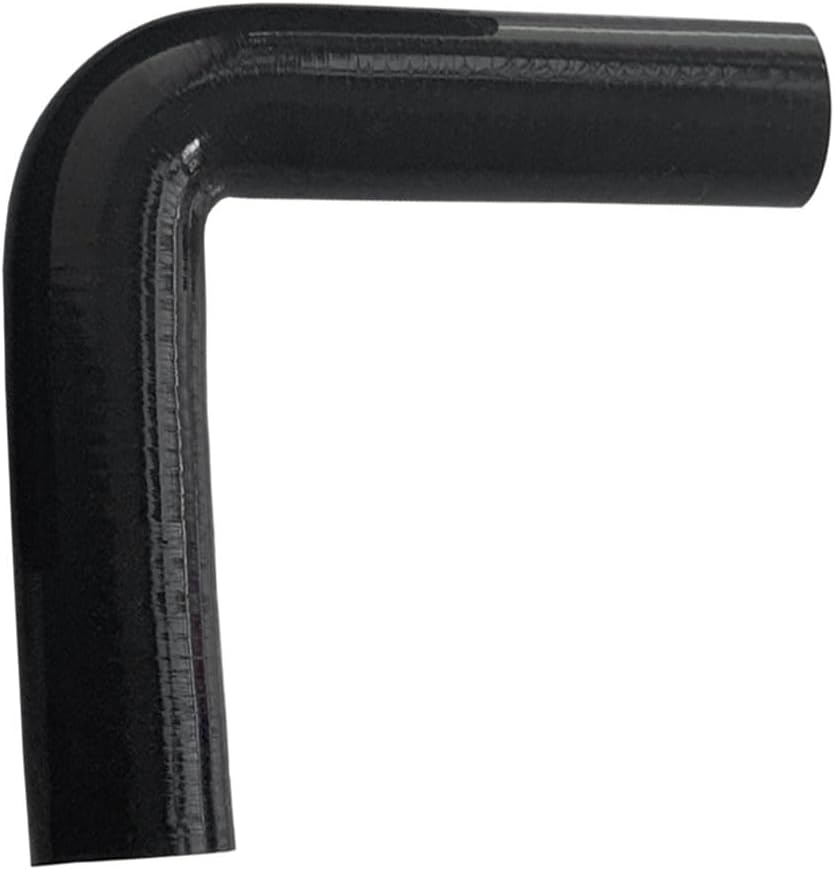
| Material | 4-Ply Reinforced Silicone |
|---|---|
| Inner Diameter | 1.5 inches |
| Leg Length | 7 inches |
| Wall Thickness | 5 mm |
| Temperature Range | -60 to 300 degrees |
This Haturmyko 1.5" 90° silicone elbow is a reinforced, factory-replacement style coupler designed to form a right-angle connection in charge or coolant plumbing. It's typically used to replace a worn radiator elbow or to adapt an intake/charge pipe where a 90 degree bend is needed. The four-layer reinforcement and 5 mm wall thickness make it stiffer than basic rubber hoses, which helps resist collapse under vacuum and stand up to boost or system pressure. It advertises a wide operating temperature range and high burst pressure, so it will handle engine bay heat and most everyday boost levels without softening or ballooning. Practical benefits include easy trimming for custom fitment and a smooth exterior that mates cleanly with clamps. Limitations are that only the 1.5" ID and 7" leg length are provided here, so it requires confirmation of fit for a Nissan Sentra application and may need additional fittings or reducers for nonmatching pipe diameters.
Best for: Balanced all-round buyers looking for a durable, factory-quality replacement elbow that simplifies a straightforward radiator or intake repair on their Nissan Sentra.
Less Ideal for: Drivers needing an exact fit for unusual or nonstandard pipe diameters without adapters, or those who require pre-bent OEM-specific molded hoses that match factory routing exactly.
- 4-ply reinforced silicone construction for improved durability and pressure resistance
- 5 mm wall thickness reduces risk of collapse under vacuum or boost
- Wide operating temperature range suitable for engine bay conditions
- Smooth exterior surface for a secure clamp seal and neat installation
- Only one inner diameter and leg length option shown, requiring exact size match or additional adapters
Verdict: A stout, reinforced 1.5" silicone 90° elbow that works well as a durable replacement on a Nissan Sentra when the size matches, but confirm pipe diameters before buying.
2. Nissan Genuine 21501-9HA0B Upper Radiator Hose

| Manufacturer | Nissan |
|---|---|
| Brand | NISSAN |
| Model | Genuine Nissan 21501-9HA0B Hose-Top |
| Exterior | Smooth |
This genuine Nissan upper radiator hose is a direct-fit replacement part intended to restore the cooling circuit on compatible Sentra engines. As a factory-quality component it installs like the original, routing and connecting to the thermostat housing and radiator without modification. The listing emphasizes OEM construction, which typically means the hose matches factory wall thicknesses and connector profiles for reliable sealing and heat resistance under normal driving conditions. Typical use is straightforward: remove the degraded hose, transfer clamps if needed, and install the Nissan part to regain leak-free coolant flow. The main benefit is confidence in fit and material compatibility that help prevent premature failures and coolant loss. Limitations are inherent to a single replacement hose: it does not address other cooling-system wear items such as clamps, adjacent hoses, or the thermostat, and buyers expecting upgraded temperature or pressure performance should consider performance aftermarket options instead.
Best for: Performance-oriented buyers who prioritize factory-fit, predictable cooling performance and want a direct OEM replacement to maintain engine reliability.
Less Ideal for: Drivers seeking high-duty-cycle or track-focused cooling upgrades or those wanting a complete cooling-system refresh kit should look at performance hoses or multi-part kits instead.
- Genuine Nissan part for factory-fit installation and reliable compatibility with the cooling system
- Manufactured to match original routing and connector profiles for straightforward replacement
- Designed to meet factory performance expectations for heat and coolant resistance
- Only a single hose replacement so other aged cooling components may still need attention
- Not an upgraded performance hose for higher-temperature or motorsport use
Verdict: Choose this genuine Nissan upper radiator hose when you want a factory-match replacement that restores reliable cooling performance.
3. Gates 21404 Premium Molded Coolant Hose

| Material Type | Epdm,Synthetic Fiber |
|---|---|
| Nominal Wall Thickness | 1/8 inches |
| Included Components | Premium Molded Coolant Hose |
| Unit Count | 1.0 Count |
The Gates 21404 is a molded coolant hose intended as a direct replacement for specific radiator, bypass or heater hose positions. It is pre-shaped to match factory routing so installation is typically straightforward and requires minimal trimming or bending. The hose uses an EPDM inner tube and cover with synthetic fiber knit reinforcement to resist heat, ozone and chemical degradation, and the construction is engineered to resist collapse under vacuum and electrochemical breakdown. For Nissan Sentra owners looking to replace an aging or failed radiator hose, this part delivers a factory-style fit and the durability to handle regular driving conditions. Limitations are that fitment must match the Sentra model year and specific hose location, and replacements that need unusual lengths or custom bends may require trimming or a different molded piece. There is no fitment guarantee on every chassis variation so confirm vehicle application before ordering.
Best for: Practical optimizers who prioritize cost-effective, factory-quality replacements and want a durable, drop-in coolant hose for routine Sentra maintenance.
Less Ideal for: Buyers needing a universal or custom-length hose for modified cooling systems or nonstandard routing should look at flexible or custom hose solutions instead.
- Pre-shaped molded design for a near-direct factory fit
- EPDM construction with synthetic fiber reinforcement for heat and ozone resistance
- Engineered to resist vacuum collapse and electrochemical degradation
- Widely used replacement line with a long market history supporting compatibility
- Must match the exact Sentra hose location and year because molded shapes are vehicle-specific
- Not adjustable for complex routing—may require trimming or a different molded part
Verdict: A durable, factory-style molded coolant hose that gives Sentra owners a reliable, cost-effective replacement for standard radiator and heater hose applications.
4. Dayco 71891 Upper Radiator Hose

| Brand | Dayco |
|---|---|
| Material | Rubber |
| Model | Radiator Hose |
| Manufacturer Part Number | 71891 |
This Dayco upper radiator hose is a direct-fit replacement intended to carry coolant between the engine and radiator on compatible vehicles. Made of molded rubber, it installs in place of the factory hose and is used during routine cooling-system repairs or when the original hose shows cracking, bulging, or leaks. The part preserves the factory routing and mounting points, which simplifies installation and minimizes the need for extra clamps or modifications. As a budget-focused option, it offers sensible durability for normal driving and short-term service life comparable to other aftermarket hoses. Limitations are typical for basic rubber hoses: it may not match premium silicone hoses for long-term heat and oil resistance, and longevity will depend on engine bay conditions and maintenance. Expect straightforward fitment and function for a low-cost replacement on a Nissan Sentra when the upper radiator hose needs renewing.
Best for: Budget-conscious owners who prioritize an affordable, straightforward replacement that restores normal cooling-system function on a Nissan Sentra during routine maintenance.
Less Ideal for: Drivers seeking a long-term, high-temperature upgrade or motorsport use should consider a reinforced silicone hose or performance-oriented option instead.
- Direct-fit replacement that follows factory hose routing for easier installation
- Made from molded rubber suitable for standard cooling-system service
- Simple swap-in part for common repairs without extra modification
- Rubber construction is less resistant to high heat and oil exposure than premium silicone hoses
- Not marketed as an extended-life or performance hose
Verdict: A wallet-friendly, factory-style upper radiator hose that reliably restores coolant routing on a Nissan Sentra but without premium heat-resistant materials.
5. G-PLUS Silicone Radiator Hose Kit for Nissan Sentra (2000–2006)

| Material | Stainless, Silicone, Rubber, Steel, Nylon |
|---|---|
| Maximum Pressure | 245 Pound per Square Inch |
| Specific Uses For Product | Automotive repair/maintenance for Nissan Sentra (2000-2006) |
This G-PLUS kit replaces the factory radiator hoses on 2000–2006 Nissan Sentra SPEC-V/SER models with silicone hoses and included clamps. It is used to swap worn or leaking rubber hoses during routine cooling system repairs or when upgrading to longer-lasting silicone lines. Notable features are the silicone construction for improved heat and pressure resistance, stainless and steel clamps for secure connections, and a kit tailored to the Sentra SPEC-V/SER fitment. In practice the hoses hold up better to higher coolant temperatures and resist swelling and softening that shorten rubber hose life. Installation is straightforward for a competent DIYer but may require trimming or slight shaping on some engines to avoid kinks. The kit leans toward value pricing, so clamp quality and exact hose shaping are not factory-level, and some buyers replace the clamps during installation for a more durable finish.
Best for: Reliability-focused buyers who want a cost-effective, longer-lasting replacement for aging Sentra radiator hoses and are willing to do a DIY install or have a mechanic perform a straightforward swap.
Less Ideal for: Buyers seeking a factory-identical, plug-and-play appearance or those unwilling to trim or adjust hoses during installation should consider an exact OEM-style replacement instead.
- Silicone construction resists heat and coolant degradation better than old rubber hoses
- Includes metal clamps to secure connections out of the box
- Designed specifically for Nissan Sentra 2000–2006 SPEC-V/SER fitment, simplifying replacement
- Higher maximum pressure rating than typical stock hoses so it tolerates higher cooling-system stress
- Hoses may require minor trimming or reshaping for a perfect non-kinking fit
- Included clamps are serviceable but some installers prefer higher-grade clamps for long-term reliability
Verdict: A practical, reliability-minded silicone hose kit for 2000–2006 Sentra SPEC-V/SER that improves heat and pressure resistance but may need minor fitting adjustments during install.
6. ZAP Silicone Radiator Hose Kit for Nissan Sentra 1.8L (2000–2006)

| Material | 100% high-grade silicone |
|---|---|
| Reinforcement | 3-ply with heat-resistant fibers |
| Bursting Pressure | 245 PSI |
| Working Temperature | -65F to 500F |
This silicone radiator hose kit replaces the factory rubber hoses on Nissan Sentra 1.8L (2000–2006) engines with thicker, reinforced silicone pieces designed for cooling-system plumbing. It is typically used when the original hoses show age cracking, swelling, or when you want a longer-lasting replacement that tolerates higher temperatures. The hoses are made from 100% high-grade silicone with embedded heat-resistant fibers and 3-ply reinforcement, giving a reported bursting pressure around 245 PSI and a wide working temperature range. In practice that means better resistance to softening and collapse compared with old rubber hoses and a lower chance of coolant leaks under higher engine load. Installation follows standard hose-clamp mounting, though the thicker external diameter may require larger clamps than factory ones. The kit's thicker walls and smooth finish aid durability, but fitment depends on exact routing on the Sentra and minor trimming or repositioning of clamps can be needed. For a risk-averse owner wanting a durable, heat-resistant replacement, this kit provides a noticeable upgrade over aging stock hoses.
Best for: Risk-averse mainstream buyers who prioritize durable, factory-quality replacements and want a headache-free upgrade to reduce the chance of coolant-related failures on a Nissan Sentra 1.8L from 2000–2006.
Less Ideal for: Buyers looking for a plug-and-play performance kit with included specialty clamps or those who prefer a direct OEM parts source should consider other options.
- 3-ply reinforced silicone construction for higher burst strength and heat resistance
- Wide operating temperature range suitable for engine cooling applications
- Thicker wall construction improves durability compared with aged rubber hoses
- Smooth finish for easier cleaning and a factory-like appearance
- Larger external diameter may require bigger hose clamps and minor fitment adjustments
- No vehicle-specific hardware included such as OEM-style clamps or fittings
Verdict: A durable, heat-resistant silicone replacement kit that reduces the risk of coolant hose failure for Nissan Sentra 1.8L owners, though it may need larger clamps and minor fitment tweaks.
Choosing the Right Nissan Sentra Radiator Hose: Key Factors to Consider
Material and Construction
The hose material determines how well it resists heat, oil, and coolant chemicals over time. Reinforced EPDM rubber is common for balance of cost and longevity, while silicone offers better temperature tolerance and flexibility but may be stiffer for some clamps.
Construction details such as internal reinforcement layers, fabric braiding, and wall thickness affect burst resistance and resistance to collapse under vacuum. Inspecting manufacturer material specs helps predict useful life and informs whether a hose suits daily driving, high-idle traffic, or sporty use.
Fitment Accuracy
Exact fitment to the Nissan Sentra matters to avoid leaks and improper routing that can cause kinks or contact with moving parts. Look for hoses specified by model year, engine type, and OEM-style connector shapes so the hose aligns with factory inlet and outlet positions.
Pay attention to bend radius, branching ports, and overall length. Small differences in angle or port location can make installation difficult or necessitate additional clamps and repositioning.
Clamps and Connection Compatibility
The hose end design should be compatible with the clamps and fittings used on the Sentra cooling system. Some hoses come with bead-reinforced ends that seat better under worm-drive clamps, while others are smooth and require friction-style or spring clamps.
Choosing a hose that matches common clamp styles reduces the chance of leaks and simplifies installation. Consider whether existing clamps are reusable or should be replaced with new, properly sized clamps to ensure consistent sealing force.
Temperature and Pressure Ratings
Cooling system temperatures and operating pressures vary with engine load and ambient conditions. A hose with higher temperature and burst pressure ratings gives a margin of safety against overheating events and pressure spikes.
Ratings also indicate resistance to long-term thermal cycling. Hoses with clearly stated maximum temperatures and burst pressures are easier to evaluate for heavier use or climates with extreme heat.
Resistance to Common Failure Modes
Hoses typically fail from cracking, softening, swelling, or collapsing. Material choice and reinforcement influence which failure modes are likely and how long the hose will hold up under repeated heating and cooling.
Consider hoses with documented resistance to coolant absorption and swelling, and those that resist surface cracking from ozone and oil exposure. Longer warranty terms or manufacturer test data can indicate reduced risk of early failure.
Ease of Installation and Maintenance
A hose that is straightforward to install reduces labor time and potential for installation errors. Features that help include preformed bends matched to factory routing, clear labeling for upper or lower placement, and compatibility with standard tools.
Also consider how easy it is to inspect and replace clamps, and whether the hose permits a clean seal without extra modifications. Simpler installation lowers the chance of leaks caused by improper seating or overtightened clamps.
How We Chose the Best Nissan Sentra Radiator Hose
We focused on factors that matter for Nissan Sentra radiator hoses and used a consistent editorial checklist to narrow dozens of candidates to the final six. Key evaluation criteria included hose material and construction quality, because silicone and reinforced rubber age and perform differently under heat and coolant exposure. Fitment accuracy and OEM-style connectors were prioritized to ensure proper mating with factory inlet and outlet locations.We also judged durability under thermal cycling and pressure, looking for hoses rated to withstand the vehicle's typical cooling system temperatures. Ease of installation and compatibility with standard clamps were considered so replacements do not require special tooling. Resistance to common failure modes such as swelling, cracking, and hose collapse under vacuum was assessed.Products that lacked clear fitment data for the Nissan Sentra, used ambiguous materials, or omitted critical size and connection specs were excluded. We did not include hoses intended for other vehicle models or generic hoses without specific Sentra fitment information.
Our full evaluation process is outlined in our review methodology.
FAQ
How can I tell if my Nissan Sentra radiator hose needs replacement?
Look for visible cracks, soft or spongy spots, bulges, or coolant residue around hose connections. Heater performance changes and engine temperature that runs higher than normal can also indicate a failing hose. Regular inspection under the hood during service intervals often catches early signs before a leak or failure occurs.
Should I replace both upper and lower radiator hoses at the same time?
It often depends on the hoses' age and condition. If one hose shows significant wear or the vehicle has high mileage, replacing both upper and lower hoses together can be prudent to avoid a second failure shortly after. Matching service intervals can reduce future labor and give consistent durability.
What type of clamp should I use when installing a replacement hose?
Use clamps that match the hose end design and the factory fitting. Bead-style or worm-drive clamps work well with reinforced hose ends, while spring clamps suit smooth or OEM-style connections. Ensure clamps provide even pressure without cutting into the hose material to maintain a reliable seal.
Can I install a different material hose than the original on my Sentra?
You can, but consider tradeoffs. Silicone hoses resist higher temperatures and may last longer, but they can be less flexible or require different clamp approaches. Ensure any alternate material has appropriate temperature and pressure ratings and fits the vehicle routing without causing interference.
How long does a typical radiator hose last on a Sentra?
Lifespan varies with material, driving conditions, and maintenance. Many rubber hoses last several years under normal use, while higher-grade materials can last longer. Regular inspections and replacing hoses showing wear helps avoid unexpected failures and cooling system damage.
Conclusion
When selecting a Nissan Sentra radiator hose, prioritize accurate fitment and material durability to ensure reliable cooling system performance. Balance temperature and pressure ratings with the hose end design so installation is straightforward and seals securely.Remember that replacing hoses proactively, using compatible clamps, and choosing construction suited to your driving conditions reduces the chance of leaks and overheating. Focus on the factors above to pick the right hose for long-term peace of mind.
Explore More:
- Check out all Nissan Sentra parts & accessories
- Explore Radiator Hoses Maintenance & Repair Guides
- Explore Cooling System
- Browse all Auto Parts
