

Note: This article contains affiliate links. If you click on these links and make a purchase, I may earn a small commission at no extra cost to you. This helps support my research and content. Read my full affiliate disclosure here.
If your Maxima is showing signs of coolant leaks or overheating, choosing the right radiator hose can prevent roadside breakdowns and extend engine life. The right hose matters because it must handle pressure, heat, and repeated thermal cycling while matching the vehicle's factory fit and routing.This guide presents seven shortlisted radiator hoses selected for Nissan Maxima owners who want reliable fitment and long-term durability. We evaluated each pick on fitment accuracy and material longevity, plus ease of installation and pressure resistance. Read on for practical guidance to help you pick the best hose for your situation.
Looking for other parts? See all Nissan Maxima parts & accessories.
Top Picks at a Glance
| Best Overall The best all-around choice for most situations | AUTO DN Upper Radiator Coolant Hose for Nissan Altima/Maxima (Filler Neck to Engine) |  |
| Best quality Built to a higher standard if you want something more solid | Marketplace Auto Parts Lower Radiator Hose for 2009–2010 Nissan Maxima |  |
| Best Value The sweet spot between price and what you get | Dayco 72004 Radiator Hose |  |
| Best budget The cheapest option that still gets the job done reliably | Continental Molded Radiator Hose (Model 60686) |  |
| Highest Rated A top-rated pick with lots of positive feedback | Dayco 71626 Curved Radiator Hose |  |
| Most popular A crowd favorite that many people choose with confidence | Dayco Lower Radiator Hose (72148) |  |
| Best Seller A high-volume bestseller chosen again and again | Marketplace Auto Parts Upper Radiator Hose Assembly with Fill Neck for Nissan Maxima |  |
1. AUTO DN Upper Radiator Coolant Hose for Nissan Altima/Maxima (Filler Neck to Engine)

| Manufacturer | AUTO DN |
|---|---|
| Model | Radiator Coolant Hose |
| Manufacturer Part Number | AZ240517081645 |
This AUTO DN upper radiator coolant hose replaces the filler-neck-to-engine connection on compatible Nissan Altima and Maxima engines. It is intended as a one-piece replacement for a failed or aging upper radiator hose and is used during routine cooling-system repairs or when a leak, swelling, or cracking appears. The listing highlights brand sourcing and wider warehouse distribution but the core function is simple: route coolant between the radiator filler neck and the engine without leaks. As a replacement part it offers a like-for-like fit approach and is painted for corrosion resistance at connection points. Practical benefits include restoring cooling integrity and reducing overheating risk after installation. Limitations are typical of aftermarket hoses: the listing lacks detailed material, reinforcement, or heat-ageing specs and does not include installation hardware or assurance of OEM exact-match clamps, so buyers should verify vehicle fitment and reuse or upgrade clamps as needed.
Best for: Balanced owners seeking a practical, budget-conscious replacement to restore their Maxima's cooling system with a straightforward swap during routine maintenance.
Less Ideal for: Buyers needing factory-certified parts with detailed material specs or professional shops that require guaranteed OEM documentation should consider manufacturer-branded hoses instead.
- Designed to replace the upper filler-neck to engine hose on specified Nissan Altima and Maxima models
- Painted exterior for improved surface protection at connection areas
- Sold by a brand that highlights nationwide warehousing for faster delivery
- No material composition, reinforcement layers, or lifespan specifications provided
- Does not include clamps or additional installation hardware in the listing
Verdict: A straightforward upper radiator hose replacement that restores cooling-system function for compatible Nissan Altima and Maxima models.
2. Marketplace Auto Parts Lower Radiator Hose for 2009–2010 Nissan Maxima

| Position | Lower |
|---|---|
| Compatible vehicles | 2009–2010 Nissan Maxima (production range specified) |
| Manufacturer | Marketplace Auto Parts |
This lower radiator hose assembly replaces the radiator outlet, center line with bracket, and inlet hose to the engine for 2009–2010 Nissan Maxima models. It is supplied as a complete assembly intended for direct replacement during routine cooling system repairs or when a cracked or leaking lower hose is found. Notable features listed by the manufacturer include inner linings resistant to electrochemical cracking and materials rated to resist oil, road debris, salt, ozone and glycol-based coolants, which helps with long-term durability under typical driving conditions. The included bracketed center line simplifies installation and maintains factory routing so the hose fits without major modification. Limitations are typical for aftermarket parts: fit depends on exact production range and installation may require coolant drainage and basic hand tools, and the listing does not include torque or clamp specifications. For performance-minded owners this part aims to provide a robust, factory-style replacement that reduces the risk of premature failure while retaining original cooling-system geometry.
Best for: Performance-oriented owners seeking a high-quality, factory-style cooling hose replacement for a Nissan Maxima who prioritize durability and maintaining stock cooling geometry.
Less Ideal for: Buyers looking for a universal or multi-vehicle hose solution or those who want a performance-upgrade silicone hose rather than a factory-style replacement.
- Complete assembly includes radiator outlet, center line with bracket, and inlet hose for easier, single-piece replacement
- Inner lining engineered to resist electrochemical cracking for improved longevity
- Materials specified to tolerate oil, salt, road debris, ozone, and ethylene glycol coolant
- Designed to match factory routing thanks to the bracketed center line
- Fitment limited to specific 2009–2010 production ranges so verification is required before purchase
- Listing lacks installation details such as clamp torque and hose material composition
Verdict: A robust, factory-style lower radiator hose assembly aimed at performance-minded Maxima owners who want a durable, direct replacement that preserves stock cooling routing.
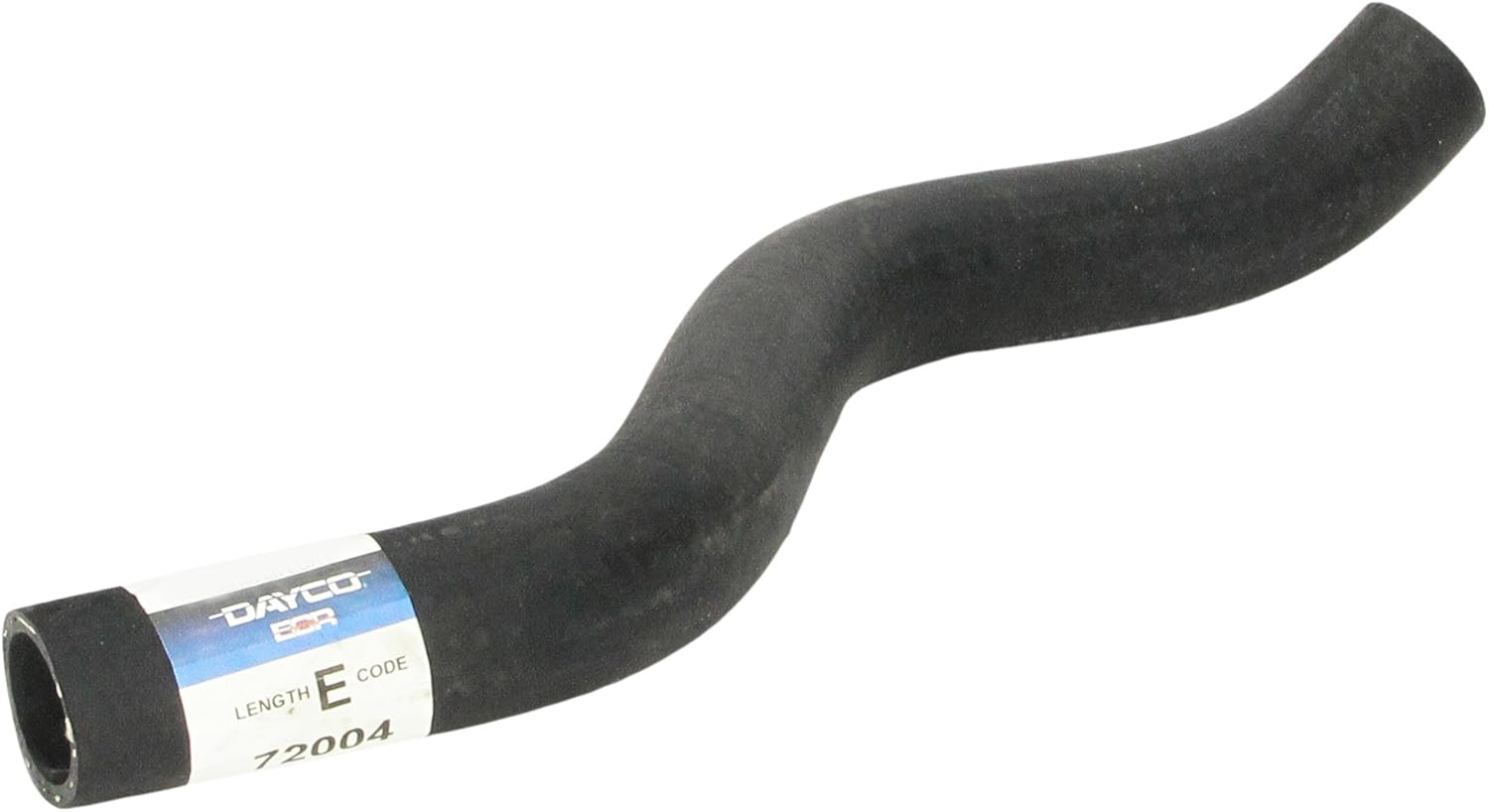
3. Dayco 72004 Radiator Hose
| Brand | Dayco |
|---|---|
| Material | Rubber, Silicone |
| Manufacturer Part Number | 72004 |
| Manufacturer | Dayco |
This Dayco 72004 radiator hose is a straightforward factory-quality replacement intended to restore coolant flow in vehicles where this shape and fit are required. Made from rubber and silicone, it installs in place of the original hose and is typically used during routine cooling-system service or when replacing a failed, cracked, or leaking hose. Buyers report it fits like the factory part and accepts standard clamps, which makes installation quick for a DIYer or technician. The material mix aims to resist heat and coolant exposure, so you should expect similar durability to other OEM-style hoses. Limitations include the single-shape design so it must match the exact routing and fittings on the vehicle, and like most rubber hoses it will eventually need replacement under high-mileage or high-heat conditions. If the application requires reinforced or heavy-duty silicone upgrade hoses for performance use, this remains a basic factory-replacement option.
Best for: Practical optimizers who prioritize sensible, cost-effective maintenance and want a dependable factory-style replacement that gets the cooling system back to service without upgrades.
Less Ideal for: Drivers seeking high-performance or reinforced silicone upgrade hoses for boosted or track-driven Maximas should consider heavy-duty aftermarket options instead.
- Factory-style fit for straightforward replacement and easy installation
- Rubber and silicone construction resists normal engine heat and coolant exposure
- Works with standard clamps so no special hardware is required
- Compact, single-piece design simplifies swap during routine cooling system repairs
- Not a reinforced performance hose so may age faster under extreme heat or boost conditions
- Only one specific shape and routing so it must match the vehicle's original hose layout
Verdict: A no-frills, factory-style replacement hose that delivers reliable fit and function for routine cooling-system repairs on the Nissan Maxima.
4. Continental Molded Radiator Hose (Model 60686)

| Material | EPDM |
|---|---|
| Temperature range | -40F to 275F (-40C to 135C) |
| Compatible fluids | Ethylene and propylene glycol coolants, long-life organic acid modified coolants |
| Standards | Meets SAE 20R4EC Class D1 |
This Continental molded radiator hose is made to replicate factory configurations and route coolant through the radiator and related cooling components on a Nissan Maxima. Molded construction keeps flow through tight bends and reduces stress at hose connections, which simplifies installation and helps maintain proper coolant circulation. The EPDM tube and cover with synthetic knit reinforcement make it compatible with ethylene and propylene glycol coolants as well as long-life organic acid modified formulas, and the hose is rated for a wide temperature range from -40F to 275F. That combination gives good durability and resistance to heat and electrochemical degradation common in modern cooling systems. Limitations are primarily that you must confirm the part number and length match your Maxima application before installation since fit depends on model year and routing; this is a replacement hose rather than a universal one and is not for fuel or oil use. For routine cooling system repairs on a budget it provides a reliable factory-style option if matched to the correct Nissan Maxima inlet and outlet positions.
Best for: Budget-conscious Nissan Maxima owners who want a factory-style replacement hose that restores proper coolant routing without paying for premium branded alternatives.
Less Ideal for: Owners seeking a custom-length or universal hose solution, or those needing hoses for non-coolant fluids should look elsewhere.
- Molded shape preserves full coolant flow through tight bends for correct routing.
- EPDM construction with knit reinforcement compatible with common glycol-based coolants.
- Meets SAE 20R4EC Class D1 specifications and resists electrochemical degradation.
- Wide operating temperature range suitable for typical engine heat cycles.
- Fitment depends on selecting the correct part number and length for the specific Maxima year and routing.
- Not suitable for transferring fuel or oil.
Verdict: A cost-conscious, factory-style replacement radiator hose for Nissan Maxima owners who verify part number fitment before buying.
5. Dayco 71626 Curved Radiator Hose

| Brand | Dayco |
|---|---|
| Specific Uses For Product | Vehicle Cooling System, Automotive Repairs |
| Model | 71626 |
| Manufacturer | Auto Extra |
This Dayco 71626 curved radiator hose is a factory-replacement style hose designed to route coolant between the radiator and engine without kinks. In typical use it replaces a worn or leaking lower radiator hose and installs with standard hose clamps; the curved shape matches factory routing so it fits into the coolant path without forcing adjacent components. The product listing indicates stainless steel construction for certain internal components and Dayco's fit-focused design, which helps resist collapse and maintains flow under operating pressure. Practical benefits include straightforward swap-in installation, compatibility with older vehicles where OEM hoses are scarce, and a durable build that should hold up to engine heat and coolant exposure. Limitations are that the listing does not include vehicle-specific fitment details for every model year of the Nissan Maxima, so you must confirm fit by comparing part numbers or measuring routing before purchase, and the listing omits a detailed materials breakdown for the hose body itself.
Best for: Reliability-focused buyers who prioritize straightforward, durable replacements and want a hose that mimics factory routing for dependable cooling system performance.
Less Ideal for: Buyers seeking guaranteed year-and-engine-specific fitment without cross-referencing part numbers or those who need a hose with a fully specified material datasheet.
- Curved, factory-style routing for straightforward replacement and proper coolant flow.
- Durable construction intended to resist heat and maintain pressure in the cooling system.
- Works as a direct swap for hard-to-find older hoses where OEM parts are unavailable.
- Multiple customer reports of good fit and easy installation on older trucks and sedans.
- Listing lacks explicit year-by-year Nissan Maxima fitment details, requiring buyer verification.
- Material description for the hose body is not fully detailed in the product information.
Verdict: A practical, reliability-minded replacement hose that matches factory routing but requires you to verify exact Nissan Maxima fitment before buying.
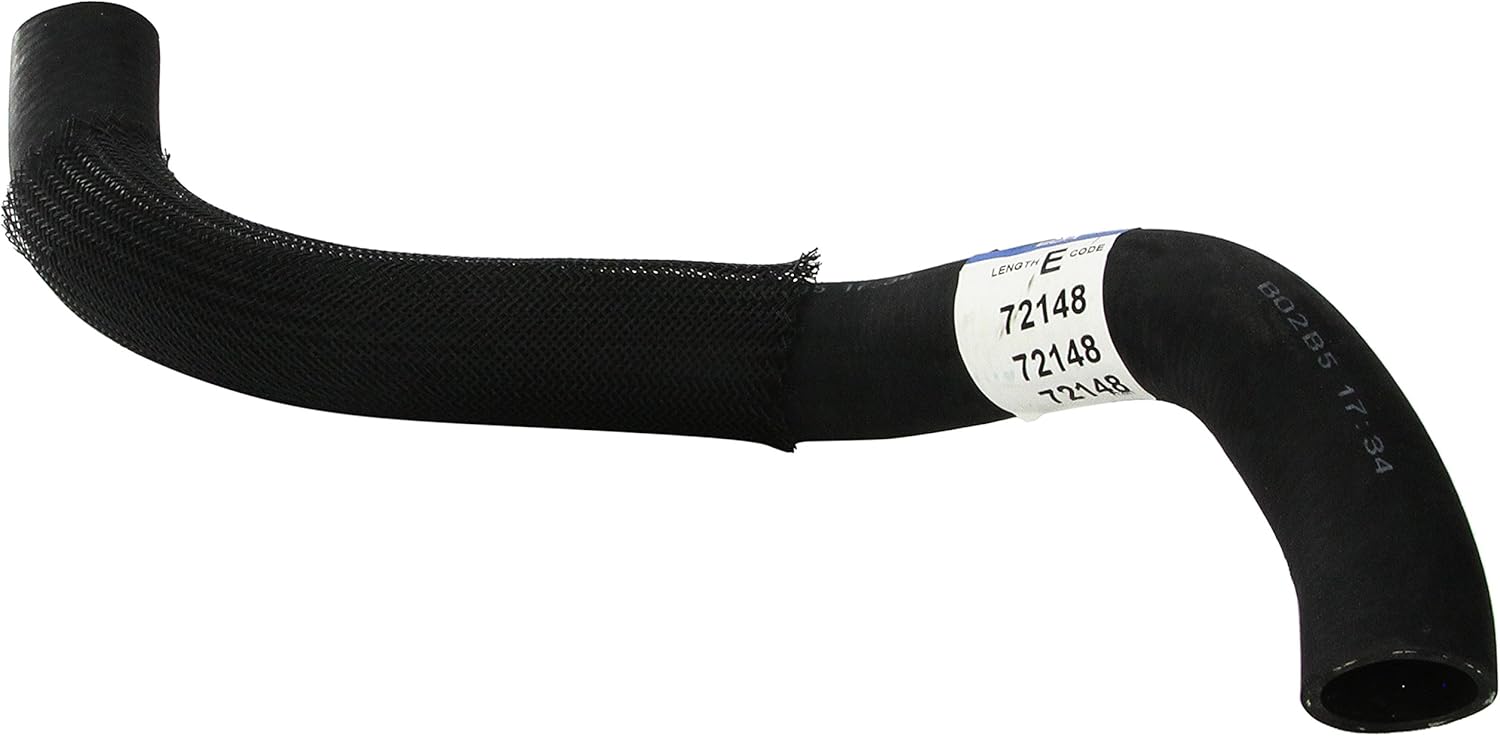
6. Dayco Lower Radiator Hose (72148)
| Brand | Dayco |
|---|---|
| Material | Epdm Rubber,Synthetic |
| Model | Lower Radiator Hose |
| Manufacturer Part Number | 72148 |
This Dayco lower radiator hose is a direct-fit replacement intended to restore coolant flow between the radiator and engine on compatible Nissan Maxima models. It is made from EPDM rubber and shaped to match factory routing so installation is a straightforward swap for anyone doing basic cooling-system maintenance. The hose’s nominal wall thickness and factory-style bends help resist heat and coolant degradation, delivering the practical benefit of a like-for-like replacement without modifying clamps or connections. Several buyers report correct fit and good quality for Maxima 3.5L engines, which makes it a reliable option when a worn or leaking lower hose needs quick attention. Fitment is vehicle-specific, so there are a handful of returns from users with different years or engines where the hose did not match. If you need an exact match for your Maxima, verify the part number against your vehicle before purchasing; otherwise this hose offers a simple, factory-quality repair for routine cooling system service.
Best for: Convenience-driven buyers who want a ready-made, vehicle-specific replacement that installs quickly and gets a Nissan Maxima back on the road with minimal fuss.
Less Ideal for: Drivers restoring a vehicle who prefer full hose kits or those who need parts that explicitly list compatibility across multiple Maxima years and engine options should consider alternatives.
- Factory-style shape for straightforward direct-fit installation on compatible vehicles
- EPDM rubber construction resists heat and coolant exposure for long service life
- Matches OEM part number for an uncomplicated replacement process
- Fitment is vehicle-specific so it can be incorrect for some model years or engine variants
- Limited to a single hose piece rather than a kit with clamps or additional hoses
Verdict: A simple, factory-style lower radiator hose that delivers an easy direct-fit replacement for compatible Nissan Maxima owners but requires checking exact fitment before buying.
7. Marketplace Auto Parts Upper Radiator Hose Assembly with Fill Neck for Nissan Maxima

| Fitment | 2009–2014 Nissan Maxima (from 05/01/2008 production) |
|---|---|
| Position | Upper (assembly with fill neck) |
| Temperature rating | Up to 125C |
| Supplier type | Original equipment supplier |
This upper radiator hose assembly replaces the factory upper hose and includes the fill-neck assembly to simplify coolant service on 2009–2014 Nissan Maxima vehicles. It is intended as a direct replacement part and installs where the upper radiator hose, filler neck, and connecting junctions are located. The listing highlights inner linings that resist electrochemical cracking and construction rated to resist oil, road debris, salt, ozone and operating air temperatures up to 125C, which translates to greater durability under normal driving and highway conditions. Because it is an assembly with the fill neck included, it reduces the number of separate parts and can cut install time compared with sourcing components separately. Some users report good fitment and easy installation, though there are isolated complaints about hose clamps loosening after service, so take care with clamp selection and torque during installation. This part is a practical factory-replacement option for routine cooling-system maintenance but depends on proper installation to avoid coolant loss.
Best for: Risk-averse mainstream buyers seeking a straightforward, factory-style replacement for a Nissan Maxima cooling hose who prioritize reliability and fitment confidence.
Less Ideal for: Drivers looking for high-performance or race-grade cooling upgrades or those who prefer to customize hose routing and materials should consider specialty aftermarket options instead.
- Direct-fit replacement for 2009–2014 Nissan Maxima upper radiator hose with fill neck included
- Inner lining formulated to resist electrochemical cracking for longer service life
- Designed to resist oil, salt, road debris and ozone for durability in typical driving conditions
- Some reports of clamp loosening after installation which can lead to coolant loss
- Not a performance upgrade—built as a factory-style replacement rather than an improved high-performance hose
Verdict: A practical, factory-style upper radiator hose assembly with fill neck for 2009–2014 Nissan Maxima that emphasizes fit and durability but requires careful clamp installation to avoid leaks.
Choosing the Right Nissan Maxima Radiator Hose: Key Factors to Consider
Fitment and Routing Accuracy
Proper fitment is essential because radiator hoses must follow specific bends and lengths to clear engine components and connect securely to inlet and outlet ports. A hose with accurate routing reduces stress at connection points and lowers the risk of kinks that restrict coolant flow.
When fitment matches the vehicle's original routing, installation is faster and less likely to require additional hardware or modifications. Mismatched hoses can leak or rub against nearby parts, leading to premature wear. Confirming vehicle-specific compatibility helps ensure reliable sealing and long-term performance.
Material Composition and Durability
Hoses are commonly made from EPDM rubber, silicone, or reinforced composites, and the material choice affects heat tolerance, flexibility, and resistance to coolant chemicals. Materials with higher temperature and ozone resistance typically last longer under engine bay conditions.
Durable construction helps the hose resist swelling, softening, or cracking over time. Reinforced layers or fabric cording increase pressure tolerance and reduce the chance of burst failures, which is important for maintaining system integrity under varying loads and temperatures.
Wall Thickness and Reinforcement
Wall thickness and internal reinforcement influence a hose's ability to withstand internal pressure and external abrasion. Thicker walls and braided or molded reinforcement reduce the risk of bulging or collapsing under vacuum and pressure cycles.
Reinforcement also helps the hose maintain its shape across repetitive heating and cooling, which preserves flow characteristics and clamp sealing surfaces. Look for specifications or descriptions that indicate adequate wall construction for a vehicle's cooling system demands.
End Fitment and Clamp Compatibility
Secure connections depend on well-formed hose ends and compatible clamp surfaces. Ends should be shaped and sized to mate with the radiator, thermostat housing, water pump, or other ports without slipping or uneven compression when clamped.
Poorly formed ends can leak or let clamps cut into the hose material. Consider whether the hose design accommodates standard worm-drive clamps or if special clamps are required. Reliable clamp compatibility reduces installation time and long-term maintenance needs.
Temperature and Pressure Ratings
Cooling system components face high temperatures and cyclical pressure changes, so a hose's rated temperature range and burst pressure matter for safety and longevity. A hose that tolerates higher continuous temperatures reduces the risk of softening or blistering under sustained heat.
Pressure ratings indicate how well the hose will handle spikes during engine load or cooling-system events. Choosing a hose with conservative safety margins for both temperature and pressure helps prevent failures and maintains consistent coolant circulation.
Ease of Installation and Maintenance
How easy a hose is to install affects whether you can do the job yourself and how much labor is involved. Hoses that match factory bends and lengths reduce the need to remove other parts and often require only basic hand tools to secure clamps.
Consider how accessible the hose routings are and whether replacement requires repositioning nearby components. Also think about long-term maintenance: hoses that resist buildup and are easy to inspect at routine service intervals lower the total ownership effort.
How We Chose the Best Nissan Maxima Radiator Hose
We selected items that meet the demands of Nissan Maxima cooling systems and that offer dependable fit, material quality, and service life. Our evaluation focused on fitment accuracy to factory routing, heat and pressure tolerance, hose construction material, and connector and end-shape compatibility with OEM clamps. We also considered ease of installation, including whether the hose's bends and lengths reduce the need to remove other components.Excluded from consideration were hoses lacking clear fitment data for Nissan Maxima, universal-fit parts without vehicle-specific specifications, and items with insufficient material or manufacturing information. We prioritized hoses made from durable elastomers or reinforced composites, robust wall thickness, well-formed ends for secure clamping, and documented resistance to coolant chemicals and high temperatures. Durability under thermal cycling and resistance to swelling or softening were key technical filters that guided the final shortlist.
Our full evaluation process is outlined in our review methodology.
FAQ
How often should I replace the radiator hoses on a Nissan Maxima?
Hoses often last many years but should be inspected regularly for cracking, soft spots, or swelling. Many owners check hoses at each major service interval or whenever coolant is serviced. Replace hoses if you notice external damage, leaks, or signs the material has become brittle or excessively soft.
Can I install a radiator hose myself, or do I need a mechanic?
Many radiator hoses can be replaced with basic hand tools and a moderate level of mechanical skill. Ease of installation depends on routing and whether other components block access. If routing is tight or you are unsure about clamp torque and coolant bleeding, professional help can ensure a leak-free job.
Should I choose silicone or rubber hoses for my Maxima?
Silicone typically offers higher temperature resistance and longer life in some applications, while EPDM rubber is flexible and cost-effective. The best option depends on your climate, driving conditions, and whether you prioritize longevity or original equipment feel. Both materials can work well when they meet the vehicle-specific fit and rating requirements.
What are signs a radiator hose is failing?
Common signs include visible cracks, soft or spongy sections, coolant seepage at connections, bulging under pressure, or frequent coolant loss. Overheating or unexplained temperature fluctuations can also indicate hose issues. Addressing these signs early can prevent more serious cooling-system damage.
Do I need new clamps when replacing radiator hoses?
Clamps that show corrosion, stripped threads, or worn bands should be replaced to ensure a secure seal. Reusing high-quality, undamaged clamps is often acceptable, but deciding to replace clamps is inexpensive insurance against leaks. Choose clamps appropriate for the hose material and size.
Conclusion
When selecting a radiator hose for a Nissan Maxima, prioritize correct fitment, durable material, and appropriate temperature and pressure ratings. Those factors directly influence sealing reliability, resistance to thermal cycling, and long-term service life.Balance ease of installation and clamp compatibility with the hose construction and reinforcement. Paying attention to these tradeoffs helps you choose a hose that minimizes future maintenance and keeps the cooling system operating reliably.
Explore More:
- Check out all Nissan Maxima parts & accessories
- Explore Radiator Hoses Maintenance & Repair Guides
- Explore Cooling System
- Browse all Auto Parts
