

Note: This article contains affiliate links. If you click on these links and make a purchase, I may earn a small commission at no extra cost to you. This helps support my research and content. Read my full affiliate disclosure here.
Choosing the right P225/55R18 tires for your Subaru Crosstrek changes how the vehicle handles everyday driving and challenging conditions. The correct size and compound affect ride comfort, braking distance, fuel efficiency, and how the Crosstrek responds on wet or snow-covered roads.This guide shortlists six top options in the P225/55R18 fitment for the Crosstrek and explains the evaluation points we used, including traction, tread life, and ride characteristics. Read on to understand which tire traits matter for your driving routine and which tradeoffs to expect between comfort and grip.
Looking for other parts? See all Subaru Crosstrek parts & accessories.
Top Picks at a Glance
| Best Overall The best all-around choice for most situations | Firestone All Season Touring Tire 225/55R18 (98H) |  |
| Best Quality Built to a higher standard if you want something more solid | MICHELIN CrossClimate2 All-Season Tire 225/55R18 98H (Single) | 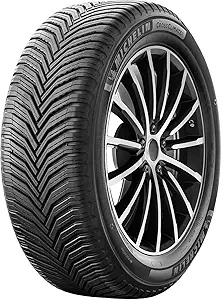 |
| Best Value The sweet spot between price and what you get | Atturo AZ600 All-Season Touring Tire — 225/55R18 |  |
| Best Budget The cheapest option that still gets the job done reliably | Evoluxx Capricorn HP 225/55R18 98H All-Season Performance Tire |  |
| Highest Rated A top-rated pick with lots of positive feedback | Milestar MS932 Sport P225/55R18 98V All-Season Tire |  |
| Most Popular A crowd favorite that many people choose with confidence | Lexani LXUHP-207 225/55R18 102W XL Performance All-Season Tire |  |
1. Firestone All Season Touring Tire 225/55R18 (98H)

| Rim Size | 18 inches |
|---|---|
| Load Index | 98 |
| Speed Rating | H |
| Construction Type | Radial |
| Seasons | Year Round |
The Firestone All Season Touring in 225/55R18 is a highway-focused all-season tire intended for everyday driving. It uses a symmetrical tread with deep sipes to shed water and help in light snow while maintaining confident handling on dry roads. Firestone highlights a long limited treadwear warranty that speaks to expected longevity for commuters and drivers who log a lot of miles. The tire is built as a standard-load radial with a 98 load index and H speed rating, so it matches typical passenger car requirements and preserves ride comfort over rough surfaces. Expect predictable steering response and lower road noise compared with aggressive all-season or performance tires, but this comes at the cost of less sporty grip at the limit and reduced capability in heavy snow or deep slush. For Subaru Crosstrek owners who prioritize a smooth, quiet daily ride and durable tread life, this is a sensible factory-quality replacement; drivers who need winter-specific traction or spirited cornering should consider specialized alternatives.
Best for: Drivers who want a quiet, comfortable, and durable all-season replacement for regular driving on a Subaru Crosstrek, prioritizing predictable handling and long tread life.
Less Ideal for: Drivers who frequently encounter deep snow, ice, or who want high-performance cornering and braking should choose a winter or performance tire instead.
- All-season tread with deep sipes for improved wet and light snow traction
- Symmetrical design tuned for quiet, comfortable highway driving
- Long limited treadwear warranty indicating extended mileage life
- Standard-load 98 rating suitable for common passenger car load requirements
- Not optimized for heavy snow or severe winter driving conditions
- Less grip and sharper handling than performance-oriented tires
Verdict: A durable, quiet all-season touring tire that delivers dependable year-round driving and long tread life for everyday Crosstrek use.
2. MICHELIN CrossClimate2 All-Season Tire 225/55R18 98H (Single)

| Rim Size | 18 inches |
|---|---|
| Load Index | 98 |
| Speed Rating | H |
| Tread Type | Directional |
| Seasons | Year Round |
The MICHELIN CrossClimate2 is a high-performance all-season tire built to provide confident on-road handling and year-round traction for crossover and compact SUV applications. Its directional tread and compound prioritize short braking distances on dry and wet pavement while maintaining mileage life that Michelin rates above many competitors. In everyday use it feels stable during highway cruising, responsive in lane changes, and delivers predictable grip in rain; Michelin also highlights improved tread life so you can expect fewer rotations over the life of the tire. Practical benefits include a vehicle-specific fit, a 98 load index for common crossover loads, and a conservative speed rating suited to most street driving. Limitations are that this is a road-focused all-season tire rather than a winter specialist, so true snow and deep ice conditions will reduce performance compared with dedicated winter tires, and the directional tread means rotation patterns are more limited. Expect premium performance and longevity in mixed driving conditions at the expense of ultimate winter traction in severe conditions.
Best for: Drivers who prioritize confident year-round street performance and longer tread life on a crossover or compact SUV and want a premium all-season tire that handles wet and dry roads well.
Less Ideal for: Drivers who regularly face heavy snow, ice, or off-road conditions should choose a dedicated winter tire or an aggressive all-terrain option instead.
- Strong wet and dry braking performance compared with leading competitors
- Directional tread designed for stable high-speed handling and predictable steering response
- Built for extended tread life to reduce frequency of replacements
- Vehicle-specific fit and a 98 load rating suitable for many crossovers
- Not optimized for deep snow or sustained icy conditions compared with dedicated winter tires
- Directional tread limits permissible rotation patterns
Verdict: Choose the CrossClimate2 if you want a premium, road-focused all-season tire that prioritizes wet/dry braking and longer tread life for your crossover.
3. Atturo AZ600 All-Season Touring Tire — 225/55R18

| Rim Size | 18 inches |
|---|---|
| Load Index | 98 |
| Speed Rating | V |
| Load Capacity | 1653 pounds |
| Seasons | Year Round |
The Atturo AZ600 is a touring all-season tire built for everyday driving and long highway miles. In 225/55R18 it provides a stable contact patch and continuous outside ribs that help the car track straight at speed, while a dense network of sipes and grooves improves wet and light-snow grip. The compound is tuned for even wear and the tread depth plus a 60,000-mile warranty indicate a focus on longevity. You will also notice a quieter cabin thanks to the optimized tread pattern and a raised rim guard offers some protection against curb scuffs. Because it is a universal-fit passenger touring tire with a V speed rating and 98 load index it matches typical light crossover needs. Expect confident, predictable handling for commuting and highway driving, but recognize it is not a dedicated winter or off-road tire so deep snow or aggressive winter conditions will exceed its intended capability.
Best for: Drivers who prioritize low cabin noise, steady highway tracking, and long tread life for daily commuting and light-crossovers.
Less Ideal for: Drivers who need a dedicated winter tire for harsh snow and ice or who frequently drive off-road and require aggressive tread for traction.
- Year-round rubber compound and dense siping for improved wet and light-snow traction
- Engineered tread and continuous ribs for stable, predictable highway handling
- 60,000-mile treadwear warranty signaling extended tread life
- Optimized tread pattern designed to reduce road noise for a quieter cabin
- Raised rim guard helps protect wheels from curb scuffs
- Not intended for heavy winter driving or deep snow conditions
- Designed as a touring tire so it lacks aggressive off-road or performance-focused grip
Verdict: For Subaru Crosstrek drivers seeking a quiet, long-lasting all-season tire that delivers predictable highway handling, the Atturo AZ600 in 225/55R18 is a practical choice.
4. Evoluxx Capricorn HP 225/55R18 98H All-Season Performance Tire

| Size | 225/55R18 |
|---|---|
| Load Index | 98 |
| Speed Rating | H |
| Seasons | Year Round |
| Ply | 4-Ply |
The Evoluxx Capricorn HP is a budget-friendly all-season performance tire sized 225/55R18 that aims to deliver steady handling and longer tread life for everyday driving. It uses a ribbed, symmetrical tread with three center ribs and optimized siping to keep contact with the road, which helps steering response and reduces irregular wear during normal and spirited highway use. The compound is described as heat-resistant and the construction is radial with a 4-ply rating and 98 load index, so it can handle typical loads and sustained speeds rated to H. For a Crosstrek running P225/55R18 tires, the Capricorn HP is suitable for year-round driving, including light wet conditions, and the manufacturer backs it with a 45,000-mile limited warranty. Expect decent value for the price, but this tire is not aimed at drivers needing maximum wet-braking or snow performance compared with premium all-season or dedicated winter tires.
Best for: Drivers who prioritize an affordable, longer-wearing all-season tire for everyday commuting and highway driving on a Crosstrek and value a clear manufacturer mileage warranty.
Less Ideal for: Drivers who regularly face heavy snow, ice, or need the shortest possible wet braking distances should consider premium all-season or dedicated winter tires instead.
- 45,000-mile limited warranty provides reassurance on expected tread life
- Symmetrical ribbed tread and optimized siping improve steering response and help resist irregular wear
- Heat-resistant compound and reinforced tread construction for stable high-speed performance
- Universal fit and standard 98H rating match common passenger load and speed requirements
- Designed as a budget performance all-season tire so wet braking and severe winter traction may lag premium competitors
Verdict: A cost-conscious, warranty-backed all-season 225/55R18 tire that delivers solid everyday handling and tread life for a Crosstrek without premium wet or winter performance.
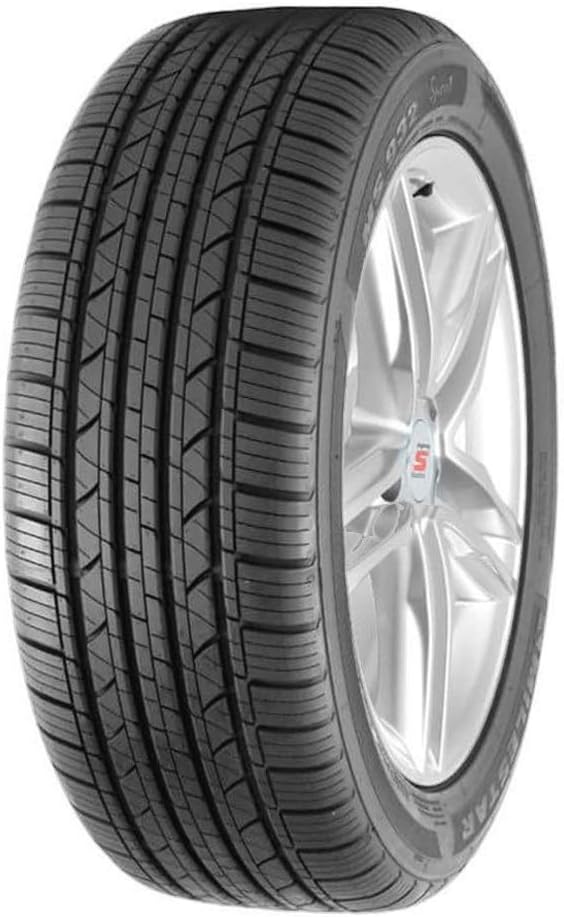
5. Milestar MS932 Sport P225/55R18 98V All-Season Tire
| Size | 225/55R18 |
|---|---|
| Load Index | 98 |
| Speed Rating | V |
| Seasons | Year Round |
| Tread Type | Highway |
The Milestar MS932 Sport P225/55R18 is an all-season touring tire aimed at drivers who want steady, predictable performance in everyday conditions. It features a highway-oriented tread designed to disperse water and maintain grip in wet weather while offering a comfortable ride and responsive steering for commuting and light spirited driving. The tire carries a 98 load index and V speed rating suitable for many compact crossover applications and includes a factory-stated 50,000-mile warranty. Its construction and tread pattern emphasize longevity and even wear, which helps keep replacement frequency low for reliability-minded owners. Limitations include its touring focus rather than performance extremes, so drivers seeking maximized dry grip, aggressive cornering, or winter-specific traction should consider specialized models. Fitment should be checked for the Crosstrek before purchase to ensure the P225/55R18 size matches the vehicle configuration.
Best for: A reliability-minded Crosstrek driver who wants a comfortable, long-wearing all-season tire for daily driving and occasional highway trips.
Less Ideal for: Drivers who prioritize maximum dry performance, track driving, or severe winter traction should look at specialized summer, performance, or winter tire options.
- All-season tread for year-round wet and dry driving confidence
- Touring design that prioritizes comfort and even tread wear
- 50,000-mile manufacturer warranty for long-term coverage
- Suitable load index and speed rating for many compact crossover setups
- Not optimized for aggressive dry performance or winter snow/ice conditions
Verdict: If you want a dependable, long-lasting all-season tire for everyday Crosstrek driving, the Milestar MS932 Sport delivers steady wet and dry performance with a focus on comfort and tread life.
6. Lexani LXUHP-207 225/55R18 102W XL Performance All-Season Tire

| Rim Size | 18 inches |
|---|---|
| Load Index | 102 |
| Speed Rating | W |
| Tread Type | Directional |
| Seasons | NON_WINTER |
The Lexani LXUHP-207 is an ultra-high-performance 225/55R18 passenger tire aimed at drivers who want sporty handling and dependable wet-weather grip. It uses a V-shaped, asymmetrical/directional tread with four longitudinal grooves to shed water and reduce hydroplaning, while a solid center rib helps maintain steering precision at speed. The tire is built as a radial construction with an XL load range and a 102 load index, so it carries heavier loads than standard passenger tires and is speed-rated W. Lexani highlights a computer-optimized design for lower road noise and comfort, and the 10-ply listing suggests a robust construction. Practical benefits include confident braking and cornering in wet and dry conditions and a claimed 50,000-mile limited tread life. Limitations are that this is a non-winter tire so performance will fall short in snow and severe cold, and actual tread pattern may vary by size; there is no manufacturer warranty listed which may concern buyers wanting added protection.
Best for: Buyers who prioritize confident wet and dry handling and want an affordable high-performance all-season tire with robust load capacity and quiet ride characteristics.
Less Ideal for: Drivers who need reliable winter traction or who require a tire with a backed manufacturer warranty and guaranteed support should look elsewhere.
- Directional V-shaped tread improves high-speed traction and braking
- Four longitudinal grooves help evacuate water to reduce hydroplaning risk
- XL 102 load rating supports heavier vehicle loads than standard passenger tires
- Computer-optimized design reduces road noise for a quieter ride
- Not rated for winter use so traction on snow and ice will be poor
Verdict: Choose this tire if you want a budget-friendly ultra-high-performance all-season 225/55R18 that emphasizes wet traction, handling, and a quiet ride with extra-load capacity.
Choosing the Right Subaru Crosstrek P225/55R18 Tires: Key Factors to Consider
Traction and Wet Performance
How a tire grips in rain and on damp surfaces is one of the most important safety factors for Crosstrek owners. Wet traction depends on tread compound and siping patterns that evacuate water to reduce hydroplaning risk. For drivers who regularly encounter rainy roads or occasional standing water, prioritize tires with strong wet-braking numbers and designs that channel water away from the contact patch.
Pay attention to laboratory ratings and independent wet-stopping distances when comparing options. Also consider treadblock stiffness and groove design because they influence responsiveness during emergency maneuvers. A tire tuned for superior dry grip may sacrifice some wet performance, so match the tire to the climate you drive in most often.
Treadwear and Longevity
Expected tread life affects cost of ownership and replacement frequency. Treadwear is influenced by rubber compound, tread depth, and the tire's intended application. Longer-wearing compounds typically trade a degree of ultimate grip for improved mileage, which can be ideal if you do a lot of highway driving in your Crosstrek.
Look for published treadwear indicators, warranty mileage where available, and real-world user feedback. Consider how driving style, alignment, and tire rotation habits will influence actual life. Tires that wear evenly and predictably deliver better value even if their initial cost is higher.
Seasonal Suitability and Temperature Range
The Crosstrek is often used in regions with distinct seasons, so choosing tires that match local winter and summer conditions matters. All-season compounds aim to balance wet, dry, and light-snow performance, while dedicated winter tires use softer rubbers and aggressive siping for subfreezing traction.
If you see frequent freezing temperatures or heavy snow, prioritize winter-rated options during cold months and switch to an all-season or summer tire in warmer months. For mild climates, a high-quality all-season may provide the right compromise without the need for seasonal swaps.
Comfort, Noise, and Road Feel
Tire construction, sidewall design, and tread pattern affect ride comfort and noise levels. The Crosstrek's suspension and upright driving position make cabin noise and ride harshness more noticeable than in some other vehicles. A tire with optimized tread blocks and internal damping can smooth road irregularities and cut wind-related noise.
Consider whether you prioritize a quiet commuting experience or firmer, more communicative handling. Touring-oriented tires tend to favor comfort and low noise, while sportier compounds may transmit more road feedback and higher noise in exchange for sharper steering response.
Load Rating and Speed Rating Compatibility
Even when a tire matches the P225/55R18 size, its load rating and speed rating must suit the Crosstrek and your driving. Using tires with insufficient load capacity can compromise safety and handling, especially when carrying passengers and gear. Ensure replacement tires meet or exceed the vehicle's original equipment specifications for load and speed.
Check the sidewall codes and your owner's manual to confirm the recommended ratings. When in doubt, choose a tire with a higher load index that still fits the wheel and does not alter rolling circumference significantly.
Tire Balancing, Rotation, and Maintenance Needs
How a tire responds to balancing and alignment can affect long-term performance on your Crosstrek. Some tire constructions are more sensitive to imbalance or camber-induced wear, which shows up as vibration or uneven tread wear. Regular rotation and proper alignment reduce premature wear and preserve handling characteristics.
Consider maintenance demands when selecting a tire. Tires that require frequent balancing or show rapid edge wear may increase ownership hassle and expense. Choose options compatible with standard rotation patterns and that have clear wear indicators to help you track remaining life.
Understanding the P225/55R18 Fitment
P225/55R18 describes the tire width, aspect ratio, and wheel diameter, and it determines the nominal contact area and sidewall height for your Crosstrek. Staying within this specified size preserves speedometer accuracy, handling balance, and proper suspension geometry.
When evaluating options in this fitment, verify that the tire's actual rolling circumference and load rating align with your vehicle's specs. Small variations in tire construction can slightly change steering feel and final drive ratios, so choose tires intended for passenger crossover use rather than heavy-duty or motorsport applications.
- 225 = tire width in millimeters
- 55 = aspect ratio (sidewall height is 55% of width)
- R18 = radial construction for 18-inch wheels
Choosing Between All-Season and Dedicated Winter Tires
If you experience regular snow or sustained subfreezing temperatures, dedicated winter tires will provide significantly better traction thanks to softer compounds and aggressive siping. For milder climates with occasional snow, a quality all-season can offer acceptable year-round performance without seasonal tire swaps.
Evaluate winter performance ratings and the presence of the Three-Peak Mountain Snowflake symbol for true winter capability. Consider whether you want the convenience of a single set of all-season tires or the performance advantage of swapping between winter and summer/ all-season sets.
- All-season: balanced for wet, dry, and light snow
- Winter: specialized for ice and deep snow traction
- Summer/performance: best for warm, dry handling but poor cold-weather grip
How Tread Pattern Affects Crosstrek Handling
Asymmetric and directional tread patterns influence water evacuation, cornering behavior, and steering response. Directional designs excel at channeling water for improved hydroplaning resistance, while asymmetric patterns often balance wet grip and inner-edge wear control.
Consider your driving style and typical road surfaces. If you do a lot of highway miles in wet conditions, a tread optimized for water dispersal can increase confidence. For mixed driving with occasional twisty roads, look for a pattern that supports lateral stability without sacrificing comfort.
- Directional: strong wet performance, must be mounted with correct rotation
- Asymmetric: balanced dry/wet handling and even wear
- Symmetric: predictable wear and easier rotation options
Mounting, Balancing, and Alignment Tips for Best Performance
Proper mounting and balancing ensure the tire performs as intended and prevents vibration complaints. After fitting a new set, request a road force balance if available, and always verify tire pressure to the manufacturer's specification.
Alignment plays a big role in even tread wear and steering precision. If you replace tires, check alignment settings and correct any camber or toe issues to avoid accelerated edge wear. Periodic rebalancing and rotation on a set schedule will maintain comfort and prolong tread life.
- Check and set tire pressure when cold
- Rotate tires every 5,000 to 7,500 miles or per manual
- Perform alignment after installing new tires or if uneven wear appears
Interpreting Treadwear Indicators and When To Replace
Most tires include molded wear indicators that become visible as grooves reach minimum depth. These indicators are a practical cue, but measuring tread depth with a gauge gives a more precise assessment. For safe wet traction, replace tires before the tread reaches the legal minimum, as performance declines well before that point.
Other signs to replace tires include visible cracking, bulges, repeated punctures in the same area, or uneven wear patterns that cannot be corrected by rotation. Age also matters: even unused tires degrade over years, so consider both tread depth and manufacturing age when deciding on replacement.
- Use a tread depth gauge to check remaining depth
- Replace tires that show sidewall damage or bulges
- Consider replacement if tires are over six years old regardless of appearance
Common Maintenance Mistakes That Shorten Tire Life
Neglecting pressure checks is one of the most common reasons tires wear prematurely. Underinflation increases flexing and heat buildup, while overinflation concentrates wear in the center of the tread. Both conditions compromise safety and fuel efficiency.
Failing to rotate tires regularly or to address alignment issues lets irregular wear patterns develop. Ignoring vibrations or pulling sensations during driving can allow a simple balance or alignment fix to become a costly tire replacement. Regular inspections catch issues early and preserve performance.
- Do monthly pressure checks
- Inspect tires for cuts, nails, and uneven wear
- Address ride vibrations promptly to avoid further damage
Still looking for the perfect fit?
Select your Subaru Crosstrek configuration to see the most relevant Tires recommendations
How We Chose the Best Subaru Crosstrek P225/55R18 Tires
We focused on attributes that directly influence safety, comfort, and longevity for Subaru Crosstrek owners using the P225/55R18 fitment. Our selection filters prioritized tires with documented wet- and dry-traction performance, consistent treadwear indications, and constructions appropriate for the Crosstrek's weight and typical driving loads. We considered ride comfort and noise data from test reports and user feedback, along with compound choices that affect temperature performance.Evaluation criteria included: wet traction and hydroplaning resistance; treadwear estimates and tread pattern depth; ride comfort and noise; compatibility with the Crosstrek's recommended load and speed ratings; and suitability across seasons when relevant to each tire type. We excluded tires whose published load ratings or size variants do not meet the P225/55R18 specification or that are engineered for vehicles heavier than the Crosstrek. We also set aside tires intended solely for high-performance sports cars or commercial trucks, since their ride and load characteristics do not match typical Crosstrek usage. The result is a focused list of well-matched P225/55R18 options that balance safety, comfort, and longevity for this vehicle.
Our full evaluation process is outlined in our review methodology.
FAQ
How often should I check tire pressure on my Crosstrek?
Check tire pressure at least once a month and before long trips. Cold-weather pressure changes can be significant, so more frequent checks in winter help maintain correct inflation and even wear.
Can I use all-season tires year-round on a Crosstrek in light-snow areas?
Often yes. In regions with occasional light snow and milder winters, a quality all-season tire usually provides acceptable traction. For regular deep snow or ice, dedicated winter tires are a safer choice.
What does the tire treadwear indicator look like and when should I replace tires?
Treadwear indicators are raised bars molded into the grooves that appear as the tread depth nears the legal minimum. Replace tires before these indicators are flush to preserve wet traction and braking performance.
Will a higher load rating affect ride comfort on my Crosstrek?
A modestly higher load rating usually has minimal impact on ride comfort, but very stiff load-rated tires can feel firmer. Choose a rating that meets the vehicle requirement without excessively increasing sidewall stiffness.
How does tire balancing and alignment influence handling?
Proper balancing prevents vibrations and uneven wear, while correct alignment ensures predictable steering and even tread contact. Both are essential after installing new tires to achieve intended handling and longevity.
How often should I replace the tires on my Crosstrek?
Replacement depends on mileage, driving conditions, and maintenance. Many drivers find replacement between 30,000 and 60,000 miles, but check tread depth and condition regularly and replace sooner if wear or damage appears.
Final Verdict
Match tire choice to how and where you drive the Subaru Crosstrek. Prioritize wet traction and an appropriate load rating for everyday safety, and balance treadwear expectations against comfort and noise preferences.Decide first whether you need year-round convenience or seasonal performance, then use ride comfort, tread life, and maintenance demands to narrow options. That approach helps you pick a P225/55R18 tire that fits your driving habits and gives predictable, safe performance.
Explore More:
- Check out all Subaru Crosstrek parts & accessories
- Explore Tires Maintenance & Repair Guides
- Explore Wheels & Tires
- Browse all Auto Parts
