

Note: This article contains affiliate links. If you click on these links and make a purchase, I may earn a small commission at no extra cost to you. This helps support my research and content. Read my full affiliate disclosure here.
If your Tiguan is running rough, showing reduced fuel economy, or throwing an emissions code, the oxygen sensor is a common culprit. Choosing the right Volkswagen Tiguan oxygen sensor matters because the correct sensor restores accurate air–fuel feedback to the engine control system, which affects performance, emissions, and diagnostic clarity.This guide presents our shortlist of the top options for this vehicle type, covering sensors selected for fitment, signal consistency, and durability. We outline the key factors we used to evaluate them and what to expect when replacing an oxygen sensor on a Tiguan. Read on for the options that most closely match factory specifications and testing priorities.
Looking for other parts? See all Volkswagen Tiguan parts & accessories.
Top Picks at a Glance
| Best Reviewed A top-rated pick with lots of positive feedback | Bosch 17351 Premium Replacement Oxygen Sensor |  |
| Most Popular A crowd favorite that many people choose with confidence | TRQ O2 Oxygen Sensor Downstream, Model OSA60623 |  |
| Best Quality Built to a higher standard if you want something more solid | Bosch 17178 Premium Original Equipment Oxygen Sensor |  |
| Best Budget The cheapest option that still gets the job done reliably | AUTOREBO Downstream Oxygen Sensor 250-241242 for Volkswagen Tiguan |  |
| Most Sold A high-volume bestseller chosen again and again | Bosch 16002 Premium Original Equipment Oxygen Sensor |  |
| Best Value for Money The sweet spot between price and what you get | Vinrold Heated Oxygen Sensor (5‑Wire) — Upstream/Bank 1 Sensor 1 |  |
| Best Overall The best all-around choice for most situations | Denso 234-4574 Oxygen Sensor |  |
1. Bosch 17351 Premium Replacement Oxygen Sensor

| Maximum Supply Voltage | 12 Volts (DC) |
|---|---|
| Mounting Type | Flange Mount |
| Output Type | Analog |
| Upper Temperature Rating | 800 Degrees Celsius |
This Bosch 17351 oxygen sensor is a direct-fit, heated replacement that restores accurate upstream oxygen readings and helps clear related fault codes. It is intended for use where the factory upstream sensor has failed or slowed; installation involves swapping the sensor into the exhaust bung and reconnecting the vehicle harness. Notable features include a fast-acting heater for quicker warm-up, a double laser-welded stainless steel body for corrosion resistance, and a pre-coated thread with anti-seize to simplify future removal. In practice the long lead and included clips make routing and securing the wiring under the vehicle straightforward, and the true direct-fit connector avoids splicing. The sensor is factory-tested for functionality so it typically returns the engine to expected idle behavior and can improve emissions and fuel trim when installed correctly. Limitations are that fitment depends on exact engine and model year on the Tiguan, and replacing an upstream O2 sensor will not fix unrelated issues like failing catalytic converters or wiring faults that mimic sensor failure.
Best for: Reliability-focused buyers who prioritize a factory-quality replacement that restores correct emissions sensing and avoids wiring splices or modifications.
Less Ideal for: Drivers who need a universal wideband sensor for custom tuning or users troubleshooting unrelated exhaust or catalytic converter failures should look elsewhere.
- Direct-fit heated design with factory-style connector for plug-and-play installation
- Fast-acting heater reduces warm-up time so the sensor reaches operating temperature quickly
- Double laser-welded stainless steel body resists exhaust corrosion for longer service life
- Threads come pre-coated with anti-seize, simplifying installation and future removal
- Compatibility varies by engine and model year so you must verify correct sensor position for the Tiguan
Verdict A factory-style, reliable direct-fit heated oxygen sensor that’s a solid choice for restoring proper emissions control on compatible Tiguan models.
2. TRQ O2 Oxygen Sensor Downstream, Model OSA60623

| Mounting Type | Flange Mount |
|---|---|
| Output Type | Electrical Signal |
| Upper Temperature Rating | 260 Degrees Fahrenheit |
| Material Type | Alloy Steel |
This TRQ downstream oxygen sensor is a direct-replacement unit intended to monitor exhaust oxygen content and help the engine control module manage fuel trim and emissions. It installs in the downstream position and is supplied pre-assembled to simplify DIY replacement. Notable features include a flange-mount design, electrical signal output, double-layered 310S stainless protection, and factory-style pre-calibration to avoid modifications during fitment. In practice the sensor is used to clear O2-related trouble codes, smooth idle, and help the vehicle pass emissions checks when the original sensor fails. Buyers report straightforward installation with an oxygen-sensor socket and that the sensor often resolves codes after driving a short distance. Limitations include mixed longevity reports from users and the usual risk with aftermarket sensors that fit descriptions must be checked against the Tiguan’s exact engine and model year; some buyers needed a different part number for their application. If you want a convenient, ready-to-install downstream replacement, this TRQ unit is a practical option, but expect variable life span compared with higher-end replacements.
Best for: Convenience-driven buyers who prioritize a ready-to-install, time-saving replacement that gets a failed downstream O2 sensor back to work quickly.
Less Ideal for: Drivers who need a sensor with guaranteed long-term durability or who require a specific OEM part number for emissions certification should consider higher-end or exact factory replacements.
- Direct-fit, pre-assembled design for easier DIY installation
- Double-layered 310S stainless construction for added protection against moisture and debris
- Pre-calibrated output to match factory signal behavior without modifications
- Flange-mount and standard electrical output compatible with vehicle wiring harnesses
- Customer reports show inconsistent durability compared with some higher-end branded sensors
- Fitment listings can be inaccurate for some models so confirmation is needed before purchase
Verdict A convenient, direct-fit downstream replacement that simplifies DIY repairs but may show variable long-term durability compared with premium options.
3. Bosch 17178 Premium Original Equipment Oxygen Sensor

| Mounting Type | Flange Mount |
|---|---|
| Output Type | electrical signal |
| Upper Temperature Rating | 1652 Degrees Fahrenheit |
| Material Type | Stainless Steel |
The Bosch 17178 is a direct-fit oxygen sensor that replaces a factory unit and restores proper air-fuel feedback for vehicles that use this exact part. It installs like a factory replacement with pre-coated threads and a matching connector, and the built-in fast-acting heater brings the sensor to operating temperature quickly so the engine control system gets usable readings sooner after startup. Bosch uses a double laser-welded stainless steel body and full functional testing, which aims to give longer service life and resistance to exhaust contamination. In real use this means fewer misfires, more stable idle and improved emissions compared with a failing sensor, and straightforward swap-in installation for a competent DIYer or mechanic. Limitations are typical of any direct-fit sensor: it only replaces compatible sensor positions and does not include installation tools, and wire length or connector routing may differ slightly from factory harnesses, requiring neat routing during install.
Best for: Performance-oriented buyers who prioritize factory-quality replacement parts to restore precise engine control and emissions behavior in their Volkswagen Tiguan and prefer components that behave like the original part.
Less Ideal for: Buyers seeking a universal or adjustable sensor for custom engine builds or those who need a plug-and-play solution for vehicles not confirmed to use this specific Bosch part should look elsewhere.
- Direct-fit connector and pre-coated threads for straightforward installation
- Fast-acting heater reduces warm-up time for accurate readings after startup
- Double laser-welded stainless steel body for improved durability against exhaust exposure
- 100% functional testing to ensure the sensor meets Bosch quality standards
- Fitment is vehicle- and position-specific so you must verify it matches the Tiguan sensor location
- Does not include an oxygen-sensor socket or other installation tools
Verdict Choose this Bosch sensor if you want a factory-quality, tested direct-fit replacement to restore precise air-fuel control in your Tiguan; confirm exact fitment and prepare basic tools for installation.
4. AUTOREBO Downstream Oxygen Sensor 250-241242 for Volkswagen Tiguan

| Fitment | Volkswagen Tiguan 2018-2021 L4 2.0L Turbocharged |
|---|---|
| Position | Downstream B1S2 |
| Manufacturer | AUTOREBO |
| Manufacturer Part Number | REBO-OS-250-241242 |
This AUTOREBO downstream (B1S2) oxygen sensor replaces the factory unit on 2018–2021 Volkswagen Tiguan 2.0L turbo models to restore proper exhaust oxygen sensing and fuel-trim control. It installs in the downstream position and uses the same connector and thread pattern as the original so it typically threads in and plugs up without modification. The listing highlights precision casting and claims build quality comparable to factory-spec parts, which in practice means quicker warm-up and consistent feedback to the engine control module for smoother idle and more stable fuel trims. For a budget-focused replacement this sensor offers the core functionality needed to clear emissions-related drivability issues and return the ECU to normal operation. Limitations are typical for aftermarket sensors: long-term durability and exact calibration may vary compared with a factory part, and buyers should confirm the part number and fitment for their Tiguan before installation.
Best for: Budget-conscious Volkswagen Tiguan owners who prioritize an affordable, direct replacement to restore normal emissions monitoring and drivability without paying OEM prices.
Less Ideal for: Drivers seeking a long-term factory-quality sensor or exact OEM calibration for extended warranty coverage should consider a factory replacement or dealership part instead.
- Designed to match factory thread and connector for straightforward installation on the Tiguan downstream port.
- Clear fitment target for Volkswagen Tiguan 2018–2021 2.0L turbocharged engines.
- Claims precision casting and factory-comparable construction for reliable sensor response and consistent exhaust feedback.
- Compact aftermarket option that replaces a failed downstream sensor without needing ECU changes.
- Aftermarket long-term durability and exact calibration may not fully match a factory-quality sensor.
- Limited to downstream (B1S2) application and not a multi-position solution.
Verdict A cost-effective downstream replacement for 2018–2021 Tiguan 2.0L turbo models that restores oxygen sensing and fuel-trim control at a budget price.
5. Bosch 16002 Premium Original Equipment Oxygen Sensor

| Maximum Supply Voltage | 12 Volts |
|---|---|
| Measurement Accuracy | High |
| Mounting Type | Flange Mount |
| Output Type | Analog |
| Response Time | 5 seconds |
This Bosch 16002 oxygen sensor is a direct-fit replacement designed to restore accurate exhaust oxygen readings for Volkswagen Tiguan models that use this downstream sensor. It installs like a factory replacement with a pre-coated thread and a direct-fit connector intended to plug into the vehicle harness without special adapters. The unit features a stainless steel, double laser-welded body and a fast-acting heater so the sensor reaches operating temperature quickly and delivers reliable readings within seconds. In practice that means quicker closed-loop operation after startup, which helps fuel trim stability and can clear oxygen-sensor-related check-engine lights when the original fails. Users should note fitment depends on Tiguan year and engine; some buyers reported connector mismatch or wrong sensor position on similar Volkswagen models, so verify the Tiguan fitment before ordering. The sensor is practical for routine replacement but being a specific downstream part it will not replace upstream or other position sensors on vehicles that require a different part number.
Best for: Risk-averse mainstream buyers who prioritize a factory-quality, tested replacement that restores normal emissions and fuel control behavior on their Tiguan without experimenting with cheaper unknown brands.
Less Ideal for: Buyers who need an upstream or different-position oxygen sensor for their Tiguan or who prefer universal sensors that are adapted to multiple vehicle positions should look elsewhere.
- Direct-fit connector and pre-coated threads simplify installation on compatible Tiguan applications.
- Stainless steel double laser-welded body and sealing resist exhaust corrosion for longer service life.
- Fast-acting heater brings the sensor to operating temperature quickly for faster closed-loop fueling.
- Factory-tested for functionality to match expected performance of a factory-quality replacement.
- Not suitable for upstream/front sensor positions; part is specific to downstream use.
- Connector and pin arrangements can differ by vehicle submodel which may require verification or splicing in some cases.
Verdict A factory-quality downstream oxygen sensor for Volkswagen Tiguan owners seeking a reliable, quick-heating direct-fit replacement, provided you confirm the correct position and connector for your model.
6. Vinrold Heated Oxygen Sensor (5‑Wire) — Upstream/Bank 1 Sensor 1

| Output Type | electrical signal |
|---|---|
| Sensing Distance | 550 Millimeters |
| Specific Uses For Product | Oxygen Sensor |
| Material Type | Stainless Steel, Ceramic, Precious Metals |
This Vinrold oxygen sensor is a direct-replacement heated 5-wire unit intended for upstream (Bank 1 Sensor 1) use on compatible vehicles. It measures exhaust oxygen levels and sends an electrical signal to the engine control module to correct fuel trim and keep emissions in range. Typical installation is a threaded swap into the factory bung with the factory-style connector, and the 550 mm lead gives some extra reach for routing. The stainless steel construction and factory-style connector aim to reduce corrosion and simplify plug-and-play installation. In practice it will restore proper O2 feedback, clear related check-engine codes, and help the engine maintain fuel economy when the original sensor has failed. Some buyers report intermittent fitment or wiring differences on certain models, so confirm the Tiguan wiring and connector match before installing. This is a budget-oriented replacement that balances acceptable durability with a lower cost than premium branded sensors, but it may not match longevity or calibration consistency of higher-end OEM-grade parts.
Best for: Practical optimizers looking to fix a Tiguan check-engine code or restore fuel trim without spending on a premium OEM sensor and who prioritize straightforward, budget-conscious repairs.
Less Ideal for: Owners seeking a long-term factory-quality replacement or precise OEM calibration for performance tuning should consider higher-end factory-quality sensors instead.
- Heated 5-wire design supports rapid warm-up and stable readings for upstream applications
- Direct-fit connector and threaded fitment for straightforward installation
- Stainless steel construction and factory-style connector resist corrosion
- Long 550 mm lead simplifies routing to the factory harness
- Some users report wiring or connector differences that caused fitment issues on certain vehicles
- Lower-cost aftermarket construction may not match long-term durability or calibration of premium OEM replacements
Verdict A cost-conscious, heated 5-wire upstream oxygen sensor that offers easy, direct-fit replacement for routine Tiguan O2 sensor failures but may not match OEM longevity.
7. Denso 234-4574 Oxygen Sensor
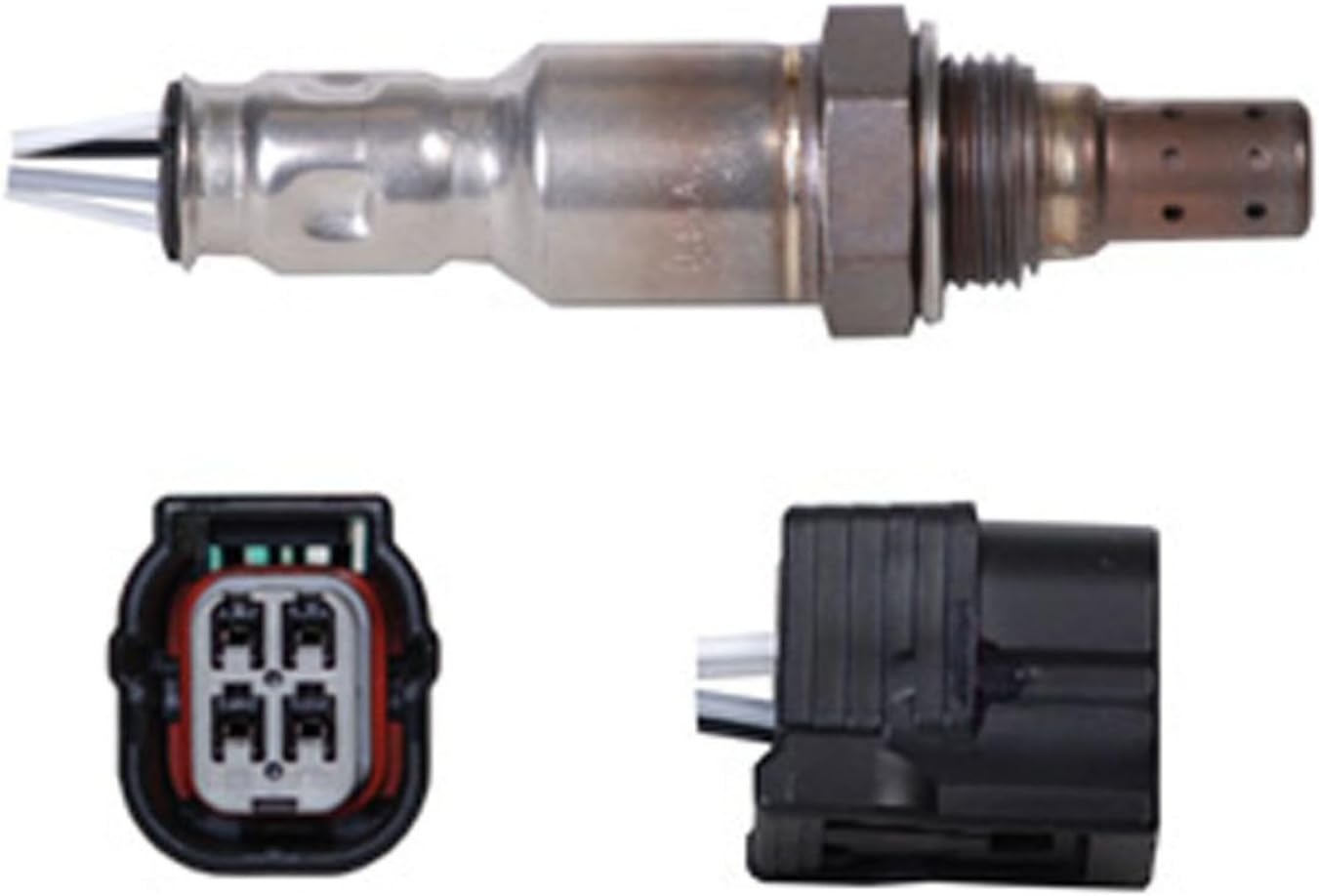
| Mounting Type | Thread-In |
|---|---|
| Output Type | Electrical signal |
| Material | Stainless Steel, Zirconium |
| Upper Temperature Rating | 1472 Degrees Fahrenheit |
The Denso 234-4574 is a threaded replacement oxygen sensor that measures exhaust oxygen and sends an electrical signal to the engine control module to support fuel trim and emissions monitoring. It installs like a direct-replacement sensor and is typically used to replace a worn downstream or upstream unit during diagnostics for check engine codes such as P0420. Notable attributes include a stainless steel and zirconium construction and a high temperature rating that helps it survive exhaust conditions. In practice the sensor restores accurate oxygen readings, which can clear false catalytic efficiency codes and improve driveability when the original sensor is failing. Some users report the connector and tip differ slightly from factory parts, and installation may require minor adjustments to the mount or wiring routing. This is a reliable, OEM-aligned option for routine sensor replacement, though buyers should confirm fitment and connector compatibility for their Tiguan before installation.
Best for: Balanced, pragmatic buyers who prioritize a reliable, factory-aligned replacement to restore emissions monitoring and driveability on their Volkswagen Tiguan without overspending.
Less Ideal for: Owners seeking a plug-and-play, vehicle-specific harness included or those who prefer aftermarket sensors with adjustable features should consider alternatives tailored to their installation needs.
- Factory-quality construction with stainless steel and zirconium sensing element for durability in exhaust conditions
- Thread-in mounting and electrical signal output for straightforward replacement and ECU communication
- High upper temperature rating suitable for continuous operation near the exhaust stream
- Commonly used to resolve catalytic efficiency related codes such as P0420 without replacing the catalytic converter
- Well-reviewed in real-world installs for restoring proper sensor readings and drive-cycle completion
- Connector shape and mounting details may differ slightly from factory parts requiring minor routing or mounting adjustments
- Does not include vehicle-specific harness or extra mounting hardware
- Product listing lacks detailed vehicle fitment information so buyers must verify compatibility
Verdict A durable, OEM-aligned replacement oxygen sensor that reliably restores proper exhaust oxygen readings for the Tiguan but confirm connector fitment before buying.
Choosing the Right Volkswagen Tiguan Oxygen Sensor: Key Factors to Consider
Fitment and Connector Type
Correct mechanical fit and connector compatibility are essential because the sensor must thread into the exhaust bung without adapters and plug into the vehicle harness securely. Mismatched threads or connector shapes can lead to exhaust leaks, poor grounding, or unreliable electrical contact.
Confirming the exact connector style and thread pitch reduces installation time and avoids the need for splicing or aftermarket adapters. A sensor that mirrors the original equipment connector preserves wiring integrity and simplifies future diagnostics.
Heater Circuit and Warm-Up Time
Most modern oxygen sensors include an internal heater to reach operating temperature quickly after a cold start. Faster warm-up reduces the time the engine runs in open-loop mode, improving emissions and drivability during the first minutes of operation.
Check that the replacement sensor supports the same heater voltage and pin configuration as the vehicle’s original unit. A heater mismatch can cause delayed activation, persistent diagnostic trouble codes, or failed readiness monitors during inspections.
Signal Response and Sensitivity
How quickly and accurately the sensor responds to changes in exhaust oxygen directly affects fuel trim adjustments and engine control decisions. A slow or noisy signal can lead to rich or lean running conditions and trigger diagnostic alerts.
Look for sensors specified with fast response characteristics and stable output under transient conditions. Consistent signal behavior makes it easier to diagnose related faults and helps maintain predictable engine performance.
Upstream Vs Downstream Positioning
Sensors located before the catalytic converter (upstream) primarily guide fuel control, while downstream sensors are used to monitor converter efficiency. Choosing a replacement that is appropriate for the intended bank and position ensures the vehicle’s control logic receives the expected type of data.
Replacing the wrong position type can cause incorrect feedback loops or fail emissions checks. Verify the replacement lists the correct position such as bank and sensor number to match the Tiguan’s exhaust layout.
Durability and Environmental Resistance
Exhaust sensors operate in high temperature, corrosive environments where heat cycling, road salts, and contaminants can degrade components. Robust construction and protective coatings extend service intervals and maintain signal integrity over time.
Consider sensors with corrosion-resistant housings, high-quality seals, and proven internal element materials. Better durability reduces the chance of premature failure and the need for repeated replacements.
Diagnostic Compatibility and Testing Ease
A replacement sensor should produce predictable diagnostic responses so that common tests and code readings are meaningful. Compatibility with standard troubleshooting procedures helps you isolate other issues if symptoms persist after replacement.
Sensors with clear specifications for resistance, voltage ranges, and response times make bench testing and in-vehicle diagnostics more straightforward, aiding repair accuracy and saving diagnostic time.
FAQ
What are common O2 sensor symptoms in a Volkswagen Tiguan?
Common symptoms often include a persistent check engine light, rough idling, reduced fuel economy, and noticeable hesitation under acceleration. You may also observe failed emissions tests or a rotten-egg smell if fuel control becomes significantly imbalanced. These signs usually indicate it is worth testing the oxygen sensor along with related systems.
How do I test an oxygen sensor on my Tiguan?
Testing usually starts with an OBD-II scan to read live sensor data and any stored codes. You can observe voltage or current readings for upstream sensors while the engine warms up; a healthy sensor should switch or vary appropriately with throttle changes. Resistance checks of the heater circuit and a visual inspection of the connector and wiring are also standard steps. If uncertain, follow vehicle-specific diagnostic procedures for accurate results.
Does replacing the oxygen sensor clear the check engine light?
Replacing a faulty oxygen sensor can clear codes related to that component, but the light may remain if related issues persist. After replacement, the vehicle may need to complete a drive cycle or be cleared with a scan tool to reset readiness monitors. If codes return, further diagnosis of wiring, fuel system, or emissions hardware may be required.
Should I choose an upstream or downstream sensor when replacing one?
Choose the sensor that corresponds to the position in the exhaust system you are replacing. Upstream sensors affect fuel trimming and engine control, while downstream sensors monitor catalytic converter performance. Installing a sensor designed for the wrong position can lead to incorrect data and diagnostic confusion.
How long do oxygen sensors typically last in normal use?
Sensor life depends on driving conditions and exposure to contaminants, but they often last several years under normal use. Heavy stop-and-go driving, frequent short trips, or exposure to contaminants can shorten service life. Regular diagnostic checks help catch degradation before it causes broader engine issues.
Will installing a new oxygen sensor require any special tools?
Installation commonly requires an oxygen sensor socket or open wrench sized for the sensor hex and standard hand tools to access the sensor location. When replacing, also inspect the threads and harness connector for damage. In some cases, anti-seize on the threads is recommended for future removal, but follow vehicle-specific guidance to avoid contaminating the sensor tip.
How We Chose the Best Volkswagen Tiguan Oxygen Sensor
We focused on sensors that match this vehicle's factory electrical connectors and mounting style, ensuring straightforward fitment and correct wiring. Signal fidelity under practical driving conditions was a primary filter, favoring sensors with stable, repeatable voltage or current output and fast response to changing fuel trims. Durability and materials mattered; units with corrosion-resistant housings and robust internal elements were preferred for long-term operation in exhaust environments. Diagnostic clarity was another key criterion, so we prioritized sensors that support clear error codes and predictable behavior under testing. Installation considerations such as thread type and heater circuit compatibility were included to reduce fitment problems and rework. We excluded units that lacked clear compatibility information for this vehicle or that omitted basic specifications such as connector type, heater voltage, or response time. The final list balances mechanical fit, electrical compatibility, signal performance, and expected service life for the Volkswagen Tiguan application.
Our full evaluation process is outlined in our review methodology.
Conclusion
When choosing a Volkswagen Tiguan oxygen sensor, prioritize correct fitment, heater compatibility, and reliable signal response. Those elements have the biggest impact on drivability, emissions performance, and diagnostic clarity.Balance durability and diagnostic predictability against installation convenience. Verifying connector type, position (upstream or downstream), and specified electrical characteristics will help you select a sensor that restores proper engine control with minimal fuss.
Explore More:
- Check out all Volkswagen Tiguan parts & accessories
- Explore Oxygen Sensors Maintenance & Repair Guides
- Explore Engine
- Browse all Auto Parts
