

Note: This article contains affiliate links. If you click on these links and make a purchase, I may earn a small commission at no extra cost to you. This helps support my research and content. Read my full affiliate disclosure here.
A failing oxygen sensor can cause rough idling, reduced fuel economy, and a persistent check engine light on a Scion tC. Choosing the right Scion tC oxygen sensor matters because fitment, response speed, and durability all affect how well the engine management system can keep fuel trim and emissions under control. This guide shortlists the top options for Scion tC owners and explains why each made the cut based on compatibility checks and sensor performance characteristics. Read on to understand the evaluation criteria and what to expect when selecting a replacement.
Looking for other parts? See all Scion tC parts & accessories.
Top Picks at a Glance
| Best Reviewed A top-rated pick with lots of positive feedback | Denso 234-4623 Replacement Oxygen (O2) Sensor |  |
| Most Popular A crowd favorite that many people choose with confidence | TRQ O2 Oxygen Sensor (4-Wire) — Direct-Fit Replacement |  |
| Best Quality Built to a higher standard if you want something more solid | Denso Oxygen Sensor 234-4524 |  |
| Best Budget The cheapest option that still gets the job done reliably | OTO-KAUTOPARTS Upstream Oxygen (O2) Sensor – Direct-Fit Replacement |  |
| Most Sold A high-volume bestseller chosen again and again | NewYall Upstream and Downstream Oxygen Sensor for Scion tC (1.8L, 2005–2008) |  |
| Best Value for Money The sweet spot between price and what you get | Bosch 13355 Premium Fit Oxygen Sensor |  |
| Best Overall The best all-around choice for most situations | TRQ O2 Oxygen Sensor, 4‑Wire Wide-Band Upstream (Bank 1 Sensor 1) |  |
1. Denso 234-4623 Replacement Oxygen (O2) Sensor

| Output Type | electrical signal |
|---|---|
| Mounting Type | Thread-In |
| Upper Temperature Rating | 1200 Degrees Fahrenheit |
| Material | Stainless Steel, Zirconium |
The Denso 234-4623 is a direct-replacement 4-wire oxygen sensor intended to restore correct air/fuel monitoring and emissions performance on compatible vehicles. It installs as a thread-in sensor and plugs into the factory harness, so use typically involves swapping the old sensor for this unit to clear lean/rich diagnostics and help catalytic converter efficiency. Notable features include a machined stainless steel body, zirconium sensing element, and Denso's contaminant-protection layer aimed at resisting silicone and lead poisoning. In practice that means faster warm-up, stable voltage output, and longer life compared with low-cost knockoffs. Many DIYers will appreciate the supplied anti-seize on threads and the promise of first-time fitment. Limitations: fit and wiring length vary by vehicle and some buyers report occasional mismatched or damaged units on arrival, so verify connector and part fitment for a Scion tC before installation. Also this is a single sensor and does not address underlying catalytic or exhaust-system faults.
Best for: Reliability-focused buyers who prioritize long-term, factory-style replacements and want a sensor likely to deliver stable emissions and fuel-trim behavior on their Scion tC.
Less Ideal for: Buyers seeking a budget throwaway part or those who need a multi-sensor kit or a solution for a worn catalytic converter should look elsewhere.
- Engineered to meet factory-quality standards for accurate air/fuel sensing
- Contaminant protection layer to improve durability against silicone and lead poisoning
- Machined stainless steel construction for corrosion resistance and reliable thread-in mounting
- Includes thread anti-seize for easier future removal and first-time fit intent
- Connector or harness length can differ between units requiring verification before install
- Reports exist of occasional used or mismatched units arriving from some sellers
Verdict A dependable, factory-quality replacement oxygen sensor aimed at restoring correct emissions and fuel control on Scion tC when you need a durable, OEM-style swap.
2. TRQ O2 Oxygen Sensor (4-Wire) — Direct-Fit Replacement

| Maximum Supply Voltage | 12 Volts (DC) |
|---|---|
| Mounting Type | Flange Mount |
| Output Type | Electrical Signal |
| Specific Uses For Product | Oxygen Sensor |
| Material Type | Ceramic, Stainless Steel |
This TRQ four-wire oxygen sensor is sold as a direct-fit replacement meant to restore correct O2 feedback to a vehicle's engine control unit. It installs like a factory sensor using a flange mount and electrical signal output, so typical use is swapping the failed downstream or upstream sensor during a check-engine code repair. The sensor uses ceramic and stainless steel construction and arrives pre-assembled to simplify installation for convenience-minded DIYers. In practice that means fewer modifications and faster reinstallation compared with universal sensors. Buyers should expect straightforward wiring and normal sensor behavior once installed, but reports show variable longevity across vehicles so long-term durability may differ from OEM. Also fitment must be confirmed for the Scion tC model year before ordering because compatibility charts vary by engine and year. If you want a ready-to-install replacement that gets a malfunctioning O2 circuit back to work quickly, this unit is practical; if absolute OEM longevity is your priority, consider factory-quality alternatives.
Best for: A convenience-driven buyer who wants a ready-to-install, direct-fit sensor to clear O2-related check-engine codes quickly and avoid fabrication or lengthy troubleshooting.
Less Ideal for: Drivers seeking guaranteed factory-longevity or those who prefer only OEM-branded parts for emissions-critical repairs should consider a factory-quality sensor instead.
- Direct-fit flange mount and pre-assembled wiring for faster, easier installation
- Four-wire design provides full signal and heater functionality for reliable sensor operation
- Ceramic sensing element with stainless steel body matches common factory construction
- Wide compatibility listings make it a convenient replacement option for many models
- Some users report inconsistent long-term durability compared with higher-cost factory replacements
- Compatibility must be double-checked for specific model years to avoid incorrect fitment
Verdict A convenient, pre-assembled four-wire replacement that simplifies O2 sensor swaps for quick repairs, but verify fitment and accept some variability in long-term durability.
3. Denso Oxygen Sensor 234-4524

| Maximum Supply Voltage | 12 Volts (DC) |
|---|---|
| Measuring Range | 0-20% O2 concentration |
| Output Type | Digital |
| Mounting Type | Threaded |
The Denso 234-4524 is an upstream oxygen sensor that detects oxygen concentration in the exhaust and sends a digital output to the engine control unit to help maintain correct air-fuel ratio. It is built with a threaded mounting, stainless steel housing and an aluminum oxide sensing layer, and is rated for high temperature operation up to 800 C. Typical use is as a direct replacement sensor installed in the exhaust manifold or pipe on the Scion tC to restore closed-loop fuel control after a failing sensor or to clear persistent O2-related fault codes. The digital output and high measurement accuracy make it suitable for performance-oriented tuning or diagnostics where consistent, fast oxygen readings matter. Installation is simple for a mechanic or competent DIYer because it threads in like the factory part. A small number of buyers reported fitment or early failure issues, so confirm connector compatibility and be prepared to verify wiring or codes after install. For drivers chasing precise air-fuel control on a Scion tC, this sensor delivers reliable, factory-grade performance when it matches the vehicle harness.
Best for: Performance-oriented owners focused on restoring or improving engine control responsiveness on a Scion tC who prioritize precise, factory-quality sensor feedback for tuning or diagnostics.
Less Ideal for: Buyers who need a universal sensor solution for multiple vehicles or who prefer a cheaper temporary fix should consider other, lower-cost options.
- Factory-quality construction with stainless steel housing and aluminum oxide sensing element
- Digital output and high measurement accuracy for consistent oxygen readings
- Threaded, direct-replacement design simplifies installation
- Rated for high-temperature operation up to 800 Degrees Celsius
- Some buyers reported fitment or early failure complaints requiring returns or troubleshooting
- Connector compatibility must be confirmed for certain Scion tC model years
Verdict A factory-quality upstream oxygen sensor that delivers accurate digital readings for performance-focused Scion tC owners, provided you confirm fitment with your vehicle harness.
4. OTO-KAUTOPARTS Upstream Oxygen (O2) Sensor – Direct-Fit Replacement

| Output Type | electrical signal |
|---|---|
| Specific Uses For Product | automotive, exhaust gas measurement |
| Material Type | Stainless Steel |
This OTO-KAUTOPARTS upstream O2 sensor is a low-cost, direct-fit replacement that measures unburned oxygen in the exhaust and sends an electrical signal to the engine control unit so the air-fuel ratio can be adjusted. For Scion tC owners it installs in the upstream position before the catalytic converter and plugs into the factory harness for a straightforward swap. The sensor is stainless steel with high-temperature materials and comes pre-coated threads for easier installation. Practical benefits include restoring proper fuel trim and emissions behavior, turning off a check engine light caused by a failing sensor, and helping the engine return to factory-like running characteristics. Limitations are typical for economy aftermarket parts: long-term durability versus higher-end factory-quality sensors is uncertain, and fitment requires confirming part compatibility with the tC year and engine to avoid ordering the wrong unit. Expect a simple DIY replacement or a quick shop install, but if you need guaranteed OEM-level longevity consider higher-tier branded sensors.
Best for: Budget-conscious DIYers and independent mechanics who prioritize low upfront cost and a quick direct-fit solution to restore proper O2 sensing on a Scion tC.
Less Ideal for: Drivers seeking a long-term, factory-quality replacement with manufacturer-backed durability or those who prefer OEM parts from a dealership should consider higher-end alternatives.
- Direct-fit upstream replacement that uses the factory connector for straightforward installation
- Stainless steel construction and high-temperature materials designed for exhaust conditions
- Pre-coated threads with anti-seize to simplify installation and reduce thread damage
- Restores air-fuel sensing to help clear related check engine codes and improve fuel trim
- Long-term durability and lifespan may be lower than higher-cost factory-quality sensors
Verdict A wallet-friendly, direct-fit upstream O2 sensor that gets a Scion tC back to proper air-fuel sensing quickly, but may not match OEM longevity.
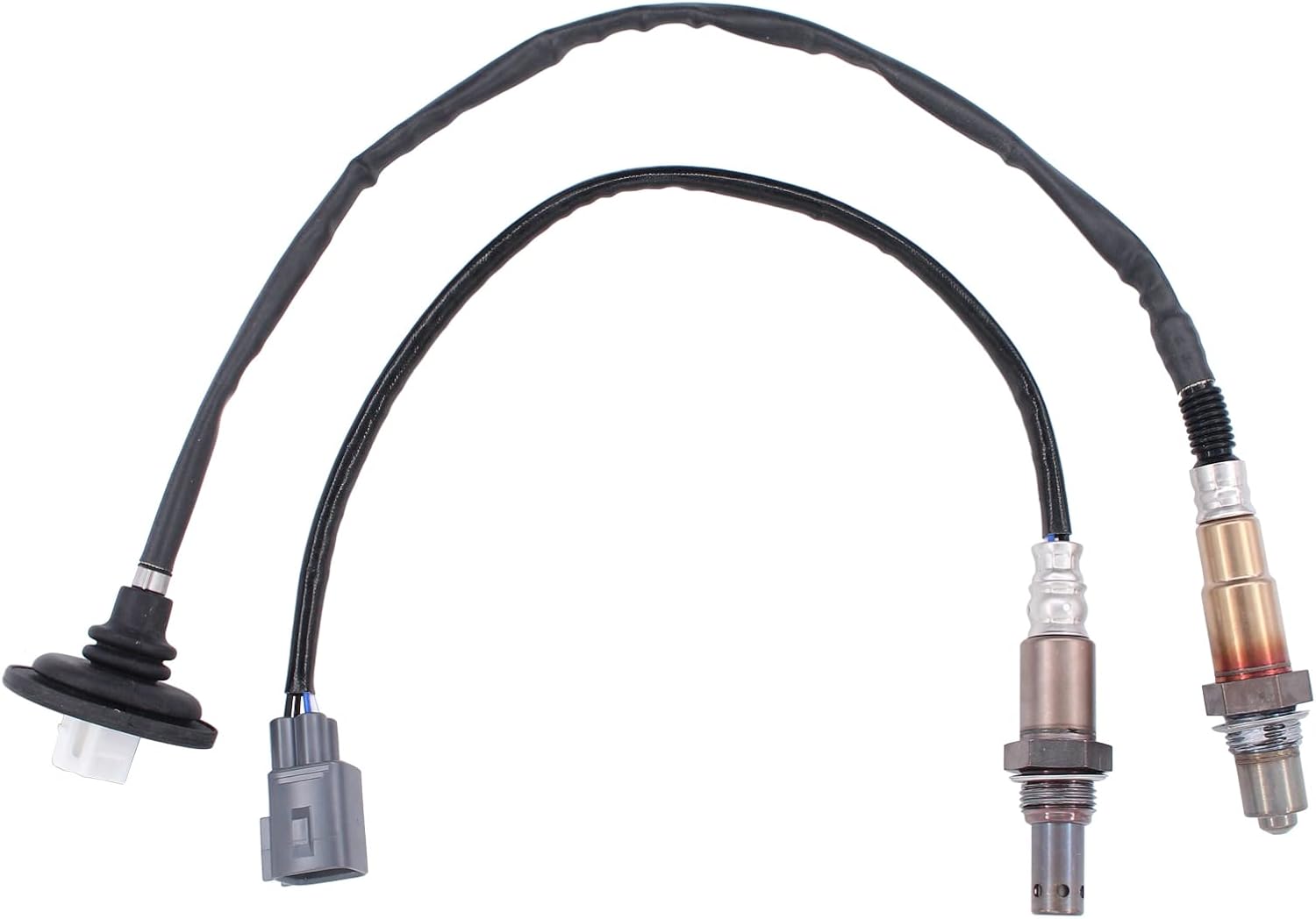
5. NewYall Upstream and Downstream Oxygen Sensor for Scion tC (1.8L, 2005–2008)
| Material | Ceramic, Metal, Polymer |
|---|---|
| Mounting Type | Flange Mount |
| Measurement Accuracy | ±1.5% |
| Specific Uses For Product | Oxygen Sensor |
This NewYall oxygen sensor set supplies upstream and downstream sensing for the 1.8L Scion tC (2005–2008) platform and is intended as a direct-fit replacement for failed factory sensors. Installers use these sensors to restore the engine control module's ability to monitor exhaust oxygen and adjust fuel mixture, which can clear related check engine codes and stabilize idle and fuel economy. Notable features listed include a ceramic sensing element, flange mounting, and a stated measurement accuracy of ±1.5 percent. In practice the package is compact and uses the same mounting style as factory sensors so installation is straightforward for a DIYer or tech with basic hand tools. Customer reports show many units fit and function as expected and can turn off CELs tied to aging sensors, but there are mixed experiences with long-term durability and occasional codes after installation. If you need a cost-effective, direct-replacement sensor set for a Scion tC, this performs the core job, but expect variability in longevity compared with higher-end factory-quality parts.
Best for: Risk-averse mainstream buyers who prioritize restoring normal engine operation and clearing oxygen-sensor faults on a 2005–2008 Scion tC without paying for an OEM-priced sensor.
Less Ideal for: Owners seeking a guaranteed long-term factory-quality replacement or those who prefer branded sensors with extended durability testing should consider higher-end alternatives.
- Sold as upstream and downstream sensors to cover both pre- and post-catalyst monitoring
- Ceramic sensing element and flange mount match typical factory installation method
- Measured accuracy claim of ±1.5% suggests precise oxygen readings when new
- Compact, direct-fit form that many DIYers report installs quickly
- Mixed user reports on long-term reliability and intermittent check-engine codes after installation
- Not marketed as a factory-quality branded replacement so lifespan may vary
Verdict A budget-friendly direct-replacement oxygen sensor set that can restore proper fuel control on a 2005–2008 Scion tC but may show variable long-term durability compared with higher-end factory-quality units.
6. Bosch 13355 Premium Fit Oxygen Sensor

| Maximum Supply Voltage | 12 Volts (DC) |
|---|---|
| Mounting Type | Flange Mount |
| Output Type | electrical signal |
| Upper Temperature Rating | 1000 Degrees Celsius |
The Bosch 13355 is a direct-fit oxygen sensor intended to replace the factory upstream sensor on compatible Scion tC models to clear oxygen-sensor related check-engine codes and restore proper fuel trim. It mounts using the flange-style thread and provides an electrical signal to the engine computer while a built-in heater brings the sensing element up to temperature quickly for reliable readings shortly after startup. Bosch highlights a double laser-welded stainless steel body and factory-style connector and harness that simplify installation and reduce the need for modifications. For a practical optimizer this sensor delivers the expected benefits: quick diagnostic resolution, easier DIY swap-in with pre-coated threads, and the durability advantages of stainless construction and a sealed protection tube. Limitations include possible fitment variations across engine and production-year combinations for the tC, so confirming sensor position and connector type before purchase is important, and some users report occasional mismatched plugs or lead lengths that require verification prior to installation.
Best for: Practical optimizers who prioritize reliable, cost-effective factory-style replacements and like to do straightforward repairs themselves to avoid workshop markups.
Less Ideal for: Buyers who want a guaranteed exact match without verifying fitment first or who prefer having a shop supply parts chosen to their specific vehicle build should consider other options.
- Direct-fit connector and harness for factory-style installation
- Fast-acting heater reduces warm-up time for accurate readings
- Double laser-welded stainless steel body for corrosion and emission exposure resistance
- Threads come pre-coated with anti-seize to simplify installation
- Fitment can vary by engine year and sensor position so verification is required
- Some buyers report the pigtail length or plug differing from the original on rare units
Verdict A practical, factory-style replacement that delivers dependable performance and easier DIY installation for compatible Scion tC models as long as you confirm exact fitment before buying.
7. TRQ O2 Oxygen Sensor, 4‑Wire Wide-Band Upstream (Bank 1 Sensor 1)

| Measurement Accuracy | ±2.5% |
|---|---|
| Mounting Type | Flange Mount |
| Output Type | electrical signal |
| Specific Uses For Product | automotive |
This TRQ wide-band upstream O2 sensor is a direct-fit replacement intended to restore the engine control module’s accurate air-fuel readings on compatible 2.4L Scion tC models. It installs like a factory-quality sensor using a flange mount and the pre-assembled connector harness, so most DIYers can swap it in without modifications. Notable features include a wide-band output type for precise mixture monitoring and a double-layered 310S stainless steel housing for extra protection against moisture and road debris. In practice this helps clear OBD-II oxygen sensor codes, smooth idle, and can improve fuel economy when the original sensor has drifted. Reported user experiences vary from long-term reliable operation to early failures, so longevity may differ by vehicle and operating conditions. The unit is supplied pre-calibrated for direct replacement, but like all aftermarket sensors some buyers may prefer factory replacements for guaranteed longevity in high-mileage or harsh environments.
Best for: Balanced buyers who want a cost-effective, direct-fit upstream oxygen sensor replacement for their 2.4L Scion tC and value ease of installation and measurable drivability improvements.
Less Ideal for: Those seeking the longest possible service life under extreme driving or high-mileage conditions may prefer a factory-quality sensor or dealer-sourced replacement instead.
- Direct-fit design with pre-assembled connector for straightforward installation on compatible 2.4L Scion tC models
- Wide-band 4-wire output gives more precise air-fuel monitoring than narrow-band sensors
- 310S double-layered stainless steel construction offers improved resistance to moisture and debris
- Pre-calibrated for plug-and-play replacement so no additional tuning is required
- Some users report variable durability with occasional early failures compared with higher-cost factory replacements
- Fit and function depend on correct vehicle selection; mismatches have been reported on non-compatible models
Verdict A pragmatic direct-fit wide-band upstream O2 sensor for 2.4L Scion tC owners that balances precision and value but may show mixed longevity compared with higher-end factory replacements.
Choosing the Right Scion tC Oxygen Sensor: Key Factors to Consider
Vehicle Fitment and Connector Type
Correct fitment is the first requirement because the sensor must physically mount and connect to the Scion tC wiring harness and exhaust port. Mismatched threads, hex sizes, or incorrect connector shapes can prevent installation or lead to poor electrical contact.
Confirming connector pinout and harness compatibility reduces installation time and avoids the need for splicing or adapter pigtails. A sensor that matches factory fitment also helps ensure proper sealing at the exhaust bung to prevent leaks that would throw off readings.
Response Time and Signal Accuracy
How quickly the sensor responds to changes in exhaust oxygen content affects fuel trim adjustments and engine drivability. Faster response times help the engine control unit make timely fuel corrections during acceleration, deceleration, and warmup phases.
Look for specifications or descriptions that note rise time or switching speed. Sensors that provide consistent, accurate voltage output or stoichiometric reference values under varying temperatures will maintain smoother idle and fewer false fault codes.
Sensor Type and Sensing Element
Different sensing technologies influence accuracy, lifespan, and how the sensor behaves at different operating conditions. Narrowband sensors provide a binary lean/rich switching signal suitable for stoichiometric control, while wideband sensors deliver a linear, richer dataset for precise air/fuel ratio monitoring.
Understanding which sensor type your vehicle requires is essential because the ECU expects a specific signal format. The sensing element material and construction also affect how resistant the sensor is to contaminants like lead, silicone, or ash from oil consumption.
Durability and Heat Resistance
Oxygen sensors operate in a harsh thermal environment near the exhaust, so materials and protective features matter for long-term reliability. High-quality sensors include heat-resistant housings, robust ceramic elements, and coatings that reduce fouling from soot and deposits.
Choosing a sensor rated for extended temperature cycles and with a protective sheath or guard can reduce premature failures and help maintain consistent readings over mileage and time.
Installation Considerations
Ease of installation affects both cost of labor and the likelihood of a correct repair. Factors such as thread size, hex nut accessibility, required tools, and whether an anti-seize compound is applied to the threads determine how straightforward the swap will be.
Sensors that replicate factory dimensions and include compatible connectors reduce the chance of improper torque or cross-threading. Consider whether you will install the unit yourself or need professional service, and choose a sensor that matches your skill level and available tools.
Electrical Compatibility and Diagnostics
Electrical characteristics like reference voltage, grounding method, and heater circuit specifications influence how the sensor interfaces with the vehicle ECU. A heater circuit that reaches operating temperature quickly helps the sensor produce valid readings sooner during cold starts.
Also consider diagnostic clarity: sensors that return consistent signals help avoid intermittent codes and make diagnostic steps like reading live data or testing for codes more informative. Ensuring compatibility with standard diagnostic procedures reduces guesswork during troubleshooting.
FAQ
What are common O2 sensor symptoms I might see on a Scion tC?
Common signs include a persistent check engine light, fluctuating idle, poor fuel economy, and rough acceleration. You may also notice failed emissions testing or an odor of unburned fuel. These symptoms often suggest the sensor is not reporting accurate oxygen levels to the ECU.
How do I determine whether to replace an upstream or downstream oxygen sensor?
Upstream sensors monitor combustion efficiency and directly affect fuel trim, while downstream sensors typically monitor catalytic converter performance. If fuel trim issues and drivability appear, the upstream sensor is often the focus. If the concern is catalyst efficiency or certain emissions codes, a downstream sensor may be relevant.
Can I test an oxygen sensor myself before replacing it?
Yes, basic tests are possible using a multimeter or an OBD-II scanner to observe voltage or wideband readings and heater circuit resistance. Testing live data at different engine conditions gives clues about switching behavior and heater operation. More conclusive results often come from a combination of electrical tests and observing real-time sensor response.
Will replacing the oxygen sensor clear a check engine light immediately?
Replacing a faulty sensor can clear the cause of the code, but the check engine light may persist until the ECU resets or completes its readiness cycles. Clearing codes with a scanner and then verifying stable sensor readings and resolved readiness monitors is the typical approach.
Is a wideband oxygen sensor necessary for a Scion tC street application?
Most stock engine control systems are designed for narrowband sensors and provide adequate control for everyday driving. Wideband sensors are more useful when you need precise air/fuel data for tuning, forced induction, or performance modifications. Whether a wideband is necessary depends on the vehicle setup and diagnostic needs.
How We Chose the Best Scion tC Oxygen Sensor
We focused on sensors that directly address the needs of Scion tC owners by prioritizing correct vehicle fitment, reliable signal response, and durable construction. Our selection criteria included confirmed fitment to the Scion tC exhaust layout, sensor response time under typical operating temperatures, and the presence of protective features that resist contamination and heat. We also evaluated electrical connector compatibility, sensing element type, and expected lifespan based on design and materials. Exclusions applied to any unit lacking clear fitment data, those using nonstandard connectors, and units without sufficient temperature or durability specifications. The final shortlist balances practical installation considerations with performance factors that influence fuel trim stability and emissions control over time.
Our full evaluation process is outlined in our review methodology.
Conclusion
When choosing a replacement Scion tC oxygen sensor, prioritize correct fitment, reliable signal response, and a durable build that can withstand exhaust heat and contamination. Balance the need for quick heater warmup and accurate voltage output against ease of installation and connector compatibility.Accept that tradeoffs exist between simple, direct-fit narrowband units and more advanced sensing technologies suited to tuning or diagnostic work. Focus on the factors that impact drivability and emissions control for your intended use to make the best selection.
Explore More:
- Check out all Scion tC parts & accessories
- Explore Oxygen Sensors Maintenance & Repair Guides
- Explore Engine
- Browse all Auto Parts
