

Note: This article contains affiliate links. If you click on these links and make a purchase, I may earn a small commission at no extra cost to you. This helps support my research and content. Read my full affiliate disclosure here.
Choosing the right Mitsubishi Outlander oxygen sensor matters because this part directly affects fuel economy, emissions, and how the engine responds during driving. A failing sensor can cause rough idling, poor throttle response, and trigger diagnostic trouble codes, so picking a reliable replacement minimizes drivability headaches.This guide highlights the top shortlisted oxygen sensors for the Outlander, explaining why each made the cut and the practical criteria we used to evaluate them. Read on to understand the key factors to consider and how they influence on-road performance.
Looking for other parts? See all Mitsubishi Outlander parts & accessories.
Top Picks at a Glance
| Best Reviewed A top-rated pick with lots of positive feedback | VHBJMNFVFD Oxygen O2 Sensor (Replaces 234-5051 / 234-4114) |  |
| Most Popular A crowd favorite that many people choose with confidence | DrCax 234-5075 Heated Oxygen O2 Sensor (Upstream, Left) |  |
| Best Quality Built to a higher standard if you want something more solid | BOSCH 18074 Premium Fitment Oxygen Sensor |  |
| Best Budget The cheapest option that still gets the job done reliably | DOSKJOK Downstream Heated Oxygen Sensor (Replacement for Mitsubishi Outlander) |  |
| Most Sold A high-volume bestseller chosen again and again | A-Premium Oxygen Sensor 2‑Pack for Mitsubishi Outlander 2.4L (2014–2020) |  |
| Best Value for Money The sweet spot between price and what you get | Amrxuts Replacement Upstream & Downstream Oxygen Sensors (pair) |  |
| Best Overall The best all-around choice for most situations | Denso 234-4114 Replacement Oxygen (O2) Sensor |  |
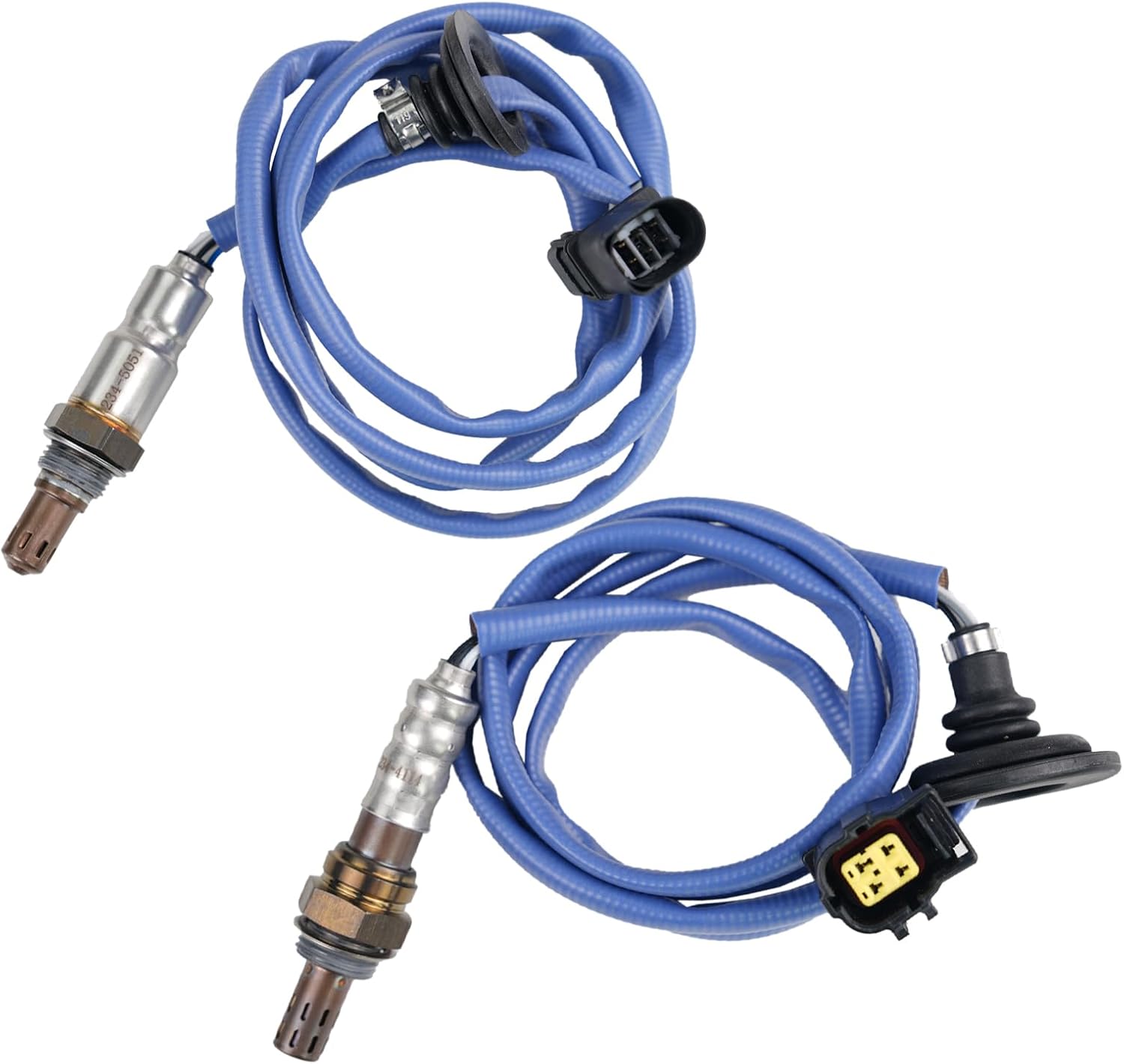
1. VHBJMNFVFD Oxygen O2 Sensor (Replaces 234-5051 / 234-4114)
| Material | Stainless Steel |
|---|---|
| Mounting Type | Plug Mount |
| Output Type | electrical signal |
| Measurement Accuracy | ±1% to ±2% |
This upstream oxygen sensor replaces factory-style units for compatible Mitsubishi Outlander model years and monitors exhaust oxygen to help the engine control module adjust air/fuel mixture. It is typically used as a direct replacement when a failing sensor triggers a check engine light, reduced fuel economy, or emissions-related trouble codes. The sensor arrives pre-coated on the threads with anti-seize and includes a protective cover for shipping, which makes installation straightforward for a DIYer with basic tools or for a technician. Built from stainless steel and sold as a motor-vehicle replacement part, it claims measurement accuracy within about 1 to 2 percent and outputs the expected electrical signal to the vehicle harness. Limitations to be aware of are potential differences in grommet or clip placement compared with factory plugs and a lighter feel than some factory parts, which may require careful handling during installation; for California emissions vehicles the listing excludes compatibility for certain years so double-check fitment before buying.
Best for: Reliability-focused Mitsubishi owners who prioritize restoring factory-style emissions control and steady fuel economy without replacing other engine components.
Less Ideal for: Owners who require guaranteed exact factory-fit grommet locations or who need parts certified specifically for California emissions compliance should consider factory-quality alternatives or dealership parts.
- Direct-fit replacement for listed Mitsubishi Outlander model years simplifying installation
- Threads come pre-coated with anti-seize to protect during installation
- Stainless steel construction and packaged protection reduce risk of shipping damage
- Claims near 1–2% measurement accuracy for reliable signal to the engine control module
- Not compatible with some California emissions versions for certain years so fitment must be verified
- Grommet and clip positions may differ from factory sensors which can complicate routing or connector fit
Verdict A practical, cost-conscious upstream replacement for Outlander owners seeking a reliable, factory-style oxygen sensor if fitment is carefully confirmed.
2. DrCax 234-5075 Heated Oxygen O2 Sensor (Upstream, Left)

| Compatible Part Numbers | 234-5075, 1588A273, 68070689AA |
|---|---|
| Application | Mitsubishi Outlander V6 3.0L (upstream left) |
| Mounting Type | Flange Mount |
| Output Type | Digital |
This DrCax sensor is an aftermarket upstream heated O2 sensor intended as a factory-replacement for Mitsubishi Outlander V6 3.0L models that use part 234-5075. It installs in place of the original upstream left sensor and plugs into the vehicle harness, restoring the engine computer’s oxygen feedback for proper fuel trim and emissions control. Notable features include a heated element for faster sensor warm-up and a flange mount that mirrors the factory fitment for a straightforward swap. In use it helps clear check engine codes related to a failing upstream sensor, improve fuel economy that suffers from incorrect air/fuel readings, and supports passing emissions tests. Some users report inconsistent long-term reliability compared with OEM sensors and occasional false codes, so expect mixed lifespan performance. Overall it offers a convenient, budget-friendly replacement that gets the Outlander back to proper running condition quickly, but buyers who prioritize long-term OEM-level durability may want a branded factory-quality alternative.
Best for: Convenience-driven owners who want a quick, plug-and-play replacement to clear O2-related codes and get their Mitsubishi Outlander running and passing emissions without a dealer visit.
Less Ideal for: Buyers seeking the longest possible service life or guaranteed OEM-equivalent durability should consider a factory-quality branded sensor or dealer replacement instead.
- Direct-fit replacement for Mitsubishi Outlander upstream left position using part number 234-5075.
- Heated element reduces warm-up time so the ECU receives correct oxygen readings sooner after start.
- Flange-mount design matches factory-style installation for easier swap with standard tools.
- Designed to restore emissions control and fuel-trim accuracy to resolve related check engine codes.
- Aftermarket construction can produce variable long-term reliability compared with factory-quality sensors.
- Some users reported recurring error codes after installation on certain vehicles.
Verdict A convenient, direct-fit upstream heated O2 sensor that restores emissions control and fuel-trim function on the Outlander quickly, with acceptable performance for budget-minded buyers but variable long-term durability.
3. BOSCH 18074 Premium Fitment Oxygen Sensor

| Brand | Bosch |
|---|---|
| Material | Stainless Steel |
| Mounting Type | Flange Mount |
| Output Type | Push-Pull |
| Style | Oxygen Sensor |
This Bosch 18074 oxygen sensor is a direct-fit replacement that monitors exhaust oxygen to help the engine control module maintain the correct air-fuel ratio. For Mitsubishi Outlander applications it installs in the factory sensor location using the supplied harness-style connector and pre-coated threads, so installation is straightforward for a competent DIYer or technician. Notable features include a stainless steel, submersible body for corrosion resistance and a fast-acting heater that brings the sensor to operating temperature quickly, which improves warm-up emissions and responsiveness. Bosch tests each unit for functionality, which supports consistent operation when returning the vehicle to specified emissions performance. Some users report occasional quality variations such as gasket fragility, so careful inspection at install and proper torque are advisable. While this is a high-quality aftermarket option, very small manufacturing differences versus dealer-sourced parts have been reported by a minority of buyers.
Best for: Performance-oriented Outlander owners who prioritize restoring precise engine control and emissions performance to factory standards and want a tested, high-quality replacement sensor.
Less Ideal for: Buyers who prioritize guaranteed factory-dealer parts or those unwilling to verify exact fitment by engine variant should consider dealer-sourced alternatives.
- Direct-fit connector and harness for straightforward installation in compatible Outlander models
- Stainless steel, submersible body resists exhaust corrosion for longer service life
- Fast-acting heater reduces warm-up time for quicker accurate readings after start-up
- Factory-level functional testing to ensure each sensor meets performance specifications
- Some reports of fragile gasket/build quality issues on a small number of units
- Fitment can be affected by engine variant so verify sensor position and compatibility before installation
Verdict A tested, high-quality direct-fit sensor that restores proper air-fuel control for Mitsubishi Outlander drivers seeking factory-like performance, with occasional minor build variations to watch for.
4. DOSKJOK Downstream Heated Oxygen Sensor (Replacement for Mitsubishi Outlander)

| Position | Downstream |
|---|---|
| Sensor Type | Heated |
| Measuring Range | 0% – 25% O2 concentration |
| Upper Temperature Rating | 932 Degrees Fahrenheit |
This DOSKJOK downstream heated oxygen sensor is a budget-focused direct replacement intended for Mitsubishi Outlander 2008–2020 2.4L four-cylinder (and compatible Mitsubishi models listed). It measures exhaust oxygen and sends an electrical signal to the engine control module so the ECU can adjust fuel trim, which helps restore idle stability, fuel economy, and catalytic converter efficiency. The sensor arrives with a connector intended to match the factory harness and pre-coated threads to ease installation. Notable attributes are the heated element for faster warm-up and a claimed high temperature tolerance for durability in the exhaust environment. As a low-cost aftermarket part, expect practical value for routine sensor replacement, but you should verify connector fitment and follow the seller guidance to burn in the sensor and clear any stored codes after installation. This unit does not include extensive documentation or vehicle-specific calibration, so diagnostic checks after fitment are recommended if drivability issues persist.
Best for: Budget-conscious owners seeking an affordable, ready-to-install downstream oxygen sensor to replace a failing unit and restore normal emissions and idle behavior on a Mitsubishi Outlander.
Less Ideal for: Drivers who want long-term manufacturer-backed warranties or who need a sensor with documented OEM-level longevity and testing should consider higher-tier, brand-name replacements.
- Direct-fit replacement for specified Mitsubishi Outlander model years for straightforward swap-in
- Heated sensor element for quicker operation after cold starts
- Pre-coated threads simplify installation and reduce the chance of thread seizing
- No vehicle-specific calibration or extended documentation provided
- Limited manufacturer detail and long-term reliability data compared with factory-brand sensors
Verdict If you need an inexpensive, direct-fit downstream oxygen sensor to get an Outlander back to normal operation quickly, this is a practical budget choice, but it lacks OEM-level documentation and long-term proof.
5. A-Premium Oxygen Sensor 2‑Pack for Mitsubishi Outlander 2.4L (2014–2020)

| Vehicle fitment | Mitsubishi Outlander 2014-2020 L4 2.4L |
|---|---|
| Sensor type | Heated oxygen sensor |
| Wire quantity | 4/5 |
| Mounting type | Threaded |
| Package quantity | 2 |
This A-Premium 2‑pack supplies both upstream and downstream heated oxygen sensors designed to replace factory-style units on the Mitsubishi Outlander 2.4L (2014–2020). Each sensor is threaded and sends an electrical signal to the engine control module to help manage fuel trim and emissions. Typical use is a direct replacement when check-engine codes indicate failing O2 sensors or when restoring fuel economy and emissions performance. The kit lists 4- and 5‑wire options and includes female connectors and vehicle reference numbers to assist fitment. Construction uses ceramic and metal elements with a high temperature rating for durability, and the seller says installation is straightforward using common hand tools. Important limitations: one user reported a mismatched connector on a sensor, so confirm plug compatibility with your VIN and engine code before installation. This is an economical aftermarket replacement that aims for easy swap-in fitment but may require minor connector or harness adjustments on some vehicles.
Best for: Risk-averse mainstream buyers who prioritize restoring factory-like emissions and drivability on their Outlander and prefer replacing both sensors at once to avoid repeat labor.
Less Ideal for: Buyers wanting a guaranteed direct plug-and-play match without any verification should consider sourcing a factory-quality OEM replacement or checking connector fitment first.
- Sold as an upstream and downstream pair so both sensors can be serviced at once
- Heated sensor design (4/5 wire) for faster warm-up and accurate readings
- Threaded mounting and female connector match typical factory installation
- High upper temperature rating for endurance in exhaust environments
- Some buyers reported connector incompatibility on at least one sensor requiring modification or replacement harness
Verdict A cost-effective heated O2 sensor pair that restores emissions control for the Outlander but verify connector compatibility for your VIN before installation.
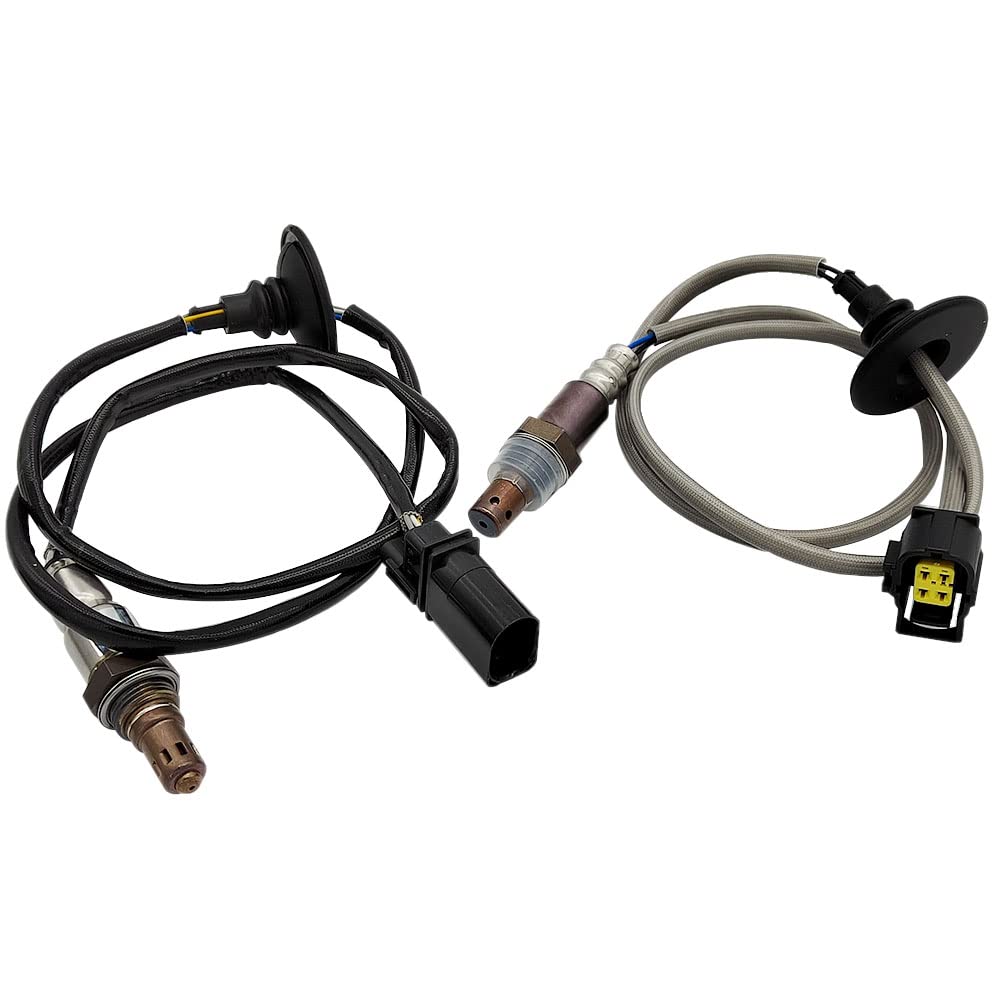
6. Amrxuts Replacement Upstream & Downstream Oxygen Sensors (pair)
| Material | Stainless Steel |
|---|---|
| Output Type | electrical signal |
| Upper Temperature Rating | 850 Degrees Celsius |
| Package Included | 2Pcs (1 upstream + 1 downstream) |
This kit includes two oxygen sensors intended to replace upstream and downstream units on compatible Mitsubishi models. Each sensor plugs into the factory harness and reports exhaust oxygen content to the engine computer so the engine can adjust fuel trim and manage emissions. Notable features include stainless steel construction, short light-off time for quicker response, and distinct wire counts and lengths for the two part numbers in the kit. In practice these sensors are used to clear check-engine light codes, help restore fuel economy, and maintain emissions system function when original sensors fail. Installation is typical for exhaust sensors and can be done with basic tools or at a shop. Limitations are that these are aftermarket parts so long-term durability varies between units and a minority of reviews report early failures; also fitment excludes California emissions setups, so confirm vehicle requirements before installing. For a buyer seeking a lower-cost replacement that aims to restore function rather than upgrade performance, this pair is a practical option.
Best for: Practical optimizers who prioritize restoring reliable operation and fuel economy on a budget and prefer a straightforward, lower-cost replacement over an OEM-priced sensor.
Less Ideal for: Buyers who need emissions-certified parts for California or who prioritize guaranteed OEM-level longevity and warranty support should consider factory-quality alternatives.
- Sold as an upstream and downstream pair so both sensors are replaced at once
- Designed as direct-fit replacements for listed Mitsubishi models to simplify installation
- Stainless steel construction and high temperature rating for corrosion and heat resistance
- Faster light-off and quick response claims help the ECU reach closed-loop operation sooner
- Aftermarket construction means variable long-term reliability compared with factory-quality parts
- Not listed for vehicles with California emissions equipment so compatibility is limited
Verdict A budget-friendly direct-fit pair that restores oxygen sensing and fuel control for compatible Mitsubishi models, with some risk to long-term durability.
7. Denso 234-4114 Replacement Oxygen (O2) Sensor

| Material | Stainless Steel, Zirconium |
|---|---|
| Mounting Type | Thread-In |
| Output Type | electrical signal |
| Maximum Supply Voltage | 12 Volts (DC) |
This Denso 234-4114 is a narrow-band oxygen sensor sold as a direct-fit replacement for specified Mitsubishi Outlander model years. It installs in the exhaust system and measures oxygen content to help the engine control unit tune air/fuel mixture. The sensor comes with a 4-wire harness and a threaded, machined housing that matches factory mounting for straightforward swap-in installation. Denso highlights an aluminum oxide trap layer to protect the ceramic element from contaminants, which should help maintain accurate readings and service life compared with cheaper generic sensors. In use it restores proper fuel trim behavior and can clear check-engine faults tied to a failing downstream O2 sensor. Limitations include that it is a narrow-band sensor rather than a wideband unit, so it provides the same kind of feedback the stock system expects but not the broader measurement range performance tuners sometimes want. A few isolated reports cite shorter-than-expected life on some vehicles, so expect the typical service lifespan for an aftermarket replacement rather than an unlimited run time.
Best for: A balanced all-round buyer looking for a reliable, factory-quality replacement sensor to restore correct engine management on a Mitsubishi Outlander without changing tuning strategy.
Less Ideal for: Drivers who want wideband measurements for tuning, data logging, or performance modifications should choose a dedicated wideband sensor instead.
- Factory-style fit and connector routing for straightforward replacement on compatible Outlander models
- Four-wire design supports heater control for faster warm-up and stable readings
- Aluminum oxide trap layer helps protect the sensing element from silicone and lead contamination
- Machined housing and matched thread pattern for proper exhaust mounting
- Narrow-band sensing only so it cannot provide the richer data of a wideband sensor
- Some user reports indicate variable long-term durability on certain vehicles
Verdict A factory-style narrow-band replacement that brings OEM-like fit and contamination protection to Mitsubishi Outlander owners who need a dependable service sensor.
Choosing the Right Mitsubishi Outlander Oxygen Sensor: Key Factors to Consider
Compatibility and Fitment
A correct fitment ensures the sensor threads, connector type, and length match the Mitsubishi Outlander’s wiring and bung position. Using a sensor that requires splicing or an adapter can lead to unreliable readings or poor sealing at the exhaust connection.
Compatibility matters because an improper physical or electrical fit can cause intermittent signals, which show up as erratic fuel trims or diagnostic trouble codes. Always confirm OEM-style connectors and thread pitch to avoid installation issues.
Sensor Response Time
Response time determines how quickly the sensor reports changes in exhaust oxygen levels to the engine control unit. Faster response helps the ECU adjust fuel injection more accurately, improving drivability and throttle response.
Slower sensors can cause a lag in corrections, which may manifest as rough idle or sluggish transitions. For daily driving and emissions compliance, choose sensors specified with quick response characteristics.
Durability and Heat Resistance
Oxygen sensors operate in very hot sections of the exhaust system, so materials and protective coatings influence service life. Sensors built from robust ceramics and heat-resistant housings resist thermal degradation and prolonged exposure to exhaust gases.
Durability reduces the chance of premature failure from thermal cycling or corrosive deposits. Consider sensors with protective shields or anti-contaminant features for longer life in normal and harsh driving conditions.
Signal Type and Output
Sensors can be narrowband or wideband, and they produce different types of electrical signals the vehicle’s engine control unit expects. Matching the expected signal type is essential for accurate fuel-trim management and emissions control.
Using the wrong signal type will cause incorrect readings and could trigger diagnostic trouble codes. Verify whether the Outlander application calls for a specific output type and select a sensor that provides that exact signal format.
Ease of Installation
Direct-fit sensors with correct connectors and mounting threads simplify installation and reduce the chance of wiring issues. Sensors that include anti-seize on the threads or come pre-coated for easy torque application can save time and lower the risk of damage during replacement.
Consider accessibility at the mount point on the Outlander and whether special tools are required. Easier installation reduces labor time and the potential for cross-threading or connector damage.
Resistance to Contamination
Exhaust sensors can be fouled by oil, coolant, or unburned fuel residues. Sensors with contamination-resistant elements or protective designs maintain signal accuracy longer in real-world conditions.
If your Outlander has a history of oil or coolant consumption, pick a sensor that resists deposits. That reduces the likelihood of recurring O2 sensor symptoms and intermittent check engine light triggers.
FAQ
What are common O2 sensor symptoms in a Mitsubishi Outlander?
Common symptoms often include a rough idle, reduced fuel economy, and a persistent check engine light. You may also notice poor acceleration or higher emissions during inspections. These signs usually indicate the sensor is reporting out-of-range readings to the vehicle’s control module.
How do I know whether to replace the upstream or downstream oxygen sensor?
Upstream sensors typically monitor combustion and feed data used for fuel trim adjustments, while downstream sensors check catalytic converter performance. A diagnostic trouble code or targeted testing usually indicates which specific location is reporting a fault. Inspection and signal testing help determine the precise sensor to replace.
Can I test an oxygen sensor myself before replacing it?
Yes, you can perform basic checks with a multimeter or an OBD-II scanner to observe voltage swings or response behavior. Tests typically involve monitoring voltage fluctuations at idle and during revs. While basic tests can indicate failure, more definitive results may require professional diagnostic tools.
Will replacing the oxygen sensor clear the check engine light?
Replacing a failing sensor often clears the related fault once the system completes a successful drive cycle and the ECU recognizes normal readings. If the light remains, additional diagnostics are usually required because other issues can trigger the same code.
Is installation difficult for the average DIYer?
Installation is often straightforward if the sensor is a direct-fit unit and the mount is accessible. Typical tasks involve disconnecting the old sensor, removing it with the proper socket, and fitting the new sensor with the correct torque. Stuck or seized sensors, or hard-to-reach locations, can complicate the job.
How long do oxygen sensors usually last in real-world driving?
Sensor lifespan varies with driving conditions and exposure to contaminants but they often last several years under normal use. Heat cycles, fuel quality, and engine issues can shorten life. Regular inspection during maintenance can help spot early signs of degradation.
How We Chose the Best Mitsubishi Outlander Oxygen Sensor
We focused on components that meet factory-style fitment and signal stability for the Mitsubishi Outlander. Key evaluation criteria included sensor durability in high-heat conditions, electrical signal response time that affects fuel trim accuracy, connector and thread compatibility for direct fit installation, and resistance to contamination that can cause early failure. We also considered materials and coatings that extend service life and how easily the sensor integrates with the vehicle’s existing wiring harness.Exclusions: we excluded universal or generic sensors that require splicing or significant modification, and any units without clear specification for Outlander fitment. Our filters prioritized direct-fit parts, clear specification sheets, and components designed to meet emissions performance. The result is a list of sensors suited to restore correct oxygen sensing, minimize diagnostic codes, and maintain steady engine operation for the Mitsubishi Outlander.
Our full evaluation process is outlined in our review methodology.
Conclusion
When choosing a Mitsubishi Outlander oxygen sensor, prioritize correct fitment, the expected signal type, and quick response time to restore accurate fuel control. Durability and resistance to contamination matter for long-term reliability, especially if the vehicle has experienced oil or coolant exposure.Balance ease of installation with specifications that match the Outlander’s requirements. Focusing on those core factors helps you resolve common symptoms and keeps the engine running smoothly.
Explore More:
- Check out all Mitsubishi Outlander parts & accessories
- Explore Oxygen Sensors Maintenance & Repair Guides
- Explore Engine
- Browse all Auto Parts
